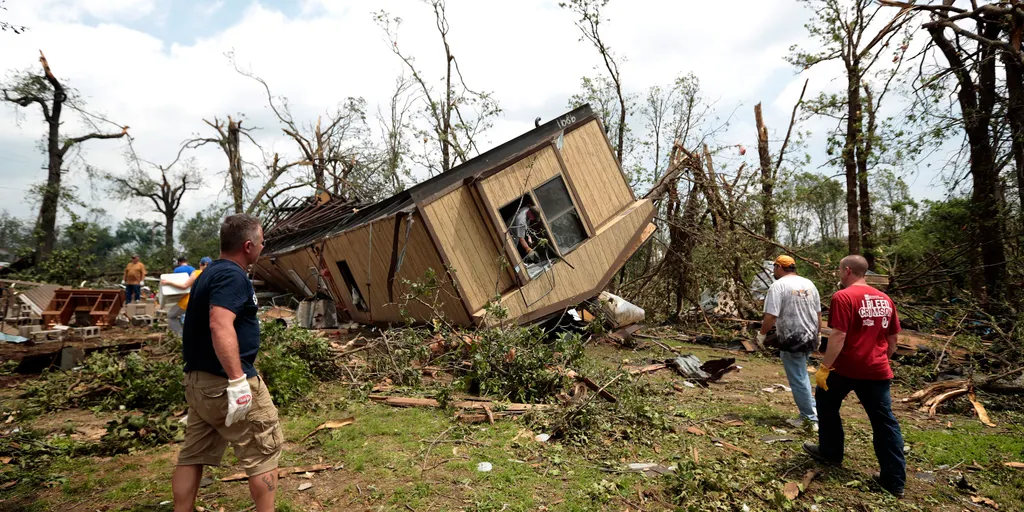
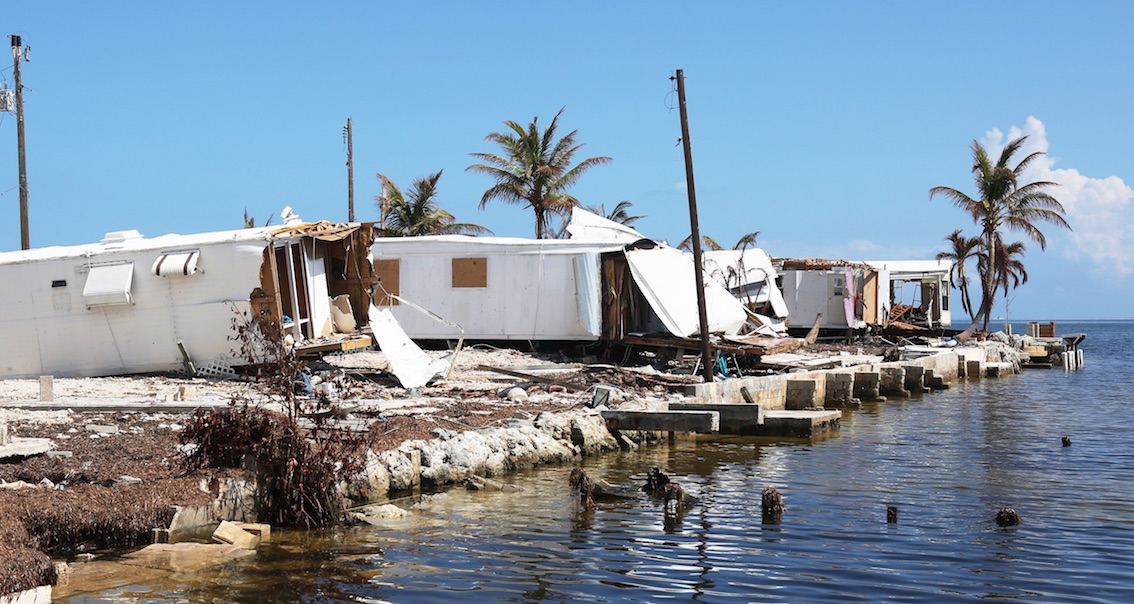
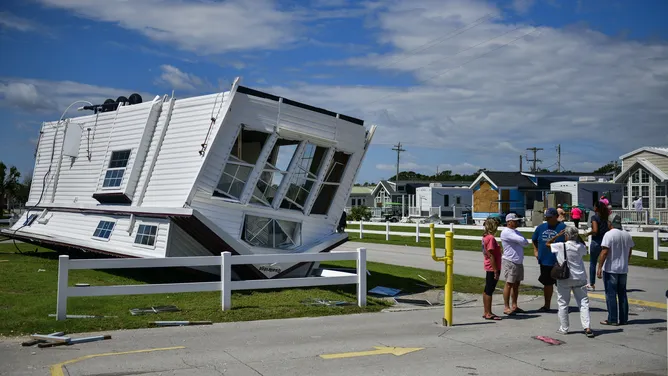
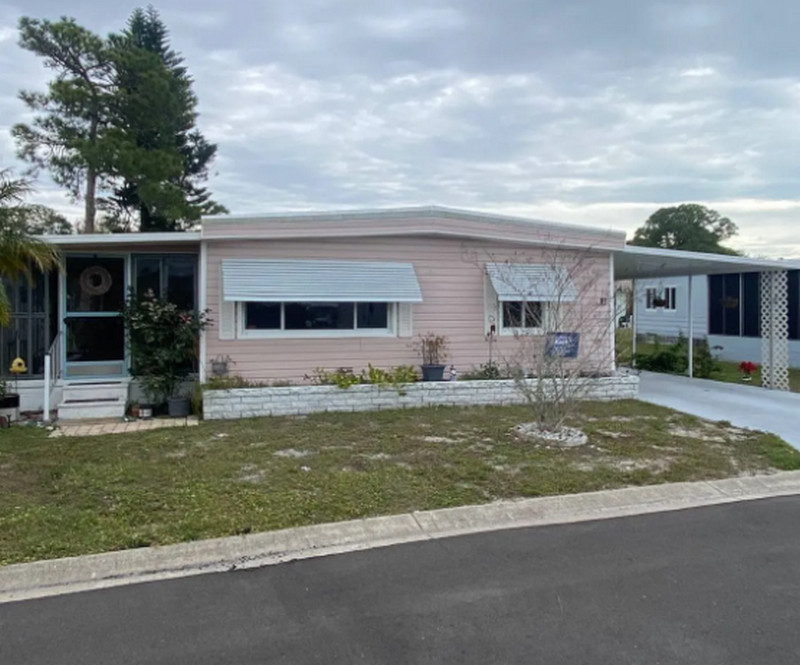
Tag: where to hide during a tornado in a mobile home

  • Is It Safe to Own a Mobile Home in Florida’s Hurricane Zone?

    Owning a mobile home in a hurricane zone can feel uncertain, especially in Florida. Hurricanes hit the state frequently, bringing strong winds and heavy rain. Mobile homes are often seen as vulnerable structures in these situations. However, with proper preparation and awareness, many people live safely in mobile homes within these areas. Let’s discuss the risks, safety measures, and options for owning a mobile home in Florida’s hurricane-prone zones.

    Understanding the Risks of Hurricane Zones

    Florida’s hurricane season spans from June to November. During this time, storms with high winds can cause severe damage. Mobile homes, built lighter than traditional homes, are more susceptible to these forces.

    Some common risks include:

    • High winds: Mobile homes can be damaged or moved by winds exceeding their design capacity.
    • Flooding: Low-lying areas often flood, and mobile home foundations are vulnerable.
    • Flying debris: Loose objects become projectiles that can damage windows or walls.

    Knowing these risks allows owners to prepare more effectively. Preparation can greatly reduce the dangers of living in these zones.

    mobile home in hurricane zone

    Are Modern Mobile Homes Safer?

    Mobile home safety has improved thanks to building regulations. Homes built after 1994 must comply with stricter standards, especially in high-wind areas. These homes are better designed to handle hurricane conditions.

    Key improvements in modern mobile homes include:

    • Reinforced frames and roofs
    • Improved anchoring systems to prevent shifting
    • Stronger doors and windows

    When buying a mobile home in a hurricane zone, ensure it meets these updated standards. A newer model often offers better protection than older ones.

    Tips for Staying Safe in a Mobile Home During Hurricanes

    Staying safe during a hurricane requires planning. Mobile homes alone aren’t always enough to keep you protected. Here’s how to increase your safety:

    1. Install hurricane straps: Secure the home to its foundation to prevent movement.
    2. Create a storm kit: Include water, food, batteries, and important documents.
    3. Stay informed: Monitor weather alerts and evacuation orders.
    4. Know evacuation routes: Leave immediately if authorities recommend evacuation.

    Being proactive can save lives. It’s better to overprepare than to face a storm unready.

    Are Some Locations Safer Than Others?

    Not all parts of Florida’s hurricane zones face the same risks. Coastal areas usually experience stronger winds and higher storm surges. Inland areas may be less prone to these extremes but still face heavy rain and wind.

    Factors to consider when choosing a location include:

    • Elevation: Higher ground reduces flood risk.
    • Proximity to water: Areas near the coast face greater storm surge.
    • Community shelters: Check if nearby shelters are equipped for emergencies.

    Choose your location carefully to minimize potential hazards.

    The Role of Insurance in Hurricane Zones

    Insurance plays a vital role in protecting mobile homeowners. Florida’s hurricane zone requires specialized policies to cover storm-related damage.

    Things to look for in insurance coverage:

    • Wind damage protection
    • Flood insurance (a separate policy from standard coverage)
    • Replacement costs for lost belongings

    Many companies offer discounts for homes with hurricane-resistant features. Ask about these options to save on premiums.

    Alternatives to Staying in a Mobile Home During Hurricanes

    Leaving your mobile home during a hurricane can be the safest choice. Shelters and hotels often provide more secure options.

    Some alternative arrangements include:

    • Community shelters: Many counties have shelters equipped for hurricane safety.
    • Staying with family or friends: Choose a sturdier home nearby if possible.
    • Booking hotels early: Availability decreases quickly during storms.

    Always prioritize safety over convenience when severe weather threatens.

    Can Mobile Home Communities Improve Safety?

    Some mobile home communities in Florida have invested in safety upgrades. These neighborhoods offer features like storm shelters and enhanced drainage systems.

    Benefits of living in such communities include:

    • Shared emergency resources
    • Organized evacuation plans
    • Reinforced structures for common areas

    If you’re considering owning a mobile home in a hurricane zone, research communities that prioritize safety. These neighborhoods can make living in such areas less stressful.

    Maintenance Tips for Hurricane Preparedness

    Proper maintenance reduces risks for mobile homes during hurricane season. A well-maintained home withstands extreme weather better than a neglected one.

    Important tasks include:

    • Inspecting the roof: Repair any weak spots or leaks.
    • Clearing debris: Remove loose objects that could become projectiles.
    • Testing anchor systems: Ensure the home remains secure.
    • Checking seals: Keep windows and doors watertight.

    Regular upkeep protects your home and gives you peace of mind.

    Why Do People Choose Mobile Homes in Hurricane Zones?

    Many people choose mobile homes in Florida’s hurricane zones despite the risks. Affordability is a major factor. Mobile homes cost significantly less than traditional homes, making them accessible for many families.

    Other reasons include:

    • Flexibility in location
    • Lower property taxes
    • Tight-knit communities

    While these benefits are appealing, they require balancing against the challenges of hurricane season.

    Final Thoughts on Owning a Mobile Home in Hurricane Zones

    Owning a mobile home in a hurricane zone requires careful consideration and preparation. Florida’s weather can be unpredictable, but modern mobile homes and safety measures offer improved protection. Stay informed, maintain your home, and have a plan for hurricane season. With the right precautions, mobile home living can be a safe and practical choice in Florida’s hurricane-prone areas.

    See Also:


  • How Mobile Home Parks Handle Hurricane Evacuations

    Hurricane evacuations in mobile home parks require careful planning and quick action to ensure safety. Residents face unique challenges due to the construction of mobile homes and their vulnerability to high winds. Park managers, residents, and local officials work together to create and execute evacuation plans.

    The Importance of Preparedness in Mobile Home Parks

    Preparedness is key for mobile home parks in hurricane-prone areas. Mobile homes are more susceptible to wind damage compared to traditional homes. Additionally, their lightweight structure makes them unsafe during hurricanes. Evacuating residents early can save lives and reduce injuries.

    To prepare for hurricanes, mobile home parks often:

    • Develop detailed evacuation plans
    • Share emergency information with residents
    • Coordinate with local authorities and shelters

    These steps ensure that everyone knows what to do before a storm arrives.

    Hurricane evacuations mobile home

    How Mobile Home Parks Create Evacuation Plans

    Identifying Local Risks

    Park managers assess the risks specific to their location. This includes understanding flood zones, storm surge levels, and evacuation routes. By knowing these risks, parks can create effective plans tailored to their community.

    Communication With Residents

    Clear communication helps residents stay informed and prepared. Many parks share updates with flyers, text alerts, and social media. Regular meetings before hurricane season also give residents a chance to ask questions.

    Designating Emergency Contacts

    Mobile home parks often assign emergency coordinators to help residents during evacuations. These individuals provide guidance, share resources, and address concerns.

    Steps Residents Take During Hurricane Evacuations

    Residents play an active role in hurricane evacuations. Understanding evacuation procedures and acting promptly are essential for safety.

    Preparing Emergency Kits

    Residents should have emergency kits ready before hurricane season begins. Kits typically include:

    • Non-perishable food and water for three days
    • Flashlights, batteries, and a portable radio
    • Medications, first aid supplies, and important documents

    Having these items on hand ensures residents are ready to leave quickly.

    Securing Mobile Homes

    Before leaving, residents can take steps to reduce damage to their homes. These include:

    • Anchoring the mobile home to its foundation
    • Boarding up windows with plywood
    • Securing outdoor furniture and loose items

    These precautions protect the property and minimize debris during the storm.

    Following Evacuation Routes

    Residents should follow designated evacuation routes to reach safe locations. These routes are chosen to avoid areas at high risk of flooding or storm surge. Park managers often provide maps to guide residents.

    Coordination With Local Authorities

    Mobile home parks collaborate with local emergency services to execute evacuation plans effectively. Coordination helps ensure that residents have access to transportation, shelters, and real-time updates.

    Providing Shelters

    Many counties designate shelters for mobile home residents during hurricanes. These shelters are reinforced to withstand strong winds and heavy rain. Some parks even arrange transportation to these facilities for residents without vehicles.

    Sharing Real-Time Updates

    Local authorities update storm conditions, road closures, and shelter availability. Parks relay this information to residents using their communication systems.

    Challenges in Mobile Home Park Evacuations

    Despite thorough planning, evacuations can face several challenges. Understanding these issues helps parks improve their strategies for future storms.

    Lack of Transportation

    Not all residents have access to reliable transportation. This can delay evacuations and put lives at risk. Parks often address this by coordinating buses or shuttles.

    Language Barriers

    In some communities, language barriers can hinder communication. Providing evacuation instructions in multiple languages ensures all residents understand the plan.

    Reluctance to Evacuate

    Some residents hesitate to leave their homes due to concerns about theft or property damage. Educating residents about the risks of staying behind helps address these fears.

    Recovery Efforts After a Hurricane

    Once the storm passes, recovery efforts begin. Mobile home parks work to repair damage, restore utilities, and help residents return safely.

    Assessing Damage

    Park managers inspect the property to identify structural damage, flooding, or debris. This assessment determines the steps needed for repairs.

    Restoring Utilities

    Restoring power, water, and other utilities is a priority after hurricanes. Parks often work with local providers to expedite this process.

    Assisting Residents

    Many parks offer support to residents during recovery. This includes connecting them with disaster relief programs, temporary housing, and counseling services.

    Tips for Improving Hurricane Evacuation Plans

    Mobile home parks can enhance their evacuation strategies by focusing on these areas:

    • Early preparation: Start planning before hurricane season begins.
    • Regular drills: Practice evacuation procedures with residents to improve readiness.
    • Updated communication tools: Use multiple channels to share updates quickly.
    • Partnerships with local agencies: Build relationships with emergency services to access resources.

    Frequently Asked Questions

    Are Mobile Home Residents Required to Evacuate?

    Yes, in many cases, local authorities mandate evacuations for mobile home residents during hurricanes. These homes cannot withstand hurricane-force winds.

    How Long Does an Evacuation Typically Last?

    Evacuations can last several days, depending on the severity of the storm and the time needed for recovery.

    What Happens if a Resident Chooses Not to Evacuate?

    Residents who stay behind during mandatory evacuations may face fines or limited access to emergency services.

    Final Thoughts on Hurricane Evacuations

    Hurricane evacuations in mobile home parks involve coordination, preparation, and clear communication. Park managers, residents, and local authorities can minimize risks and ensure safety by working together. With a focus on readiness and quick action, mobile home communities can weather the storm effectively.

    See Also:

  • How Safe Are Mobile Homes in Florida During Hurricanes?

    Hurricanes are a constant concern for Florida residents, especially those in mobile homes. These storms bring powerful winds and heavy rains, posing risks to all types of structures. Mobile home safety during hurricanes depends on preparation, construction standards, and location.

    1. Understanding Hurricane Risks

    Hurricanes bring destructive winds that can reach speeds over 150 mph. These winds are hazardous for lightweight structures like mobile homes. Flying debris and flooding add to the risks during a hurricane.

    Due to its coastal geography, Florida faces regular hurricane threats. Mobile homes in exposed areas face greater danger from storm surges and wind gusts. Understanding these risks is key to improving safety measures.

    Mobile home safety during hurricanes

    2. Modern Mobile Home Standards

    Thanks to improved construction standards, modern mobile homes are safer than older models. In 1994, the U.S. Department of Housing and Urban Development (HUD) implemented stricter wind resistance requirements, which ensure new mobile homes can withstand stronger winds, especially in high-risk areas like Florida.

    Homes built after 1994 have reinforced walls, stronger roofs, and hurricane tie-down systems. These features improve safety compared to older mobile homes. Purchasing a newer mobile home increases protection during storms.

    3. Importance of Hurricane Tie-Downs

    Hurricane tie-downs secure mobile homes to the ground, reducing the risk of overturning during high winds. These systems use steel straps anchored deep into the ground. Properly installed tie-downs significantly improve mobile home stability.

    Regularly inspecting tie-down systems ensures they remain effective. Rust, loose straps, or damaged anchors weaken protection. Maintaining these systems is essential for safety during hurricanes.

    4. Location Matters

    Where a mobile home is significantly located impacts its safety during hurricanes. Homes near the coast face higher risks from storm surges. Inland areas are safer but still vulnerable to wind damage and flooding.

    Elevating a mobile home above flood levels provides additional protection. Communities with hurricane-ready infrastructure offer better safety measures. Choosing the right location reduces exposure to hurricane hazards.

    5. Evacuation Recommendations

    Evacuation orders are common for mobile home residents during hurricanes. Even with safety upgrades, mobile homes remain vulnerable to extreme weather. Evacuating to a designated shelter ensures safety when a storm approaches.

    Local authorities provide evacuation routes and shelter locations. Planning ahead makes evacuation smoother and less stressful, and following evacuation recommendations saves lives during severe storms.

    6. Preparing for a Hurricane

    Preparation increases mobile home safety during hurricanes. Secure loose outdoor items like furniture, grills, or tools to prevent them from becoming projectiles. Reinforce windows with storm shutters or plywood to protect against flying debris.

    Store emergency supplies, including water, non-perishable food, and first aid kits. Monitor weather updates and follow local advisories closely. A well-prepared mobile home is less likely to suffer severe damage.

    7. Mobile Home Age and Vulnerability

    Older mobile homes are more vulnerable to hurricane damage due to outdated construction. Homes built before 1994 often lack the wind resistance required for Florida’s storm-prone areas. Upgrading or replacing these homes improves safety.

    Many states offer grants or incentives to help mobile homeowners make upgrades. Retrofitting an older home with modern safety features enhances protection, and investing in newer homes or improvements significantly reduces risks.

    8. Community Safety Measures

    Mobile home communities often implement safety measures to protect residents during hurricanes. Some parks have designated storm shelters or reinforced clubhouses. These communal resources provide safer options for residents who cannot evacuate.

    Community management may also offer assistance with securing homes before storms. Residents benefit from shared resources and organized planning, and living in a well-prepared community enhances overall safety during hurricanes.

    9. Building Codes and Compliance

    Florida enforces strict building codes to improve safety in hurricane-prone areas. Mobile homes must meet HUD standards for wind resistance. Local codes may also require additional measures like anchoring systems and flood-resistant construction.

    Regular inspections ensure compliance with these regulations. Non-compliant homes face higher risks during hurricanes. Adhering to codes protects both lives and property in severe weather.

    10. Risks of Ignoring Safety Recommendations

    Ignoring safety recommendations increases the risk of injury or property damage during hurricanes. Homes without tie-downs or storm-resistant features are especially vulnerable. Even minor neglect, like failing to secure loose items, can have serious consequences.

    Many hurricane-related injuries occur when people fail to evacuate. Following expert advice minimizes risks during storms. Preparing properly ensures the safety of mobile home residents and their belongings.

    11. Role of Insurance

    Insurance provides financial protection for mobile homeowners in hurricane-prone areas. Standard policies may cover wind damage but not flooding. Adding flood insurance ensures full coverage for storm-related damages.

    Reviewing insurance policies before hurricane season ensures adequate protection. Some insurers offer discounts for safety upgrades like hurricane shutters or tie-downs. Proper insurance reduces financial burdens after a storm.

    12. Advances in Mobile Home Safety Technology

    New technologies improve mobile home safety during hurricanes. Reinforced building materials, advanced anchoring systems, and energy-efficient designs enhance storm resilience. Some homes now feature impact-resistant windows and reinforced doors.

    Manufacturers continually innovate to meet the demands of hurricane-prone regions. Investing in these advancements increases safety and peace of mind. Staying informed about new technologies helps mobile homeowners make intelligent decisions.

    13. Challenges for Mobile Home Residents

    Despite improvements, mobile homes remain more vulnerable to hurricanes than traditional houses. Lightweight structures are also at higher risk for wind damage, and recovery can be costly and time-consuming for residents.

    Limited access to safe shelters poses challenges for some mobile home communities. Addressing these issues requires better planning and community resources. Recognizing the challenges helps residents prepare more effectively.

    14. Importance of Community Awareness

    Community awareness plays a key role in mobile home safety. Sharing information about evacuation routes, shelters, and preparation tips helps everyone stay safe. Collaborative efforts improve readiness before a hurricane strikes.

    Neighborhood watch programs or safety meetings strengthen community resilience. Working together reduces risks for all residents. Awareness and communication make a significant difference during hurricane season.

    15. Government Support for Mobile Home Safety

    Government programs assist mobile homeowners in improving hurricane safety. Grants, subsidies, and tax incentives encourage upgrades like hurricane tie-downs or reinforced windows, helping residents afford necessary safety measures.

    State and local authorities also provide educational resources on hurricane preparation. Access to support programs improves community readiness, and leveraging government assistance enhances safety for mobile home residents.

    16. Myths About Mobile Homes in Hurricanes

    Many myths surround mobile homes and hurricanes, leading to misconceptions. Some believe all mobile homes are equally unsafe, regardless of age or location. In reality, modern mobile homes, with proper preparation, can withstand severe weather better than older models.

    Another myth is that evacuation guarantees property loss. Properly secured mobile homes often survive hurricanes with minimal damage. Dispelling myths encourages informed decisions and reduces unnecessary fear.

    17. Future of Mobile Homes in Hurricane Zones

    Mobile home manufacturers continue to innovate to improve safety in hurricane-prone areas. Advanced materials and smarter designs enhance resilience against extreme weather. Future regulations may further strengthen construction standards for mobile homes.

    Research on hurricane-resistant structures benefits mobile home communities. Emphasizing safety ensures these homes remain a viable housing option in Florida. The future holds promise for safer and more durable mobile homes.

    Conclusion

    Mobile homes in Florida face unique challenges during hurricanes but can be made safer with preparation and upgrades. Modern construction standards, tie-down systems, and community resources significantly enhance safety. Understanding the risks and taking proactive steps ensures the well-being of mobile home residents during storm season.


    See Also:


  • Storm-Proofing Your Florida Mobile Home: Essential Tips and Supplies

    In Florida, preparing mobile homes for storm seasons is essential. Hurricanes and tropical storms strike Florida with significant frequency and intensity. Mobile homes face greater vulnerability due to their lightweight construction and materials. With preparation, however, the risks of storm damage can be reduced. In this article, effective strategies for storm-proofing mobile homes and essential supplies to keep on hand are discussed.

    Conducting a Home Inspection

    A home inspection should be conducted well before storm season begins. Doors, windows, and roofing should be checked for potential weaknesses. Particular attention should be paid to any damaged or aging materials. Any part of the mobile home showing signs of wear or damage must be repaired or reinforced. Frequent inspections ensure that all areas of the home are prepared to withstand high winds and rain.

    Reinforcing Doors and Windows

    Doors and windows are common weak points during storms. Storm shutters or impact-resistant windows should be installed, as they can significantly increase storm resistance. If these are not affordable, plywood can be used as an alternative for temporary reinforcement. Plywood sheets should be cut to fit window and door dimensions in advance. Window film or hurricane fabric can be applied for added protection. Each option provides a layer of security against flying debris and powerful wind.

    storm-proofing mobile homes

    Strengthening the Roof

    The roof is one of the most vulnerable parts of any structure during storms. Roof straps and anchors can be installed to secure the roof firmly to the home. Roof seams should be checked for leaks and sealed if necessary. Metal roofing, which is both durable and lightweight, is recommended for mobile homes in storm-prone areas. When installed properly, metal roofing is more resistant to wind and rain than traditional shingles. Roof inspections should be routine before and during hurricane season.

    Anchoring the Mobile Home

    Anchoring is one of the most important steps in mobile home storm-proofing. Homes that are not properly anchored are at risk of being uplifted by strong winds. The installation of tie-downs should be verified, and additional tie-downs added if necessary. Steel anchors are the most effective choice, as they provide maximum security. Over time, anchors and tie-downs may loosen, so periodic checks are essential.

    Securing Outdoor Items

    Loose outdoor items can become dangerous projectiles in high winds. Before a storm, all outdoor furniture, decorations, and loose items should be brought indoors. Larger items that cannot be moved should be anchored or secured. A clean and debris-free yard reduces the risk of flying objects that could damage the mobile home or surrounding properties. When items are properly secured, there is less risk of injury to people or pets nearby.

    Preparing Emergency Supplies

    Emergency supplies are vital during storm preparation. Essential supplies include non-perishable food, water, a flashlight, batteries, a first-aid kit, and medication. Personal documents should be gathered and stored in a waterproof bag. Supplies should be sufficient to last for at least three days. A battery-powered or hand-crank radio is recommended for weather updates. All emergency supplies should be kept in an easily accessible place, preferably close to the exit of the mobile home.

    Creating a Storm Evacuation Plan

    Evacuation plans should be created in case a storm becomes severe. This plan must include the route to the nearest evacuation shelter and important contact numbers. All family members should be informed of this plan and know where to go if separated. Practicing evacuation drills can help everyone understand their roles. Important documents, medications, and supplies should be gathered in advance. Mobile home residents should always have a backup plan in case the main evacuation route becomes impassable.

    Understanding Storm Alerts and Warnings

    Knowing how to interpret storm alerts and warnings is critical. The National Weather Service (NWS) issues different levels of alerts based on storm intensity and proximity. Alerts range from “Advisory” (indicating possible impact) to “Warning” (indicating imminent danger). All alerts and updates should be monitored through reliable sources such as the NWS or FEMA. Understanding these warnings can help residents prepare in time. Alerts provide vital information on when to shelter in place or evacuate.

    Investing in Insurance for Storm Protection

    Insurance is another key component of storm preparedness. Standard mobile home insurance typically covers storm damage, but flood insurance may require an additional policy. Windstorm insurance should also be considered, as it covers damage from hurricane-force winds. Before hurricane season, policies should be reviewed to ensure they meet coverage needs. Documentation and photos of the mobile home should be kept as proof in case of damage. Coverage helps in mitigating the financial impact of severe storms.

    Reviewing and Updating Storm Supplies

    Preparedness supplies must be regularly reviewed and updated. Batteries and non-perishable foods can expire over time, so these items should be replaced as needed. Important documents and insurance information should be reviewed for accuracy and kept up to date. Essential items like flashlights, radios, and first-aid kits should be tested and replaced if necessary. Storm supplies should be checked at the start of each hurricane season to ensure they are ready to use.

    Essential Storm-Proofing Supplies Checklist

    For maximum readiness, the following supplies should be kept on hand:

    1. Storm Shutters – Essential for protecting windows and doors.
    2. Plywood Sheets – Used to cover windows and doors when storm shutters are unavailable.
    3. Roof Straps and Anchors – Secures the roof to the mobile home’s structure.
    4. Steel Tie-Downs and Anchors – Reinforce the home’s foundation to prevent uplift.
    5. Emergency Kit – Includes essentials such as food, water, medication, and a flashlight.
    6. Battery-Powered Radio – Necessary for receiving weather updates if power is lost.
    7. Waterproof Storage Bags – Protects important documents from water damage.
    8. Portable Phone Charger – Keeps communication devices operational during outages.
    9. Tool Kit – Assists in emergency repairs and securing items.
    10. First-Aid Kit – Basic medical supplies in case of injuries.

    This checklist provides a strong foundation for storm-proofing efforts. With these items, residents can protect both their mobile home and their family.

    Additional Tips for Effective Storm Preparation

    When preparing for storms, mobile homeowners should remain informed and proactive. Joining local emergency alert systems and weather apps can keep residents updated on storm developments. Regular meetings with neighbors and local community members can provide additional resources. Mobile home parks often have emergency plans and shelters, so becoming familiar with park policies is important.

    Staying Informed and Safe

    Storm season requires Florida mobile home residents to remain vigilant. Each preparation step and supply is aimed at maximizing safety. Mobile homes may be more vulnerable to storms, but with proper preparation, the risks can be minimized. Every Florida resident should remain informed, prepared, and resilient during storm season.

    By following these guidelines, mobile homeowners can protect their property and loved ones during the storm season in Florida


    See Also:


  • How to Prepare Your Mobile Home for Hurricane Season in Florida

    Florida is no stranger to hurricanes. Every year, from June to November, residents brace themselves for the possibility of these powerful storms. For mobile home owners, the threat is even more significant due to the nature of these structures. Preparing a mobile home for hurricane season in Florida is not only a smart decision; it’s essential for ensuring your home’s and loved ones’ safety. This guide will walk you through the necessary steps to secure your mobile home and mitigate potential damage during hurricane season.

    Prepare Your Mobile Home for Hurricane

    Understanding the Risks

    Mobile homes are particularly vulnerable during hurricanes due to their lightweight construction and less secure anchoring than traditional homes. High winds can easily lift or overturn a mobile home, and flying debris can cause significant damage. Additionally, flooding, which often accompanies hurricanes, can severely threaten mobile homes, especially those in low-lying areas.

    Step 1: Assess and Reinforce Your Mobile Home’s Anchoring System

    One of the most critical steps in preparing your mobile home for hurricane season is ensuring that it is securely anchored. The anchoring system is designed to keep the mobile home in place during strong winds, reducing the risk of it being lifted or overturned.

    1. Check Existing Anchors: Start by inspecting the existing anchoring system. Look for any signs of wear, rust, or damage. If the anchors are old or appear compromised, they should be replaced immediately.
    2. Install Additional Anchors: If your mobile home doesn’t have enough anchors, consider installing additional ones. Modern mobile homes are typically anchored with tie-downs, which are steel straps that connect the home to ground anchors. The more tie-downs and anchors your home has, the more secure it will be during a hurricane.
    3. Professional Inspection: It’s a good idea to have a professional inspect the anchoring system. They can ensure that it meets the required standards for hurricane resistance. In Florida, the Department of Highway Safety and Motor Vehicles (DHSMV) has specific guidelines for mobile home tie-downs, which you can refer to when reinforcing your home.

    Step 2: Protect Windows and Doors

    Windows and doors are among the most vulnerable parts of a mobile home during a hurricane. Protecting these areas can prevent wind and water from entering your home, which can cause significant damage.

    1. Install Storm Shutters: Storm shutters are one of the best ways to protect your windows. These can be made of aluminum, steel, or even heavy-duty polycarbonate. For mobile homes, roll-down or accordion-style shutters are convenient options as they can be quickly deployed when a hurricane is approaching.
    2. Use Plywood for Temporary Protection: If storm shutters are not an option, consider using plywood as a temporary measure. Cut the plywood to fit over your windows and doors, ensuring a snug fit. Attach the plywood securely to the window frames using screws, not nails, to withstand high winds better.
    3. Secure Exterior Doors: Check that all exterior doors are securely fastened and have at least three hinges and a deadbolt lock. Reinforce door frames if necessary, and consider installing a storm door for added protection.

    Step 3: Clear the Surroundings and Secure Loose Objects

    Flying debris can cause significant damage during a hurricane. It’s crucial to clear your mobile home’s surroundings and secure any loose objects that could become dangerous projectiles in high winds.

    1. Trim Trees and Shrubs: Trim back any trees or shrubs near your mobile home to prevent branches from breaking off and damaging your home during a storm. Pay particular attention to any dead or weak branches.
    2. Secure or Store Outdoor Items: Furniture, grills, planters, and other objects should be secured or moved indoors. In strong winds, these items can become airborne and damage your home or neighboring properties.
    3. Check Skirting: The skirting around your mobile home can help protect the underside of your home from flying debris and high winds. Ensure the skirting is intact and securely fastened.

    Step 4: Prepare for Flooding

    Flooding is a common consequence of hurricanes, and mobile homes are particularly at risk due to their proximity to the ground. Preparing for potential flooding is a critical part of hurricane readiness.

    1. Elevate Important Items: If your mobile home is in a flood-prone area, elevate valuable items and electronics off the floor. Place these items on higher shelves or move them to a higher level if possible.
    2. Use Sandbags: Sandbags can help divert water away from your home. Place sandbags around the perimeter of your mobile home, particularly around doors and any low-lying areas that are prone to water intrusion.
    3. Check Your Sump Pump: If your mobile home has a basement or crawl space, ensure that your sump pump is in working order. A battery-operated backup pump is also a good idea in case of power outages.
    4. Consider Flood Insurance: Regular homeowner’s insurance typically doesn’t cover flood damage. If you live in a flood-prone area, consider purchasing flood insurance to protect your investment.

    Step 5: Create an Emergency Plan

    Even with the best preparations, there’s always a risk that a hurricane could cause significant damage. An emergency plan is essential for ensuring your safety and that of your loved ones.

    1. Know Your Evacuation Routes: Familiarize yourself with local evacuation routes and plan where you will go if you need to evacuate. Identify several options, such as staying with family, friends or at a designated shelter.
    2. Prepare an Emergency Kit: Assemble an emergency kit that includes essential items such as water, non-perishable food, medications, flashlights, batteries, a first-aid kit, and important documents. Keep the kit in an easily accessible location.
    3. Have a Communication Plan: Establish a communication plan with your family members. Make sure everyone knows how to reach each other in case you are separated during an evacuation.
    4. Plan for Pets: Include pets in your emergency plan if you have pets. Have carriers, food, and water ready, and know which shelters or hotels in your area accept pets.
    5. Monitor Weather Updates: Stay informed about the latest weather updates and heed local authorities’ warnings or evacuation orders. If the power goes out, use a battery-powered or hand-crank radio to receive updates.

    Step 6: Review and Update Insurance Coverage

    Ensuring that your insurance coverage is up to date is vital to hurricane preparation. Review your policy to understand what is covered and consider making adjustments if necessary.

    1. Understand Your Coverage: Mobile home insurance policies typically cover wind damage, but you should check for any exclusions or limitations. Ensure that your policy covers the full value of your home and belongings.
    2. Consider Additional Coverage: As mentioned earlier, standard mobile home insurance doesn’t usually cover flood damage. Purchasing flood insurance is a wise decision if you’re in a high-risk flood zone.
    3. Document Your Property: Take photos or videos of your mobile home and its contents. This documentation can be invaluable when filing an insurance claim after a hurricane.
    4. Store Insurance Documents Safely: Keep copies of your insurance policies and contact information for your insurance agent in a waterproof container or a secure digital location. This ensures you can access them if you need to file a claim.

    Step 7: After the Storm

    Once the hurricane has passed, it is essential to assess the damage and take appropriate actions to ensure your safety and begin the recovery process.

    1. Wait for Official All-Clear: Don’t return to your home until local authorities have declared it safe. Hidden dangers, such as downed power lines or unstable structures, could prevent you from doing so.
    2. Inspect Your Home: Carefully inspect your mobile home for any damage. Look for structural damage, water intrusion, and any potential safety hazards such as gas leaks.
    3. Document the Damage: Take photos of any damage before making temporary repairs. This documentation will be important when filing insurance claims.
    4. Make Temporary Repairs: If it’s safe to do so, make temporary repairs to prevent further damage, such as covering broken windows or holes in the roof with tarps. Keep all receipts for materials used in repairs, as your insurance may reimburse you for them.
    5. Contact Your Insurance Company: Report the damage to your insurance company immediately. Be prepared to provide documentation and a detailed description of the damage.

    Conclusion

    Preparing your mobile home for hurricane season in Florida is a multi-step process that requires careful planning and attention to detail. By securing your home, protecting windows and doors, preparing for flooding, and having an emergency plan in place, you can significantly reduce the risks associated with hurricanes. Additionally, reviewing your insurance coverage ensures that you are financially protected in the event of damage. While no one can predict the exact impact of a hurricane, taking these steps will help you safeguard your home and loved ones, giving you peace of mind during hurricane season.


    See Also:


  • Three Tips For Sarasota Mobile Home Owners During Hurricane Season!

    It is that time of year!

    No, we are not referring to the Holiday, the season here we are referring to hurricane season!

    Although hurricane season does not meet those that call Sarasota Florida home with nearly as much excitement and joy as the Holiday season we do want to take a moment to realize that it is here.

    When looking at hurricane season it is easy to get overwhelmed with things when a storm is on its way.

    Contrary to negative stereotypes that mobile homes are poorly designed for hurricane-prone places, they are, in fact, sturdy and can withstand up to 110 miles of wind per hour when the right preparation is done. Don’t listen to people who don’t or never owned a mobile home in Sarasota Florida and continue reading instead.

    florida mobile home
    Florida mobile home

    To be prepared we have compiled a brief list below of the three things you can do today to prepare yourself for a hurricane while enjoying your Sarasota mobile home!

    #1 Make Sure You Have Your Hurricane Tie Downs Checked

    Hurricane tie-downs are large anchors that are drilled into the ground which help keep your mobile home anchored to the ground during a hurricane. These tie-downs are actually large metal steaks tied that are either connected to the frame of your home or to metal straps that keep your home safe and secure. It is a good idea to become familiar with the type of tie-down system your home has and where all of your anchors are located. If you have owned the home for a few years and have not had them inspected by a trailed professional we suggest it is a good idea to make a service call so that a technician can come out and make sure everything is in proper working order.

    #2 Check To See That Your Storm Shutters Can Be Pulled Down

    Most mobile homes in Sarasota have large metal storm shutters that are on the exterior of the home. These shutters have metal rods that keep them open most of the year allowing the beautiful Florida sunshine to come into your home throughout the year. These shutters do have a purpose in that they can be pulled down and closed to protect your windows should a storm come through the mobile home park that your home is in. Double-check to make sure these shutters can be pulled down and secured so that if you need to use them for an upcoming storm you know how they work and what needs to be done to secure your home.

    #3 Have A Way To Secure Your Outside Furniture

    One of the main reasons why so many people live in Florida is to enjoy the outside weather! With this enjoyment, many residents have outside furniture and BBQ grills on their property. Although these pieces of furniture provide endless memories in the Sarasota sun they can become quite dangerous if they are not tied down safely when a storm is on its way. Make sure you have the proper tie-down materials ready and know what you will do to either move your furniture inside your home or to safely secure these items on your property. Not taking this precaution could lead to having your furniture damage other homes or, worse yet, hurt one of your neighbors!

    In addition to the above major preparations, small things matter as well. Make sure to check everything outside your house Things that can fly like portable carports, ornaments hanging on walls, outdoor furniture, and things that are not needed outside should be kept safely. On the other hand, all things hanging on the walls inside your house must be temporarily kept as well to avoid any unexpected disaster. 

    Having said that, a plan B or an escape plan when things get out of hand is necessary. Depending on the strength of the upcoming hurricane, if you have a chance to leave the area, do it. When a category 3 and above hurricane is coming, it’s better to find a safer place to hide. When leaving your mobile home, make sure everything is secured, all windows and doors are locked, and leave nothing hanging on the walls.

    Sarasota mobile home hurricane season
    Sarasota mobile home

    There are many other small but important preparations you can make before and during the hurricane season in Sarasota Florida. Different people experience different things so it’s better to search online as the Internet is full of resources that could be useful at any given time.

    Hurricane season in Sarasota is a necessary evil but not one that should be looked at with any more concern when living in a mobile home as opposed to a single-family home. Mobile homes are very safe and will keep you secure during even the craziest weather patterns that Sarasota will throw at you. The key, though, is to be prepared and know how to protect yourself, your family and your home before the storms come through your park!

    The Mobile Home Dealer are licensed mobile home broker in Sarasota Florida and the surrounding areas. We provide professional buy and/or sell assistance to our clients. If you have any questions, please contact us by clicking this link. You may also visit our Facebook Page and send us a message

    This is Mark Kaiser with The Mobile Home Dealer and we help mobile home Buyers and Sellers get to a better place in life.

    See Also:

  • How to Prepare Your Mobile Home for Severe Weather

    Living in a mobile home offers many advantages, from flexibility and affordability to a sense of community. However, mobile homes can also be more vulnerable to severe weather conditions compared to traditional houses. Whether it’s hurricanes, tornadoes, or heavy storms, it’s crucial to take proactive measures to protect your mobile home and ensure the safety of yourself and your family. In this guide, we’ll explore essential steps to prepare your mobile home for a storm, helping you stay safe and minimize potential damage.

    Understanding the Risks

    Before diving into storm preparation, it’s essential to understand the specific risks that mobile homes face during severe weather. Mobile homes are more susceptible to damage due to their lightweight construction and elevated vulnerability to high winds. Additionally, their elevated position makes them prone to tipping over or suffering structural damage during storms, especially if they’re not properly anchored.

    Prepare Your Mobile Home

    Create a Plan

    The first step in preparing your mobile home for a storm is to create a comprehensive emergency plan. This plan should outline evacuation routes, designated shelter areas within your home, and emergency contacts. Ensure that all family members know the plan and practice emergency drills regularly.

    Secure Outdoor Items

    Before a storm hits, secure any outdoor items that could become projectiles in high winds. This includes patio furniture, gardening tools, and outdoor decorations. Store these items in a secure location, such as a garage or shed, or use straps and anchors to secure them in place.

    Reinforce Doors and Windows

    Doors and windows are vulnerable points in any structure during a storm. To reinforce them:

    • Install storm shutters or plywood over windows to protect against flying debris.
    • Ensure that exterior doors are equipped with deadbolts and sturdy locks.
    • Consider installing storm-resistant doors and windows designed to withstand high winds and impacts.

    Anchor Your Mobile Home

    Proper anchoring is crucial for securing your mobile home during a storm. If your home is not already anchored, consider hiring a professional to install ground anchors or tie-downs. These devices secure the home to the ground, reducing the risk of it being lifted or overturned by strong winds.

    Trim Trees and Shrubs

    Overhanging branches and trees near your mobile home can pose a significant risk during a storm. Trim back any branches that could potentially fall onto your home, causing damage or injury. Additionally, remove any dead or weak trees that could topple over in high winds.

    Inspect the Roof

    Regular roof maintenance is essential for protecting your mobile home from water damage during storms. Inspect the roof for loose or damaged shingles, holes, or other signs of damage. Repair any issues promptly to prevent water infiltration during heavy rainfall.

    Reinforce Skirting

    Skirting around the base of your mobile home helps protect against pests and insulation, but it can also be vulnerable to damage during storms. Ensure that the skirting is securely attached and in good condition. Consider reinforcing it with additional anchors or braces to prevent it from being torn away by strong winds.

    Stock Up on Supplies

    In the event of a severe storm or hurricane, access to essential supplies may be limited. Stock up on non-perishable food, water, medications, and other necessities ahead of time. Additionally, prepare an emergency kit that includes flashlights, batteries, a first aid kit, and other essentials.

    Stay Informed

    Stay informed about weather conditions in your area by monitoring local news, weather forecasts, and official alerts from emergency management agencies. Sign up for weather alerts on your mobile phone and have a battery-powered radio on hand for updates in case of power outages.

    Evacuation Plan

    If local authorities issue an evacuation order, follow their instructions promptly. Plan a designated evacuation route in advance and ensure your vehicle is fueled and in good working condition. Remember to take your emergency kit, essential documents, and pets.

    Conclusion

    Preparing your mobile home for a storm requires careful planning and proactive measures to minimize potential damage and ensure the safety of yourself and your family. By creating an emergency plan, securing outdoor items, reinforcing doors and windows, anchoring your home, trimming trees and shrubs, inspecting the roof, reinforcing skirting, stocking up on supplies, staying informed, and having an evacuation plan in place, you can weather the storm with confidence.

    Remember, the key to surviving severe weather is preparation and vigilance. By taking these steps, you can protect your mobile home and loved ones from the dangers of storms and hurricanes, ensuring peace of mind during uncertain times.

    See Also:

  • 2 Common Mobile Home Problems And How You Can Prevent Them!

    2 Common Mobile Home Problems And How You Can Prevent Them!

    What’s going on, everybody?! 2 Common Mobile Home Problems And How You Can Prevent Them!

    This is Mark with The Mobile Home Dealer.

    I want to thank you for taking a few minutes out of your busy day to learn about two of the more common problems that older mobile homes have and what you can do as a preventative measure to ensure if these problems do occur in your home how to mitigate them so that a small issue does not turn into a large disaster!

    The first problem we want to discuss today is of water damage to your mobile home.

    Water damage can happen in one of two ways.

    First, the issue can start through a small leak in your roof that then causes moisture damage to the rest of your home.

    Many times mobile home roofs have a 25 to 30-year warranty. Once this time is up, a new roof will need to be placed on top of the current roof in order to keep your house nice and dry. You will be able to get a few extra years out of that roof if you take proper precautions, such as sealing your roof every few years. Plan to replace that roof in your mobile home if your house is older than 30 years old and you got the original one on it.

    The second way water damage can occur is through the flooring system of your mobile home.

    Mobile homes have what is called a vapor barrier that is installed under the base of the home. If you have never seen one, it kind of looks like a large black trash bag that is attached to the bottom part of your house. The purpose of a vapor barrier is to keep the water that comes out of the ground away from your flooring components and flooring system keeping them nice and dry. If the vapor barrier is non-existent or seriously damage you may want to consider replacing it or you could have soft spots start to develop throughout your floors.

    Easy ways to fix these common issues are to make sure you get your roof inspected for leaks and if leaks are found to contact a licensed professional in order to do a patch job or to redo the entire roof.

    If you have soft spots beginning to emerge in your flooring then you might want to call a licensed professional to get that vapor barrier checked out so it is in proper working order and keeping the moisture away from your home’s flooring system.

    The second problem that we see in older mobile homes is termite damage.

    Termite damage can begin in the flooring, the subflooring, or the structure of the mobile home. If not handled quickly, then these darn little termites can grow their colonies extremely fast and really cause your home some serious problems.

    The base of your mobile home structure is wood. You have wood floors, and wood subfloors, the walls are wood based and the structural components underneath your roof are going to be wood. If you find that you have issues with termites it is not the end of the world! In fact, handling termites on a large scale is taken care of on a regular basis in most mobile home parks on a regular basis.

    2 Common Mobile Home Problems And How You Can Prevent Them

    If your home has termite issues, then termite tenting may be needing to be done. During the tenting process, the home will be covered in a large tarp for three to four days, a licensed professional will go in and deep clean your home getting rid of all those termites.

    One way to prevent a lot of these termite issues is to make sure that you keep up with your quarterly termite spraying service. This service is offered by several local professionals and will provide the first line of defense against any serious termite infestation that may occur in your mobile home in the future.

    If you are saving from hiring a termite service, another way is to check all wooden parts of your house directly attached to the ground. Wooden parts touching the ground especially when wet attract termites. Termites usually don’t climb through concrete or metal. You can prevent this by spraying common anti-termite chemicals, or sometimes, even used oil will do the job.

    There are other small-to-big problems that you may experience inside and outside your mobile home and disregarding these small issues could result in costly repair and maintenance in the future.

    It is always recommended that as a mobile homeowner, you should not disregard simple issues like small water leaks, molds, and other irregularities.

    Some mobile homeowners are forced to sell their homes for a cheaper price because there is a lot to repair and these repair costs always pull down the mobile home’s selling price. It is also hard to find buyers who are willing to spend thousands of dollars on repairs and extra waiting time while the house is undergoing renovation.

    A properly-maintained mobile home always demands a higher selling price when you decide to sell your house in the very near future.

    When you own a mobile home, you have a valuable asset that can be sold for a higher price if it is properly maintained. By taking care of your mobile home and keeping it in good condition, you will be able to sell it for a higher price when you decide to sell it in the future. To keep your mobile home in good condition, you should regularly clean it and perform any necessary repairs. You should also keep the exterior of your mobile home clean and free from debris. If you take care of your mobile home, it will continue to look its best and demand a higher selling price when you decide to sell it.

    Another one of the most common mobile home problems is leaks. Mobile homes are particularly susceptible to leaks because they are often not as well insulated as traditional homes. This can lead to water damage and mold growth. To prevent leaks, make sure to check your mobile home regularly for any signs of water damage and repair any leaks immediately.

    Another common problem with mobile homes is that they can be difficult to heat and cool evenly. This is due to the fact that mobile homes are often smaller than traditional homes and have less insulation. As a result, you may find that your mobile home is too hot in the summer and too cold in the winter. To combat this, you can invest in a good quality space heater or air conditioner.

    Finally, another common mobile home problem is that it can be difficult to keep clean. This is because dust and dirt can easily build up on the surfaces of your mobile home. To keep your mobile home clean, make sure to vacuum and dust regularly. You may also want to consider investing in a portable air purifier to help keep the air inside your mobile home clean and fresh.

    We hope this has given you a brief idea of the major issues that can happen to your home and how to prevent them.

    Guys, this is Mark Kaiser with The Mobile Home Dealer and we help mobile home Buyers and Sellers get to a better place in life.

    See Also:

  • Aretta Asks, “What Should Sarasota Mobile Home Owners Do In Bad Weather?

    Aretta Asks, “What Should Sarasota Mobile Home Owners Do In Bad Weather?

    What Should Sarasota Mobile Home Owners Do In Bad Weather Let’s discuss and find out about this very important topic.

    Hey Guys!

    Today’s question for our blog was sent to us through one of our Facebook friends, Aretta Burkhead.

    She asked, “Mark, could you please cover some of the dos and don’ts of mobile homes in bad weather?”

    Sure, Aretta, I’d be happy to do so. Thanks a lot for the question. Now guys, just so you know, if you are interested in having us cover a particular topic any time, just connect with us through our website at sellmobilehome.com, or through our Facebook as Aretta did, and just give us a holler, let us know what you want us to discuss. We’d be more than happy to do so.

    When discussing things to deal with mobile homes and bad weather like today, when we have a hurricane coming over us, I will discuss the obvious issue we are dealing with today and every other day living down here in Florida is hurricanes and the heavy rain and heavy wind that comes with them.

    So let’s first discuss the importance of identifying and locating your hurricane tie-downs in your mobile home.

    Now in this mobile home, you’ll see they’re right down here, right by the sidestep. You want to make sure that you know exactly where these anchors are. We want to make sure that you know where they are and that they’re fully functional because they do exactly that. They tie the home down should a hurricane come through and it prevents your house from blowing away. That’s the first thing.

    After a heavy rain storm, Aretta, you want to make sure that you take a look at the ceiling of the mobile home and see if you find any wet spots.

    Wet spots are going to have an off-whitish color on the ceiling. You’re always going to want to look for these all the time in any mobile home. These spots will initially look just like a plain wet spot, but if you don’t get to them early enough, they’re eventually going to look like a coffee stain on a white shirt.

    Aretta Asks, “What Should Sarasota Mobile Home Owners Do In Bad Weather?

    Hopefully, you never see these on your ceiling, but if you do, you must address them right away.

    If you do not tend to these then wet spots can lead to a sagging ceiling or, worse yet,  they can leak through the roof onto the drywall enough that water will pool up between the drywall and the roof, and an extreme situation, it’ll break after sagging so far and will have the ceiling fall in on it.

    I’ve been in several mobile homes where I’ve seen this, and it’s a shame because a lot of times that could have just been fixed by identifying the wet spot in the first place.

    Now Aretta, mobile homes are much stronger than what people a lot of times give them credit for.

    The reason for this is when a mobile home is made in a factory and shipped to another state for sale, it needs to meet the wind zone or snow load zone for the location that it’s being shipped to.

    So for instance, if the home you bought has always been located in the same park in Florida since it left the factory, then chances are your home will be able to handle the winds that come through your area without much of an issue, and that’s required by the manufacturer when it leaves the factory.

    And the snow load zone, for all you northerners who follow us, well, thank goodness we don’t have to worry about that down here, but the same idea applies there as well.

    In addition to the above suggestions, being prepared before bad weather comes is essential. Here are some weather preparedness tips every mobile homeowner should know.

    Secure everything that might be outside your mobile home. This includes lawn furniture, portable carport, bikes, toys, ornaments, and the like. These things can fly and hit your windows and can even hurt other people.

    Make sure to have an active insurance policy. The state of Florida is always hit by storms and having active insurance will give you additional peace of mind.

    Make sure your mobile home anchors are properly installed and meet the manufacturer’s requirements.

    A storm cellar is not required but having one makes your life safer during the storm. A storm cellar is an underground structure and can cost $5,000”

    Have a disaster preparedness kit and a NOAA weather radio. The radio will alert you any time of day if a tornado or hurricane is coming.

    Make an escape plan. Even if you think that you are fully prepared, having an escape plan when things get out of hand is better than nothing.

    Thanks again for your question Aretta. I hope this was helpful to you!

    Lastly, Sarasota is known for its beautiful weather, but even paradise has its rainy days. If you find yourself stuck indoors during a storm, there are still plenty of things to do around town.

    Here are some ideas to help make the most of a bad weather day in Sarasota:

    • Visit one of Sarasota’s many museums, like the Ringling Museum of Art or the Florida Maritime Museum.
    • Take a walk or bike ride through one of the city’s many parks, like Selby Gardens or Payne Park.
    • Check out a local bookstore or coffee shop that you’ve been meaning to explore.
    • Spend some time getting organized and cleaning your home or office.
    • Catch up on some reading, either for pleasure or work.
    • Plan your next vacation! Use the extra time indoors to start researching and booking your next getaway.

    No matter what you end up doing on a rainy day in Sarasota, remember to take some time to relax and enjoy the downtime.

    This is Mark Kaiser with The Mobile Home Dealer, and we help mobile home buyers and sellers get to a better place in life.

    The Mobile Home Dealer are licensed mobile home broker in Sarasota Florida and the surrounding areas. We provide professional buy and/or sell assistance to our clients. If you have any questions, please contact us by clicking this link. You may also visit our Facebook Page and send us a message.


    See Also:

Reset password

Enter your email address and we will send you a link to change your password.

Get started with your account

to save your favourite homes and more

Sign up with email

Get started with your account

to save your favourite homes and more

By clicking the «SIGN UP» button you agree to the Terms of Use and Privacy Policy
Powered by Estatik