Tag: What zoning is required for a mobile home park

  • How to Start a Mobile Home Park in Florida

    How to Start a Mobile Home Park in Florida

    If you’re wondering how to start a mobile home park, Florida is an ideal location to consider. With its growing population and demand for affordable housing, starting a mobile home park in Florida can be a smart investment.

    Mobile home parks offer a steady source of income and can be a sustainable business model. Many people are opting for mobile homes as a more affordable housing option, and opening a park can meet this demand while generating a reliable revenue stream.

    Steps to Start a Mobile Home Park in Florida

    To start a mobile home park in Florida, there are several important steps to follow. Each step involves legal, financial, and operational considerations that will set you up for success.

    1. Research the Market

    Before beginning the process, research the demand for mobile homes in your area. Understanding the market will help you make informed decisions about where to build and what kind of units to offer.

    Look into these factors:

    • Local population growth and trends
    • Nearby amenities such as schools, shopping, and medical facilities
    • Demand for affordable housing in the area

    Once you understand the local market, you’ll be able to make better decisions about the location and type of park you want to create.
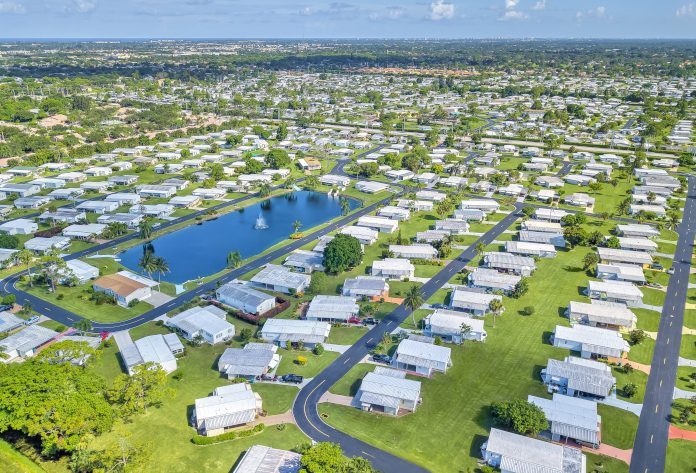
    How to Start a Mobile Home Park

    2. Find the Right Location

    Choosing the right location is one of the most important steps when learning how to start a mobile home park. Florida has a variety of areas to choose from, including rural and urban locations.

    Factors to consider when choosing your location:

    • Access to major roads and highways
    • Proximity to schools, stores, and work opportunities
    • Local climate and environmental factors

    In Florida, the ideal location will depend on the specific type of park you are looking to create. Whether it’s a family-friendly park or one for retirees, each location has its advantages.

    3. Secure Financing

    Starting a mobile home park requires substantial capital investment. If you’re wondering how to start a mobile home park with no money, there are several ways to secure financing:

    • Traditional bank loans
    • Private investors or partners
    • Government-backed loans for small businesses or housing developments

    Having a solid business plan that outlines the costs and revenue projections is essential when seeking financing. Banks and investors want to see that you have a clear plan for profitability.

    4. Obtain the Necessary Permits and Zoning

    In Florida, zoning laws are one of the most important factors to consider. To start a mobile home park, you’ll need to ensure that the land you plan to purchase is properly zoned for mobile home use.

    Here’s a look at what’s involved:

    • Zoning: Check with your local zoning office to determine what zoning is required for a mobile home park. You may need to apply for a zoning variance or permit if the property is not already zoned for mobile homes.
    • Environmental Impact: Florida has environmental regulations that could affect where you can build your park. You’ll need to comply with these laws to prevent any costly delays.
    • Building Permits: You may also need to apply for building permits before any construction can begin. These permits ensure that the infrastructure (like utilities and roads) is properly installed.

    5. Plan Your Park Layout

    Creating a layout for your park is another critical part of how to start a mobile home park. The design should maximize space while ensuring the comfort of future residents. Here are some things to keep in mind:

    • Street layout: Ensure the streets are wide enough for mobile homes to be transported in and out easily.
    • Lot size: The lots should be large enough to accommodate the homes with enough space for parking and outdoor areas.
    • Utilities: Ensure there’s a plan for water, electricity, and sewage systems. These may need to be installed before homes can move in.

    6. Build the Infrastructure

    Once your layout is planned, it’s time to build the infrastructure. This includes roads, water systems, sewage lines, and power connections. It’s essential that the infrastructure is up to code to meet local regulations.

    You’ll also need to install:

    • Mobile home pads: These provide a solid foundation for the homes.
    • Community facilities: If you plan to provide amenities like a clubhouse, laundry facilities, or a pool, make sure to include them in your design.

    7. Market Your Park

    Marketing your mobile home park will help attract tenants. Create a website, use social media, and list your park in directories where people search for affordable housing.

    Effective marketing strategies include:

    • Offering competitive rent prices
    • Hosting events or open houses
    • Highlighting the benefits of living in a mobile home park (e.g., affordable living, low maintenance)

    If you’re wondering if owning a trailer park is profitable, the answer depends on your ability to market, maintain the park, and keep occupancy rates high.

    8. Maintain Your Park

    After the park is established, it’s important to maintain it. Regular maintenance will help keep residents happy and ensure that your park stays profitable.

    Maintenance tasks include:

    • Routine inspections of utilities and infrastructure
    • Landscaping and road repairs
    • Addressing tenant concerns quickly

    Happy residents are more likely to stay long-term, which increases your revenue.

    Frequently Asked Questions

    How do I find land to start a mobile home park in Florida?

    Look for land that is zoned for mobile home use or that can be rezoned. Online real estate websites and local property listings can help.

    What zoning is required for a mobile home park?

    Mobile home parks typically require residential or special zoning. Contact your local zoning office to confirm.

    How can I finance a mobile home park if I don’t have money?

    Consider private loans, grants, or finding investors. You may also look into government-backed funding options.

    How much does it cost to start a mobile home park in Florida?

    Costs vary depending on location, land size, and development needs. It’s best to prepare a detailed budget for construction and infrastructure.

    Is owning a trailer park profitable?

    Yes, owning a trailer park can be profitable with proper management, high occupancy, and good maintenance.

    How can I market my mobile home park?

    Use online platforms, local listings, social media, and community outreach to attract new tenants.

    How many homes can I place on an acre of land?

    This depends on local zoning regulations and the size of the mobile homes, but you can typically fit 4-6 homes per acre.

    Do I need permits to build a mobile home park in Florida?

    Yes, you need to apply for building permits, zoning permits, and environmental permits.

    How do I keep my mobile home park well-maintained?

    Regular inspections, landscaping, and prompt repairs are key to maintaining the park.

    Can I buy an existing mobile home park?

    Yes, you can purchase an existing mobile home park if you find one for sale.


    See Also:


  • Tax Benefits of Owning a Mobile Home Park in Florida

    Owning a mobile home park in Florida offers unique mobile home tax benefits that can improve profitability. These tax advantages can offset operational costs and enhance the park’s financial potential. By understanding these benefits, you can maximize your investment.

    Depreciation Deductions Reduce Taxable Income

    One of the biggest tax benefits for mobile home park owners is depreciation. The IRS allows property owners to depreciate assets over time, reducing taxable income. Depreciation applies to park infrastructure, such as roads, utilities, and buildings.

    Key Points About Depreciation:

    • Mobile home parks are classified as real property for depreciation purposes.
    • Land does not depreciate, but infrastructure improvements do.
    • Most park improvements are depreciated over 15 to 39 years.

    By claiming depreciation deductions, you can significantly lower your taxable income. This benefit allows you to reinvest savings into other aspects of the business

    owning a mobile home park.

    Expense Deductions for Park Operations

    Operating a mobile home park comes with various expenses. The IRS permits you to deduct many of these costs from your taxable income.

    Deductible Expenses Include:

    • Maintenance and repairs for park infrastructure
    • Utility costs paid by the park owner
    • Property management fees and staff salaries
    • Insurance premiums for the park

    These deductions help offset the day-to-day costs of running the park. Properly tracking expenses ensures you take full advantage of this tax benefit.

    Interest Deduction for Financing

    Most mobile home park purchases involve financing. The IRS allows you to deduct interest paid on loans used to acquire or improve the property.

    Benefits of the Interest Deduction:

    • Applies to mortgages and other property-related loans
    • Reduces overall taxable income
    • Encourages reinvestment in the park

    Keep detailed records of loan agreements and interest payments to maximize this deduction. This tax advantage can be especially helpful for new park owners with high initial financing costs.

    1031 Exchange to Defer Capital Gains

    A 1031 exchange is a valuable tool for mobile home park investors. This provision allows you to defer capital gains taxes when selling one property and purchasing another.

    How a 1031 Exchange Works:

    • The new property must be of equal or greater value.
    • Funds from the sale must go directly into purchasing the new property.
    • The exchange must be completed within specific timelines.

    Using a 1031 exchange, you can reinvest profits into a new mobile home park without paying immediate capital gains taxes. This strategy supports long-term growth in your portfolio.

    Tax Benefits for Energy Efficiency Upgrades

    Mobile home parks implementing energy-efficient improvements can qualify for tax credits or deductions. These incentives encourage environmentally friendly upgrades.

    Examples of Energy-Efficient Upgrades:

    • Solar panels for park utilities
    • Energy-efficient lighting in common areas
    • Water-saving fixtures for shared facilities

    The federal government and some local programs offer these incentives. These upgrades lower operating costs and enhance your park’s appeal.

    Property Tax Considerations

    Florida’s property tax rates are relatively low compared to other states. However, mobile home parks still incur property taxes based on land value and improvements.

    Ways to Manage Property Taxes:

    • Appeal the assessed value if it seems too high.
    • Use depreciation to reduce the taxable value of improvements.
    • Track local tax laws for changes that could impact rates.

    Managing property taxes effectively ensures your park remains financially sustainable while complying with Florida regulations.

    Payroll Tax Deductions for Staff

    If you employ staff to manage or maintain the mobile home park, payroll taxes are deductible. This includes Social Security, Medicare, and unemployment taxes.

    Benefits of Payroll Tax Deductions:

    • Lowers taxable income for park operations
    • Encourages hiring and proper staffing
    • Covers part-time and full-time employees

    Accurate payroll records help streamline this deduction during tax preparation. Consider consulting a tax professional to avoid errors.

    Common Mistakes to Avoid

    Tax benefits can significantly improve your bottom line, but mistakes can lead to penalties or missed opportunities. Avoid these errors to maximize your mobile home tax benefits.

    Common Tax Mistakes:

    • Failing to separate land and infrastructure for depreciation
    • Forgetting to track deductible expenses throughout the year
    • Misusing 1031 exchanges and violating IRS timelines
    • Overlooking energy efficiency credits for eligible upgrades

    Careful record-keeping and professional advice help you avoid these pitfalls.

    Strategies to Maximize Tax Savings

    Taking a proactive approach to tax planning ensures you get the most from your investment. Here are some strategies to consider:

    • Hire a tax advisor: Work with someone familiar with mobile home park tax laws.
    • Organize records: Keep receipts and documentation for all deductible expenses.
    • Plan upgrades wisely: Time major upgrades to align with tax credits or incentives.
    • Use software: Invest in accounting tools to track income, expenses, and deductions.

    These strategies can help simplify tax preparation and increase savings.

    Frequently Asked Questions

    Can I Deduct Property Management Costs?

    Property management fees, including salaries and contractor expenses, are fully deductible.

    What Happens if I Sell My Mobile Home Park?

    If you sell the park, capital gains taxes may apply. A 1031 exchange can help defer these taxes by reinvesting in another property.

    Are There Tax Credits for Affordable Housing?

    Some programs offer incentives for providing affordable housing. Check federal and state programs to see if your park qualifies.

    Final Thoughts on Mobile Home Tax Benefits

    Owning a mobile home park in Florida comes with significant tax advantages. From depreciation deductions to energy efficiency incentives, these benefits reduce costs and boost profitability. You can make the most of these opportunities by staying informed and organized. Proper planning ensures your park remains a rewarding investment while complying with all tax regulations.

    See Also:

Reset password

Enter your email address and we will send you a link to change your password.

Get started with your account

to save your favourite homes and more

Sign up with email

Get started with your account

to save your favourite homes and more

By clicking the «SIGN UP» button you agree to the Terms of Use and Privacy Policy
Powered by Estatik