Tag: what paperwork is needed to sell a mobile home in florida

  • How to Avoid Common Pitfalls When Selling Your Mobile Home in Florida

    Selling your mobile home in Florida can be a rewarding experience, but it also comes with unique challenges. From pricing and staging to negotiations and paperwork, several factors can impact the success of your sale. The market for mobile homes is different from traditional real estate, so avoiding common pitfalls can save you time, money, and stress. Whether you’re selling for the first time or looking to streamline your process, this guide will help you steer clear of common mistakes and maximize your return.
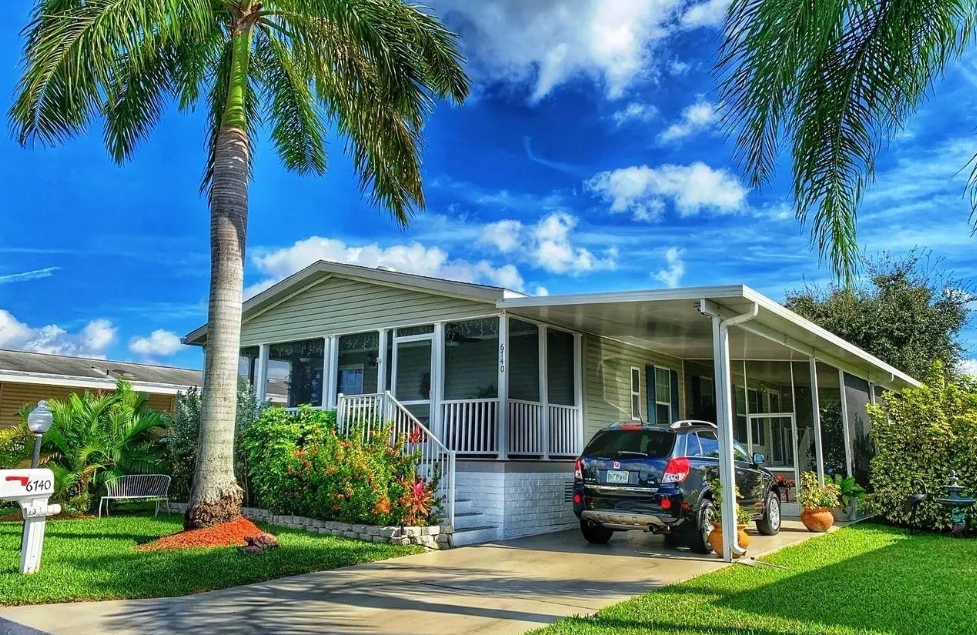
    Selling your mobile home in Florida

    1. Mispricing Your Mobile Home

    One of the biggest mistakes mobile homeowners make is setting the wrong price for their homes. Pricing your mobile home too high can deter potential buyers while pricing it too low can leave money on the table. Here are some ways to avoid mispricing your mobile home:

    A. Know the Market

    Do thorough research on the local market. The mobile home market in Florida is highly competitive, and prices can vary significantly based on location, the type of home, and condition. Look at comparable mobile homes in your area and what they are selling for, but remember that amenities, lot location, and the overall condition of your home can play a huge role in determining value.

    B. Get a Professional Appraisal

    Hiring a professional to appraise your mobile home will give you an accurate estimate of its worth. This can help you avoid overpricing or underpricing and gives you a solid figure to present to potential buyers.

    C. Consider Lot Fees and Ownership

    If your mobile home is on leased land, the monthly lot fees can influence your asking price. Potential buyers will need to budget for both the home and the lot rent. Make sure to factor these costs into your pricing strategy.

    2. Skipping Necessary Repairs

    Another common pitfall when selling a mobile home is failing to make necessary repairs before putting it on the market. Buyers are often looking for move-in-ready homes, and visible damage can lower your home’s appeal.

    A. Inspect and Repair

    Before listing your mobile home, conduct a thorough inspection. Address any structural issues, such as roof leaks, damaged flooring, or malfunctioning plumbing. Even minor cosmetic improvements like fresh paint or repairing skirting can make a big difference.

    B. Curb Appeal Matters

    The exterior of your mobile home is the first thing buyers will see, so ensure it makes a good impression. Landscaping, cleaning, and small upgrades like power-washing the siding or painting the steps can improve curb appeal and help you attract more buyers.

    3. Failing to Stage Your Home

    Proper staging can significantly impact how buyers perceive your mobile home. Many sellers make the mistake of leaving their homes cluttered or too personalized, which can make it difficult for buyers to envision themselves living in the space.

    A. Declutter and Depersonalize

    Remove excess furniture, personal items, and clutter from your mobile home. Aim to create a clean, neutral space that allows buyers to imagine how they would use each room. If your home is filled with personal photos, unique decor, or furniture that takes up too much space, it can distract buyers and make the space feel smaller.

    B. Highlight Key Features

    If your mobile home has special features like an upgraded kitchen, new appliances, or a large deck, make sure these are highlighted during the showing. Arrange furniture and decor in a way that showcases the strengths of the home, whether that’s an open floor plan or a spacious living area.

    C. Enhance Lighting

    Good lighting is crucial when selling any type of home. Maximize natural light by opening curtains and blinds during showings, and consider adding additional lighting to dim or dark spaces. Bright, well-lit rooms feel larger and more inviting to potential buyers.

    4. Neglecting to Market Your Home Properly

    Failing to market your mobile home properly can limit the number of potential buyers, ultimately delaying the sale. Here are some common marketing pitfalls and how to avoid them:

    A. Use High-Quality Photos

    Buyers are likely to find your mobile home online first, so having high-quality photos is essential. Poorly lit, blurry, or incomplete photos can deter potential buyers from scheduling a showing. Consider hiring a professional real estate photographer to showcase your home in the best possible light.

    B. Create a Compelling Listing Description

    A well-written listing description is equally important. Highlight the best features of your mobile home, such as recent upgrades, its proximity to local amenities, or the advantages of the mobile home park. Be honest about the condition of the home, but focus on what makes it appealing to buyers.

    C. Leverage Social Media

    Use social media platforms like Facebook, Instagram, and local groups to promote your mobile home listing. Mobile home buyers are often searching online, so increasing your digital presence can help you reach a larger audience.

    5. Not Understanding the Legal Aspects of Selling

    Selling a mobile home involves various legal and administrative tasks. Missing any key steps can result in delays, fines, or even legal issues. Here’s what to keep in mind:

    A. Know the Type of Ownership

    Before selling your mobile home, you need to determine whether it’s classified as personal property or real estate. In Florida, if your mobile home is on leased land, it’s typically considered personal property, while mobile homes on owned land may be classified as real estate. Each classification has different legal requirements and processes for selling.

    B. Title Transfer

    If your mobile home is considered personal property, you will need to transfer the title to the new owner, similar to how you would with a vehicle. Make sure you have a clear title, and be prepared to work with the Florida Department of Highway Safety and Motor Vehicles (FLHSMV) to complete the necessary paperwork.

    C. Disclose Important Information

    In Florida, sellers are legally required to disclose known issues with the mobile home, such as structural problems, mold, or other damages. Failure to do so can result in legal disputes and financial penalties. To protect yourself, provide a detailed disclosure statement to buyers.

    D. Hire a Mobile Home Broker

    If you’re unsure about the legal process or need help navigating the sale, consider hiring a mobile home broker. They can assist with everything from pricing and marketing to legal paperwork and negotiations, ensuring a smooth transaction.

    6. Being Too Rigid During Negotiations

    Many sellers miss out on great deals because they are unwilling to negotiate. Flexibility is key when selling your mobile home, especially in a competitive market like Florida.

    A. Set a Realistic Price

    While it’s essential to price your home competitively, it’s also crucial to leave room for negotiation. Understand that buyers will likely want to negotiate the price, so setting a slightly higher asking price can give you more room to work with without sacrificing your bottom line.

    B. Consider Concessions

    Offering concessions, such as paying for part of the buyer’s closing costs or including appliances in the sale, can make your home more appealing. In some cases, offering to cover the first few months of lot rent can be a powerful incentive for buyers.

    C. Know When to Walk Away

    While flexibility is important, it’s also essential to recognize when a buyer’s offer is too low or unreasonable. Be prepared to walk away from negotiations if the terms don’t meet your financial goals.

    7. Not Being Prepared for Closing

    The closing process is the final step in selling your mobile home, but it’s often where delays or complications arise. Here’s how to avoid common pitfalls:

    A. Gather All Necessary Documents

    Make sure you have all the required paperwork ready before closing. This may include the title, bill of sale, disclosure forms, and any warranties for appliances or recent repairs. Having these documents organized and ready will help the closing process go smoothly.

    B. Review the Buyer’s Financing

    If the buyer is obtaining financing, ensure that their loan is approved before the closing date. If they are paying in cash, confirm that they have the necessary funds available to complete the transaction.

    Conclusion

    Selling your mobile home in Florida doesn’t have to be overwhelming if you avoid common pitfalls and take a proactive approach. By pricing your home correctly, making necessary repairs, staging effectively, and handling legal aspects with care, you can achieve a smooth, successful sale. With the right strategies in place, you’ll not only sell your mobile home faster but also ensure you get the best possible return on your investment.


    See Also:


  • Understanding the Market: Is Now the Right Time to Buy or Sell a Mobile Home in Florida?

    The Florida mobile home market has long been a popular choice for both buyers and sellers, offering affordability, flexibility, and a unique living experience. Whether you’re considering buying or selling a mobile home, timing can play a crucial role in maximizing your investment. In this article, we’ll delve into the current trends in the Florida mobile home market, examining economic factors, demand, and seasonal trends to help you determine whether now is the right time to make your move.

    Sell a Mobile Home in Florida

    Economic Factors Influencing the Florida Mobile Home Market

    1. Interest Rates and Financing Options

    Interest rates have a significant impact on the affordability of buying a mobile home. When interest rates are low, financing becomes more accessible, making it an attractive time for buyers to enter the market. In 2024, interest rates have been relatively stable, but potential fluctuations could affect buyer behavior.

    • For Buyers: Lower interest rates mean you can secure a loan with more favorable terms, reducing your monthly payments and overall cost of ownership.
    • For Sellers: If interest rates are low, more buyers are likely to be in the market, increasing demand for mobile homes and potentially driving up prices.

    2. Economic Stability and Employment Rates

    The broader economic climate also plays a crucial role in the mobile home market. Florida’s economy has shown resilience, with steady job growth and low unemployment rates in recent years. A strong economy boosts consumer confidence, encouraging people to make significant purchases like mobile homes.

    • For Buyers: A stable job market means more financial security, making it easier to commit to a mobile home purchase.
    • For Sellers: Economic stability typically means more buyers with the means to purchase, which can lead to a quicker sale at a favorable price.

    3. Inflation and Cost of Living

    Inflation can affect both the cost of purchasing a mobile home and the ongoing expenses associated with homeownership, such as utilities, maintenance, and lot rent. Florida has experienced moderate inflation, but the cost of living varies across different regions of the state.

    • For Buyers: Consider how inflation might impact your long-term budget, including the potential for rising costs in utilities and lot rent.
    • For Sellers: Inflation can increase the value of mobile homes, particularly if they are located in desirable areas with rising property values.

    Demand Trends in the Florida Mobile Home Market

    4. Population Growth and Migration Patterns

    Florida continues to experience significant population growth, driven by both domestic and international migration. Many retirees, in particular, are drawn to Florida for its warm climate and favorable tax environment, making mobile homes an attractive option for affordable retirement living.

    • For Buyers: High demand for mobile homes, especially in retirement-friendly communities, can mean more competition and potentially higher prices.
    • For Sellers: A growing population increases demand for housing, including mobile homes, which can lead to faster sales and better offers.

    5. Shift in Buyer Demographics

    The demographics of mobile home buyers in Florida are evolving. While retirees remain a key market segment, younger buyers and families are increasingly considering mobile homes as a cost-effective housing solution. This shift is partly due to rising housing costs in urban areas, making mobile homes an attractive alternative.

    • For Buyers: As the market diversifies, it’s essential to understand who your competition might be and what features they value in a mobile home.
    • For Sellers: Tailoring your home’s appeal to a broader demographic can help attract more potential buyers, whether they are retirees or younger families.

    6. Supply and Inventory Levels

    The availability of mobile homes in Florida has fluctuated, with some areas experiencing shortages while others have ample inventory. A shortage of available homes can drive up prices, while an oversupply might lead to more competitive pricing.

    • For Buyers: If inventory is low, be prepared to act quickly when you find a home that meets your needs, as competition can be fierce.
    • For Sellers: In a market with limited supply, you may be able to command a higher price for your mobile home, especially if it’s in a desirable location.

    Seasonal Trends in the Florida Mobile Home Market

    7. The Impact of Florida’s Weather

    Florida’s weather plays a significant role in the mobile home market. The state’s peak buying season typically coincides with the winter months when snowbirds and retirees flock to the area to escape colder climates. Conversely, the summer months, which are hurricane season, may see a slowdown in market activity.

    • For Buyers: If you’re looking to buy, consider shopping during the off-season (summer and fall) when there may be less competition and potentially better deals.
    • For Sellers: Listing your mobile home in the winter months might attract more interest, especially from out-of-state buyers seeking a seasonal residence.

    8. Tourism and Seasonal Residency

    Florida’s tourism industry and its role as a top destination for seasonal residents, known as snowbirds, also influence the mobile home market. Many snowbirds purchase mobile homes to use as winter residences, which can create a surge in demand during certain times of the year.

    • For Buyers: Be aware of the seasonal nature of the market and consider how this might affect pricing and availability.
    • For Sellers: Timing your sale to coincide with the arrival of snowbirds can increase the likelihood of a quick sale at a favorable price.

    Market Projections and Future Considerations

    9. Long-Term Market Projections

    While predicting the future of the mobile home market can be challenging, several trends suggest continued growth in Florida. The state’s population is expected to keep rising, driven by both retirees and younger residents seeking affordable housing. Additionally, as traditional housing costs continue to climb, mobile homes may become an increasingly popular option.

    • For Buyers: If you’re considering a mobile home as a long-term investment, the market outlook appears favorable, especially if you purchase in an area with strong growth potential.
    • For Sellers: If you’re thinking about selling in the near future, monitoring market trends and acting during a period of high demand could maximize your return.

    10. Consideration of Future Developments

    Finally, consider how future developments in the area might affect the market. New infrastructure projects, community enhancements, or changes in zoning laws can significantly impact the value of mobile homes.

    • For Buyers: Research any planned developments in the area where you’re looking to buy, as these can affect property values and quality of life.
    • For Sellers: If your mobile home is located in an area poised for future growth, highlighting these developments can make your property more attractive to potential buyers.

    Conclusion

    Deciding whether to buy or sell a mobile home in Florida requires careful consideration of various factors, including economic conditions, demand trends, and seasonal influences. By understanding these elements and how they interact within the Florida market, you can make an informed decision that aligns with your financial goals and lifestyle needs. Whether you’re looking to invest in a new home or capitalize on the value of your current one, the right timing can make all the difference.


    See Also:


  • Why It’s Hard to Sell Your Mobile Home in Florida

    Selling a mobile home in Florida can often be challenging, influenced by various factors ranging from market conditions to the complexities of the sales process. Understanding these challenges can help sellers navigate the process more effectively and consider the benefits of partnering with The Mobile Home Dealer for a smoother transaction.

    Selling a mobile home in Florida

    Market Challenges

    1. Limited Buyer Pool: Compared to traditional homes, mobile homes may have a smaller pool of potential buyers due to specific preferences or financial qualifications required for mobile home financing.

    2. Perception Issues: Some buyers perceive mobile homes as less durable or valuable than traditional homes, which can impact their willingness to purchase one.

    3. Market Saturation: In some areas, mobile homes may have a surplus for sale, leading to increased competition and potentially longer selling times.

    Sales Process Complexities

    1. Legal and Regulatory Compliance: Selling a mobile home involves navigating specific legal and regulatory requirements, such as title transfers and zoning regulations, which can be daunting without proper guidance.

    2. Pricing Challenges: Determining the right price for a mobile home requires an understanding of local market trends, comparable sales, and the condition of the home itself, which sellers may need help to assess accurately.

    3. Marketing and Exposure: Effective marketing is crucial to attracting qualified buyers, but many sellers need more resources or expertise to create compelling listings and reach a broad audience.

    Lack of Preparation and Expertise

    1. Maintenance and Presentation: Mobile homes that could be better maintained or presented attractively may need help garnering interest from potential buyers, affecting their marketability.

    2. Negotiation Skills: Negotiating the sale of a mobile home requires skill and finesse to achieve a fair price while satisfying both parties involved, a skill set that not all sellers possess.

    3. Networking and Connections: Building a network of potential buyers and real estate professionals is essential for expanding the reach of listings and facilitating successful transactions, which can be challenging for individual sellers.

    Why Choose The Mobile Home Dealer?

    Expertise and Experience

    1. Market Knowledge: The Mobile Home Dealer has in-depth knowledge of the Florida mobile home market, including trends, pricing dynamics, and buyer preferences, allowing them to accurately assess and price your home competitively.
    2. Professional Representation: Benefit from the expertise of seasoned professionals specializing in mobile home sales, ensuring that your home is marketed effectively and negotiations are handled professionally.

    Comprehensive Marketing Strategy

    1. Wide Exposure: The Mobile Home Dealer utilizes a variety of marketing channels and platforms to showcase your mobile home to a large audience of potential buyers, maximizing exposure and speeding up the selling process.
    2. Effective Listing Management: From professional photography to detailed property descriptions, The Mobile Home Dealers listings are designed to attract attention and generate interest among serious buyers.

    Legal and Administrative Support

    1. Hassle-Free Transactions: The Mobile Home Dealer’s team of experts supports you in confidently navigating the complexities of paperwork, legal requirements, and transaction processes.
    2. Compliance Assurance: Ensure that your sale complies with all applicable regulations and requirements, avoiding potential delays or legal pitfalls arising from inadequate preparation.

    Personalized Service and Support

    1. Dedicated Agents: Work closely with dedicated agents who prioritize your needs and goals, providing personalized guidance and support throughout the selling journey.
    2. Transparent Communication: Stay informed at every stage of the process with clear, transparent communication from The Mobile Home Dealer’s team, ensuring peace of mind and confidence in your decision.

    Conclusion

    Selling a mobile home in Florida presents unique challenges that can be mitigated by partnering with a reputable and experienced brokerage like The Mobile Home Dealer. From navigating market complexities to ensuring legal compliance and maximizing exposure, their expertise and resources streamline the selling process, making it less daunting for sellers.

    Whether you’re having difficulty preparing your mobile home for sale, lacking networking opportunities, or are unsure about navigating legal requirements, The Mobile Home Dealer offers comprehensive solutions tailored to your needs. Consider partnering with them to achieve a successful and stress-free sale of your mobile home in Florida.


    See Also:

  • Do You Need a License to Sell Mobile Homes in Florida?

    Florida’s dynamic housing market offers diverse opportunities, and mobile homes are a significant segment attracting both buyers and aspiring sales professionals. If you’re considering a career in mobile home sales, a crucial question arises: Do you need a license to become a mobile home sales agent in Florida? Like many things in the Sunshine State, the answer is straightforward and nuanced. Let’s delve into the legalities and explore the exciting world of mobile home sales in Florida.

    Do you need a license to become a mobile home sales agent in Florida

    The Sunshine State’s Housing Landscape: A Diverse Market

    Florida’s housing market caters to a wide range of needs and budgets. From luxurious beachfront estates to cozy single-family homes, the options are plentiful. However, mobile homes occupy a unique and vital niche, offering affordability, ownership opportunities, and a sense of community.

    The demand for mobile homes in Florida remains strong, fueled by several factors:

    • Affordability: Mobile homes offer a significantly lower entry point than traditional houses, making them attractive to first-time buyers or those on a budget.
    • Variety of Styles: Modern mobile homes come in various styles and sizes, featuring amenities and layouts that rival traditional houses.
    • Active Lifestyle Communities: Many mobile home parks cater to specific demographics, such as retirees or young families, fostering a strong sense of community and shared interests.

    This robust market creates a steady demand for qualified mobile home sales agents who can guide potential buyers through the process and connect them with their dream mobile homes.

    The Path to Success: Navigating the Licensing Landscape

    The good news for aspiring mobile home sales agents in Florida is that you don’t need a separate individual license. Here’s why:

    • Working Under a Licensed Broker: Mobile home sales agents operate under the supervision of a licensed real estate broker. The broker holds the necessary license, allowing their agents to assist with mobile home sales legally.
    • State Regulations: Florida Statute Chapter 479 outlines the licensing requirements for real estate brokers and sales associates, but there’s no specific license designated solely for mobile home sales.

    So, while you don’t need a separate license, there are still steps to take to become a mobile home sales agent in Florida:

    1. Complete Pre-licensing Education: Florida mandates that aspiring real estate sales associates complete a 63-hour pre-licensing education course from a state-approved provider. This course covers essential topics like real estate law, ethics, and the specific nuances of the mobile home market.
    2. Pass the Florida Real Estate Sales Associate Exam: After completing the pre-licensing course, you must pass the Florida Real Estate Sales Associate Exam, administered by the Florida Department of Business and Professional Regulation.
    3. Find a Sponsoring Broker: Once you pass the exam, you’ll need a licensed real estate broker to sponsor you. The broker will oversee your activities and ensure you comply with all regulations.
    4. Complete Brokerage-Specific Training: Many real estate brokerages offer additional training programs for mobile home sales. This training equips you with the necessary knowledge and skills to excel in this unique segment of the housing industry.

    Benefits of Becoming a Mobile Home Sales Agent

    A career in mobile home sales offers several compelling advantages:

    • High Demand: The strong demand for mobile homes translates to a consistent pool of potential clients.
    • Flexible Schedule: Many real estate brokerages offer flexible scheduling options, allowing you to tailor your work hours to your lifestyle.
    • Earning Potential: Commissions on mobile home sales can be significant, offering the potential for a lucrative career path.
    • Sense of Community: Being involved in the mobile home market allows you to connect with a diverse clientele and build relationships with residents within these communities.

    If you’re passionate about helping people find their perfect home and enjoy a dynamic, people-oriented profession, mobile home sales could be an ideal career choice.

    Why Choose The Mobile Home Dealer 

    At The Mobile Home Dealer (replace with your company name), we are dedicated to fostering the success of our mobile home sales agents. We offer:

    • Comprehensive Training: We provide extensive training programs specific to the Florida mobile home market, equipping you with the knowledge and skills to excel.
    • Mentorship and Support: Our experienced brokers are dedicated to mentoring you and providing ongoing support throughout your career.
    • Extensive Inventory: We offer mobile homes across various styles, price points, and locations, catering to diverse client needs.
    • Competitive Commissions: We structure our commission plans to reward your hard work and ensure you reap the benefits of your success.
    • Positive Work Environment: We foster a collaborative and supportive work environment where you feel valued and empowered to achieve your goals.

    If you’re looking to launch a rewarding career in mobile home sales in Florida, The Mobile Home Dealer is the perfect place to begin your journey. Contact us today to learn more about our comprehensive training programs, supportive work environment, and exciting opportunities that await you!

    Unlocking Your Potential in Florida’s Mobile Home Market

    The world of mobile home sales in Florida offers a dynamic and lucrative career path for those seeking to make a mark in the Sunshine State’s housing market. While a separate license isn’t required, completing the necessary pre-licensing education, passing the state exam, and finding a sponsoring broker are essential.

    The benefits of becoming a mobile home sales agent are numerous, from the high demand and flexible schedule to the earning potential and the sense of community. With the proper training, support, and commitment to excellence, you can unlock your potential and build a successful career connecting people with their dream mobile homes in Florida.

    So, are you ready to embark on this exciting journey? Take the first step and explore the possibilities. The vibrant world of Florida mobile home sales awaits!


    See Also:

  • Can Real Estate Agents Sell Mobile Homes in Florida?

    Florida’s vibrant housing market encompasses a diverse range of properties, and mobile homes play a significant role. But when it comes to selling these dwellings, a question arises: Can real estate agents sell mobile homes in Florida? The answer, like many things in the world of real estate, is nuanced.

    The crux of the matter lies in how mobile homes are classified in Florida. Unlike traditional, stick-built homes that are considered real property, mobile homes are generally viewed as personal property. This distinction hinges on the concept of “fixtures” – items that are permanently attached to the land and become part of it. A traditional house, affixed to its foundation, becomes a fixture. A mobile home, however, typically sits on leased land within a mobile home park, remaining separate from the ground.

    This classification difference directly impacts who can sell mobile homes. Real estate agents in Florida hold licenses that equip them to handle real property transactions. So, why not for mobile homes?

    Can real estate agents sell mobile homes in Florida
    Florida mobile home for sale

    Here’s a breakdown of the arguments for and against real estate agents selling mobile homes in Florida:

    Why Real Estate Agents Can Sell Mobile Homes

    • Leveraging Expertise: Real estate agents possess a wealth of knowledge about the housing market, including marketing strategies, negotiation tactics, and understanding legal requirements. This expertise can be valuable in selling mobile homes, even if they are considered personal property.
    • MLS Access: Real estate agents have access to the Multiple Listing Service (MLS), a powerful tool for advertising properties to a wider audience. Listing a mobile home on the MLS could significantly increase its exposure to potential buyers.
    • Streamlined Process: Real estate agents have experience navigating the complexities of home sales, from paperwork to inspections. Their involvement can streamline the mobile home selling process for both sellers and buyers.
    • Specialized Agents: While a standard real estate license might not be necessary, some agents specialize in mobile home sales. They possess a deeper understanding of the unique market dynamics and financing options for mobile homes.

    Why Real Estate Agents Might Not Be the Best Fit

    • Licensing Requirements: As mentioned earlier, a standard real estate license might not be required for selling mobile homes in Florida. This opens the door for individuals without the same level of training and experience as licensed real estate agents.
    • Market Specificity: The mobile home market functions differently from the traditional housing market. Financing options, appraisals, and legalities can differ. A real estate agent, accustomed to traditional home sales, might not be as adept at navigating these nuances.
    • Focus and Specialization: Many real estate agents focus their expertise on selling traditional homes. This specialization can lead to a lack of familiarity with the mobile home market, potentially hindering their effectiveness in selling these properties.

    So, Can They or Can’t They?

    The answer lies in a middle ground. Technically, a standard real estate license might not be mandatory for selling mobile homes in Florida. However, real estate agents can still play a valuable role, particularly those with experience in the mobile home market. Their expertise in marketing, negotiation, and overall salesmanship can benefit both sellers and buyers.

    Here are some key considerations:

    • Agent’s Experience: Look for a real estate agent who has experience selling mobile homes in Florida. Their familiarity with the market, financing options, and legal issues specific to mobile homes is crucial.
    • Benefits vs. Costs: Weigh the benefits of an agent’s expertise against their fees. Selling a mobile home yourself might be an option, but the complexities involved could outweigh the cost savings.
    • Mobile Home Specific Services: Consider contacting mobile home dealerships or brokers who specialize in selling these dwellings. They often have a network of potential buyers and understand the intricacies of the mobile home market.

    Ultimately, the decision of who to enlist for selling your mobile home depends on your specific needs and priorities. Real estate agents can be a valuable asset, but their experience in the mobile home market is paramount. Consider exploring your options and weigh the pros and cons before choosing.

    By understanding the classification of mobile homes in Florida and the skillsets of real estate agents, you can make an informed decision about who can best assist you in navigating the sale of your mobile home.


    See Also:

  • How To Get Your Sarasota Mobile Home Ready For Sale?

    How To Get Your Sarasota Mobile Home Ready For Sale?

    How do you prepare a Sarasota mobile home for sale?

    Sellers ask us all the time what they need to do in order to get their mobile homes ready for sale.

    We find that many times Sellers don’t exactly know what to do in order for their home to show well for photos, videos, and actual in-person showings.

    So without further delay, let’s go through just a few of them.

    Choose an agent, determine the correct sale price, and organize your home: when it comes to selling your home, a lot of work happens behind the scene before the “Sale” sign appears.

    If it is the first time you sell a house, the process and all its initial steps can be a surprise. While you can bring a mobile home agent to take care of the details, you and your family are still responsible for much of the heavy work that involves the preparation of your mobile home for sale, especially if you want to make the most of the sale.

    To help you prepare for what you can expect, then we present the first steps you need to know to sell your mobile home successfully.

    Choose your mobile home Broker

    While you can do it alone, 91 percent of vendors work with mobile home brokers during the housing sales process, according to the National Manufactured Home Owners Association (NMHOA). It is not surprising that most owners choose an agent: they know the complexities of the mobile home housing market and all the particularities involved in the preparation of their mobile home for sale.

    However, do your homework by selecting your agent. The ideal is an agent who is familiar with his neighborhood and who has a great experience in the industry to do the job. Look at the agents’ websites, read their online comments, and request references from neighbors. Ask about their commission rates, how they operate, and what to expect from their services.

    The choice of your agent is the first fundamental step: ultimately, they have the fiduciary liability to ensure their best interests in the housing sales process and guide it in the next steps. Keep in mind that you do not have to use a mobile home agent; For sale by owner is another route that one can also take.

    Determine the value of your mobile home

    Mobile homeowners may be tied to the nostalgia of their home, but they must decide carefully when setting the price of their property to sell. The strategy is to find that optimal point in a price that attracts the most prospective buyers while preparing the stage to maximize their profit margin.

    If the price of your mobile home is too high, it will scare buyers, but if the price is too low, you may think that something is wrong at home or that you are pointing to a war of offers.

    How To Get Your Sarasota Mobile Home Ready For Sale

    Fix your mobile home

    Now is the time to rise and get to work so that your home is worthy of a successful sale.

    Among the recommendations of your agent after a tour and an inspection list prior to the list, it can concentrate on the most necessary repairs and renovations. (Prelisted mobile home inspections are an optional step, but they provide an invaluable vision of how you will go home in an official inspection later and give you the opportunity to solve the problems proactively).

    Other major tasks to do

    First Task:
    Make sure your mobile home is cleaned up!

    We can’t tell you the number of times we have scheduled showings for prospective Buyers only for the home to look like a fraternity party just finished moments before we arrived!

    Now, although I am joking, I am serious when we say it should be cleaned up for all media and showings. This means taking out and getting rid of all of the excess clutter in the home. Make sure the bathrooms and kitchen are clean and present well and always look to have the floors and carpet steamed or at the very least just vacuumed.

    Second Task:
    Check and make sure all animals are out of the home!

    Just last week, I showed a home to an interesting couple and the Owner forgot to take the two dogs out with them. The dogs were left in the home without me knowing they were even there. When I walked into the home to get the lights on before the Buyers showed up, I had to figure out how in the heck am I able to handle these two dogs!

    At another showing a few months ago, the Owner had a parrot, and the bird was squawking the entire time I was showing the house!

    True story!

    As an animal lover myself, I have no issues with these furry friends or feathered little guys being around, but that does not mean that the Buyers want to have this as their first introduction to your zoo!

    Third Task:
    Always have your mobile home cleaned out of any bad smells prior to a showing.

    Although this obviously will not come up in any photos or videos, this can be a huge turnoff to any excited Buyer who comes in to see your home.

    Common odors that we run into all the time are smoke and animal smells and, what we refer to as, just a stale smell.

    We found the best way to combat these odors is to get the windows open and have as much fresh air in your home as possible.

    If you know there is a showing happening later in the day, make sure to open the windows and turn on your fans as this will help in getting the odors out of your home so that when an excited Buyer comes to look at your home, they will not run out whenever they walk in!

    And last but certainly not least, always make sure you are doing all that you can to make it easy for the Buyer to buy your home!

    This is Mark Kaiser with The Mobile Home Dealer, and we help mobile home Buyers and Sellers get to a better place in life.


    See Also:


Reset password

Enter your email address and we will send you a link to change your password.

Get started with your account

to save your favourite homes and more

Sign up with email

Get started with your account

to save your favourite homes and more

By clicking the «SIGN UP» button you agree to the Terms of Use and Privacy Policy
Powered by Estatik