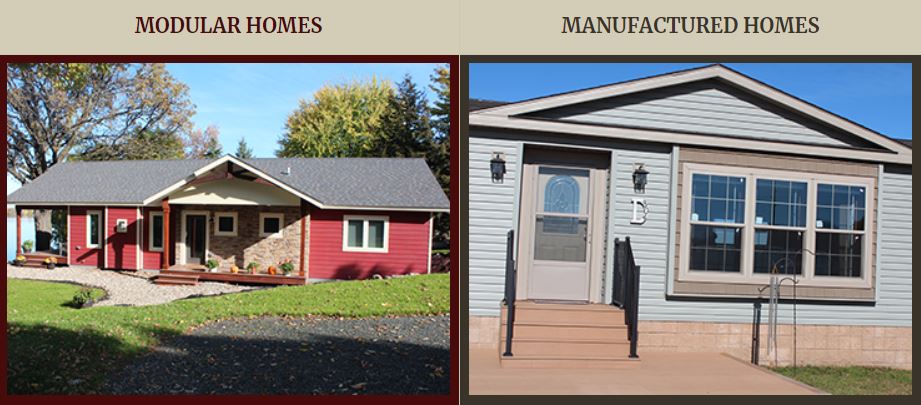
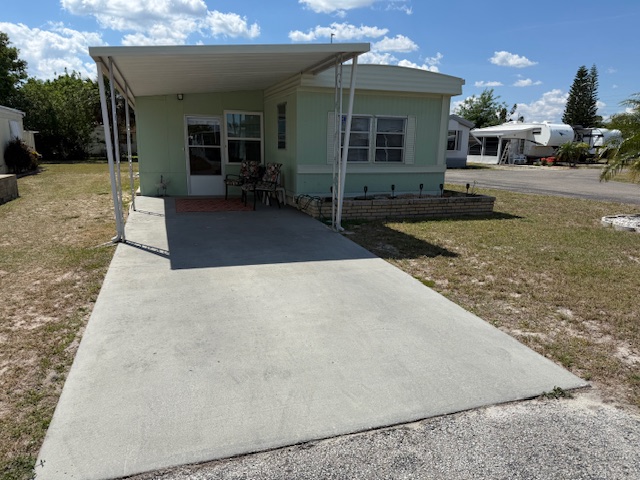
Tag: what is cheaper a modular or manufactured home

  • Which Mobile Home Type Is Best for You?

    Choosing the right mobile home type can make your living experience more comfortable and budget-friendly. Whether you’re downsizing or buying your first home, mobile homes offer flexibility and value.

    The key is knowing which mobile home type fits your needs best. Let’s explore the options and help you decide with confidence.

    Why Mobile Homes Are a Smart Housing Option

    Mobile homes are affordable, modern, and available in different sizes. They are built in factories and then placed on land you rent or own. This gives you control over your living setup and helps you save money compared to traditional housing.

    Many buyers prefer mobile homes because:

    • They are quicker to build and move into.
    • You can choose from different layouts.
    • They are available at a range of prices.
    • Maintenance is usually easier and cheaper.

    If you’re considering this path, picking the right mobile home type is the next important step.
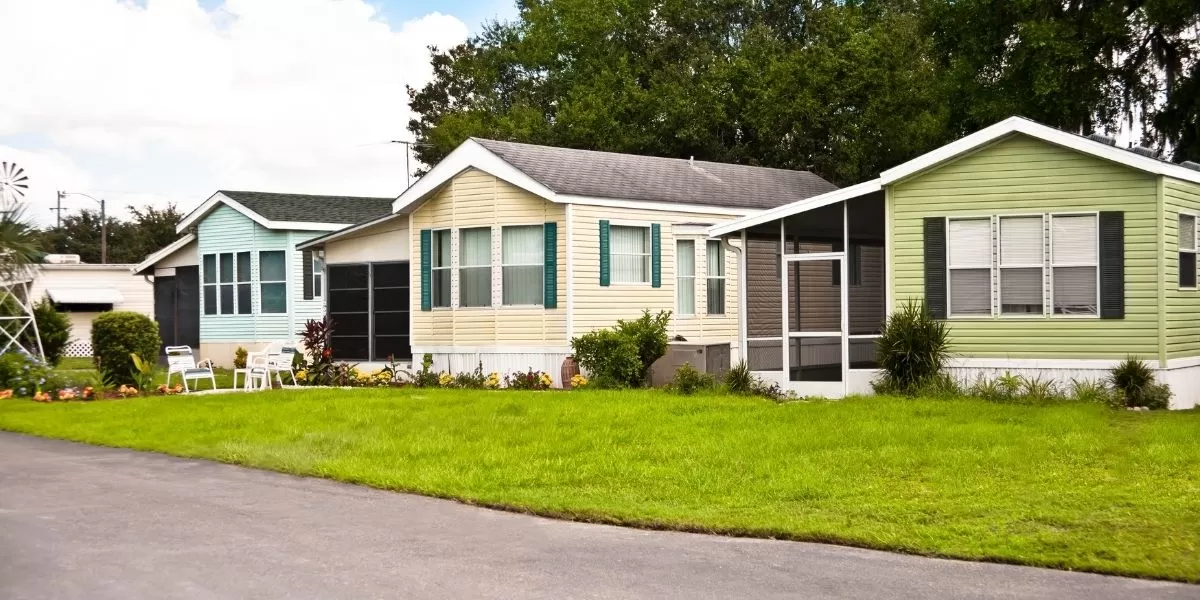
    Mobile Home Type

    What Are the Main Mobile Home Types?

    There are several common types of mobile homes, each with unique features. The right choice depends on how much space you need and how long you plan to stay.

    Let’s break them down:

    Single-Wide Mobile Homes

    Single-wide homes are compact and efficient. They are usually 18 feet wide or less and up to 90 feet long.

    Benefits include:

    • Lower price tag
    • Faster setup time
    • Less land needed

    These homes are perfect for individuals or small families. If you want a smaller footprint and less upkeep, this mobile home type might be ideal.

    Double-Wide Mobile Homes

    Double-wides are made by joining two sections on-site. They usually offer over 1,000 square feet of space.

    Highlights:

    • More room for bedrooms, kitchens, and living areas
    • Better resale value
    • A more traditional house feel

    They suit growing families or anyone wanting extra space without paying for a full-size house.

    Triple-Wide and Multi-Wide Mobile Homes

    These homes are built from three or more sections and often exceed 2,000 square feet.

    You’ll get:

    • More layout options
    • Larger kitchens and bathrooms
    • A spacious, home-like feel

    If space is a top priority, this type can rival traditional homes in comfort and design.

    Modular Homes

    Modular homes are factory-built like mobile homes but follow local building codes and sit on permanent foundations.

    Key features:

    • Custom layouts
    • More long-term stability
    • Can look identical to site-built homes

    They work well for buyers who want something more permanent but still affordable.

    Which Mobile Home Type Matches Your Lifestyle?

    Your living style and goals help decide the best mobile home type.

    Ask yourself:

    • Will you live alone, with a partner, or with family?
    • Do you need extra space for hobbies or work?
    • Is this a long-term home or a short-term solution?
    • Do you own land, or will you rent in a mobile home park?

    By answering these, you’ll better understand what layout and features are right for you.

    Top Things to Consider Before You Decide

    To make a smart choice, keep these factors in mind:

    1. Budget

    • Can you afford the home and lot rent?
    • Are you ready for maintenance, utility, and insurance costs?

    2. Size Needs

    • How many people will live in the home?
    • Do you need two bathrooms or a home office?

    3. Location

    • Will your mobile home sit on private land or in a park?
    • Are you close to work, schools, or stores?

    4. Long-Term Plans

    • Do you plan to stay for years?
    • Will you need more room down the line?

    Quick Comparison: Mobile Home Types

    Feature Single-Wide Double-Wide Triple-Wide Modular
    Avg. Sq. Ft. 600–1,000 1,000–1,600 1,600–2,400+ 1,200–2,500+
    Bedrooms 1–2 2–3 3–5 2–5
    Setup Speed Fast Medium Slower Slowest
    Foundation Pier or slab Pier or slab Pier or slab Permanent
    Custom Design Limited Moderate High Very high


    Pros of Choosing a Mobile Home

    Here are some great reasons to pick a mobile home:

    • Affordable pricing
    • Quick setup
    • Flexible locations
    • Low maintenance needs
    • Many layout choices

    How to Pick the Right Mobile Home Type

    Use these tips:

    • Make a checklist of your space and budget needs.
    • Visit homes in person to compare layouts.
    • Talk to dealers to learn about features and prices.
    • Plan ahead for future needs like kids or home offices.

    Each mobile home type has its own strengths. Knowing what matters most to you will help you make a good decision.

    FAQ: Choosing the Best Mobile Home Type

    What is the most affordable mobile home type?
    Single-wide homes are the cheapest to buy and set up.

    Which mobile home type offers the most space?
    Triple-wide homes provide the largest living space.

    Are modular homes considered mobile homes?
    No. Modular homes follow local building codes and sit on permanent foundations.

    Can I put a mobile home on my own land?
    Yes, if zoning laws allow it.

    Do mobile homes hold their value?
    Double-wides and modular homes often keep their value better than single-wides.

    How long do mobile homes last?
    With care, mobile homes can last 30 years or more.

    Can mobile homes be customized?
    Modular and triple-wide homes often offer customization.

    Is it cheaper to live in a mobile home park?
    Yes, lot rent is usually lower than a mortgage or apartment rent.

    Can mobile homes be moved later?
    Some can, but it’s expensive and not always recommended.

    Do mobile homes come with warranties?
    New mobile homes often include a limited warranty for parts and structure.

    Start Your Search with The Mobile Home Dealer

    At The Mobile Home Dealer, we offer all types of mobile homes to match your lifestyle and budget. Whether you need a small single-wide or a full-sized modular home, we’re here to help you find the right fit.

    Ready to discover your perfect mobile home type? Visit The Mobile Home Dealer and explore the options waiting for you today.


    See Also:

  • Are Trailer Homes and Mobile Homes the Same?

    When people think of trailer homes, they often wonder if they are the same as mobile homes. While both terms are commonly used, they do not mean the same thing. Understanding the differences can help you make informed decisions when considering housing options. Let’s break it down clearly and simply.

    What Are Trailer Homes?

    Trailer homes are smaller, portable housing units typically designed to be towed by vehicles. They are often used for temporary living arrangements, vacations, or as a low-cost housing solution. These homes are lightweight and easy to transport, making them popular among those who enjoy mobility.

    Are Trailer Homes and Mobile Homes the Same

    Key features of trailer homes include:

    • Compact size for towing behind trucks or SUVs.
    • Basic amenities, such as a small kitchen and sleeping area.
    • Limited space, usually designed for short-term living.

    While they are convenient, trailer homes are not intended for permanent residence. They work well for those who prioritize mobility and affordability over space.

    What Are Mobile Homes?

    Mobile homes, on the other hand, are larger and built for long-term living. They are constructed in a factory, transported to a site, and set up for permanent or semi-permanent use. Unlike trailer homes, mobile homes often come with full-size appliances, spacious interiors, and more durable construction.

    Key characteristics of mobile homes:

    • Designed for stationary use after installation.
    • Larger than trailer homes, offering more living space.
    • Built to meet HUD (Housing and Urban Development) standards in the U.S.

    These homes are an affordable alternative to traditional houses, making them a popular option for families and retirees.

    Differences in Size and Use

    The most noticeable difference between trailer homes and mobile homes is their size. Trailer homes are compact, often under 500 square feet. In contrast, mobile homes range from 600 to over 2,000 square feet.

    Additionally, the intended use differs significantly:

    • Trailer homes: Ideal for travel, camping, or short-term living.
    • Mobile homes: Built for permanent residence and long-term comfort.

    For anyone looking to settle in one place, a mobile home offers a more practical solution.

    How Are They Constructed?

    Another difference lies in their construction. Trailer homes are designed with lightweight materials to ensure easy towing. This often means fewer features and less insulation compared to mobile homes. Mobile homes, however, are built using more durable materials to meet housing regulations. They are insulated for energy efficiency and equipped with plumbing, heating, and air conditioning systems.

    Trailer Homes and Mobility

    One major advantage of trailer homes is their portability. They are easy to move from one location to another, making them perfect for those who enjoy traveling. With a reliable vehicle, you can tow a trailer home to campsites, vacation spots, or new locations whenever you want.

    However, mobile homes are not designed for frequent relocation. While they can be moved, the process is costly and requires specialized equipment. Once installed, mobile homes are meant to stay in one place.

    Cost Comparison

    Cost is another factor that separates trailer homes from mobile homes. Trailer homes are more affordable upfront due to their smaller size and simpler design. On the other hand, mobile homes come with a higher price tag but offer more space and amenities.

    Here’s a quick comparison:

    • Trailer homes: Lower initial cost, fewer features, minimal maintenance.
    • Mobile homes: Higher cost, full amenities, and long-term investment potential.

    Both options are more affordable than traditional houses, but your choice depends on your needs and budget.

    Regulations and Standards

    In the United States, mobile homes must comply with strict HUD regulations. These rules ensure safety, durability, and energy efficiency. Trailer homes, however, are not subject to these standards. Instead, they must follow road safety laws, which govern their size, weight, and towing requirements.

    If you’re considering a mobile home, you’ll benefit from its compliance with housing regulations. For trailer homes, it’s essential to check local road laws to ensure you can transport them safely.

    Popular Uses for Trailer Homes

    Trailer homes are versatile and can be used in various ways:

    • Temporary housing during construction projects.
    • Vacation homes for camping trips and road travel.
    • Guest accommodations on private property.
    • Low-cost living for those seeking minimalism.

    These homes are practical for those who prioritize simplicity and mobility over luxury.

    Popular Uses for Mobile Homes

    Mobile homes are better suited for:

    • Permanent housing in mobile home parks or private land.
    • Affordable family homes with full amenities.
    • Retirement living with low maintenance requirements.
    • Spacious housing for rural or suburban areas.

    Their larger size and comfort make them a popular choice for long-term living.

    Are Trailer Homes Right for You?

    If you value flexibility and travel, a trailer home might be a great fit. They are perfect for exploring new places or enjoying outdoor adventures. However, they may not provide the comfort needed for year-round living.

    Consider a trailer home if:

    • You enjoy frequent travel.
    • You want a compact, affordable housing option.
    • You prioritize portability over permanent features.

    Are Mobile Homes Right for You?

    Mobile homes are ideal for those looking for an affordable, permanent residence. They provide more living space and amenities compared to trailer homes. If you plan to settle in one place, a mobile home offers a practical and comfortable solution.

    Choose a mobile home if:

    • You want a larger, long-term housing option.
    • You need more space for a family or personal belongings.
    • You’re seeking an affordable alternative to a traditional house.

    Final Thoughts on Trailer Homes and Mobile Homes

    While trailer homes and mobile homes share some similarities, they serve different purposes. Trailer homes are compact, portable, and great for short-term living or travel. In contrast, mobile homes offer spacious, permanent housing with full amenities.

    Whether you need mobility or long-term comfort, understanding the differences will help you choose the right option. Consider your lifestyle, budget, and housing needs before deciding which type of home suits you best.

    See Also:

  • Modular Home vs Mobile Home Pros and Cons

    When comparing a modular home vs a mobile home, you’ll notice differences in construction, cost, and flexibility. Both options provide affordable housing, but understanding their pros and cons will help you make the best choice for your needs.

    What Is the Difference Between Modular and Mobile Homes?

    A modular home is built in sections at a factory and then transported to a permanent site. Once assembled, it meets local building codes and resembles traditional homes. A mobile home, on the other hand, is fully constructed in a factory and transported as a complete unit to a site. It is often placed on rented land or private property.

    modular home vs mobile home

    Here are the key differences:

    • Construction: Modular homes are built in sections; mobile homes are constructed as one unit.
    • Foundation: Modular homes are placed on permanent foundations; mobile homes are not.
    • Building Codes: Modular homes follow local codes; mobile homes comply with HUD standards.

    Understanding these distinctions is essential when deciding which type suits your lifestyle.

    Pros and Cons of Modular Homes

    Modular homes have become a popular option for those seeking high-quality housing. However, they also come with specific challenges.

    Pros

    1. Durability
      Modular homes meet or exceed local building codes, ensuring strong construction.
    2. Customizable Designs
      You can choose layouts, finishes, and features to create your ideal home.
    3. Energy Efficiency
      Many modular homes come with energy-efficient windows and insulation, reducing utility bills.
    4. Permanent Value
      Placed on permanent foundations, they appreciate in value over time.

    Cons

    1. Higher Costs
      Initial costs for modular homes are higher than mobile homes.
    2. Longer Timeline
      Construction, transportation, and assembly can take several months.
    3. Land Requirement
      You must own land or purchase a lot before installing a modular home.

    If you’re looking for a long-term investment, a modular home may be the better choice.

    Pros and Cons of Mobile Homes

    Mobile homes are another affordable housing option. While they offer flexibility, they also have some drawbacks.

    Pros

    1. Affordability
      Mobile homes are more cost-effective than modular homes.
    2. Fast Setup
      These homes can be transported and installed quickly.
    3. Flexibility
      You can place mobile homes on rented land or private property.
    4. Low Maintenance
      Modern mobile homes often include durable materials that require minimal upkeep.

    Cons

    1. Depreciation
      Unlike modular homes, mobile homes usually decrease in value over time.
    2. HUD Code Compliance
      They follow HUD standards, which may limit design options.
    3. Limited Financing Options
      Lenders may charge higher interest rates or require larger down payments.
    4. Zoning Restrictions
      Some areas have strict zoning laws for mobile homes.

    If you need affordable housing with quick installation, mobile homes offer a practical solution.

    Key Factors to Consider

    When comparing a modular home vs a mobile home, consider these factors to determine which is best for you.

    1. Budget
      Modular homes have higher upfront costs, while mobile homes are more budget-friendly.
    2. Lifestyle
      If you plan to stay in one location long-term, modular homes offer better value. For more flexibility, mobile homes are ideal.
    3. Resale Value
      Modular homes tend to appreciate, while mobile homes depreciate over time.
    4. Customization
      Modular homes allow for greater customization, while mobile homes come with pre-designed layouts.

    Carefully weigh these factors before making your decision.

    Modular Home vs Mobile Home: Which One is Right for You?

    Choosing between a modular home and a mobile home depends on your priorities. If you value durability, customization, and long-term investment, a modular home is likely the better option. If affordability and flexibility are more important, a mobile home may be the right choice.

    Why Choose The Mobile Home Dealer?

    If you’re exploring your options for a modular home or mobile home, The Mobile Home Dealer (www.sellmobilehome.com) can help. We offer a wide range of homes to fit every budget and lifestyle.

    Here’s why The Mobile Home Dealer stands out:

    • Extensive Inventory: Browse a variety of modular and mobile homes.
    • Affordable Prices: Get competitive pricing for high-quality homes.
    • Expert Assistance: Our team guides you through the buying process.
    • Reliable Service: Trust our experience to make the process smooth and hassle-free.

    When you work with The Mobile Home Dealer, you’ll find a home that matches your needs. Visit their website to get started today!

    See Also:


  • The Sunshine State Showdown: Mobile Homes vs. Modular Homes in Florida

    With its balmy weather and stunning beaches, Florida attracts residents seeking an affordable and enjoyable lifestyle. But for those seeking homeownership, navigating the housing market can be confusing. Two options stand out for affordability and potential customization: mobile homes and modular homes. While both offer their own set of advantages, understanding the key differences is crucial for making an informed decision that aligns with your needs and budget.

    Mobile Homes vs. Modular Homes

    Mobile Homes: A Familiar Favorite

    Mobile homes, also known as manufactured homes, are prefabricated dwellings built entirely in a factory setting. They are then transported in sections to a designated site and placed on a permanent foundation. Here’s what makes mobile homes a popular choice in Florida:

    • Affordability: Mobile homes are significantly cheaper than traditional site-built homes and even many modular homes. This makes them an attractive option for first-time homeowners, retirees, or those on a tight budget.
    • Quick Move-In: Since they are prefabricated, mobile homes can be moved to the site and installed relatively quickly compared to traditional builds. This allows for a faster transition into your new home.
    • Variety of Styles and Sizes: Mobile homes come in a wide range of styles and sizes, offering options for single individuals, couples, families, and even those seeking multi-bedroom units.

    However, there are some drawbacks to consider with mobile homes in Florida:

    • Financing Challenges: Obtaining traditional financing for a mobile home can be more difficult compared to a modular or site-built home. Higher interest rates and shorter loan terms are more common.
    • Limited Appreciation: Mobile homes typically depreciate in value over time, unlike traditional homes that may appreciate. This can be a concern if you plan on selling your home in the future.
    • Zoning Restrictions: Not all communities in Florida allow mobile homes. Regulations regarding placement and installation can vary by location. Thorough research is crucial before purchasing.
    • Potential for Damage: Mobile homes are generally less resistant to strong winds and hurricanes compared to modular homes built to meet stricter Florida building codes.

    Modular Homes: A Step Up in Permanence

    Modular homes, like mobile homes, are constructed in sections in factories. However, they differ in key aspects that make them more permanent and potentially more valuable than mobile homes:

    • Built to Florida Building Code: Modular homes in Florida must be built to meet the state’s stricter building codes, making them more resistant to wind, storms, and hurricanes. This is a crucial consideration in a state like Florida.
    • Financing Advantages: Modular homes are often considered real property, allowing for easier financing with conventional mortgages and potentially lower interest rates compared to mobile homes.
    • Greater Appreciation Potential: Due to their permanent nature and adherence to building codes, modular homes have a higher chance of appreciating in value over time compared to mobile homes.

    However, modular homes have their limitations in Florida:

    • Higher Cost: Modular homes typically cost more than mobile homes due to the higher construction standards and materials used to meet Florida’s building codes.
    • Longer Installation Time: While still faster than traditional construction, installing a modular home may take longer than a mobile home due to the need for a permanent foundation and potential permitting processes.
    • Limited Customization: While some modular home manufacturers offer some level of customization, the flexibility is typically less than that of traditional site-built homes.

    So, Which Option is Right for You?

    The choice between a mobile home and a modular home in Florida ultimately depends on your individual priorities and circumstances. Here’s a breakdown to help you decide:

    Choose a Mobile Home if:

    • Affordability is your top priority.
    • You need to move in quickly.
    • You plan to live in the home for a shorter period or have a flexible lifestyle.

    Choose a Modular Home if:

    • Durability and hurricane resistance are essential.
    • You plan to live in the home long-term and want better resale value.
    • Financing with a traditional mortgage is preferable.
    • You value a more permanent structure with some level of customization.

    Additional Considerations

    Beyond the basic distinctions, here are some additional factors to keep in mind when making your decision:

    • Land Ownership: Do you already own land suitable for a mobile or modular home, or will you need to factor in land purchase costs?
    • Community Regulations: Research the specific regulations and restrictions in your desired location regarding mobile and modular homes.
    • Long-Term Goals: Think about your long-term plans. Do you plan to live in the home for a long time, or might you need to sell it in the future?

    Conclusion

    Whether you choose a mobile home or a modular home, Florida offers many options for affordable homeownership. By carefully considering your budget, long-term goals, and desired level of permanence, you can make an informed decision that aligns perfectly with your needs and preferences. Whether you prioritize affordability and speed or seek a more permanent and potentially appreciating structure, both mobile and modular homes offer a path to enjoying the Sunshine State in your own slice of paradise.

    Remember, consulting with a qualified realtor experienced in mobile and modular homes can be invaluable in navigating the process. They can provide further insights into your options, local regulations, and financing strategies to guide you toward your dream Florida home.


    See Also:


  • Prefabricated Homes VS Mobile Homes: What’s the Difference?

    Prefabricated and mobile homes are popular for those seeking affordability, flexibility, and sustainability in alternative housing solutions. While both offer advantages over traditional stick-built homes, they are distinctly different in their construction, design, and legal classification. Understanding these differences is crucial for individuals considering either option for their living arrangements. This article delves into the disparities between prefabricated and mobile homes, exploring their features, benefits, and drawbacks.

    Definition and Construction

    Prefabricated Homes

    Prefabricated homes, also known as prefab homes or modular homes, are constructed off-site in a factory setting. These homes are built in sections or modules and then transported to the desired location for assembly. Each module is typically built with precision using advanced machinery, ensuring high quality and consistency in design. Once delivered, these modules are assembled on a permanent foundation to create a complete dwelling. Prefab homes can range from simple, single-story structures to elaborate, multi-story residences with custom features.

    prefabricated home

    Mobile Homes

    Mobile homes, often manufactured homes or trailers, are factory-built dwellings designed to be transported to various locations. Unlike prefabricated homes, mobile homes are constructed on a steel chassis with wheels, allowing them to quickly move from one site to another. These homes are typically built in a single-wide or double-wide format, with various floor plans and amenities available. Mobile homes are commonly associated with trailer parks or manufactured housing communities, although they can also be placed on private land.

    Design and Customization

    Prefabricated Homes

    One of the critical advantages of prefabricated homes is their customization level. Since these homes are constructed in modules, homeowners can choose from various floor plans, layouts, and design options. From the exterior siding to the interior finishes, buyers can personalize their prefab home to suit their preferences and lifestyle. Additionally, prefab homes can be designed to meet specific energy efficiency and sustainability standards, incorporating features such as solar panels, energy-efficient appliances, and eco-friendly materials.

    Mobile Homes

    While mobile homes also offer some customization, their design options may be more limited than prefabricated homes. Since mobile homes are constructed on a chassis with specific size constraints, floor plans, and layouts are often standardized to accommodate transportation and assembly. However, manufacturers may offer various upgrades and options for interior finishes, appliances, and fixtures to allow for personalization. Despite these limitations, mobile homes can still provide individuals and families with comfortable and functional living spaces.

    Legal Classification and Regulations

    Prefabricated Homes

    Prefabricated homes are typically subject to the same building codes and regulations as traditional stick-built homes. Since they are permanently installed on a foundation, prefab homes are considered real property and are subject to property taxes. Additionally, the construction process for prefab homes must adhere to local building codes and zoning regulations, ensuring safety and structural standards compliance. Homeowners may also need to obtain permits and approvals from local authorities before installing a prefab home.

    Mobile Homes

    Mobile homes are classified as personal property rather than real estate, which means they are subject to different regulations and taxation rules. In many jurisdictions, mobile homes are governed by specific codes and standards set forth by the Department of Housing and Urban Development (HUD) in the United States. These regulations cover various aspects of mobile home construction, including safety, structural integrity, and energy efficiency. Additionally, mobile home parks and communities may have their own rules and regulations governing the placement and maintenance of mobile homes within their premises.

    Affordability and Accessibility

    Prefabricated Homes

     Prefabricated homes are often praised for their affordability compared to traditional stick-built homes. Since prefab homes are constructed in a controlled factory environment, labor and material costs can be more predictable and efficient, resulting in potential cost savings for homeowners. Additionally, the modular construction process can be completed more quickly than traditional on-site construction, reducing construction time and expenses. This makes prefab homes viable for individuals and families seeking a more affordable housing solution without sacrificing quality or customization.

    Mobile Homes

    Mobile homes are renowned for their affordability and accessibility, particularly for individuals with limited budgets or those seeking alternative housing. The relatively low cost of mobile homes and flexible financing options make them attractive for first-time homebuyers or retirees looking to downsize. Additionally, mobile homes are readily available from numerous manufacturers and dealerships, making them accessible to a wide range of consumers. However, it’s essential to consider additional expenses such as land rental fees, utilities, and maintenance costs when budgeting for a mobile home.

    Durability and Longevity

    Prefabricated Homes

    Prefabricated homes are designed to meet the same structural and safety standards as traditional stick-built homes, ensuring durability and longevity. Using high-quality materials and advanced construction techniques can result in prefab homes that are sturdy, weather-resistant, and built to last. Additionally, prefab homes are often engineered to withstand various environmental conditions, including high winds, earthquakes, and extreme temperatures. With proper maintenance and care, prefab homes can provide comfortable and reliable housing for many years.

    Mobile Homes

    Mobile homes are generally considered less durable than pre-fabricated or stick-built homes due to their construction on a steel chassis with wheels. While modern mobile homes incorporate advanced materials and construction methods to enhance durability, they may still be more susceptible to wear and tear. Transportation, installation, and exposure to the elements can impact the structural integrity of mobile homes. However, with regular maintenance and upkeep, mobile homes can still offer comfortable living spaces for their occupants.

    Final Thoughts

    In summary, while pre-fabricated and mobile homes offer unique advantages and disadvantages, they are fundamentally different in their construction, design, and legal classification. Prefabricated homes are built off-site in modules and permanently installed on a foundation, offering customization, durability, and compliance with building codes. On the other hand, mobile homes are constructed on a chassis with wheels and are considered personal property, providing affordability, accessibility, and mobility.

    Choosing between prefabricated and mobile homes depends on various factors, including budget, lifestyle, location, and personal preferences. Individuals and families should carefully consider their needs and priorities when evaluating these alternative housing options to determine which option best suits their requirements. Whether opting for a prefab or mobile home, both provide viable, affordable, flexible, and sustainable solutions.

    See Also:

  • Mobile Home vs. Prefab Home: Unraveling the Differences in Manufactured Housing

    The world of affordable housing offers a diverse range of options, with mobile homes and prefab homes being two popular choices. While these terms are sometimes used interchangeably, they refer to distinct types of housing structures with unique characteristics. In this comprehensive guide, we’ll explore the key differences between mobile homes and prefab homes, shedding light on their construction, mobility, design, and overall suitability for different lifestyles.

    mobile homes and prefab homes

    Defining Mobile Homes and Prefab Homes

    1. Mobile Homes: Mobile homes, also known as manufactured homes, are dwellings that are built off-site and transported to their final location. Historically, mobile homes were designed to be easily movable, hence the name. However, contemporary mobile homes are often permanently set up in communities or on private land. They come in various sizes and styles, providing an affordable housing solution for many.
    2. Prefab Homes: Prefab homes, short for prefabricated homes, are built in sections or modules at a factory before being transported to the building site for assembly. These homes are not necessarily designed for mobility but are constructed in a controlled environment, ensuring precision and efficiency. Prefab homes encompass a wide range of styles, from traditional to modern, offering homeowners flexibility in design and customization.

    Key Differences

    1. Mobility:
      • Mobile Homes: While the term “mobile” implies mobility, modern mobile homes are often placed on a permanent foundation. Some can still be relocated, but the process is more involved than it was in the past. Mobile homes are typically transported on wheels, making them easier to move than traditional homes.
      • Prefab Homes: Prefab homes are not designed for frequent relocation. Once assembled on-site, they become a permanent structure. The construction process, however, allows for greater flexibility and customization compared to mobile homes.
    2. Construction Process:
      • Mobile Homes: Built entirely in a factory, mobile homes are constructed on a steel chassis, which allows them to be transported. The assembly includes the installation of plumbing, electrical systems, and other essentials. The controlled factory environment ensures consistency in construction.
      • Prefab Homes: Prefab homes are also constructed in a factory, but they are built in sections or modules. These modules are then transported to the building site and assembled into the final structure. This method allows for efficient production and reduced on-site construction time.
    3. Design and Customization:
      • Mobile Homes: Mobile homes may have limitations in terms of design and customization due to their construction on a steel chassis. However, manufacturers offer a variety of floor plans and design options to accommodate different preferences.
      • Prefab Homes: Prefab homes offer a higher degree of customization. Homeowners can often choose from a range of finishes, materials, and design elements to create a home that suits their style and needs. The modular construction allows for flexibility in floor plans.
    4. Building Codes and Regulations:
      • Mobile Homes: Mobile homes are subject to specific building codes set by the Department of Housing and Urban Development (HUD) in the United States. These codes are designed to ensure safety and quality standards for manufactured homes.
      • Prefab Homes: Prefab homes are generally built to meet local building codes, which can vary from one location to another. The on-site assembly process adheres to these codes to ensure that the final structure complies with regional regulations.
    5. Foundation:
      • Mobile Homes: Mobile homes can be placed on either a permanent foundation or concrete piers. The choice depends on local regulations and the homeowner’s preferences.
      • Prefab Homes: Prefab homes are typically placed on a permanent foundation, similar to traditional site-built homes. This foundation provides stability and support for the assembled structure.

    Final Words

    In the world of manufactured housing, understanding the distinctions between mobile homes and prefab homes is crucial for prospective homeowners. While both offer affordable and efficient alternatives to traditional construction, their mobility, construction processes, design options, and adherence to building codes set them apart. Whether you prioritize mobility, customization, or a blend of both, carefully considering the differences will help you make an informed decision that aligns with your lifestyle and housing needs. As the housing industry continues to evolve, both mobile homes and prefab homes contribute to the diverse landscape of affordable and accessible housing options.


    See Also:

  • What Is The Difference Between Mobile Homes And Modular Homes?

    What Is The Difference Between Mobile Homes And Modular Homes?

    What Is The Difference Between Mobile Homes And Modular Homes? Have you been considering a pre-built home but are unsure if you want to go with a mobile home or a manufactured home?

    Are you confused and unsure of what the differences are between these two types of homes and if one is more prevalent throughout the Gulf Coast of Florida?

    If either of these questions seems to ring true to your situation then we here at The Mobile Home Dealer look forward to giving you a basic understanding of what the differences are and what is more common in the area.

    What Is The Difference Between Mobile Homes And Modular HomesWhen looking at a mobile home or a manufactured home for your next purchase it is important to realize that both of these homes are built and delivered from a factory and not built from the ground up on your homesite.

    Modular homes are also built in factories but are governed by local state building codes (although sometimes states will adopt the federal code). Modular homes are either built on a permanent chassis or on a temporary one. Homes built on a permanent chassis are referred to as being “on-frame” and those built on temporary ones are referred to as “off-frame.” Whether a home is built on- or off-frame will affect how the home is assembled at its destination site.

    Mobile homes are completely constructed in a factory and then transported to the home site. Once they arrive at their destinations, they are usually not moved again although they can be if it is needed so long as the home is 20 years old or newer. The reason for this age requirement is within the State of Florida a mobile home transporter will not be able to obtain a moving permit if the home is older than 20 years from the date at which they are looking to move the home

    One of the most common concerns for homebuyers looking at mobile and modular homes is the question of how safe these properties are. Both of these home options are constructed offsite and that can lead many to distrust the safety of these homes. However, these fears are unfounded. There is no significant difference between the safety of homes built on or off-site.

    Mobile homes are required to have what is referred to as hurricane tie-downs on all four points of the home. These metal straps help keep the home “tied down” in the case of severe weather and should provide plenty of safety and security for the homeowner to have faith in their home standing up to severe weather conditions.

    Both modular and manufactured homes are further inspected upon installation at their sites to ensure complete safety for the home occupants.

    Manufactured and modular are all significantly more affordable than site-built homes. The primary reason that these homes are constructed in one place is that it allows for controlled production costs.  They are constructed inside a factory and therefore are also typically constructed in a fraction of the amount of time a site-built home is which can lead to fewer delays in supplies being delivered and additional costs coming up.

    Another difference between modular and manufactured homes is that the former needs land owned by the owner and can be applied for a loan. Manufactured homes or mobile homes, however, are situated on leased land inside mobile home parks. Modular homes are similar to conventional homes but built offsite. Modular homes are not allowed to be placed inside a mobile home park. 

    Throughout the Gulf Coast of Florida, we continue to see quite a bit more mobile homes compared to modular homes. The reason for this is due to the age of most mobile home parks in the area. When these parks were built decades ago the original owners put all mobile homes into the park for their residents and did not add modular homes to their site plan. As the years continued to go on more and more of the original owners sold their mobile homes and the new owners remodeled and updated the current mobile home to what is seen today.

    Whether you are looking for a modular or mobile home both are great options for the cost of ownership and cost of maintenance. Although there are some differences between these two types of manufactured homes, the choice always depends on individual needs. If you own land and want to save money from building an on-site home, a modular home is your best choice. But if you don’t own land and are willing to pay for the lot rent, a mobile home is a good choice.

    We have other articles and videos that are useful for everyone who wants to sell or buy their mobile homes here on our website. The more knowledge we have about dealing with mobile homes, the fewer problems we may encounter. If you have questions and need assistance, you can always contact us through this website, or visit our Facebook Page.

    This is Mark Kaiser with The Mobile Home Dealer and we help mobile home Buyers and Sellers get to a better place in life.

    See Also:

Reset password

Enter your email address and we will send you a link to change your password.

Get started with your account

to save your favourite homes and more

Sign up with email

Get started with your account

to save your favourite homes and more

By clicking the «SIGN UP» button you agree to the Terms of Use and Privacy Policy
Powered by Estatik