Tag: what happens to your mobile home if you get evicted

  • Can a Mobile Home Park Take Your Mobile Home?

    Many homeowners wonder, can a mobile home park take your mobile home if issues come up? The simple answer is, it depends on the situation and the agreement you have with the park.

    Florida mobile home owners enjoy many rights and protections that help keep their homes safe and secure.

    Understanding Park Rules and How Can a Mobile Home Park Take Your Mobile Home

    It is important to know the park rules before asking, can a mobile home park take your mobile home. Most parks have a lease agreement that explains your rights and their responsibilities.

    Common rules often include:

    • Paying lot rent on time
    • Keeping the home and yard clean
    • Following community rules
    • Getting approval before selling your home

    If you meet these rules, parks usually cannot take your mobile home without warning.
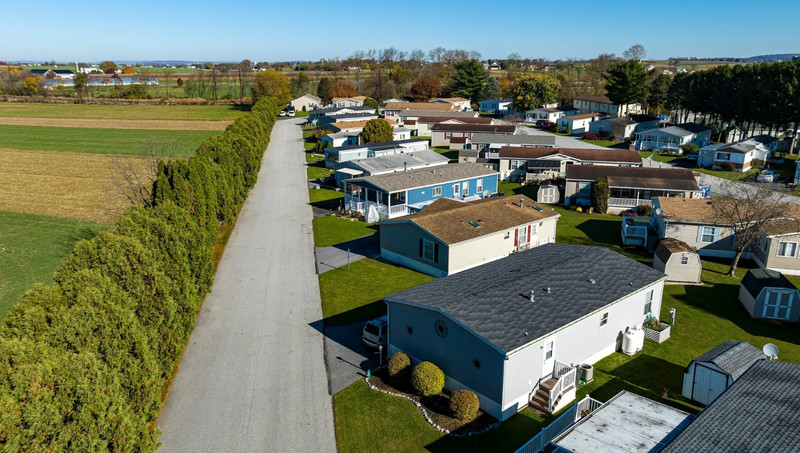
    Can a Mobile Home Park Take Your Mobile Home

    When Can a Mobile Home Park Take Your Mobile Home?

    Sometimes problems happen. Knowing “can a mobile home park take your mobile home” helps you prepare if something unexpected comes up.

    A park may act if:

    • Rent has been unpaid for a long time
    • The home is abandoned
    • The home is unsafe and beyond repair
    • Rules are broken after many warnings

    Even then, parks must follow the law and usually need a court order first.

    Eviction From a Mobile Home Park: What to Know

    Facing eviction from a mobile home park sounds stressful, but the law protects owners. Parks must give proper notice and a reason for the eviction.

    Steps they usually must follow include:

    • Sending a written notice
    • Giving you time to fix the issue
    • Filing legal papers if no action is taken
    • Receiving a court order before removing the home

    This process gives homeowners plenty of time to respond and make decisions.

    What Happens to Your Mobile Home if You Get Evicted?

    It is natural to ask what happens to your mobile home if you get evicted. Often, you have a few options to protect your investment.

    Possible options include:

    • Selling the home before the eviction
    • Moving the home to another park
    • Negotiating a new agreement with the park

    Each choice depends on the situation, but many homeowners find a positive solution.

    Protecting Your Home from Being Taken

    Good habits protect your mobile home and avoid problems with the park. Simple actions can make a big difference.

    Make sure to:

    • Pay rent early
    • Respond quickly to park notices
    • Keep your home and lot neat
    • Stay friendly with park management
    • Know your rights and ask questions if needed

    Staying ahead of small problems keeps your home secure and avoids unnecessary stress.

    Florida Laws Help Mobile Home Owners

    Florida offers strong protections for mobile home owners living in parks. The Mobile Home Act protects against unfair treatment and sudden removal.

    Under Florida law, parks must give proper notice before evicting anyone. Owners have the right to contest any unfair action in court.

    Because of these laws, mobile home living remains a safe and happy choice for thousands across the state.

    Can You Move Your Home if Needed?

    If problems arise, you may wonder about moving your home. Good news — many owners move their mobile homes to new parks or private land.

    Although moving a mobile home costs money, it is often less expensive than buying a new one.

    Things to think about include:

    • The size and weight of your home
    • Hiring licensed movers
    • Getting permits ,if needed
    • Finding a safe new location

    Moving gives you freedom if the current park no longer fits your needs.

    Can a Mobile Home Park Take Your Mobile Home After You Sell It?

    Sometimes, parks want the home removed after a sale. In Florida, they must give clear reasons if they want a home moved.

    Before selling, check with park management. Make sure the buyer understands park rules, too.

    Clear communication makes the selling process smoother and protects your rights.

    Tips for Working with Park Management

    Good communication helps avoid confusion and problems. Here are simple ways to work well with park managers:

    • Read all lease paperwork carefully
    • Ask questions if anything is unclear
    • Keep records of payments and notices
    • Stay polite, even during disagreements
    • Try to solve issues early before they grow

    Good relationships help your mobile home experience stay peaceful and positive.

    FAQ About Mobile Home Parks and Ownership Rights

    Can a mobile home park take your mobile home without warning?

    No, parks must follow legal steps and give proper notice first.

    How long does eviction from a mobile home park take?

    It can take several weeks or even months, depending on the case.

    What happens if you ignore park notices?

    Ignoring notices may lead to eviction and court involvement.

    Can you move your home to avoid eviction?

    Yes, many owners move their homes to new parks or private land.

    Are older mobile homes harder to move?

    Yes, older homes may need repairs before they can be moved safely.

    Can you sell your mobile home during an eviction?

    Yes, selling the home quickly can help avoid losing it.

    What happens to your mobile home if you get evicted?

    You may move it, sell it, or work out an agreement with the park.

    Can parks raise lot rent to force you out?

    In Florida, lot rent increases must follow clear rules and notices.

    What protects mobile home owners in Florida?

    The Mobile Home Act protects owners from unfair treatment by parks.

    Can a park refuse a new buyer for your mobile home?

    They can screen buyers, but they cannot unreasonably refuse qualified buyers.


    See Also:

  • Can You Evict a Mobile Home with No Lease Agreement From A Mobile Home Park?

    Can you evict a mobile home with no lease agreement? This question comes up often, especially when someone owns land rented to a mobile homeowner. Without a lease, the process may seem confusing. However, legal procedures exist to handle this situation. We’ll break it down step by step, keeping things simple and easy to follow.

    If you’re facing this issue, understanding your rights is essential. Our team at The Mobile Home Dealer has guided many people through similar situations. Let’s look at how you can manage this problem and why you might want our help.

    Evicting a mobile home from a park without a lease agreement can be a complex process. Many park owners and tenants wonder, Can You Evict a Mobile Home with No Lease Agreement From A Mobile Home Park? The answer depends on state laws, park rules, and tenant rights. Even without a written lease, verbal agreements or past payments may establish tenancy protections. Understanding legal eviction procedures, notice requirements, and potential challenges is crucial. In this guide, we’ll break down the key factors affecting mobile home park evictions and provide insights on handling this situation lawfully and effectively.

    Can You Evict a Mobile Home with No Lease Agreement From A Mobile Home Park.

    What Happens Without a Lease Agreement?

    If there’s no written lease agreement, the rules can vary depending on the state. In most cases, mobile homeowners renting land are still considered tenants. Without a lease, the rental terms often fall under state landlord-tenant laws.

    Key points to consider:

    • Even without a lease, tenants may still have rights.
    • States often require notice before eviction.
    • Legal steps must still be followed to avoid penalties.

    In Louisiana and many other states, you’ll likely need to serve a written notice. The amount of notice depends on state laws and the nature of the violation, such as unpaid rent or misuse of the property.

    Steps to Evict a Mobile Home with No Lease Agreement

    Evicting someone without a lease may feel overwhelming, but following the proper process is critical. Here’s what you should do:

    1. Check State Laws
      Research eviction rules in your state. These laws outline how much notice you need to give.
    2. Provide Written Notice
      Always give written notice. Most states require at least 30 days, but it varies.
    3. File for Eviction in Court
      If the tenant refuses to move, file an eviction case. This makes the process official.
    4. Attend the Court Hearing
      Bring evidence, such as unpaid rent or property misuse. Follow the court’s decision.

    Remember, skipping any step can result in delays or legal issues. It’s always better to do things by the book.

    Common Challenges in Evicting a Mobile Home

    Even with a clear process, evicting a mobile home has unique challenges. Unlike an apartment, a mobile home may take time to relocate. You must give tenants enough notice to find a solution.

    Common roadblocks include:

    • Difficulty serving notice if tenants avoid contact.
    • Tenants disputing ownership of the mobile home.
    • Legal delays if paperwork isn’t complete.

    To avoid complications, consider working with professionals like us at The Mobile Home Dealer. We know how to handle these situations efficiently and legally.

    Can You Avoid Legal Problems During Eviction?

    Yes, you can avoid legal problems if you follow every required step. Acting without proper notice or a court order could lead to lawsuits. Always stay calm and professional, even if the situation feels frustrating.

    Tips for staying on the right track:

    • Document everything, including unpaid rent or property damage.
    • Follow your state’s eviction timeline strictly.
    • Avoid verbal threats or unlawful actions.

    When things get tricky, we recommend contacting legal experts or mobile home specialists. Our team has the experience to help you through the process.

    What Happens After the Eviction?

    Once the eviction is complete, the mobile homeowner must relocate. However, the process doesn’t end there. As a landowner, you must decide what to do with the property. This is where our expertise shines.

    You can:

    • Lease the land to a new tenant.
    • Sell the land to someone interested in mobile homes.
    • Work with us to explore the best financial option.

    Our team helps you determine the best path forward. We understand the market and know how to maximize your property’s value.

    Final Thoughts on Evicting a Mobile Home with No Lease Agreement

    Can you evict a mobile home with no lease agreement? Yes, you can. However, the process requires patience, planning, and attention to state laws. By taking the proper steps, you can resolve the issue without unnecessary stress.

    See Also:


  • Eviction Rights for Mobile Home Owners in Florida

    Mobile home ownership in Florida offers many benefits, but it also comes with legal responsibilities. One of the most important aspects of owning a mobile home is understanding eviction rights. Florida has specific laws that govern how and when a mobile home owner can be evicted, especially in mobile home parks. Knowing these rights can help prevent unfair evictions and ensure the process is handled correctly.

    1. Mobile Home Ownership and Park Rental Agreements

    In Florida, the legal framework surrounding evictions is influenced by whether the mobile homeowner rents or owns the land. When renting land in a mobile home park, the owner is subject to the park’s rules and lease agreements. Evictions may occur if a tenant violates these rules or fails to pay rent promptly.

    mobile home eviction rights

    Mobile home parks typically have written rental agreements that outline the lease terms. These agreements must comply with Florida’s landlord-tenant laws, and both owners and park managers must understand their rights and obligations under them.

    2. Grounds for Eviction in Mobile Home Parks

    Evictions can occur for various reasons, but the most common causes in mobile home parks are failure to pay rent or violating park rules. Florida law allows park owners to evict tenants if they fail to pay rent on time. However, park owners must follow specific procedures when evicting a tenant.

    Violations of park rules can also lead to eviction. For example, tenants who disrupt the peace or damage property may be evicted. Park owners must prove that the violation is substantial and that eviction is necessary.

    3. Legal Process for Eviction in Florida

    Florida law requires that landlords follow a strict legal process to evict mobile homeowners. The first step is sending a written notice to the tenant explaining the reason for eviction. The landlord can file an eviction lawsuit if the tenant does not address the issue.

    The notice period depends on the reason for eviction. Florida law requires a 3-day notice for non-payment of rent, and a 7-day notice is typically required for violations of the lease agreement. Please resolve the issue during this period to avoid court proceedings.

    4. Notice Requirements for Eviction

    The eviction process starts with a written notice, which must be delivered to the tenant. This notice must clearly state the reason for eviction and give the tenant time to resolve the issue. If the tenant does not comply, the landlord can proceed with the next steps in the legal process.

    The notice must be delivered in person or through certified mail. The eviction process may be delayed if the tenant does not receive the notice or refuses to accept it. Landlords must follow the correct procedures to avoid legal complications.

    5. Eviction Laws for Non-Payment of Rent

    Non-payment of rent is one of the most common reasons for eviction in mobile home parks. If a tenant fails to pay rent, the park owner can serve a 3-day notice demanding payment. This notice must clearly state the amount due and the consequences of non-payment.

    If the tenant does not pay the rent within 3 days, the park owner can file for eviction in court. The court process typically involves a hearing, and if the judge rules in favor of the park owner, the tenant will be evicted. If this occurs before the court hearing, the tenant may have the option to pay the rent owed and avoid eviction.

    6. Eviction for Lease Violations

    A mobile home park owner can evict a tenant for violating the terms of their lease agreement. This may include damaging property, disturbing neighbors, or failing to comply with community rules. In Florida, park owners must serve a 7-day notice before filing for eviction in case of a lease violation.

    The notice must give the tenant a reasonable amount of time to remedy the violation. If the violation is not resolved within the 7-day period, the landlord can proceed with filing for eviction. To avoid violations, tenants must understand the lease agreement and park rules.

    7. Defenses Against Eviction

    Mobile homeowners in Florida have certain defenses against eviction. If the eviction is based on non-payment of rent, tenants may argue that the landlord did not provide proper notice. Other defenses might include claims that the park owner did not comply with Florida’s landlord-tenant laws or that the eviction is retaliatory.

    If the eviction is for a lease violation, tenants may argue that the breach was not significant enough to justify eviction. In such cases, the tenant can present evidence to dispute the violation. Tenants need to seek legal advice to determine the best defense strategy.

    8. The Role of the Florida Mobile Home Act

    The Florida Mobile Home Act provides additional protections for mobile homeowners who live in mobile home parks. This act includes provisions protecting tenants from arbitrary evictions and requires park owners to follow specific procedures. The law ensures tenants are not unfairly evicted and provides a framework for resolving disputes.

    Under the Florida Mobile Home Act, tenants are protected from retaliation. For example, a park owner cannot evict a tenant for exercising their legal rights, such as complaining about unsafe living conditions. Tenants can use the protections offered by the Mobile Home Act to defend themselves in eviction proceedings.

    9. The Court Process for Eviction

    Once a park owner files for eviction, the court process begins. The court schedules a hearing during which the landlord and tenant can present their cases. If the judge rules in favor of the park owner, the court issues an eviction order.

    The tenant can appeal the eviction decision but must do so within a specific time frame. If the tenant loses the appeal, they must vacate the property. The sheriff may enforce the eviction order by physically removing the tenant from the mobile home.

    10. Eviction and Mobile Home Ownership

    If a tenant is evicted from a mobile home park, the status of their mobile home can be complicated. If the tenant owns the mobile home and is not attached to the land, the tenant may be able to relocate it. However, if the tenant does not own the land, the mobile home may remain on the property until it is removed.

    The park owner may offer the tenant a time to remove the mobile home after eviction. If the tenant fails to do so, the park owner may pursue legal action to have the mobile home removed. Mobile homeowners need to understand their rights regarding the relocation of their homes.

    11. Retaliation and Eviction Protections

    Florida law protects tenants from retaliatory evictions. This means that a park owner cannot evict a tenant simply for exercising their legal rights, such as filing complaints about maintenance issues or reporting safety violations. If a tenant can prove that the eviction is retaliatory, they may be able to prevent it.

    Retaliatory evictions are illegal under Florida law and the Florida Mobile Home Act. Tenants who believe they are facing retaliation should seek legal advice to understand their options. Legal protections against retaliation help tenants voice concerns without fear of unfair eviction.

    12. The Importance of Legal Advice

    Mobile homeowners facing eviction should seek legal advice to understand their rights. Attorneys specializing in landlord-tenant law can help tenants navigate the eviction process and determine whether the eviction is lawful. Legal counsel can also help tenants explore options for defense and avoid eviction.

    Sometimes, tenants can negotiate with park owners to resolve disputes without going through the court process. A lawyer can guide these negotiations and help protect the tenant’s rights. Acting quickly when facing eviction is essential to ensure that all legal options are explored.

    13. Payment Plans and Negotiations

    If the reason for eviction is non-payment of rent, tenants may be able to negotiate a payment plan with the park owner. Park owners may be willing to work out a deal to avoid eviction. Tenants should communicate openly with the landlord to discuss possible solutions, such as catching up on overdue rent over time.

    Negotiating a payment plan can help tenants avoid eviction and stay in their homes. Tenants should proactively discuss their financial situation and seek assistance from social services or financial counseling if needed. It is always better to communicate early rather than wait until the eviction process has started.

    14. Impact of Eviction on Mobile Home Tenants

    An eviction can have significant consequences for mobile homeowners. It can affect their credit score, making renting or purchasing a new home harder. In addition, evictions can lead to the loss of personal property if the tenant cannot remove their mobile home in time.

    To avoid these consequences, tenants should take eviction notices seriously and seek help early. Understanding eviction rights and being proactive in addressing issues can minimize the long-term impact of eviction. The sooner a tenant addresses the situation, the better the chances of finding a favorable outcome.

    Conclusion

    Eviction rights for mobile home owners in Florida are governed by a combination of state laws and the Florida Mobile Home Act. Mobile home tenants must understand their rights and obligations under rental agreements and the law. Following the proper procedures allows park owners and tenants to navigate the eviction process more smoothly.

    Mobile homeowners facing eviction should explore all options, including negotiation, legal defenses, and payment plans. Seeking legal advice early can help protect tenants’ rights and ensure evictions are handled fairly. With the right knowledge and support, mobile homeowners in Florida can better understand and manage eviction situations.


    See Also:


  • Eviction in Mobile Home Parks: Understanding Your Rights and Responsibilities

    The dream of affordable homeownership often leads many to consider manufactured homes in mobile home parks. These communities offer a sense of belonging and provide a lot to rent while you own the mobile home itself. However, even as a homeowner, residing in a mobile home park comes with a set of rules outlined in a lease agreement. Breaching these terms can lead to eviction, leaving you scrambling for alternative housing and potentially facing the complex task of relocating your mobile home.

    mobile home park eviction

    Facing Eviction: Common Reasons

    Understanding the common reasons for eviction in mobile home parks can help you avoid such a situation. Here are some key factors to be aware of:

    • Non-payment of Lot Rent: The most common reason for eviction in mobile home parks involves failing to pay your monthly lot rent on time. Most lease agreements stipulate a grace period for late payments, but persistent delinquency can ultimately lead to eviction proceedings.
    • Violations of the Lease Agreement: Mobile home park leases outline the rules and regulations governing your occupancy. This may include restrictions on pets, noise levels, yard maintenance, or modifications made to your mobile home. Repeated or significant violations of these terms can be grounds for eviction.
    • Illegal Activity: Engaging in criminal activity within the mobile home park, like drug use or violence, is a serious offense that can lead to immediate eviction proceedings. This protects the safety and well-being of all community residents.
    • Unforeseen Circumstances: In some rare cases, unforeseen circumstances might lead to eviction. For example, if the mobile home park undergoes renovations requiring the relocation of all residents, eviction might be unavoidable. However, in such cases, the park owner is typically obligated to provide ample notice and potentially offer relocation assistance.

    Taking Action to Avoid Eviction

    Knowing the potential pitfalls allows you to take proactive measures to prevent eviction:

    • Pay Rent on Time: This is the most crucial step. Set up automatic payments or reminders to ensure your lot rent is paid on time and in full monthly.
    • Understand Your Lease Agreement: Read your lease agreement thoroughly and familiarize yourself with all the rules and regulations. If anything is unclear, seek clarification from the park management.
    • Maintain Open Communication: Communicate respectfully and openly with the park manager. If you anticipate difficulty paying rent, approach them proactively to discuss potential solutions.
    • Comply with Maintenance Requirements: The lease agreement might specify your responsibilities regarding the upkeep of your mobile home and surrounding area. Address any maintenance issues promptly to avoid violations.
    • Document Everything: If you encounter problems with the park management or believe they are unfairly targeting you for eviction, record all communication and document any relevant events. This documentation can be helpful if you need to seek legal assistance.

    Know Your Rights During Eviction Proceedings

    Even if you face eviction, it’s important to understand your rights as a tenant:

    • Right to Notice: The park owner is legally obligated to provide a written notice outlining the reason for eviction and the timeframe for you to rectify the situation or vacate the premises. The specific timeframe for this notice can vary depending on the nature of the violation.
    • Right to a Hearing: In some cases, depending on local laws and the reason for eviction, you might have the right to request a hearing to contest the eviction with the park management or a housing authority.

    Final Words

    While eviction from a mobile home park is a severe consequence, it’s often avoidable with a little effort and awareness. By prioritizing on-time rent payments, understanding your lease agreement, and maintaining open communication with the park management, you can significantly reduce the risk of eviction. In the unfortunate event that eviction proceedings begin, knowing your rights and seeking legal counsel can help protect your interests and reach a more favorable outcome. Preventative measures and open communication are key to thriving in a mobile home park community.


    See Also:


  • Can A Sarasota Mobile Home Get Evicted For Unpaid Lot Rent?

    Mobile homes are becoming more and more popular not only with older people but also with employed singles and young families. According to the US Census, 25% of mobile home owners are retired and have a great life, while 57% are employed. The rest are either self-employed or local small business owners.

    There are many reasons why people are moving into mobile homes this includes comfort, having no commitment, affordability, and even luxury.

    But living in a mobile home has its share of advantages and disadvantages and today we will talk about the possibility of getting evicted from a leased land where your mobile home is sitting.

    Is it possible for a mobile home park to evict a mobile home for not paying their lot rent?

    As we have discussed in the past, when living in a mobile home park that has leased land, the Owner of the home needs to pay the park each month for usage to the land the home sits on.

    This payment, as we have reviewed several times, is called your monthly lot rent.

    Paying your lot rent ensures the Owner of the home has access to usage of the land for the month so that their home can reside on the same piece of property without any issues from the mobile home park.

    Each mobile home park has a long list of do’s and don’ts, that each resident is required to abide by when living in the park.

    This list is put together in what is referred to as a Mobile Home Park Prospectus.

    Each park you visit will have unique portions to its prospectus, such as what types of dogs are allowed, what types of vehicles may be parked at each home, right down to how the park wants you to hang your Holiday decorations.

    As a general rule of thumb, usually the nicer the park, the more restrictions they have.

    Although each park will have its unique requirements, one of the main requirements is the same in all of the park prospectus, that we at The Mobile Home Dealer have reviewed, and that is, the importance of paying your monthly lot rent on time each month.

    One needs to view their lot rent payment just like any other monthly bill. If it is not paid in full on time each month, then the company such as the park in this situation will have a process that they can follow to ensure the payment of the lot rent is made each month.

    This is the same way as a car payment is made. If the payment for the car is not made on time each month for some reason, then the lien holder on the car could very well come and take your vehicle for failure to pay on time.

    Much the same with your car payment, the mobile home park can do with your mobile home!

    Most parks will have a clause in the prospectus that states, “If the lot rent is not paid on time each month, then the park could move to evict the home from the park for failure to pay.”

    Palm Terrace mobile home park
    Palm Terrace Mobile Home

    So what does that mean?

    This statement means that the park could legally kick your home out of the mobile home park itself and force it to be moved!

    So next question is, what happens if you are unable to move the home or if it is too old or not in good enough shape for it to be moved?

    If that is the case, then the mobile home park will usually move to repossess your home, if the lot rent is that far back on payment.

    This can be done by taking your home to the auction by the local Sheriff’s Department and auctioning it off for sale!

    What to do if you’re facing eviction

    If you’re behind on rent and received a demand for payment, but no eviction notice has been filed yet, you can do the following.

    If you want to stay in your home, make a plan to catch up on your rent.
    Get help with rent and utilities. You can apply to state or local organizations for federal money to cover rent, utilities, and other housing costs.  Learn more about emergency rental assistance.
    Talk with your mobile home park manager about making a repayment plan. Find out if the park manager or owner is willing to work with you or if they plan to file an eviction lawsuit. Sometimes, the hardest part is just getting the conversation started.
    Find out about the state of Florida’s local protections. Florida may have rules that could delay your eviction while you get help as other states do.
    If an eviction lawsuit HAS been filed against you and If a court has ruled that you can be evicted, seek legal help.

    Some financial advice.

    Disclaimer. The Mobile Home Dealer is not a financial institution neither promoting nor connected to any financial company. This suggestion is based on our personal life experience that we find helpful to people who are struggling to pay their lot rent.

    We understand that a monthly payment of anything can sometimes be stressful if we are having financial difficulties, but we believe that there is always a solution to mitigate eviction which is considered very serious. Eviction could change someone’s life forever.

    If you are struggling financially but still have some jobs to support yourself or your family, the only option is to squeeze your personal and household budget. Not all people who are facing evictions are due to financial problems. Some are due to procrastination ignoring the due dates.

    Put your lot rent on the very top of your list of bills to pay every month. By paying your lot rent before everything else, you can have peace of mind and can think of other things to solve your other financial problems. Remember that in extreme life situations, not having breakfast is better than being homeless.

    Cut your expenses on less important things like toys, gadgets, dinner outs, and other things you can live without. Having a roof without money is better than being homeless without money.

    We at the Mobile Home Dealer always recommend in order for you to avoid this terrible situation, to always pay your lot rent on time each and every month.

    This is Mark Kaiser with The Mobile Home Dealer, and we help mobile home Buyers and Sellers get to a better place in life!

    See Also:

Reset password

Enter your email address and we will send you a link to change your password.

Get started with your account

to save your favourite homes and more

Sign up with email

Get started with your account

to save your favourite homes and more

By clicking the «SIGN UP» button you agree to the Terms of Use and Privacy Policy
Powered by Estatik