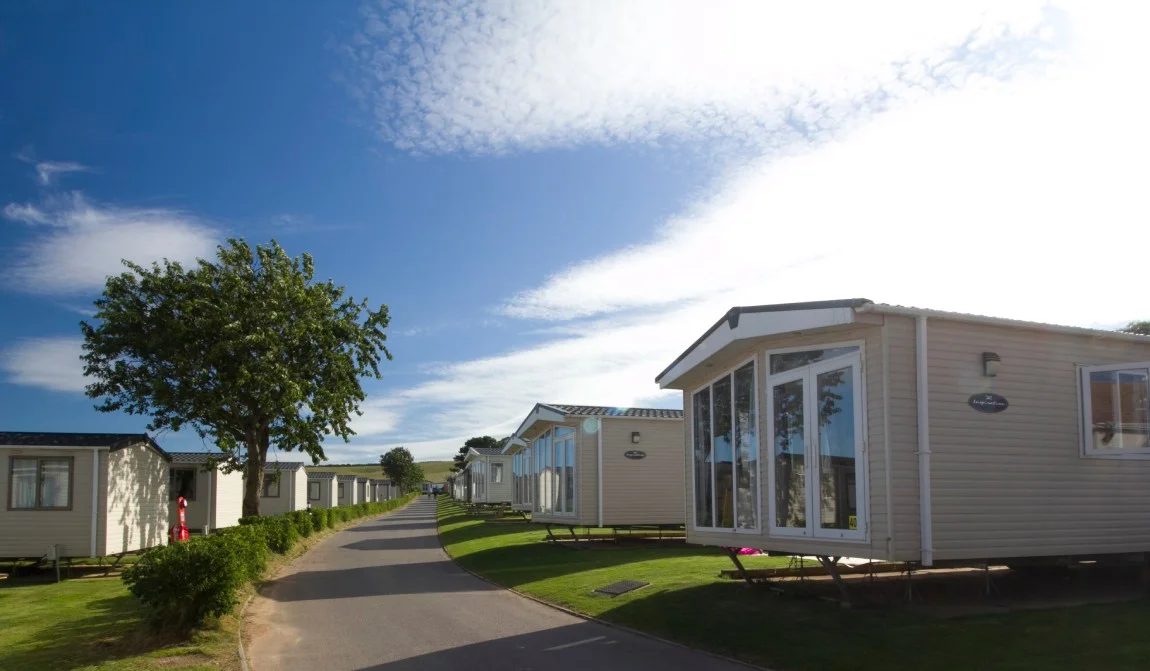
Tag: what are my rights as a mobile home owner in florida

  • What Are My Rights as a Mobile Home Owner in Florida?

    Many people ask, what are my rights as a mobile home owner in Florida? The state provides clear protections for mobile home owners, ensuring fair treatment and security. Whether you own the land or rent a lot, knowing your rights helps you make informed decisions.

    Legal Protections for Mobile Home Owners in Florida

    Florida law protects mobile home owners in several ways. The Florida Mobile Home Act outlines tenant and owner rights, covering fair rental terms, eviction protection, and lease agreements.

    Key Legal Protections:

    • Lease Agreements: Landlords must provide clear rental terms.
    • Eviction Protection: Homeowners cannot be evicted without proper notice.
    • Maintenance Requirements: Landlords must keep shared areas in good condition.
    • Rent Control: Certain parks have restrictions on rent increases.

    Understanding these protections ensures mobile home owners enjoy secure housing without unnecessary disruptions.

    what are my rights as a mobile home owner

    What Are My Rights as a Mobile Home Owner When Renting a Lot?

    Many mobile home owners lease land instead of owning it. What are my rights as a mobile home owner when renting a lot? Florida law provides protections to keep rental agreements fair.

    Important Rights for Lot Renters:

    • Right to Written Lease: Landlords must provide a written agreement with clear terms.
    • Notice Before Rent Increases: Tenants must receive at least 90 days’ notice before any increase.
    • Eviction Protections: Landlords must give proper notice before terminating a lease.
    • Rules on Community Regulations: Any rule changes must be applied fairly to all residents.

    Renting a lot in Florida remains a viable option for mobile home owners when rights are respected.

    Home Maintenance Responsibilities: Who Is Responsible?

    Keeping a mobile home and its surroundings in good condition is important. Maintenance duties vary between homeowners and landlords.

    Responsibilities of Mobile Home Owners:

    • Keep the home in safe and livable condition.
    • Maintain plumbing, electrical systems, and home structure.
    • Follow community rules regarding upkeep.

    Landlord Responsibilities:

    • Maintain roads and common areas.
    • Provide clean and safe utilities.
    • Handle major infrastructure issues within the park.

    Knowing who is responsible prevents disputes and ensures smooth living conditions.

    Can Mobile Home Owners Be Evicted?

    Florida law includes eviction protections for mobile home owners. Landlords cannot remove a homeowner without legal grounds.

    Legal Grounds for Eviction:

    • Non-payment of lot rent.
    • Violation of lease terms.
    • Illegal activity within the park.
    • Park closure or change in land use.

    A landlord must provide written notice and follow the legal process before eviction. Tenants have the right to dispute an unfair eviction in court.

    Selling a Mobile Home in a Rented Park

    Selling a mobile home while renting a lot follows specific guidelines. Mobile home owners have the right to sell their homes without landlord interference, as long as park rules are followed.

    Selling Rights Include:

    • Right to Sell: Homeowners can sell their homes at any time.
    • Lot Lease Transfer: Buyers must qualify under park rules.
    • Landlord Approval: The park may require new owners to meet community standards.

    Knowing these rights helps homeowners sell their mobile homes without unnecessary delays.

    Moving a Mobile Home: What Are the Requirements?

    Florida law allows mobile home owners to relocate, but the process requires permits and approvals.

    Requirements for Moving a Mobile Home:

    • Obtain a moving permit from the local government.
    • Ensure the home meets safety and transport regulations.
    • Hire a licensed mobile home mover.
    • Check local zoning laws before relocating.

    Following these steps prevents issues and ensures a smooth transition.

    Conclusion

    Understanding what are my rights as a mobile home owner in Florida helps ensure fair treatment. Whether renting a lot, maintaining a home, or selling, knowing these rights provides security and peace of mind. Florida laws protect mobile home owners, making ownership a stable and positive experience.

    See Also:


  • How to Secure a Mobile Home Rental for Snowbird Season

    Snowbird season draws thousands of travelers to warmer climates, creating high demand for mobile home rentals. Planning is essential to find the right home. Follow these steps to secure a mobile home rental and ensure a hassle-free experience.

    Start Your Search Early

    Begin your search several months before the snowbird season starts. Rentals fill quickly, especially in popular destinations. Early planning gives you more options and better prices.

    Use online platforms to explore available rentals. Websites like Zillow, RV Trader, and Airbnb offer a range of mobile home listings.

    Join snowbird forums and Facebook groups. These communities often share rental leads and insider tips.

    Choose the Right Location

    Decide which region fits your needs best. Florida, Arizona, and Texas are popular destinations for snowbirds.

    Consider the climate, attractions, and activities in your chosen area. Choose a location that matches your lifestyle and interests.

    Research local amenities, including healthcare facilities, grocery stores, and recreational options. Proximity to these services adds convenience.

    secure a mobile home rental florida

    Set a Budget

    Determine how much you can afford for a rental. Include rent, utilities, and additional fees in your budget.

    Look for cost-effective options, such as off-season discounts or long-term rental agreements. Many parks offer lower rates for extended stays.

    Avoid overspending by limiting discretionary expenses, like entertainment and dining out.

    Check Mobile Home Parks

    Many mobile home parks cater specifically to snowbirds. Research parks in your preferred area.

    Visit their websites to learn about available rentals, amenities, and rules. Popular parks often have waitlists, so apply early.

    Contact park management to ask about availability and pricing. They may provide additional rental options that need to be listed online.

    Inspect the Mobile Home

    Request a virtual tour or visit the property in person. Ensure the home meets your standards and needs.

    Check for essential features, including a functional kitchen, comfortable living space, and working utilities.

    Inspect the exterior for damage or maintenance issues. Ask the owner about recent repairs and upkeep.

    Understand the Rental Agreement

    Carefully review the rental agreement. Ensure you understand all terms, including rental duration and payment requirements.

    Check for hidden fees, such as cleaning charges or utility costs. If necessary, ask the landlord for clarification.

    Confirm the cancellation policy in case of unforeseen circumstances. Flexible terms provide added peace of mind.

    Negotiate Rental Terms

    Some landlords may be open to negotiation. Ask for discounts on long-term rentals or lower rates during off-peak months.

    Offer to pay upfront for a longer stay to secure a better price. Landlords often value reliability.

    Be respectful but firm in your requests. Negotiation can save money without compromising the quality of your rental.

    Secure Your Reservation

    Once you find the right mobile home, act quickly to secure it. Provide a deposit to hold your spot.

    Confirm the payment method with the landlord. Use secure options, such as checks or online payment platforms.

    Request a written confirmation of your reservation. Keep all receipts and documents for future reference.

    Prepare for the Move

    Plan your travel dates and route. Share this information with family or friends for added safety.

    Pack essentials, including clothing, medications, and important documents. Ensure you have everything you need for a long-term stay.

    Arrange for mail forwarding or use a P.O. box near your rental. This ensures you receive important correspondence.

    Get to Know the Community

    Research the local area before moving in. Familiarize yourself with nearby restaurants, shops, and attractions.

    Introduce yourself to neighbors and park residents. Building relationships creates a supportive community experience.

    Join social events or clubs within the mobile home park. These activities help you settle in and make friends.

    Plan for Utilities and Services

    Confirm whether utilities are included in your rental agreement. If not, set up accounts for electricity, water, and internet.

    Consider using mobile hotspot devices if Wi-Fi is unavailable. Reliable internet ensures you stay connected.

    Arrange for garbage collection or recycling services if not provided by the park.

    Ensure Safety and Security

    Check that the mobile home has working smoke and carbon monoxide detectors. Replace batteries if necessary.

    Secure all windows and doors with locks. If needed, add extra security measures, such as a portable alarm system.

    Familiarize yourself with the park’s emergency procedures. Know the nearest exits, storm shelters, and contact numbers.

    Prepare for Unexpected Situations

    Purchase travel insurance to cover emergencies. This protects against unexpected cancellations or health issues.

    Keep an emergency fund for unforeseen expenses, such as repairs or medical needs.

    Have a backup plan in case your rental agreement falls through. Research alternative accommodations as a precaution.

    Maximize Your Stay

    Take advantage of amenities within the mobile home park. Use pools, fitness centers, or clubhouses to enhance your experience.

    Explore local attractions and activities. Visit nearby beaches, parks, and cultural landmarks during your stay.

    Participate in group events, fitness classes, or outdoor recreation.

    Tips for Finding the Perfect Rental

    • Be Flexible: Adjust your travel dates to find better deals and availability.
    • Stay Persistent: Follow up with landlords and park managers if you don’t get immediate responses.
    • Use Multiple Platforms: Search websites, forums, and community groups for the best options.

    Conclusion

    Securing a mobile home rental for snowbird season requires planning, research, and persistence. You’ll find the perfect home for your winter escape by starting early and following these steps. Enjoy the warm weather, vibrant communities, and memorable experiences of snowbird living.


    See Also:

  • Eviction Rights for Mobile Home Owners in Florida

    Mobile home ownership in Florida offers many benefits, but it also comes with legal responsibilities. One of the most important aspects of owning a mobile home is understanding eviction rights. Florida has specific laws that govern how and when a mobile home owner can be evicted, especially in mobile home parks. Knowing these rights can help prevent unfair evictions and ensure the process is handled correctly.

    1. Mobile Home Ownership and Park Rental Agreements

    In Florida, the legal framework surrounding evictions is influenced by whether the mobile homeowner rents or owns the land. When renting land in a mobile home park, the owner is subject to the park’s rules and lease agreements. Evictions may occur if a tenant violates these rules or fails to pay rent promptly.
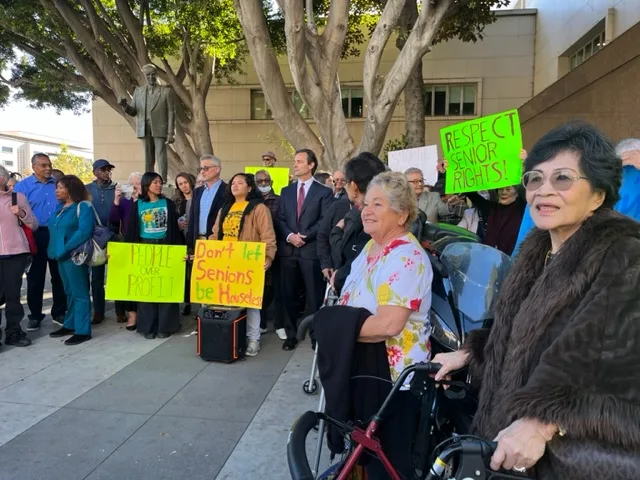
    mobile home eviction rights

    Mobile home parks typically have written rental agreements that outline the lease terms. These agreements must comply with Florida’s landlord-tenant laws, and both owners and park managers must understand their rights and obligations under them.

    2. Grounds for Eviction in Mobile Home Parks

    Evictions can occur for various reasons, but the most common causes in mobile home parks are failure to pay rent or violating park rules. Florida law allows park owners to evict tenants if they fail to pay rent on time. However, park owners must follow specific procedures when evicting a tenant.

    Violations of park rules can also lead to eviction. For example, tenants who disrupt the peace or damage property may be evicted. Park owners must prove that the violation is substantial and that eviction is necessary.

    3. Legal Process for Eviction in Florida

    Florida law requires that landlords follow a strict legal process to evict mobile homeowners. The first step is sending a written notice to the tenant explaining the reason for eviction. The landlord can file an eviction lawsuit if the tenant does not address the issue.

    The notice period depends on the reason for eviction. Florida law requires a 3-day notice for non-payment of rent, and a 7-day notice is typically required for violations of the lease agreement. Please resolve the issue during this period to avoid court proceedings.

    4. Notice Requirements for Eviction

    The eviction process starts with a written notice, which must be delivered to the tenant. This notice must clearly state the reason for eviction and give the tenant time to resolve the issue. If the tenant does not comply, the landlord can proceed with the next steps in the legal process.

    The notice must be delivered in person or through certified mail. The eviction process may be delayed if the tenant does not receive the notice or refuses to accept it. Landlords must follow the correct procedures to avoid legal complications.

    5. Eviction Laws for Non-Payment of Rent

    Non-payment of rent is one of the most common reasons for eviction in mobile home parks. If a tenant fails to pay rent, the park owner can serve a 3-day notice demanding payment. This notice must clearly state the amount due and the consequences of non-payment.

    If the tenant does not pay the rent within 3 days, the park owner can file for eviction in court. The court process typically involves a hearing, and if the judge rules in favor of the park owner, the tenant will be evicted. If this occurs before the court hearing, the tenant may have the option to pay the rent owed and avoid eviction.

    6. Eviction for Lease Violations

    A mobile home park owner can evict a tenant for violating the terms of their lease agreement. This may include damaging property, disturbing neighbors, or failing to comply with community rules. In Florida, park owners must serve a 7-day notice before filing for eviction in case of a lease violation.

    The notice must give the tenant a reasonable amount of time to remedy the violation. If the violation is not resolved within the 7-day period, the landlord can proceed with filing for eviction. To avoid violations, tenants must understand the lease agreement and park rules.

    7. Defenses Against Eviction

    Mobile homeowners in Florida have certain defenses against eviction. If the eviction is based on non-payment of rent, tenants may argue that the landlord did not provide proper notice. Other defenses might include claims that the park owner did not comply with Florida’s landlord-tenant laws or that the eviction is retaliatory.

    If the eviction is for a lease violation, tenants may argue that the breach was not significant enough to justify eviction. In such cases, the tenant can present evidence to dispute the violation. Tenants need to seek legal advice to determine the best defense strategy.

    8. The Role of the Florida Mobile Home Act

    The Florida Mobile Home Act provides additional protections for mobile homeowners who live in mobile home parks. This act includes provisions protecting tenants from arbitrary evictions and requires park owners to follow specific procedures. The law ensures tenants are not unfairly evicted and provides a framework for resolving disputes.

    Under the Florida Mobile Home Act, tenants are protected from retaliation. For example, a park owner cannot evict a tenant for exercising their legal rights, such as complaining about unsafe living conditions. Tenants can use the protections offered by the Mobile Home Act to defend themselves in eviction proceedings.

    9. The Court Process for Eviction

    Once a park owner files for eviction, the court process begins. The court schedules a hearing during which the landlord and tenant can present their cases. If the judge rules in favor of the park owner, the court issues an eviction order.

    The tenant can appeal the eviction decision but must do so within a specific time frame. If the tenant loses the appeal, they must vacate the property. The sheriff may enforce the eviction order by physically removing the tenant from the mobile home.

    10. Eviction and Mobile Home Ownership

    If a tenant is evicted from a mobile home park, the status of their mobile home can be complicated. If the tenant owns the mobile home and is not attached to the land, the tenant may be able to relocate it. However, if the tenant does not own the land, the mobile home may remain on the property until it is removed.

    The park owner may offer the tenant a time to remove the mobile home after eviction. If the tenant fails to do so, the park owner may pursue legal action to have the mobile home removed. Mobile homeowners need to understand their rights regarding the relocation of their homes.

    11. Retaliation and Eviction Protections

    Florida law protects tenants from retaliatory evictions. This means that a park owner cannot evict a tenant simply for exercising their legal rights, such as filing complaints about maintenance issues or reporting safety violations. If a tenant can prove that the eviction is retaliatory, they may be able to prevent it.

    Retaliatory evictions are illegal under Florida law and the Florida Mobile Home Act. Tenants who believe they are facing retaliation should seek legal advice to understand their options. Legal protections against retaliation help tenants voice concerns without fear of unfair eviction.

    12. The Importance of Legal Advice

    Mobile homeowners facing eviction should seek legal advice to understand their rights. Attorneys specializing in landlord-tenant law can help tenants navigate the eviction process and determine whether the eviction is lawful. Legal counsel can also help tenants explore options for defense and avoid eviction.

    Sometimes, tenants can negotiate with park owners to resolve disputes without going through the court process. A lawyer can guide these negotiations and help protect the tenant’s rights. Acting quickly when facing eviction is essential to ensure that all legal options are explored.

    13. Payment Plans and Negotiations

    If the reason for eviction is non-payment of rent, tenants may be able to negotiate a payment plan with the park owner. Park owners may be willing to work out a deal to avoid eviction. Tenants should communicate openly with the landlord to discuss possible solutions, such as catching up on overdue rent over time.

    Negotiating a payment plan can help tenants avoid eviction and stay in their homes. Tenants should proactively discuss their financial situation and seek assistance from social services or financial counseling if needed. It is always better to communicate early rather than wait until the eviction process has started.

    14. Impact of Eviction on Mobile Home Tenants

    An eviction can have significant consequences for mobile homeowners. It can affect their credit score, making renting or purchasing a new home harder. In addition, evictions can lead to the loss of personal property if the tenant cannot remove their mobile home in time.

    To avoid these consequences, tenants should take eviction notices seriously and seek help early. Understanding eviction rights and being proactive in addressing issues can minimize the long-term impact of eviction. The sooner a tenant addresses the situation, the better the chances of finding a favorable outcome.

    Conclusion

    Eviction rights for mobile home owners in Florida are governed by a combination of state laws and the Florida Mobile Home Act. Mobile home tenants must understand their rights and obligations under rental agreements and the law. Following the proper procedures allows park owners and tenants to navigate the eviction process more smoothly.

    Mobile homeowners facing eviction should explore all options, including negotiation, legal defenses, and payment plans. Seeking legal advice early can help protect tenants’ rights and ensure evictions are handled fairly. With the right knowledge and support, mobile homeowners in Florida can better understand and manage eviction situations.


    See Also:


  • Understanding the Rights of Florida Mobile Home Owners

    For many Floridians, mobile homes offer an affordable and convenient housing option. However, ownership comes with unique considerations, particularly regarding the legalities of your relationship with the mobile home park. Florida law offers a robust framework protecting the rights of mobile homeowners, ensuring fair treatment, and fostering a sense of security in your residence. Let’s delve into the key aspects of this legal landscape.

    Your Castle on Wheels: Property Rights and Protections

    One of the core distinctions of mobile home ownership is that you own the dwelling itself, but you lease the land it sits on from the park owner. Chapter 723 of the Florida Statutes outlines the rights and responsibilities of both parties.

    rights of mobile home owners

    • Right to Sell: You can sell your mobile home, and park owners cannot unreasonably restrict the sale or require removal upon selling.
    • Eviction Protections: Eviction can only occur for specific reasons outlined in the law, such as non-payment of rent or violations of park rules. The park owner must also provide a written notice with sufficient time to remedy the situation before eviction proceedings begin.
    • Right to Peaceful Enjoyment: Park owners cannot unreasonably interfere with the peaceful enjoyment of your mobile home. This includes limited access to your lot and restrictions on unreasonable noise regulations. 

    Maintaining Your Community: Understanding Park Rules and Regulations

    Mobile home parks often have established rules governing aspects like landscaping, pet ownership, and noise levels. While these rules help maintain a sense of order within the community, it’s crucial to understand your rights within this framework.

    • Review and Compliance: Review the park’s rules and regulations before signing your lease agreement. Ensure you understand your responsibilities and any potential restrictions.
    • Reasonableness Standard: Park rules must be fair to all residents. If you believe a rule is overly restrictive or unfairly enforced, you may have recourse through negotiation with the park owner or by seeking legal counsel.
    • Changes to Rules: Park owners can only arbitrarily change existing rules with proper resident notification. Typically, a set timeframe allows you to adjust to any modifications.

    Negotiating Your Lease: Understanding Key Provisions

    The lease agreement between you and the park owner forms the foundation of your rights and responsibilities. Here are some key aspects to pay close attention to:

    • Term and Renewal: The lease will specify the initial term and renewal options. Be aware of any automatic renewals and potential changes in rent upon renewal.
    • Rent Increases: Florida law places some limitations on rent increases, but it’s essential to understand the specific terms outlined in your lease 
    • Maintenance Responsibilities: The lease will clarify which party is responsible for maintaining the mobile home and its lot. Understanding this division of responsibility helps avoid potential disputes.
    • Dispute Resolution: The lease may outline a process for resolving disagreements with the park owner. Familiarize yourself with these procedures before any conflicts arise.

    Finding Your Voice: Resident Associations and Advocacy Groups

    Florida law recognizes the right of mobile homeowners to form resident associations to represent their collective interests. These associations can play a vital role in:

    • Negotiating with Park Owners: Resident associations can provide a unified voice for residents when dealing with park owners on issues like rent increases or park rules.
    • Resolving Disputes: Associations can facilitate communication and potentially mediate disputes between residents and the park owner.
    • Advocacy: Resident associations can advocate for legislative changes that benefit mobile homeowners at the state level.

    In addition to resident associations, several advocacy groups work to protect the rights of mobile homeowners in Florida. These organizations can offer valuable resources and support, including legal guidance and educational materials.

    Seeking Help When Needed: Legal Resources and Support

    Understanding your rights is crucial, but there may be situations where you need additional support. Here are some resources available to Florida mobile homeowners:

    • Florida Department of Business and Professional Regulation: This department oversees the licensing and regulation of mobile home parks. They can provide information on your rights and potential avenues for filing complaints.
    • Legal Aid: Several legal aid organizations in Florida specialize in mobile homeowner issues. They can offer legal advice and representation in disputes with park owners.
    • Florida Mobile Home Relocation Corporation: This state-funded corporation can assist with relocation costs if a park owner evicts residents due to a planned land-use change.

    Remember: If you face a complex legal issue or require representation in a dispute with a park owner, it’s always best to consult with an attorney specializing in mobile home law.

    Knowledge is Power

    Owning a mobile home in Florida offers a unique and fulfilling living experience. By understanding your rights and responsibilities outlined in state law, you can confidently navigate your ownership journey. Remember, knowledge empowers you to:

    • Protect your investment: A clear understanding of your rights regarding selling your mobile home, eviction protections, and peaceful enjoyment safeguards your investment.
    • Maintain a harmonious community: You contribute to a sense of order and respect by understanding and complying with park rules.
    • Negotiate effectively: Knowing your rights regarding lease terms empowers you to negotiate effectively with the park owner for fair rent increases and reasonable regulations.
    • Advocate for change: Through resident associations and advocacy groups, you can have a voice in shaping legislation that protects the rights of all mobile homeowners in Florida.

    Living in a mobile home shouldn’t feel like living in a powerless situation. By familiarizing yourself with the legal framework and available resources, you can transform your mobile home into a true haven. This place makes you feel secure, empowered, and part of a vibrant community.


    See Also:


Reset password

Enter your email address and we will send you a link to change your password.

Get started with your account

to save your favourite homes and more

Sign up with email

Get started with your account

to save your favourite homes and more

By clicking the «SIGN UP» button you agree to the Terms of Use and Privacy Policy
Powered by Estatik