Tag: used/repo mobile homes for sale near me

  • The Pros and Cons of Buying a Repo Mobile Home

    The Pros and Cons of Buying a Repo Mobile Home

    Buying a repo mobile home is one of the most affordable ways to own a house. It allows many families to get a quality home at a lower price. Lenders repossessed these homes after the original buyers stopped making payments. Now, they are available for sale, often below market value.

    Repo mobile homes can be a great opportunity if you’re working with a limited budget. But just like any home purchase, it’s important to weigh the good and the bad. Let’s look at both the pros and cons of buying a repo mobile home so you can decide if it’s the right move for you.

    What Is a Repo Mobile Home?

    Before you buy, it’s important to know what a repo mobile home is. When a buyer can’t keep up with loan payments, the lender may take back the home. The lender then resells it to recover the money. These homes often go to auction or are listed at discounted prices.

    Most repo homes have already been lived in. So, you can expect signs of use. But with proper inspection and planning, buying a repo mobile home can be a smart choice.

    Benefits of Buying a Repo Mobile Home

    Buying a repo mobile home offers several advantages. Here are the top reasons why people consider them:
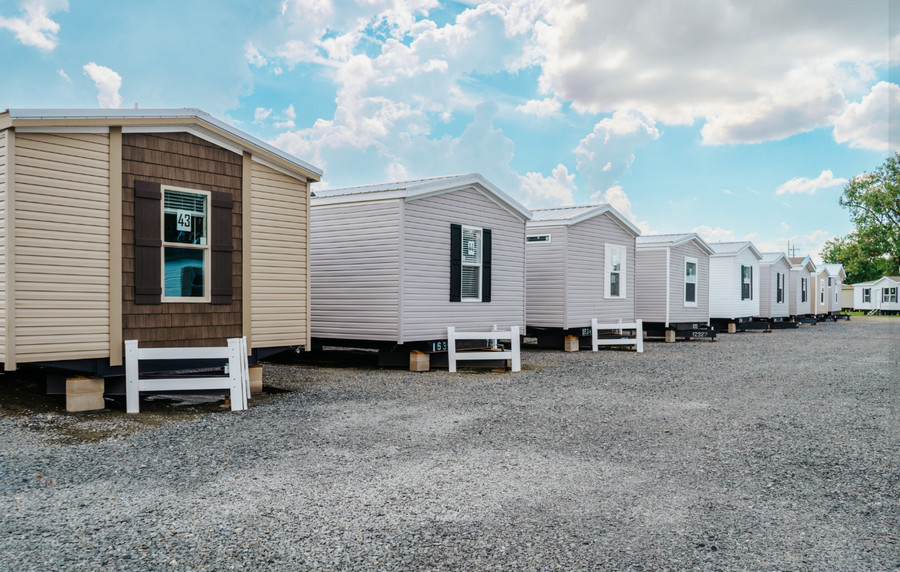
    buying a repo mobile home

    Affordable Pricing

    One of the main perks is the lower cost. Repo homes usually sell for less than new mobile homes. That means you can get more space for your money.

    Potential for Quick Deals

    Since banks want to recover losses fast, deals can close quickly. If you’re ready to buy, you could move in sooner than expected.

    Room for Upgrades

    Even if the home needs updates, you might still save overall. The money you save on the sale can go into improvements.

    Easier to Find Financing Options

    Lenders may be open to financing repo homes, especially if they owned the home in the first place.

    In summary, repo mobile homes offer:

    • Lower purchase prices
    • Faster closings
    • Budget room for upgrades
    • Access to some financing 

    What to Watch Out for When Buying a Repo Mobile Home

    While the savings are real, buying a repo mobile home comes with some risks.

    Possible Hidden Damage

    Some homes may have been poorly maintained. Before buying, always hire a certified inspector. Look for:

    • Water damage
    • Electrical issues
    • Plumbing problems
    • Foundation concerns 

    Limited Choices

    There may not be many repo homes in your area. You might have to act fast or wait for a good match.

    Repairs and Cleanup

    Sometimes, you’ll need to spend time and money fixing damage left by the previous owners. This could include:

    • Broken fixtures
    • Stained walls or flooring
    • Mold or pests 

    Complicated Paperwork

    Repossession sales can involve extra steps. Be sure the title is clear and all documents are in order.

    Where to Find a Repo Mobile Home

    Ready to look for a home? Here are some places to check:

    • Bank websites: Many lenders list repo homes online.
    • Government housing auctions: HUD and other agencies list foreclosed mobile homes.
    • Mobile home dealers: Reputable dealers often help buyers find repo homes.
    • Social media groups: Facebook Marketplace and local groups can lead to good deals. 

    Tips for Buying a Repo Mobile Home

    To make the best choice, follow these tips:

    • Inspect thoroughly: Never skip a home inspection.
    • Ask for repair estimates: Know what upgrades will cost.
    • Work with experts: Mobile home dealers understand the process.
    • Check the park rules: If the home stays in a park, read all community rules. 

    Pros of Buying a Repo Mobile Home

    Here’s a quick summary of the benefits:

    • Lower price
    • Quick purchase process
    • Potential to customize
    • Great for budget-conscious buyers 

    Cons of Buying a Repo Mobile Home

    Keep these downsides in mind:

    • Limited availability
    • Unknown damage
    • Extra repairs needed
    • Complicated paperwork

    Is Buying a Repo Mobile Home Right for You?

    Buying a repo mobile home could be a smart move. It’s one of the best ways to own a home without stretching your budget. You’ll need to do your homework, but many buyers feel the savings are worth it.

    Always compare your options. Visit several homes and ask plenty of questions. Work with a trusted dealer who knows the local market.

    If you’re ready to take the next step, reach out to The Mobile Home Dealer. We’re here to help you find a quality repo mobile home that fits your needs and budget.

    Frequently Asked Questions

    1. What is a repo mobile home?
      A repo mobile home is one that has been repossessed by the lender after the buyer defaulted on the loan.
    2. Is buying a repo mobile home safe?
      Yes, if you inspect the home and verify the paperwork, it can be a safe option.
    3. Are repo mobile homes cheaper than new ones?
      Yes, they usually cost less than new mobile homes.
    4. Can I get financing for a repo mobile home?
      Some lenders do offer loans for repo homes, especially those they previously financed.
    5. Where can I find repo mobile homes for sale?
      Check with banks, real estate websites, and mobile home dealers like The Mobile Home Dealer.
    6. Do repo mobile homes come with warranties?
      Most do not. Since they are sold as-is, you should inspect the home carefully.
    7. What kind of repairs might be needed?
      Common repairs include plumbing, electrical fixes, flooring, and paint.
    8. How long does it take to buy a repo mobile home?
      The process is usually quicker than traditional home sales if your paperwork is ready.
    9. Can I move a repo mobile home to a different lot?
      Yes, but you’ll need to check local laws and hire a professional mover.
    10. Who should I contact for help buying a repo mobile home?
      Reach out to The Mobile Home Dealer for guidance and current listings.

    If you’re considering buying a repo mobile home, now’s a great time to act. You could save big while finding a home that fits your lifestyle. Visit www.sellmobilehome.com and browse our listings today.


    See Also:

  • Are Repo Mobile Homes Cheaper?

    Mobile homes offer an affordable alternative to traditional housing, making them a popular choice for many Americans. Within the mobile home market, repossessed or “repo” mobile homes present an intriguing option for budget-conscious buyers. But are repo mobile homes genuinely cheaper? This article delves into what repo mobile homes are, who owns them, their affordability, and the pros and cons of purchasing one.

    repo mobile homes

    What is a Repossessed Mobile Home?

    A repossessed mobile home is a property that the lender or financial institution has taken back due to the homeowner’s failure to keep up with mortgage or loan payments. The process typically follows these steps:

    1. Default: The homeowner misses several mortgage or loan payments, leading to default status.
    2. Notice of Default: The lender issues a notice of default, giving the homeowner a chance to rectify the missed payments.
    3. Repossession: If the homeowner cannot resolve the default, the lender repossesses the mobile home.
    4. Resale: The lender then sells the repossessed mobile home, usually at a lower price, to recoup the outstanding loan balance.

    Repo mobile homes can be found in various conditions, from like-new to requiring significant repairs. They are often sold “as-is,” meaning the buyer is responsible for any necessary improvements.

    Who Owns Repo Mobile Homes?

    Banks, financial institutions, or specialized lenders typically own repo mobile homes. These entities do not intend to keep the homes as long-term assets; their goal is to sell them quickly to recover their losses. As such, repo mobile homes are often sold at auctions, through real estate agents, or via online marketplaces specializing in foreclosed properties.

    In some cases, government agencies such as the U.S. Department of Housing and Urban Development (HUD) may also own and sell repossessed mobile homes. HUD acquires these homes by foreclosing HUD-insured mortgages and offering them for sale to the public.

    Are Repo Mobile Homes Cheaper?

    Repo mobile homes are generally cheaper than new or regularly sold used mobile homes for several reasons:

    1. Lower Purchase Price: Since lenders aim to recoup their losses quickly, they often price repo mobile homes below market value. This pricing strategy attracts buyers and expedites the sale process.
    2. Condition and Repairs: Repo mobile homes are sold “as-is,” which means they might require repairs or updates. This factor can lower the purchase price compared to homes in move-in-ready condition.
    3. Motivated Sellers: Lenders and financial institutions are motivated to sell repossessed properties quickly to minimize holding costs and financial losses. This urgency can lead to more competitive pricing.

    However, while repo mobile homes can be more affordable upfront, potential buyers should consider additional costs such as repairs, renovations, and potential hidden issues that could arise after purchase.

    Pros and Cons of Buying a Repo Mobile Home

    Pros:

    1. Affordability: The primary advantage of purchasing a repo mobile home is the lower purchase price. Buyers can often find significant discounts compared to new or traditionally sold used mobile homes.
    2. Potential for Investment: A repo mobile home can be a good investment with careful inspection and necessary repairs. Buyers might increase the property’s value and equity through renovations and improvements.
    3. Quick Availability: Repo mobile homes are often sold quickly, making them an attractive option for buyers needing immediate housing.
    4. Variety: The repo market offers a variety of mobile homes in different sizes, styles, and locations, providing potential buyers with numerous options.

    Cons:

    1. Condition and Repairs: Since repo mobile homes are sold “as-is,” they may require significant repairs and maintenance. Buyers should be prepared for the potential costs and effort to make the home livable.
    2. Limited Inspection Opportunities: Unlike traditional home purchases, buyers may have limited opportunities to inspect a repo mobile home before purchase. This limitation can make it difficult to assess the home’s condition accurately.
    3. Financing Challenges: Obtaining financing for a repo mobile home can be more challenging than for a traditional home. Lenders may require larger down payments, higher interest rates, or additional conditions to secure a loan.
    4. Hidden Costs: Buyers should be aware of potential hidden costs, such as unpaid property taxes, liens, or HOA fees that might be attached to the repossessed mobile home.
    5. Uncertain History: The history of a repo mobile home, including maintenance and previous ownership, may be unclear. This uncertainty can lead to unexpected issues after purchase.

    Final Thoughts

    Repo mobile homes offer a potentially affordable option for buyers looking to enter the housing market at a lower cost. They can provide significant savings and opportunities for investment if approached with caution and thorough research. However, potential buyers must weigh the pros and cons, considering factors such as the home’s condition, repair costs, and financing challenges.

    Before purchasing a repo mobile home, it is essential to:

    1. Conduct Thorough Research: Understand the market, the specific property, and its history. Use online resources, consult real estate professionals, and inspect the home in person.
    2. Budget for Repairs: Factor in the potential cost of repairs and renovations. Obtain estimates for necessary work to ensure the total investment aligns with your financial capabilities.
    3. Secure Financing: Explore financing options and be prepared for potential challenges. Consider working with lenders experienced in financing repo mobile homes.
    4. Seek Professional Advice: Engage real estate agents, inspectors, and attorneys who can provide guidance and help navigate the complexities of purchasing a repo mobile home.

    Repo mobile homes can be cheaper but require careful consideration and due diligence. With the right approach, they can offer an affordable path to homeownership and potential investment opportunities in the dynamic mobile home market.


    See Also:

  • Repossessed Mobile Homes: Weighing the Pros and Cons Before You Buy

    The dream of homeownership can be a powerful motivator, and for budget-conscious individuals, repossessed mobile homes (repo mobile homes) can seem like an attractive option. These homes, which lenders have seized due to defaulted loans, are often sold at significantly lower prices than their non-repo counterparts. But before you jump at the chance to snag a seemingly great deal, it’s crucial to understand the pros and cons of buying a repo mobile home.

    repossessed mobile homes

    What is a Repo Mobile Home?

    A repo mobile home is a manufactured home repossessed by a bank or lending institution due to the owner’s failure to make loan payments. These homes are typically sold through auctions, private sales by lenders, or mobile home dealerships specializing in repossessed units.

    Pros of Buying a Repo Mobile Home

    • Significant Cost Savings: The primary advantage of buying a repo mobile home is the lower price tag. Repos can be considerably cheaper than similar new or used mobile homes, offering substantial savings. This makes homeownership more accessible for first-time buyers or those on a tight budget.
    • Potential for Quick Purchase: The repossession process can be swift, allowing you to move into your new home relatively quickly compared to the traditional home-buying process. This can be ideal if you must promptly find a new living situation.
    • Wide Variety of Options: Repossessed mobile homes come in various sizes, styles, and floor plans. You’ll likely find a selection with features that suit your needs and preferences, even within the repo market.

    Cons of Buying a Repo Mobile Home

    • Uncertain Condition: Unlike a new mobile home, you may need to learn the repo mobile home’s complete history or current condition. The previous owner may have neglected maintenance, leading to potential hidden problems like water damage, faulty electrical wiring, or structural issues. These repairs can significantly add to your overall costs.
    • Financing Challenges: Obtaining financing for a repo mobile home can be more challenging than for a traditional home. Many lenders may hesitate to offer loans for repossessed units due to the potential risks associated with their condition and resale value. This might necessitate paying cash or securing a loan with less favorable terms.
    • Limited Warranties or Guarantees: Unlike new mobile homes with manufacturer warranties, repo mobile homes typically have no warranties or guarantees. This means you’ll be responsible for any repairs or replacements that may be needed.
    • Potential for Title Issues: The repo mobile home might have outstanding liens or back taxes. Thorough title research is crucial to avoid inheriting these financial burdens after purchase.
    • Location Limitations: Repo mobile homes are often sold “as-is” where they stand. This means you may not have the flexibility to relocate the home to your desired location, especially if you don’t already own land suitable for a mobile home. Moving a mobile home can be expensive and requires permits and specific transportation arrangements.

    Are There Better Options?

    While repo mobile homes offer affordability, the potential downsides can be significant. Here are some alternative options to consider:

    • Used Mobile Homes: The market for used mobile homes is vast, and you might find well-maintained units within your budget. These homes may come with inspection reports and some remaining warranties, offering more peace of mind than repos.
    • Tiny Homes: Tiny homes are gaining popularity as a more affordable and eco-friendly housing option. They offer a smaller living space but can be an excellent fit for minimalist lifestyles or couples.
    • Manufactured Homes with Rent-to-Own Options: Some manufacturers or dealerships offer rent-to-own programs for manufactured homes. These programs allow you to try out the lifestyle before committing to a full purchase.

    Conclusion

    Buying a repo mobile home can be a tempting proposition, especially with the potential for significant cost savings. However, the associated risks and limitations should be considered. Carefully weigh the pros and cons, thoroughly inspect the home before purchasing, and consider alternative options before deciding. Remember, the most critical factor is finding a home that meets your needs and budget while offering long-term value and security.


    See Also:


  • Is it Safe to Buy a Repo Mobile Home in Florida’s Sunshine State?

    Florida, with its sunny skies and balmy breezes, attracts many seeking an affordable place to live. Mobile homes, also known as manufactured homes, offer a budget-friendly housing option in this popular state. However, the question arises: is it safe to consider a repossessed (repo) mobile home in Florida?

    Repo Mobile Home

    Understanding Repo Mobile Homes

    A repo mobile home is one that has been seized by a lender due to the owner’s default on loan payments. The lender then repossesses the home to recoup their financial losses. These homes are typically sold at auction or through a mobile home dealership specializing in repossessions.

    Finding Repo Mobile Homes

    There are several ways to find repo mobile homes in Florida:

    • Mobile Home Dealerships: Many dealerships have a dedicated section for repossessed mobile homes.
    • Auctions: Local newspapers and online auction platforms often list upcoming mobile home auctions.
    • Online Marketplaces: Websites like Craigslist and Facebook Marketplace may have listings for repo mobile homes by private sellers or lenders.

    Advantages of Buying a Repo Mobile Home

    The primary advantage of buying a repo mobile home is the significant cost savings. Repoed homes are often priced considerably lower than similar non-repo models. This can be a great option for first-time buyers, retirees on a fixed income, or anyone looking for an affordable housing solution.

    • Faster Closing: The buying process for a repo mobile home can sometimes be quicker than a traditional home purchase, especially if the lender has already completed the title work.
    • Financing Options: Depending on the lender and the condition of the home, financing options may be available for repo mobile homes.

    Potential Risks of Buying a Repo Mobile Home

    While repo mobile homes offer attractive price points, there are potential risks to consider:

    • Uncertain Condition: Since repossessed homes are vacated in a hurry, there’s no guarantee of their condition. They may have suffered from neglect, vandalism, or weather damage.
    • Hidden Costs: Repairs and renovations to bring the home up to code or personal preference can quickly add up, negating some of the initial cost savings.
    • Limited Inspections: The short time frame for repo sales may limit opportunities for thorough inspections by qualified professionals.
    • Lot Rent: Remember, you’ll still need to pay monthly lot rent for the space the mobile home occupies within a mobile home park.
    • Title Issues: It’s crucial to ensure a clear title free of liens before purchasing.

    Taking Precautions When Buying a Repo Mobile Home

    To mitigate the risks associated with buying a repo mobile home in Florida, follow these steps:

    • Thorough Inspection: Hire a qualified mobile home inspector to assess the home’s condition, including the roof, plumbing, electrical system, and foundation.
    • Title Search: Conduct a thorough title search to ensure the seller has clear ownership and there are no outstanding liens on the property.
    • Budget for Repairs: Factor in potential repair costs based on the inspector’s findings.
    • Research Lot Rent: Research the lot rent fees associated with the mobile home park you’re considering.
    • Financing Options: Explore financing options available for repo mobile homes, keeping in mind that interest rates may be higher than for traditional home loans.

    Conclusion

    Buying a repo mobile home in Florida can be a smart financial move, especially for budget-conscious buyers. However, it’s essential to be aware of the potential risks and take necessary precautions. A thorough inspection, title search, and a realistic repair budget are crucial before making a purchase.

    Remember,  Florida is prone to hurricanes and other severe weather events. Ensure the mobile home is properly anchored and meets all applicable safety standards for your area.

    By doing your due diligence and understanding the potential challenges, you can increase your chances of finding a safe and affordable repo mobile home in the Sunshine State.


    See Also:

Reset password

Enter your email address and we will send you a link to change your password.

Get started with your account

to save your favourite homes and more

Sign up with email

Get started with your account

to save your favourite homes and more

By clicking the «SIGN UP» button you agree to the Terms of Use and Privacy Policy
Powered by Estatik