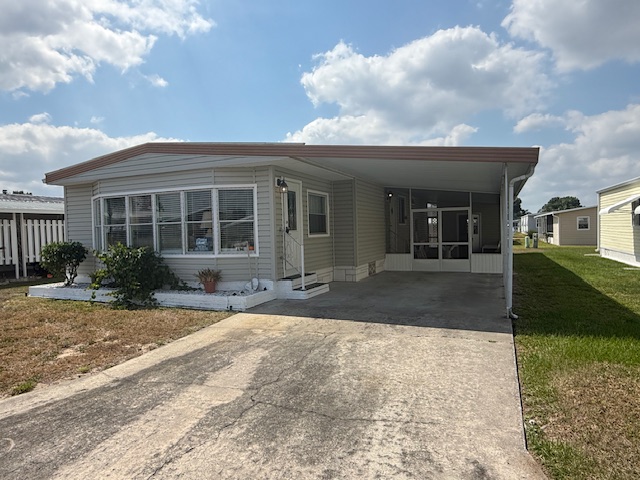
Florida, with its sunny skies and balmy breezes, attracts many seeking an affordable place to live. Mobile homes, also known as manufactured homes, offer a budget-friendly housing option in this popular state. However, the question arises: is it safe to consider a repossessed (repo) mobile home in Florida?
Understanding Repo Mobile Homes
A repo mobile home is one that has been seized by a lender due to the owner’s default on loan payments. The lender then repossesses the home to recoup their financial losses. These homes are typically sold at auction or through a mobile home dealership specializing in repossessions.
Finding Repo Mobile Homes
There are several ways to find repo mobile homes in Florida:
Mobile Home Dealerships: Many dealerships have a dedicated section for repossessed mobile homes.
Auctions: Local newspapers and online auction platforms often list upcoming mobile home auctions.
Online Marketplaces: Websites like Craigslist and Facebook Marketplace may have listings for repo mobile homes by private sellers or lenders.
Advantages of Buying a Repo Mobile Home
The primary advantage of buying a repo mobile home is the significant cost savings. Repoed homes are often priced considerably lower than similar non-repo models. This can be a great option for first-time buyers, retirees on a fixed income, or anyone looking for an affordable housing solution.
Faster Closing: The buying process for a repo mobile home can sometimes be quicker than a traditional home purchase, especially if the lender has already completed the title work.
Financing Options: Depending on the lender and the condition of the home, financing options may be available for repo mobile homes.
Potential Risks of Buying a Repo Mobile Home
While repo mobile homes offer attractive price points, there are potential risks to consider:
Uncertain Condition: Since repossessed homes are vacated in a hurry, there’s no guarantee of their condition. They may have suffered from neglect, vandalism, or weather damage.
Hidden Costs: Repairs and renovations to bring the home up to code or personal preference can quickly add up, negating some of the initial cost savings.
Limited Inspections: The short time frame for repo sales may limit opportunities for thorough inspections by qualified professionals.
Lot Rent: Remember, you’ll still need to pay monthly lot rent for the space the mobile home occupies within a mobile home park.
Title Issues: It’s crucial to ensure a clear title free of liens before purchasing.
Taking Precautions When Buying a Repo Mobile Home
To mitigate the risks associated with buying a repo mobile home in Florida, follow these steps:
Thorough Inspection: Hire a qualified mobile home inspector to assess the home’s condition, including the roof, plumbing, electrical system, and foundation.
Title Search: Conduct a thorough title search to ensure the seller has clear ownership and there are no outstanding liens on the property.
Budget for Repairs: Factor in potential repair costs based on the inspector’s findings.
Research Lot Rent: Research the lot rent fees associated with the mobile home park you’re considering.
Financing Options: Explore financing options available for repo mobile homes, keeping in mind that interest rates may be higher than for traditional home loans.
Conclusion
Buying a repo mobile home in Florida can be a smart financial move, especially for budget-conscious buyers. However, it’s essential to be aware of the potential risks and take necessary precautions. A thorough inspection, title search, and a realistic repair budget are crucial before making a purchase.
Remember, Florida is prone to hurricanes and other severe weather events. Ensure the mobile home is properly anchored and meets all applicable safety standards for your area.
By doing your due diligence and understanding the potential challenges, you can increase your chances of finding a safe and affordable repo mobile home in the Sunshine State.
The single-wide mobile home is a beacon of financial feasibility for many individuals and families with affordable housing options. With their relatively low purchase prices and flexible living arrangements, these homes have become increasingly popular across the United States, particularly in states like Florida, where the climate encourages outdoor living. However, before purchasing a used single-wide mobile home in Florida, it’s crucial to understand the various costs involved to make an informed decision. In this article, we’ll delve into how much money you might need and what factors influence the overall cost.
Understanding the Basics
A single-wide mobile home refers to a structure that is constructed off-site and transported to its permanent location, typically on a rented lot within a mobile home park or community. These homes are known for their compact size and affordability compared to traditional site-built homes. In Florida, where the real estate market can be competitive, and housing prices are on the rise, single-wide mobile homes offer a viable alternative for those seeking homeownership without breaking the bank.
Initial Purchase Price
The first and most significant cost associated with buying a used single-wide mobile home is the purchase price itself. Prices can vary depending on factors such as age, condition, size, location, and amenities. According to recent data, the average price range for a used single-wide mobile home in Florida falls between $10,000 and $50,000. Keep in mind that this figure is a rough estimate and can fluctuate based on market demand and other external factors.
Additional Costs
While the purchase price is a significant component, there are several other expenses to consider when budgeting for a used single-wide mobile home in Florida:
Inspection Fees: Before finalizing the purchase, it’s essential to conduct a thorough inspection of the mobile home to assess its condition and identify any potential issues. Inspection fees typically range from $200 to $500, depending on the scope of the inspection and the expertise of the inspector.
Closing Costs: Similar to traditional real estate transactions, buying a mobile home involves closing costs, which include fees for title searches, document preparation, and transfer taxes. These costs can amount to around 2% to 5% of the purchase price.
Transportation and Setup: Once you’ve purchased the mobile home, you’ll need to arrange for its transportation to the rented lot and its setup. Transportation costs vary depending on the distance and accessibility of the lot, while setup costs encompass tasks such as foundation installation, leveling, and utility connections. On average, transportation and setup costs can range from $2,000 to $5,000.
Lot Rent: Since you’ll be placing your mobile home on a rented lot within a mobile home park or community, you’ll need to factor in monthly lot rent expenses. Lot rent in Florida varies depending on the location, amenities, and services provided by the community. On average, lot rent can range from $200 to $800 monthly.
Utilities: In addition to paying the lot rent, you’ll also be responsible for paying utilities such as electricity, water, sewer, and garbage disposal. These costs can vary depending on usage and local utility rates but typically amount to several hundred dollars per month.
Homeowner’s Insurance: To protect your investment, purchase homeowner’s insurance for your mobile home. The insurance cost can vary depending on factors such as the home’s value, location, and coverage options but generally falls within the range of $500 to $1,500 annually.
Property Taxes: As a homeowner, you’ll be responsible for paying property taxes on your mobile home. Property tax rates vary by county in Florida but typically range from 0.5% to 2% of the home’s assessed value.
Total Cost Breakdown
To provide a comprehensive overview, let’s break down the total estimated costs of purchasing a used single-wide mobile home in Florida on a rented lot:
Purchase Price: $10,000 – $50,000
Inspection Fees: $200 – $500
Closing Costs: 2% – 5% of purchase price
Transportation and Setup: $2,000 – $5,000
Lot Rent: $200 – $800 per month
Utilities: Several hundred dollars per month
Homeowner’s Insurance: $500 – $1,500 annually
Final Thoughts
While buying a used single-wide mobile home in Florida on a rented lot can offer significant cost savings compared to traditional homeownership, it’s essential to consider all the associated expenses to make an informed decision. By understanding the costs involved and budgeting accordingly, you can confidently embark on your journey toward affordable homeownership. Conduct thorough research, explore different options, and consult with real estate professionals to navigate the process smoothly. With careful planning and financial diligence, owning a mobile home in the Sunshine State can become a reality for you and your family.
The prospect of moving a used mobile home is a common consideration for homeowners seeking flexibility in their living arrangements. Understanding the intricacies of moving a used mobile home is essential, whether it’s a desire for a change of scenery or a necessity due to job relocation. This comprehensive guide will explore the various factors, regulations, and steps involved in moving a used mobile home.
Understanding the Basics
A used mobile home, or manufactured home, is built in a factory and transported to its initial location on a chassis with wheels. This inherent mobility is one of the defining features of mobile homes, allowing for relocation if needed. However, moving a used mobile home is a complex process that requires careful planning, adherence to regulations, and the involvement of professionals with expertise in transportation and installation.
Factors to Consider
1. Condition of the Mobile Home
Before considering a move, assess the overall condition of the mobile home. Homes in good condition are more likely to withstand the stress of transportation. Conduct a thorough inspection of the structure, including the foundation, roofing, plumbing, and electrical systems. If the home has been well-maintained, it’s more likely to have a successful move.
2. Transportation Costs
The cost of moving a used mobile home can vary significantly based on factors such as the distance to the new location, local regulations, and the size of the home. Obtaining quotes from reputable mobile home moving companies is crucial to understanding the financial aspect of the relocation. Transportation costs may include disassembly, transportation, and reassembly at the new site.
3. Local Zoning and Regulations
Zoning regulations are pivotal in determining whether you can move a used mobile home to a specific location. Check with local authorities to understand zoning laws, land use regulations, and permit requirements for moving and placing mobile homes. Some areas may have restrictions or requirements that impact the feasibility of relocating a mobile home.
4. Transportation Permits and Escorts
Moving a used mobile home typically requires obtaining transportation permits from state and local authorities. The dimensions and weight of the home will influence the type of permits needed. In some cases, oversized load permits may be necessary, and escorts may be required to accompany the transportation process for safety reasons.
5. Foundation Requirements
Different locations may have specific requirements for the type of foundation a mobile home must have. Before moving a used mobile home, ensure the new site complies with foundation regulations. Some areas may require specific types of foundations, such as concrete piers or slabs, to meet safety and building code standards.
6. Site Preparation
Proper preparation of the new site is crucial for a successful relocation. Ensure the site is level, has the necessary utility connections (water, sewer, electricity), and complies with local regulations. Clear any obstacles that may impede the arrival and installation of the mobile home, such as trees, utility poles, or other structures.
Steps Involved in Moving a Used Mobile Home
1. Assessment and Planning
Begin by conducting a detailed assessment of the mobile home’s condition and the feasibility of the move. Consider the distance to the new location, transportation costs, and local regulations. Create a comprehensive plan that outlines each step of the moving process.
2. Hire a Professional Mobile Home Moving Company
Engage the services of a licensed and experienced mobile home moving company. Research and obtain quotes from multiple companies to ensure you choose a reputable and reliable provider. Verify their credentials, insurance coverage, and track record in successfully moving mobile homes.
3. Obtain Necessary Permits
Contact the appropriate state and local authorities to secure the necessary mobile home transport permits. The moving company may assist in this process, but confirming that all required permits are obtained before the relocation begins is essential.
4. Prepare the Mobile Home
Disconnect utilities, secure loose items, and ensure structural integrity to prepare the mobile home for transportation. The moving company will typically handle the disassembly process, including removing the wheels, axles, and hitch.
5. Transportation Logistics
The mobile home will be loaded onto a specialized transport vehicle for large structures. The transportation route will be carefully planned to navigate potential challenges such as low bridges, narrow roads, or traffic restrictions. Escorts and warning signs may be required to ensure safe transportation.
6. Reassembly and Installation
Upon arrival at the new site, the mobile home will be carefully unloaded, and the reassembly process will begin. This includes installing the home on its new foundation, reconnecting utilities, and ensuring it meets local building codes and safety standards.
7. Site Inspection and Approval
Local authorities may inspect the site to ensure the relocated mobile home complies with zoning regulations and building codes. Obtaining the necessary approvals and permits ensures the move is legally and safely completed.
8. Utilities Reconnection
Once the mobile home is in place, water, sewer, and electricity must be reconnected. Coordinate with local utility providers to ensure a smooth transition and compliance with all regulations.
9. Landscaping and Final Touches
Complete any landscaping or site improvement tasks necessary to enhance the property’s aesthetics and functionality. This may include planting grass, installing walkways, or adding skirting around the mobile home for a finished appearance.
Challenges and Considerations
Age and Condition Older mobile homes may present additional challenges during transportation due to wear and tear. Structural integrity issues, such as rot or weakened framing, may require repairs before the move. It’s essential to assess the home’s overall condition and address any necessary repairs in advance.
Local Community Acceptance Some communities may have restrictions or prejudices against mobile homes, impacting the acceptance of relocated structures. Before initiating a move, consider the community’s attitude toward mobile homes and whether any restrictions exist.
Weather Conditions Inclement weather can pose challenges during the transportation of a mobile home. Rain, snow, or strong winds may affect the safety and timing of the move. Monitoring weather forecasts and planning the relocation accordingly are crucial, as well as rescheduling if necessary.
Cost Considerations Moving a used mobile home involves various costs, including transportation, permits, site preparation, and utility connections. Ensure that you clearly understand all associated costs and factor them into your budget.
Local Regulations and Codes The regulatory landscape for mobile homes can vary widely between states and local jurisdictions. Familiarize yourself with the specific regulations and building codes governing mobile homes in both the current and destination locations.
Conclusion
The decision to move a used mobile home is a significant undertaking that requires careful planning, adherence to regulations, and the involvement of experienced professionals. While the process may seem complex, understanding the factors involved and following a systematic approach can help ensure a successful relocation.
Before embarking on the journey of moving a used mobile home, thoroughly research local regulations, engage reputable professionals, and assess the condition of the home. By taking a proactive and informed approach, you can navigate the challenges associated with moving a used mobile home and embark on a successful transition to a new location.
Welcome to the world of mobile home living! Living in a mobile home has become an increasingly popular option for homeowners who crave affordability, flexibility, and simplicity. Florida is one state that has seen a surge in demand for used manufactured homes due to its natural beauty, great weather, and laid-back lifestyle. In this blog post, we will explore the benefits of buying used manufactured homes in Sarasota, Florida, and what to look for when making your purchase. Whether you’re a first-time buyer or looking for an affordable vacation home, read on to discover how purchasing a used mobile home can be your ticket to comfortable and convenient living!
Mobile Home in Sebring Florida
Why Move to Sarasota, Florida
Sarasota, Florida is a beautiful city located on the Gulf of Mexico. With its crystal-clear waters, white sandy beaches, and year-round warm weather, Sarasota offers an ideal location for those who love outdoor activities. From swimming to sunbathing, paddleboarding to kayaking and fishing to boating; you name it! Sarasota has it all!
The city boasts a rich cultural heritage with numerous art galleries and museums that showcase contemporary art pieces from local artists and international collections.
For sports enthusiasts, there are plenty of opportunities too! Whether it’s golfing at one of the many world-renowned golf courses or cheering on your favorite sports team at the Tropicana Field stadium in St. Petersburg.
Besides these attractions, Sarasota’s real estate market is also booming which makes it a great place to invest in property. There are several options available including used manufactured homes for sale which offer budget-friendly living spaces without compromising comfort and style.
All in all, moving to Sarasota can be an exciting adventure filled with endless possibilities; both professionally and personally.
Average Cost of Used Manufactured Homes in Florida
If you’re considering buying a used manufactured home in Florida, one of the first things that might come to your mind is how much it will cost. The average cost of a used mobile home in Florida can vary depending on several factors such as location, age, condition, and size.
In general, you’ll find that prices for used manufactured homes in Florida are quite affordable compared to traditional stick-built homes. According to Zillow.com, the median price of a pre-owned mobile home in Sarasota is around $85K. However, this figure may be higher or lower depending on other factors like amenities and community fees.
When looking at the cost of a secondhand mobile home in Florida versus a new one – there’s no comparison. Used mobile homes are significantly cheaper than their brand-new counterparts which could save you thousands of dollars upfront. Keep in mind that while purchasing an older model may seem tempting due to its lower price tag- it’s important not only to consider the initial purchase price but also that any potential future repairs or renovations should be included when calculating costs.
Used vs New Mobile Home: What’s the Difference
When it comes to buying a mobile home, one of the biggest decisions you’ll need to make is whether to go for a used or new one. There are important differences between the two options that you should be aware of before making your choice.
Firstly, new mobile homes come with a higher price tag compared to used ones. This can be quite significant depending on the features and size of the home you want. On the other hand, used mobile homes tend to have lower prices because they have already been lived in and may require some maintenance or upgrades.
Another difference between new and used mobile homes is customization options. With a new unit, you can choose all aspects of its design from floor plans, fixtures, appliances, and finishes among others; whereas with secondhand properties there might not be much room for customization unless extensive renovations are done which will incur additional costs.
Financing options also differ between new and old units as lenders usually offer better rates on newly manufactured housing than older ones but paying upfront can lead to an overall lower cost when choosing a pre-owned property.
Ultimately, whether you choose a used or new mobile home depends on your budget, preference for customizations, and needs.
Benefits of Buying Used Mobile Homes
Buying a used mobile home has several advantages over purchasing a new one. For starters, you can save a significant amount of money by opting for a pre-owned home. This is because older homes are often priced much lower than newer models.
Moreover, many used mobile homes come with features and upgrades that would be expensive to install in new ones. These could include upgraded appliances, central air conditioning, heating systems, or even custom finishes.
Another advantage of buying a used mobile home is the ability to customize it to suit your needs. With an existing structure, you have more flexibility to make changes without worrying about voiding warranties or compromising structural integrity.
Used mobile homes tend to be located in established communities with established amenities such as pools, playgrounds, and clubhouses. This means that you’ll have access to these facilities from the get-go without having to wait for them to be built like in newly developed communities.
There are numerous benefits associated with purchasing a used manufactured home rather than opting for something brand new off the lot – so consider this option when making your next housing move!
What to Look for When Buying a Used Mobile Home in Florida
When buying a used mobile home in Florida, it’s important to carefully inspect the property before making a purchase. Here are some things to look for:
First, check the roof for any signs of damage or wear and tear. Make sure there aren’t any leaks that could cause water damage inside the home.
Next, inspect the exterior walls and siding for cracks or other forms of damage that could let in insects or rodents. Look for any signs of mold or mildew as well.
Inside the home, pay close attention to the flooring and carpeting. Check for soft spots in the floor which may indicate water damage underneath. Also, take note of any stains on carpets which could suggest previous flooding.
Inspect all appliances and fixtures such as sinks, toilets, showers, etc., checking if they work properly without leaks.
Make sure you have your potential new mobile home professionally inspected by an experienced inspector before closing on your purchase. An inspection will provide peace of mind knowing what repairs might be needed before moving into your new place!
What to Avoid in Choosing a Used Manufactured Home
When you’re looking to buy a used manufactured home in Florida, it’s important to be cautious and avoid potential pitfalls. Here are some things to keep in mind when choosing your mobile home.
Firstly, make sure to carefully inspect the structural integrity of the home. Avoid homes with any signs of water damage or soft spots on floors and walls as they can indicate larger issues that may require costly repairs down the line.
Secondly, avoid mobile homes that have outdated heating or cooling systems as this can result in higher utility bills and potentially expensive replacements.
Thirdly, steer clear of homes located in areas prone to natural disasters such as flooding or hurricanes. While living near a body of water might seem like an attractive option at first glance, it could lead to significant property damage during storms.
Be wary of sellers who refuse inspections or try to pressure you into making a quick purchase without taking the time for due diligence. Always take your time when buying a used manufactured home so you can make an informed decision that works best for you and your family.
Conclusion
Buying a used manufactured home in Sarasota, Florida can be a great decision for those looking to downsize or live on a budget without sacrificing quality of life. With lower costs and similar amenities to traditional homes, these properties offer an opportunity for homeownership that might not otherwise be possible.
However, it’s essential to do your due diligence when searching for the right property. Take time to research the area where you want to live and make sure the home you purchase meets all necessary safety standards. By keeping these tips in mind and working with trusted mobile home brokers like The Mobile Home Dealer, you can find the perfect used manufactured home for your needs.
How can a mobile home dealer help you sell your Sarasota mobile home?
When we are starting the process of selling a client’s mobile home we often see the clients struggle with the decision of whether to sell the home themselves or to utilize the service of a licensed mobile home broker such as The Mobile Home Dealer.
The mobile home housing sector is quite broad and competitive, in addition, selling a mobile home is a topic that requires a lot of touches, patience, and treatment with the client. It is also important to know the market and to know what price range you may sell your house in and get the best possible price. For this and many other reasons, people choose to carry out the process through a mobile home broker.
Have you been trying to sell your mobile home, but have not had any luck getting it sold on your own?
Are you tired of having to constantly speak to potential Buyers, going over the same details just for them to not be interested?
Better yet, how about getting a home showing set up and you get the home ready to show, only for the potential Buyer to never show up or even provide a courtesy call?
Does this sound familiar?
This is just the start of many issues Sellers run into when trying to sell their mobile homes themselves.
Many times, the current owners of a mobile home had in the past purchased the home they currently live in from an individual Seller several years ago.
Perhaps they were contacted by a friend in the park who told them that the home that they had been looking at in the past was now available.
Maybe the current owner drove by the home and saw a for sale sign, called the number listed, and wound up buying that exact home.
Well, this may have been the case in the past, but the question remains, do you, as the current Seller, want to rely on a drive-by or a family friend to call their buddy to come and take a look at your home?
What if you don’t live in the home full-time?
Who is going to show the home to you to ensure that there are no issues with each show?
Does this person showing your home carry business insurance in case someone slips and falls while they’re looking at your home?
Another point to bring up is, what marketing is really, I mean really, being done in order to get your home sold quickly? Is it just a sign and a word of mouth between the other seasonal neighbors in the community?
The Mobile Home Dealer handles these questions and more on a daily basis.
Throughout our tenure serving the greater Sarasota area, we feel we have been able to not only address each one of these questions, but also exceed all of our client’s expectations in our ability to professionally list, market, and sell a mobile home throughout the area quickly.
Through utilizing our services we provide our clients with a hands-off approach by utilizing a licensed, bonded professional, who is showing their home to qualified buyers.
Although we can all agree that having someone drive by and offer you the exact amount of money you want for your home is the best scenario, the reality is that the industry is changing and it’s very competitive to sell a mobile home.
Mobile home brokers such as Mobile Home Dealer dealers know all the procedures and documentation necessary to avoid frequent setbacks or errors. Hiring a mobile home broker will not only represent you but also give you the opportunity to have advice and guidance in view of a viable business with your mobile home.
Another obvious advantage is that a mobile home agent knows how to filter among the possible candidates, the people interested in visiting the home, and people who are only asking, and may even provide an analysis of which person is the best potential buyer.
If you are looking to sell or lease your mobile home, hiring a professional mobile home agent is the key step, however, there are many factors involved in this process. Currently, The Mobile Home Dealer has many options for you to show your mobile home safely while complying with all the requirements
Selling or leasing a mobile home is a long process and, therefore demands a lot of time. By having an expert on your side, you can have adequate advice and it is only necessary to deal with the right broker, which will play the role of intermediary so you do not have to worry about anything. The main benefit of hiring a licensed mobile home broker is to streamline the sales process and help avoid setbacks.
The conditions and expenses of everyday life are increasingly difficult, so people are doing everything possible to reduce costs. So, if you are looking to buy or sell a house, it is also important to save long-term money, and this is where a licensed broker like The Mobile Home Dealer comes into play.
When you’re ready to sell your mobile home, it’s important to have a broker on your side. The Mobile Home Dealer can help you in a few different ways:
A mobile home broker is familiar with the market and can help you price your home correctly.
A mobile home broker has a network of potential buyers and can help market your home.
A mobile home broker can handle the negotiation process and help you get the best price for your home.
Selling your mobile home by yourself can be time-consuming and stressful. With a mobile home broker on your side, you can sell your home quickly and for the best possible price.
Having a trained professional on your side, helping you guide you through all the steps in the process, and getting your home sold in a timely fashion will save you time and additional headaches!
This is Mark Kaiser with The Mobile Home Dealer and we help mobile home Buyers and Sellers get to a better place in life!