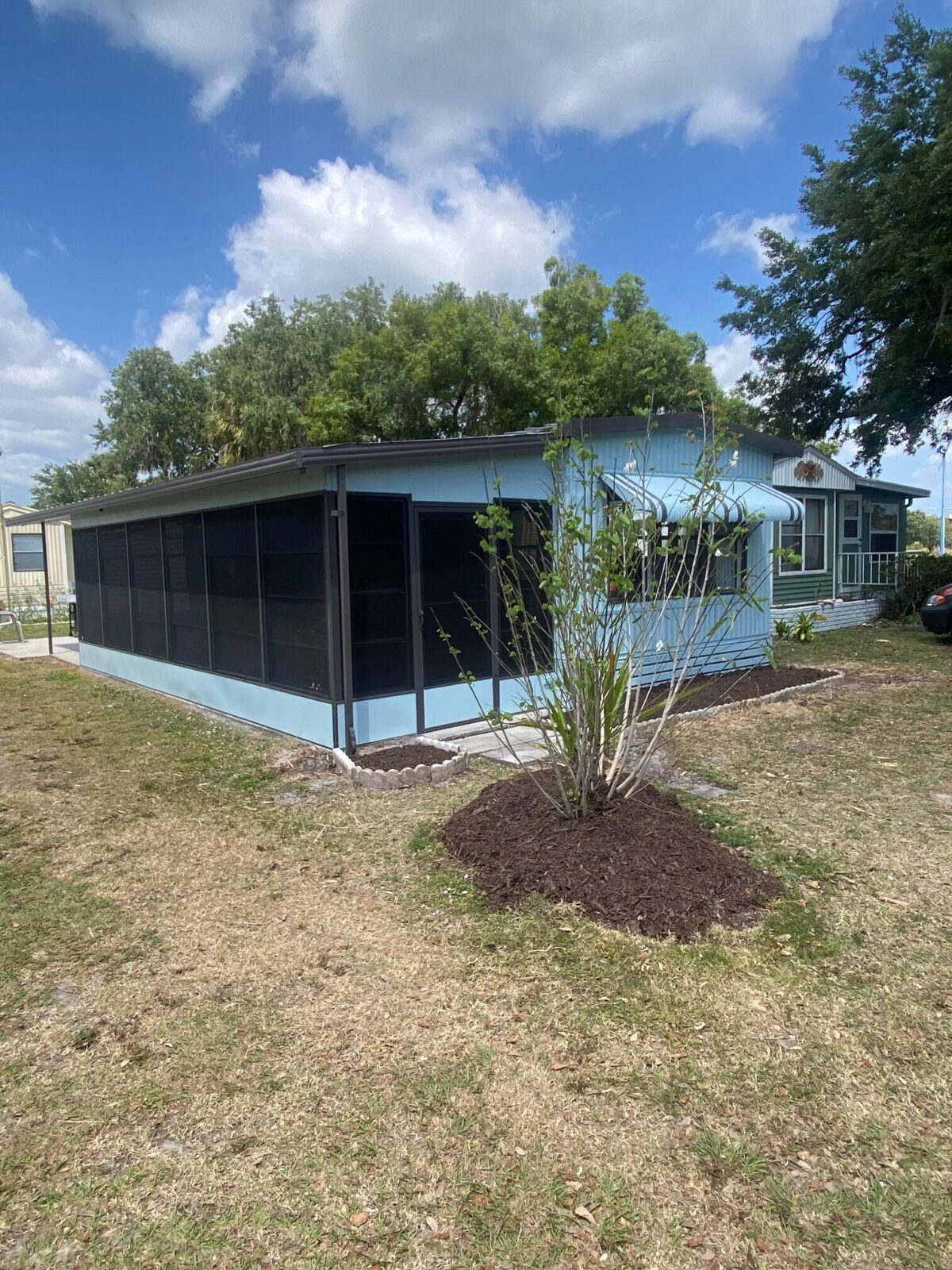
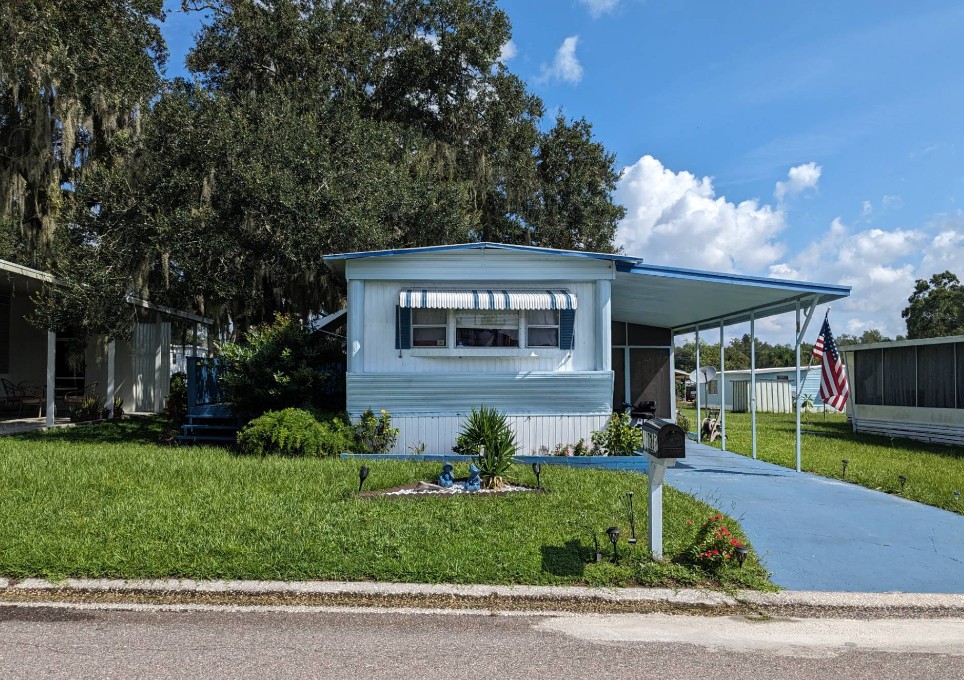
Tag: used mobile homes for sale in florida under $10000

  • Where to Look for Used Mobile Homes for Sale in Florida

    If you’re searching for used mobile homes for sale in Florida, several options can simplify your search. Used mobile homes are an affordable and practical solution for homeownership. Whether you want to settle in a vibrant city or a peaceful community, Florida offers diverse choices. Here’s a guide to finding the best options near you.

    1. Online Real Estate Platforms

    Online platforms are one of the easiest ways to search for used mobile homes for sale. These websites provide detailed listings, including prices, photos, and features.

    Top platforms to check:

    • Zillow: Offers comprehensive filters to narrow down options by location, price, and size.
    • Realtor.com: Includes detailed descriptions and agent contact information for available homes.
    • MHVillage: Specializes in mobile home listings, often including community details.

    These platforms save time by allowing you to browse homes from your device. Most listings also include virtual tours or maps to help you explore the neighborhood.

    used mobile homes for sale in Florida

    2. Local Mobile Home Dealers

    Mobile home dealers are valuable resources when searching for used mobile homes. Dealers often have a mix of new and pre-owned options. Visiting a dealer gives you the chance to inspect homes in person and learn about pricing.

    Why visit a dealer?

    • Get access to pre-owned homes in various sizes and styles.
    • Explore financing options tailored to mobile home buyers.
    • Receive advice on delivery and installation services.

    Look for dealers in your area with strong reviews and a wide selection of used mobile homes.

    3. Mobile Home Parks

    Mobile home parks are excellent places to find used mobile homes for sale. Many parks have homes available for purchase or rent. Some even offer move-in-ready options with convenient amenities.

    What to look for in mobile home parks:

    • Community Amenities: Features like pools, fitness centers, and social activities.
    • Lot Fees: Understand the monthly costs associated with living in the park.
    • Rules and Regulations: Confirm that community policies align with your lifestyle.

    Visiting the parks in person helps you get a feel for the atmosphere and available homes.

    4. Classified Ads

    Classified ads remain a reliable way to find used mobile homes for sale. Both print and online classifieds allow buyers to connect directly with sellers.

    Places to check for classified ads:

    • Local Newspapers: Search the real estate section for mobile home listings.
    • Craigslist: Browse mobile home ads in your area and reach out to sellers directly.
    • Facebook Marketplace: A popular platform for finding used mobile homes and communicating with sellers.

    When responding to classified ads, arrange to visit the home in person before making any decisions.

    5. Real Estate Agents

    Real estate agents can simplify the process of finding a used mobile home. Agents often have access to multiple listings and connections within the industry.

    Benefits of working with an agent:

    • Save time by letting them search for homes that match your criteria.
    • Gain professional guidance during negotiations and transactions.
    • Access exclusive listings not publicly advertised.

    Choose an agent experienced in mobile home sales to ensure a smoother process.

    6. Auction Sites and Events

    Auctions are another option for finding used mobile homes at competitive prices. Both online and in-person auctions offer opportunities to buy homes directly from sellers.

    Tips for buying at an auction:

    • Research auction schedules in your area.
    • Inspect the home beforehand, if possible.
    • Set a budget to avoid overspending during the auction.

    While auctions can lead to significant savings, they also require careful planning and attention to detail.

    7. Drive Through Neighborhoods

    Driving through neighborhoods is a simple but effective way to find used mobile homes for sale. Many homeowners place “For Sale” signs outside their properties, offering opportunities not listed online.

    What to look for during your drive:

    • Neighborhoods with mobile home parks or private lots.
    • Signs indicating homes for sale.
    • Communities with the amenities you desire.

    Bring a notebook to record addresses or take photos of the homes that catch your eye.

    8. Government and Non-Profit Programs

    Some government and non-profit programs in Florida assist buyers looking for affordable housing. These programs may include used mobile homes at reduced prices or special financing options.

    Where to search for programs:

    • Florida Housing Finance Corporation (FHFC) website.
    • Local housing authorities.
    • Nonprofits focused on affordable housing solutions.

    These programs can provide valuable assistance for qualifying buyers.

    9. Compare Costs and Features

    When searching for used mobile homes for sale, comparing costs and features is essential. Evaluating different options ensures you get the best deal within your budget.

    Factors to consider:

    • Price: Ensure the home fits your financial plan, including additional costs like lot fees.
    • Condition: Check for structural integrity, plumbing, and electrical systems.
    • Location: Consider proximity to schools, shopping, and medical facilities.
    • Age of the Home: Newer homes often meet updated safety and energy standards.

    Inspect each home thoroughly before making a final decision.

    10. Considerations for Community Living

    If you plan to live in a mobile home park, choosing the right community is as important as the home itself. Parks vary widely in terms of amenities, rules, and costs.

    Questions to ask about the community:

    • What amenities are included with the lot rent?
    • Are pets allowed?
    • How is the neighborhood maintained?
    • Are there age restrictions?

    Finding a community that matches your needs ensures a comfortable living experience.

    11. Benefits of Choosing Used Mobile Homes

    Used mobile homes provide several advantages for buyers, making them a popular choice in Florida.

    Key benefits:

    • Affordability: Lower purchase prices compared to new homes.
    • Quick Availability: Many homes are move-in ready.
    • Eco-Friendly: Reusing a home reduces construction waste.

    These benefits make used mobile homes an attractive option for first-time buyers, retirees, and families alike.

    12. Financing Options for Used Mobile Homes

    Financing a used mobile home is often simpler than financing a traditional house. Buyers can access various loan options to make the process easier.

    Common financing options:

    • Loans through mobile home dealers.
    • Personal loans from banks or credit unions.
    • Government-backed programs for affordable housing.

    Understanding your financing options helps you find a home that fits your budget without added stress.

    Conclusion

    Finding used mobile homes for sale in Florida is easier with the right strategies. Start with online platforms, visit local dealers, and explore mobile home parks for a wide range of options. Don’t forget to check classified ads, work with an agent, or attend auctions for additional opportunities. By comparing features, prices, and community benefits, you’ll find the perfect home to meet your needs. Florida’s vibrant mobile home market offers something for everyone, so begin your search today!

    See Also:
     

  • How to Find Foreclosed Mobile Homes in Florida

    Florida has many mobile homes, offering affordable housing options for residents. Many of these homes are located in established mobile home communities, which can be an excellent choice for those looking for an affordable home. However, if you’re looking for even lower prices, foreclosed mobile homes can offer significant savings. Buying a foreclosed mobile home in Florida can be a wise investment, but it requires knowing where and how to find it. This article will explore how to find foreclosed mobile homes in Florida.

    foreclosed mobile homes in Florida

    Understand the Foreclosure Process

    Before you start looking for foreclosed mobile homes, it’s essential to understand the foreclosure process. When a homeowner defaults on their mortgage, the lender can take legal action to seize the property. The mobile home is then sold to recover the debt owed, usually at a public auction.

    Like traditional homes, mobile homes can be foreclosed on. The process may involve bank-owned properties or government-owned assets. Understanding the foreclosure process will help you determine how to find and purchase these homes.

    1. Search Online Real Estate Platforms

    The internet is an excellent tool for finding foreclosed mobile homes in Florida. Several websites specialize in listings for foreclosed properties, including mobile homes. These platforms allow you to search by location, price, and other filters to find the perfect home. Some popular online real estate platforms to check include:

    • Zillow: Zillow’s website lists foreclosed mobile homes across Florida. You can filter search results to focus on foreclosures in specific areas and price ranges.
    • Realtor.com: Realtor.com offers a wide selection of foreclosures, including mobile homes. You can also find listings for mobile home communities.
    • Foreclosure.com: This specialized foreclosure website provides a comprehensive database of foreclosed mobile homes for sale in Florida.
    • HUD Homes: The U.S. Department of Housing and Urban Development (HUD) often lists government-owned mobile homes for sale. You can find foreclosed properties through the HUD website.

    These platforms typically have up-to-date listings, allowing you to explore photos, detailed descriptions, and essential information about each property.

    2. Contact Local Real Estate Agents

    Real estate agents specializing in mobile homes can be invaluable when searching for foreclosures. These professionals often have access to listings not available online and may have inside knowledge of upcoming foreclosures. They can help guide you through the process of purchasing a foreclosed mobile home in Florida.

    Look for agents who have experience working with mobile homes or foreclosures in Florida. They can assist you in finding properties, negotiating prices, and navigating legal paperwork. It’s worth noting that some real estate agents may charge a commission, but their expertise can make the process smoother.

    3. Check County and City Websites

    Many counties and cities in Florida have websites that list foreclosure auctions, including mobile homes. These auctions are typically held when a mobile home is repossessed or foreclosed upon. Public auctions offer an opportunity to purchase a mobile home directly from a lender or government entity.

    Regularly checking local government websites lets you stay updated on upcoming auctions and foreclosure sales. Depending on the area, These sales may occur at the county courthouse or online. Some counties also list available properties on third-party auction sites.

    4. Visit Bank and Credit Union Websites

    Banks and credit unions often repossess mobile homes after foreclosure. These financial institutions may list foreclosed properties on their websites. To find foreclosed mobile homes in Florida, start by checking the websites of large banks or credit unions.

    Some examples of banks and credit unions to research include:

    • Wells Fargo
    • Bank of America
    • Chase
    • SunTrust (now Truist)
    • Local credit unions

    Many of these institutions provide information on their foreclosed properties and auction dates. If you find a mobile home you’re interested in, contact the bank or credit union to get additional details on the bidding process and purchase requirements.

    5. Attend Foreclosure Auctions

    Foreclosure auctions are a key place to find foreclosed mobile homes in Florida. These auctions are held when properties are repossessed by banks, lenders, or government agencies. At a foreclosure auction, properties are sold to the highest bidder.

    Most foreclosure auctions in Florida are public, and anyone can attend. Some of the auctions are held in person at county courthouses, while others are conducted online. You can find details about upcoming auctions on county websites or reach out to the courthouse for more information. When attending an auction, be sure to:

    • Research the property ahead of time.
    • Know your maximum bid limit.
    • Have the required funds available.
    • Understand the auction process.

    It’s important to know that buying a foreclosed mobile home at auction can be risky. The house is often sold as-is, and you may not have the opportunity to inspect it beforehand. However, you can sometimes find great deals at these auctions.

    6. Look for Bank-Owned Mobile Homes

    Bank-owned mobile homes are often called “Real Estate Owned” (REO) properties. These homes have gone through the foreclosure process and are now owned by the bank. REO properties are typically listed for sale at a price below market value, making them attractive to buyers looking for a bargain.

    Check with local banks and mortgage lenders in Florida to find bank-owned mobile homes. Some banks maintain a list of REO properties on their websites, while others may require you to contact them directly for more information. Working with a real estate agent specializing in REOs can also help you find these properties.

    7. Check with Mobile Home Parks and Communities

    Mobile home communities in Florida sometimes have foreclosed mobile homes available for sale. The park management or a third-party investor often sells these homes. If you want to purchase a mobile home within a specific community, contact the management office to inquire about available foreclosures.

    Many mobile home parks also have listings for homes that are for sale by the park or private sellers. Some communities may offer financing options, which can be helpful if you don’t have enough funds to buy the mobile home outright.

    8. Consider Government-Funded Programs

    The federal government occasionally offers foreclosure sales through programs like the U.S. Department of Housing and Urban Development (HUD). HUD often sells foreclosed mobile homes that were financed with government-backed loans. These properties are typically sold at competitive prices and can offer significant savings for buyers.

    You can search for HUD homes through the HUD Home Store website. This site lists foreclosures available for purchase throughout Florida. Additionally, check with state and local housing authorities, as they may also have programs or listings for foreclosed mobile homes.

    9. Look for Investors or Wholesalers

    Some investors or wholesalers specialize in buying and selling foreclosed properties, including mobile homes. These individuals may have access to off-market deals that are not listed on public platforms. You can often find these investors through local real estate networking events or by contacting local real estate investment groups.

    Working with an investor or wholesaler can help you find foreclosed mobile homes that are not readily available to the public. However, you should carefully vet these parties to ensure that the transactions are legitimate.

    Conclusion

    Finding foreclosed mobile homes in Florida requires patience and research. Search online real estate platforms, local government websites, and bank listings. Attend foreclosure auctions and contact mobile home communities to inquire about available foreclosures. Consider working with a real estate agent specializing in mobile homes to help streamline the process. With the right tools and resources, you can find a foreclosed mobile home that fits your budget and housing needs.


    See Also:

  • Selling a Mobile Home in Florida: FSBO vs. Mobile Home Broker

    Selling a mobile home in Florida can be an exciting, yet sometimes challenging, process. Whether you’re looking to downsize, upgrade, or relocate, one of the most important decisions you’ll face is how to sell your mobile home. The two most common options for sellers are For Sale By Owner (FSBO) and working with a Mobile Home Broker. Both methods have their advantages and disadvantages, and the best choice depends on your specific circumstances, goals, and comfort level with the sales process.

    for sale by owner in florida mobile home

    In this article, we’ll explore the pros and cons of FSBO versus using a mobile home broker to help you determine which path is right for you. Plus, we’ll highlight why choosing The Mobile Home Dealer can be the best decision when selling your mobile home in Florida.

    For Sale By Owner (FSBO)

    For Sale By Owner (FSBO) means that you, as the mobile home owner, are responsible for all aspects of the sale. This approach can be appealing to those who want full control over the selling process and want to avoid paying broker commissions.

    Pros of FSBO:

    1. No Commission Fees
      One of the most significant advantages of selling FSBO is that you won’t have to pay a broker’s commission, which can range from 5% to 10% of the sale price. By eliminating the broker, you may be able to pocket more money from the sale.
    2. Complete Control
      With FSBO, you are in charge of every aspect of the transaction. You can set your own price, manage the marketing, show the home on your schedule, and negotiate directly with buyers.
    3. Personal Connection
      If you prefer a more personal approach to selling, FSBO allows you to build a direct relationship with potential buyers. This may lead to a smoother negotiation process since you know your home better than anyone else.

    Cons of FSBO:

    1. Time-Consuming
      Selling a mobile home by yourself can take a significant amount of time. You’ll need to market the home, manage inquiries, schedule showings, negotiate, and handle all the paperwork involved in the sale. This can be overwhelming for those with full-time jobs or other commitments.
    2. Limited Marketing Exposure
      Marketing a mobile home effectively requires knowledge of where to list your property and how to attract potential buyers. Most FSBO sellers have limited access to MLS (Multiple Listing Service), which brokers typically use. You may also struggle to generate leads without professional help.
    3. Pricing Challenges
      Setting the right price for your mobile home is crucial to a successful sale. Many FSBO sellers either underprice or overprice their homes, which can lead to losing money or prolonged time on the market. Without a broker’s guidance, it can be difficult to determine the accurate value of your home.
    4. Legal and Paperwork Complexity
      Selling a mobile home in Florida involves legal documents, transfer of titles, park approvals (if applicable), and adherence to local regulations. For an inexperienced seller, navigating this paperwork can be confusing, and mistakes can result in delays or even legal issues.

    Mobile Home Broker

    A Mobile Home Broker is a licensed professional who specializes in helping clients buy and sell mobile homes. When you work with a broker, they take care of many of the tasks that can be overwhelming or complex for the average seller.

    Pros of Using a Mobile Home Broker:

    1. Expert Guidance
      A mobile home broker has in-depth knowledge of the market and can provide valuable advice on pricing, marketing strategies, and buyer negotiations. They understand the nuances of selling mobile homes, including the specific paperwork and regulations required in Florida.
    2. Access to a Larger Buyer Pool
      Brokers have access to listing platforms and marketing channels that you may not be able to reach on your own. This increased exposure can lead to a quicker sale and potentially higher offers.
    3. Professional Marketing
      Brokers typically handle all marketing efforts, including professional photos, listings on multiple platforms, social media promotion, and email campaigns. This increases the chances of attracting qualified buyers.
    4. Negotiation Skills
      An experienced broker knows how to negotiate effectively on your behalf, ensuring you get the best possible price for your home. They can also help manage buyer objections, inspections, and any issues that arise during the negotiation process.
    5. Less Stress and Time Commitment
      A broker handles the heavy lifting, from setting up showings to managing offers and completing paperwork. This reduces the time and stress involved, allowing you to focus on other aspects of your life while ensuring the sale is completed smoothly.

    Cons of Using a Mobile Home Broker:

    1. Broker Commission
      The primary downside of using a broker is the cost. Brokers typically charge a commission, which can range from 5% to 10% of the final sale price. However, many sellers find that the broker’s services and expertise more than justify the cost.
    2. Less Control
      Some sellers may feel like they have less control over the sale process when working with a broker. Decisions such as pricing and marketing strategies are typically influenced by the broker’s advice, which may not always align with the seller’s preferences.

    FSBO vs. Mobile Home Broker: Which Is Right for You?

    Choosing between FSBO and using a mobile home broker depends on your specific situation and comfort level with the sales process.

    • FSBO might be a good option if you have experience selling homes, are comfortable handling negotiations, and have the time and resources to manage the marketing and paperwork yourself. If you are looking to save on commission fees and want complete control over the sale, FSBO could work for you.
    • Mobile Home Broker is ideal for those who want to sell quickly, avoid the hassle of handling legal documents and marketing, and tap into a larger pool of buyers. If you value professional expertise and want a stress-free selling experience, working with a broker will likely result in a smoother process and possibly a better sale price.

    Why Choose The Mobile Home Dealer?

    If you decide that working with a mobile home broker is the best option for you, The Mobile Home Dealer LLC should be your top choice in Florida. Here’s why:

    • Expertise in Mobile Home Sales
      The Mobile Home Dealer LLC specializes exclusively in mobile home transactions on leased land, meaning we understand the unique challenges and opportunities that come with selling mobile homes in Florida. Our team has the experience to guide you through every step of the process.
    • Comprehensive Marketing Strategy
      We don’t just list your home; we promote it to a wide audience using cutting-edge marketing strategies. Our team leverages social media, listing platforms, email campaigns, and even traditional marketing methods to ensure your mobile home gets maximum exposure.
    • Accurate Pricing and Fast Sales
      Pricing your mobile home correctly is crucial, and we have the tools and expertise to help you set a competitive price based on the current market. This ensures your home sells quickly and for the best possible price.
    • Stress-Free Experience
      Selling a home can be stressful, but when you work with The Mobile Home Dealer, we handle everything for you—from marketing and showings to negotiations and paperwork. Our goal is to make the sale of your mobile home as easy and seamless as possible.
    • Highest Standards of Integrity
      At The Mobile Home Dealer, we operate based on core values of honesty, quality, and urgency. We stand by our work and are committed to doing what we say we will do—on time and with transparency.
    • Tailored Service
      We recognize that each mobile home sale is different, and we take the time to understand your unique situation. Whether you’re looking to sell quickly, get the highest price, or find a buyer who meets specific criteria, we will work with you to achieve your goals.

    Conclusion

    Selling a mobile home in Florida doesn’t have to be overwhelming. Whether you choose to go the FSBO route or hire a mobile home broker, understanding the pros and cons of each option will help you make the best decision for your situation.

    If you’re looking for a hassle-free experience with expert guidance and maximum exposure, The Mobile Home Dealer LLC is the right choice. We’re here to help you every step of the way, ensuring that your mobile home sale is successful, smooth, and rewarding. Reach out to The Mobile Home Dealer today and let us make selling your mobile home a breeze!


    See Also:

  • The Ultimate Guide to Buying a Mobile Home in Florida

    Mobile homes are a popular housing option in Florida, offering affordability, flexibility, and a sense of community. Whether you’re a first-time homebuyer, a retiree looking for a peaceful place to settle, or simply seeking a cost-effective housing solution, purchasing a mobile home in Florida can be an excellent choice. This guide provides an in-depth look at the process, key considerations, financing options, legal requirements, and top locations for mobile homes in the Sunshine State.

    mobile home in Florida

    Overview of the Buying Process

    1. Determine Your Budget

    Before starting your search, it’s essential to determine how much you can afford to spend on a mobile home. Consider your income, savings, and any potential financing options. Keep in mind additional costs such as lot rent, utilities, maintenance, and insurance.

    2. Choose Between New or Pre-Owned

    Decide whether you want to buy a new or pre-owned mobile home. New homes offer modern features and customization options, while pre-owned homes can be more affordable. Both options have their pros and cons, so weigh them carefully based on your needs and budget.

    3. Research Mobile Home Communities

    Florida is home to numerous mobile home communities, each offering different amenities, rules, and costs. Research various communities to find one that suits your lifestyle and preferences. Consider factors such as location, community features, age restrictions, and pet policies.

    4. Visit Homes and Communities

    Once you’ve narrowed down your options, visit the mobile homes and communities you’re interested in. Pay attention to the condition of the homes, the overall upkeep of the community, and the friendliness of the residents. This step is crucial for ensuring you find a place where you feel comfortable and welcome.

    5. Inspect the Home

    If you’ve found a mobile home you like, have it inspected by a professional. An inspection can reveal any potential issues with the home’s structure, plumbing, electrical systems, and more. This step is vital for avoiding costly repairs in the future.

    6. Negotiate the Price

    Negotiate the price with the seller, taking into account the home’s condition, the current market value, and any necessary repairs. Don’t be afraid to make a lower offer and negotiate until you reach a fair agreement.

    7. Secure Financing

    If you need financing, explore different loan options specifically designed for mobile homes. Ensure you understand the terms, interest rates, and repayment plans before committing to a loan.

    8. Finalize the Purchase

    Once you’ve agreed on a price and secured financing, finalize the purchase by signing a sales contract. Ensure all paperwork is completed accurately and keep copies for your records.

    Key Considerations for Buyers

    Location

    The location of your mobile home is crucial. Consider proximity to work, schools, shopping centers, medical facilities, and recreational areas. Also, think about the climate and weather conditions in different parts of Florida.

    Community Amenities

    Mobile home communities offer a variety of amenities such as swimming pools, clubhouses, fitness centers, and social activities. Choose a community that provides the amenities you value most.

    Age Restrictions

    Some mobile home communities in Florida have age restrictions, often catering to retirees. Ensure you meet the community’s age requirements before purchasing a home.

    Pet Policies

    If you have pets, check the community’s pet policies. Some communities have restrictions on the number, size, and breed of pets allowed.

    Lot Rent

    In many mobile home communities, you own the home but rent the lot it sits on. Lot rent can vary significantly, so factor this cost into your budget. Additionally, inquire about what the lot rent includes, such as utilities and maintenance.

    Financing Options and Tips

    Chattel Loans

    Chattel loans are specifically designed for mobile homes and are secured by the home itself. These loans typically have higher interest rates than traditional mortgages but can be a good option for those buying a home in a community where they don’t own the land.

    FHA Loans

    Federal Housing Administration (FHA) loans are available for mobile home buyers who meet certain criteria. These loans often offer lower down payments and more favorable terms than conventional loans.

    Personal Loans

    Personal loans can be used to finance a mobile home purchase. These loans are unsecured, meaning they don’t require collateral, but they usually come with higher interest rates.

    Manufacturer Financing

    Some mobile home manufacturers offer financing options directly to buyers. These plans can be convenient but may not always offer the best terms. Compare offers from multiple lenders before making a decision.

    Credit Score and Down Payment

    Your credit score and down payment amount can significantly impact your financing options. A higher credit score and larger down payment can help you secure better loan terms and lower interest rates.

    Legal Requirements and Paperwork

    Title and Registration

    In Florida, mobile homes are considered motor vehicles and must be titled and registered with the Department of Highway Safety and Motor Vehicles (DHSMV). Ensure the title is transferred to your name upon purchase.

    Bill of Sale

    A bill of sale is a legal document that records the transfer of ownership from the seller to the buyer. It should include details such as the home’s VIN, purchase price, and both parties’ signatures.

    Insurance

    Mobile home insurance is essential for protecting your investment. Policies typically cover damage from natural disasters, theft, and liability. Shop around for the best coverage and rates.

    Zoning and Land Use

    Ensure the mobile home you’re purchasing complies with local zoning and land use regulations. Some areas may have restrictions on where mobile homes can be placed.

    Top Locations for Mobile Homes in Florida

    1. Tampa Bay Area

    The Tampa Bay area is a popular choice for mobile home buyers due to its beautiful beaches, vibrant cultural scene, and affordable cost of living. Communities in this region offer a range of amenities and easy access to Tampa’s urban attractions.

    2. Orlando

    Orlando, known for its theme parks and entertainment options, also boasts a variety of mobile home communities. The city’s central location makes it an attractive option for those who want to explore all that Florida has to offer.

    3. Sarasota

    Sarasota is renowned for its arts and culture, pristine beaches, and high quality of life. Mobile home communities in Sarasota provide a peaceful and picturesque setting for residents.

    4. Fort Myers

    Fort Myers offers a relaxed, coastal lifestyle with plenty of outdoor activities, including boating, fishing, and golfing. The city’s mobile home communities cater to retirees and families alike.

    5. Ocala

    Ocala, known for its natural beauty and equestrian culture, is an excellent choice for those seeking a more rural lifestyle. Mobile home communities in Ocala offer spacious lots and a serene environment.

    6. Palm Bay

    Palm Bay is a growing city on Florida’s Space Coast, offering affordable housing and a family-friendly atmosphere. Mobile home communities here provide easy access to the beach and other recreational opportunities.

    7. Naples

    Naples is a luxurious destination with stunning beaches, upscale shopping, and dining. While mobile homes in Naples can be more expensive, they offer a taste of the high life at a fraction of the cost of traditional homes.

    8. Jacksonville

    Jacksonville, the largest city in Florida, offers diverse mobile home communities, ranging from urban settings to quiet suburban areas. The city’s job market and recreational options make it a great place to live.

    Conclusion

    Buying a mobile home in Florida can be a rewarding and cost-effective housing solution. By understanding the buying process, key considerations, financing options, and legal requirements, you can make an informed decision that suits your needs and budget. With its diverse range of communities and beautiful locations, Florida is an ideal place to enjoy the many benefits of mobile home living.


    See Also:

  • How Much Is the Cheapest Mobile Home in Florida in 2024-25?

    When considering a move to Florida, a mobile home is one of the most cost-effective housing options. With the state’s pleasant climate, beautiful scenery, and numerous amenities, many people find Florida an ideal place to live. But how much does the cheapest mobile home cost for 2024-25 in Florida? This article will explore the various factors that influence mobile home prices, the current market trends, and some of the most affordable options available in the Sunshine State.

    cheapest mobile home

    Factors Influencing Mobile Home Prices

    Before diving into the specifics of pricing, it’s essential to understand the factors that influence the cost of mobile homes. These factors include:

    1. Location
      • The price of mobile homes can vary significantly depending on their location. Homes in popular areas like Miami, Tampa, or Orlando are more expensive than those in rural or less populated regions.
    2. Size and Layout
      • The size of the mobile home and its layout can impact the price. Single-wide homes are typically less expensive than double-wide homes due to their smaller size and simpler construction.
    3. Age and Condition
      • Older mobile homes usually cost less than new ones. However, older homes may require more maintenance and repairs, adding to the overall cost.
    4. Community Amenities
      • Mobile home parks and communities that offer amenities such as swimming pools, clubhouses, and recreational facilities can have higher lot rents, affecting the overall cost of living.
    5. Ownership of Land
      • Whether the mobile home sits on owned or leased land significantly impacts the price. Homes on leased land are generally cheaper, but you must factor in monthly lot rent.

    Current Market Trends in Florida

    The mobile home market in Florida has been relatively stable, with slight price increases due to demand and inflation. As of 2024, the average cost of a new single-wide mobile home in Florida is approximately $45,000 to $60,000, while a new double-wide home can range from $80,000 to $100,000. However, the cheapest mobile homes can be found for much less, especially in rural or older communities.

    Finding the Cheapest Mobile Homes in Florida

    To find the cheapest mobile homes in Florida, it’s essential to consider the following steps:

    1. Research Online Listings
      • Websites like Zillow, Realtor.com, and MHVillage offer comprehensive listings of mobile homes for sale. Filtering by price will help you find the most affordable options.
    2. Visit Mobile Home Parks
      • Many mobile home parks have bulletin boards or offices listing homes for sale. Visiting these parks can give you an idea of the local market and available options.
    3. Contact Real Estate Agents
      • Real estate agents specializing in mobile homes can provide valuable insights and help you find affordable properties that meet your needs.
    4. Check Local Classifieds
      • Local newspapers and online classifieds like Craigslist often have listings for mobile homes at competitive prices.

    Examples of Affordable Mobile Homes in Florida

    Here are a few examples of some of the cheapest mobile homes available in Florida for 2024-25:

    1. Single-Wide Homes
      • In rural areas and smaller towns, single-wide mobile homes can be found for as low as $20,000 to $30,000. These homes are typically older models, but they can be a great option for those on a tight budget.
    2. Used Mobile Homes
      • Purchasing a used mobile home can significantly reduce costs. Depending on the age and condition, used single-wide homes can be found for $15,000 to $25,000, while used double-wide homes may range from $30,000 to $50,000.
    3. Fixer-Uppers
      • Homes that require some repairs or renovations can be purchased at a lower price. These fixer-uppers can often be found for under $20,000, providing a great opportunity for those willing to invest time and effort into improving.
    4. Bank Repossessions and Foreclosures
      • Occasionally, mobile homes are repossessed by banks or go into foreclosure. These homes are often sold at auction or through bank listings at significantly reduced prices. It’s possible to find repossessed homes for $10,000 to $20,000, though these deals require careful research and inspection.

    Cost Breakdown of Owning a Mobile Home

    Owning a mobile home involves more than just the purchase price. It’s essential to consider additional costs, including:

    1. Lot Rent
      • If your mobile home is located in a park or community, you will likely need to pay monthly lot rent. In Florida, lot rents can range from $300 to $700 per month, depending on the location and amenities offered.
    2. Utilities
      • Utility costs, including water, electricity, and sewage, can vary based on usage and local rates. On average, expect to pay $100 to $200 per month for utilities.
    3. Insurance
      • Mobile home insurance is essential to protect your investment. The cost of insurance varies based on factors such as the home’s value, location, and coverage level. On average, mobile home insurance in Florida costs between $300 and $600 per year.
    4. Maintenance and Repairs
      • Regular maintenance and occasional repairs are part of owning a mobile home. Budgeting for maintenance costs, such as HVAC servicing, roof repairs, and general upkeep, is crucial. On average, annual maintenance costs can range from $500 to $1,000.
    5. Property Taxes
      • If you own the land where your mobile home is located, you will need to pay property taxes. The tax rate varies by county, but on average, expect to pay around 1% to 2% of the home’s value annually.

    Financing Options for Affordable Mobile Homes

    If you need financial assistance to purchase a mobile home, several financing options are available:

    1. Chattel Loans
      • Chattel loans are designed for mobile homes classified as personal property. These loans typically have shorter terms and higher interest rates but are accessible for those buying homes on leased land.
    2. FHA Title I Loans
      • The Federal Housing Administration (FHA) offers Title I loans for mobile homes, which can be used for homes on leased or owned land. These loans have lower down payment requirements and competitive interest rates.
    3. Personal Loans
      • Personal loans, especially for smaller loan amounts, can be used to finance the purchase of a mobile home. These loans generally have higher interest rates and shorter repayment terms but offer flexibility.
    4. Seller Financing
      • Some sellers offer financing options directly to buyers. This arrangement can be beneficial if you need help securing a traditional loan. Terms and interest rates will vary based on the seller’s conditions.

    Conclusion

    The cheapest mobile homes in Florida for 2024-25 can be found for as low as $10,000 to $30,000, depending on location, age, and condition. By researching online listings, visiting mobile home parks, and exploring financing options, you can find an affordable mobile home that fits your budget. To ensure a comprehensive understanding of your financial commitment, it’s essential to consider all costs associated with owning a mobile home, including lot rent, utilities, insurance, maintenance, and taxes. With careful planning and research, you can find an affordable mobile home and enjoy the benefits of living in the beautiful state of Florida.


    See Also:


  • Furniture Removal or Creative Display When Selling Your Florida Mobile Home?

    Selling your mobile home in Florida can be an exciting chapter, potentially unlocking new opportunities. But amidst the process, a question often arises: should you remove your furniture before listing your mobile home for sale? There’s no one-size-fits-all answer, and the decision depends on several factors. This article will delve into the pros and cons of each approach, helping you determine the best strategy to showcase your mobile home and attract potential buyers in Florida’s dynamic market.

    mobile home furniture florida

    Furnished vs. Unfurnished: Unveiling the Impact of Furniture

    The Case for a Furnished Mobile Home:

    • Appealing to Busy Buyers: Potential buyers, especially those on a tight budget, may find a furnished mobile home appealing. The ability to visualize themselves living in the space with furniture already in place can make the mobile home feel more move-in-ready and potentially accelerate the selling process.
    • Showcasing Functionality: Strategic furniture placement can help potential buyers envision how they can utilize the space in their own lives. For example, a well-positioned dining table can showcase the functionality of a dining area in a smaller mobile home.

    The Case for an Unfurnished Mobile Home:

    • Creating a Blank Canvas: An unfurnished mobile home provides potential buyers with a blank canvas. They can envision their own furniture arrangements and personalize the space to their taste, which can be particularly appealing to buyers with specific furniture styles or needs.
    • Accentuating Spaciousness: Removing furniture can make a smaller mobile home feel more spacious and airy. This can be a significant advantage in Florida’s competitive market, where maximizing perceived square footage is crucial.

    Furniture Frenzy: Factors to Consider When Making the Choice

    Here are some key factors to consider when deciding whether to remove your furniture before selling your mobile home in Florida:

    • The Condition of Your Furniture: If your furniture is outdated, worn-out, or doesn’t stylistically complement the mobile home, removing it might be the better option. Buyers may be distracted by dated furniture and struggle to visualize themselves living in the space.
    • The Target Buyer: Consider who your ideal buyer might be. Are you targeting first-time buyers or retirees? Understanding your target demographic can help you decide whether furnished or unfurnished will be more appealing.
    • Your Budget: If you’re on a tight budget and can’t afford to invest in staging furniture, selling unfurnished might be the more practical option. However, consider budget-friendly staging options like borrowing furniture from friends or family.
    • Storage Considerations: If you decide to remove your furniture, you must factor in storage costs. Renting a storage unit can add to your overall selling expenses.

    Beyond the Binary: Exploring Creative Options

    The decision doesn’t have to be a stark choice between fully furnished or completely bare. Here are some creative ways to showcase your mobile home and appeal to potential buyers:

    • Partial Staging: Stage key areas like the living room and dining area with a few key pieces of furniture that complement the space without overcrowding it. This can give buyers an idea of the space’s functionality without overwhelming them.
    • Virtual Staging: Consider virtual staging, a technology-driven approach that digitally adds furniture to photos of your mobile home. This can be a cost-effective way to showcase the space’s potential for buyers who may struggle to visualize it furnished.
    • Highlight Storage Solutions: Point out built-in storage solutions or spacious closets to emphasize the mobile home’s functionality. This can particularly appeal to buyers who may be downsizing or have limited storage space.

    Making the Right Move for Your Mobile Home

    Ultimately, deciding whether to remove your furniture before selling your mobile home in Florida depends on your circumstances. Weigh the pros and cons of each approach, consider the factors mentioned above, and explore creative staging options to showcase your mobile home’s potential. By making an informed decision, you can enhance your chances of attracting qualified buyers and selling your Florida mobile home quickly and successfully.


    See Also:

  • Brand New vs. Used Mobile Home in Florida: Pros, Cons, and Finding the Right Fit

    Florida, with its sunshine, beaches, and diverse communities, is a popular destination for those seeking an affordable and vibrant lifestyle. Mobile homes, also known as manufactured homes, offer a compelling option for homeownership in the Sunshine State. But a crucial decision arises: should you opt for a brand-new mobile home or a pre-owned one?

    This article dives into the pros and cons of both new and used mobile homes in Florida, helping you navigate this vital choice. We’ll explore factors like affordability, financing, features, maintenance, and resale value, ultimately guiding you toward the mobile home that best suits your needs.

    used mobile home

    The Allure of the New: Advantages of Brand New Mobile Homes

    1. Modern Design and Amenities: Stepping into a brand-new mobile home is like entering a modern living space. Manufacturers constantly innovate, offering floor plans with open layouts, sleek finishes, and energy-efficient appliances. You’ll enjoy the latest trends in kitchens, bathrooms, and living areas, creating a comfortable and stylish home.
    2. Peace of Mind with Warranties: New mobile homes come with manufacturer warranties covering materials and workmanship defects. Knowing you’re protected against unexpected repairs for a set period provides peace of mind. Warranties typically last for one year on the entire home and may extend to specific appliances for longer durations.
    3. Energy Efficiency: Modern mobile homes have energy-efficient features like double-paned windows, advanced insulation, and high-efficiency HVAC systems. These features translate to lower utility bills yearly, a significant benefit in Florida’s warm climate.
    4. Low Maintenance Needs: Brand-new mobile homes require less initial maintenance than used ones. Since everything is new, you can expect a smooth transition into ownership without immediate repairs or replacements.
    5. Financing Options: Financing a brand new mobile home can be easier, particularly for those with good credit. Lenders are often more comfortable offering loans for new models with established warranties.

    Downsides of Brand New Mobile Homes

    1. Higher Price Tag: The undeniable appeal of a brand-new mobile home comes at a premium. You’ll pay more upfront compared to a used model.
    2. Depreciation: Like new cars, mobile homes depreciate in value over time. While this might not be a concern if you plan to live in it for a long time, it’s a factor to consider if resale is a future possibility.
    3. Limited Selection of Lots: Finding the perfect piece of land to set up your brand-new mobile home might require flexibility.  Mobile home communities often have specific restrictions on the types of homes they allow.

    The Value Proposition: Pros and Cons of Used Mobile Homes

    1. Significant Cost Savings: Used mobile homes offer a substantial financial advantage. You can potentially find a well-maintained pre-owned home for half the price of a new one. This makes homeownership attainable for a wider range of budgets.
    2. Unique Character: Used mobile homes can have a certain charm and character that may appeal to some buyers. You might find older models with unique features or layouts that are not readily available in new ones.
    3. Potential for Upgrades: Purchasing a used mobile home lets you personalize it to your taste and budget. You can renovate the interior with new paint, flooring, or fixtures, tailoring the space to your preferences.
    4. Established Communities: Used mobile homes are often situated in established communities with existing amenities like pools, clubhouses, and playgrounds. This fosters a sense of community and provides access to shared resources.

    Challenges of Used Mobile Homes

    1. Potential for Repairs: Unlike new models, used mobile homes may require repairs or replacements for worn-out appliances, fixtures, or roofing. Thorough inspections and budgeting for potential repairs are crucial.
    2. Financing Challenges: Financing a used mobile home can be more challenging, especially for older models.  Lenders may have stricter requirements or offer less favorable loan terms.
    3. Limited Warranties or None: Used mobile homes typically come with no warranties or limited coverage on specific appliances. The responsibility for repairs falls entirely on the homeowner.
    4. Outdated Features: Older mobile homes might have outdated finishes, appliances, and less energy-efficient construction compared to newer models. This can lead to higher utility bills and a less modern living experience.
    5. Resale Value: Reselling a used mobile home can be more difficult due to depreciation and potential limitations on financing for the buyer.

    So, Which One is Right for You?

    The decision between a new and used mobile home hinges on your priorities and financial situation. Here’s a breakdown to help you choose:

    Choose a Brand New Mobile Home if:

    • You prioritize modern design and energy efficiency.
    • You value peace of mind with warranties and lower initial maintenance needs.
    • You have good credit and can secure favorable financing terms.
    • You’re flexible with finding a suitable lot within a mobile home community.

    Choose a Used Mobile Home if:

    • Affordability is your primary concern.
    • You appreciate the potential for unique character and customization.
    • You’re comfortable budgeting for potential repairs and upgrades.
    • You’re interested in an established mobile home community with amenities.

    Finding the Perfect Fit

    Beyond the new vs. used debate, here are some additional factors to consider when searching for your ideal mobile home in Florida:

    • Location: Choose a location close to work, amenities, and essential services. Consider flood zones and proximity to desirable areas.
    • Community: Research mobile home communities for their reputation, amenities, age restrictions, and monthly lot rent.
    • Size and Layout: Determine the size that best suits your needs. Consider the number of bedrooms and bathrooms, living space, and storage options.
    • Condition: For used mobile homes, prioritize a thorough inspection by a qualified professional to identify any potential issues.
    • Hidden Costs: Factor in additional costs like property taxes, lot rent, utility bills, and potential homeowners’ association fees.

    Conclusion

    Finding the perfect mobile home in Florida requires weighing your priorities and financial situation.  Understanding the pros and cons of new and used models empowers you to make an informed decision. Remember, there’s no single “right” answer.

    Whether you’re drawn to a brand-new home’s modern appeal and peace of mind or the affordability and potential to customize a used one, Florida’s vibrant mobile home market offers diverse options. Embrace the research process, prioritize your needs, and soon, you’ll settle into your haven in the Sunshine State.


    See Also:

  • What to Expect from a Mobile Home Under $15,000

    Mobile homes offer an affordable housing solution for many individuals and families, providing a sense of flexibility and independence without the hefty price tag of traditional houses. If you’re in the market for a mobile home and have a budget of $15,000 or less, you might be wondering what to expect in terms of features, condition, and overall value. In this guide, we’ll explore what you can typically expect from a mobile home in this price range, helping you make an informed decision and find the perfect home for your needs.

    Understanding the Price Range

    Before delving into the specifics of what to expect from a mobile home under $15,000, it’s essential to understand the factors that contribute to this price range. Mobile homes in this price bracket are typically older models or may require significant repairs or renovations. Additionally, the price may vary depending on factors such as location, size, condition, and amenities.

    mobile home under $15000

    Age and Condition

    Mobile homes in the $15,000 price range are often older models that have been previously lived in. As such, you can expect some wear and tear, both inside and out. Common signs of age and wear may include:

    • Exterior: Faded or peeling paint, dented siding, and signs of rust or corrosion on metal components such as the roof or undercarriage.
    • Interior: Worn carpeting or flooring, outdated fixtures and appliances, and minor cosmetic damage such as chipped paint or wallpaper.

    While some level of wear and tear is to be expected, it’s essential to carefully inspect the mobile home for any significant structural issues or damage that may require costly repairs.

    Size and Layout

    Mobile homes under $15,000 are typically smaller in size compared to newer or more expensive models. Single-wide mobile homes, which are narrower and more compact, are more common in this price range compared to double-wide or triple-wide models. The size and layout of the mobile home will influence factors such as living space, storage capacity, and overall comfort.

    Basic Amenities

    Mobile homes in this price range may come with basic amenities, but they are unlikely to have the luxury features found in more expensive models. Common amenities you can expect include:

    • Kitchen appliances: Stove/oven, refrigerator, and possibly a microwave.
    • Heating and cooling: Basic HVAC system or window units for heating and cooling.
    • Bathroom fixtures: Toilet, sink, and bathtub or shower.

    While these amenities provide the essentials for comfortable living, they may be older or less energy-efficient compared to newer models.

    Location and Lot Rent

    The cost of a mobile home is not limited to the purchase price alone. It’s essential to consider ongoing expenses such as lot rent, utilities, and maintenance costs. Mobile homes in this price range are often located in mobile home parks where lot rent is charged monthly. Lot rent can vary depending on factors such as location, amenities, and park management fees. Consider these additional expenses in your budget when considering a mobile home under $15,000.

    Potential Renovations and Repairs

    Due to their age and condition, mobile homes in this price range may require some renovations or repairs to make them livable or meet your specific needs. Common renovation projects may include:

    • Flooring replacement: Installing new flooring such as laminate, vinyl, or carpeting.
    • Painting: Freshening up interior walls with a new coat of paint.
    • Appliance upgrades: Replacing older appliances with newer, more energy-efficient models.
    • Cosmetic updates: Updating fixtures, hardware, and other cosmetic elements to improve the home’s overall appearance.

    While renovations and repairs can add to the initial cost of purchasing a mobile home, they can also increase its value and improve your quality of life.

    Conclusion

    While purchasing a mobile home under $15,000 may require some compromises in age, condition, and amenities, it can still offer a viable housing option for those on a tight budget. By understanding what to expect in this price range, including factors such as age and condition, size and layout, basic amenities, location, and lot rent, and potential renovations and repairs, you can make an informed decision and find a mobile home that meets your needs and budget.

    Remember to carefully inspect any mobile home you’re considering purchasing, and don’t hesitate to ask questions or seek professional advice if needed. With careful planning and consideration, you can find a mobile home that provides affordable and comfortable living for you and your family.


    See Also:

  • The Benefits of Buying Used Manufactured Homes in Florida

    Welcome to the world of mobile home living! Living in a mobile home has become an increasingly popular option for homeowners who crave affordability, flexibility, and simplicity. Florida is one state that has seen a surge in demand for used manufactured homes due to its natural beauty, great weather, and laid-back lifestyle. In this blog post, we will explore the benefits of buying used manufactured homes in Sarasota, Florida, and what to look for when making your purchase. Whether you’re a first-time buyer or looking for an affordable vacation home, read on to discover how purchasing a used mobile home can be your ticket to comfortable and convenient living!

    Mobile Home in Sebring Florida
    Mobile Home in Sebring Florida

    Why Move to Sarasota, Florida

    Sarasota, Florida is a beautiful city located on the Gulf of Mexico. With its crystal-clear waters, white sandy beaches, and year-round warm weather, Sarasota offers an ideal location for those who love outdoor activities. From swimming to sunbathing, paddleboarding to kayaking and fishing to boating; you name it! Sarasota has it all!

    The city boasts a rich cultural heritage with numerous art galleries and museums that showcase contemporary art pieces from local artists and international collections.

    For sports enthusiasts, there are plenty of opportunities too! Whether it’s golfing at one of the many world-renowned golf courses or cheering on your favorite sports team at the Tropicana Field stadium in St. Petersburg.

    Besides these attractions, Sarasota’s real estate market is also booming which makes it a great place to invest in property. There are several options available including used manufactured homes for sale which offer budget-friendly living spaces without compromising comfort and style.

    All in all, moving to Sarasota can be an exciting adventure filled with endless possibilities; both professionally and personally.

    Average Cost of Used Manufactured Homes in Florida

    If you’re considering buying a used manufactured home in Florida, one of the first things that might come to your mind is how much it will cost. The average cost of a used mobile home in Florida can vary depending on several factors such as location, age, condition, and size.

    In general, you’ll find that prices for used manufactured homes in Florida are quite affordable compared to traditional stick-built homes. According to Zillow.com, the median price of a pre-owned mobile home in Sarasota is around $85K. However, this figure may be higher or lower depending on other factors like amenities and community fees.

    When looking at the cost of a secondhand mobile home in Florida versus a new one – there’s no comparison. Used mobile homes are significantly cheaper than their brand-new counterparts which could save you thousands of dollars upfront. Keep in mind that while purchasing an older model may seem tempting due to its lower price tag- it’s important not only to consider the initial purchase price but also that any potential future repairs or renovations should be included when calculating costs.

    Used vs New Mobile Home: What’s the Difference

    When it comes to buying a mobile home, one of the biggest decisions you’ll need to make is whether to go for a used or new one. There are important differences between the two options that you should be aware of before making your choice.

    Firstly, new mobile homes come with a higher price tag compared to used ones. This can be quite significant depending on the features and size of the home you want. On the other hand, used mobile homes tend to have lower prices because they have already been lived in and may require some maintenance or upgrades.

    Another difference between new and used mobile homes is customization options. With a new unit, you can choose all aspects of its design from floor plans, fixtures, appliances, and finishes among others; whereas with secondhand properties there might not be much room for customization unless extensive renovations are done which will incur additional costs.

    Financing options also differ between new and old units as lenders usually offer better rates on newly manufactured housing than older ones but paying upfront can lead to an overall lower cost when choosing a pre-owned property.

    Ultimately, whether you choose a used or new mobile home depends on your budget, preference for customizations, and needs.

    used manufactured homes

    Benefits of Buying Used Mobile Homes

    Buying a used mobile home has several advantages over purchasing a new one. For starters, you can save a significant amount of money by opting for a pre-owned home. This is because older homes are often priced much lower than newer models.

    Moreover, many used mobile homes come with features and upgrades that would be expensive to install in new ones. These could include upgraded appliances, central air conditioning, heating systems, or even custom finishes.

    Another advantage of buying a used mobile home is the ability to customize it to suit your needs. With an existing structure, you have more flexibility to make changes without worrying about voiding warranties or compromising structural integrity.

    Used mobile homes tend to be located in established communities with established amenities such as pools, playgrounds, and clubhouses. This means that you’ll have access to these facilities from the get-go without having to wait for them to be built like in newly developed communities.

    There are numerous benefits associated with purchasing a used manufactured home rather than opting for something brand new off the lot – so consider this option when making your next housing move!

    What to Look for When Buying a Used Mobile Home in Florida

    When buying a used mobile home in Florida, it’s important to carefully inspect the property before making a purchase. Here are some things to look for:

    First, check the roof for any signs of damage or wear and tear. Make sure there aren’t any leaks that could cause water damage inside the home.

    Next, inspect the exterior walls and siding for cracks or other forms of damage that could let in insects or rodents. Look for any signs of mold or mildew as well.

    Inside the home, pay close attention to the flooring and carpeting. Check for soft spots in the floor which may indicate water damage underneath. Also, take note of any stains on carpets which could suggest previous flooding.

    Inspect all appliances and fixtures such as sinks, toilets, showers, etc., checking if they work properly without leaks.

    Make sure you have your potential new mobile home professionally inspected by an experienced inspector before closing on your purchase. An inspection will provide peace of mind knowing what repairs might be needed before moving into your new place!

    What to Avoid in Choosing a Used Manufactured Home

    When you’re looking to buy a used manufactured home in Florida, it’s important to be cautious and avoid potential pitfalls. Here are some things to keep in mind when choosing your mobile home.

    Firstly, make sure to carefully inspect the structural integrity of the home. Avoid homes with any signs of water damage or soft spots on floors and walls as they can indicate larger issues that may require costly repairs down the line.

    Secondly, avoid mobile homes that have outdated heating or cooling systems as this can result in higher utility bills and potentially expensive replacements.

    Thirdly, steer clear of homes located in areas prone to natural disasters such as flooding or hurricanes. While living near a body of water might seem like an attractive option at first glance, it could lead to significant property damage during storms.

    Be wary of sellers who refuse inspections or try to pressure you into making a quick purchase without taking the time for due diligence. Always take your time when buying a used manufactured home so you can make an informed decision that works best for you and your family.

    Conclusion

    Buying a used manufactured home in Sarasota, Florida can be a great decision for those looking to downsize or live on a budget without sacrificing quality of life. With lower costs and similar amenities to traditional homes, these properties offer an opportunity for homeownership that might not otherwise be possible.

    However, it’s essential to do your due diligence when searching for the right property. Take time to research the area where you want to live and make sure the home you purchase meets all necessary safety standards. By keeping these tips in mind and working with trusted mobile home brokers like The Mobile Home Dealer, you can find the perfect used manufactured home for your needs.

    See Also:

  • What to Expect from Used Mobile Homes in Florida

    Florida, the Sunshine State, is not just a haven for retirees and sun-seekers; it’s also a place where the real estate market offers unique opportunities, particularly in the realm of used mobile homes. As the demand for affordable housing continues to rise, many individuals are focusing on the charm and practicality of used mobile homes in Florida. In this article, we’ll explore the ins and outs of the used mobile home market in Florida, shedding light on what potential buyers can expect and the considerations that come with this housing option.

    The Appeal of Used Mobile Homes in Florida

    1. Affordability

    Used mobile homes in Florida are often more affordable than traditional houses, making them an attractive option for those on a budget. The lower upfront costs, coupled with the potential for lower property taxes and maintenance expenses, make mobile homes an appealing choice for first-time homebuyers, retirees, and anyone looking to stretch their housing budget.

    used mobile home in florida

    2. Weather-Resistant Construction

    Florida is no stranger to extreme weather conditions, including hurricanes and tropical storms. One of the advantages of mobile homes in the state is that they are often constructed with weather-resistant materials and designed to meet stringent building codes. This can provide a sense of security for residents, knowing that their homes are equipped to withstand the elements.

    3. Community Living

    Many used mobile homes in Florida are situated within well-maintained mobile home parks or communities. These communities often offer amenities such as swimming pools, clubhouses, and recreational areas, fostering a sense of community and providing additional value to residents. For those seeking a social and communal living experience, this aspect can be a significant draw.

    Key Considerations When Purchasing a Used Mobile Home in Florida

    1. Age and Condition

    Mobile homes, like any structure, have a lifespan, and it’s crucial to consider the age and condition of a used mobile home before making a purchase. While older homes may come at a lower price, they may require more maintenance and renovations. Inspecting the structural integrity, roofing, plumbing, and electrical systems is essential to ensure that the home is in good condition and compliant with Florida’s building codes.

    2. Location

    Florida offers a diverse range of landscapes and climates, from coastal areas to inland regions. When purchasing a used mobile home, consider the location carefully. Proximity to amenities, healthcare facilities, schools, and your workplace are vital factors. Additionally, being aware of the zoning regulations in the area is crucial to understanding any restrictions or requirements related to mobile home ownership.

    3. Community Rules and Regulations

     Mobile home parks often have their own set of rules and regulations. These may include restrictions on exterior modifications, pet policies, and community fees. Before finalizing a purchase, it’s essential to thoroughly review and understand the community’s rules to ensure they align with your lifestyle and preferences.

    4. Insurance and Resale Value

    Securing insurance for a mobile home in Florida is a critical step in protecting your investment. Due to the state’s susceptibility to natural disasters, insurance considerations should be a priority. Additionally, understanding the potential resale value of the mobile home is important for future planning. Factors such as location, age, and overall condition can influence the property’s marketability.

    5. Inspection and Documentation

    Before closing a deal, it’s advisable to conduct a thorough inspection of the used mobile home. Hiring a qualified home inspector can help identify any issues that may not be apparent during a casual viewing. Additionally, ensure that all necessary documentation, including the title and any relevant permits, is to avoid legal complications down the road.

    Conclusion

    Used mobile homes in Florida present a unique and affordable housing option for a diverse range of individuals, from retirees seeking a sunny retreat to first-time homebuyers looking to enter the property market. The key to a successful purchase lies in careful consideration of factors such as the age and condition of the home, its location, community regulations, insurance, and resale potential. With the right due diligence, buyers can unlock the door to the Sunshine State dream and enjoy the benefits of mobile home living in one of the most vibrant and dynamic states in the United States.


    See Also:

Reset password

Enter your email address and we will send you a link to change your password.

Get started with your account

to save your favourite homes and more

Sign up with email

Get started with your account

to save your favourite homes and more

By clicking the «SIGN UP» button you agree to the Terms of Use and Privacy Policy
Powered by Estatik