Tag: used mobile homes for sale in florida to be moved

  • How to Find Foreclosed Mobile Homes in Florida

    Florida has many mobile homes, offering affordable housing options for residents. Many of these homes are located in established mobile home communities, which can be an excellent choice for those looking for an affordable home. However, if you’re looking for even lower prices, foreclosed mobile homes can offer significant savings. Buying a foreclosed mobile home in Florida can be a wise investment, but it requires knowing where and how to find it. This article will explore how to find foreclosed mobile homes in Florida.
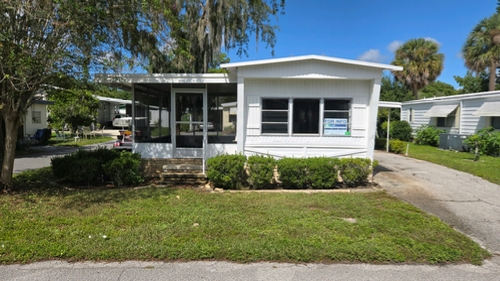
    foreclosed mobile homes in Florida

    Understand the Foreclosure Process

    Before you start looking for foreclosed mobile homes, it’s essential to understand the foreclosure process. When a homeowner defaults on their mortgage, the lender can take legal action to seize the property. The mobile home is then sold to recover the debt owed, usually at a public auction.

    Like traditional homes, mobile homes can be foreclosed on. The process may involve bank-owned properties or government-owned assets. Understanding the foreclosure process will help you determine how to find and purchase these homes.

    1. Search Online Real Estate Platforms

    The internet is an excellent tool for finding foreclosed mobile homes in Florida. Several websites specialize in listings for foreclosed properties, including mobile homes. These platforms allow you to search by location, price, and other filters to find the perfect home. Some popular online real estate platforms to check include:

    • Zillow: Zillow’s website lists foreclosed mobile homes across Florida. You can filter search results to focus on foreclosures in specific areas and price ranges.
    • Realtor.com: Realtor.com offers a wide selection of foreclosures, including mobile homes. You can also find listings for mobile home communities.
    • Foreclosure.com: This specialized foreclosure website provides a comprehensive database of foreclosed mobile homes for sale in Florida.
    • HUD Homes: The U.S. Department of Housing and Urban Development (HUD) often lists government-owned mobile homes for sale. You can find foreclosed properties through the HUD website.

    These platforms typically have up-to-date listings, allowing you to explore photos, detailed descriptions, and essential information about each property.

    2. Contact Local Real Estate Agents

    Real estate agents specializing in mobile homes can be invaluable when searching for foreclosures. These professionals often have access to listings not available online and may have inside knowledge of upcoming foreclosures. They can help guide you through the process of purchasing a foreclosed mobile home in Florida.

    Look for agents who have experience working with mobile homes or foreclosures in Florida. They can assist you in finding properties, negotiating prices, and navigating legal paperwork. It’s worth noting that some real estate agents may charge a commission, but their expertise can make the process smoother.

    3. Check County and City Websites

    Many counties and cities in Florida have websites that list foreclosure auctions, including mobile homes. These auctions are typically held when a mobile home is repossessed or foreclosed upon. Public auctions offer an opportunity to purchase a mobile home directly from a lender or government entity.

    Regularly checking local government websites lets you stay updated on upcoming auctions and foreclosure sales. Depending on the area, These sales may occur at the county courthouse or online. Some counties also list available properties on third-party auction sites.

    4. Visit Bank and Credit Union Websites

    Banks and credit unions often repossess mobile homes after foreclosure. These financial institutions may list foreclosed properties on their websites. To find foreclosed mobile homes in Florida, start by checking the websites of large banks or credit unions.

    Some examples of banks and credit unions to research include:

    • Wells Fargo
    • Bank of America
    • Chase
    • SunTrust (now Truist)
    • Local credit unions

    Many of these institutions provide information on their foreclosed properties and auction dates. If you find a mobile home you’re interested in, contact the bank or credit union to get additional details on the bidding process and purchase requirements.

    5. Attend Foreclosure Auctions

    Foreclosure auctions are a key place to find foreclosed mobile homes in Florida. These auctions are held when properties are repossessed by banks, lenders, or government agencies. At a foreclosure auction, properties are sold to the highest bidder.

    Most foreclosure auctions in Florida are public, and anyone can attend. Some of the auctions are held in person at county courthouses, while others are conducted online. You can find details about upcoming auctions on county websites or reach out to the courthouse for more information. When attending an auction, be sure to:

    • Research the property ahead of time.
    • Know your maximum bid limit.
    • Have the required funds available.
    • Understand the auction process.

    It’s important to know that buying a foreclosed mobile home at auction can be risky. The house is often sold as-is, and you may not have the opportunity to inspect it beforehand. However, you can sometimes find great deals at these auctions.

    6. Look for Bank-Owned Mobile Homes

    Bank-owned mobile homes are often called “Real Estate Owned” (REO) properties. These homes have gone through the foreclosure process and are now owned by the bank. REO properties are typically listed for sale at a price below market value, making them attractive to buyers looking for a bargain.

    Check with local banks and mortgage lenders in Florida to find bank-owned mobile homes. Some banks maintain a list of REO properties on their websites, while others may require you to contact them directly for more information. Working with a real estate agent specializing in REOs can also help you find these properties.

    7. Check with Mobile Home Parks and Communities

    Mobile home communities in Florida sometimes have foreclosed mobile homes available for sale. The park management or a third-party investor often sells these homes. If you want to purchase a mobile home within a specific community, contact the management office to inquire about available foreclosures.

    Many mobile home parks also have listings for homes that are for sale by the park or private sellers. Some communities may offer financing options, which can be helpful if you don’t have enough funds to buy the mobile home outright.

    8. Consider Government-Funded Programs

    The federal government occasionally offers foreclosure sales through programs like the U.S. Department of Housing and Urban Development (HUD). HUD often sells foreclosed mobile homes that were financed with government-backed loans. These properties are typically sold at competitive prices and can offer significant savings for buyers.

    You can search for HUD homes through the HUD Home Store website. This site lists foreclosures available for purchase throughout Florida. Additionally, check with state and local housing authorities, as they may also have programs or listings for foreclosed mobile homes.

    9. Look for Investors or Wholesalers

    Some investors or wholesalers specialize in buying and selling foreclosed properties, including mobile homes. These individuals may have access to off-market deals that are not listed on public platforms. You can often find these investors through local real estate networking events or by contacting local real estate investment groups.

    Working with an investor or wholesaler can help you find foreclosed mobile homes that are not readily available to the public. However, you should carefully vet these parties to ensure that the transactions are legitimate.

    Conclusion

    Finding foreclosed mobile homes in Florida requires patience and research. Search online real estate platforms, local government websites, and bank listings. Attend foreclosure auctions and contact mobile home communities to inquire about available foreclosures. Consider working with a real estate agent specializing in mobile homes to help streamline the process. With the right tools and resources, you can find a foreclosed mobile home that fits your budget and housing needs.

     

    See Also:

  • Mobile Home Renovation Trends in Florida: What’s In and What’s Out

    Mobile home renovations have become increasingly popular in Florida as homeowners look to upgrade comfort, efficiency, and aesthetics. Mobile homes are ideal for making stylish upgrades without excessive costs, and many trends focus on creating a modern, functional, and relaxing space. Here, the latest trends in mobile home renovations are highlighted, showing what’s currently in style and what is becoming less popular among Florida’s mobile home communities.

    In: Open Floor Plans

    Open floor plans are highly sought after in mobile home renovations. This trend maximizes space and creates a more welcoming feel. By removing non-load-bearing walls, a seamless flow between kitchen, dining, and living areas is achieved. The open-concept design not only adds to the visual appeal but also improves functionality in smaller spaces.

    Mobile Home Renovation Trends in Florida

    Out: Dark Wood Paneling

    Dark wood paneling, once a staple in mobile home interiors, is now seen as outdated. This type of paneling can make rooms appear cramped and dim. Instead, lighter wall colors or textured wallpapers are preferred, as they create a sense of space and airiness. Painted wood or drywall options are also chosen to modernize the home’s appearance and brighten interiors.

    In: Eco-Friendly Materials and Energy Efficiency

    Eco-friendly materials are in high demand as homeowners aim to reduce their environmental impact. Energy-efficient windows, doors, and appliances are widely used in mobile home renovations. Sustainable materials like bamboo flooring, recycled metal, and low-VOC paints are increasingly popular. Eco-friendly choices lower energy costs, which is especially beneficial in Florida’s hot climate.

    Out: Basic Vinyl Flooring

    Basic vinyl flooring has been largely phased out due to its limited design options and environmental concerns. Laminate, tile, and luxury vinyl plank are more popular for durability and design flexibility. High-quality, water-resistant flooring is now preferred, especially in areas prone to humidity and moisture. Florida’s mobile homeowners are moving away from basic vinyl in favor of more stylish and sustainable options.

    In: Minimalistic Design and Clean Lines

    Minimalistic design, which focuses on clean lines and simple decor, is highly favored. This approach removes clutter and unnecessary items, creating a more spacious and tranquil environment. Minimalism also emphasizes quality over quantity, ensuring each item serves a purpose. This style fits well in mobile homes where efficient use of space is critical.

    Out: Overly Decorative and Cluttered Spaces

    Cluttered spaces with excessive decoration are seen as outdated. Heavy furniture and knick-knacks are less popular due to their space-consuming nature. Instead, the focus is on functional furniture and minimal decor that enhances rather than overwhelms the space. Florida’s mobile homeowners are embracing open, uncluttered spaces for a more modern look.

    In: Multi-Functional Furniture

    Multi-functional furniture has gained popularity for maximizing limited space. Pieces like fold-out desks, storage ottomans, and modular sofas are used to serve multiple functions. This trend is practical for mobile homes, where every inch of space matters. By incorporating furniture with storage capabilities, the need for additional storage units is reduced.

    Out: Bulky, Non-Essential Furniture

    Bulky furniture is no longer preferred in mobile home renovations. Large, heavy pieces consume valuable space and restrict movement. Instead, lightweight, streamlined furniture is used to create a more spacious feel. Furniture that can be easily moved or adjusted is favored for its flexibility in small living areas.

    In: Outdoor Living Spaces

    Outdoor living spaces have become a top priority in Florida mobile home renovations. Decks, patios, and small gardens are created to extend the home’s livable area. Outdoor spaces provide areas for relaxation and entertainment, adding both functionality and aesthetic appeal. Many homeowners include outdoor seating, grills, and plants to create a welcoming environment.

    Out: Plain, Unused Yards

    Plain yards with minimal landscaping are becoming less common. Homeowners are now investing in well-designed outdoor spaces that enhance the property’s value. Landscaping with native plants, creating pathways, or installing fences are popular updates. These elements make outdoor spaces more inviting and functional.

    In: Smart Home Technology

    Smart home technology is increasingly installed in mobile homes across Florida. Devices like smart thermostats, security cameras, and automated lighting improve convenience and safety. Energy-efficient technology is also preferred to control cooling costs in Florida’s warm climate. Home automation options are chosen for both security and energy management benefits.

    Out: Standard Electrical Systems

    Traditional, manual electrical systems are being replaced with smart technology. Standard lighting and thermostat systems are no longer preferred as they lack modern convenience. Smart technology allows for better energy efficiency and remote control capabilities, which are ideal for mobile homeowners looking for cost-effective options.

    In: Light and Neutral Colors

    Light and neutral color schemes are trending in mobile home interiors. Colors like white, beige, and soft gray create a bright and airy atmosphere. These shades reflect light, making small spaces appear larger. Neutral tones also provide a versatile backdrop for different decor styles and seasonal updates.

    Out: Bold, Dark Colors

    Bold, dark colors are losing favor in mobile home decor. These tones can make spaces feel cramped and heavy. Instead, lighter and softer colors are chosen to create a calm, open environment. Florida’s mobile homeowners are opting for lighter colors to help keep interiors cool and spacious.

    In: Energy-Efficient Windows and Doors

    Energy-efficient windows and doors are highly valued for their ability to regulate indoor temperatures. Insulated windows reduce energy consumption by maintaining cooler interiors, which is essential in Florida. Energy-efficient doors also provide added insulation and security, making them a worthwhile investment for mobile homes.

    Out: Standard Single-Pane Windows

    Single-pane windows, which lack insulation, are less commonly used. These windows are ineffective at keeping out heat, increasing energy bills in Florida’s climate. Insulated, double-pane windows are preferred for their energy-saving properties. This upgrade is essential for reducing cooling costs and improving home comfort.

    In: Coastal-Inspired Themes

    Coastal-inspired themes are widely popular in Florida, reflecting the state’s natural beauty. Colors like soft blues, sandy beiges, and seafoam greens are commonly used. Coastal decor includes natural elements like seashells, driftwood, and nautical accents. This theme complements Florida’s beach lifestyle and brings a relaxing vibe to mobile homes.

    Out: Traditional, Overly Formal Decor

    Traditional and formal decor styles are falling out of favor. Heavy curtains, ornate furniture, and dark colors are being replaced with lighter, casual styles. Florida’s mobile homeowners prefer relaxed, beach-inspired decor over overly formal elements that feel out of place.

    In: Space-Saving Kitchen Designs

    Space-saving kitchen designs are essential in mobile home renovations. Pull-out pantries, compact appliances, and wall-mounted storage are used to maximize efficiency. Open shelving is also popular for its visual appeal and accessibility. In small spaces, these design elements help create a functional, organized kitchen.

    Out: Standard Cabinets and Oversized Appliances

    Standard cabinets and large appliances are being phased out in mobile homes. These elements consume too much space and create a cluttered look. Instead, modular or built-in storage solutions are used to improve flow. Compact appliances are preferred to maximize counter space.

    In: Hurricane-Resistant Upgrades

    Hurricane-resistant upgrades are now standard in Florida mobile home renovations. Reinforced roofing, tie-down systems, and storm shutters are among the popular improvements. These features provide added protection against Florida’s frequent storms. Many mobile homeowners are investing in these upgrades for safety and peace of mind.

    Out: Basic Safety Measures

    Basic safety measures, like minimal tie-downs and standard windows, are no longer sufficient. Florida’s unpredictable weather requires more substantial protective features. Without hurricane-resistant upgrades, mobile homes are vulnerable to storm damage. Homeowners are moving away from basic measures in favor of robust solutions.

    In: Improved Bathroom Fixtures

    Upgraded bathroom fixtures are trending in mobile home renovations. Features like walk-in showers, modern faucets, and energy-efficient lighting are popular. These upgrades increase both comfort and resale value. Homeowners are also installing water-saving fixtures to reduce consumption and monthly bills.

    Out: Standard, Low-Cost Fixtures

    Standard bathroom fixtures are becoming less common in renovations. Low-cost fixtures can wear down quickly and lack aesthetic appeal. Instead, homeowners prefer durable and stylish fixtures that enhance the bathroom’s look. Investment in quality fixtures provides long-term satisfaction and durability.

    Final Thoughts on Mobile Home Renovation Trends

    Florida’s mobile home renovation trends reflect a move toward sustainability, functionality, and style. Open floor plans, minimalistic designs, and energy-efficient upgrades are popular choices. By adopting these trends, mobile homeowners can create a comfortable and modern living space. With hurricane-resistant features, smart technology, and improved outdoor spaces, mobile homes in Florida are being transformed into functional and resilient homes.


    See Also:


  • The Future of Mobile Homes in Florida: Trends to Watch in 2024 and Beyond

    As we step into 2024, the mobile home industry in Florida is on the cusp of transformation. Once viewed as a budget-friendly housing option, mobile homes are rapidly evolving into desirable living spaces that combine affordability, sustainability, and modern design. This article explores the key trends shaping the future of mobile homes in Florida, from innovative designs and smart technology to community developments and environmental sustainability.

    The Future of Mobile Homes in Florida

    1. Innovative Mobile Home Designs

    A. Modern Aesthetics

    Gone are the days of cookie-cutter mobile homes. In 2024, we’re seeing a shift towards modern aesthetics that prioritize style alongside functionality. New designs feature:

    • Open Floor Plans: Buyers are increasingly drawn to open-concept layouts that maximize space and promote a sense of community within the home. Large living areas, seamlessly integrated kitchens, and multifunctional spaces are becoming the norm.
    • High-Quality Materials: Manufacturers are now incorporating durable and visually appealing materials like vinyl siding, metal roofing, and energy-efficient windows. This trend not only enhances the overall look of mobile homes but also improves energy efficiency and longevity.
    • Customization Options: More manufacturers are offering customizable options, allowing buyers to select layouts, finishes, and features that suit their personal style. This includes everything from color schemes to eco-friendly appliances.

    B. Sustainable Building Practices

    As environmental awareness grows, sustainable building practices are gaining traction in the mobile home sector. This includes:

    • Eco-Friendly Materials: Many manufacturers are opting for sustainable materials like reclaimed wood, bamboo flooring, and low-VOC paints, reducing the ecological footprint of mobile homes.
    • Energy Efficiency: Energy-efficient appliances, better insulation, and solar panels are becoming standard features in new mobile home models, significantly reducing utility costs for homeowners.

    2. Smart Home Technology

    A. Smart Features Integration

    The integration of smart technology in mobile homes is transforming how residents interact with their living spaces. Some exciting trends to watch for in 2024 include:

    • Home Automation Systems: Mobile homes are increasingly being equipped with smart home systems that control lighting, temperature, security, and entertainment from a single interface. Homeowners can monitor and manage their properties remotely through smartphone apps, enhancing convenience and security.
    • Energy Management Systems: Smart thermostats and energy management tools are being integrated into mobile homes, allowing residents to track their energy consumption in real time and make adjustments to optimize efficiency.

    B. Enhanced Connectivity

    With the rise of remote work and the demand for high-speed internet, mobile homes are adapting to include:

    • Wi-Fi-Ready Homes: Many new mobile home developments are designed with built-in infrastructure to support high-speed internet, ensuring that residents can stay connected and work from home effectively.
    • Community Connectivity: Some mobile home parks are investing in community-wide Wi-Fi access, allowing residents to connect seamlessly throughout shared spaces.

    3. Evolving Community Models

    A. Resort-Style Amenities

    As mobile homes become more appealing, developers are increasingly focusing on creating vibrant communities with resort-style amenities. Features to look for include:

    • Recreational Facilities: Many mobile home parks are investing in community centers, pools, fitness centers, and walking trails, enhancing the lifestyle offerings for residents.
    • Social Spaces: Modern mobile home communities are designed with social interaction in mind, featuring picnic areas, fire pits, and gardens that encourage neighborly connections and community events.

    B. Age-Restricted Communities

    Florida is a popular destination for retirees, leading to the growth of age-restricted mobile home communities. These communities often focus on:

    • Active Adult Living: Many of these developments are tailored for active seniors, offering amenities like golf courses, clubhouses, and organized activities that promote an active lifestyle.
    • Maintenance-Free Living: Residents of age-restricted communities often benefit from maintenance services, allowing them to enjoy their retirement without the burden of upkeep.

    4. Affordability and Accessibility

    A. Affordable Housing Solutions

    In a rapidly evolving housing market, mobile homes remain one of the most affordable options for homeownership in Florida. As property prices continue to rise, mobile homes are gaining traction as a viable solution for:

    • First-Time Buyers: Young professionals and families are increasingly turning to mobile homes as a way to enter the housing market without breaking the bank.
    • Downsizing Options: Empty nesters looking to downsize are finding mobile homes to be an attractive alternative, offering a smaller footprint with lower maintenance costs.

    B. Financing Options

    As demand for mobile homes rises, so do financing options. In 2024, potential buyers can expect:

    • Increased Lending Opportunities: More financial institutions are beginning to offer loans specifically for mobile homes, making it easier for buyers to secure financing.
    • Affordable Lot Rentals: Many mobile home parks are keeping lot rents affordable, allowing residents to enjoy lower living costs while owning a mobile home.

    5. Environmental Sustainability

    A. Sustainable Living Initiatives

    With climate change at the forefront of global discussions, mobile home communities in Florida are adopting sustainable living initiatives. Key trends include:

    • Community Gardens: Many parks are establishing community gardens that allow residents to grow their own vegetables and herbs, promoting self-sufficiency and healthy living.
    • Water Conservation Practices: Residents are encouraged to adopt water-saving practices, such as using drought-resistant landscaping and efficient irrigation systems.

    B. Green Certifications

    More mobile homes are being built to meet green certification standards, making them attractive to eco-conscious buyers. These certifications may include:

    • Energy Star Certification: Homes that meet Energy Star standards are designed to use less energy, resulting in lower utility bills and a reduced environmental impact.
    • LEED Certification: Some new mobile home developments are being built to LEED (Leadership in Energy and Environmental Design) standards, which focus on sustainable site development, water savings, and energy efficiency.

    6. Regulatory Changes and Trends

    A. Zoning and Land Use Changes

    As mobile homes become more popular, some Florida municipalities are adapting their zoning laws to accommodate new developments. This may include:

    • Easier Permitting Processes: Local governments may streamline permitting processes for mobile home parks, encouraging the construction of new communities.
    • Increased Acceptance in Residential Areas: Some areas are becoming more accepting of mobile homes, allowing them to be placed in traditionally single-family neighborhoods.

    B. Consumer Protection Laws

    As the mobile home market grows, consumer protection laws are likely to evolve. Key considerations include:

    • Enhanced Regulations: State regulations may be updated to ensure that mobile home manufacturers and dealers adhere to high standards, protecting consumers from subpar products.
    • Disclosure Requirements: More stringent disclosure laws may be implemented, requiring sellers to provide comprehensive information about the condition and history of mobile homes.

    Conclusion

    The future of mobile homes in Florida is bright, with exciting trends that promise to reshape the landscape of this housing sector. From innovative designs and smart technology to evolving community models and a focus on sustainability, mobile homes are becoming an increasingly attractive option for a diverse range of buyers. As we move through 2024 and beyond, these trends will likely continue to influence the way mobile homes are perceived and embraced, making them a key player in Florida’s housing market. Whether you’re a first-time buyer, a retiree, or an investor, staying informed about these trends will help you navigate the evolving landscape of mobile home living in Florida.


    See Also:

  • Furniture Removal or Creative Display When Selling Your Florida Mobile Home?

    Selling your mobile home in Florida can be an exciting chapter, potentially unlocking new opportunities. But amidst the process, a question often arises: should you remove your furniture before listing your mobile home for sale? There’s no one-size-fits-all answer, and the decision depends on several factors. This article will delve into the pros and cons of each approach, helping you determine the best strategy to showcase your mobile home and attract potential buyers in Florida’s dynamic market.

    mobile home furniture florida

    Furnished vs. Unfurnished: Unveiling the Impact of Furniture

    The Case for a Furnished Mobile Home:

    • Appealing to Busy Buyers: Potential buyers, especially those on a tight budget, may find a furnished mobile home appealing. The ability to visualize themselves living in the space with furniture already in place can make the mobile home feel more move-in-ready and potentially accelerate the selling process.
    • Showcasing Functionality: Strategic furniture placement can help potential buyers envision how they can utilize the space in their own lives. For example, a well-positioned dining table can showcase the functionality of a dining area in a smaller mobile home.

    The Case for an Unfurnished Mobile Home:

    • Creating a Blank Canvas: An unfurnished mobile home provides potential buyers with a blank canvas. They can envision their own furniture arrangements and personalize the space to their taste, which can be particularly appealing to buyers with specific furniture styles or needs.
    • Accentuating Spaciousness: Removing furniture can make a smaller mobile home feel more spacious and airy. This can be a significant advantage in Florida’s competitive market, where maximizing perceived square footage is crucial.

    Furniture Frenzy: Factors to Consider When Making the Choice

    Here are some key factors to consider when deciding whether to remove your furniture before selling your mobile home in Florida:

    • The Condition of Your Furniture: If your furniture is outdated, worn-out, or doesn’t stylistically complement the mobile home, removing it might be the better option. Buyers may be distracted by dated furniture and struggle to visualize themselves living in the space.
    • The Target Buyer: Consider who your ideal buyer might be. Are you targeting first-time buyers or retirees? Understanding your target demographic can help you decide whether furnished or unfurnished will be more appealing.
    • Your Budget: If you’re on a tight budget and can’t afford to invest in staging furniture, selling unfurnished might be the more practical option. However, consider budget-friendly staging options like borrowing furniture from friends or family.
    • Storage Considerations: If you decide to remove your furniture, you must factor in storage costs. Renting a storage unit can add to your overall selling expenses.

    Beyond the Binary: Exploring Creative Options

    The decision doesn’t have to be a stark choice between fully furnished or completely bare. Here are some creative ways to showcase your mobile home and appeal to potential buyers:

    • Partial Staging: Stage key areas like the living room and dining area with a few key pieces of furniture that complement the space without overcrowding it. This can give buyers an idea of the space’s functionality without overwhelming them.
    • Virtual Staging: Consider virtual staging, a technology-driven approach that digitally adds furniture to photos of your mobile home. This can be a cost-effective way to showcase the space’s potential for buyers who may struggle to visualize it furnished.
    • Highlight Storage Solutions: Point out built-in storage solutions or spacious closets to emphasize the mobile home’s functionality. This can particularly appeal to buyers who may be downsizing or have limited storage space.

    Making the Right Move for Your Mobile Home

    Ultimately, deciding whether to remove your furniture before selling your mobile home in Florida depends on your circumstances. Weigh the pros and cons of each approach, consider the factors mentioned above, and explore creative staging options to showcase your mobile home’s potential. By making an informed decision, you can enhance your chances of attracting qualified buyers and selling your Florida mobile home quickly and successfully.


    See Also:

  • The Benefits of Buying Used Manufactured Homes in Florida

    Welcome to the world of mobile home living! Living in a mobile home has become an increasingly popular option for homeowners who crave affordability, flexibility, and simplicity. Florida is one state that has seen a surge in demand for used manufactured homes due to its natural beauty, great weather, and laid-back lifestyle. In this blog post, we will explore the benefits of buying used manufactured homes in Sarasota, Florida, and what to look for when making your purchase. Whether you’re a first-time buyer or looking for an affordable vacation home, read on to discover how purchasing a used mobile home can be your ticket to comfortable and convenient living!

    Mobile Home in Sebring Florida
    Mobile Home in Sebring Florida

    Why Move to Sarasota, Florida

    Sarasota, Florida is a beautiful city located on the Gulf of Mexico. With its crystal-clear waters, white sandy beaches, and year-round warm weather, Sarasota offers an ideal location for those who love outdoor activities. From swimming to sunbathing, paddleboarding to kayaking and fishing to boating; you name it! Sarasota has it all!

    The city boasts a rich cultural heritage with numerous art galleries and museums that showcase contemporary art pieces from local artists and international collections.

    For sports enthusiasts, there are plenty of opportunities too! Whether it’s golfing at one of the many world-renowned golf courses or cheering on your favorite sports team at the Tropicana Field stadium in St. Petersburg.

    Besides these attractions, Sarasota’s real estate market is also booming which makes it a great place to invest in property. There are several options available including used manufactured homes for sale which offer budget-friendly living spaces without compromising comfort and style.

    All in all, moving to Sarasota can be an exciting adventure filled with endless possibilities; both professionally and personally.

    Average Cost of Used Manufactured Homes in Florida

    If you’re considering buying a used manufactured home in Florida, one of the first things that might come to your mind is how much it will cost. The average cost of a used mobile home in Florida can vary depending on several factors such as location, age, condition, and size.

    In general, you’ll find that prices for used manufactured homes in Florida are quite affordable compared to traditional stick-built homes. According to Zillow.com, the median price of a pre-owned mobile home in Sarasota is around $85K. However, this figure may be higher or lower depending on other factors like amenities and community fees.

    When looking at the cost of a secondhand mobile home in Florida versus a new one – there’s no comparison. Used mobile homes are significantly cheaper than their brand-new counterparts which could save you thousands of dollars upfront. Keep in mind that while purchasing an older model may seem tempting due to its lower price tag- it’s important not only to consider the initial purchase price but also that any potential future repairs or renovations should be included when calculating costs.

    Used vs New Mobile Home: What’s the Difference

    When it comes to buying a mobile home, one of the biggest decisions you’ll need to make is whether to go for a used or new one. There are important differences between the two options that you should be aware of before making your choice.

    Firstly, new mobile homes come with a higher price tag compared to used ones. This can be quite significant depending on the features and size of the home you want. On the other hand, used mobile homes tend to have lower prices because they have already been lived in and may require some maintenance or upgrades.

    Another difference between new and used mobile homes is customization options. With a new unit, you can choose all aspects of its design from floor plans, fixtures, appliances, and finishes among others; whereas with secondhand properties there might not be much room for customization unless extensive renovations are done which will incur additional costs.

    Financing options also differ between new and old units as lenders usually offer better rates on newly manufactured housing than older ones but paying upfront can lead to an overall lower cost when choosing a pre-owned property.

    Ultimately, whether you choose a used or new mobile home depends on your budget, preference for customizations, and needs.

    used manufactured homes

    Benefits of Buying Used Mobile Homes

    Buying a used mobile home has several advantages over purchasing a new one. For starters, you can save a significant amount of money by opting for a pre-owned home. This is because older homes are often priced much lower than newer models.

    Moreover, many used mobile homes come with features and upgrades that would be expensive to install in new ones. These could include upgraded appliances, central air conditioning, heating systems, or even custom finishes.

    Another advantage of buying a used mobile home is the ability to customize it to suit your needs. With an existing structure, you have more flexibility to make changes without worrying about voiding warranties or compromising structural integrity.

    Used mobile homes tend to be located in established communities with established amenities such as pools, playgrounds, and clubhouses. This means that you’ll have access to these facilities from the get-go without having to wait for them to be built like in newly developed communities.

    There are numerous benefits associated with purchasing a used manufactured home rather than opting for something brand new off the lot – so consider this option when making your next housing move!

    What to Look for When Buying a Used Mobile Home in Florida

    When buying a used mobile home in Florida, it’s important to carefully inspect the property before making a purchase. Here are some things to look for:

    First, check the roof for any signs of damage or wear and tear. Make sure there aren’t any leaks that could cause water damage inside the home.

    Next, inspect the exterior walls and siding for cracks or other forms of damage that could let in insects or rodents. Look for any signs of mold or mildew as well.

    Inside the home, pay close attention to the flooring and carpeting. Check for soft spots in the floor which may indicate water damage underneath. Also, take note of any stains on carpets which could suggest previous flooding.

    Inspect all appliances and fixtures such as sinks, toilets, showers, etc., checking if they work properly without leaks.

    Make sure you have your potential new mobile home professionally inspected by an experienced inspector before closing on your purchase. An inspection will provide peace of mind knowing what repairs might be needed before moving into your new place!

    What to Avoid in Choosing a Used Manufactured Home

    When you’re looking to buy a used manufactured home in Florida, it’s important to be cautious and avoid potential pitfalls. Here are some things to keep in mind when choosing your mobile home.

    Firstly, make sure to carefully inspect the structural integrity of the home. Avoid homes with any signs of water damage or soft spots on floors and walls as they can indicate larger issues that may require costly repairs down the line.

    Secondly, avoid mobile homes that have outdated heating or cooling systems as this can result in higher utility bills and potentially expensive replacements.

    Thirdly, steer clear of homes located in areas prone to natural disasters such as flooding or hurricanes. While living near a body of water might seem like an attractive option at first glance, it could lead to significant property damage during storms.

    Be wary of sellers who refuse inspections or try to pressure you into making a quick purchase without taking the time for due diligence. Always take your time when buying a used manufactured home so you can make an informed decision that works best for you and your family.

    Conclusion

    Buying a used manufactured home in Sarasota, Florida can be a great decision for those looking to downsize or live on a budget without sacrificing quality of life. With lower costs and similar amenities to traditional homes, these properties offer an opportunity for homeownership that might not otherwise be possible.

    However, it’s essential to do your due diligence when searching for the right property. Take time to research the area where you want to live and make sure the home you purchase meets all necessary safety standards. By keeping these tips in mind and working with trusted mobile home brokers like The Mobile Home Dealer, you can find the perfect used manufactured home for your needs.

    See Also:

  • What to Expect from a $10,000 Mobile Home in Florida

    In a state known for its sunshine, diverse landscapes, and vibrant communities, Florida is increasingly becoming an attractive destination for those seeking affordable housing options. One such option that has gained popularity is the $10,000 mobile home. In this article, we will delve into what you can expect when considering a mobile home in the Sunshine State, exploring the benefits, challenges, and unique aspects of this affordable housing solution.

    Affordability and Accessibility

    The primary draw of a $10,000 mobile home in Florida is its affordability. Compared to traditional houses, mobile homes offer a budget-friendly alternative for individuals and families looking to own property without breaking the bank. This accessibility opens up opportunities for first-time homebuyers, retirees, and anyone looking to embrace a more minimalist lifestyle.

    $10000 mobile home

    Location, Location, Location

    Florida’s diverse landscapes and communities provide a variety of options for those interested in mobile home living. From coastal towns to rural settings, prospective buyers can choose the location that aligns with their lifestyle preferences. Coastal mobile homes offer proximity to beaches and a laid-back lifestyle, while those in rural areas provide a quiet retreat from the hustle and bustle of city life.

    Understanding the Mobile Home Market

    Before delving into the specifics, it’s crucial to understand the mobile home market in Florida. Mobile homes, also known as manufactured homes, come in various sizes and styles, ranging from single-wide to double-wide units. The $10,000 price point typically applies to older models that may require some renovations or updates. While these homes may have some wear and tear, they can serve as a blank canvas for customization and improvement.

    Benefits of Mobile Home Living

    1. Affordability: The most apparent benefit of opting for a $10,000 mobile home is the cost savings. With lower upfront costs and often more energy-efficient features, mobile homes can result in lower monthly expenses compared to traditional houses.
    2. Flexibility: Mobile homes offer a level of flexibility that traditional housing may not provide. If your lifestyle changes or you decide to relocate, it’s relatively easier to move a mobile home than to sell or move a traditional house.
    3. Community Living: Many mobile home parks in Florida foster a sense of community among residents. These communities often organize events, social gatherings, and shared amenities, creating a supportive and engaging environment.

    Challenges of Mobile Home Living

    1. Resale Value: While mobile homes are affordable, their resale value may not appreciate as much as traditional homes. It’s essential to consider this factor if you plan to move or upgrade in the future.
    2. Maintenance and Upkeep: Older mobile homes may require more frequent maintenance and upgrades. It’s crucial to budget for potential repairs and renovations to ensure the longevity of your investment.
    3. Land Ownership: In some cases, the $10,000 price tag may only cover the mobile home itself, with land lease fees adding to the overall cost. It’s essential to clarify whether the purchase includes both the home and the land or if additional fees apply.

    Customization and Personalization

    Purchasing a $10,000 mobile home in Florida often means acquiring a unit with some history. However, this can be an advantage for those with a knack for DIY projects and home improvement. Mobile homes provide an excellent opportunity for customization, allowing homeowners to personalize their living space according to their preferences and needs. From updating flooring and appliances to adding energy-efficient features, the possibilities are endless for those willing to invest time and effort into transforming their mobile home into a cozy haven.

    Regulations and Zoning

    Before embarking on the journey of purchasing a $10,000 mobile home in Florida, it’s crucial to be aware of local regulations and zoning laws. Mobile homes are subject to specific rules that vary by county and municipality. Some areas may have restrictions on the age and condition of mobile homes allowed in certain neighborhoods, while others may have guidelines regarding the setup of mobile home parks. Understanding these regulations ensures a smoother transition into mobile home living and helps avoid potential legal issues.

    Final Words

    A $10,000 mobile home in Florida opens doors to affordable homeownership, offering a unique blend of flexibility, customization, and community living. While there are challenges to consider, such as maintenance and resale value, the benefits can outweigh these concerns for those seeking an economical and adaptable housing solution. As the demand for affordable housing continues to rise, mobile homes in Florida provide an intriguing option for individuals and families looking to embrace the Sunshine State’s charm without breaking the bank.


    See Also:

  • Should You Buy a New or Used Mobile Home?

    Deciding between purchasing a new or used mobile home is a significant choice that hinges on various factors, each with its own advantages and disadvantages. Mobile homes have come a long way in recent years, offering a more affordable housing option with an array of amenities. Whether you’re a first-time homebuyer looking to get a foothold in the real estate market or a retiree seeking a more cost-effective and manageable living situation, understanding the pros and cons of new and used mobile homes is essential.

    moving into a mobile home
    A mobile home at Villa Del Sol, Sarasota, Florida

    Opting for a new mobile home means you get the latest designs and modern conveniences, but it often comes with a higher price tag. New homes are typically energy-efficient, require less maintenance, and come with warranties, providing peace of mind. On the other hand, buying a used mobile home can be a budget-friendly alternative, but it may necessitate renovations or upgrades to meet your preferences and standards. The decision can also be influenced by location, as some areas have limited options for new mobile home purchases.

    In this exploration of the choice between new and used mobile homes, we will delve into the key factors that should guide your decision-making process, such as your budget, location, and personal preferences. By weighing the benefits and drawbacks of each option, you can make an informed choice that aligns with your housing needs and financial goals.

    The Pros and Cons of New Mobile Home

    New mobile homes offer several advantages and disadvantages that potential buyers should consider when making a housing decision.

    Pros of New Mobile Homes

    1. Modern Amenities: New mobile homes often come equipped with contemporary features and amenities, such as energy-efficient appliances, updated heating and cooling systems, and stylish interiors.
    2. Energy Efficiency: Many new mobile homes are built to meet or exceed modern energy efficiency standards. This can result in lower utility bills and a reduced environmental footprint.
    3. Warranty Protection: New homes typically come with warranties, which can cover defects and major repairs for a certain period, providing peace of mind and potentially saving on maintenance costs.
    4. Customization: Buyers often have the option to customize their new mobile homes, selecting design elements, layouts, and finishes that align with their preferences and needs.
    5. Low Maintenance: Newer construction materials and designs can mean less maintenance, reducing the time and money spent on repairs and upkeep.

    Cons of New Mobile Homes

    1. Higher Initial Cost: New mobile homes tend to be more expensive than used ones. This can place a significant financial burden on buyers, requiring a larger initial investment.
    2. Depreciation: Like any new product, mobile homes can depreciate in value over time, especially during the first few years. This can affect resale value.
    3. Limited Locations: The availability of new mobile homes may be limited to certain areas, meaning you might have fewer choices when it comes to selecting a location for your home.
    4. Higher Property Taxes: Newer homes can sometimes result in higher property taxes, which can add to the ongoing cost of ownership.
    5. Financing Challenges: Securing financing for a new mobile home can sometimes be more complex and less favorable compared to traditional home financing options.

    The Pros and Cons of Used Mobile Home

    Used mobile homes present both advantages and disadvantages for potential buyers, and understanding these factors is crucial when deciding whether to purchase one.

    Pros of Used Mobile Homes

    1. Affordability: The primary advantage of used mobile homes is their lower cost compared to new ones. This affordability makes them accessible to a broader range of buyers.
    2. Lower Property Taxes: In many cases, property taxes on used mobile homes are lower than those on new ones, which can result in significant savings over time.
    3. Immediate Availability: Unlike new mobile homes that may require time for construction and delivery, used homes are typically available for immediate occupancy.
    4. Potential for Renovation: Buying a used mobile home gives you the opportunity to customize and renovate it to your preferences, often at a lower cost than buying a new one.
    5. Established Locations: Many used mobile homes are situated in established communities, offering a sense of community and convenience.
    Mobile Home in Sebring Florida
    Mobile Home in Sebring Florida

    Cons of Used Mobile Homes

    1. Maintenance and Repairs: Older homes may require more frequent repairs and maintenance, which can incur additional costs over time.
    2. Limited Warranty: Used mobile homes often do not come with warranties, leaving you responsible for any issues that arise after the purchase.
    3. Depreciation: Like new homes, used mobile homes also depreciate in value, which can affect resale value.
    4. Energy Inefficiency: Older homes may be less energy-efficient, resulting in higher utility costs, as they may lack modern insulation and energy-saving features.
    5. Aging Infrastructure: The infrastructure and components of older homes might be outdated, including plumbing, electrical systems, and roofing, which can lead to expensive repairs or upgrades.

    New vs Used Manufactured Home: Which One Is Right for Me?

    When it comes to choosing between a new or used manufactured home, there are several factors to consider before making a decision. Both options have their own set of pros and cons, so it ultimately depends on your personal preferences and circumstances.

    One key advantage of buying a new mobile home is that you get the opportunity to customize it according to your taste. From the layout and design features to selecting energy-efficient appliances, a new mobile home allows you to create your dream living space from scratch.

    On the other hand, purchasing a used mobile home can be more cost-effective. Used homes often come at lower price points compared to brand-new ones, which may make them more accessible for buyers on a tight budget. Additionally, some used mobile homes may already be located in desirable communities or have additional upgrades that save you time and money.

    However, keep in mind that buying used also means inheriting any wear and tear from previous owners. It’s important to carefully inspect the condition of the home before making a purchase and factor in any potential repair or renovation costs.

    Deciding between a new or used manufactured home boils down to weighing your priorities: customization options versus affordability. Take into account your financial situation, desired level of involvement in the construction process, as well as long-term maintenance considerations when making this decision.

    See Also:

Reset password

Enter your email address and we will send you a link to change your password.

Get started with your account

to save your favourite homes and more

Sign up with email

Get started with your account

to save your favourite homes and more

By clicking the «SIGN UP» button you agree to the Terms of Use and Privacy Policy
Powered by Estatik