Tag: used mobile home ac units for sale

  • Mobile Home Air Conditioning Options: Stay Cool Without Breaking the Bank

    Mobile Home Air Conditioning Options: Stay Cool Without Breaking the Bank

    Mobile home air conditioning options make it easy to stay cool, comfortable, and energy-efficient—even in the hottest months. Whether you’re living in a single-wide or a double-wide, there’s a solution that fits your space, your needs, and your budget.

    Let’s take a look at the best ways to keep your mobile home cool all year long.

    Why Air Conditioning Matters in Mobile Homes

    Mobile homes can heat up quickly during the summer. Because they often have less insulation than traditional houses, they require smart cooling choices. The right air conditioning setup can make a huge difference in your daily comfort and energy bills.

    Most mobile home air conditioning options are cost-effective, space-saving, and quick to install. With several models and systems available, it’s easy to find something that works for your home.

    Types of Mobile Home Air Conditioning Options

    You don’t need a big HVAC system to cool a mobile home. Below are some popular and effective choices:
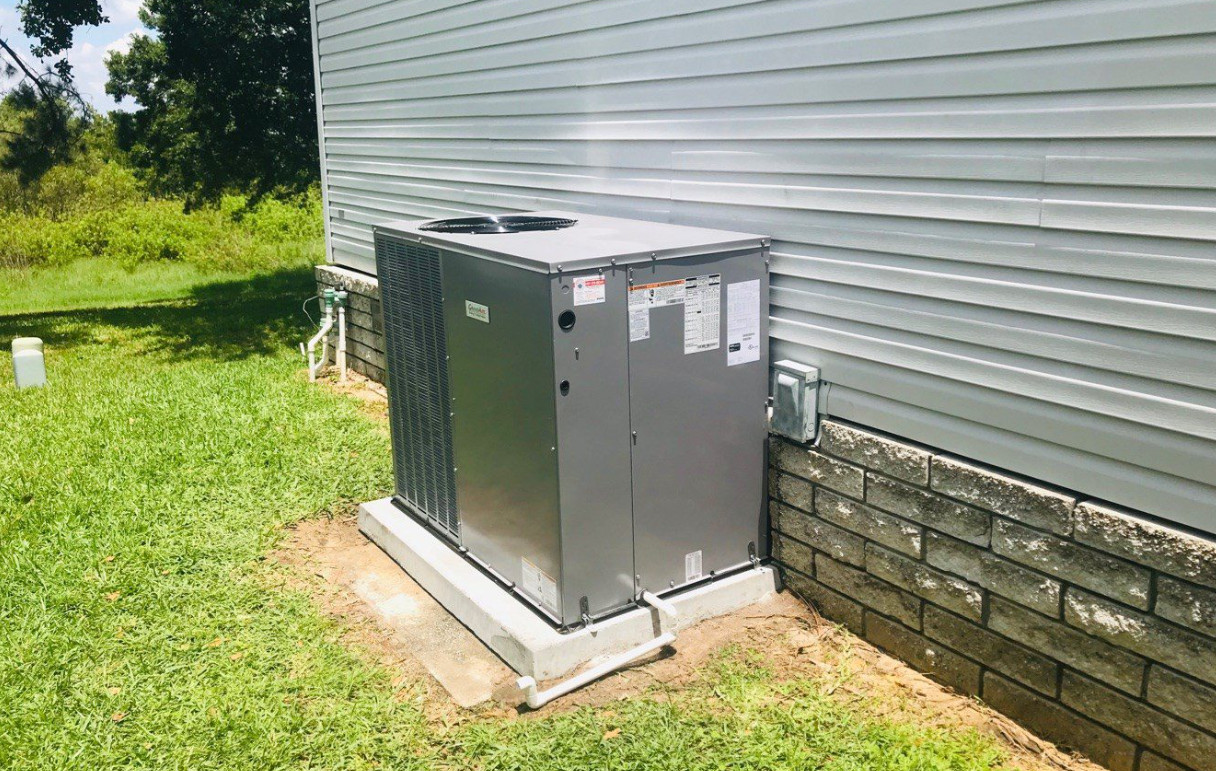
    Mobile Home Air Conditioning

    Window and Portable Units

    These options are affordable and simple.

    • Window Units: Great for small spaces. They’re easy to install and cost less than $300.
    • Portable Units: These plug into any outlet and can be moved from room to room.

    Many homeowners choose these because:

    • No professional installation is needed
    • Perfect for renters or short-term use
    • Low upfront cost

    These units are perfect for spot cooling and smaller mobile homes.

    Ductless Mini-Split Systems

    Mini-split systems are a favorite in mobile homes for several reasons:

    • No ductwork needed
    • Quiet operation
    • High energy efficiency

    With indoor and outdoor units, these systems cool your home with less energy. You can even set up different zones for different rooms.

    Central Split and Packaged Units

    These are ideal for larger mobile homes or permanent setups.

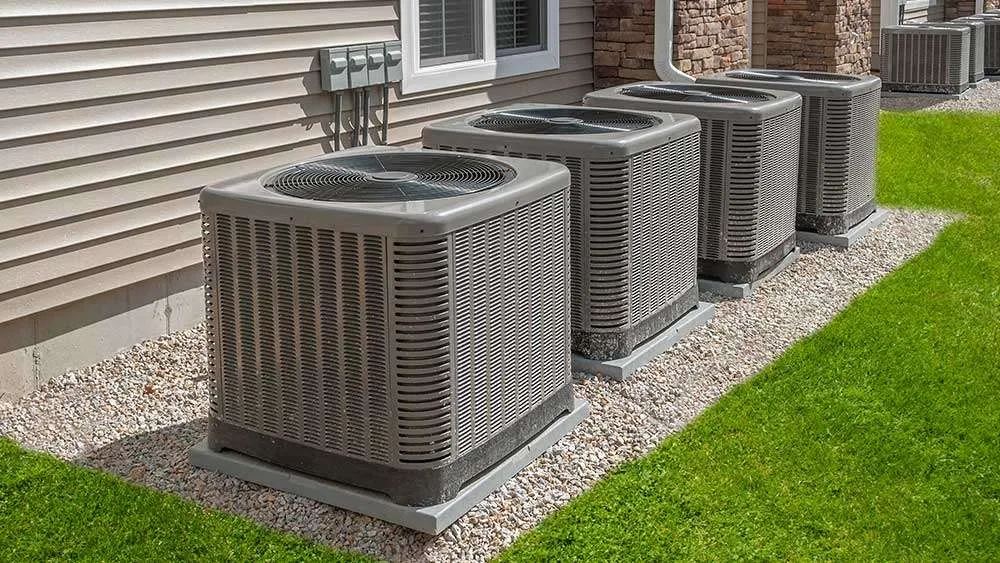
    • Split Systems: Use both indoor and outdoor units connected through ductwork.
    • Packaged Units: All-in-one systems are installed outside the home.

    Both options deliver even, full-home cooling. They’re more expensive but are great for long-term use.

    What’s the Best Fit for You?

    Choosing from the different mobile home air conditioning options depends on your lifestyle. Ask yourself:

    • How large is your mobile home?
    • Do you want to cool one room or the entire home?
    • Are you looking for a temporary or permanent solution?

    Answering these will help you decide if a window unit or a split system makes more sense.

    Costs and Financing

    Let’s talk numbers. Air conditioning doesn’t need to drain your wallet.

    Basic Cost Breakdown

    Here’s what to expect:

    • Window or Portable Units: $200–$600
    • Mini-Split Systems: $1,500–$3,000 (without installation)
    • Packaged Central Systems: $3,500–$7,000 (with installation)

    Installation usually costs an extra $1,000–$5,000 based on system type.

    Financing Options

    If paying upfront isn’t possible, don’t worry. Many companies offer:

    • Traditional loans (FHA or VA)
    • Chattel loans for mobile homes without land
    • Rent-to-own plans
    • Low down payment options 

    Working with mobile home lenders can help you find a plan that works.

    Energy Efficiency Is a Big Deal

    Lower energy use equals lower monthly bills.

    Look for SEER Ratings

    SEER stands for Seasonal Energy Efficiency Ratio. The higher the SEER, the more efficient the system. Choose a SEER rating of at least 14.

    Ductless Units Save Power

    Mini-splits cool just the areas you need, using less energy. They’re perfect for smaller mobile homes or rooms that stay hot.

    Alternatives to Traditional AC Units

    Not every cooling option needs refrigerant or big machines. Some alternatives include:

    Fans

    These are simple and affordable:

    • Ceiling fans
    • Portable fans
    • Window fans

    They don’t reduce temperature but improve airflow. This helps rooms feel cooler.

    Evaporative Coolers (Swamp Coolers)

    These are perfect in dry climates:

    • Use water to cool the air
    • Lower power use than AC units
    • Eco-friendly and affordable 

    They work best in dry states like Arizona or New Mexico.

    Easy Tips to Improve Cooling

    You can boost your cooling efforts with a few easy steps:

    • Use blackout curtains to block heat
    • Seal air leaks around windows and doors
    • Run appliances (like ovens) less during the day
    • Add insulation to walls or roof if possible 

    These steps reduce how hard your AC system needs to work.

    Where to Get Help

    If you’re unsure what system is right for your home, companies like Manufactured Housing Consultants can help. They specialize in systems made for mobile homes and offer installation and financing support.

    Short FAQ: Mobile Home Air Conditioning Options

    1. What is the best air conditioning for a mobile home?
      The best option depends on home size and budget. Mini-splits are popular for efficiency and comfort.
    2. Can I use a window AC unit in my mobile home?
      Yes. They’re affordable, simple to install, and cool individual rooms well.
    3. How much does a central AC system cost for a mobile home?
      Expect to spend between $3,500 and $7,000, including installation.
    4. Do mobile homes need special AC units?
      Some models are built for mobile homes, but most standard systems can work with minor adjustments.
    5. What’s the cheapest cooling option?
      Fans or window units are the most affordable upfront.
    6. Is professional installation required?
      It depends. Portable and window units don’t need it. Central systems do.
    7. How can I lower my cooling costs?
      Use high SEER-rated units, seal your home well, and install proper insulation.
    8. Do mobile homes use ductwork?
      Some do, especially double-wides with central AC systems.
    9. Are there energy-efficient AC options?
      Yes. Mini-splits and high SEER-rated systems save energy and money.
    10. What’s the lifespan of a mobile home AC unit?
      With good care, expect 10–15 years of service.

    Final Thoughts

    There are mobile home air conditioning options for every budget, climate, and home size. From window units to full central systems, each one offers comfort and cost control in its own way.

    Take time to review your space, cooling needs, and budget. With smart planning, you can enjoy a cool and comfortable mobile home all summer long.

    For more help, visit www.sellmobilehome.com and explore your options with The Mobile Home Dealer.
    See Also:

  • Choosing The Right AC Size For Your Mobile Home

    Mobile homes, or manufactured homes, offer a unique housing option for many individuals and families. These structures come in various sizes and designs, providing comfortable living spaces in a compact package. However, one crucial aspect of mobile home living is ensuring proper temperature control, especially during hot summer. Selecting the right size air conditioning (AC) unit for your mobile home is essential for maintaining a comfortable indoor environment while optimizing energy efficiency and cost-effectiveness.

    Factors to Consider when Choosing Mobile Home Air Conditioning

    Several factors come into play when determining the appropriate AC size for your mobile home. These include the size of your home, local climate conditions, insulation levels, and personal preferences for indoor comfort. By carefully evaluating these factors, you can choose an AC unit that meets your cooling needs without overspending on unnecessary capacity or sacrificing performance.

    mobile home air conditioning
    Mobile home air conditioning
    • Size of the Mobile Home

    The size of your mobile home is a fundamental consideration when selecting an AC unit. Larger homes require more cooling power to maintain comfortable indoor temperatures, while smaller homes can be adequately cooled with a smaller capacity unit. Measure the square footage of your home to determine its size accurately. This measurement will serve as a guide when choosing the appropriate AC size.

    • Climate Conditions

    Local climate conditions play a significant role in determining the cooling requirements for your mobile home. Areas with hot and humid summers may require larger AC units to cope with high temperatures and humidity. Conversely, regions with milder climates may allow smaller AC units to provide sufficient cooling. Consider your area’s average summer temperatures and humidity levels when selecting the right AC size for your mobile home.

    • Insulation Levels

    The insulation level of your mobile home affects its energy efficiency and cooling requirements. Well-insulated homes retain cool air more effectively, reducing the workload on the AC unit. Conversely, poorly insulated homes may require larger AC units to compensate for heat loss and maintain comfortable indoor temperatures. Evaluate the insulation level of your mobile home and factor it into your AC size calculation.

    • Personal Comfort Preferences

    Personal comfort preferences vary from individual to individual. Some prefer cooler indoor temperatures, while others are comfortable at slightly higher temperatures. Consider your family’s comfort preferences when selecting the right AC size for your mobile home. A properly sized AC unit will ensure you can maintain a comfortable indoor environment without overcooling or overspending on energy bills.

    Calculating the Right AC Size

    Once you have considered the relevant factors, you can calculate the right AC size for your mobile home. The most common method for sizing AC units is the Manual J load calculation, which considers home size, insulation, climate conditions, etc. While this calculation can be complex and requires professional assistance, you can use simplified methods to estimate the necessary AC size.

    • Rule of Thumb

    A common rule for sizing AC units is estimating 20-25 BTUs (British Thermal Units) per square foot of living space. This approximation provides a general guideline for selecting the appropriate AC size based on the square footage of your mobile home. For example, a 1,000-square-foot mobile home would require a 20,000-25,000 BTU AC unit.

    • Online Calculators

    Several online calculators are available to help you determine the right AC size for your mobile home based on various factors such as home size, insulation, climate conditions, and more. These calculators provide a convenient way to estimate the required cooling capacity and assist you in selecting the appropriate AC unit for your needs.

    Professional Assistance

    While DIY methods can roughly estimate the required AC size, seeking professional assistance for accurate sizing and installation is essential. HVAC professionals have the expertise and experience to perform comprehensive load calculations and recommend the most suitable AC unit for your mobile home. Additionally, professional installation ensures optimal performance, energy efficiency, and long-term reliability of your AC system.

    Final Thoughts

    Choosing the right AC size for your mobile home is crucial for maintaining a comfortable indoor environment while optimizing energy efficiency and cost-effectiveness. You can select an AC unit that effectively meets your cooling needs by considering home size, climate conditions, insulation levels, and personal comfort preferences. Whether using simplified estimation methods or seeking professional assistance, investing in the proper AC size ensures reliable and efficient cooling for your mobile home.


    See Also:

  • Keeping Warm: Essential Mobile Home Heating Maintenance Tips

    As winter’s chill sets in, ensuring your mobile home’s heating system is in top condition becomes paramount. Mobile homes have unique heating challenges, often requiring special attention and maintenance to keep them warm and comfortable throughout the colder months. Whether you’re a new mobile homeowner or a seasoned one, understanding how to maintain your mobile home heating system can save you money, prevent breakdowns, and, most importantly, keep you warm when you need it the most.

    mobile home heating system

    Understanding Your Heating System

    Before diving into maintenance tips, it’s crucial to understand the type of heating system your mobile home uses. Most mobile homes are equipped with one of the following heating systems:

    1. Forced Air Furnaces: These are mobile homes’ most common heating systems. They distribute heat through ducts and vents powered by gas, oil, or electricity.
    2. Electric Baseboard Heaters: These heaters are mounted along the baseboard of each room and provide heat through convection.
    3. Heat Pumps: Heat pumps provide heating and cooling by extracting heat from the air outside and transferring it inside during winter.
    4. Wood Stoves or Pellet Stoves: Some mobile homeowners opt for wood or pellet stoves for their heating needs, especially in rural areas.

    Each heating system has its maintenance requirements, but there are general tips that apply to most types.

    Maintenance Tips

    1. Regular Inspections

    Schedule annual inspections for your heating system, preferably before the start of winter. A professional HVAC technician can identify potential issues and perform necessary maintenance tasks.

    2. Clean or Replace Filters

    Clean or replace your furnace filters regularly, typically every one to three months, depending on usage. Clogged filters reduce airflow, making your heating system work harder and less efficiently.

    3. Check Thermostat Settings

    Ensure your thermostat is set correctly for the desired temperature. Consider investing in a programmable thermostat to optimize energy usage and maintain consistent comfort levels.

    4. Seal Air Leaks

    Inspect windows, doors, and any other openings for air leaks. Seal gaps with weatherstripping or caulking to prevent warm air from escaping and cold air from entering your home.

    5. Insulate Ductwork

    Properly insulate your ductwork to minimize heat loss as air travels from your furnace to the vents. Insulation helps maintain warmer air temperatures throughout your home and improves energy efficiency.

    6. Clean Vents and Registers

    Regularly clean vents and registers to remove dust, dirt, and debris that can obstruct airflow. Ensure that furniture or other objects do not block vents to allow for optimal air circulation.

    7. Monitor Carbon Monoxide Detectors

    Carbon monoxide (CO) leaks can be deadly. Install carbon monoxide detectors in your home and test them regularly to ensure they function correctly. If you suspect a CO leak, evacuate your home immediately and contact emergency services.

    8. Maintain Outdoor Units

    If you have a heat pump or an outdoor HVAC unit, keep it clear of debris such as leaves, branches, and snow. Proper airflow around the unit is essential for efficient operation.

    9. Schedule Professional Maintenance

    While there are maintenance tasks you can do yourself, such as changing filters and cleaning vents, some jobs require professional expertise. Schedule annual maintenance checks with a qualified HVAC technician to keep your heating system running smoothly.

    10. Monitor Energy Usage

    Keep track of your energy usage and bills to identify any unusual spikes, which could indicate potential issues with your heating system. Addressing problems early can prevent costly repairs down the road.

    11. Consider Insulating Skirting

    If your mobile home has skirting, consider insulating it to prevent cold air from infiltrating underneath your home. This can help maintain a warmer indoor temperature and reduce heating costs.

    12. Use Ceiling Fans Wisely

    In the winter, set your ceiling fans to rotate clockwise at a low speed to help distribute warm air more evenly throughout your home. This can reduce the workload on your heating system and improve overall comfort.

    13. Plan for Power Outages

    Mobile homes are susceptible to power outages during winter storms. Have a backup plan for heating, such as a generator or alternative heating source, to stay warm during emergencies.

    14. Keep Heating Vents Open

    Avoid closing heating vents or blocking them with furniture, curtains, or rugs. Blocked vents restrict airflow and can lead to uneven heating throughout your home.

    15. Monitor Humidity Levels

    Maintain optimal indoor humidity levels (between 30% and 50%) to maximize comfort and prevent dry skin and respiratory problems. Consider using a humidifier if your home’s air is too dry.

    Conclusion

    Proper maintenance of your mobile home’s heating system is essential for staying warm and comfortable during winter. By following these maintenance tips and staying proactive, you can ensure your heating system operates efficiently, prolong its lifespan, and avoid costly repairs. Remember, it’s always better to be proactive than reactive when it comes to your comfort and safety. Stay warm and cozy all winter with a well-maintained heating system in your mobile home.


    See Also:

  • 3 Ways To Prolong Your Sarasota Mobile Home AC Components!

    As we sit in the Sarasota Florida winter without our air conditioning on at this time of year it is easy to just open the windows and let the warm winter breeze run throughout our homes.

    Since mobile homes are smaller than traditional on-site fixed houses, conventional home AC systems are not suitable for them. Mobile homes AC experts suggest the following types of AC units for mobile homes. 

    mobile home for sale
    Mobile Home for Sale in Florida

    Packaged HVAC System. The most common air conditioning system used by mobile homes. This system provides both cooling and heating options.

    Central Air Conditioning Split System (or just Split Type). This set-up consists of two parts – an outdoor fan that releases the heat and an indoor fan that releases the cool air inside.

    Ductless Mini-Split Air Conditioning System. This type of unit is similar but smaller and more efficient than the central air split system because it is small, it is highly used by many mobile homes.

    As enjoyable as this is one needs to think that in a few months, the air conditioning will be turned back on as we all get ready for the hot summer months that are ahead of us.

    With that understood, it is important to realize that proper maintenance will help prolong the usage of your central air conditioning system in any Sarasota Florida mobile home.

    Central air conditioners are one of the most expensive repairs within a mobile home if they need to be totally replaced and knowing how and when to service them will help save you, the mobile home owner, thousands of dollars!

    1. Proper Professional Service:

    There are a number of reputable air conditioning service companies in and around the Sarasota Florida area that can help you service the unit on a regular basis. It is always a good idea to get your unit serviced twice per year in order to make sure the unit is working and running as efficiently as possible. Many of these companies will offer a yearly discount service if you sign up with them to have two services done per year which can help save you additional money on your bi-annual services.

    2. Rid The Unit Of Excess Debris:

    Anytime a storm comes through that blows up debris from the yard and other areas of the park make sure you take a quick look at your air conditioning unit to see if there has been any additional debris that has gotten caught into your unit. Unscrewing the top of the unit and manually pulling these items out of your unit will help in the running of your air conditioning system.

    mobili home florida
    Mobile home in Florida

    3. Replace Your Filters:

    This is one of the most inexpensive parts of owning a central air conditioning system but one of the most imperative when looking at having a properly operating unit. Air filters come in a variety of sizes and the technician who is working on your unit during your bi-annual services will be able to provide you with the correct size, shape, and brand that your unit uses. Each unit will specify when and how often you are to change these filters but keeping a few extra on hand within your home will make this job easier for all involved.

    Having a mobile home in the Sarasota Florida area with central air is great for resale. The key here is to have a functional unit that is in good working order as that will bring additional value to you when looking to sell your home.

    Aside from the above three most important things to do, the following can save you a lot of time and money if you observe and follow regularly.

    Always keep an eye on the outdoor AC unit – most mobile home AC units are located outside and are exposed to different weather conditions, weeds, and other things like debris, water, etc. The outside unit must also be exposed to clean air and there should be no barrier that can result in overheating. Air should be able to pass through easily.

    Maintain temperature – frequent changing of temperature is not good for the thermostat. Set the temperature to your ideal settings and let it stay there without adjusting up or down from time to time.

    Maintain coolant levels – all AC systems would not work if the coolant level is low. If the AC is running with low coolant, this can destroy many AC components.

    There are other simple things to do to take care of your mobile home’s central air conditioning system and one of these is cleaning. Although filters must be regularly checked, cleaned, and/or replaced, cleaning the outside structure of the AC system is also vital in prolonging its life.

    Dust accumulating on top of your AC unit outside could be a major issue if left uncleaned for a longer period of time.

    Maintaining AC in your mobile home is crucial for a comfortable living experience. Without proper maintenance, your AC may suffer from frequent breakdowns and inefficient performance. The first step to maintaining your mobile home’s AC is by keeping the air filters clean. Dirty filters can cause the system to work harder than necessary, leading to higher energy bills.

    Another important aspect of upkeep is scheduling regular maintenance checks with a professional technician. They can identify potential issues before they turn into major problems and provide thorough cleaning services that will improve overall efficiency.

    Additionally, it’s essential to keep an eye on the refrigerant levels as low levels can lead to poor cooling performance and even damage to the compressor unit. By staying proactive with maintenance, you’ll ensure that your mobile home stays cool throughout the year while also saving money on energy costs in the long run.

    Remember that neglecting AC maintenance not only impacts comfort but also affects indoor air quality and health conditions like asthma or allergies. Therefore don’t underestimate this critical task!

    Following the basic maintenance steps listed above very well may help prolong your unit for several additional years saving you thousands of dollars in the long run!

    The Mobile Home Dealer is a licensed mobile home dealer and broker in Sarasota Florida and neighboring areas. We provide professional buy and/or sell assistance to our clients. If you have any questions, don’t hesitate to get in touch with us by clicking this link. You may also visit our Facebook Page and send us a message.

    This is Mark Kaiser with The Mobile Home Dealer and we help mobile home Buyers and Sellers get to a better place in life!

    See Also:

  • Why Fixing Your Sarasota Mobile Home AC System Is A Bad Idea!

    Why Fixing Your Sarasota Mobile Home AC System Is A Bad Idea!

    Why Fixing Your Sarasota Mobile Home AC System Is A Bad Idea! We, here at The Mobile Home Dealer, constantly get asked by Sellers of mobile homes in the greater Sarasota Florida area if it is financially worth it to spend money in order to upgrade their mobile home.

    The answer is, a resounding, it depends!

    Let us explain.

    Before we get involved in whether it is worth it or not worth it to spend money to upgrade your mobile home, we feel the best starting point is to have proper expectations of what you are looking to upgrade and what you hope to accomplish.

    For example; if you are looking to paint the home a fun beachy color, change the over-flooring, add custom shelving or change out the bathroom fixtures these certainly can liven up the home. However these upgrades, although nice in nature, are based on the owner’s personal preference and do not upgrade the structural integrity of the mobile home itself.

    Sure, these will make the home look newer or “beachy” but it does not mean that the upgrades you put in here will bring you any more money when you look to sell the home.

    The reason why is that there is no tangible value that can be passed on to the next owner.

    If, on the other hand, you are looking to upgrade the AC unit, update the subflooring of the entire home, add a new roof, add brand new appliances, upgrade the plumbing or update the electrical then, yes, these items will certainly see a real-time return on your investment.

    Should You Fix Your Mobile Home Air Conditioner?

    Why Fixing Your Sarasota Mobile Home AC System Is A Bad Idea

    With the summer coming right around the corner and temperatures increasing each day, we, down here in Florida, are turning our attention to having a good working air conditioning system for the coming wet season.

    If your air conditioning system is not working properly and you were looking to get it replaced, do you know if the costs that you spend on a new system will come back to you when you go to sell your mobile home?

    This is a question we get asked all the time!

    If the seller is looking to sell their home and the air conditioning system is not working properly, should they get it fixed in order to sell their property fast?

    Another question we get asked is if the Seller of the mobile home is looking to sell their property can they reasonably expect to get the same or close to the same amount of money that they spent on their new air system returned to them when they go and sell their mobile home?

    Both are great questions.

    So let’s go ahead and tackle each one individually to help give you a better understanding of the way you may want to go when you are making the decision on if you should go ahead and upgrade your AC system or not or just go ahead and sell your home as is.

    Just last week, we were set to close on a property here in Sarasota Florida when the Seller had a blown central AC system. The whole thing was totally shot and was not working at all. The Seller wanted to sell their home fast and was contacted by a local air conditioning company who said that the replacement unit would cost the Seller between about $5,000 and $6,000 to replace the unit, remove the old unit, and lay a new concrete pad.

    That was a chunk of change as they were not expecting to pay that!

    We agreed, during our listing appointment, that they would go ahead and list the home competitively to start off with but then go ahead and take off that chunk of money from the top of their home because the AC was not working.

    By going this route, we immediately priced the home far under any other home that was for sale in that area and it brought the Seller tons of attention doing so. When we put the home up for sale we did our marketing to reflect, that, yes, the new owner was getting a heck of a deal, but the Buyer had to know that the AC unit needed to be replaced.

    The home sold in less than a week to a happy Buyer who was going to put in window units and did not care about replacing the AC unit itself.

    Everyone was thrilled!

    The next question is if you were to put in a new AC unit before selling your home, will it appraise?

    I will, without a doubt, say, yes, it will.

    So long as the unit has a transferable warranty on it to the new owner and the unit that you put in is less than a year old it should appraise. Where we see issues come up with appraisals is if someone replaces the AC system years ago and the unit has no transferable warranty and the Seller expects them to get the same amount of money that they paid for it a decade ago.

    In this case, no, it will not appraise.

    As here we just have a used AC system and not something that will bring any more value to the sale of their home.

    Although in some cases, fixing the AC system thinking that this could attract more buyers could be true, this always works depending on the situation and the type of buyer and their preference. People buy mobile homes because it is affordable and sometimes, extra costs for appliances that do not plan to use would be unnecessary and could turn them down.

    I hope this helps you, the mobile home Seller, give you a better idea of how air conditioning systems appraise when you look to sell your mobile home.

    This is Mark Kaiser with The Mobile Home Dealer and we help mobile home Buyers and Sellers get to a better place in life.

    See Also:

Reset password

Enter your email address and we will send you a link to change your password.

Get started with your account

to save your favourite homes and more

Sign up with email

Get started with your account

to save your favourite homes and more

By clicking the «SIGN UP» button you agree to the Terms of Use and Privacy Policy
Powered by Estatik