Mobile homes are a popular and affordable Florida housing option, offering many residents a unique lifestyle. However, like any home, they come with their own set of maintenance challenges. Identifying and fixing common issues early can help avoid costly repairs and keep your home safe and comfortable.
1. Inspecting for Roof Leaks
Roof leaks are one of the most common issues in mobile homes, especially after storms. Check for water stains or damp spots on ceilings and walls. Damaged shingles, poor seals, or worn-out caulking around vents can cause leaks.
To fix a roof leak, clean the area around the damage. Apply roofing cement to seal any cracks or gaps. If the damage is extensive, consider replacing the roofing material or hiring a professional.
2. Checking for Foundation Problems
A shifting foundation is a severe issue in mobile homes, leading to uneven floors and structural damage. Look for signs of cracks in walls, ceilings, or floors, as well as doors or windows that don’t close properly. Foundation problems can be caused by soil movement, poor installation, or natural wear over time.
Fixing foundation issues begins by re-leveling the home. Use a hydraulic jack to adjust the foundation’s position. If necessary, hire a professional to inspect and repair the foundation.
3. Addressing Plumbing Leaks
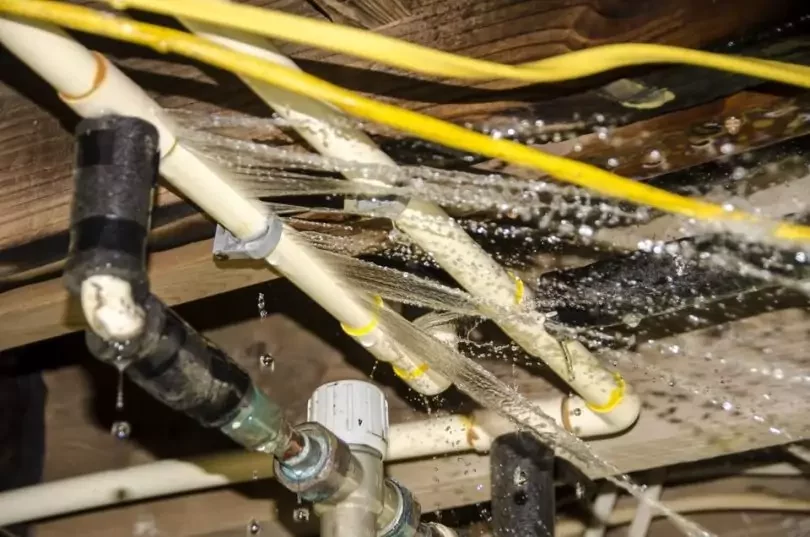
Plumbing leaks are another common issue in mobile homes. Look for damp spots on floors, water stains on walls, or a musty smell, all signs of hidden leaks. Leaks can occur in pipes, faucets, or under sinks due to wear and tear or improper installation.
To fix a leak, turn off the water supply and locate the source of the problem. Tighten any loose connections or replace damaged pipes. If the leak persists, consider consulting a plumber for more complex repairs.
4. Fixing Electrical Problems
Electrical issues are a significant concern, as faulty wiring can cause fires or power outages. Check for flickering lights, circuit breakers that trip often, or outlets that don’t work. Damaged wiring, overloading circuits, or faulty appliances may cause these problems.
To address electrical issues, turn off the power at the breaker panel before making repairs. Tighten loose wires or replace damaged outlets and switches. If the problem is more complex, hire a licensed electrician to ensure safety.
5. Preventing Mold and Mildew Growth
Florida’s humid climate makes mobile homes prone to mold and mildew growth. Look for signs of mold in areas with poor ventilation, such as bathrooms or kitchens. Mold can cause health issues, damage walls, and decrease the value of your home.
To prevent mold, improve ventilation by using dehumidifiers and fans—clean visible mold with a mixture of water and vinegar or a store-bought cleaner. If the mold is extensive, you may need to replace affected materials such as drywall or insulation.
6. Repairing Windows and Doors
Over time, doors and windows can become damaged or misaligned, leading to drafts or difficulty opening and closing. Check for gaps around windows and doors and inspect the seals for wear or damage. A damaged seal can lead to higher energy bills and water leaks.
To fix this, remove old weatherstripping and replace it with new material. If necessary, adjust the alignment of doors and windows. For broken glass, replace the panes or hire a professional to ensure proper installation.
7. Dealing with Pest Infestations
Pests, such as termites, ants, and rodents, can cause significant damage to mobile homes. Look for signs of infestations, such as holes in walls, droppings, or chewed wires. Florida’s warm climate makes it an ideal environment for pests, so early detection is key.
To fix a pest problem, identify the type of pest and choose an appropriate treatment. Seal any entry points around windows, doors, and vents. Consider hiring a pest control service to treat the home and prevent future infestations.
8. Fixing Uneven Floors
Foundation problems, moisture damage, or poor installation can cause uneven floors in a mobile home. Look for dips, bumps, or areas where the floor feels soft or unstable. If not addressed, these issues can affect the structural integrity of your home and lead to more severe damage.
To fix uneven floors, first check the foundation for signs of shifting or damage. Then, re-level the home or replace damaged floor joists. If the problem is caused by moisture, fix any plumbing leaks and dry out the affected areas before repairing the floor.
9. Maintaining Heating and Cooling Systems
Florida’s hot climate makes an effective air conditioning system essential. If your AC unit is not cooling properly or is making strange noises, it may need maintenance. Check the filters for dirt or blockages, and inspect the ducts for leaks or obstructions.
To fix an AC issue, clean or replace the filters and clear any debris from the outdoor unit. If the system still malfunctions, consider calling an HVAC technician for more advanced repairs. Regular maintenance can extend the life of your cooling system.
10. Fixing Leaking Windows and Doors
Leaking windows and doors can let in water, causing mold growth and water damage. Check for leaks around windows and doors, especially after heavy rains. Damaged seals, caulking, or poor installation often cause leaks.
Remove old caulking and apply a new, high-quality sealant to fix leaks. Replace any worn-out weatherstripping around doors and windows. Ensure that the frames are properly sealed to prevent further leaks.
11. Dealing with Insulation Problems
Poor insulation can cause discomfort and higher energy costs in mobile homes in Florida. Check for drafty areas in the walls, ceilings, or floors, especially during the colder months. Inadequate insulation can also cause your air conditioning system to work harder, leading to increased electricity bills.
To fix insulation problems, add or replace insulation in the walls, attic, and under the floor. For better efficiency, use fiberglass batt insulation or spray foam. Sealing gaps and cracks around windows and doors can also help reduce energy loss.
12. Repairing Exterior Damage
The exterior of a mobile home can suffer from weather-related damage, including cracked siding, faded paint, and rust. Inspect the siding for wear, especially after heavy storms or high winds. Florida’s humid climate can cause materials to degrade faster than in drier areas.
To repair exterior damage, replace any cracked or broken siding and repaint faded areas. If rust is present, clean the affected areas and apply a rust-resistant primer. Regular exterior maintenance can prevent long-term damage and maintain the home’s curb appeal.
13. Fixing Water Heater Issues
A malfunctioning water heater can disrupt daily activities, leaving you without hot water. Check for leaks, strange noises, or a lack of hot water as signs of a problem. Water heaters can fail due to sediment buildup, worn-out heating elements, or faulty thermostats.
First, turn off the power and water supply to fix water heater issues. Drain the tank to remove sediment and clean the elements. If the problem persists, you may need to replace the heating elements or thermostat.
14. Replacing Worn-Out Flooring
Mobile homes often have vinyl or carpet flooring, which can wear out over time. Check for tears, stains, or areas where the floor feels uneven. Worn-out flooring not only affects aesthetics but can also become a tripping hazard.
To replace worn-out flooring, remove the old material and clean the subfloor. Then, depending on your preference, install new vinyl, laminate, or carpet. Proper installation ensures a clean and stable floor for years to come.
15. Preventing Future Problems
Prevention is critical to avoiding costly repairs in the future. Regularly inspect your mobile home for signs of damage and address minor issues before they become big problems. Staying on top of maintenance tasks, such as cleaning gutters, replacing weatherstripping, and checking for leaks, helps maintain the integrity of your home.
You can prevent the most common issues in mobile homes by keeping up with routine maintenance. Early detection of problems will save you time, money, and stress. Proper care ensures that your Florida mobile home remains a safe, comfortable place to live.
Conclusion
Identifying and fixing common issues in Florida mobile homes is crucial for maintaining safety and comfort. Early intervention can prevent more significant damage, whether it’s a roof leak, foundation problem, or pest infestation. Regular maintenance, proper repairs, and preventive measures will keep your mobile home in good condition and provide peace of mind in the long run.
