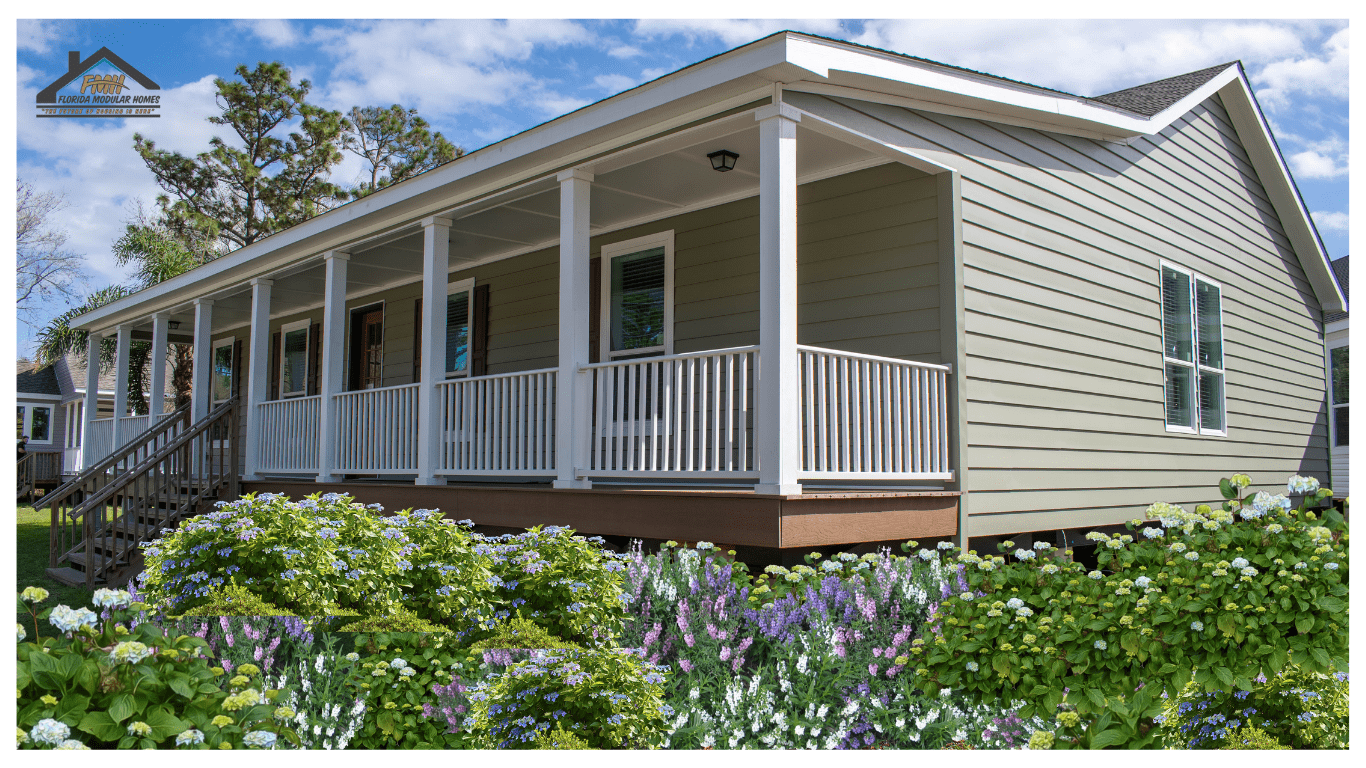
Tag: single wide mobile homes under $35000

  • Are Mobile Homes Cheaper Than Traditional Homes?

    Many people ask, are mobile homes cheaper than traditional homes? The answer is often yes. Mobile homes offer an affordable housing option without sacrificing comfort or quality. They provide a cost-effective way for people to own a home without the high expenses of conventional housing.

    Why Are Mobile Homes Cheaper?

    Several factors contribute to the lower cost of mobile homes. These homes are manufactured in a controlled environment, reducing material waste and labor costs.

    Key Reasons for Lower Prices:

    • Factory Construction: Mobile homes are built in factories, making production efficient and cost-effective.
    • Less Land Required: Many mobile homes are placed in communities, reducing land expenses.
    • Simplified Designs: Standardized designs lower construction and labor costs.
    • Lower Property Taxes: Mobile homes typically have lower tax rates than traditional houses.

    These factors make mobile homes a smart choice for budget-conscious buyers.

    are mobile homes cheaper

    Are Mobile Homes Cheaper to Maintain?

    Yes, maintaining a mobile home is often more affordable. Regular upkeep ensures a long-lasting and comfortable living space.

    Common Maintenance Costs:

    • Roof Repairs: Generally lower than traditional homes due to smaller size.
    • Plumbing and Electrical: Easier and more affordable to repair.
    • Heating and Cooling: Mobile homes require less energy, reducing utility bills.

    Proper maintenance extends the life of a mobile home and keeps costs manageable.

    Are Mobile Homes Cheaper Than Traditional Homes in the Long Run?

    The long-term costs of homeownership depend on multiple factors. Mobile homes often provide financial benefits that make them appealing.

    Long-Term Financial Benefits:

    • Lower Mortgage Payments: Mobile homes have smaller loans compared to traditional houses.
    • Reduced Insurance Costs: Many mobile homes have lower insurance premiums.
    • Affordable Community Fees: Lot rentals in mobile home parks cost less than property taxes in many areas.
    • Lower Energy Bills: Efficient construction reduces heating and cooling expenses.

    These cost savings make mobile homes an excellent choice for those looking to reduce monthly expenses.

    Are Mobile Homes a Good Investment?

    Investors often ask whether mobile homes are a smart investment. While appreciation rates differ from traditional houses, they still offer financial advantages.

    Investment Benefits:

    • Lower Upfront Costs: Investors can enter the market with less capital.
    • Consistent Rental Demand: Many people seek affordable housing options.
    • Faster Returns: Low initial costs allow quicker profit generation.
    • Minimal Property Taxes: Lower tax rates improve investment returns.

    For those looking to invest in affordable housing, mobile homes provide strong potential.

    Are Mobile Homes Comfortable and Modern?

    Modern mobile homes offer comfortable and stylish living spaces. Many feature open floor plans, energy-efficient designs, and high-quality materials.

    Features of Modern Mobile Homes:

    • Spacious Layouts: Open-concept designs create a roomy feel.
    • Energy Efficiency: Many models include insulated walls and energy-saving appliances.
    • Customizable Interiors: Homeowners can add personal touches to their space.
    • Durability: Newer mobile homes are built to last.

    With modern features, mobile homes offer the same comfort as traditional houses.

    Where Can You Place a Mobile Home?

    Mobile homes can be placed in various locations, offering flexibility for homeowners.

    Placement Options:

    • Mobile Home Parks: These communities offer amenities and social opportunities.
    • Private Land: Owners can place their home on private property with proper zoning approval.
    • Rural Areas: Mobile homes provide an affordable solution for country living.
    • Backyard Living Spaces: Some homeowners place mobile homes as guest houses or rental units.

    Choosing the right location enhances the benefits of owning a mobile home.

    Final Thoughts on Mobile Homes vs. Traditional Homes

    So, are mobile homes cheaper than traditional homes? Yes, they provide an affordable housing option with lower upfront costs, maintenance expenses, and monthly payments. With modern designs, energy efficiency, and flexibility, mobile homes offer a great solution for many buyers. Whether purchasing for personal use or investment, mobile homes remain a practical and budget-friendly housing choice.

    See Also:

  • The Cost of Used Single-Wide Homes in Florida

    Florida, the land of sunshine and sandy beaches, also boasts a robust market for used single-wide mobile homes. These affordable dwellings offer a tempting alternative to traditional housing, particularly for budget-conscious individuals and retirees. But before diving headfirst into this market, understanding the average cost of a used single-wide mobile home in Florida is crucial. This article delves into the factors influencing price, explores the range of options available, and sheds light on what you can expect for your money.

    cost of a used single-wide mobile home

    A Spectrum of Costs: Age, Amenities, and Location

    Unlike traditional houses, the price of a used single-wide mobile home in Florida hinges on a multitude of factors. The most significant influence is the home’s age. A newer model, say from the past five years, will naturally command a higher price than a dwelling manufactured decades ago. The condition of the home also plays a vital role. A well-maintained mobile home with minimal wear and tear will fetch a premium compared to one requiring extensive repairs.

    Amenities offered by the mobile home further impact the cost. Homes with central air conditioning, upgraded appliances, or a screened-in porch will cost more than those lacking such conveniences. Location is another key determinant. Mobile homes in desirable areas near amenities like shopping centers or beaches will be pricier than those in remote locations. Additionally, some mobile home communities have lot rent fees that can vary significantly, affecting the overall affordability.

    A Numbers Game: The Price Range

    With the diverse factors considered, the average price range for a used single-wide mobile home in Florida falls between $10,000 and $50,000. On the lower end of the spectrum, you might find older mobile homes (think 1970s or 1980s) requiring some TLC. These homes are ideal for handy individuals who are comfortable with renovations. Conversely, the upper end of the price range reflects newer models (manufactured within the last decade) boasting modern amenities and situated in sought-after locations within well-maintained mobile home communities.

    Here’s a breakdown to provide a clearer picture:

    • $10,000 – $20,000: This range includes fixer-upper models, typically older mobile homes potentially requiring significant repairs or upgrades.
    • $20,000 – $35,000: In this range, you’ll find moderately aged mobile homes (around 1990s-2000s) in fair condition, possibly with some basic amenities.
    • $35,000 – $50,000: This bracket offers well-maintained, newer mobile homes (manufactured in the last decade or so) with desirable features and potentially located in premium communities.

    Brand New on a Budget: The Cost of New Single-Wide Homes

    For those seeking a brand-new mobile home, the average cost in Florida can range from $30,000 to $80,000. The price variation depends on size, features, and the manufacturer. While a new mobile home offers the benefit of a fresh start and potentially lower maintenance costs initially, it’s important to factor in the depreciation rate, which tends to be higher than traditional houses.

    Beyond the Price Tag: Considerations for Used Single-Wide Mobile Homes

    Before purchasing a used single-wide mobile home in Florida, it’s crucial to go beyond the price tag. Here are some additional considerations:

    • Land lease: Most mobile homes in Florida reside in communities with monthly lot rent fees. Factor these costs into your budget.
    • Community regulations: Each community has its own set of rules regarding renovations, pet ownership, and occupancy restrictions. Familiarize yourself with these regulations before committing.
    • Financing: Financing options for used mobile homes can be limited. Explore lenders specializing in mobile home financing.
    • Inspection: Get a thorough inspection by a qualified professional to uncover any potential issues with the home’s structure, plumbing, and electrical systems.

    Conclusion

    The Sunshine State beckons with its affordable housing options and used single-wide mobile homes, which offer a compelling entry point into the Florida dream. With an average cost of $10,000 to $50,000, these dwellings cater to a wide range of budgets. However, remember that the final price depends heavily on factors like age, amenities, location, and the overall condition of the used single-wide mobile home. By carefully considering these factors, conducting thorough research, and factoring in additional costs like lot rent and potential renovations, you can make an informed decision and find the perfect mobile haven in Florida that fits your budget and lifestyle.


    See Also:

  • Double-Wide Mobile Homes for Sale Under $5,000: A Florida Reality Check

    The Sunshine State beckons with its warm weather, beautiful beaches, and endless attractions. However, for those seeking an affordable place to live, the dream can quickly turn sour when considering traditional housing costs. Enter the idea of double-wide mobile homes for sale under $5,000. Can you snag spacious, comfortable living at a rock-bottom price in Florida? Let’s dive into the truth behind these ultra-budget mobile homes.

    double-wide mobile homes for sale under $5,000

    The Reality of Sub-$5,000 Double Wides

    While the idea of a dirt-cheap double wide might be appealing, the reality is finding one in good, livable condition under $5,000 in Florida is a long shot. Here’s why:

    • Age and Condition: Mobile homes depreciate rapidly, especially older models. A double wide under $5,000 is likely to be decades old, potentially pre-1976 when federal building standards for manufactured housing (mobile homes) were established. These older models may have outdated electrical wiring, plumbing, and building materials, all posing safety and functionality concerns.
    • Repairs and Renovations: Even if the structure itself seems sound, a sub-$5,000 double-wide will likely require significant repairs and renovations. Think of roof leaks, damaged flooring, outdated appliances, and potential mold issues. Factors in the cost of materials and labor, as well as the initial bargain price, can quickly balloon.
    • Land Costs: Mobile homes rarely come with land included in the purchase price. You’ll need to find a mobile home park that allows double wides and factor in monthly lot rent fees. These fees can vary depending on the location and amenities offered by the park.

    Fixer Upper? Maybe, But Proceed with Caution

    While finding a structurally sound double wide under $5,000 might be a challenge, it’s not entirely impossible. However, be prepared for a major fixer-upper project. This means extensive renovations, potentially including:

    • Roof repairs or replacement
    • Upgrading electrical wiring and plumbing
    • Flooring replacement or repairs
    • Kitchen and bathroom updates
    • HVAC system inspection and potential repairs

    These renovations can quickly eat into your budget, so be sure to factor in realistic costs before diving in. Consider your DIY skills, as some repairs might require professional assistance, further increasing the overall cost.

    Beyond the Price Tag: Other Considerations

    Even if you find a seemingly affordable double-wide, there are several other factors to consider:

    • Mobile Home Park Regulations: Review the park’s rules and regulations regarding age restrictions, pet policies, and renovation limitations.
    • Location: Double-wide communities are often located outside of major city centers. Consider your transportation needs and access to amenities.
    • Financing: Securing financing for a mobile home under $5,000 can be difficult. Be prepared to pay cash or explore alternative financing options.

    Exploring Alternatives to Sub-$5,000 Double Wides

    While the idea of a super-cheap double-wide might be enticing, there are other options to consider in Florida’s housing market:

    • Older, Smaller Mobile Homes: You might find slightly newer (but still older) single-wide mobile homes under $5,000. While not double-wide, they can offer a more affordable option, albeit with less living space.
    • Manufactured Housing Communities: Look for newer manufactured housing communities in Florida. These communities often offer financing options and provide a sense of community with amenities like pools and clubhouses.
    • Apartment Rentals: Depending on your location, renting an apartment might offer a more predictable monthly cost compared to owning a potentially problematic mobile home.

    Conclusion

    Finding double-wide mobile homes for sale under $5,000 in Florida is challenging. While it might seem like an attractive option, such homes likely require significant renovation and may not be structurally sound. Explore alternative options and be realistic about the true costs of owning a mobile home, especially a very low-priced one. A thorough inspection and a well-defined budget are crucial before starting this path. Remember, sometimes the cheapest option costs more in the long run.


    See Also:

  • Buying a Used Single-Wide Mobile Home in Florida on a Rented Lot

    The single-wide mobile home is a beacon of financial feasibility for many individuals and families with affordable housing options. With their relatively low purchase prices and flexible living arrangements, these homes have become increasingly popular across the United States, particularly in states like Florida, where the climate encourages outdoor living. However, before purchasing a used single-wide mobile home in Florida, it’s crucial to understand the various costs involved to make an informed decision. In this article, we’ll delve into how much money you might need and what factors influence the overall cost.

    used single-wide mobile home

    Understanding the Basics

    A single-wide mobile home refers to a structure that is constructed off-site and transported to its permanent location, typically on a rented lot within a mobile home park or community. These homes are known for their compact size and affordability compared to traditional site-built homes. In Florida, where the real estate market can be competitive, and housing prices are on the rise, single-wide mobile homes offer a viable alternative for those seeking homeownership without breaking the bank.

    Initial Purchase Price

    The first and most significant cost associated with buying a used single-wide mobile home is the purchase price itself. Prices can vary depending on factors such as age, condition, size, location, and amenities. According to recent data, the average price range for a used single-wide mobile home in Florida falls between $10,000 and $50,000. Keep in mind that this figure is a rough estimate and can fluctuate based on market demand and other external factors.

    Additional Costs

    While the purchase price is a significant component, there are several other expenses to consider when budgeting for a used single-wide mobile home in Florida:

    1. Inspection Fees: Before finalizing the purchase, it’s essential to conduct a thorough inspection of the mobile home to assess its condition and identify any potential issues. Inspection fees typically range from $200 to $500, depending on the scope of the inspection and the expertise of the inspector.
    2. Closing Costs: Similar to traditional real estate transactions, buying a mobile home involves closing costs, which include fees for title searches, document preparation, and transfer taxes. These costs can amount to around 2% to 5% of the purchase price.
    3. Transportation and Setup: Once you’ve purchased the mobile home, you’ll need to arrange for its transportation to the rented lot and its setup. Transportation costs vary depending on the distance and accessibility of the lot, while setup costs encompass tasks such as foundation installation, leveling, and utility connections. On average, transportation and setup costs can range from $2,000 to $5,000.
    4. Lot Rent: Since you’ll be placing your mobile home on a rented lot within a mobile home park or community, you’ll need to factor in monthly lot rent expenses. Lot rent in Florida varies depending on the location, amenities, and services provided by the community. On average, lot rent can range from $200 to $800 monthly.
    5. Utilities: In addition to paying the lot rent, you’ll also be responsible for paying utilities such as electricity, water, sewer, and garbage disposal. These costs can vary depending on usage and local utility rates but typically amount to several hundred dollars per month.
    6. Homeowner’s Insurance: To protect your investment, purchase homeowner’s insurance for your mobile home. The insurance cost can vary depending on factors such as the home’s value, location, and coverage options but generally falls within the range of $500 to $1,500 annually.
    7. Property Taxes: As a homeowner, you’ll be responsible for paying property taxes on your mobile home. Property tax rates vary by county in Florida but typically range from 0.5% to 2% of the home’s assessed value.

    Total Cost Breakdown

    To provide a comprehensive overview, let’s break down the total estimated costs of purchasing a used single-wide mobile home in Florida on a rented lot:

    • Purchase Price: $10,000 – $50,000
    • Inspection Fees: $200 – $500
    • Closing Costs: 2% – 5% of purchase price
    • Transportation and Setup: $2,000 – $5,000
    • Lot Rent: $200 – $800 per month
    • Utilities: Several hundred dollars per month
    • Homeowner’s Insurance: $500 – $1,500 annually

    Final Thoughts

    While buying a used single-wide mobile home in Florida on a rented lot can offer significant cost savings compared to traditional homeownership, it’s essential to consider all the associated expenses to make an informed decision. By understanding the costs involved and budgeting accordingly, you can confidently embark on your journey toward affordable homeownership. Conduct thorough research, explore different options, and consult with real estate professionals to navigate the process smoothly. With careful planning and financial diligence, owning a mobile home in the Sunshine State can become a reality for you and your family.


    See Also:


  • Navigating the Costs of Moving to a Single-Wide Mobile Home in Florida

    Florida’s allure of sunshine, beaches, and laid-back living attracts many, but traditional housing costs can be daunting. Enter the single-wide mobile home, a surprisingly viable option for budget-conscious individuals dreaming of Floridian life. However, the “how much” question looms large. So, buckle up as we break down the costs associated with moving to a used single-wide mobile home in the Sunshine State.

    The Big Three: Purchase, Transport, and Land

    1. Purchase Price

    This varies greatly depending on several factors, including:

    • Condition: Expect higher prices for newer, well-maintained homes.
    • Location: Urban areas and coastal communities typically demand higher prices.
    • Size and features: More bedrooms and bathrooms equate to higher costs.
    • Negotiation: Hone your negotiation skills to secure a better deal potentially.
    • Estimated range: $5,000 – $30,000 (though luxury models can go beyond)

    singe-wide-mobile-home

    2. Transportation

    Moving a mobile home isn’t like driving your car! Costs depend on the following:

    • Distance: Local moves are cheaper than cross-state journeys.
    • Size and weight: Larger homes demand specialized equipment and cost more.
    • Permits and regulations: Each state has specific requirements that impact the costs.
    • Estimated range: $3,000 – $20,000 (long-distance moves can exceed this)

    3. Land

    Owning your own land eliminates monthly lot rent but comes with its own costs:

    • Land purchase: Costs vary widely depending on location, size, and amenities.
    • Utilities: Setting up connections for water, electricity, etc., incurs fees.
    • Taxes: Property taxes apply to land ownership.
    • Estimated range: Highly variable. Research land options carefully based on your budget.

    Beyond the Big Three: Don’t Forget These!

    • Renovations: Factor in potential repairs or upgrades to personalize your new home.
    • Insurance: Mobile home insurance is mandatory and varies based on factors like location and coverage chosen.
    • Community fees: If residing in a mobile home park, monthly lot rent and potential amenity fees apply.
    • Closing costs: Expect title transfer fees, inspections, and potentially lawyer fees.

    Total Cost: Reality Check

    While providing a single figure is impossible, here’s a rough estimate:

    Minimum: $15,000 (assuming a low-cost purchase, local move, and land ownership)

    Average: $30,000 – $50,000 (accounting for mid-range purchase, regional move, and land costs)

    Remember: This is just a starting point. Conduct thorough research specific to your chosen location, desired home features, and preferred living arrangements (land ownership vs. park living) to get a more accurate picture of your costs.

    Tips for Budgeting Savvy

    • Shop around: Compare prices for homes, movers, and land options.
    • Consider financing: Explore loan options for purchasing the home and land.
    • Be flexible: Adjust your desired location, home size, or move distance to fit your budget.
    • DIY where possible: If handy, tackle minor repairs or upgrades yourself.
    • Plan for the future: Factor in ongoing costs like insurance, taxes, and potential maintenance.

    Living the Dream on a Budget

    Moving to a single-wide mobile home in Florida can be a dream within reach with careful planning and budgeting. By understanding the key costs involved and exploring budget-friendly options, you can turn your Sunshine State aspirations into reality. Remember, thorough research, smart planning, and a touch of flexibility are your golden tickets to navigating the path to affordable Florida living in a mobile home. Now, go forth and conquer that sunshine dream!


    See Also:

  • What Brings A Sarasota Florida Mobile Home Seller The Most Money?

    When looking to sell your Sarasota Florida mobile home it is in every seller’s best interest to ask themselves the basic question of, what will bring them the most money when they go to sell their mobile home.

    mobile home for sale - mobile home seller
    Mobile Home in Florida

    Many times the question then gets directed to two different types of thoughts:

    • Will The Mobile Home Seller Get The Most Money If They Sell At A Higher Price?
    • Will The Mobile Home Seller Get The Most Money If They Sell Faster?

    Essentially, is the Seller going to benefit most if they are the tortoise and wait for the right Buyer or will they do the best they can if they move more like the hare and take the first offer that comes to them?

    The answer to this basic question is that the mobile home Seller wants to act like both the tortoise and the hare at the same time when selling their mobile home.

    The reason for this nondirect answer is due to the fact that mobile homes on leased land require the owner of the property to pay a set amount of money each month to the mobile home park in the form of what is commonly referred to as lot rent.

    This lot rent will cover several different bills all in one but, most commonly, the lot rent will cover the usage of the land the home is on, the water bill, the sewer bill, the lawn care, and usage of the park facilities.

    Most mobile homes on leased land are cash transactions, meaning, that the Seller does not have an outstanding mortgage payment they are required to make each and every month for the ownership of the home home. They own the home outright in cash.

    The lot rent will never be paid off, regardless of how long the owner lives in the park as this is a reoccurring utility-type bill that will never go away.

    The reason why we bring this up to you, the reader, is that many times we, we at The Mobile Home Dealer, have seen that the Seller does not take into account their monthly carrying costs, such as their lot rent when deciding to sell their mobile home.

    Many times these Sellers will price their home too high and continue to pay the lot rent each and every month as well as their electric bill, cable bill, yearly registration, and constant property upkeep when things go wrong and need to be repaired within their mobile home.

    All of these ongoing bills seem to feel automatic to the Seller and they do not factor them in when pricing their home.

    By not factoring these continued bills into the mix the Seller is setting themselves up for a lower net profit when their mobile home eventually does sell as they will need to calculate their monthly carrying costs throughout the entire time they were trying to sell their mobile home to get themselves the most accurate number.

    So, to answer the original question on what brings the Sarasota mobile home sellers the most money, the answer is by selling your mobile home fast and avoiding paying monthly lot rent dues. 

    If you are looking to sell your Sarasota Florida mobile home fast, how do you do it?

    Although this seems like a very detailed answer that needs to be given, the truth is it is not. In fact, selling your Sarasota Florida mobile home quickly can boil down to three specific factors, that, if followed, will get you top dollar for your home fast.

    Now, I am not trying to eliminate the professional opinions of others in the space, but rather, I am trying to get give all of the readers of this blog a much better understanding of how to get their mobile home sold quickly without all the extra garbage that is out there on the internet discussing what to do and what not to do.

    Sarasota Mobile Home
    Sarasota Mobile Home

    With that understanding, please take this as a guide of what we, at The Mobile Home Dealer, have seen on a repeated basis that, if followed correctly, will lead to you not only getting your Sarasota Florida mobile home sold fast but also for top dollar regardless of what the market is doing in your community or within the area your mobile home is located in.

    • Price your mobile home correctly
    • Mark your mobile home correctly
    • Understand The Sales Process

    Following these three basic steps will help you, the mobile home Seller, move your property quickly and for the most profit possible.

    When looking to sell your mobile home we can not stress enough the importance of looking at not only what you are trying to sell the home for but also the costs that will add up should you not be able to sell it as fast as you would like. Not doing this will give you, the Seller, an inaccurate understanding of exactly how much you made on the sale of your mobile home.

    The Mobile Home Dealer are licensed mobile home brokers in Sarasota Florida and the surrounding areas. We provide professional buy and/or sell assistance to our clients. If you have any questions, please contact us by clicking this link. You may also visit our Facebook Page and send us a message.

    This is Mark Kaiser with The Mobile Home Dealer and we help mobile home Buyers and Sellers get to a better place in life.

    This is Mark Kaiser with The Mobile Home Dealer and we help mobile home Buyers and Sellers get to a better place in life.

    See Also:

  • What Fees Are Paid At A Sarasota Mobile Home Closing?

    Have you wondered what fees need to be paid for a mobile home purchase in Sarasota?

    Anytime we work with Buyers who are looking to purchase a mobile home that we currently have a listing for, we always make sure they know exactly what it means when they say, “I’d like to make an offer.”

    Mobile homes throughout the greater Sarasota Florida area are becoming popular not only for snowbirds, but also for people who are single and older, and even older couples who want to have a peaceful neighborhood.

    We here at The Mobile Home Dealer continue to do our very best to deliver all of the most relevant information to you in the mobile home space and wanted to thank you for taking a few minutes to learn about what needs to happen for the sale of the mobile home to go through on leased land down here in the state of Florida.

    When looking at buying a mobile home within the greater Sarasota Florida area that is located on leased land one needs to realize that the purchase, sale, and closing actions are different than that of a traditional single-family home.

    The reason for this is that, in Florida, a mobile home that is sold on leased land is viewed as and taxed as personal property and not real estate.

    What this means is that the purchase process is the same as buying a vehicle.

    So, with this understanding, what are the fees to be paid when closing a mobile home sale in Sarasota Florida?

    When purchasing a Sarasota mobile home, the actual purchase price of the home is only one of several expenses that will be incurred during the purchase process of that home.

    We have found that many, if not most, mobile home Buyers are unaware that there are several additional fees to add to the total cost of a mobile home purchase.

    If these fees are not paid at the time of closing, the sale of the home, will not be able to go through.

    Country Lakes Palmetto Florida
    Country Lakes Palmetto Florida

    For there to not be any confusion at the closing table, our company policy at The Mobile Home Dealer is one where we lay out all of the fees to the Buyer so that when they make an offer to purchase the home, they know exactly what they will be responsible for paying come closing day.

    The first fee to be paid is the actual negotiated purchase price of the home. This price will be what the buyer is agreeing to pay the Seller for the purchase of the property.

    In the state of Florida, the buyer is required to pay state, city, and sometimes county tax, on the entire purchase price of that mobile home. For homes bought in Sarasota, this equates to a 7% tax on the total purchase price of that home. In other counties, such as Charlotte County, a little further south, the county then imposes a 1% tax on top of the 7%, so the total tax is 8% that is owed on the purchase price. The Buyer will need to pay a title transfer fee, which takes the title of the mobile home from the current owner to that of the new owner.

    Registration fees will need to be paid at closing by the Buyer as well. This fee ensures that the mobile home that has been purchased is correctly registered to the new owner in the state of Florida. Closing fees will also need to be paid at the time of closing by the Buyer to the licensed mobile home broker as well.

    It is not uncommon for all of these additional fees to total, sometimes over $2,000, in addition to the price of the mobile home.

    The Buyer of the mobile home must be very well versed in all of these additional fees that are associated with buying a mobile home within the state of Florida before making their offers.

    Take note that It is also not uncommon for the mobile home Seller to still be in the home when the Buyer has been approved so, normally a 30-day close is reasonable for the Seller to be able to move their belongings from the property so that the Buyer can move in right away on the date of closing.

    If the home is vacant and the park approval has been completed then there would be no reason why the Buyer of the mobile home would not be able to move into their new home right after signing the purchase paperwork!

    If the Seller is looking to have an elongated closing, greater than the traditional 30 days, then this will need to be further negotiated during the sale of the home. We would caution all Sellers, however, that if this is the case you may want to reconsider putting your mobile home on the market to sell until you are within the 30-day window of being able to move out of the property. The reason for this is that since mobile home sales can move so quickly when they are located on leased land most Buyers do not want to wait an extended period to move in is enjoy their new Sarasota Florida lifestyle right away and they certainly may walk away from buying your home.

    Knowing these things can avoid unforeseen issues for both the buyer and the seller that could result in breaking the deal. It is always important that both the buyer and the seller agree on everything before closing the sale and signing the papers.

    With a solid understanding of these additional fees needing to be paid, they will help both the Buyer and the Seller so that the purchase does not fall apart at the closing table due to a lack of funds.

    This is Mark Kaiser with The Mobile Home Dealer, and we help mobile home buyers and sellers get to a better place in life.

    See Also:

  • Understanding the Costs of New Single-Wide Mobile Homes in Florida

    In the dynamic landscape of real estate, the allure of affordable housing options has never been more pronounced. For many prospective homeowners in Florida, single-wide mobile homes stand out as a cost-effective and flexible solution. In this article, we’ll explore the factors influencing the cost of new single-wide mobile homes in the Sunshine State and shed light on the various elements that contribute to their overall price.

    • Base Price of Single-Wide Mobile Homes

    The cost of a new single-wide mobile home in Florida can vary significantly, depending on several factors. As of 2024, the base price for a single-wide mobile home typically ranges from $30,000 to $60,000. This includes the basic structure, essential fixtures, and delivery to the chosen location. The price variation is often attributed to the size, design, and manufacturer of the mobile home.

    single wide mobile home
    New single wide mobile home
    • Size Matters

    One of the primary determinants of the cost of a single-wide mobile home is its size. These homes are typically narrower and have a more compact floor plan compared to their double-wide counterparts. Sizes commonly range from 14 to 18 feet in width and 60 to 80 feet in length. Larger single-wide mobile homes generally come with a higher price tag due to the increased materials and construction costs.

    • Features and Upgrades

    While the base price covers the essentials, many homebuyers opt for additional features and upgrades to enhance their living space. Features such as upgraded flooring, countertops, appliances, and energy-efficient options can significantly impact the overall cost. It’s essential for buyers to carefully consider their priorities and budget when selecting optional features to avoid unnecessary expenses.

    • Location and Delivery

    The cost of delivering and installing a single-wide mobile home can vary depending on the location and the distance from the manufacturer or dealership. Florida’s diverse geography, from urban centers to rural areas, can influence transportation costs. Additionally, site preparation, foundation construction, and utility connections contribute to the overall expenses associated with setting up a mobile home.

    • Manufacturer and Quality

    The reputation and quality standards of the manufacturer play a crucial role in determining the cost of a single-wide mobile home. Established manufacturers with a track record of producing durable and well-designed homes may charge higher prices for their products. Buyers need to research and compare different manufacturers, considering customer reviews and the longevity of the company in the industry.

    • Financing and Loan Options

    Affordability also hinges on the financing options available to potential buyers. Mobile homes can be financed through a variety of methods, including personal loans, chattel loans, or traditional mortgages. The interest rates and terms of the loan can significantly impact the overall cost of homeownership. Exploring different financing avenues and securing favorable terms can help mitigate the financial burden.

    • Local Regulations and Permits

    Navigating the regulatory landscape is an integral part of the mobile home buying process. Local building codes, zoning regulations, and permit requirements can impact the cost of acquiring and installing a single-wide mobile home. Buyers must be aware of and comply with these regulations to avoid unforeseen expenses and ensure a smooth transition to homeownership.

    • Maintenance and Operating Costs

    Beyond the initial purchase and installation, prospective homeowners must consider ongoing maintenance and operating costs. Energy-efficient features, durable materials, and modern appliances may contribute to lower utility bills and maintenance expenses over time. Evaluating the long-term cost of ownership is essential for making an informed decision and ensuring that the investment remains financially sustainable.

    Final Words

    In the diverse real estate landscape of Florida, the allure of single-wide mobile homes as an affordable housing option is undeniable. While the base price of these homes is relatively accessible, factors such as size, features, location, and manufacturer reputation contribute to the overall cost. Potential buyers must approach the decision with a clear understanding of their budget, priorities, and long-term financial goals. By carefully navigating these factors, aspiring homeowners can unlock the door to affordable and comfortable living in the vibrant state of Florida.

    See Also:

  • Single-Wide vs. Double-Wide: Which Mobile Home Is Right for You?

    Single-wide and double-wide mobile homes present distinct advantages and considerations for buyers. Single-wides, typically narrower and easier to transport, offer affordability and versatility in placement. They suit smaller lots and are often favored for lower initial costs and energy efficiency. Conversely, double-wides boast more spacious interiors, resembling traditional homes with wider floor plans. They provide ample living space and accommodate larger families comfortably. However, double-wides require more substantial transportation, installation efforts, and higher upfront costs. Choosing between single-wide and double-wide homes hinges on individual preferences, budget, space requirements, and intended usage, each offering unique benefits to potential buyers.

    Mobile homes have come a long way since their inception in the early 20th century. They offer an affordable housing option for many people and have evolved in terms of design, size, and functionality. When it comes to mobile homes, one of the most significant decisions you’ll need to make is choosing between a single-wide and a double-wide mobile home. In this article, we’ll explore the key differences between single-wide and double-wide mobile homes to help you make an informed decision.

    Size Matters

    The most obvious difference between single-wide and double-wide mobile homes is their size. Single-wide mobile homes are typically narrower and have a single section, while double-wide mobile homes are wider and consist of two separate sections. Single-wide mobile homes are often 12-16 feet wide and 56-80 feet long, while double-wide mobile homes are usually 20-32 feet wide and 56-76 feet long. This size difference significantly impacts the interior space and layout of the homes.

    single-wide-mobile-home
    Single-wide mobile home

    Space and Layout

    Single-wide mobile homes are a more compact option, which makes them an excellent choice for individuals or small families. Due to their narrower design, they are typically more straightforward in layout, with rooms aligned along a central hallway. You may have a living room, kitchen, one or two bedrooms, and a bathroom.

    Double-wide mobile homes, on the other hand, provide considerably more space. With two sections joined together, they offer a more spacious interior. This layout often includes a larger living area, an open kitchen with an island or dining space, multiple bedrooms, and two or more bathrooms. The extra space in double-wide homes allows for more significant customization and options for additional rooms or features, such as a home office, walk-in closets, or a laundry room.

    Aesthetic Appeal

    Single-wide and double-wide mobile homes also differ in terms of aesthetic appeal. Single-wide homes tend to have a more streamlined and elongated look, with a single roofline running from end to end. While they may not offer as much variation in exterior design, they can still be attractive with the right landscaping and exterior finishes.

    Double-wide mobile homes, with their wider design, often have a more balanced and substantial appearance. They can be customized to include features like gabled roofs, dormer windows, and a variety of exterior finishes, giving them a more traditional and visually appealing appearance. The added width allows for a more diverse range of exterior design options, making them a popular choice for those looking for a home that closely resembles traditional site-built houses.

    Cost Considerations

    The cost of a mobile home can vary significantly based on its size, design, and features. Single-wide mobile homes are generally more affordable than their double-wide counterparts. This cost difference is primarily due to the reduced size and the materials required for construction. A single-wide mobile home may be the way to go if you’re on a tight budget or looking for a more economical housing option.

    On the other hand, double-wide mobile homes are more expensive, but they offer more space, a more appealing appearance, and more customization options. While the initial cost may be higher, it’s essential to consider the long-term value and the potential resale value of the home. Double-wide mobile homes are often seen as a better investment due to their larger size and increased demand in the housing market.

    Transport and Setup

    Transporting and setting up a mobile home is a critical aspect of the process, and the size of the home plays a crucial role in this. Single-wide mobile homes are more straightforward to transport and install, as they are narrower and require fewer resources. They can often be moved to their location more easily and at a lower cost.

    Due to their larger size, double-wide mobile homes can be more challenging to transport and set up. They typically require specialized equipment and expertise to ensure a safe and proper installation. The cost of moving and installing a double-wide home can be significantly higher than that of a single-wide home. However, many homeowners find that the additional space and features make it worth the investment.

    Energy Efficiency

    When it comes to energy efficiency, double-wide mobile homes have an advantage. With more space, they can accommodate larger HVAC systems and insulation, which can lead to better energy efficiency. Double-wide homes often have lower energy bills and provide a more comfortable living environment. However, it’s important to note that single- and double-wide homes can be equipped with energy-efficient features and insulation, so the difference in energy efficiency can vary based on individual homes.

    Single-wide and double-wide
    Double-wide mobile home

    Resale Value and Appreciation

    The resale value of a mobile home depends on various factors, including its age, condition, location, and the real estate market. However, double-wide mobile homes tend to have a better resale value than single-wide homes. Their larger size, attractive appearance, and additional features make them more appealing to potential buyers. If you’re considering a mobile home as an investment, a double-wide may be a better choice in terms of potential appreciation over time.

    Regulations and Zoning

    It’s crucial to be aware of local regulations and zoning restrictions when choosing between a single-wide and a double-wide mobile home. Zoning laws can vary by location and may dictate where you can place each type of mobile home. Some areas may have size restrictions, while others may require specific setbacks or other considerations. Before purchasing a mobile home, it’s essential to check with local authorities and understand the zoning regulations in your area to ensure compliance.

    Maintenance and Upkeep

    Both single-wide and double-wide mobile homes require regular maintenance to keep them in good condition. However, the larger size of double-wide homes can mean more maintenance and potentially higher upkeep costs. This includes tasks like roofing maintenance, siding repairs, and maintaining the HVAC system. Single-wide homes may have lower maintenance costs due to their smaller size, but the difference can vary depending on the quality of materials and construction.

    The Bottom Line

    When choosing between a single-wide and a double-wide mobile home, there are several key differences to consider, including size, layout, cost, transport and setup, aesthetic appeal, energy efficiency, resale value, and local regulations. Your decision should be based on your specific needs, budget, and preferences.

    Single-wide mobile homes are a cost-effective choice for individuals or small families who are looking for a more compact and economical housing option. They are relatively easy to transport and install and can offer a comfortable living space.

    Double-wide mobile homes, while more expensive, provide more space, a more appealing appearance, and the potential for better resale value. They are an excellent choice for those who prioritize space, customization, and long-term investment value.

    Ultimately, the decision between a single-wide and a double-wide mobile home comes down to your unique circumstances and priorities. Consider your budget, space requirements, and long-term goals when making this important choice in your housing journey.


    See Also:

Reset password

Enter your email address and we will send you a link to change your password.

Get started with your account

to save your favourite homes and more

Sign up with email

Get started with your account

to save your favourite homes and more

By clicking the «SIGN UP» button you agree to the Terms of Use and Privacy Policy
Powered by Estatik