Tag: senior mobile home park rules

  • Requirements to Live in Mobile Home Park in Florida

    Requirements to Live in Mobile Home Park in Florida

    Understanding the requirements to live in a mobile home park can help make your move smooth and simple. Many parks in Florida offer peaceful living, friendly neighbors, and affordable housing options. But before you settle in, there are a few steps each resident must follow.

    Florida has a wide range of mobile home parks. Some cater to retirees, while others welcome all ages. Each park sets its own rules, but many follow similar guidelines. These rules help keep the parks clean, safe, and pleasant for everyone.

    Age Restrictions and Community Type

    Many parks in Florida are classified as 55+ communities, meaning they are age-restricted. This doesn’t mean everyone must be 55, but usually, at least one resident in the home must meet that age.

    In these communities:

    • At least 80% of homes must have one person aged 55 or older.
    • Younger spouses or caregivers are often allowed.
    • Children are usually not permitted as full-time residents.

    There are family parks as well, which welcome residents of all ages. These communities often have more playgrounds, schools nearby, and younger residents.
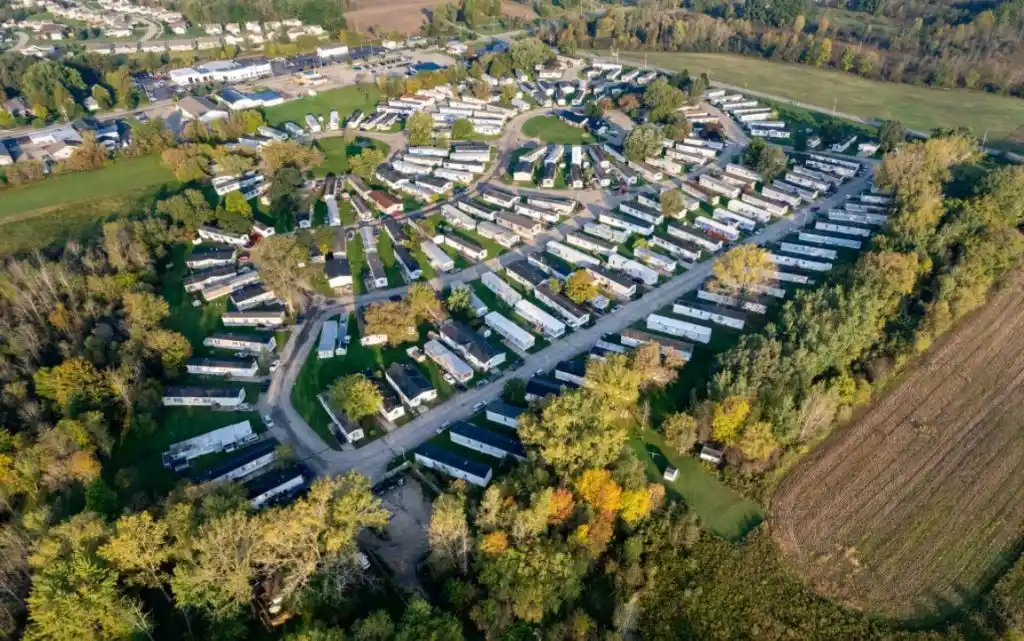
    Requirements to Live in Mobile Home Park

    Background Checks and Applications

    One of the most common requirements to live in a mobile home park is passing a background check. This step helps park managers keep their communities safe and quiet.

    You’ll likely need to:

    • Fill out an application with basic personal information.
    • Provide ID and proof of income.
    • Agree to a credit check.
    • Agree to a criminal background check.
    • Pay an application fee.

    Many parks look for steady income and no serious criminal history. A low credit score may not block you, but it could raise questions.

    Income and Employment Verification

    Most parks want to make sure you can pay your lot rent on time. They will ask for proof of income. You don’t always need to be employed full-time, but stable income matters.

    You can use:

    • Pay stubs
    • Social Security letters
    • Pension statements
    • Disability income
    • Bank statements showing regular deposits

    If you’re retired or on a fixed income, that is usually acceptable as long as you meet the park’s income requirements.

    Mobile Home Condition and Approval

    If you plan to move your own home into a park, it must meet certain standards. Many parks won’t accept older or damaged homes.

    Some common rules include:

    • Home must be HUD-approved (built after June 15, 1976)
    • Exterior must be clean and well-kept
    • Skirting, tie-downs, and steps must be up to code
    • Roof and siding must be in good shape
    • No broken windows or missing panels

    Before moving in, the park may inspect the home. If it needs repairs, you might have to fix them first.

    Rules About Pets and Vehicles

    Many parks allow pets, but there are limits. Each park sets its own pet policy.

    These may include:

    • Limit on the number of pets
    • Breed restrictions (often no large or aggressive breeds)
    • Size or weight limits
    • Pet registration and approval

    As for vehicles, parks usually allow one or two per home. They may also limit RVs, boats, or trailers unless there’s a special area for them.

    Other Common Park Rules

    Beyond the major requirements to live in a mobile home park, there are everyday rules all residents must follow. These help keep the community safe and peaceful.

    Common rules include:

    • Quiet hours at night
    • No illegal activity
    • Keep yards and porches clean
    • Follow parking guidelines
    • No subletting without approval
    • Follow community speed limits

    Breaking these rules can lead to warnings, fines, or eviction.

    Florida Law and Resident Rights

    Florida has laws that protect mobile home park residents. The Florida Mobile Home Act outlines the relationship between homeowners and park owners. It ensures fair treatment, proper notice for rent changes, and legal eviction procedures.

    Key rights include:

    • Right to written notice of rent increases (at least 90 days)
    • Right to receive a copy of park rules and lease terms
    • Right to contest unfair eviction in court
    • Right to sell or transfer your home with park approval

    Knowing your rights can help you feel more confident as a resident.

    Benefits of Living in a Florida Mobile Home Park

    While there are a few requirements to meet, many people love life in mobile home parks. These communities offer low-maintenance living, lower costs, and often a friendly neighborhood feel.

    Many parks also include:

    • Clubhouses for events
    • Pools and recreation areas
    • Lawn maintenance
    • Trash pickup and security
    • Community activities and gatherings

    Florida’s warm weather makes outdoor living comfortable most of the year, adding to the appeal.

    Preparing for the Application Process

    If you’re getting ready to apply, here are a few tips:

    • Gather all paperwork before visiting the park office
    • Ask for a full list of park rules
    • Bring proof of income or employment
    • Prepare references, if requested
    • Read the lease and application closely

    These small steps will help you get approved more quickly.

    FAQ: Requirements to Live in a Mobile Home Park in Florida

    1. Do all parks in Florida have age limits?
      No, only some parks are 55+ communities. Many are open to all ages.
    2. Can I live in a park if I have pets?
      Yes, but parks may have limits on pet size or breed.
    3. What kind of income do I need?
      You need a steady income to cover lot rent. Retirement income often qualifies.
    4. Do parks check credit scores?
      Many do, but a low score doesn’t always mean rejection.
    5. Is a background check required?
      Most parks require a criminal and financial background check.
    6. Can I move my own mobile home into a park?
      Yes, if the home meets park standards and passes inspection.
    7. What is lot rent?
      It’s the monthly fee for the land your mobile home sits on.
    8. Do parks allow roommates or visitors?
      Many allow them, but long-term guests may need approval.
    9. How long does the approval process take?
      It usually takes a few days to one week.
    10. Are all mobile home parks the same?
      No, each park has its own rules, rent, and requirements.

    Meeting the requirements to live in a mobile home park in Florida is often simple. With a steady income, a clean background, and a well-kept home, you can enjoy peaceful and affordable living in the Sunshine State. These parks offer strong communities and easy living for people from all walks of life.

    To learn more about mobile home living or to find your next home, visit The Mobile Home Dealer.


    See Also:

  • Are Mobile Home Parks Similar to HOAs?

    When it comes to housing options in the United States, there is a wide variety to choose from, each with its own set of advantages and disadvantages. Among these options, mobile home parks and homeowners’ associations (HOAs) are two distinct forms of community living that often raise questions about their similarities and differences. While both mobile home parks and HOAs share some common features related to community management and regulations, they are fundamentally different in terms of housing types, ownership structures, and the lifestyles they offer. In this article, we will explore the similarities and differences between mobile home parks and HOAs to help you better understand which one might be a better fit for your needs.

    Lake Village Mobile Home Park
    Lake Village Mobile Home Park

    Mobile Home Parks: Affordable Housing with a Sense of Community

    Mobile home parks are communities where individuals or families live in manufactured homes, also known as mobile homes or trailers, placed on leased land within the park. These homes can vary in size and design, offering an affordable alternative to traditional single-family houses. Mobile home parks typically feature a sense of community, and residents often form close-knit bonds with their neighbors. Here are some key characteristics of mobile home parks:

    1. Ownership Structure: In mobile home parks, residents typically own their mobile homes but lease the land on which their homes are situated. This ownership structure allows residents to enjoy the benefits of homeownership without the cost and responsibilities of owning land.
    2. Community Regulations: Mobile home parks often have community rules and regulations that govern various aspects of life within the park. These rules may include restrictions on the appearance of homes, noise levels, and other guidelines aimed at maintaining a peaceful and orderly community.
    3. Amenities and Services: Many mobile home parks offer common amenities and services, such as playgrounds, swimming pools, and maintenance of common areas. These facilities can contribute to a sense of community and convenience for residents.
    4. Affordability: Mobile homes are generally more affordable than traditional houses, making them an attractive option for individuals or families looking for cost-effective housing solutions.

    Homeowners’ Associations (HOAs): Regulated Communities with Shared Responsibility

    Homeowners’ associations (HOAs) are entities that govern and regulate planned communities or housing developments. These associations are most commonly associated with single-family homes, townhouses, and condominiums. Residents in HOA communities pay dues to cover common expenses and adhere to a set of rules and guidelines. Here are some key characteristics of HOAs:

    1. Ownership Structure: In HOA communities, residents typically own their homes and the land they sit on. The HOA is responsible for managing and maintaining common areas and enforcing community rules and regulations.
    2. Community Regulations: HOAs have a comprehensive set of rules and regulations governing various aspects of life within the community. These rules can cover everything from exterior home appearance to landscaping and noise levels.
    3. Amenities and Services: Many HOA communities offer a range of amenities, such as community centers, parks, swimming pools, and even security services. These amenities are funded by the dues paid by residents.
    4. Shared Responsibility: Residents in HOA communities share the responsibility of maintaining the common areas and adhering to the community’s rules. This shared responsibility can help ensure that the neighborhood is well-maintained and aesthetically pleasing.

    Similarities Between Mobile Home Parks and HOAs

    While mobile home parks and HOAs have distinct characteristics, they do share some similarities:

    1. Community Regulations: Both mobile home parks and HOAs have rules and regulations in place to maintain order and harmony within the community. These rules can cover aspects like home appearance, noise, and the use of common facilities.
    2. Amenities and Services: Both types of communities offer residents access to amenities and services. These can include common areas, recreational facilities, and maintenance services.
    3. Community Engagement: Both types of communities often foster a sense of community and encourage residents to participate in social activities and events.

    Differences Between Mobile Home Parks and HOAs

    Despite the similarities, there are several crucial differences between mobile home parks and HOAs:

    1. Ownership Structure: The most significant difference is the ownership structure. In mobile home parks, residents typically own their homes but lease the land, whereas in HOAs, residents own both their homes and the land they sit on.
    2. Housing Types: Mobile home parks are primarily composed of manufactured homes, which are distinct from traditional single-family houses. HOAs govern a variety of housing types, including single-family homes, townhouses, and condominiums.
    3. Cost: Mobile homes are generally more affordable than traditional homes, making mobile home parks an attractive option for those on a tight budget. HOAs tend to be associated with more upscale communities, and the associated dues can be higher.
    4. Flexibility: In mobile home parks, residents have the flexibility to move their homes if needed, while residents in HOAs do not have this option. Mobile homes are designed to be easily transported, while traditional homes are not.

    Choosing the Right Community for You

    The decision to live in a mobile home park or an HOA community ultimately depends on your preferences, budget, and lifestyle. Mobile home parks are an excellent choice for those seeking affordable housing and a strong sense of community, while HOAs provide regulated living in more traditional housing types. Consider your priorities, long-term goals, and financial situation when deciding between the two. Both options have their unique advantages and can provide a fulfilling living experience when matched with the right individual or family.

    Final Thoughts

    Mobile home parks and HOAs offer distinct forms of community living, each with its own set of characteristics and benefits. While they share similarities in terms of community regulations, amenities, and community engagement, they differ significantly in ownership structure, housing types, cost, and flexibility. The choice between these two options should be based on individual preferences, needs, and financial considerations, as both can provide a comfortable and fulfilling living experience when chosen wisely.


    See Also:

Reset password

Enter your email address and we will send you a link to change your password.

Get started with your account

to save your favourite homes and more

Sign up with email

Get started with your account

to save your favourite homes and more

By clicking the «SIGN UP» button you agree to the Terms of Use and Privacy Policy
Powered by Estatik