Tag: renting a mobile home

  • Are Mobile Homes Good for People Who Prefer Small Spaces?

    Are mobile homes good for people who prefer small spaces? The answer depends on individual preferences and lifestyle. Mobile homes offer a practical and compact living solution. For many, they provide comfort, affordability, and flexibility. Let’s explore why mobile homes might be a great choice for those who love small spaces.

    What Are Mobile Homes?

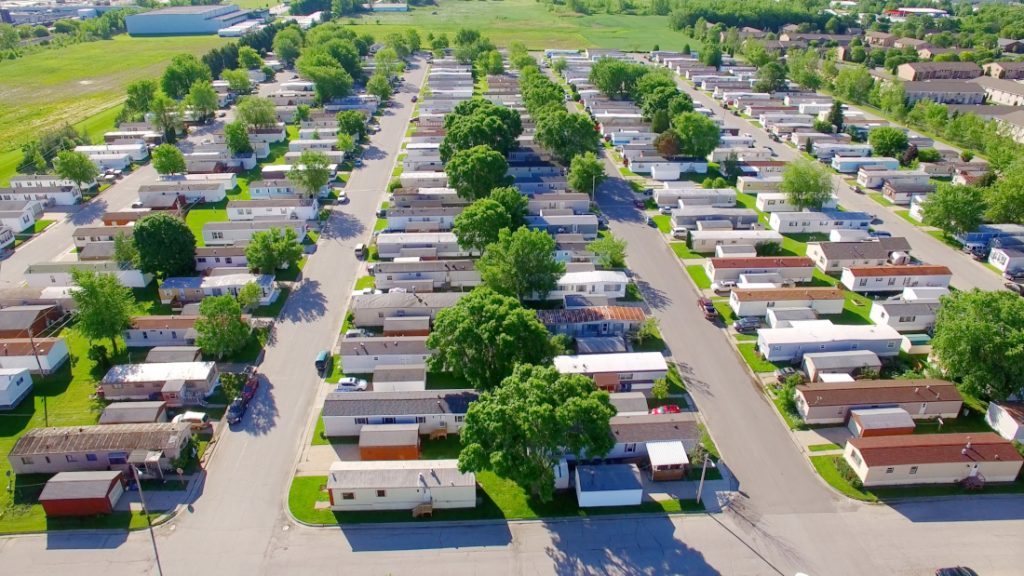
    Mobile homes are factory-built houses designed for easy relocation. They are usually placed in mobile home parks or private lots. These homes are built to specific standards, ensuring safety and durability. People often choose them for their compact size and lower cost compared to traditional homes.

    Are Mobile Homes Good for People Who Prefer Small Spaces

    Key Features of Mobile Homes:

    • Compact design, often ranging between 500 and 1,200 square feet.
    • Modern layouts with efficient use of space.
    • Flexibility to move or place on rented land.

    Mobile homes are a unique housing option that caters to a specific lifestyle. But are they good for people who prefer smaller spaces? Let’s find out.

    Advantages of Mobile Homes for Small-Space Living

    Mobile homes bring many benefits to those who like compact spaces. Here’s why they work well for small-space enthusiasts:

    1. Efficient Use of Space
      Mobile homes are designed to maximize every square foot. Clever storage options and open layouts make small living feel spacious.
    2. Affordability
      These homes cost much less than traditional homes. For people on a budget, mobile homes offer an excellent balance between price and functionality.
    3. Customizable Designs
      Many mobile homes come with customizable options. Owners can choose layouts, fixtures, and colors to match their style.
    4. Low Maintenance
      Smaller homes mean less to clean and fewer repairs. Mobile homes are perfect for those who want a low-maintenance lifestyle.
    5. Energy Efficiency
      Due to their size, mobile homes are often more energy-efficient. Utility bills stay manageable, which adds to their appeal.

    Considerations Before Choosing a Mobile Home

    While mobile homes have many perks, it’s important to weigh potential challenges. Before deciding, think about the following factors:

    • Land Placement: Mobile homes need a lot or a park for setup. Renting land can add extra costs.
    • Depreciation: Unlike traditional homes, mobile homes lose value over time. Resale may not bring a high return.
    • Weather Concerns: Mobile homes may face challenges in extreme weather. Owners should ensure proper anchoring and insulation.

    By understanding these factors, people can decide if mobile homes align with their priorities.

    Who Benefits Most from Mobile Homes?

    Mobile homes suit specific lifestyles and living preferences. Here’s who might find them the best fit:

    • Minimalists: Those who love simplicity and less clutter often enjoy the compact design of mobile homes.
    • Retirees: Downsizing retirees benefit from the affordability and low maintenance of mobile homes.
    • Frequent Movers: People who relocate often find mobile homes easy to transport or sell.

    For anyone who values simplicity, mobility, and affordability, mobile homes are a practical choice.

    How Do Mobile Homes Compare to Tiny Houses?

    Tiny houses and mobile homes are both small living options. However, they have differences that might influence a person’s decision.

    Mobile Homes:

    • Larger than most tiny houses.
    • Built to national standards for safety and durability.
    • Often placed in mobile home parks or on permanent lots.

    Tiny Houses:

    • Smaller, often under 400 square feet.
    • Designed for mobility, but some require special permits.
    • Typically custom-built with unique, compact layouts.

    For people who prefer small spaces, mobile homes offer more flexibility and practicality compared to tiny houses.

    Tips for Making the Most of a Mobile Home

    Living in a mobile home can be a rewarding experience. To maximize the benefits, consider these tips:

    1. Invest in Multi-Functional Furniture: Use furniture that doubles as storage or serves multiple purposes.
    2. Declutter Regularly: Keep only the essentials to make the space feel open and airy.
    3. Use Light Colors: Choose light tones for walls and furniture to create a spacious feel.
    4. Add Outdoor Living Space: Extend your living area with a small deck or patio.

    With a few adjustments, mobile home living can feel cozy and functional.

    Why Mobile Homes Appeal to Small-Space Enthusiasts

    Mobile homes attract people who prefer compact spaces for several reasons. The affordability of these homes makes them accessible to a wide range of buyers. Their efficient layouts provide comfort without excess. For those who value simplicity, mobile homes deliver a stress-free lifestyle.

    Additionally, mobile homes offer opportunities for personalization. Owners can make small changes to create a home that reflects their personality. From modern finishes to clever storage solutions, mobile homes can match any style.

    Final Thoughts on Mobile Homes and Small Spaces

    So, are mobile homes good for people who prefer small spaces? Absolutely. They offer a blend of affordability, comfort, and functionality. While they may not suit everyone, mobile homes cater to those who prioritize simplicity and compact living.

    Whether you’re a minimalist, a retiree, or someone who loves efficient spaces, mobile homes are worth considering. With thoughtful design and proper planning, these homes can provide a comfortable and enjoyable living experience.

    See Also:
     

  • How to Start a Mobile Home Investment Business

    Starting a mobile home investment business can be a profitable venture. Many investors are discovering how to start a mobile home investment business as an affordable and scalable way to build wealth. This investment involves buying, renting, and selling mobile homes for a profit. If you are considering this business, there are several steps you should follow to ensure success.

    Research the Mobile Home Market

    Before you begin, you must research the mobile home market. Starting a mobile home investment business requires knowledge of local market trends and demand. Begin by exploring areas where mobile homes are in high demand. This could include rural areas or locations with affordable housing shortages. Look for regions with a steady supply of mobile home parks and a strong rental market.

    You also need to understand the regulations surrounding mobile homes in your area. Different states and municipalities have varying mobile home ownership, zoning, and financing rules. Researching these laws can save you from potential legal troubles down the line.

    Secure Funding for Your Investment

    Next, securing funding is a key step in starting a mobile home investment business. Like any investment, buying mobile homes requires capital. You may use personal savings, apply for a loan, or partner with other investors to fund your business. Some investors use hard money loans, which are short-term loans, to finance mobile home purchases.

    Consider your investment strategy and determine how much money you will need. For instance, if you plan to buy mobile homes to rent, you’ll need enough capital to purchase them and make any necessary repairs. If you plan to buy, fix, and sell, you’ll also need funds for renovations.

    Choose the Right Mobile Homes

    Choosing the right mobile home is one of the most critical decisions in your investment process. Not all mobile homes will yield a high return on investment. Therefore, focus on well-built homes in good condition located in desirable areas. Look for homes with enough space to attract potential renters or buyers.

    When purchasing used mobile homes, inspect them thoroughly for structural, plumbing, or electrical damage. Repairing these issues can be costly, so avoid homes with significant problems unless you have the budget to renovate them.

    Understand Financing and Insurance Options

    Once you’ve chosen a mobile home, it’s important to consider financing and insurance options. If you are buying a mobile home outright, budget for insurance, maintenance, and repairs. If you plan to offer your renters or buyers financing, understand how to set up payment terms and interest rates. Consult with a financial advisor or loan officer to understand the best financing options.

    Mobile home insurance is crucial to protect your investment from damage due to weather, fire, or other disasters. Consider getting comprehensive coverage that includes the home, personal property, and liability.

    Set Up Your Mobile Home Park or Site

    If you plan to rent out mobile homes, you will need a location to place them. You can purchase land to set up your mobile homes or rent space in an existing home park. Purchasing land can offer greater control over the property, but it comes with higher upfront costs and maintenance responsibilities.

    Alternatively, renting space in a mobile home park may reduce upfront costs. However, it also means you must adhere to the park’s rules and share the property with other residents. Be sure to consider these factors carefully when deciding on your investment approach.

    Market Your Mobile Homes

    Effective marketing is vital when learning how to start a mobile home investment business. If you plan to rent mobile homes, use local advertising methods to find potential tenants. Websites, social media platforms, and local classifieds can be powerful tools for advertising your rental properties. Be clear about the terms of your lease agreements and ensure that the property is in good condition before showing it to tenants.

    If you sell a mobile home, consider listing it on real estate websites and local newspapers. High-quality photos and detailed descriptions of the property will attract more buyers. Additionally, offering financing options can help make the purchase more accessible to potential buyers.

    Manage Your Mobile Home Investments

    Once you have acquired mobile homes, effective management is key to maintaining profitability. If you rent mobile homes, ensure regular maintenance and promptly address tenant concerns. Regular inspections are essential to spot any damage early and repair it before it becomes more significant.

    If you are selling mobile homes, keep track of the sale process and ensure all legal documentation is completed correctly. You may also need to handle the transfer of titles and the financing process if you offer seller financing.

    Plan for Future Growth

    You may want to expand your mobile home portfolio as your business grows. Keep track of the market trends to identify opportunities for additional investments. You can start purchasing more mobile homes, improving existing properties, or expanding to different locations.

    Consider diversifying your investment strategy by buying homes in different price ranges or exploring mobile home parks. With careful planning and smart investments, your mobile home business can expand and provide steady profits.

    Conclusion

    Starting a mobile home investment business requires research, capital, and effective management. Begin by understanding the market and securing the necessary funding. Next, focus on choosing the right mobile homes and setting up a location for them. Market your properties well and provide excellent management to ensure long-term profitability.

    Following these steps and adapting to the challenges that arise can help you create a successful mobile home investment business. The mobile home market offers novice and experienced investors opportunities to generate income. With the right strategy, your business can grow and thrive.


    See Also:

  • Comparing Lot Rents in Florida: Which Regions Offer the Best Value for Mobile Home Owners?

    Florida is a prime destination for mobile home living, thanks to its warm climate, diverse communities, and the affordability of mobile homes. However, lot rents can vary significantly from one region to another, impacting the overall cost of living for mobile homeowners. In this article, we will conduct a comparative analysis of lot rents across various regions in Florida, identifying areas that offer the best value for mobile home residents.

    1. South Florida

    Key Areas: Miami, Fort Lauderdale, West Palm Beach

    Average Lot Rent: $800 – $1,200 per month
    South Florida is known for its vibrant lifestyle, beautiful beaches, and bustling cities. However, the cost of living can be high, especially in urban areas like Miami and Fort Lauderdale. Mobile home park lot rents in these regions tend to be on the higher end of the spectrum due to demand and proximity to amenities. While residents enjoy access to entertainment, dining, and cultural attractions, those seeking affordability may want to look further north or inland.

    2. Central Florida

    Key Areas: Orlando, Kissimmee, Ocala

    Average Lot Rent: $600 – $900 per month
    Central Florida offers a balance between affordability and access to attractions. Orlando, known for its theme parks and entertainment options, has mobile home parks with relatively moderate lot rents. Kissimmee and Ocala provide more affordable options, with rents often below $800. Central Florida is a popular choice for retirees and families alike, with ample recreational opportunities and community amenities.

    Comparing Lot Rents in Florida

    3. North Florida

    Key Areas: Jacksonville, Gainesville, Tallahassee

    Average Lot Rent: $500 – $800 per month
    North Florida generally has some of the most affordable lot rents in the state. Jacksonville, being the largest city, has a wide range of mobile home parks with competitive rents, while Gainesville and Tallahassee offer even lower rates. This region is ideal for those looking for a quieter lifestyle, with a mix of urban and rural environments. The cost of living is significantly lower than in South Florida, making it a great option for budget-conscious residents.

    4. The Panhandle

    Key Areas: Pensacola, Panama City Beach, Destin

    Average Lot Rent: $400 – $700 per month
    The Florida Panhandle is known for its stunning beaches and natural beauty, offering some of the most affordable lot rents in the state. Pensacola and Panama City Beach have mobile home parks with rents often below $700. This region attracts retirees and vacationers, with a slower pace of life and access to outdoor activities. Residents enjoy a sense of community and often participate in local events and gatherings.

    5. Southwest Florida

    Key Areas: Fort Myers, Naples, Sarasota

    Average Lot Rent: $600 – $1,000 per month
    Southwest Florida boasts beautiful beaches and a wealth of outdoor activities. Lot rents in this region can vary widely, with Naples typically being on the higher end due to its luxury market. However, Fort Myers and Sarasota offer more affordable options, often around the $600 mark. The region is popular among retirees and families looking for a vibrant community and access to quality amenities.

    Conclusion

    When comparing lot rents across Florida, it’s clear that North Florida and the Panhandle offer the best value for mobile homeowners, with lower average rents and a peaceful lifestyle. Central Florida strikes a balance between affordability and access to urban amenities, while South Florida’s rents tend to be higher, reflecting the demand for its vibrant lifestyle. Southwest Florida presents a mix of affordable and higher-end options, appealing to various demographics.

    Ultimately, the best region for mobile home living in Florida depends on individual preferences, lifestyle needs, and budget considerations. By evaluating the cost of lot rents alongside available amenities, prospective mobile home residents can make informed decisions about where to settle down in the Sunshine State.


    See Also:

  • Negotiating Lot Rents: Tips for Mobile Home Owners in Florida

    Negotiating lot rents can be a daunting task for mobile homeowners in Florida, particularly as costs continue to rise in many parks. However, with the right strategies and a clear understanding of your lease agreement, you can successfully negotiate more favorable terms with park management. Here are practical tips to help you navigate the process effectively.

    1. Understand Your Lease Agreement

    Review Lease Terms

    Before initiating any negotiations, take the time to thoroughly review your lease agreement. Understanding the terms and conditions of your lease is crucial for effective negotiation.

    • Rent Increase Clauses: Identify any clauses related to rent increases. Many agreements specify how much and how often rent can be raised.
    • Duration of Lease: Check the duration of your lease. Longer leases may offer more stability, while shorter leases may allow for more frequent negotiations.
    • Included Services: Understand what services and amenities are included in your lot rent. This can include water, trash collection, maintenance, and access to community facilities.

    Negotiating Lot Rents

    Know Your Rights

    Familiarize yourself with Florida’s laws regarding mobile home parks and tenant rights. This knowledge can empower you during negotiations and help you understand what is reasonable to ask for.

    • Florida Statute 723: This statute regulates mobile home parks in Florida, outlining tenants’ rights and park owners’ responsibilities. Knowing this information can give you leverage in negotiations.

    2. Research Comparable Lot Rents

    Market Comparison

    Gather data on what other mobile home parks in your area charge for lot rent. This information can help you establish a fair range for negotiations.

    • Online Listings: Check real estate websites and local listings for comparable mobile home parks and their lot rents.
    • Talk to Neighbors: Speak with other residents in your park or nearby parks to gather insights on their lot rents and experiences with negotiations.

    Understand Local Market Trends

    Stay informed about local real estate trends that might affect lot rents, such as demand, nearby developments, or economic factors. Understanding these trends can help you argue for a reasonable rate based on current market conditions.

    3. Prepare Your Case for Negotiation

    List Improvement Suggestions

    If you have made improvements to your mobile home or the lot itself, be sure to highlight these during negotiations. Improvements can justify a lower lot rent or at least prevent an increase.

    • Landscaping: If you have improved the landscaping or aesthetics of your lot, document these changes.
    • Upgrades: Highlight any upgrades to utilities or structures that enhance the overall value of the park.

    Build a Value Proposition

    Create a list of reasons why negotiating your lot rent is beneficial for both you and the park management. Emphasizing your positive contributions to the community can strengthen your case.

    • Community Stability: As a long-term resident, you contribute to the park’s stability, which benefits all residents and the management.
    • Timely Payments: If you consistently pay your rent on time, emphasize your reliability as a tenant.

    4. Initiate the Conversation

    Schedule a Meeting

    Once you’re prepared, request a meeting with park management to discuss your lot rent. Ensure you choose a time when they are likely to be receptive and open to discussion.

    • Professionalism: Approach the meeting with professionalism. Treat it as a business discussion rather than a personal confrontation.

    Present Your Case

    During the meeting, present your case clearly and confidently. Use the data you’ve gathered to back up your requests.

    • Be Specific: Clearly state what you’re asking for, whether it’s a reduction in lot rent, a cap on future increases, or additional services included in your rent.
    • Listen: Allow park management to share their perspective and reasoning. Listening can foster a more collaborative environment.

    5. Discuss Improvements and Amenities

    Highlight Community Enhancements

    If you believe improvements to the community could justify your request, be prepared to discuss these with park management.

    • Shared Amenities: Discuss whether the amenities provided align with the lot rent you are paying. If certain amenities are lacking or not being maintained, this can be a valid point for negotiation.
    • Maintenance Issues: If there are unresolved maintenance issues in the park, bring these to management’s attention as a basis for your negotiation.

    Suggest Shared Improvements

    Propose ideas for community enhancements that could benefit all residents, possibly leading to a more stable or lower rent structure.

    • Community Events: Suggest organizing community events to build camaraderie among residents, which can enhance the park’s overall appeal and stability.
    • Safety Improvements: Discuss any potential safety improvements, such as better lighting or security measures, that could improve the living environment for everyone.

    6. Be Open to Compromise

    Flexibility in Negotiations

    Be prepared to compromise during negotiations. Park management may have their own constraints and may not be able to meet all your requests.

    • Alternative Solutions: If they cannot lower the rent, consider negotiating for other benefits, such as enhanced maintenance services or improvements to community amenities.
    • Long-Term Agreements: Consider proposing a longer lease agreement in exchange for a more favorable rent rate.

    7. Follow Up in Writing

    Document the Agreement

    After the negotiation, summarize the key points discussed and any agreements made in writing. This creates a record that both parties can refer to later.

    • Confirmation Letter: Send a follow-up email or letter thanking the management for the meeting and outlining the agreed-upon terms. This documentation can help prevent misunderstandings in the future.

    Stay Engaged

    Continue to engage with park management on a regular basis. Keeping an open line of communication can foster a positive relationship and make future negotiations easier.

    Conclusion

    Negotiating lot rents can be challenging for mobile homeowners in Florida, but with careful preparation and a strategic approach, it’s possible to achieve a favorable outcome. By understanding your lease agreement, researching comparable rents, and presenting a well-prepared case, you can confidently navigate negotiations with park management. Remember to stay professional, be open to compromise, and document all agreements for a smoother process in the future.


    See Also:


  • 10 Reasons Why Owning a Mobile Home Can Be a Better Option Than Renting an Apartment

    The American dream of homeownership remains a powerful motivator, but traditional houses can be a significant financial commitment.  For many, especially first-time homebuyers, mobile homes offer a compelling alternative to renting an apartment.  While both options have pros and cons, mobile homes can provide numerous advantages, making them a viable path towards homeownership and potentially greater financial security.  Here are ten reasons why a mobile home might be the perfect fit for you:

    renting an apartment

    1. Affordability: Undoubtedly, the most significant advantage of mobile homes is their affordability.  The upfront cost of purchasing a mobile home is considerably lower than buying a traditional house.  Even factoring in the cost of land rent in a mobile home community, you’ll likely save a significant amount compared to monthly apartment rent.
    2. Building Equity: When you rent an apartment, your monthly payments contribute to someone else’s wealth.  Owning a mobile home allows you to build equity with each payment.  Over time, as you pay down your mortgage, the value of your mobile home can increase, providing you with financial security and the potential for future profit if you decide to sell.
    3. Sense of Ownership and Customization: Unlike apartments, where modifications are often restricted, mobile homes offer a sense of ownership and the freedom to personalize your space.  Within the community guidelines, you can paint the exterior, add landscaping touches, or make minor renovations to create a home that reflects your style and preferences.
    4. Faster Move-in Process: Purchasing and moving into a mobile home can be considerably faster than buying a traditional house.  Mobile homes typically require less paperwork and fewer inspections, allowing you to settle into your new home quicker.
    5. Downsizing Option for Empty Nesters: Mobile homes are an attractive alternative for empty nesters looking to downsize from a large house.  They offer a comfortable living space with lower maintenance requirements and property taxes compared to a traditional home.  This allows you to free up capital and potentially enjoy a more manageable lifestyle.
    6. Community Living: Many mobile home communities offer a strong sense of community, fostering social interaction and neighborly connections.  This can be particularly appealing for those seeking a close-knit environment or a supportive network.  Some communities may even provide amenities like swimming pools, playgrounds, or clubhouses, enhancing the overall living experience.
    7. Potential for Land Ownership: While some mobile homes are situated on rented land within communities, there’s also the option to purchase a plot of land and place your mobile home on it.  This allows you to own both the dwelling and the land, providing greater long-term control and potential for appreciation in value.
    8. Mobility (to a certain extent): Mobile homes, by their very nature, offer a degree of mobility that traditional houses don’t.  While the process of relocating a mobile home is complex and requires specific permits, it can be an option if you anticipate future job changes or a desire to move to a different location.
    9. Lower Maintenance Costs: Mobile homes generally require less maintenance compared to traditional houses.  The smaller square footage means less upkeep for tasks like painting, landscaping, or roof repairs.  Additionally, some mobile home communities handle common area maintenance, reducing your overall burden.
    10. Environmentally Friendly Options: Modern mobile homes are being built with energy-efficient features and sustainable materials.  This can lead to lower energy bills and a smaller environmental footprint compared to older, less efficient housing options.

    Considering the Downsides

    It’s important to acknowledge that mobile home ownership also has drawbacks to consider:

    • Limited Appreciation: Mobile home values typically don’t appreciate at the same rate as traditional houses. While they can offer some potential for value increase, it might not be as significant over time.
    • Financing Challenges: Obtaining financing for a mobile home can be more challenging compared to traditional mortgages. Interest rates may be higher, and lenders might require a larger down payment.
    • Community Restrictions: Mobile home communities often have specific rules and regulations regarding appearance, renovations, and pet ownership. Living within these guidelines is essential for maintaining a harmonious living environment.
    • Resale Considerations: The resale market for mobile homes can be less liquid compared to traditional houses. Finding a buyer might take longer, and the final sale price may be lower than your initial purchase price.

    Making an Informed Decision

    Ultimately, the decision between renting an apartment and owning a mobile home depends on your individual circumstances, priorities, and long-term goals.  If affordability, a sense of ownership, and potential equity building are important to you, a mobile home can be a viable path toward achieving your dreams.


    See Also:


Reset password

Enter your email address and we will send you a link to change your password.

Get started with your account

to save your favourite homes and more

Sign up with email

Get started with your account

to save your favourite homes and more

By clicking the «SIGN UP» button you agree to the Terms of Use and Privacy Policy
Powered by Estatik