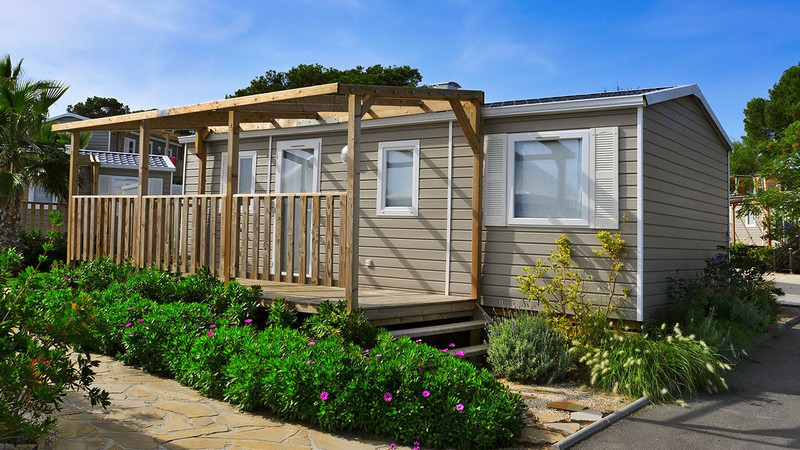
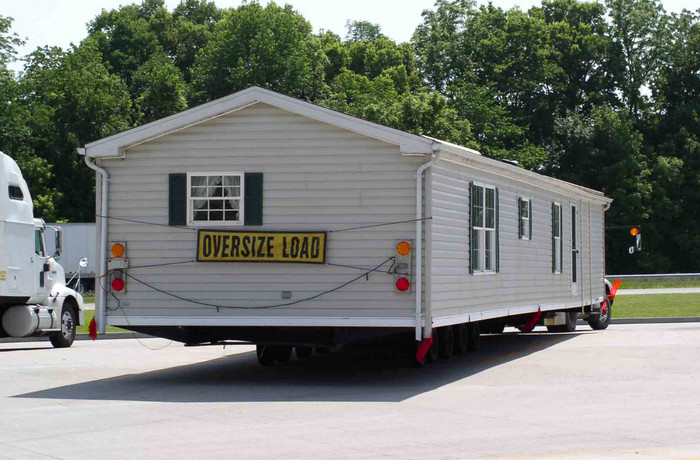
Learning how to buy a mobile home from a private owner is a smart way to find a great deal. Private sales often give buyers more flexibility, lower prices, and faster transactions.
Mobile homes offer comfortable, affordable living, making them a great choice for many families.
Why Buy a Mobile Home From a Private Owner?
Choosing to buy a mobile home from a private owner offers many advantages compared to buying through dealers.
Some benefits include:
Lower overall prices without dealer fees
Direct communication with the seller
Easier negotiation on terms and move-in dates
Buying privately often means you get a better deal and a more personal experience.
Steps to Buy a Mobile Home From a Private Owner
Knowing the right steps makes it much easier to buy a mobile home from a private owner.
Here is a simple process to follow:
Find a mobile home listing that fits your needs
Contact the seller and ask for detailed information
Arrange to see the mobile home in person
Hire an inspector to check the home’s condition
Agree on a price and sign a written agreement
Transfer the title and pay the agreed amount
Move into your new home and enjoy
Each step brings you closer to owning the mobile home you want.
How to Buy a Mobile Home From a Private Owner Online
Today, it is very common to buy a mobile home from a private owner online. Many websites list private-sale mobile homes with detailed photos and descriptions.
Some popular places to search include:
Craigslist
Facebook Marketplace
Local classified ads
Specialty mobile home websites
Always meet the seller in person before sending any money. A quick visit helps avoid scams and makes sure the home meets your expectations.
Tips for Purchasing a Mobile Home With Cash
Many buyers choose to purchase a mobile home with cash to make the process faster and simpler.
Here are a few reasons cash is helpful:
No loan approval delays
Stronger bargaining power with the seller
No monthly loan payments
If you plan to pay cash, bring proof of funds when making an offer. Sellers often prefer cash buyers because they can close the deal more quickly.
How to Buy a Mobile Home With No Money Down
Learning how to buy a mobile home with no money down can help buyers who want to save upfront costs. Some financing programs, like VA loans and USDA loans, offer options with little to no down payment.
Private sellers may also offer:
Owner financing with no down payment
Rent-to-own agreements
Discounted deals for fast sales
Talking openly with the seller often helps you find a deal that fits your budget.
Important Documents When Buying From a Private Owner
When you buy a mobile home from a private owner, make sure to collect all important documents.
You will need:
The mobile home title, signed by the seller
A bill of sale detailing the terms
Any home inspection reports
Proof of taxes paid and community fees (if in a park)
These documents protect your ownership rights and avoid problems later.
Inspect the Home Before You Buy
Always inspect the mobile home carefully before making your final decision. Even if the home looks good, hidden problems can lead to costly repairs.
Key areas to check include:
The roof and ceilings for leaks
Plumbing, electrical, and heating systems
The flooring for soft spots
The condition of windows and doors
Hiring a professional inspector can save you thousands in unexpected repairs.
Negotiate the Best Price
When you buy a mobile home from a private owner, you often have more room to negotiate.
Helpful negotiation tips:
Offer a fair starting price based on condition
Point out any needed repairs
Show serious intent with proof of funds
Stay friendly and respectful during talks
Sellers appreciate serious buyers who are ready to move forward.
Final Steps Before Moving In
Once the sale is final, there are a few last things to do before moving into your new mobile home.
Make sure you:
Transfer utilities like water, electricity, and internet
Update your address with the post office
Check with the mobile home park about residency rules (if applicable)
A little preparation ensures a smooth and happy move.
FAQ About Buying a Mobile Home From a Private Owner
Can I buy a mobile home directly from a private owner?
Yes, buying directly can often save you money and speed up the process.
How do I find mobile homes for sale by private owners?
Look online, in local newspapers, and on community bulletin boards.
Is a home inspection needed when buying privately?
Yes, inspections help catch any hidden problems before you commit.
Do I need a lawyer to buy a mobile home from a private owner?
It is not required, but legal help can make paperwork safer.
What should be in the bill of sale?
Include the home price, address, buyer and seller information, and terms of the sale.
How do I pay for a private sale?
You can use cash, a cashier’s check, or set up a wire transfer.
Can I finance a private sale of a mobile home?
Yes, many lenders offer loans for private sales, but terms may vary.
Who handles the title transfer?
Usually, the buyer and seller go together to the local title office.
What fees should I expect when buying from a private owner?
You may pay title transfer fees, taxes, and possibly inspection costs.
Is it safe to buy a mobile home from a private owner?
Yes, as long as you inspect the home and verify the title is clear.
Purchasing a mobile home can seem like an affordable alternative to traditional homeownership, but it comes with hidden costs. Many buyers focus on the initial price, but overlooking additional expenses can lead to unexpected financial strain. This guide helps you navigate the hidden costs of buying a mobile home.
1. Land and Lot Fees
One of the most significant hidden costs involves the land or lot fees. These fees can add up quickly if you purchase a mobile home that requires renting land in a park.
Monthly lot rent: In mobile home parks, you will pay monthly rent for the land your home occupies.
Costs vary: Rent can range from $200 to $1,000, depending on location, amenities, and park rules.
Not included in mortgage: Lot rent is separate from your mortgage payment and may increase over time.
2. Insurance Costs
Mobile home insurance is often more expensive than traditional homeowners insurance. You must protect your home and its contents, especially in hurricane-prone areas like Florida.
Insurance policies: Mobile home policies typically cover the home structure, personal property, and liability.
Premium costs: Insurance premiums can range from $300 to $2,000 annually, depending on coverage and location.
Flood insurance: Additional flood insurance may be required, especially in flood-prone areas.
3. Maintenance and Repairs
Mobile homes require maintenance to keep them in good condition. Many people need to pay more attention to the ongoing costs of repairs and upkeep.
Roof maintenance: Mobile home roofs are often flat or low-pitched, requiring regular inspections and maintenance.
Plumbing and electrical: Older homes may require updates to meet modern standards.
Foundation repairs: Mobile homes can shift over time, so you may need foundation repairs to prevent structural damage.
4. Utilities and Energy Costs
Utility costs vary widely based on your mobile home’s size, age, and location. Older mobile homes often have inefficient insulation, leading to higher energy bills.
Heating and cooling: Poor insulation can lead to higher heating and cooling costs, especially in extreme climates.
Electricity and water: Utility rates can increase depending on your local provider.
Water and sewer: Some parks charge for water and sewer services, while others include them in lot fees.
5. Financing Costs
Financing a mobile home is not always straightforward, and interest rates tend to be higher than traditional homes.
Higher interest rates: Mobile home loans usually have higher interest rates because lenders consider them riskier investments.
Loan term: Loan terms for mobile homes tend to be shorter than for traditional mortgages, which means higher monthly payments.
Down payment: You may need to make a larger down payment, mainly if the home is older or in a park.
6. Property Taxes
While mobile homes are generally less expensive than traditional homes, they are still subject to property taxes.
Tax assessments: Property taxes are based on the home’s value, which can fluctuate over time.
Local tax rates vary depending on the county or municipality, and some areas have higher property tax rates than others.
Tax increases: Be prepared for annual increases, which can impact your budget.
7. HOA or Park Fees
Many mobile home parks charge homeowners additional fees for amenities and services. These fees are often overlooked but can add significant costs.
Monthly park fees: Parks may charge fees for maintenance, security, or amenities like a clubhouse or pool.
Homeowner’s association (HOA): Some mobile home communities are governed by an HOA, which may charge monthly or annual fees.
Fee increases: These fees can increase over time, sometimes unexpectedly.
8. Moving and Setup Costs
If you purchase a mobile home that needs to be moved, you will incur additional expenses for transport and setup.
Transporting the home: The cost of moving a mobile home varies depending on its size and distance.
Setup costs: After the home is moved, you may need to pay for setup, including leveling, foundation work, and utility hookups.
Special permits: Some areas require permits for moving mobile homes, adding additional costs.
9. Depreciation
Unlike traditional homes, mobile homes tend to depreciate over time. This means the value of your investment may decline faster than you expect.
Declining value: Mobile homes generally lose value, especially as they age.
Market fluctuations: Local market conditions can impact the resale value of your home.
Financing challenges: Depreciation makes refinancing or selling your mobile home harder for a profit.
10. Home Inspection Costs
Before purchasing a mobile home, inspecting it to avoid hidden issues is wise. The cost of a professional home inspection is an additional upfront expense.
Inspection fees: Home inspection costs for mobile homes typically range from $300 to $500.
Potential repairs: An inspection may uncover foundation problems, plumbing leaks, or electrical hazards that need repair.
Negotiating repairs: You may need to negotiate the cost of repairs with the seller or adjust your offer.
11. Upgrades and Customization
To personalize your mobile home, be prepared for additional costs. Many buyers need to pay more attention to the price of upgrades or renovations.
Interior upgrades: Customizing interiors with new flooring, appliances, or paint can be costly.
Outdoor upgrades: If you own the land, add a deck, landscaping, or a fence.
Modernization: Older mobile homes may need to be updated to meet current standards or improve energy efficiency.
12. Insurance Gaps
While mobile home insurance covers certain aspects of the home, some areas might be excluded.
Personal property coverage: Not all policies cover personal belongings inside the mobile home, so you may need renter’s insurance.
Flooding or storm damage: Mobile homes are more vulnerable to weather damage, and standard insurance may not cover flooding or storms.
Additional coverage: You may need specialized coverage for extreme weather or other risks.
13. Unforeseen Costs During Ownership
Owning a mobile home comes with unexpected costs. Over time, issues may arise that were not initially apparent.
Repairs from wear and tear: As mobile homes age, they require more frequent repairs.
Replacement parts: Finding replacement parts for older mobile homes can be difficult and expensive.
Increased maintenance needs: Over time, wear and tear can require ongoing maintenance, increasing expenses.
Conclusion
While mobile homes offer affordability, they come with many hidden costs. It’s important to consider all expenses beyond the purchase price to avoid financial surprises. From land fees and insurance to maintenance and repairs, these costs can add up quickly. By understanding and preparing for these expenses, you can make a more informed decision when purchasing a mobile home. Always budget for the long-term costs to ensure your mobile home remains a wise investment.
With the speed at which mobile homes are selling in and around the greater Sarasota, Florida, area, many Buyers are concerned about how they can secure their purchase as fast as possible so that other eager Buyers cannot come in and buy the mobile home out from underneath them.
Before we secure the mobile home for sale we first have to make sure that we have an accepted offer!
But, how is that done?!
We, here at The Mobile Home Dealer, follow a straightforward process that we have found to be as fair as possible for both the Buyer and Seller of the mobile home that is for sale.
The first step we have to have done is a written offer. While we certainly can appreciate the excitement that a verbal offer provides when a Buyer takes a look at one of the mobile homes that we have under the listing contract, we cannot accept this. The reason for not accepting a verbal offer is that we want to always make sure there is a written record of exactly what was offered for the home, what was counter-offered, and what was finally agreed upon for the sale price of the mobile home.
Having a written record of the entire transaction will help everyone involved see exactly how the purchase has progressed from the initial offer to the closing.
After a written offer is made, for which we usually take all written offers via email, we then provide the written offer to the Seller to see if they want to accept the offer, counter offer or dismiss the offer as a whole.
If the Seller decides to dismiss the written offer made by the Buyer then the offer process is over.
If the Seller decides to counteroffer the Buyer then we will go back to the Buyer and let them know what the Seller requested to see if they want to accept, decline, or continue to counteroffer the Seller.
Florida mobile home
If the Seller accepts the written offer from the Buyer then we will notify the Buyer that they will then need to go forward and begin the process of getting the park approved within 24 hours of the accepted offer.
Once we have an accepted offer we will then have to wait to get the Buyer approved by the park before they are able to move forward with giving the deposit for the home.
The reason for this wait is that we, at The Mobile Home Dealer, are licensed bonded, and insured mobile home brokers with the state of Florida and we are not allowed to sell a mobile home to someone who is not park-approved.
If we have an accepted offer and the Buyer is not approved then we can not sell them the home.
If someone else comes forward and makes a written offer that is accepted and they have their park approval letter before the first Buyer is park approved then the second Buyer will be able to buy the home.
The speed at which a Buyer makes a written offer gets it accepted and then gets approved by the park is of utmost importance because, at any time, there may be another Buyer that comes forward who is already park-approved and able to buy right away.
Selling a mobile home can be complicated for many, especially those who don’t have proper knowledge of how to do it right. Doing it wrong could only complicate and lengthen the process.
Selling your mobile home can be easy and quick if you’ll follow the essentials needed before selling it. Fix up all maintenance issues, consult professionals who know more about selling your mobile home, price your home at an acceptable rate, and plan everything before you post it for sale. Participating in online auctions, selling via a real estate broker, or advertising your mobile home online and offline are great ways to sell it fast.
Marketing:
So many times we see sellers not know how to market their home correctly and, as such, are stuck holding on to their property longer than anticipated. Or, worse yet, they take a lower offer on their home than what they could have gotten simply because they are taking the first and, oftentimes, the only offer that comes in the door. The less marketing that is done the fewer offers will present themselves.
Any time of year is a great time to look for and sell a mobile home in and around the greater Sarasota Florida area.
The reason for this is that folks are looking to move down to Florida all the time and are actively looking to purchase a safe, clean, and affordable home. This Buyer is not normally looking to buy only one or two times a year but, rather, year-round.
The key to getting your mobile home sold all year round is to have the home priced correctly and marketed like crazy. Putting a For Sale sign in the front yard may get some calls but rarely will it provide a qualified Buyer.
Sun Shine RV Resort
Most snowbirds are looking for fun and are weighing their options between the current home they are renting and actually moving forward with the purchase of their own mobile home.
With this understanding, we at The Mobile Home Dealer, feel that selling your mobile home any time of the year is the best time and not to hold out and gamble on a snowbird buying your mobile home right when they arrive or right before they look to leave.
Deciding whether or not to put your mobile home for sale depends on several factors. In the first place, it is important to analyze in what situation is the sector; That is, if it is an optimal moment objectively speaking or if on the contrary, it is better to wait to see how the market evolves.
Regardless of the above, each owner must carefully analyze what their economic and vital needs are. However, as we have said, it is a good time to put a mobile home for sale.
As we have mentioned many times, the sales prices of mobile homes will continue to rise. Of course, within the limits considered normal, so, for now, experts discard a real estate bubble.
This is Mark Kaiser with The Mobile Home Dealer and we help mobile home Buyers and Sellers get to a better place in life.
Thinking of buying a mobile home in Florida involves careful considerations. From assessing park amenities to understanding local regulations, this article explores the key factors prospective buyers should weigh. Navigating through these considerations ensures a well-informed decision and paves the way for a satisfying and harmonious mobile home living experience in the Sunshine State.
Many people, both young and old, are drawn to Florida because of its pleasant year-round temperature, its abundance of beautiful beaches, and its lack of state income taxes.
Florida is well-known for its high quality of life and low cost of living. Communities of all types, from those catering to retirement communities to those catering to people living in mobile homes, have found a home in Florida.
Those who choose to make Florida their home can settle either inland or along the coast. The large size of the state makes it possible for a wide range of manufactured housing options, including the increasing popularity of mobile home communities and the purchase of prefabricated homes for individual lots.
How to Get Started Acquiring a Mobile Home in Florida
It’s exciting to be prepared to take the next step toward mobile living in Florida, but it’s also important to be well-informed.
Mobile Home in Florida
That depends on your financial situation. To begin the process of purchasing a mobile or modular home in Florida, you should first determine your budget. Like when you’re buying just the house, you can figure out how much you can afford by using a mortgage calculator.
What You Should Know Before Purchasing a Mobile Home in Florida
In 2020, a new single-wide manufactured home cost about $59,000, while a double-wide cost less than $115,000. New homes of 2,000 square feet cost close to $307,000 to build or about $150 per square foot.
In addition, if you buy a brand-new manufactured house, you can alter it to fit your preferences. While the initial purchase price of a previously occupied mobile home may be lower, the time and money spent making it your own may prove to be more costly in the long run.
A manufactured home can be customized to the buyer’s liking in terms of size, features, and aesthetics by dealing with the manufacturer directly.
Buying brand-new gives people a chance to get the reasonably priced dream house they want.
1. Choose Where You Want to Live
Your monthly costs can be better estimated if you choose between living in a community and purchasing your land. It’s up to you to decide between these two very different ways of living.
2. Financing Options Available
Buyers may find other sources of financing besides specialized banks. FHA, VA, USDA Rural, Chattel, HUD (Hud code), and other conventional loan options are available to qualified borrowers. New manufactured home buyers with low credit scores or incomes may be able to qualify for a specialized personal property loan.
Submit a personal loan or manufactured home loan request to the financial institution of your choice.
Mobile Home in 55+ community
The next phase of your life begins once you’ve finished these.
Rather not go through the trouble of these procedures? In this case, SellMobileHome.com will handle everything for you.
3. Registration and Titling
If you’re a Florida resident and you just bought a mobile home, new or used, you need to register it with the Florida Department of Motor Vehicles. Make sure the person or business you’re buying the house from initiates the title application.
The decal must be placed in an outward-facing window after registration and payment of the appropriate fee (fees vary by home size) has been made; a notary public is not required for the conveyance of real property titles.
4. Taxes
The taxes on your new mobile home will become your responsibility once you have obtained the title (consequently, ensure that all payments are current.). A purchaser shall be responsible for the payment of the 6% state sales tax and all other applicable local taxes.
In Florida, mobile home taxes are typically calculated in one of two ways:
As a yearly fee paid to the DMV for a new license plate and window sticker (annual license tax). Every year, you’ll need to pay real property taxes and replace the decal in your window.
Specifically, as physical land, mobile homeowners can avoid dealing with the Department of Motor Vehicles altogether if their mobile home is permanently attached or set up on their real property.
5. When to Buy a Mobile Home in Florida
Prices for manufactured homes are notoriously unstable. During January through March, mobile home prices tend to be lower on average, and sometimes even discounts are offered.
You should wait until the mobile home market improves before making a purchase. The timing and location of your purchase of a mobile home are important considerations.
6. Sizes of Mobile Homes
Single-wide, double-wide, and triple-wide manufactured homes are the three most common configurations. Most single-wides are 15 feet wide. Double-wides are typically 26 feet in width, while triple-wides can be as wide as 45 feet.
The width is the only defining characteristic of this category of mobile homes; the layout is not specified. Since the price of smaller and larger mobile homes is roughly the same, it is clear that the larger mobile home is the better investment.
7. Learn About the Available Floor Plans
A wide variety of floor plans are available for manufactured homes, making them suitable for a wide range of household configurations.
Things like living space, the need for a home office, the size and features of the kitchen, and the number of bedrooms and bathrooms that need to be dedicated to the master are all crucial.
Before consulting with mobile home builders, make a list of your family’s requirements and any best practices you’ve found useful.
8. Conduct Your Due Diligence
Look into Florida’s public records to spot any problems with a mobile home’s history before you buy. Examples of this could be:
Examining cases involving evictions, title disputes, and other legal matters at the office of the clerk of court.
By contacting the local code enforcement office, you can inquire about the most severe violations in your area.
You need to verify if the unit is for sale or if it’s changed ownership recently.
Vehicle inspection through Florida’s (DHSMV) utilizing a mobile home’s VIN.
9. Understand Your Customization Options
The total price of your brand-new manufactured house will be determined by factors like its size, layout, and level of personalization. Modern mobile homes offer a wide range of opulent conveniences and are built with superior materials.
Customers who order a new manufactured home but don’t specify the upgrades they want often end up dissatisfied with their purchase. Buyer satisfaction increases when all their desired features can be included in such a reasonably priced home.
Mobile Home in 55+ community
10. Understand Possible Additional Costs
When applying for a mortgage on a new mobile home, it’s important to factor in not just the total cost of the house itself or closing costs but also the costs of utilities, and maintenance when you buy a mobile
home insurance, mobile homeowners association fees, and anything else that might pop up. When you see the completed product, purchasing a new manufactured home appears simple.
Is Buying a Mobile Home in Florida Secure?
It is safe to buy a mobile home in Florida. Since 1976, the federal government has enforced strict regulations concerning the building of mobile homes.
Two years after Hurricane Andrew wreaked havoc across much of Florida as a Category 5 storm, regulations were tightened even further.
Therefore, unlike site-built homes, manufactured homes are subject to stricter federal regulations regarding wind resistance during inclement weather conditions. Furthermore, manufactured homes in Florida have had to adhere to more stringent state safety standards for installation (properly installed) and tie-downs since 1999.
When is the Best Time to Purchase a Mobile Home in Florida?
There is no definitive rule. There are many variables to consider. How important is it to have pre-approval for financing? When does your lease end? Exactly how badly do you want to change locations? To what extent are you willing to wait for a favorable market?
However, you can rest assured that nobody will be scrambling to buy a house in the dead of winter, especially in January.
Those who own the remaining homes are likely to be desperate, dedicated sellers who simply can’t wait for the next season to pass before unloading their properties.
You should buy a unit in the winter if you define the best time of year as “whenever the time of year will get you the lowest price.” It has the least amount of competition.
Brief Information About Mobile Home Living in Florida
Florida is among the top states for the highest concentration of mobile home parks. Mobile homes are a popular choice among buyers due to their low initial cost and adaptability. Before deciding to build a modular home on a residential lot, there are a few things you should consider.
Mobile or modular homes are legal in some Florida jurisdictions, while others strictly prohibit them. Buying a residential home lot in a city or rural area of Florida and setting up your manufactured home there is a simple process.
A manufactured home can typically only be placed in rural areas or agricultural areas in some counties.
The Florida Manufactured Housing Association reports that factory-built homes or manufactured homes are just as safe from hurricanes and other severe weather as site-built homes.
It’s estimated that there are 1,600 mobile home parks in the Sunshine State.
Florida state and local laws about mobile homes allow them to be “retired” on a lot and legally converted into a permanent structure (changing the status of a manufactured home as personal property).
Mobile home parks and mobile home communities in Florida are abundant and reasonably priced. The US Department of Housing’s Florida page has a lot more information about the mobile home park and their legality in the state, including the Florida Mobile Home Act.
In search of a Florida manufactured home of the highest quality? If you’re looking for an affordable, high-quality mobile home park and modular homes, look no further than SellMobileHome.com.
Buying a Pre-owned Mobile Home in Florida
If you’re looking for the best price or value, a used mobile home could be the way to go. However, determining its worth can be difficult. Used mobile homes in Florida can be purchased for an average of $47,853, but prices can go much lower or higher depending on the specific model and location. About 1,100 feet in length seemed to be the norm.
Mobile home in Florida
You should not buy a used mobile home without conducting a thorough inspection or due diligence and walkthrough to verify that the home is in good repair and has no substantial defects, all taxes are paid up to date, and there are no liens or other surprises attached to the property.
Make sure all payments are up to date with the park owners or community manager if the mobile home is located in one, and ask about any planned rent increases on leased land.
Mobile Home Communities
If you have never lived in a mobile home park before, there are several things to keep in mind:
You must abide by all mobile home park rules and HOA regulations.
Don’t let trash and debris accumulate on your property.
Timely lot rent payments are required.
If you want something cheap and temporary that doesn’t involve land ownership, a mobile home community and parks can be good options. Many mobile home parks have facilities like swimming pools, spas, fitness centers, and mobile home community centers can be found in many mobile home parks.
In Summary
You should go through this checklist and make any necessary decisions before meeting with a manufactured home expert to place your custom order.
You can make a wise choice once you have a good understanding of your budget, ideal home design, family requirements, and other factors.
Living in a mobile home is an alternative that has helped millions of people gain freedom and financial security. Start right now!
In search of a Florida manufactured home of the highest quality? If you’re looking for an affordable, high-quality mobile home park and modular homes, look no further than SellMobileHome.com.
This is Mark Kaiser with The Mobile Home Dealer and we help mobile home Buyers and Sellers get to a better place in life!