Tag: pros and cons of manufactured vs modular homes

  • Are Trailer Homes and Mobile Homes the Same?

    When people think of trailer homes, they often wonder if they are the same as mobile homes. While both terms are commonly used, they do not mean the same thing. Understanding the differences can help you make informed decisions when considering housing options. Let’s break it down clearly and simply.

    What Are Trailer Homes?

    Trailer homes are smaller, portable housing units typically designed to be towed by vehicles. They are often used for temporary living arrangements, vacations, or as a low-cost housing solution. These homes are lightweight and easy to transport, making them popular among those who enjoy mobility.

    Are Trailer Homes and Mobile Homes the Same

    Key features of trailer homes include:

    • Compact size for towing behind trucks or SUVs.
    • Basic amenities, such as a small kitchen and sleeping area.
    • Limited space, usually designed for short-term living.

    While they are convenient, trailer homes are not intended for permanent residence. They work well for those who prioritize mobility and affordability over space.

    What Are Mobile Homes?

    Mobile homes, on the other hand, are larger and built for long-term living. They are constructed in a factory, transported to a site, and set up for permanent or semi-permanent use. Unlike trailer homes, mobile homes often come with full-size appliances, spacious interiors, and more durable construction.

    Key characteristics of mobile homes:

    • Designed for stationary use after installation.
    • Larger than trailer homes, offering more living space.
    • Built to meet HUD (Housing and Urban Development) standards in the U.S.

    These homes are an affordable alternative to traditional houses, making them a popular option for families and retirees.

    Differences in Size and Use

    The most noticeable difference between trailer homes and mobile homes is their size. Trailer homes are compact, often under 500 square feet. In contrast, mobile homes range from 600 to over 2,000 square feet.

    Additionally, the intended use differs significantly:

    • Trailer homes: Ideal for travel, camping, or short-term living.
    • Mobile homes: Built for permanent residence and long-term comfort.

    For anyone looking to settle in one place, a mobile home offers a more practical solution.

    How Are They Constructed?

    Another difference lies in their construction. Trailer homes are designed with lightweight materials to ensure easy towing. This often means fewer features and less insulation compared to mobile homes. Mobile homes, however, are built using more durable materials to meet housing regulations. They are insulated for energy efficiency and equipped with plumbing, heating, and air conditioning systems.

    Trailer Homes and Mobility

    One major advantage of trailer homes is their portability. They are easy to move from one location to another, making them perfect for those who enjoy traveling. With a reliable vehicle, you can tow a trailer home to campsites, vacation spots, or new locations whenever you want.

    However, mobile homes are not designed for frequent relocation. While they can be moved, the process is costly and requires specialized equipment. Once installed, mobile homes are meant to stay in one place.

    Cost Comparison

    Cost is another factor that separates trailer homes from mobile homes. Trailer homes are more affordable upfront due to their smaller size and simpler design. On the other hand, mobile homes come with a higher price tag but offer more space and amenities.

    Here’s a quick comparison:

    • Trailer homes: Lower initial cost, fewer features, minimal maintenance.
    • Mobile homes: Higher cost, full amenities, and long-term investment potential.

    Both options are more affordable than traditional houses, but your choice depends on your needs and budget.

    Regulations and Standards

    In the United States, mobile homes must comply with strict HUD regulations. These rules ensure safety, durability, and energy efficiency. Trailer homes, however, are not subject to these standards. Instead, they must follow road safety laws, which govern their size, weight, and towing requirements.

    If you’re considering a mobile home, you’ll benefit from its compliance with housing regulations. For trailer homes, it’s essential to check local road laws to ensure you can transport them safely.

    Popular Uses for Trailer Homes

    Trailer homes are versatile and can be used in various ways:

    • Temporary housing during construction projects.
    • Vacation homes for camping trips and road travel.
    • Guest accommodations on private property.
    • Low-cost living for those seeking minimalism.

    These homes are practical for those who prioritize simplicity and mobility over luxury.

    Popular Uses for Mobile Homes

    Mobile homes are better suited for:

    • Permanent housing in mobile home parks or private land.
    • Affordable family homes with full amenities.
    • Retirement living with low maintenance requirements.
    • Spacious housing for rural or suburban areas.

    Their larger size and comfort make them a popular choice for long-term living.

    Are Trailer Homes Right for You?

    If you value flexibility and travel, a trailer home might be a great fit. They are perfect for exploring new places or enjoying outdoor adventures. However, they may not provide the comfort needed for year-round living.

    Consider a trailer home if:

    • You enjoy frequent travel.
    • You want a compact, affordable housing option.
    • You prioritize portability over permanent features.

    Are Mobile Homes Right for You?

    Mobile homes are ideal for those looking for an affordable, permanent residence. They provide more living space and amenities compared to trailer homes. If you plan to settle in one place, a mobile home offers a practical and comfortable solution.

    Choose a mobile home if:

    • You want a larger, long-term housing option.
    • You need more space for a family or personal belongings.
    • You’re seeking an affordable alternative to a traditional house.

    Final Thoughts on Trailer Homes and Mobile Homes

    While trailer homes and mobile homes share some similarities, they serve different purposes. Trailer homes are compact, portable, and great for short-term living or travel. In contrast, mobile homes offer spacious, permanent housing with full amenities.

    Whether you need mobility or long-term comfort, understanding the differences will help you choose the right option. Consider your lifestyle, budget, and housing needs before deciding which type of home suits you best.

    See Also:

  • Modular Home vs Mobile Home Pros and Cons

    When comparing a modular home vs a mobile home, you’ll notice differences in construction, cost, and flexibility. Both options provide affordable housing, but understanding their pros and cons will help you make the best choice for your needs.

    What Is the Difference Between Modular and Mobile Homes?

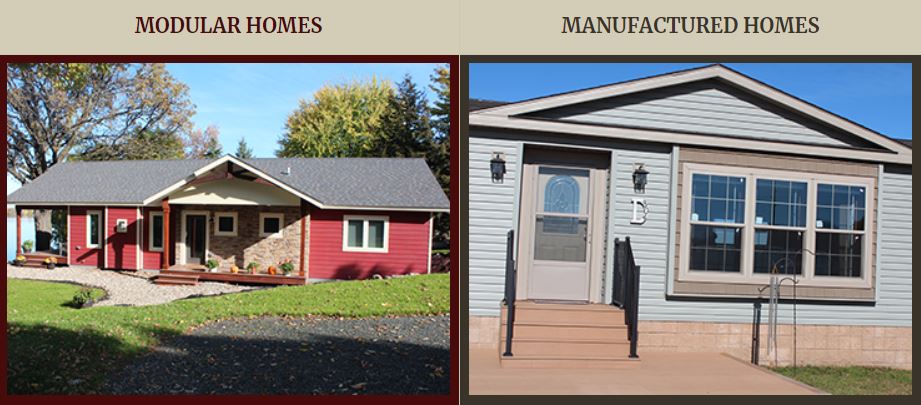
    A modular home is built in sections at a factory and then transported to a permanent site. Once assembled, it meets local building codes and resembles traditional homes. A mobile home, on the other hand, is fully constructed in a factory and transported as a complete unit to a site. It is often placed on rented land or private property.

    modular home vs mobile home

    Here are the key differences:

    • Construction: Modular homes are built in sections; mobile homes are constructed as one unit.
    • Foundation: Modular homes are placed on permanent foundations; mobile homes are not.
    • Building Codes: Modular homes follow local codes; mobile homes comply with HUD standards.

    Understanding these distinctions is essential when deciding which type suits your lifestyle.

    Pros and Cons of Modular Homes

    Modular homes have become a popular option for those seeking high-quality housing. However, they also come with specific challenges.

    Pros

    1. Durability
      Modular homes meet or exceed local building codes, ensuring strong construction.
    2. Customizable Designs
      You can choose layouts, finishes, and features to create your ideal home.
    3. Energy Efficiency
      Many modular homes come with energy-efficient windows and insulation, reducing utility bills.
    4. Permanent Value
      Placed on permanent foundations, they appreciate in value over time.

    Cons

    1. Higher Costs
      Initial costs for modular homes are higher than mobile homes.
    2. Longer Timeline
      Construction, transportation, and assembly can take several months.
    3. Land Requirement
      You must own land or purchase a lot before installing a modular home.

    If you’re looking for a long-term investment, a modular home may be the better choice.

    Pros and Cons of Mobile Homes

    Mobile homes are another affordable housing option. While they offer flexibility, they also have some drawbacks.

    Pros

    1. Affordability
      Mobile homes are more cost-effective than modular homes.
    2. Fast Setup
      These homes can be transported and installed quickly.
    3. Flexibility
      You can place mobile homes on rented land or private property.
    4. Low Maintenance
      Modern mobile homes often include durable materials that require minimal upkeep.

    Cons

    1. Depreciation
      Unlike modular homes, mobile homes usually decrease in value over time.
    2. HUD Code Compliance
      They follow HUD standards, which may limit design options.
    3. Limited Financing Options
      Lenders may charge higher interest rates or require larger down payments.
    4. Zoning Restrictions
      Some areas have strict zoning laws for mobile homes.

    If you need affordable housing with quick installation, mobile homes offer a practical solution.

    Key Factors to Consider

    When comparing a modular home vs a mobile home, consider these factors to determine which is best for you.

    1. Budget
      Modular homes have higher upfront costs, while mobile homes are more budget-friendly.
    2. Lifestyle
      If you plan to stay in one location long-term, modular homes offer better value. For more flexibility, mobile homes are ideal.
    3. Resale Value
      Modular homes tend to appreciate, while mobile homes depreciate over time.
    4. Customization
      Modular homes allow for greater customization, while mobile homes come with pre-designed layouts.

    Carefully weigh these factors before making your decision.

    Modular Home vs Mobile Home: Which One is Right for You?

    Choosing between a modular home and a mobile home depends on your priorities. If you value durability, customization, and long-term investment, a modular home is likely the better option. If affordability and flexibility are more important, a mobile home may be the right choice.

    Why Choose The Mobile Home Dealer?

    If you’re exploring your options for a modular home or mobile home, The Mobile Home Dealer (www.sellmobilehome.com) can help. We offer a wide range of homes to fit every budget and lifestyle.

    Here’s why The Mobile Home Dealer stands out:

    • Extensive Inventory: Browse a variety of modular and mobile homes.
    • Affordable Prices: Get competitive pricing for high-quality homes.
    • Expert Assistance: Our team guides you through the buying process.
    • Reliable Service: Trust our experience to make the process smooth and hassle-free.

    When you work with The Mobile Home Dealer, you’ll find a home that matches your needs. Visit their website to get started today!

    See Also:


  • Prefabricated Homes VS Mobile Homes: What’s the Difference?

    Prefabricated and mobile homes are popular for those seeking affordability, flexibility, and sustainability in alternative housing solutions. While both offer advantages over traditional stick-built homes, they are distinctly different in their construction, design, and legal classification. Understanding these differences is crucial for individuals considering either option for their living arrangements. This article delves into the disparities between prefabricated and mobile homes, exploring their features, benefits, and drawbacks.

    Definition and Construction

    Prefabricated Homes

    Prefabricated homes, also known as prefab homes or modular homes, are constructed off-site in a factory setting. These homes are built in sections or modules and then transported to the desired location for assembly. Each module is typically built with precision using advanced machinery, ensuring high quality and consistency in design. Once delivered, these modules are assembled on a permanent foundation to create a complete dwelling. Prefab homes can range from simple, single-story structures to elaborate, multi-story residences with custom features.

    prefabricated home

    Mobile Homes

    Mobile homes, often manufactured homes or trailers, are factory-built dwellings designed to be transported to various locations. Unlike prefabricated homes, mobile homes are constructed on a steel chassis with wheels, allowing them to quickly move from one site to another. These homes are typically built in a single-wide or double-wide format, with various floor plans and amenities available. Mobile homes are commonly associated with trailer parks or manufactured housing communities, although they can also be placed on private land.

    Design and Customization

    Prefabricated Homes

    One of the critical advantages of prefabricated homes is their customization level. Since these homes are constructed in modules, homeowners can choose from various floor plans, layouts, and design options. From the exterior siding to the interior finishes, buyers can personalize their prefab home to suit their preferences and lifestyle. Additionally, prefab homes can be designed to meet specific energy efficiency and sustainability standards, incorporating features such as solar panels, energy-efficient appliances, and eco-friendly materials.

    Mobile Homes

    While mobile homes also offer some customization, their design options may be more limited than prefabricated homes. Since mobile homes are constructed on a chassis with specific size constraints, floor plans, and layouts are often standardized to accommodate transportation and assembly. However, manufacturers may offer various upgrades and options for interior finishes, appliances, and fixtures to allow for personalization. Despite these limitations, mobile homes can still provide individuals and families with comfortable and functional living spaces.

    Legal Classification and Regulations

    Prefabricated Homes

    Prefabricated homes are typically subject to the same building codes and regulations as traditional stick-built homes. Since they are permanently installed on a foundation, prefab homes are considered real property and are subject to property taxes. Additionally, the construction process for prefab homes must adhere to local building codes and zoning regulations, ensuring safety and structural standards compliance. Homeowners may also need to obtain permits and approvals from local authorities before installing a prefab home.

    Mobile Homes

    Mobile homes are classified as personal property rather than real estate, which means they are subject to different regulations and taxation rules. In many jurisdictions, mobile homes are governed by specific codes and standards set forth by the Department of Housing and Urban Development (HUD) in the United States. These regulations cover various aspects of mobile home construction, including safety, structural integrity, and energy efficiency. Additionally, mobile home parks and communities may have their own rules and regulations governing the placement and maintenance of mobile homes within their premises.

    Affordability and Accessibility

    Prefabricated Homes

     Prefabricated homes are often praised for their affordability compared to traditional stick-built homes. Since prefab homes are constructed in a controlled factory environment, labor and material costs can be more predictable and efficient, resulting in potential cost savings for homeowners. Additionally, the modular construction process can be completed more quickly than traditional on-site construction, reducing construction time and expenses. This makes prefab homes viable for individuals and families seeking a more affordable housing solution without sacrificing quality or customization.

    Mobile Homes

    Mobile homes are renowned for their affordability and accessibility, particularly for individuals with limited budgets or those seeking alternative housing. The relatively low cost of mobile homes and flexible financing options make them attractive for first-time homebuyers or retirees looking to downsize. Additionally, mobile homes are readily available from numerous manufacturers and dealerships, making them accessible to a wide range of consumers. However, it’s essential to consider additional expenses such as land rental fees, utilities, and maintenance costs when budgeting for a mobile home.

    Durability and Longevity

    Prefabricated Homes

    Prefabricated homes are designed to meet the same structural and safety standards as traditional stick-built homes, ensuring durability and longevity. Using high-quality materials and advanced construction techniques can result in prefab homes that are sturdy, weather-resistant, and built to last. Additionally, prefab homes are often engineered to withstand various environmental conditions, including high winds, earthquakes, and extreme temperatures. With proper maintenance and care, prefab homes can provide comfortable and reliable housing for many years.

    Mobile Homes

    Mobile homes are generally considered less durable than pre-fabricated or stick-built homes due to their construction on a steel chassis with wheels. While modern mobile homes incorporate advanced materials and construction methods to enhance durability, they may still be more susceptible to wear and tear. Transportation, installation, and exposure to the elements can impact the structural integrity of mobile homes. However, with regular maintenance and upkeep, mobile homes can still offer comfortable living spaces for their occupants.

    Final Thoughts

    In summary, while pre-fabricated and mobile homes offer unique advantages and disadvantages, they are fundamentally different in their construction, design, and legal classification. Prefabricated homes are built off-site in modules and permanently installed on a foundation, offering customization, durability, and compliance with building codes. On the other hand, mobile homes are constructed on a chassis with wheels and are considered personal property, providing affordability, accessibility, and mobility.

    Choosing between prefabricated and mobile homes depends on various factors, including budget, lifestyle, location, and personal preferences. Individuals and families should carefully consider their needs and priorities when evaluating these alternative housing options to determine which option best suits their requirements. Whether opting for a prefab or mobile home, both provide viable, affordable, flexible, and sustainable solutions.

    See Also:

  • Mobile Home vs. Prefab Home: Unraveling the Differences in Manufactured Housing

    The world of affordable housing offers a diverse range of options, with mobile homes and prefab homes being two popular choices. While these terms are sometimes used interchangeably, they refer to distinct types of housing structures with unique characteristics. In this comprehensive guide, we’ll explore the key differences between mobile homes and prefab homes, shedding light on their construction, mobility, design, and overall suitability for different lifestyles.

    mobile homes and prefab homes

    Defining Mobile Homes and Prefab Homes

    1. Mobile Homes: Mobile homes, also known as manufactured homes, are dwellings that are built off-site and transported to their final location. Historically, mobile homes were designed to be easily movable, hence the name. However, contemporary mobile homes are often permanently set up in communities or on private land. They come in various sizes and styles, providing an affordable housing solution for many.
    2. Prefab Homes: Prefab homes, short for prefabricated homes, are built in sections or modules at a factory before being transported to the building site for assembly. These homes are not necessarily designed for mobility but are constructed in a controlled environment, ensuring precision and efficiency. Prefab homes encompass a wide range of styles, from traditional to modern, offering homeowners flexibility in design and customization.

    Key Differences

    1. Mobility:
      • Mobile Homes: While the term “mobile” implies mobility, modern mobile homes are often placed on a permanent foundation. Some can still be relocated, but the process is more involved than it was in the past. Mobile homes are typically transported on wheels, making them easier to move than traditional homes.
      • Prefab Homes: Prefab homes are not designed for frequent relocation. Once assembled on-site, they become a permanent structure. The construction process, however, allows for greater flexibility and customization compared to mobile homes.
    2. Construction Process:
      • Mobile Homes: Built entirely in a factory, mobile homes are constructed on a steel chassis, which allows them to be transported. The assembly includes the installation of plumbing, electrical systems, and other essentials. The controlled factory environment ensures consistency in construction.
      • Prefab Homes: Prefab homes are also constructed in a factory, but they are built in sections or modules. These modules are then transported to the building site and assembled into the final structure. This method allows for efficient production and reduced on-site construction time.
    3. Design and Customization:
      • Mobile Homes: Mobile homes may have limitations in terms of design and customization due to their construction on a steel chassis. However, manufacturers offer a variety of floor plans and design options to accommodate different preferences.
      • Prefab Homes: Prefab homes offer a higher degree of customization. Homeowners can often choose from a range of finishes, materials, and design elements to create a home that suits their style and needs. The modular construction allows for flexibility in floor plans.
    4. Building Codes and Regulations:
      • Mobile Homes: Mobile homes are subject to specific building codes set by the Department of Housing and Urban Development (HUD) in the United States. These codes are designed to ensure safety and quality standards for manufactured homes.
      • Prefab Homes: Prefab homes are generally built to meet local building codes, which can vary from one location to another. The on-site assembly process adheres to these codes to ensure that the final structure complies with regional regulations.
    5. Foundation:
      • Mobile Homes: Mobile homes can be placed on either a permanent foundation or concrete piers. The choice depends on local regulations and the homeowner’s preferences.
      • Prefab Homes: Prefab homes are typically placed on a permanent foundation, similar to traditional site-built homes. This foundation provides stability and support for the assembled structure.

    Final Words

    In the world of manufactured housing, understanding the distinctions between mobile homes and prefab homes is crucial for prospective homeowners. While both offer affordable and efficient alternatives to traditional construction, their mobility, construction processes, design options, and adherence to building codes set them apart. Whether you prioritize mobility, customization, or a blend of both, carefully considering the differences will help you make an informed decision that aligns with your lifestyle and housing needs. As the housing industry continues to evolve, both mobile homes and prefab homes contribute to the diverse landscape of affordable and accessible housing options.


    See Also:

  • Mobile Home VS Modular Home: What’s the Difference?

    Mobile homes and modular homes are both forms of manufactured housing, but they differ significantly in construction, mobility, regulatory standards, and even the way they are perceived in the housing market. These distinctions have important implications for homebuyers, so let’s delve into the details of what sets mobile homes and modular homes apart.

    1. Construction Process

    Mobile Home:

    Mobile homes, often referred to as manufactured homes, are constructed entirely in a factory setting. They are built on a steel chassis or frame, which allows them to be transported to their final location. These homes are usually constructed on a single level, but there can be variations in size and design. The construction process for mobile homes is standardized and streamlined to ensure efficiency in production.

    Modular Home:

    Modular homes, while also constructed in a factory, follow a different construction process. They are built-in sections or modules, each of which represents a portion of the final home. These modules are typically constructed with traditional wood framing, and they are designed to be transported to the building site where they are assembled into a complete structure. This sectional construction allows for greater design flexibility and customization.

    Mobile Home in Florida
    Mobile Home in Florida

    2. Mobility

    Mobile Home:

    The name “mobile home” accurately reflects this type of housing’s primary characteristic—mobility. Mobile homes are designed to be easily transported from one location to another. They retain their wheels, axles, and towing apparatus, which allows them to be moved. This mobility makes them suitable for mobile home parks or private land placement. However, relocating a mobile home can be expensive and logistically challenging, as it may require special permits and professional assistance.

    Modular Home:

    Modular homes are not designed for mobility. Once the modules of a modular home are placed on a foundation at the final building site, they are intended to remain there permanently. The modules are typically joined together, and additional construction work is done on-site to create a seamless structure. While modular homes offer flexibility in design and can be customized to meet a homeowner’s preferences, they are not intended for relocation.

    3. Building Codes and Standards

    Mobile Home:

    Mobile homes are subject to specific federal and state building codes known as the HUD Code (Housing and Urban Development Code) in the United States. These codes are distinct from traditional building codes and are tailored to address the unique construction characteristics of manufactured homes. The HUD Code is in place to ensure that mobile homes are constructed with an emphasis on safety, durability, and quality.

    Modular Home:

    Modular homes, once assembled on-site, are subject to the same local building codes and standards as traditional stick-built homes. The key difference is that modular homes are constructed in a controlled factory environment, which often results in high-quality construction. These homes must meet the same building codes, zoning regulations, and building inspections as conventionally built homes in the area where they are placed.

    4. Financing and Resale Value

    Mobile Home:

    Mobile homes are typically considered personal property, similar to vehicles when they are not affixed to a permanent foundation. This can have implications for financing and resale value. Financing options for mobile homes may be more limited compared to modular homes and traditional stick-built homes. Additionally, mobile homes tend to depreciate in value over time, similar to cars, which can affect their resale value.

    Modular Home:

    Modular homes are generally considered real property once they are permanently affixed to a foundation, which means they are treated like traditional homes. This can make financing options more accessible and may lead to better resale value. In many cases, modular homes retain their value more effectively compared to mobile homes.

    5. Design and Customization

    Mobile Home:

    Mobile homes are often built to standardized floor plans with limited options for customization. While there may be some degree of flexibility in choosing interior finishes, overall design options are more constrained than those for modular homes or traditional houses.

    Modular Home:

    Modular homes offer a higher degree of design flexibility and customization. Homebuyers can select from a wide range of design options and floor plans. The modular construction process allows for various configurations, which means that homeowners can have a home tailored to their specific needs and preferences.

    modular home
    A modular home

    6. Quality and Durability

    Mobile Home:

    Mobile homes are constructed with the goal of meeting the specific HUD Code requirements, which focus on ensuring the safety and quality of manufactured homes. While they are built to these standards, the perception of mobile homes as being of lower quality persists in some cases. The materials used in construction may not always match the quality of those in traditional homes.

    Modular Home:

    Modular homes, due to their assembly in a controlled factory environment, often have a reputation for higher-quality construction. The use of wood framing and adherence to local building codes typically results in durable and well-constructed homes. Modular homes can be indistinguishable from stick-built homes in terms of quality and appearance.

    7. Energy Efficiency

    Mobile Home:

    Mobile homes may not offer the same level of energy efficiency as modular homes or traditional houses. While there have been improvements in recent years, mobile homes may still struggle to meet energy efficiency standards, resulting in higher utility bills.

    Modular Home:

    Modular homes are often constructed with energy efficiency in mind. The controlled factory environment allows for the precise installation of insulation and energy-efficient systems. This can lead to lower energy costs and a reduced environmental impact.

    8. Resale Value

    Mobile Home:

    The resale value of mobile homes can be significantly lower compared to modular homes and stick-built homes. Depreciation, the perception of lower quality, and limited mobility can all impact resale value.

    Modular Home:

    Modular homes tend to have better resale value compared to mobile homes. The quality of construction, conformity to local building codes, and treatment as real property contribute to their higher resale value.

    The Bottom Line

    Mobile homes and modular homes share the characteristics of being manufactured housing, but they have substantial differences in construction, mobility, compliance with building codes, financing, and resale value. Mobile homes are designed for mobility, have their own unique construction standards, and are often treated as personal property. 

    Modular homes, on the other hand, are not intended to be moved once placed on a foundation, follow the same local building codes as traditional homes, and are generally considered real property, making them a more permanent and valuable housing option. 

    The choice between mobile and modular homes depends on individual preferences, needs, and financial considerations, and it’s essential to understand these differences when making a decision about your next home.

    See Also:

Reset password

Enter your email address and we will send you a link to change your password.

Get started with your account

to save your favourite homes and more

Sign up with email

Get started with your account

to save your favourite homes and more

By clicking the «SIGN UP» button you agree to the Terms of Use and Privacy Policy
Powered by Estatik