Tag: Pros and cons of buying a mobile home in florida

  • What to Expect When Buying a Double-Wide Trailer

    Double-wide trailers, or manufactured homes, offer a great alternative to traditional houses. They provide more space than single-wide trailers, often have more modern amenities, and are generally more affordable than conventional homes. If you’re considering buying a double-wide trailer, you should know what to expect throughout the process. This guide will walk you through what to anticipate, from choosing the right model to understanding the costs and maintenance.

    What is a Double-Wide Trailer?

    A double-wide trailer is a manufactured home consisting of two separate sections that are transported to the site and then connected. These homes are larger than single-wide trailers, offering more living space and room for customization. The average double-wide home typically offers between 1,000 and 2,500 square feet of space, making them ideal for families or individuals who need more room without the expense of traditional homes.
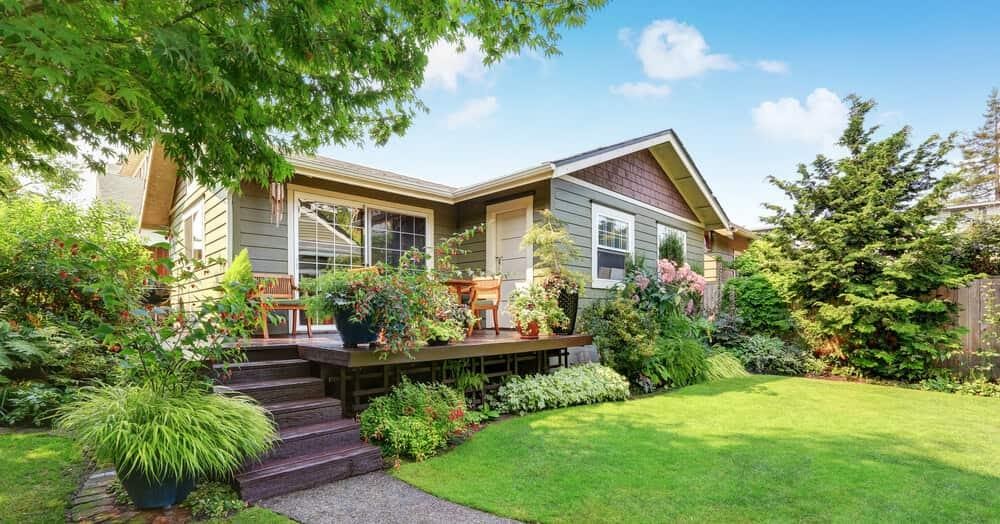
    buying a double-wide trailer

    Choosing the Right Double-Wide Trailer

    Before purchasing a double-wide trailer, it’s essential to determine your needs and preferences. This will help you select the right model for your lifestyle and budget. Here’s what to consider:

    Size and Layout

    Double-wide trailers come in various sizes and layouts. Some are more compact, with two or three bedrooms, while others may have multiple bathrooms, larger living rooms, and upgraded kitchens. It’s important to evaluate how much space you need, considering that larger homes tend to cost more.

    Floor Plan Options

    Manufacturers offer a variety of floor plans, with designs ranging from basic layouts to high-end models. You may have options for open-concept living spaces, separate dining rooms, or even optional luxury features like fireplaces and walk-in closets. Consider how much space you want for entertaining, storage, and family needs.

    New vs. Used

    When buying a double-wide trailer, you must decide whether to purchase a new or used model. New trailers come with the latest features, energy-efficient designs, and warranties. However, they come at a higher cost. Used trailers, on the other hand, may offer savings, but you’ll need to assess the home’s condition carefully. Consider the potential repairs, updates, or improvements costs if you choose a used trailer.

    Energy Efficiency

    Modern double-wide trailers are typically built with better insulation and energy-efficient appliances, which can help you save on utility bills. Look for trailers that have Energy Star-rated appliances, energy-efficient windows, and superior insulation. These features will provide a more comfortable living environment and lower energy costs in the long run.

    Financing a Double-Wide Trailer

    One of the first questions potential buyers have is how to finance a double-wide trailer. Unlike traditional homes, manufactured homes are often considered personal property rather than real estate, affecting your financing options. Here’s what to expect:

    Loan Types

    Manufactured home loans come in two main types: chattel and real estate loans.

    1. Chattel Loans: These loans are for buyers who own the land where the trailer will be placed or are placing the trailer in a mobile home park. Chattel loans typically have higher interest rates and shorter terms than real estate loans, but they may be easier to secure.
    2. Real Estate Loans: If you plan to buy both the land and the trailer, you may qualify for a traditional mortgage. This type of loan often offers better interest rates and longer terms, but you’ll need to demonstrate that the home is permanently affixed to the land.

    Down Payment

    Depending on your credit score and the type of loan, down payments can range from 5% to 20%. Government-backed loans, such as those from the Federal Housing Administration (FHA), may require smaller down payments for qualified buyers.

    Credit Score and Loan Approval

    Like other home loans, your credit score will play a role in securing financing for a double-wide trailer. A higher credit score will give you lower interest rates and more favorable loan terms. If your credit is better, you may still be able to secure a loan but expect higher interest rates.

    Total Cost

    The total cost of buying a double-wide trailer includes not just the purchase price of the home but also other expenses. These can include land costs, permits, installation, utilities, and ongoing maintenance fees (such as park rent, if applicable). When considering a purchase, consider these additional expenses into your budget.

    Site Selection and Installation

    Once you’ve decided on a model and secured financing, the next step is choosing a site for your double-wide trailer. The location you choose will depend on whether you plan to place the trailer on your own land or in a mobile home park. Here’s what to keep in mind:

    Land Ownership

    If you own the land where your double-wide trailer will be placed, you must ensure that the site is zoned for a manufactured home. Local zoning laws can vary, so check with your local authorities to confirm that the land is approved for mobile home installation. You will also need to prepare the land, which could involve clearing, leveling, and adding necessary utilities like water, electricity, and sewage connections.

    Mobile Home Parks

    You may opt for a mobile home park if you don’t own land. These parks offer a designated place for your trailer, and some may even offer additional amenities such as clubhouses, fitness centers, and swimming pools. However, depending on the location and amenities, you’ll be required to pay lot rent, ranging from $300 to $1,000 or more per month.

    Installation

    After selecting the location, the trailer will be delivered to the site. Installation includes anchoring the home to the ground, connecting utilities, and setting up any additional features. Professional installation is critical to ensure the home is safe, properly sealed, and ready for occupancy. You may also need to work with contractors for any additional construction, such as building a deck or installing skirting around the trailer’s base.

    Costs Beyond the Purchase Price

    While the purchase price of a double-wide trailer is relatively low compared to a traditional home, ongoing costs must be considered. These can include:

    Lot Rent

    If your trailer is located in a mobile home park, lot rent is an ongoing monthly cost. Lot rent can range from $300 to $1,000 per month, depending on the park’s location and amenities. In some cases, you may be able to negotiate the rent with the park owner.

    Insurance

    Just like a regular home, a double-wide trailer needs insurance. Mobile home insurance covers damage to the home and liability in case of accidents. Insurance rates can vary, so it’s a good idea to shop around for the best coverage at an affordable price.

    Maintenance

    While double-wide trailers require less upkeep than traditional homes, they still need regular maintenance. This includes maintaining the roof, HVAC system, plumbing, and electrical systems. Periodic inspections can help detect issues early, preventing costly repairs later on.

    Utilities

    Utility costs for a double-wide trailer can vary depending on your location and setup. These include water, sewage, electricity, and sometimes propane for heating. If your trailer is part of a mobile home park, some of these utilities may be included in the lot rent.

    Resale Value of a Double-Wide Trailer

    Double-wide trailers depreciate in value over time, unlike traditional homes, which tend to appreciate. However, well-maintained double-wide trailers in desirable locations can hold their value better than others. If you decide to sell your trailer, factors such as location, condition, and demand in the local market will influence its resale price.

    Final Thoughts

    A double-wide trailer can be a great option for individuals or families seeking affordable housing in Florida. While the upfront cost is lower than a traditional home, you must consider additional expenses such as lot rent, insurance, and maintenance. Understanding the financing options, site requirements, and long-term costs is key to making an informed decision. With proper planning and research, a double-wide trailer can offer a comfortable and cost-effective living solution.


    See Also:
     

  • What to Look for When Buying a Used Mobile Home in Florida

    Purchasing a used mobile home in Florida can be a rewarding experience. It offers affordability and flexibility compared to traditional homes. However, buying a used mobile home requires careful consideration. You must ensure that your investment is sound and meets your needs. This guide provides a comprehensive checklist of key factors to consider when buying a used mobile home in Florida.

    1. Understand the Market

    Before diving into your search, familiarize yourself with the local mobile home market. Research recent sales in the area. This will help you determine fair pricing for the type of mobile home you want. Check online listings, local classifieds, and community bulletin boards. Understanding the market will give you leverage in negotiations.

    2. Inspect the Structural Integrity

    The structural integrity of a mobile home is paramount. Start by checking the frame and foundation. Look for signs of sagging or damage. A solid frame ensures the home can withstand Florida’s weather.

    Check the Roof
    Inspect the roof for leaks, cracks, or missing shingles. A compromised roof can lead to costly repairs. Look for signs of water damage on the ceiling and walls inside the home.

    Examine the Walls and Floors
    Inspect the walls for any bowing or soft spots. Soft spots may indicate water damage or rot. Check the flooring for any sagging or warping. Ensure it feels solid when you walk on it.

    Buying a Used Mobile Home in Florida

    3. Evaluate the Utilities

    Check all utility systems in the mobile home. This includes water, electricity, gas, and sewage systems. Proper functioning utilities are essential for comfortable living.

    Water System
    Inspect the plumbing for leaks or corrosion. Look for signs of water damage under sinks and around pipes. Test the water pressure and ensure hot water is available.

    Electrical System
    Check the electrical panel and outlets. Ensure that outlets are grounded and properly wired. Test light switches and fixtures to verify they are functional.

    Heating and Cooling Systems
    Evaluate the HVAC system or window units. Ensure they are in good working condition. Ask for maintenance records to see when they were last serviced.

    4. Look for Signs of Pest Infestation

    Pest problems can cause significant damage to a mobile home. Look for signs of infestation, such as droppings or nests. Check for any holes in walls or around windows that pests might use for entry. If you find signs of pests, consider hiring a professional pest inspector before purchasing.

    5. Assess the Age of the Mobile Home

    The age of the mobile home impacts its condition and value. Older mobile homes may require more repairs and updates. Check the manufacturer’s label, usually located on the inside of the kitchen cabinet or in a closet. It will indicate the year the home was manufactured.

    Consider Mobile Home Standards
    Mobile homes built before 1976 may not meet modern safety and building codes. These homes may lack necessary insulation and structural features. If you’re considering an older model, ensure it meets current standards.

    6. Review the Title and Registration

    A clear title is essential when purchasing a used mobile home. Ensure that the seller owns the home outright and has the title available. Check for any liens against the home. This could complicate your purchase and ownership.

    Verify Registration
    Ensure the mobile home is registered with the Florida Department of Highway Safety and Motor Vehicles. You can check the registration status online or through local offices. Make sure all taxes are paid and up to date.

    7. Understand Local Zoning and Land Use Regulations

    Mobile home parks in Florida often have specific zoning regulations. Before buying, check local zoning laws and land use regulations. Make sure the mobile home you choose can be legally placed in the intended location.

    Confirm Park Rules and Fees
    If you’re buying in a mobile home park, review the park rules and fees. Understand any restrictions on age, renovations, or pet ownership. Clarify monthly lot rent or any additional fees you might encounter.

    8. Assess the Home’s Energy Efficiency

    Energy efficiency impacts your monthly expenses and comfort. Inspect insulation levels in walls and ceilings. Poor insulation can lead to higher energy bills.

    Check Windows and Doors
    Evaluate the condition of windows and doors. Ensure they close properly and seal well. Consider installing energy-efficient models if the current ones are outdated. This can save you money on heating and cooling costs.

    9. Investigate Previous Repairs and Upgrades

    Inquire about any repairs or upgrades made to the mobile home. Ask the seller for maintenance records. This will give you insight into the home’s condition and how well it has been cared for.

    Renovations and Upgrades
    Check for any significant renovations, such as new plumbing, electrical systems, or appliances. Understand who performed the work and whether it was done professionally.

    10. Get a Professional Inspection

    Before making a final decision, hire a professional inspector. A thorough inspection can reveal hidden problems that may not be apparent during your walkthrough. The inspector will check structural integrity, utilities, pests, and safety issues. This step can save you from costly surprises later.

    11. Consider Financing Options

    When purchasing a used mobile home, explore financing options. Many lenders offer loans specifically for mobile home purchases. Understand the interest rates, terms, and conditions before proceeding.

    Check Your Credit Score
    Before applying for financing, check your credit score. A higher credit score can secure you better financing terms. If your score needs improvement, take steps to boost it before applying.

    12. Budget for Additional Costs

    In addition to the purchase price, consider additional costs associated with owning a mobile home. These can include:

    • Lot Rent: If you’re in a mobile home park, factor in monthly lot rent.
    • Insurance: Mobile home insurance can protect your investment.
    • Maintenance: Budget for ongoing maintenance and repairs.
    • Utilities: Understand utility costs and plan for them in your budget.

    13. Evaluate Resale Value

    Consider the potential resale value of the mobile home. Mobile homes can depreciate faster than traditional homes. Look at the resale history of similar homes in the area. Understanding this can help you make a sound investment.

    14. Think About Your Lifestyle and Needs

    Reflect on your lifestyle and future plans. Consider the size of the mobile home and the layout. Ensure it meets your current and future needs.

    Plan for Future Growth
    If you plan to expand your family or need more space, think about your options. Some mobile homes offer expansion possibilities, while others do not. Plan accordingly to avoid feeling cramped later.

    15. Trust Your Instincts

    Finally, trust your instincts during the buying process. If something feels off about the home or the seller, don’t hesitate to walk away. A home is a significant investment, and you should feel confident in your decision.

    Conclusion

    Buying a used mobile home in Florida can be an excellent investment if you approach the process carefully. By following this checklist, you can ensure that you make an informed decision. Always prioritize structural integrity, utilities, and legal considerations. With the right preparation and research, you can find a mobile home that meets your needs and provides a comfortable living space for years to come. Happy house hunting!


    See Also:

  • Top 10 Tips for First-Time Mobile Home Buyers in Florida

    Buying a mobile home can be an excellent option for those looking for affordable housing in Florida. Whether you’re seeking a retirement retreat, a vacation spot, or a permanent residence, mobile homes offer flexibility, cost savings, and community living. However, purchasing a mobile home involves unique considerations compared to buying a traditional house. This guide offers the top 10 tips to help first-time mobile home buyers in Florida navigate the process confidently and successfully.

    Buying a Mobile Home

    1. Understand the Different Types of Mobile Homes

    Before diving into the market, it’s crucial to understand the different types of mobile homes available. In Florida, mobile homes can be categorized into two main types: single-wide and double-wide.

    • Single-wide homes are narrower and can be towed as a single unit, making them more affordable and easier to move.
    • Double-wide homes are larger and more spacious, typically transported in two sections and joined at the site. These homes offer more room but are less mobile.

    Decide which type best suits your needs, budget, and space requirements.

    2. Research Florida’s Mobile Home Market

    Florida’s mobile home market is vast, with numerous options ranging from luxury communities to more modest settings. Start by researching the areas where you’re interested in buying. Consider factors such as proximity to amenities, climate, community features, and overall safety.

    Check online listings, visit mobile home parks, and talk to residents to get a feel for different neighborhoods. This research will help you make an informed decision about where you want to live.

    3. Get Pre-Approved for Financing

    Securing financing for a mobile home can be different from getting a mortgage for a traditional house. Mobile homes are considered personal property, not real estate, so they may not qualify for a conventional mortgage. Instead, you might need a chattel loan, FHA loan, or a personal loan.

    It’s essential to get pre-approved for financing before you start shopping. This will give you a clear idea of your budget and make you a more competitive buyer when you find the right home. Additionally, having pre-approval in hand shows sellers that you’re serious, which can give you an edge in negotiations.

    4. Consider the Total Cost of Ownership

    When budgeting for a mobile home, consider all the associated costs, not just the purchase price. These costs can include:

    • Lot rent: If you’re buying a mobile home in a park, you’ll likely pay monthly rent for the land it sits on.
    • Utilities: Mobile home parks often include utilities in the lot rent, but not always, so be sure to check.
    • Insurance: Mobile home insurance is essential to protect your investment. Rates can vary based on location, the home’s age, and other factors.
    • Property taxes: If you own the land under your mobile home, you’ll be responsible for property taxes.

    Factor these expenses into your budget to ensure you can comfortably afford your new home.

    5. Inspect the Home Thoroughly

    Just like with any property purchase, it’s vital to inspect a mobile home thoroughly before buying. If the home is pre-owned, hire a professional inspector who specializes in mobile homes to check for potential issues such as:

    • Structural integrity: Ensure the home is level and free of significant structural damage.
    • Roof condition: Check for leaks, which are common in older mobile homes.
    • Plumbing and electrical systems: Verify that these systems are up to code and functioning properly.
    • Pests: Look for signs of pests, especially termites, which can cause extensive damage.

    A thorough inspection can save you from unexpected repairs and expenses down the road.

    6. Understand Florida’s Mobile Home Regulations

    Florida has specific regulations regarding mobile homes, especially in terms of installation, zoning, and insurance. Make sure you understand these rules before purchasing. Key regulations include:

    • Installation standards: Florida requires mobile homes to be installed by licensed professionals following specific guidelines to ensure safety and stability.
    • Zoning laws: Zoning regulations vary by county and can affect where you can place your mobile home.
    • Insurance requirements: Florida’s unique weather conditions, including hurricanes, mean that mobile homes must meet specific insurance standards. Ensure your home meets these standards to avoid insurance issues.

    Familiarizing yourself with these regulations will help you avoid legal complications and ensure your home is safe and compliant.

    7. Consider Resale Value

    While mobile homes are generally more affordable than traditional houses, they tend to depreciate over time. However, certain factors can help maintain or even increase the resale value of your mobile home:

    • Location: Homes in desirable communities or near amenities tend to hold their value better.
    • Upgrades and maintenance: Regular maintenance and upgrades, such as adding energy-efficient windows or modernizing the kitchen, can improve your home’s value.
    • Land ownership: Owning the land under your mobile home can significantly increase its resale value compared to renting a lot.

    Keep these factors in mind if you plan to sell your mobile home in the future.

    8. Check Community Rules and Amenities

    If you’re considering buying a mobile home in a park or community, review the community’s rules and amenities carefully. Communities can vary widely in terms of regulations, facilities, and atmosphere. Some communities cater to specific age groups, such as 55+ parks, while others are open to all ages.

    Check the rules for pets, outdoor storage, and home modifications. Also, consider the amenities offered, such as pools, clubhouses, and organized activities. Choose a community that aligns with your lifestyle and preferences.

    9. Work with a Mobile Home Specialist

    Buying a mobile home is different from buying a traditional home, so working with a real estate agent or broker who specializes in mobile homes can be beneficial. These professionals understand the nuances of the mobile home market and can guide you through the process, from finding the right home to negotiating the best deal.

    A specialist can also help you navigate financing options, understand community rules, and ensure all legal requirements are met.

    10. Plan for the Future

    When buying a mobile home, think about your long-term needs. Consider how the home and community will suit you in the future. Are you planning to start a family, or do you foresee needing more space? Is the location convenient for your work, healthcare, and social activities?

    Also, consider how the home will age and what maintenance it will require over time. Planning for the future ensures that your mobile home will continue to meet your needs for years to come.

    Conclusion

    Buying a mobile home in Florida can be a rewarding experience, offering affordable and flexible housing options. By following these tips, first-time buyers can navigate the process with confidence, ensuring they find a home that meets their needs and fits their budget. With careful planning and consideration, your mobile home can be a comfortable and valuable investment for the future.


    See Also:

  • How to Avoid Common Pitfalls When Buying a Mobile Home in Florida

    Buying a mobile home in Florida can be an excellent decision, whether you’re looking for a permanent residence, a vacation getaway, or an affordable retirement option. However, like any major purchase, there are potential pitfalls that could turn your dream into a costly mistake. This guide will help you navigate the process and avoid common issues, ensuring a smooth and successful mobile home purchase.

    Buying a Mobile Home in Florida

    1. Not Understanding the Difference Between Mobile and Manufactured Homes

    One of the first things to clarify when buying a mobile home is the distinction between a “mobile home” and a “manufactured home.” Although these terms are often used interchangeably, there are important differences:

    • Mobile Home: Technically, this term refers to homes built before June 15, 1976, when the U.S. Department of Housing and Urban Development (HUD) implemented strict construction and safety standards. Mobile homes built before this date may not meet current safety standards.
    • Manufactured Home: These homes are built after June 15, 1976, and comply with HUD regulations. They are constructed in a factory and transported to their final location. Manufactured homes are generally safer, more durable, and more energy-efficient than older mobile homes.

    When shopping for a home, make sure you know which type you’re looking at and whether it meets current standards.

    2. Skipping the Home Inspection

    One of the biggest mistakes buyers make is neglecting to get a thorough home inspection before purchasing a mobile home. While this is important for any property, it’s especially crucial for mobile homes, which may have unique issues such as:

    • Structural Problems: Older mobile homes may have structural weaknesses or damage that isn’t immediately visible. Issues with the foundation, walls, or roof can lead to costly repairs down the road.
    • Water Damage: Mobile homes are particularly susceptible to water damage, especially in Florida’s humid climate. Water damage can lead to mold, rot, and structural instability.
    • Electrical and Plumbing Issues: Older homes may have outdated electrical systems or plumbing problems. These issues can be expensive to fix and pose safety hazards.

    A qualified inspector will identify these problems and give you a clearer picture of the home’s condition, allowing you to make an informed decision.

    3. Overlooking the Land Lease vs. Ownership

    In Florida, mobile homes can be placed on land that you either own or lease. Each option has its pros and cons:

    • Land Lease: If you lease the land, you’ll pay a monthly fee to the park or landowner. While this can lower the initial cost of buying a mobile home, it also means you don’t own the land, which could limit your long-term investment potential. Additionally, land lease fees can increase over time, affecting your budget.
    • Land Ownership: Owning the land where your mobile home is located can be a better long-term investment. It provides stability and the potential for property value appreciation. However, this option is typically more expensive upfront.

    Before making a purchase, consider your financial situation and long-term goals. Make sure you fully understand the terms of the land lease, including any potential fee increases.

    4. Ignoring Park Rules and Regulations

    If you’re planning to place your mobile home in a mobile home park, it’s vital to review the park’s rules and regulations. These rules can vary widely and may include restrictions on:

    • Home Age and Condition: Some parks only allow homes that meet specific age or condition requirements. Make sure your home qualifies before making a purchase.
    • Pet Policies: Many parks have strict rules about pets, including breed restrictions and size limits. If you have pets, confirm that they’ll be allowed.
    • Rent Increases: Some parks have rent control, while others do not. Understanding the potential for rent increases can help you budget effectively.
    • Maintenance Requirements: Parks may have rules about how you maintain your home and yard. Failure to comply could result in fines or even eviction.

    Understanding these rules in advance can prevent future conflicts and ensure that the park is a good fit for your lifestyle.

    5. Underestimating Total Costs

    While mobile homes are often more affordable than traditional homes, buyers sometimes underestimate the total costs involved. Beyond the purchase price, consider the following expenses:

    • Site Preparation: If you’re placing a mobile home on vacant land, you’ll need to prepare the site, which may involve grading, installing utilities, and laying a foundation.
    • Transportation and Installation: Moving a mobile home to its final location and setting it up can be expensive. Make sure you get quotes for these services before purchasing.
    • Insurance: Mobile home insurance is necessary to protect your investment, but premiums can vary widely based on the home’s age, location, and condition. Shop around for the best rates.
    • Taxes: In Florida, mobile homes are subject to either property tax or an annual license tax, depending on whether you own the land. Be sure to budget for these ongoing expenses.

    By accounting for these additional costs, you can avoid surprises and ensure that the home fits within your budget.

    6. Not Researching Financing Options

    Financing a mobile home is different from financing a traditional home, and the options available to you may vary based on whether the home is classified as real property or personal property. Common financing options include:

    • Chattel Loans: These are loans for homes that are classified as personal property (typically homes on leased land). Chattel loans often have higher interest rates and shorter terms than traditional mortgages.
    • FHA Loans: The Federal Housing Administration (FHA) offers loans specifically for mobile homes, both with and without land. These loans typically have favorable terms but require the home to meet certain criteria.
    • Personal Loans: Some buyers opt for personal loans, especially for older mobile homes or homes not attached to land. While these loans are easier to obtain, they often come with higher interest rates.
    • Traditional Mortgages: If your mobile home is permanently attached to land and classified as real property, you may qualify for a traditional mortgage with lower interest rates and longer terms.

    Researching these options and understanding the requirements can help you secure the best financing for your situation.

    7. Failing to Consider Resale Value

    While mobile homes can be a great investment, it’s important to consider their resale value before making a purchase. Factors that can impact resale value include:

    • Location: Mobile homes in desirable areas, especially near beaches or retirement communities, tend to hold their value better than those in less popular locations.
    • Age and Condition: Newer homes or those that have been well-maintained are more likely to retain their value over time.
    • Park Reputation: If your home is in a mobile home park, the reputation and management of the park can affect your home’s resale value. Parks with high rent increases or poor maintenance can drive down property values.
    • Market Trends: Like any real estate, the mobile home market can fluctuate. Understanding current trends in Florida’s mobile home market can help you make a more informed decision.

    By considering these factors, you can choose a home that not only meets your needs today but also offers good potential for resale in the future.

    8. Not Consulting with a Professional

    Finally, one of the most critical steps in buying a mobile home is consulting with professionals who can guide you through the process. These may include:

    • Real Estate Agents: An Agent  who specializes in mobile homes can help you find the right property, negotiate the best price, and navigate the legal aspects of the purchase.
    • Financial Advisors: If you’re unsure about how much you can afford or how to structure your financing, a financial advisor can provide valuable insights.
    • Attorneys: If you’re buying a mobile home on leased land, it may be wise to consult with an attorney to review the lease agreement and ensure your rights are protected.
    • Inspectors: A qualified home inspector can identify potential problems with the property before you commit to the purchase.

    These professionals can help you avoid common pitfalls and ensure that your mobile home purchase is a positive experience.

    Conclusion

    Buying a mobile home in Florida can be a smart and rewarding investment, but it’s essential to be aware of the potential pitfalls. By understanding the differences between mobile and manufactured homes, conducting thorough inspections, considering land lease vs. ownership, and accounting for all costs, you can avoid common mistakes. Additionally, researching financing options, considering resale value, and consulting with professionals will help ensure that your mobile home purchase is a success.

    With careful planning and attention to detail, you can enjoy all the benefits of mobile home ownership in the Sunshine State while avoiding the common pitfalls that could lead to costly surprises.


    See Also:

  • Guide to Buying a Mobile Home in Florida

    Are you considering buying a mobile home in Florida? Look no further! This comprehensive guide will take you through everything you need to know about buying a mobile home in the Sunshine State. From determining what type of mobile home fits your needs and budget to exploring different communities and performing due diligence, we’ve got you covered. Plus, we’ll provide valuable insights on Florida’s laws regarding mobile homes, how to protect yourself from natural disasters with insurance coverage, and much more. So sit back, relax, and get ready for an informative journey toward finding your dream mobile home in Florida!

    Why Move to Florida

    There are many reasons why people flock to Florida. The state boasts beautiful weather, with an average of 237 sunny days per year and mild winters that make it a desirable place for seniors looking to escape the cold.

    Florida offers plenty of activities for outdoor enthusiasts, including miles of beaches, world-renowned golf courses, and countless opportunities for boating and fishing. Plus, Florida is home to several large cities that offer diverse entertainment options such as theme parks like Disney World in Orlando or Busch Gardens in Tampa.

    For those seeking a more relaxed lifestyle, smaller coastal towns like Sarasota or Cape Coral provide picturesque views while still offering access to urban amenities. And let’s not forget about Florida’s lack of income tax – perfect for retirees on a fixed budget.

    Whether you’re looking for sun-soaked adventures or peaceful beachside living, Florida has something to offer everyone.

    Mobile home in Florida
    Mobile home in Florida

    Determine What You Are Buying

    Before buying a mobile home in Florida, it’s essential to determine what you are looking for and what type of home suits your needs. Mobile homes come in different styles, sizes, and layouts. You can choose from single-wide or double-wide mobile homes.

    Single-wide mobile homes are smaller than double-wide ones but are less expensive. They have a narrow layout that makes them perfect for those who want to save space or live alone. Double-wide mobile homes offer more living space compared to single-wide; they’re ideal for families or individuals who need extra room.

    It’s also essential to consider the features you want in your new home, such as the number of bedrooms and bathrooms, kitchen appliances, and storage spaces, among others. Determining what you need will help narrow down your options when shopping around.

    Additionally, it would be best if you thought about whether to buy a new or used mobile home. Newer models may cost more but require less maintenance than older ones while second-hand units can be cheaper but often require repairs and upgrades.

    Knowing precisely what kind of mobile home suits your lifestyle needs and budget requirements beforehand helps simplify the entire purchasing process later on!

    Think Cost and Lifestyle

    When buying a mobile home in Florida, it’s essential to consider both the cost and lifestyle factors. Firstly, you need to determine your budget and how much you can afford to spend on purchasing a mobile home. This means not only accounting for the initial purchase price but also additional expenses such as insurance, taxes, maintenance fees, and utility bills.

    Moreover, you should think about what kind of lifestyle you want when choosing a mobile home community. Do you prefer a more active or relaxed setting? Are amenities like swimming pools or fitness centers important to you? Do you have pets that will require certain facilities?

    It’s crucial to weigh these costs against the benefits of living in a particular community. In some cases, paying higher fees may be worth it if it gives access to better amenities or services.

    Ultimately, carefully considering both cost and lifestyle will help ensure that your mobile home purchase is an investment that meets all your needs while also being affordable over time.

    Investigate Several Communities

    Each community has its own atmosphere and amenities that can make a big difference in your lifestyle.

    Start by researching online and finding communities within your desired location and budget. Look at their websites and social media pages to get an idea of the community culture and facilities they offer.

    Next, schedule visits to each community you’re interested in. Take note of how well-maintained the grounds are, the quality of homes available for sale or rent, as well as any recreational activities offered on-site.

    While visiting each community, be sure to talk with current residents if possible. Ask them about their experiences living there including any pros and cons they’ve encountered during their stay.

    Consider how close each community is to hospitals, grocery stores, restaurants, parks, or other places you frequently visit. Also, take into account the distance from potential employment opportunities or schools if applicable.

    Investigating several mobile home communities in Florida before purchasing or renting one ensures that you will find one that fits all your needs both financially and lifestyle-wise.

    Perform Your Due Diligence

    Before you make a final decision to purchase a mobile home in Florida, it is crucial to perform your due diligence. This process can help you avoid potential legal issues and ensure that the property is worth its value.

    One vital step in performing your due diligence is conducting a thorough inspection of the mobile home and the community where it’s located. Check for any damages or issues with the structure, plumbing, electrical wiring, and other features.

    It’s also important to research the park owners or management companies of the community where you’ll be buying your mobile home. You want to make sure they have an excellent reputation and don’t have any pending lawsuits or violations against them.

    Another aspect of due diligence includes examining all relevant documents related to purchasing a mobile home in Florida. These documents may include contracts, lease agreements, permits, and zoning regulations among others.

    You should also check if there are any liens on the property before making an offer as this could affect your ability to acquire financing for your new home.

    Taking time to perform proper due diligence can save you from costly mistakes down the line. Remember that buying a mobile home is not just about finding one at a good price but also ensuring that it meets all legal requirements and provides value for the money spent!

    buying a mobile home in Florida
    Mobile Home in 55+ community

    Familiarize Florida’s Mobile Home Laws

    One of the most critical aspects of Florida’s mobile home laws is the requirement for disclosure. Sellers must provide buyers with a written disclosure statement that outlines any known defects or issues with the property. This information can be invaluable in helping you make an informed decision about whether to purchase a particular mobile home.

    Another important aspect of these laws relates to financing. If you plan to finance your purchase, you need to know that specific regulations govern lending practices for manufactured homes in Florida. Working with an experienced lender who understands these regulations and can guide you through the process is always wise.

    Additionally, it’s worth noting that if you own your land and have permanently affixed your mobile home to a foundation on that land, it may be considered real property rather than personal property under state law. This distinction can affect how taxes are assessed and what legal protections apply.

    Ponder What Nature Can Throw at You

    Florida’s beautiful weather is one of the main reasons people buy a mobile home in the Sunshine State. However, it is important to remember that severe storms and hurricanes can also hit Florida.

    When buying a mobile home in Florida, it’s crucial to consider how nature can impact your living conditions. Even if you purchase insurance for your mobile home, preparing ahead of time can make all the difference.

    Start by researching potential natural disasters that could affect your area. This will give you an idea of what types of damage could occur and how best to prepare for them.

    Consider investing in storm shutters or reinforced windows to protect yourself from high winds, flying debris, and heavy rains during a hurricane. Additionally, removing any loose items around your home before a storm hits may help prevent them from becoming projectiles.

    Remember flooding as well. Mobile homes are particularly vulnerable to flooding since they are typically located on low-lying land. Consider purchasing flood insurance so that you’re covered should disaster strike.

    Buy Mobile Home Insurance

    Mobile homes are a great way to own your own property without the high cost of traditional homeownership. However, like any home, mobile homes are subject to damage from storms, fires, or other unexpected events. That’s why buying mobile home insurance is essential when you purchase a mobile home in Florida.

    Mobile home insurance policies can vary widely depending on where you live and what type of coverage you need. Some policies cover only the structure itself while others also include personal belongings and liability protection.

    When shopping for mobile home insurance, be sure to compare rates from several different providers. Look for policies that offer comprehensive coverage at an affordable price.

    Understanding exactly what your policy covers before signing up for coverage is important. Make sure you read through all the terms and conditions carefully and ask questions if there is something you don’t understand.

    Once you have selected an insurance provider and purchased a policy, make sure you keep up with monthly premiums so that your coverage stays active in case of an emergency.

    Doing your due diligence when purchasing mobile home insurance will provide peace of mind, knowing that you’re covered no matter what nature throws at you!

    Final Thoughts

    Buying a mobile home in Florida can be an exciting and rewarding experience. However, careful consideration is required to ensure your investment’s safety and financial feasibility. By following the steps outlined in this guide, you will be well on your way to finding the perfect mobile home that meets your needs.

    Remember to research various communities and perform due diligence before making any decisions. Also, consider the potential impact of natural disasters such as hurricanes and invest in adequate insurance coverage.

    With proper planning and preparation, owning a mobile home in Florida can provide you with an affordable housing option while you enjoy all that this beautiful state has to offer. So take your time, ask questions, and make informed choices—happy house hunting!

    See Also:

  • 10 Things To Consider When Buying A Mobile Home In Florida

    Thinking of buying a mobile home in Florida involves careful considerations. From assessing park amenities to understanding local regulations, this article explores the key factors prospective buyers should weigh. Navigating through these considerations ensures a well-informed decision and paves the way for a satisfying and harmonious mobile home living experience in the Sunshine State.

    Many people, both young and old, are drawn to Florida because of its pleasant year-round temperature, its abundance of beautiful beaches, and its lack of state income taxes.

    Florida is well-known for its high quality of life and low cost of living. Communities of all types, from those catering to retirement communities to those catering to people living in mobile homes, have found a home in Florida.

    Those who choose to make Florida their home can settle either inland or along the coast. The large size of the state makes it possible for a wide range of manufactured housing options, including the increasing popularity of mobile home communities and the purchase of prefabricated homes for individual lots.

    How to Get Started Acquiring a Mobile Home in Florida

    It’s exciting to be prepared to take the next step toward mobile living in Florida, but it’s also important to be well-informed.

    Mobile Home in Florida
    Mobile Home in Florida

    That depends on your financial situation. To begin the process of purchasing a mobile or modular home in Florida, you should first determine your budget. Like when you’re buying just the house, you can figure out how much you can afford by using a mortgage calculator.

    What You Should Know Before Purchasing a Mobile Home in Florida

    In 2020, a new single-wide manufactured home cost about $59,000, while a double-wide cost less than $115,000. New homes of 2,000 square feet cost close to $307,000 to build or about $150 per square foot. 

    In addition, if you buy a brand-new manufactured house, you can alter it to fit your preferences. While the initial purchase price of a previously occupied mobile home may be lower, the time and money spent making it your own may prove to be more costly in the long run.

    A manufactured home can be customized to the buyer’s liking in terms of size, features, and aesthetics by dealing with the manufacturer directly.

    Buying brand-new gives people a chance to get the reasonably priced dream house they want. 

    1. Choose Where You Want to Live

    Your monthly costs can be better estimated if you choose between living in a community and purchasing your land. It’s up to you to decide between these two very different ways of living.

    2. Financing Options Available

    Buyers may find other sources of financing besides specialized banks. FHA, VA, USDA Rural, Chattel, HUD (Hud code), and other conventional loan options are available to qualified borrowers. New manufactured home buyers with low credit scores or incomes may be able to qualify for a specialized personal property loan.

    Submit a personal loan or manufactured home loan request to the financial institution of your choice.

    55+ community
    Mobile Home in 55+ community

    The next phase of your life begins once you’ve finished these.

    Rather not go through the trouble of these procedures? In this case, SellMobileHome.com will handle everything for you.

    3. Registration and Titling 

    If you’re a Florida resident and you just bought a mobile home, new or used, you need to register it with the Florida Department of Motor Vehicles. Make sure the person or business you’re buying the house from initiates the title application.

    The decal must be placed in an outward-facing window after registration and payment of the appropriate fee (fees vary by home size) has been made; a notary public is not required for the conveyance of real property titles.

    4. Taxes 

    The taxes on your new mobile home will become your responsibility once you have obtained the title (consequently, ensure that all payments are current.). A purchaser shall be responsible for the payment of the 6% state sales tax and all other applicable local taxes.

    In Florida, mobile home taxes are typically calculated in one of two ways:

    As a yearly fee paid to the DMV for a new license plate and window sticker (annual license tax). Every year, you’ll need to pay real property taxes and replace the decal in your window.

    Specifically, as physical land, mobile homeowners can avoid dealing with the Department of Motor Vehicles altogether if their mobile home is permanently attached or set up on their real property.

    5. When to Buy a Mobile Home in Florida

    Prices for manufactured homes are notoriously unstable. During January through March, mobile home prices tend to be lower on average, and sometimes even discounts are offered.

    You should wait until the mobile home market improves before making a purchase. The timing and location of your purchase of a mobile home are important considerations.

    6. Sizes of Mobile Homes

    Single-wide, double-wide, and triple-wide manufactured homes are the three most common configurations. Most single-wides are 15 feet wide. Double-wides are typically 26 feet in width, while triple-wides can be as wide as 45 feet.

    The width is the only defining characteristic of this category of mobile homes; the layout is not specified. Since the price of smaller and larger mobile homes is roughly the same, it is clear that the larger mobile home is the better investment.

    7. Learn About the Available Floor Plans

    A wide variety of floor plans are available for manufactured homes, making them suitable for a wide range of household configurations.

    Things like living space, the need for a home office, the size and features of the kitchen, and the number of bedrooms and bathrooms that need to be dedicated to the master are all crucial.

    Before consulting with mobile home builders, make a list of your family’s requirements and any best practices you’ve found useful.

    8. Conduct Your Due Diligence

    Look into Florida’s public records to spot any problems with a mobile home’s history before you buy. Examples of this could be:

    Examining cases involving evictions, title disputes, and other legal matters at the office of the clerk of court.

    By contacting the local code enforcement office, you can inquire about the most severe violations in your area.

    You need to verify if the unit is for sale or if it’s changed ownership recently.

    Vehicle inspection through Florida’s (DHSMV) utilizing a mobile home’s VIN.

    9. Understand Your Customization Options

    The total price of your brand-new manufactured house will be determined by factors like its size, layout, and level of personalization. Modern mobile homes offer a wide range of opulent conveniences and are built with superior materials.

    Customers who order a new manufactured home but don’t specify the upgrades they want often end up dissatisfied with their purchase. Buyer satisfaction increases when all their desired features can be included in such a reasonably priced home.

    55+ community
    Mobile Home in 55+ community

    10. Understand Possible Additional Costs

    When applying for a mortgage on a new mobile home, it’s important to factor in not just the total cost of the house itself or closing costs but also the costs of utilities, and maintenance when you buy a mobile

    home insurance, mobile homeowners association fees, and anything else that might pop up. When you see the completed product, purchasing a new manufactured home appears simple.

    Is Buying a Mobile Home in Florida Secure?

    It is safe to buy a mobile home in Florida. Since 1976, the federal government has enforced strict regulations concerning the building of mobile homes.

    Two years after Hurricane Andrew wreaked havoc across much of Florida as a Category 5 storm, regulations were tightened even further.

    Therefore, unlike site-built homes, manufactured homes are subject to stricter federal regulations regarding wind resistance during inclement weather conditions. Furthermore, manufactured homes in Florida have had to adhere to more stringent state safety standards for installation (properly installed) and tie-downs since 1999.

    When is the Best Time to Purchase a Mobile Home in Florida?

    There is no definitive rule. There are many variables to consider. How important is it to have pre-approval for financing? When does your lease end? Exactly how badly do you want to change locations? To what extent are you willing to wait for a favorable market?

    However, you can rest assured that nobody will be scrambling to buy a house in the dead of winter, especially in January.

    Those who own the remaining homes are likely to be desperate, dedicated sellers who simply can’t wait for the next season to pass before unloading their properties.

    You should buy a unit in the winter if you define the best time of year as “whenever the time of year will get you the lowest price.” It has the least amount of competition.

    Brief Information About Mobile Home Living in Florida

    Florida is among the top states for the highest concentration of mobile home parks. Mobile homes are a popular choice among buyers due to their low initial cost and adaptability. Before deciding to build a modular home on a residential lot, there are a few things you should consider.

    Mobile or modular homes are legal in some Florida jurisdictions, while others strictly prohibit them. Buying a residential home lot in a city or rural area of Florida and setting up your manufactured home there is a simple process.

    A manufactured home can typically only be placed in rural areas or agricultural areas in some counties.

    The Florida Manufactured Housing Association reports that factory-built homes or manufactured homes are just as safe from hurricanes and other severe weather as site-built homes.

    It’s estimated that there are 1,600 mobile home parks in the Sunshine State.

    Florida state and local laws about mobile homes allow them to be “retired” on a lot and legally converted into a permanent structure (changing the status of a manufactured home as personal property).

    Mobile home parks and mobile home communities in Florida are abundant and reasonably priced. The US Department of Housing’s Florida page has a lot more information about the mobile home park and their legality in the state, including the Florida Mobile Home Act.

    In search of a Florida manufactured home of the highest quality? If you’re looking for an affordable, high-quality mobile home park and modular homes, look no further than SellMobileHome.com.

    Buying a Pre-owned Mobile Home in Florida

    If you’re looking for the best price or value, a used mobile home could be the way to go. However, determining its worth can be difficult. Used mobile homes in Florida can be purchased for an average of $47,853, but prices can go much lower or higher depending on the specific model and location. About 1,100 feet in length seemed to be the norm.

    buying a Mobile home in Florida
    Mobile home in Florida

    You should not buy a used mobile home without conducting a thorough inspection or due diligence and walkthrough to verify that the home is in good repair and has no substantial defects, all taxes are paid up to date, and there are no liens or other surprises attached to the property.

    Make sure all payments are up to date with the park owners or community manager if the mobile home is located in one, and ask about any planned rent increases on leased land.

    Mobile Home Communities

    If you have never lived in a mobile home park before, there are several things to keep in mind:

    You must abide by all mobile home park rules and HOA regulations.

    Don’t let trash and debris accumulate on your property.

    Timely lot rent payments are required.

    If you want something cheap and temporary that doesn’t involve land ownership, a mobile home community and parks can be good options. Many mobile home parks have facilities like swimming pools, spas, fitness centers, and mobile home community centers can be found in many mobile home parks.

    In Summary

    You should go through this checklist and make any necessary decisions before meeting with a manufactured home expert to place your custom order.

    You can make a wise choice once you have a good understanding of your budget, ideal home design, family requirements, and other factors.

    Living in a mobile home is an alternative that has helped millions of people gain freedom and financial security. Start right now!

    In search of a Florida manufactured home of the highest quality? If you’re looking for an affordable, high-quality mobile home park and modular homes, look no further than SellMobileHome.com.

    This is Mark Kaiser with The Mobile Home Dealer and we help mobile home Buyers and Sellers get to a better place in life!

    See Also:

Reset password

Enter your email address and we will send you a link to change your password.

Get started with your account

to save your favourite homes and more

Sign up with email

Get started with your account

to save your favourite homes and more

By clicking the «SIGN UP» button you agree to the Terms of Use and Privacy Policy
Powered by Estatik