Tag: Park model homes for sale

  • Why Park Model Homes Are a Smart Choice for Florida Living

    Why Park Model Homes Are a Smart Choice for Florida Living

    Park model homes offer an affordable and flexible living option that suits many Florida residents. These small but stylish homes provide the comfort of a traditional house in a compact, efficient layout. With the warm climate, countless RV parks, and resort communities across the state, Florida is one of the best places to enjoy the benefits of park model living.

    What Are Park Model Homes?

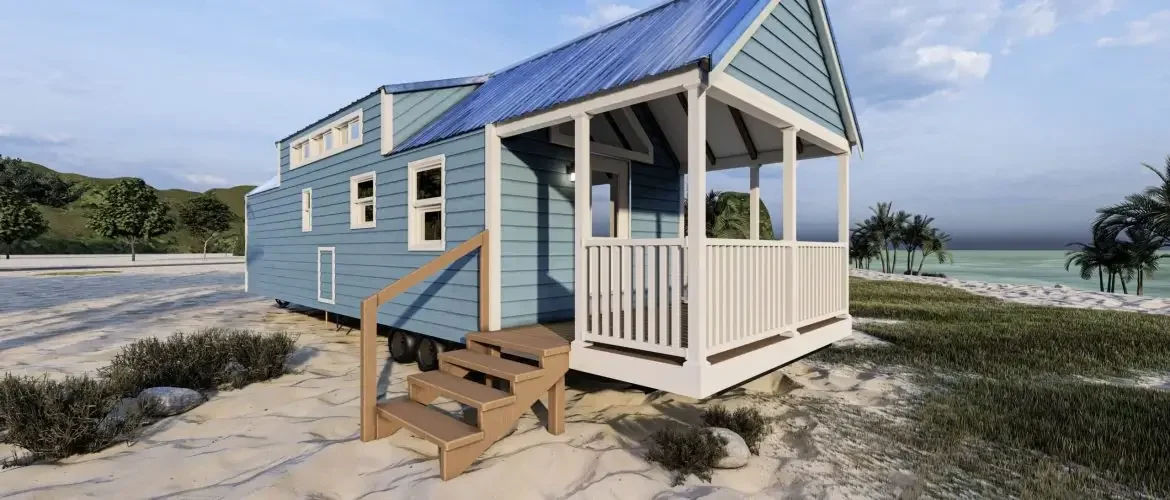
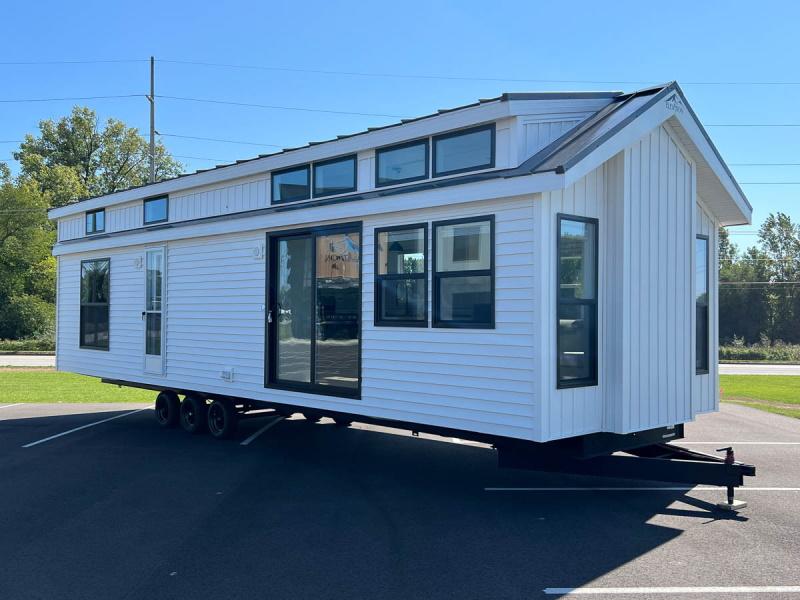
    Park model homes are compact manufactured homes built for semi-permanent living. They are usually under 400 square feet and built on a single chassis. While technically classified as RVs, they offer many of the comforts of a site-built house.

    These homes are especially popular in Florida retirement communities, seasonal parks, and resort-style living centers. Since they require less land, they’re ideal for individuals, couples, or anyone looking to downsize without giving up comfort.
    Park model homes

    Park Model Mobile Homes in Florida: Why They’re Popular

    Florida is a hotspot for park model mobile homes due to its year-round mild weather and thriving mobile home parks. Many buyers choose these homes as a seasonal getaway or a permanent residence.

    There are several reasons why park model homes are so attractive in the Sunshine State:

    • Lower cost compared to traditional homes
    • Easier to maintain
    • Access to tight-knit park communities
    • Built-in outdoor living features like decks or sunrooms
    • Wide availability in both coastal and inland Florida

    With so many benefits, it’s easy to see why more people are turning to this housing option.

    Advantages of Park Model Living

    If you’re considering a smaller living space that still feels like home, park model mobile homes could be your answer. They offer:

    • Private bedrooms, full bathrooms, and functional kitchens
    • Open living areas that maximize natural light
    • Space-saving furniture and storage options
    • Easy setup in designated RV parks or mobile home communities

    Many park model mobile homes also feature stylish exteriors and customizable finishes. They offer flexibility while giving you the comfort you expect from a permanent home.

    Choosing the Right Park Model Home in Florida

    Finding the right park model home depends on your lifestyle and goals. Whether you’re retiring, looking for a vacation home, or simplifying your daily life, there’s an option that fits.

    When selecting a park model mobile home, consider:

    • The community or park you want to live in
    • Distance to beaches, shopping, and health services
    • Layout and design that fit your lifestyle
    • Any HOA or park rules related to home placement and upgrades

    Buying a park model in Florida means you can enjoy a low-maintenance lifestyle close to everything you need.

    Key Features to Look for in Park Model Mobile Homes

    Not all park model mobile homes are the same. Look for options that improve daily comfort and meet Florida’s weather demands. Here are some important features to consider:

    • High-quality insulation: Helps manage Florida’s heat
    • Durable roofing and siding: It withstands heavy rain and wind
    • Built-in porches or Florida rooms: Add functional outdoor space
    • Energy-efficient windows and appliances: Lower your utility bills

    These features add long-term value and comfort to your park model home investment.

    Common Uses for Park Model Homes in Florida

    Because of their small size and efficient design, park model mobile homes are used in many different ways:

    • Seasonal homes: Popular among snowbirds who live in Florida part-time
    • Retirement living: Perfect for retirees looking to downsize
    • Vacation rentals: Many parks rent these homes to tourists
    • Guest houses: A great option on private land (where allowed)

    No matter what your plans are, these homes offer a wide range of options for use and enjoyment.

    Park Model Manufactured Homes vs. Traditional Mobile Homes

    While park model homes fall under the RV classification, they are often compared to other types of mobile homes. Here’s how they differ:

    Feature Park Model Homes Traditional Mobile Homes
    Size Under 400 sq. ft. Typically 600–2,000+ sq. ft.
    Mobility Easier to move Harder to relocate
    Location Requirements Must be in RV zones/parks Can be placed on private land or in parks
    Purpose Seasonal or short-term Permanent or long-term

    Park model homes are perfect if you want a compact Florida home in a relaxed setting.

    Where to Place Park Model Manufactured Homes in Florida

    In Florida, you can place a park model home in various locations, depending on zoning laws. These include:

    • RV parks that allow long-term stays
    • Mobile home communities with RV sections
    • Resort-style parks for retirees or seasonal residents

    Before purchasing, always confirm the community allows park model mobile homes. Many places have restrictions, so check with local zoning offices or park managers first.

    Benefits of Florida Communities That Accept Park Models

    Living in a Florida park that accepts park model homes comes with many perks. These communities often include:

    • Organized events and social gatherings
    • Pool and clubhouse access
    • Lawn care and maintenance services
    • Close proximity to beaches, golf courses, and attractions

    Florida’s park model communities help residents enjoy a fun and connected lifestyle.

    Maintenance Tips for Park Model Manufactured Homes

    Keeping your park model home in top shape requires regular upkeep. Follow these tips to keep everything running smoothly:

    • Check roofing and siding after heavy storms
    • Clean air filters regularly
    • Inspecting seals around windows and doors
    • Repainting or resealing decks as needed

    With a little care, your home will stay comfortable and attractive for years.

    FAQs About Park Model Mobile Homes in Florida

    Are park model homes legal in Florida?
    Yes, they are legal when placed in approved RV parks or communities that allow them.

    How much do park model mbile homes cost in Florida?
    Prices range from $30,000 to $80,000, depending on the size, features, and location.

    Can I live in a park model home full-time?
    Many Florida communities allow full-time living, but some limit stays. Check local rules first.

    Do park model mobile homes need a permit in Florida?
    Yes, the setup usually requires a permit from the city or county where the home is placed.

    Are they good for Florida weather?
    Yes, most are built to handle heat and humidity with proper insulation and ventilation.

    Can I move a park model home?
    Yes, they are movable, but you’ll need professional transport due to their size.

    Do they require a foundation?
    No. They typically sit on blocks or pads in RV parks and don’t need a permanent foundation.

    What utilities do park model homes use?
    They connect to standard water, sewer, and electrical services, just like RVs or small homes.

    Is financing available for park model mobile homes?
    Yes, though financing options are more limited than for traditional homes. Some lenders specialize in RV loans.

    Can I customize a park model home?
    Yes, many manufacturers offer layout and feature choices during the build process.


    See Also:


  • Pros and Cons of Living in a Park Model Home

    Park model homes have become increasingly popular for those seeking affordable housing, especially in vacation communities, mobile home parks, and retirement destinations. These compact, efficient homes offer several benefits but also have a few drawbacks. Considering living in a park model home, it’s important to weigh the pros and cons before deciding. This article will explore both sides of the equation, helping you make an informed choice.

    What is a Park Model Home?

    A park model home is a manufactured home designed to be placed in a park or recreational community. These homes are typically smaller than traditional homes, ranging from 300 to 400 square feet. They often have basic amenities like a kitchen, bathroom, living area, and sleeping spaces. Park model homes are usually built on a trailer frame, making them mobile, but they are often placed in one location for long-term use. These homes are intended for seasonal or year-round living, but they are not meant to be moved frequently.

    living in a park model home

    The Pros of Living in a Park Model Home

    1. Affordability

    The cost is one of the most significant advantages of living in a park model home. These homes are much more affordable than traditional homes, both in terms of upfront purchase price and ongoing costs. The price of a park model home typically ranges from $30,000 to $80,000, far less than a conventional home.

    The lower price tag means you can get into homeownership without a hefty mortgage. Additionally, the smaller size means lower property taxes and utility bills. This affordability makes park model homes a great option for retirees, snowbirds, or individuals looking for a budget-friendly living arrangement.

    2. Minimal Maintenance

    Park model homes are easier to maintain than larger traditional homes. With less square footage, you won’t have as many rooms or areas to upkeep. Many park model homes are built with low-maintenance materials and designed for easy upkeep.

    For example, the small yards or outdoor areas typically associated with park model homes require less landscaping and maintenance. This makes these homes ideal for people who want to downsize and avoid the time and money that goes into maintaining a larger property.

    3. Energy Efficiency

    Park model homes are often more energy-efficient than traditional homes. Due to their smaller size, they require less energy to heat and cool, leading to lower utility bills. Many park model homes come equipped with energy-efficient appliances and insulation that help maintain comfortable indoor temperatures year-round. These features are especially beneficial in places with hot summers and mild winters.

    Since these homes are typically built in a factory setting, manufacturers can implement energy-efficient designs and materials that meet modern environmental standards. If you’re looking for a sustainable, eco-friendly option, a park model home can be a great choice.

    4. Community Living

    Many park model homes are located within recreational vehicle (RV) parks or manufactured home communities. These parks often offer a tight-knit, friendly atmosphere where neighbors know each other and socialize regularly. This can be a big draw for retirees and snowbirds, as it allows for a sense of community and social connection.

    In addition, many of these parks provide amenities like swimming pools, fitness centers, clubhouses, and organized activities. For individuals seeking an active, social lifestyle, a park model home can be a great way to live in a community that fosters friendships and interaction.

    5. Flexibility and Mobility

    Although park model homes are not designed to be moved frequently, they do offer a certain level of flexibility. They are built on trailers, so you can technically relocate them if necessary. This flexibility makes park model homes a great choice for those who may want to travel or relocate in the future.

    For example, if you purchase a park model home in a recreational area but later decide to move to another location, you can typically arrange to have the home moved. This is particularly advantageous for people who enjoy traveling, such as retirees who like to spend time in different parts of the country.

    6. Ideal for Downsizing

    Many people are choosing to downsize to simpler, more minimalist lifestyles. Park model homes are an ideal solution for those looking to reduce their living space while enjoying homeownership’s benefits. The smaller size allows you to declutter, live more efficiently, and focus on experiences rather than material possessions.

    Additionally, the compact design of a park model home encourages thoughtful and efficient use of space. You can personalize the home to fit your specific needs, and the open floor plans often make the space feel larger than it is.


    The Cons of Living in a Park Model Home

    1. Limited Space

    One of the biggest drawbacks of living in a park model home is the limited space. With an average size of 300 to 400 square feet, park model homes are significantly smaller than traditional homes. This can be a challenge if you have a family, a lot of possessions, or if you enjoy entertaining guests.

    While the smaller size may be ideal for individuals or couples, larger families may struggle to fit comfortably in such a confined space. The lack of extra rooms can also make storing belongings or creating private areas within the home difficult.

    2. Lack of Privacy

    Because park model homes are often located within a larger community or RV park, privacy can be an issue. These homes are placed close together, with little separation between them. This means that you might have neighbors just a few feet away, which can lead to noise and a lack of personal space.

    If privacy is a priority for you, living in a park model home may not be the best option. In a larger, more traditional home, you may have more room between you and your neighbors, creating a greater sense of solitude.

    3. Limited Customization

    Although park model homes are designed with some degree of customization, they are generally less customizable than traditional homes. The designs are often limited to a few floor plans, and there may not be as many options for upgrades or changes as you would find in a conventional home.

    While you can make cosmetic improvements or alterations within the home, structural changes may be difficult or costly. If you like to make significant changes to your living space, you may feel restricted by the design limitations of a park model home.

    4. Potential Zoning and Land Use Issues

    Park model homes are typically placed in RV parks or manufactured home communities, and zoning laws can affect where you can place your home. Not all areas permit park-model homes, and there may be restrictions on where these homes can be located.

    If you plan to place your park model home on private land, it’s important to check with local zoning authorities to ensure that park model homes are allowed. Some areas may have strict rules regarding the placement of these homes, which could limit your options for where you can live.

    5. Depreciation

    Unlike traditional homes, which generally appreciate in value over time, park model homes tend to depreciate. This means that your park model home may lose value as it ages. While you can still sell the home in the future, you may still need to recoup your full investment.

    This depreciation could be a disadvantage for individuals hoping to build equity over time. However, depreciation may not be a major concern if your goal is simply to have a cost-effective, low-maintenance living situation.

    6. Financing Challenges

    Financing a park model home can be more complicated than funding of a traditional home. Many banks and lenders treat park model homes as personal property, not real estate. This means securing a loan for a park model home can be more complex, and the terms may be less favorable than those of a traditional mortgage.

    Researching financing options thoroughly is important and considering working with lenders specializing in manufactured homes is important. However, the financing process can still be more challenging than buying a traditional home.

    Conclusion

    Living in a park model home offers many advantages, including affordability, minimal maintenance, and a sense of community. However, it also has a few downsides, such as limited space, a lack of privacy, and potential zoning issues. Before deciding to live in a park model home, it’s important to consider your lifestyle, needs, and long-term goals. A park model home could be a great choice if you’re looking for an affordable, low-maintenance home in a social community. However, a traditional home may be a better fit if you value space, privacy, and long-term investment.


    See Also:

Reset password

Enter your email address and we will send you a link to change your password.

Get started with your account

to save your favourite homes and more

Sign up with email

Get started with your account

to save your favourite homes and more

By clicking the «SIGN UP» button you agree to the Terms of Use and Privacy Policy
Powered by Estatik