Tag: older mobile home insurance

  • Who Insures Mobile Homes in Florida? Everything Buyers Need to Know

    Who Insures Mobile Homes in Florida? Everything Buyers Need to Know

    Who insures mobile homes in Florida is one of the most common questions buyers ask. Whether you’re living in a retirement community or a family-oriented park, protecting your mobile home matters.

    Florida’s weather can shift quickly. Because of that, having the right insurance helps protect your investment from damage, theft, or accidents.

    Why Mobile Home Insurance in Florida Matters

    Florida remains one of the most popular states for mobile home living. The climate, community options, and affordability attract thousands each year.

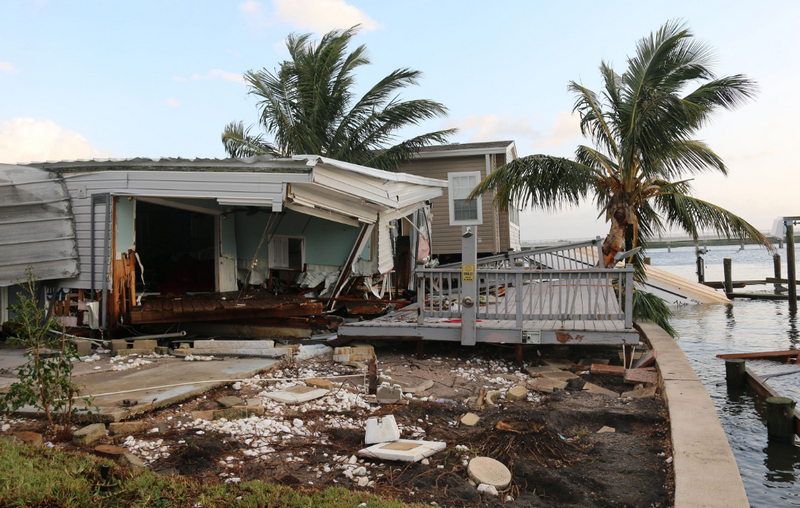
    But with that comes risk. Hurricanes, heavy rains, and flooding affect many areas. Insurance helps mobile homeowners recover quickly when damage happens.

    Most insurance policies for mobile homes cover:

    • Fire and storm damage
    • Theft and vandalism
    • Liability for accidents
    • Damage to attached structures like porches and carports
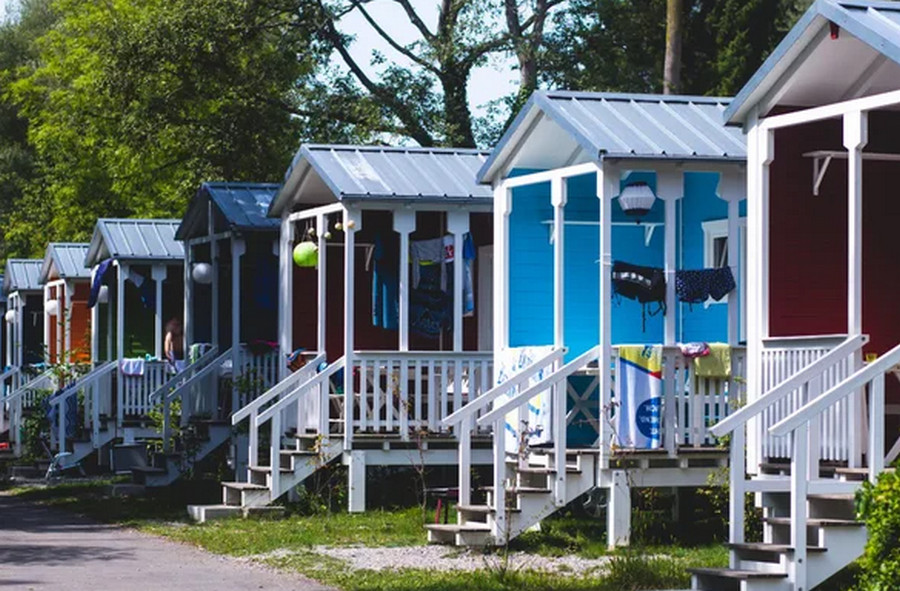
      Who-Insures-Mobile-Homes-in-Florida

    Some plans even include living expenses if your home becomes uninhabitable.

    Who Insures Mobile Homes in Florida?

    Multiple companies insure mobile homes in Florida. These include national providers and Florida-based agencies. Most specialize in covering homes in hurricane-prone areas.

    Well-known providers include:

    • Foremost Insurance
    • American Modern
    • Citizens Property Insurance
    • Assurant
    • State Farm 

    Each company has different pricing models and coverage limits. Most will consider the home’s age, location, and condition. Some offer better rates for homes in managed parks or those with hurricane straps.

    What Affects the Cost of Insurance?

    Insurance prices vary from one homeowner to another. While Florida homes near the coast cost more to insure, those inland tend to see lower premiums.

    Here are the main cost factors:

    • Location: High-risk zones near water or flood areas raise premiums.
    • Home age and construction: Newer homes with hurricane protection qualify for discounts.
    • Coverage level: Basic policies cost less but cover fewer risks.
    • Deductibles: Higher deductibles reduce monthly payments but increase out-of-pocket costs. 

    In Florida, the average mobile home insurance premium ranges from $900 to $1,800 per year. That range depends on size, condition, and exact location.

    Benefits of Insuring Your Mobile Home

    Mobile home insurance protects more than your walls and roof. It adds peace of mind. When storms hit or accidents happen, you won’t face repair bills alone.

    Most policies also include:

    ✓ Personal property coverage
    ✓ Guest injury liability
    ✓ Emergency living expenses
    ✓ Loss from theft or vandalism

    Florida requires proof of insurance in some parks. Having coverage can help when applying for financing or renting space in a community.

    Where to Find the Right Policy

    You can get mobile home insurance through:

    • Local agents familiar with Florida parks
    • Online comparison sites
    • National insurance company offices 

    Before signing, compare at least three quotes. Ask about flood coverage, which often costs extra. Review exclusions carefully so there are no surprises later.

    Extra Amenities and Add-Ons

    Mobile home insurance can include extras. You may want to protect outdoor structures, appliances, or even golf carts.

    Common add-ons include:

    ✓ Shed or outbuilding coverage
    ✓ Equipment breakdown
    ✓ Debris removal
    ✓ Mold or water damage protection

    These upgrades cost more, but they help if a storm hits or a pipe bursts.

    Living in a Mobile Home Community

    Florida mobile home parks offer more than low-cost housing. Many include clubhouses, pools, lawn service, and gated security.

    These added amenities improve life and may reduce your insurance rate. Managed parks often require hurricane anchors, fire alarms, or other safety features.

    These upgrades lower risk and attract better premiums from insurance companies.

    Tips for Lowering Your Premium

    You can cut your insurance cost without sacrificing protection. Many Florida homeowners save money by taking a few simple steps:

    • Install hurricane straps or roof bracing
    • Add deadbolt locks and security lights
    • Increase your deductible
    • Bundle insurance with auto or life coverage
    • Choose a community with strict safety rules 

    Always ask your agent about possible discounts. Many offer lower rates to retirees, veterans, or residents in age-restricted parks.

    Who Insures Mobile Homes in Florida: Final Thoughts

    Insuring your mobile home in Florida protects your home, your belongings, and your future. Several companies serve this market, offering flexible plans for a wide range of budgets and property types.

    Whether you live in Tampa, Orlando, or along the Gulf Coast, mobile home insurance gives you financial protection against the unexpected.

    FAQs: Who Insures Mobile Homes in Florida?

    1. Do I need insurance for my mobile home in Florida?

    Yes, especially if you live in a park or finance your home. It protects against damage and loss.

    2. How much does mobile home insurance cost in Florida?

    Most policies range from $900 to $1,800 per year depending on location and coverage.

    3. Can I get insurance if my home is older than 20 years?

    Yes. Many insurers cover older homes if they meet safety standards.

    4. Is flood insurance included?

    No. You must buy it separately, usually through the National Flood Insurance Program.

    5. Who insures mobile homes in Florida near the coast?

    Companies like Citizens and Foremost often cover coastal areas, but prices are higher.

    6. Will insurance cover a hurricane?

    Yes, if windstorm coverage is part of your policy. Always confirm that it’s included.

    7. Does insurance cover my personal items?

    Yes, most plans include personal property protection up to a set amount.

    8. Can I reduce my insurance premium?

    Yes. Safety upgrades, higher deductibles, and bundling help lower costs.

    9. Do I need insurance if I own the land?

    Yes. Damage, theft, or liability risks still apply even if you own the property.

    10. What documents do I need to get started?

    You’ll need your home’s age, size, VIN (if applicable), and park location if renting land.

    See Also:

  • Understanding Homeowners Insurance for Mobile Homes in Florida

    Getting homeowners insurance for mobile homes requires specific knowledge of Florida’s insurance market and coverage options. Let’s break down what you need to know.

    Why Mobile Homes Need Special Coverage

    Mobile homes differ from traditional houses in their construction and materials. These unique features make them strong and adaptable. Many newer models meet strict building codes. This means better protection against storms and other weather events.

    Finding the Right Insurance Provider

    Several top insurers offer mobile home coverage in Florida. Each company brings different benefits to the table. Start by checking these basic points:

    • Financial strength ratings from independent agencies
    • Customer service track records
    • Claims processing speed
    • Payment options and discounts
    • Coverage limits and deductible choices

    Cost Factors for Mobile Home Insurance

    Your premium depends on several factors:

    • Home age and condition
    • Location within Florida
    • Safety features installed
    • Previous claims history
    • Distance from fire stations
    • Hurricane protection measures

    homeowners insurance for mobile homes fl

    Homeowners Insurance for Mobile Homes: Coverage Types

    Basic policies protect against common risks. Standard coverage includes:

    • Structure damage from fires or storms
    • Personal belongings
    • Liability protection
    • Additional living costs during repairs
    • Medical payments for visitors

    Hurricane Protection Requirements

    Florida law sets specific rules for mobile homes. Wind protection stands as a top priority. Consider these safety upgrades:

    • Tie-downs and anchoring systems
    • Storm shutters
    • Reinforced roofing
    • Impact-resistant windows
    • Updated strapping systems

    Saving Money on Your Policy

    Smart choices can reduce insurance costs. Take these steps to lower your premiums:

    • Install security systems
    • Add smoke detectors
    • Update electrical systems
    • Maintain good credit
    • Choose higher deductibles

    Mobile Home Insurance Claims Process

    Quick action helps speed up claims. Follow these steps after damage:

    • Document everything with photos
    • Make temporary repairs
    • Keep all receipts
    • Contact your insurer fast
    • Meet with adjusters promptly

    Extra Coverage Options

    Standard homeowners insurance for mobile homes might not cover everything. Think about adding:

    • Flood insurance
    • Extended replacement cost
    • Personal property riders
    • Additional liability coverage

    Maintenance Tips to Keep Rates Low

    Regular upkeep prevents problems. This can help maintain lower rates:

    • Check roof condition yearly
    • Test smoke alarms monthly
    • Update tie-downs
    • Clean gutters regularly
    • Fix small issues fast

    Working with Insurance Agents

    Good agents make a big difference. They should:

    • Answer questions clearly
    • Explain policy details
    • Help with claims
    • Review coverage yearly
    • Suggest useful updates

    Understanding Policy Limits

    Know what your policy covers. Read through these sections:

    • Coverage amounts
    • Deductible levels
    • Excluded events
    • Extra living costs
    • Liability limits

    Florida-Specific Requirements

    State laws affect mobile home coverage. Keep these points in mind:

    • Required coverage types
    • Minimum protection levels
    • Documentation needs
    • Inspection rules
    • Claims deadlines

    Making Smart Coverage Choices

    Pick a coverage that fits your needs. Think about:

    • Home value
    • Personal property worth
    • Risk factors
    • Budget limits
    • Future plans

    Mobile home insurance brings peace of mind. Florida weather can change fast. Good coverage protects your investment. Regular reviews help keep protection current. Smart choices lead to better coverage.

    Remember to update your policy as needed. Changes to your home need coverage updates. Keep contact info current. Save important documents. Stay ready for weather events.

    Ask questions about unclear terms. Good insurers welcome questions. They want informed customers. Clear understanding prevents problems. Better knowledge means better choices.

    Your mobile home deserves solid protection. Take time choosing coverage. Read policies carefully. Keep up with maintenance. Stay prepared for storms. Good planning pays off.


    See Also:

  • Who Insures Mobile Homes in Florida?

    Who insures mobile homes in Florida? Many homeowners ask this question when looking for coverage to protect their property. Several insurance companies provide policies specifically designed for mobile homes. These policies help cover damage from storms, fire, theft, and other unexpected events. Finding the right insurance ensures homeowners have financial protection and peace of mind.

    Why Mobile Home Insurance Matters in Florida

    Florida is a great place to own a mobile home, but the state’s weather can be unpredictable. Hurricanes, heavy rains, and high winds increase the need for strong coverage. Insurance helps homeowners recover quickly from unexpected damage.

    Benefits of Mobile Home Insurance:

    • Covers storm and hurricane damage
    • Protects against fire and theft
    • Includes liability coverage for injuries on the property
    • Helps with temporary housing if the home is unlivable after an accident

    Having the right policy makes homeownership safer and more secure.

    Who insures mobile homes in Florida

    Who Insures Mobile Homes in Florida? Top Providers

    Many companies offer insurance coverage for mobile homes in Florida. Each provider has different policies, so comparing options helps homeowners find the best fit.

    1. Citizens Property Insurance Corporation

    Citizens Property Insurance is a state-backed provider that covers mobile homes when private companies will not. This option is available to homeowners who cannot secure coverage elsewhere.

    2. American Modern Insurance Group

    This company specializes in mobile home insurance. Their policies cover wind damage, fire, and theft, offering flexible options for Florida homeowners.

    3. Foremost Insurance Group

    Foremost is a well-known provider offering mobile home coverage. They provide full replacement cost coverage, liability protection, and options for older homes.

    4. Assurant

    Assurant provides insurance for both mobile and manufactured homes. Their policies include personal property coverage and extra protection against hurricanes.

    5. Allstate

    Allstate offers policies for mobile homes that include weather damage, liability, and personal belongings coverage. Their discounts help homeowners save on premiums.

    Finding the right provider depends on the home’s location, condition, and personal coverage needs.

    What Does Mobile Home Insurance Cover?

    Insurance policies vary, but most provide protection against common risks.

    Standard Coverage Includes:

    • Dwelling protection – Repairs or replaces the home after covered damage.
    • Personal property coverage – Protects belongings like furniture and electronics.
    • Liability coverage – Covers legal costs if someone is injured on the property.
    • Additional living expenses – Pays for temporary housing if repairs are needed.

    Each policy may include different terms, so reviewing coverage details is important.

    How to Choose the Right Mobile Home Insurance in Florida

    Selecting the best insurance policy requires careful comparison. Homeowners should look at coverage options, pricing, and customer service.

    Key Factors to Consider:

    • Hurricane and flood protection – Florida’s weather makes this coverage important.
    • Replacement cost vs. actual cash value – Replacement cost policies provide more coverage.
    • Deductible amounts – Higher deductibles lower premiums but increase out-of-pocket costs.
    • Discount opportunities – Some providers offer discounts for safety features or multiple policies.

    A policy that fits the homeowner’s budget and needs provides the best protection.

    How Much Does Mobile Home Insurance Cost in Florida?

    The cost of insurance depends on several factors, including location, home age, and coverage level.

    Factors That Affect Pricing:

    • Location – Coastal areas have higher premiums due to hurricane risks.
    • Home age and condition – Older homes may cost more to insure.
    • Safety features – Homes with storm-resistant materials may qualify for discounts.
    • Coverage limits – More coverage leads to higher premiums.

    On average, mobile home insurance in Florida ranges from $500 to $2,000 per year. Comparing multiple quotes helps find the best rate.

    How to Save Money on Mobile Home Insurance

    Homeowners can take several steps to lower insurance costs while maintaining strong coverage.

    Ways to Reduce Premiums:

    • Install storm shutters and impact-resistant windows
    • Choose a higher deductible to lower monthly payments
    • Bundle mobile home and auto insurance for discounts
    • Maintain a good claims history to avoid rate increases

    Taking preventive measures makes a home safer and helps lower insurance costs.

    Who Insures Mobile Homes in Florida? Finding the Best Fit

    Who insures mobile homes depends on location, home condition, and personal needs. Comparing policies, understanding coverage options, and taking advantage of discounts help homeowners find the best insurance. With the right provider, mobile home owners in Florida can feel secure, knowing their property is protected.

    See Also:


  • Mobile Home Insurance for Hurricanes: What Florida Residents Need to Know

    Mobile homes in Florida face unique challenges during hurricane season. Given their lightweight structures, mobile homes are more vulnerable to high winds and flooding. For residents, adequate insurance coverage is essential. Mobile home insurance is designed to protect against these natural disasters, yet many owners lack a comprehensive understanding of its terms and benefits. Here, key aspects of mobile home insurance for hurricanes are discussed to ensure all residents are well-prepared.

    Understanding Mobile Home Insurance Coverage

    In Florida, standard mobile home insurance typically covers damages caused by wind, hail, and fire. However, damage from flooding may not be included in the primary policy. Additional coverage, such as a separate flood insurance policy, is often needed to cover this risk. Standard policies can include structural coverage, personal property protection, and liability insurance. Coverage limits and policy specifics vary by provider, making it essential to read the policy thoroughly.

    mobile home insurance for hurricanes

    Types of Coverage Needed for Hurricane Season

    A comprehensive policy should include several types of coverage for full protection. Structural coverage should protect the mobile home’s frame, roof, and exterior fixtures. Personal property coverage is necessary to replace or repair belongings damaged by hurricanes. Liability coverage is also recommended to cover potential injury claims from visitors during or after a storm. Additional coverage for living expenses is often available and should be considered. This coverage assists with temporary housing costs if evacuation becomes necessary due to storm damage.

    Additional Coverage Options to Consider

    Many insurance companies offer additional hurricane-specific options. Flood insurance, which is not typically included, should be considered by all Florida residents. Windstorm insurance may also be available, which is especially useful in hurricane-prone areas. Extended replacement cost coverage can protect against inflation in repair costs due to high demand after hurricanes. These additional options can provide more peace of mind during hurricane season, even if they increase the monthly premium.

    The Role of Deductibles in Hurricane Insurance

    Insurance deductibles are a key factor to consider when choosing a policy. Deductibles are the amounts paid out of pocket before coverage begins. In hurricane-prone areas, insurance companies often apply a separate hurricane deductible. This deductible is usually a percentage of the total coverage amount. Florida residents should confirm their deductible structure and choose an amount they can afford to pay. High deductibles lower premiums but increase upfront costs when a claim is filed.

    Evaluating Insurance Providers for Hurricane Coverage

    Florida residents should evaluate several insurance providers to find the best fit. Each provider may have different policies, coverage limits, and premiums. An insurance provider should have experience with hurricane claims, as well as a reputation for reliable service. Online reviews, financial stability ratings, and recommendations from other mobile homeowners should be considered. A provider’s response time to claims should also be evaluated, as timely assistance is critical after a hurricane.

    Understanding Policy Exclusions for Hurricanes

    Policy exclusions are terms that limit the situations in which coverage applies. Many mobile home insurance policies include exclusions for specific types of storm damage. Understanding these exclusions is essential for full preparedness. Certain exclusions may apply to items kept outside the home, like sheds or vehicles. Flooding is typically excluded and must be covered by a separate policy. Careful review of exclusions allows residents to make informed choices and avoid costly surprises after a storm.

    The Importance of Flood Insurance in Florida

    Flooding is a major risk during hurricanes, but it is often not covered under standard policies. Separate flood insurance should be considered to protect the mobile home and belongings. Flood insurance is typically offered through the National Flood Insurance Program (NFIP) and private insurers. The NFIP provides policies specifically designed for high-risk flood zones. With flood insurance, residents are better protected against the significant damage that storm surges can cause.

    How Windstorm Insurance Protects Mobile Homes

    Windstorm insurance specifically covers damage caused by strong winds, including those from hurricanes. For mobile homeowners, windstorm insurance offers critical protection against severe weather. Wind damage can affect roofs, windows, and siding, leading to costly repairs. In many Florida areas, separate windstorm policies are required due to the high hurricane risk. A windstorm policy provides a focused layer of protection against common storm-related damage.

    Reviewing Your Policy Annually

    Policy reviews should be conducted at least once a year. Mobile home values and coverage requirements can change over time. Hurricane season in Florida brings unpredictable weather, so yearly policy adjustments are recommended. Increases in property value, updates to local regulations, and changes in weather patterns may require additional coverage. Reviewing the policy ensures that residents stay prepared for evolving risks and avoid coverage gaps.

    Keeping an Inventory of Insurance Claims

    An inventory of all personal belongings should be kept and updated regularly. In case of damage, this inventory will simplify the claims process. Photos, receipts, and item descriptions should be included in the inventory. Digital backups are recommended, especially in case physical records are lost. This documentation helps speed up claims and ensures all damaged or lost items are accounted for. Keeping this information in a secure and accessible place is advised.

    How to File a Hurricane Insurance Claim

    A hurricane insurance claim should be filed promptly after a storm. Providers should be contacted as soon as it is safe to do so. Damage should be documented with photos, including close-ups of specific areas and overall property views. A detailed list of damages should be submitted along with the claim. Claims should be tracked through each stage until resolved. Adjusters may require access to the property, so coordinating an inspection time with the provider is essential.

    Temporary Housing Coverage for Mobile Home Owners

    Temporary housing coverage is especially valuable in the aftermath of a hurricane. If the mobile home becomes uninhabitable, temporary housing expenses can be covered. This coverage may include hotel stays, food expenses, and other related costs. For Florida mobile home residents, temporary housing coverage offers security during difficult times. Each policy may have different limits on these expenses, so terms should be reviewed carefully.

    Policy Adjustments After Storm Damage

    After significant damage, the insurance policy should be re-evaluated. Repair costs may increase, and the home’s overall value may change. Policy adjustments ensure continued protection against future storms. In Florida, rebuilding after a hurricane can be costly, so the policy should reflect these expenses. An insurance agent can provide guidance on adjusting limits to maintain adequate coverage.

    Choosing a Higher Coverage Limit

    Higher coverage limits may be worth considering in hurricane-prone areas. Higher limits increase the level of protection for the mobile home and personal belongings. For Florida mobile homeowners, this may mean adding protection against common types of damage, such as roof or structural repairs. A higher limit is especially beneficial when rebuilding costs are high. While higher premiums may be required, the investment in peace of mind can be worthwhile.

    Essential Steps Before and During Hurricane Season

    Before hurricane season, all insurance information should be reviewed and organized. Emergency contacts, policy numbers, and claim filing information should be readily available. An evacuation plan should be created and discussed with family members. Personal documents should be stored in a waterproof container, and emergency supplies should be stocked. With these preparations, mobile home residents can reduce risks and ensure a safer hurricane season.

    Getting Support from Insurance Agents

    Insurance agents can provide valuable assistance with hurricane coverage. A knowledgeable agent will help residents understand policy terms, deductibles, and exclusions. After a storm, an agent can guide residents through the claims process, ensuring prompt support. Many agents in Florida specialize in hurricane insurance and can offer tailored advice. Consulting with an agent ensures that mobile home residents are properly covered for hurricane season.

    Staying Informed on Hurricane-Related Insurance Laws

    Florida’s insurance laws are often updated to reflect hurricane risks and homeowner needs. Staying informed on changes can help mobile homeowners adjust their policies accordingly. Legal changes may impact deductibles, exclusions, or claim procedures. Reliable sources, such as government websites or local news, should be consulted for updates. Insurance providers may also send updates to policyholders on relevant legal changes.

    Final Thoughts on Hurricane Insurance

    In Florida, mobile home insurance is essential to withstand hurricane season. A well-rounded policy with windstorm, flood, and liability coverage provides the best protection. Deductibles, exclusions, and coverage limits must be understood to avoid unexpected costs. Each resident should maintain an up-to-date policy that matches the home’s current value and risk level. By taking these steps, mobile home residents can protect themselves and their property through each hurricane season.


    See Also:

  • Top Manufactured Home Insurance in Florida

    Manufactured homes, also known as mobile homes, are a popular and affordable housing option in Florida. However, owning a manufactured home comes with unique insurance needs. Finding the right manufactured home insurance in Florida is essential to protect your investment from risks such as storms, fire, and theft. This article explores the top manufactured home insurance providers in Florida, their coverage options, and what to consider when choosing the best policy for your needs.

    top manufactured home insurance

    Why Manufactured Home Insurance is Important

    Manufactured homes, while affordable, can be vulnerable to various risks due to their construction and location. Florida’s weather, including hurricanes, floods, and tropical storms, poses significant threats to these homes. Manufactured home insurance provides coverage for these risks, offering peace of mind to homeowners.

    Top Manufactured Home Insurance Providers in Florida

    1. State Farm
      • Coverage Options: State Farm offers comprehensive coverage for manufactured homes, including dwelling protection, personal property, liability, and loss of use. They also provide optional coverage for additional structures and identity restoration.
      • Pros: State Farm is known for its excellent customer service, extensive Agent network, and comprehensive policies tailored to individual needs.
      • Cons: Premiums can be higher compared to other providers.
    2. Geico
      • Coverage Options: Geico partners with Assurant to offer manufactured home insurance. Their policies include dwelling coverage, personal property, liability, and additional living expenses. Optional coverages like flood insurance are also available.
      • Pros: Competitive pricing and the convenience of bundling with other Geico insurance products.
      • Cons: Customer service can vary as Assurant underwrites the actual policy.
    3. American Modern Insurance Group
      • Coverage Options: American Modern specializes in manufactured home insurance, offering customizable policies that include dwelling, personal property, liability, and loss of use. They also provide optional coverages like trip collision and flood insurance.
      • Pros: Extensive experience in the manufactured home market and highly customizable policies.
      • Cons: May not offer the same level of discounts as larger insurers.
    4. Foremost Insurance Group
      • Coverage Options: Foremost, a part of the Farmers Insurance Group, provides comprehensive coverage options for manufactured homes. Policies include dwelling, personal property, liability, and additional living expenses. They also offer optional coverages like flood, earthquake, and identity theft protection.
      • Pros: Specialized in manufactured home insurance with a wide range of coverage options.
      • Cons: Premiums can be on the higher side.
    5. Allstate
      • Coverage Options: Allstate offers robust manufactured home insurance policies covering the dwelling, personal property, liability, and loss of use. Additional coverages like water backup, green improvement reimbursement, and identity theft restoration are available.
      • Pros: Strong financial stability and a wide range of additional coverage options.
      • Cons: Higher premiums compared to some other providers.

    Factors to Consider When Choosing Manufactured Home Insurance

    1. Coverage Needs: Assess the level of coverage you need for your dwelling, personal property, liability, and additional living expenses. Consider optional coverages like flood or earthquake insurance, especially in Florida.
    2. Cost: Compare premiums from different providers. While it’s tempting to go for the cheapest option, ensure that the policy offers adequate coverage for your needs.
    3. Deductibles: Higher deductibles can lower your premium but ensure you can afford to pay the deductible amount in case of a claim.
    4. Provider Reputation: Research the insurance company’s reputation, customer service, and claim handling process. Customer reviews and ratings can provide valuable insights.
    5. Discounts: Look for available discounts, such as multi-policy discounts, safety features, or loyalty discounts, to reduce your premium costs.

    Tips for Reducing Manufactured Home Insurance Costs

    • Bundle Policies: Consider bundling your manufactured home insurance with other insurance policies like auto or life insurance to receive multi-policy discounts.
    • Install Safety Features: Installing safety features such as smoke detectors, security systems, and storm shutters can lower your premium.
    • Regular Maintenance: Maintain your home to prevent damage and reduce the likelihood of filing claims, which can increase your premium.
    • Shop Around: Regularly compare quotes from different insurance providers to ensure you are getting the best rate.

    Common Exclusions in Manufactured Home Insurance

    It’s crucial to understand what your manufactured home insurance policy does not cover. Common exclusions can include:

    • Flooding: Most standard policies do not cover flood damage. Consider purchasing separate flood insurance, especially in flood-prone areas of Florida.
    • Earthquakes: Earthquake damage is typically excluded from standard policies and requires additional coverage.
    • Wear and Tear: Damage due to regular wear and tear, lack of maintenance, or aging is not covered.

    Conclusion

    Finding the right manufactured home insurance in Florida is essential to protect your home and personal property from various risks. Providers like State Farm, Geico, American Modern Insurance Group, Foremost Insurance Group, and Allstate offer comprehensive coverage options tailored to the unique needs of manufactured homeowners. By assessing your coverage needs, comparing costs, and considering factors like provider reputation and available discounts, you can choose the best policy for your situation. Remember to review your policy regularly and keep your home well-maintained to ensure ongoing protection.

    Disclaimer

    The information provided in this article is for general informational purposes only and does not constitute professional advice. Insurance policies and coverages vary by provider and individual circumstances. It is recommended to consult with a licensed insurance agent or company representative to discuss your specific needs and obtain personalized quotes and advice.


    See Also:

  • Does Mobile Home Insurance Cover Mold in Florida?

    Owning a mobile home in Florida offers a unique and often affordable living situation. However, mobile homes are susceptible to various issues like any dwelling, including mold growth. When mold strikes, many homeowners wonder, “Does mobile home insurance cover mold?” Unfortunately, the answer isn’t always a simple yes or no.

    Does Mobile Home Insurance Cover Mold
    Molds inside a mobile home

    This article will delve into the intricacies of mobile home insurance in Florida, particularly regarding mold coverage. We’ll explore what’s typically covered, factors influencing mold coverage, and alternative insurance options for Florida mobile homeowners.

    Understanding Mobile Home Insurance in Florida

    Mobile home insurance, also known as manufactured home insurance, functions similarly to traditional homeowners insurance. It protects your mobile home from various perils, offering financial assistance for repairs or replacements in the event of covered losses. Common covered perils in Florida mobile home insurance include:

    • Wind damage: A significant concern in hurricane-prone Florida, wind damage coverage protects your mobile home from strong winds, flying debris, and other storm-related hazards.
    • Hail damage: Hailstones can cause significant dents and damage to your mobile home’s roof and siding. Mobile home insurance typically covers repairs or replacements due to hail.
    • Fire damage: Mobile home insurance covers repairing or rebuilding your dwelling in case of a fire.
    • Theft: While uncommon for the entire mobile home, theft coverage protects belongings inside your mobile home in case of a break-in.
    • Vandalism: Malicious damage to your mobile home by vandals is typically covered under a mobile home insurance policy.

    It’s important to note that every mobile home insurance policy is different. While the perils mentioned above are common inclusions, specific coverage details and exclusions will vary depending on your insurer and chosen policy.

    Does Mobile Home Insurance Cover Mold in Florida?

    Now, let’s address the central question: does mobile home insurance cover mold in Florida? The answer is conditional. Generally, mobile home insurance policies won’t cover mold damage caused by gradual issues like:

    • Poor ventilation: Bathrooms and kitchens with inadequate ventilation are prime breeding grounds for mold.
    • Leaking pipes: Slow leaks that go unnoticed for long periods can create the perfect environment for mold growth.
    • Condensation: Condensation buildup on windows and walls can lead to mold problems if not addressed promptly.

    These situations fall under neglect or lack of maintenance, which are typically excluded from standard mobile home insurance policies in Florida.

    However, there’s a glimmer of hope. Mobile home insurance may cover mold remediation if the mold growth originates from a sudden and accidental covered peril. For instance:

    • Burst pipes: If a pipe suddenly bursts and causes extensive water damage, your insurance might cover the cost of mold removal as part of the overall water damage repairs.
    • Roof damage: A storm-damaged roof that leaks water into your mobile home could lead to mold growth. In this scenario, your insurance might cover removing the mold after the roof is repaired.

    The key takeaway is carefully reviewing your mobile home insurance policy’s mold coverage details. If you’re unsure whether your situation qualifies for coverage, don’t hesitate to contact your insurance provider.

    Additional Insurance Options for Florida Mobile Homeowners

    While standard mobile home insurance might not cover mold itself, there are additional options Florida mobile homeowners can consider:

    • Mold coverage endorsement: Some insurers offer endorsements or riders that can be added to your existing policy for an additional premium. These endorsements can provide limited coverage for mold removal in specific situations.
    • Flood insurance: While not directly related to mold, flood insurance is a crucial consideration for Florida residents. Flooding can create ideal conditions for mold growth, and having separate flood insurance can help cover the costs associated with flood damage and subsequent mold remediation.

    Remember, prevention is always better than cure. You can significantly reduce the risk of mold growth and potential insurance headaches by taking proactive measures to maintain proper ventilation, address leaks promptly, and control moisture levels in your mobile home.

    Conclusion

    Does mobile home insurance cover mold in Florida? The answer depends on the cause of the mold and the specifics of your insurance policy. While standard coverage typically excludes mold damage from neglect, your insurance might offer some protection if the mold results from a sudden and accidental covered peril. Exploring additional insurance options like mold coverage endorsements and flood insurance can provide further peace of mind. Taking a proactive approach to preventing mold growth through proper maintenance is the best way to safeguard your Florida mobile home.


    See Also:


  • Best Mobile Home Insurance for Your Florida Home

    Owning a mobile home in Florida offers a unique blend of affordability and convenience. However, the state’s volatile weather patterns, including frequent storms and hurricane season, necessitate a strong safety net – best mobile home insurance is crucial for protecting your investment.

    best mobile home insurance

    Unlike traditional homeowners insurance, mobile home insurance caters specifically to manufactured housing needs. It safeguards your dwelling against various perils, offering financial protection in case of damage or destruction. But with numerous insurance providers in the market, selecting the best mobile home insurance for your Florida home can be overwhelming. This article will equip you with the knowledge to navigate the insurance landscape, understand key coverage options, and find the best insurance policy for your needs.

    Understanding Mobile Home Insurance Coverage

    Mobile home insurance policies typically encompass two primary areas of coverage: dwelling and personal property.

    • Dwelling Coverage: This protects the structure of your mobile home itself, including walls, roof, flooring, and attached fixtures. It covers damage caused by various perils, such as fire, lightning, windstorms, hail, vandalism, and theft.

    • Personal Property Coverage: This safeguards your belongings within the mobile home, such as furniture, electronics, clothing, and appliances. It covers losses arising from covered perils mentioned in dwelling coverage and may include additional protection against specific events like theft or water damage.

    Additional Coverage Options:

    Many insurers offer a variety of add-on coverages to customize your policy and address specific needs. Here are some common options to consider:

    • Flood Insurance: A crucial consideration in Florida, flood insurance protects your mobile home against rising water, often excluded from standard policies.
    • Loss of Use Coverage: This reimburses you for additional living expenses if your mobile home becomes uninhabitable due to a covered peril.
    • Increased Replacement Cost Coverage: This accounts for rising construction costs and ensures you have enough coverage to rebuild your home in the event of a total loss.
    • Attached Structures Coverage: This protects additional structures on your property, such as sheds, garages, or carports.

    Finding the Best Mobile Home Insurance for Your Florida Home

    Florida’s unique weather conditions significantly impact your insurance needs. Here are some key factors to consider when searching for the best mobile home insurance for your Florida mobile home:

    • Hurricane Coverage: Florida experiences a high frequency of hurricanes. Ensure your policy includes comprehensive windstorm coverage to safeguard your home against these powerful storms.
    • Flood Insurance: As mentioned earlier, flood insurance is crucial in Florida due to the constant threat of rising water. Consider purchasing a separate flood insurance policy from the National Flood Insurance Program (NFIP) or inquire about flood coverage options from your insurer.
    • Deductible: The deductible is the amount you pay out of pocket before your insurance coverage kicks in. Choosing a higher deductible can lower your premium but ensure you can comfortably afford it in an emergency.
    • Discounts: Many insurers offer discounts for bundling your mobile home insurance with other policies like auto insurance, being a loyal customer, or having certain safety features installed in your home.

    Shopping for Mobile Home Insurance:

    To find the best mobile home insurance for your Florida home, it’s vital to compare quotes from multiple insurers. Here are some tips for a successful insurance shopping experience:

    • Gather Information: Before contacting insurers, take inventory of your belongings and estimate the replacement value of your mobile home.
    • Compare Quotes: Get quotes from several reputable insurance companies. Be sure to inquire about specific coverages, deductibles, and available discounts.
    • Read the Fine Print: Carefully review the policy wording to understand what is and isn’t covered, including exclusions and limitations.
    • Ask Questions: Don’t hesitate to ask questions and clarify any doubts you may have about the coverage or policy terms.

    Additional Tips for Florida Mobile Homeowners:

    • Maintain Your Mobile Home: Regularly inspect your mobile home for any signs of damage and address them promptly. Proper maintenance can help prevent losses and potentially lower your insurance premiums.
    • Fortify Your Home: Consider hurricane preparedness measures like installing hurricane shutters or tie-downs to minimize potential damage during storms. Some insurers may offer discounts for taking such steps.
    • Review Your Policy Annually: It’s essential to review your mobile home insurance policy annually to ensure it reflects your current needs and adjust coverage limits as needed.

    Conclusion

    Finding the best mobile home insurance for your Florida home requires careful consideration of your specific needs and Florida’s unique weather challenges. By understanding the types of coverage available, prioritizing hurricane and flood protection, and comparing quotes from reputable insurers, you can secure the peace of mind that comes with knowing your investment is protected. Remember, comprehensive mobile home insurance is a vital safeguard against the financial repercussions of unforeseen events. Don’t wait until a storm is brewing – take action today to secure the best mobile home insurance for your Florida home. With the right coverage in place, you can weather any storm with confidence, knowing you have the financial resources to rebuild and recover.


    See Also:

  • Do I Need Insurance for My Mobile Home?

    Mobile homes, also known as manufactured homes, offer an affordable housing option for many individuals and families. While they provide comfort and convenience, it’s essential to consider the various aspects of homeownership, including insurance. The question often arises: “Do I need insurance for my mobile home?” In this article, we’ll delve into the importance of mobile home insurance, what it covers, and why it’s vital to protecting your investment and peace of mind.

    Understanding Mobile Home Insurance:

    Much like traditional homeowners insurance, mobile home insurance provides financial protection in unexpected circumstances such as natural disasters, accidents, or theft. It covers not only the structure itself but also personal belongings and liability coverage for injuries that may occur on your property.

    mobile-home-insurance

    Key Reasons to Have Mobile Home Insurance:

    • Protecting Your Investment:

    Your mobile home is a significant investment, and like any valuable asset, it’s crucial to safeguard it against potential risks. Mobile home insurance covers damages caused by fire, windstorms, hail, vandalism, and other perils, ensuring that you won’t face significant financial losses in an unforeseen disaster.

    • Personal Property Coverage

    In addition to protecting the structure of your mobile home, insurance also covers your personal belongings inside. This includes furniture, electronics, clothing, and other items that could be damaged or destroyed due to covered perils. Insurance ensures you can replace these items without bearing the full financial burden yourself.

    • Liability Protection

    Accidents can happen anywhere, including on your property. Mobile home insurance includes liability coverage, which protects you financially if someone is injured on your property and you’re found liable for their medical expenses or other damages. This coverage extends beyond your mobile home, including incidents that may occur anywhere on your property.

    • Additional Living Expenses

    Mobile home insurance can cover additional living expenses if your mobile home becomes uninhabitable due to a covered peril, such as a fire or severe storm. This includes temporary housing, meals, and other essential expenses while your home is being repaired or rebuilt, providing much-needed support during a challenging time.

    Factors to Consider When Purchasing Mobile Home Insurance

    • Location

    The location of your mobile home plays a significant role in determining the cost of insurance and the specific risks it may face. For example, homes in areas prone to hurricanes, tornadoes, or wildfires may require additional coverage or higher premiums to protect against these hazards adequately.

    • Age and Condition of the Home

    The age and condition of your mobile home can also impact insurance costs. Older homes may have outdated electrical or plumbing systems, which could increase the risk of fire or water damage. Additionally, homes that have been well-maintained and updated may qualify for discounts on insurance premiums.

    • Coverage Limits and Deductibles

    When purchasing mobile home insurance, it’s essential to carefully review the coverage limits and deductibles offered by different insurers. Coverage limits determine the maximum amount the insurance company will pay for covered losses. At the same time, deductibles represent the out-of-pocket expenses you must pay before insurance coverage kicks in. Finding the right balance between coverage limits and deductibles is crucial to ensuring adequate protection without breaking the bank.

    • Additional Coverage Options

    Consider additional coverage options beyond the basic policy, depending on your specific needs and preferences. This could include coverage for particular perils not included in the standard policy, such as flood insurance or earthquake insurance, as well as endorsements or riders for high-value belongings or additional liability protection.

    Conclusion

    In conclusion, mobile home insurance is vital for protecting your home, personal belongings, and financial well-being. Insurance offers peace of mind and financial security, from safeguarding against unforeseen disasters to providing liability coverage for accidents on your property. When considering whether you need insurance for your mobile home, weighing the potential risks, your specific needs, and the coverage options available to find the right policy for you is essential. By adequately protecting your investment with insurance, you can enjoy your mobile home knowing that you’re prepared for the future.


    See Also:

  • How To Get Insurance For Your Mobile Home

    How To Get Insurance For Your Mobile Home

    How do you insure a mobile home when you own the home and lease the land it sits on?

    Further, is the same insurance available for mobile homes on leased land as there is for single-family homes?

    When working with clients who are new to the mobile home space, we are often asked if mobile homes on leased land can be insured and, if so, what type of insurance is available for these homes.

    For this blog, we will limit our conversation to what we at The Mobile Home Dealer specialize in: mobile homes on leased land.

    Mobile homes on leased land, as discussed several times through our previous blogs, are titled as used motor vehicles in Florida and not as a real estate since these homes come with titles for ownership and not deeds.

    If a mobile home is sold with the land, either in a rural setting or in a resident-owned community, then the home is viewed as real estate and not personal property.

    When you own real estate, the opportunities for insurance coverage are much greater than that of a mobile home on leased land. What we have found in our experience within the mobile home space is that many times, homeowners of mobile homes on leased land will take out some type of liability coverage for their mobile home. This coverage will often be for slips and falls, personal injury, or if someone gets hurt while on their property.

    This could cover the homeowner for a family member falling on a step if it was rainy and slippery or if the delivery person slipped and fell when delivering a package to the front door. We hope that no one ever gets hurt on or around your property, but on the off chance they do, many homeowners will have this type of policy coverage for their mobile home in case a claim needs to be filed.

    When we have mobile homeowners looking for full coverage, just as if they were owning a single-family home, they are usually surprised by how few other mobile homeowners carry this type of coverage within their mobile home park.

    One of the reasons we have seen so few people having full coverage on a mobile home located on leased land is that mobile homes are much less expensive to repair than similar repairs for a single-family home. To show this, I always like to give the example of damage to a mobile home carport. In this example, if someone you know took the turn too close while turning into the carport of your mobile home and damaged a pillar, it usually is much cheaper to have that repair done with a local professional in cash, as opposed to filing the claim with your homeowner’s insurance policy.

    How To Get Insurance For Your Mobile Home

    The reason for this is that once the mobile home owner factors in the insurance policy deductible and the possible increase in monthly premiums as a result of the filing, they may very well come out ahead if they had just paid for the claim in cash, as opposed to filing it.

    Homeowners insurance on mobile homes located on leased land is certainly available. Although we are not insurance specialists by any means here at The Mobile Home Dealer, we strongly suggest that you do your homework on what type of coverage you select prior to obtaining your mobile home’s homeowner’s insurance policy.

    Although manufactured homes, previously called mobile homes, are built in a factory and moved to a chosen place, they are not very different from the single-family houses built on the site, even regarding insurance. Whether you live there all year or season, it is essential to help protect your home with mobile home insurance.

    What covers mobile home insurance?

    Insurance coverages for mobile homes are usually similar to a standard policy for traditional house owners, which offers home coverage, your personal property, and demands for civil liability. According to the Insurance Information Institute* (III), the two basic coverages that are generally included in mobile home insurance policies are physical damage and civil liability.

    Physical structure and contents

    If your mobile home or its content suffers physical damage caused by dangers such as fires, robbery, or vandalism, repair or replacement costs are generally covered by a policy for mobile homes. The additional structures of your lot, such as a patio or a garage, and your personal belongings will probably also be covered. However, some policies only cover certain causes of loss. These “designated hazards” policies can have lower premiums, but be sure to check with your agent to know what is excluded from your policy.

    Civil Liability

    Policies generally include coverage against civil liability, which can help protect yourself (within the limits of the established policy) if you or someone in your home are responsible for the damage to the property.  However, the coverage against civil liability generally does not cover an injury that you have suffered or another member of your family, or anyone inside your mobile home. However, if your children accidentally break the neighbor’s window playing the ball, your policy will probably cover the repair cost.

    This is Mark Kaiser with The Mobile Home Dealer. We help mobile home Buyers and Sellers improve their lives.


    See Also:


Reset password

Enter your email address and we will send you a link to change your password.

Get started with your account

to save your favourite homes and more

Sign up with email

Get started with your account

to save your favourite homes and more

By clicking the «SIGN UP» button you agree to the Terms of Use and Privacy Policy
Powered by Estatik