Tag: no lot rent mobile homes in florida

  • What Are the Mobile Home Lot Rent Prices in Florida in 2025?

    What Are the Mobile Home Lot Rent Prices in Florida in 2025?

    Mobile home lot rent prices in Florida in 2025 continue to attract attention due to affordability and convenience. Many retirees and families choose mobile home communities for a cost-effective lifestyle in a warm climate.

    Average Mobile Home Lot Rent Prices in Florida

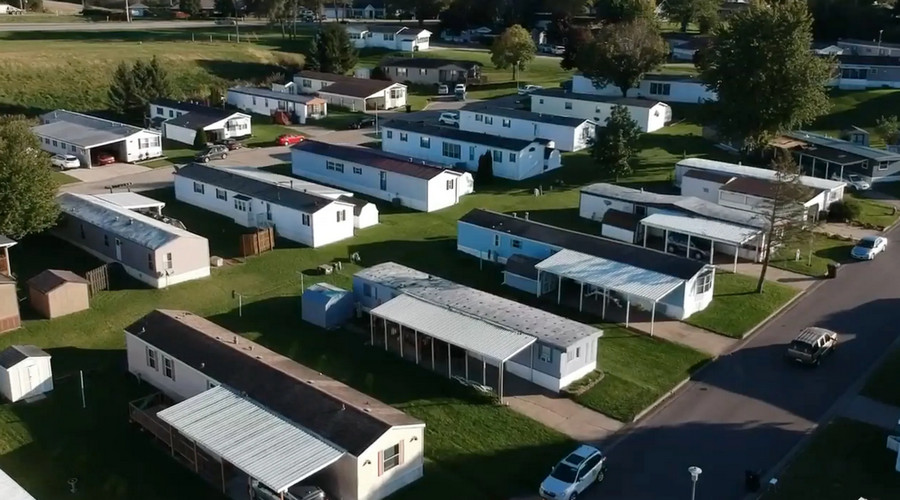
    The cost of mobile home lot rent varies based on location, amenities, and community rules. On average, lot rent prices range from $400 to $1,200 per month. Here is a breakdown of what influences these costs:

    • Coastal vs. Inland: Communities near the beach tend to have higher rent prices compared to inland locations.
    • Amenities Offered: Pools, clubhouses, and security services can increase monthly costs.
    • Age Restrictions: 55+ communities often charge more due to exclusive services and features.
    • Lot Size: Larger lots with more space for landscaping or storage may cost more.

    Top Florida Cities and Their Mobile Home Lot Rent Prices

    Orlando

    Mobile home lot rent prices in Orlando range from $500 to $1,000 per month. The city’s central location makes it a popular choice for both retirees and working families.

    Tampa Bay Area

    Tampa’s lot rent prices typically fall between $600 and $1,200 per month. Many communities here offer waterfront views, which can increase monthly costs.

    Miami

    Miami’s mobile home lot rent is among the highest in Florida, ranging from $700 to $1,200 per month. Proximity to the beach and entertainment hubs adds to the price.

    Jacksonville

    With rent prices between $400 and $900, Jacksonville provides an affordable option while still offering urban conveniences.

    Fort Myers

    Mobile home lot rent in Fort Myers averages between $500 and $1,000 per month. Many retirees prefer this area due to its relaxing atmosphere and golf-friendly communities.
    Average Mobile Home Lot Rent Prices in Florida

    What’s Included in Mobile Home Lot Rent?

    Lot rent typically covers basic services, but each community sets its own rules. Some of the common inclusions are:

    • Water and Sewer Services
    • Trash Collection
    • Lawn Maintenance
    • Clubhouse and Community Events
    • Swimming Pools or Fitness Centers
    • Security Patrols in Gated Communities

    Tips for Finding the Best Mobile Home Lot Rent Prices

    • Compare Multiple Communities – Prices vary widely, so checking several parks can help you find the best deal.
    • Ask About Hidden Fees – Some parks charge extra for utilities, maintenance, or pet fees.
    • Look for Rent-Controlled Areas – Some Florida counties regulate rent increases.
    • Consider Private vs. Corporate-Owned Parks – Smaller, privately owned communities may offer better rates.
    • Negotiate Rent if Possible – Some landlords may be open to long-term lease discounts.

    Benefits of Living in a Mobile Home Community

    • Lower Living Costs: Mobile home lot rent is often cheaper than renting an apartment or home.
    • Community Atmosphere: Many parks offer social events and shared amenities.
    • Less Maintenance: The park often handles lawn care and trash removal.
    • Affordable Homeownership: Buying a mobile home is typically more budget-friendly than a traditional house.
    • Prime Locations: Many parks are near beaches, cities, and entertainment areas.

    How to Budget for Mobile Home Lot Rent in Florida

    To manage mobile home lot rent costs, consider the following:

    • Factor in Utilities: Some parks include utilities, while others charge separately.
    • Plan for Rent Increases: Many parks raise rent annually, so check the lease terms.
    • Consider Additional Expenses: Home insurance, property taxes, and maintenance should be included in the budget.

    FAQ: Mobile Home Lot Rent Prices in Florida

    1. What is the average mobile home lot rent in Florida?
      It ranges from $400 to $1,200 per month, depending on location and amenities.
    2. Do lot rent prices include utilities?
      Some communities include water, sewer, and trash services, but others charge separately.
    3. Are mobile home lot rent prices increasing in Florida?
      Yes, rent prices have seen slight increases due to demand and rising maintenance costs.
    4. Can I negotiate mobile home lot rent?
      Some parks allow negotiation, especially for long-term leases.
    5. What areas in Florida have the lowest lot rent?
      Smaller towns and inland communities typically have lower rent than coastal cities.
    6. Are there age-restricted mobile home parks in Florida?
      Yes, many parks are 55+ communities with specific amenities for retirees.
    7. How do I find the best mobile home lot rent prices?
      Compare multiple parks, ask about fees, and look for rent-controlled areas.
    8. Can the mobile home lot rent increase each year?
      Yes, most communities adjust rent annually based on maintenance costs and inflation.
    9. Is lot rent tax-deductible in Florida?
      No, lot rent is not typically tax-deductible in Florida.
    10. What happens if I can’t afford the lot rent?
      Some communities offer assistance programs, but it’s important to budget carefully.

    See Also:


  • How Much Is Mobile Home Lot Rent in Florida?

    How much is mobile home lot rent in Florida? The cost varies based on location, amenities, and park regulations. Many mobile home parks offer affordable rates, making them an attractive option for those seeking a budget-friendly lifestyle.

    Factors That Affect Mobile Home Lot Rent in Florida

    Several factors determine lot rent costs in Florida. Parks with added services and prime locations may charge higher fees.

    Key Factors Influencing Lot Rent:

    • Location – Coastal areas and cities tend to have higher lot rent.
    • Park Amenities – Pools, clubhouses, and security increase costs.
    • Lot Size – Larger lots often come with higher fees.
    • Utility Inclusions – Some parks include water, sewer, and trash in the rent.
    • Land Lease vs. Ownership – Renting a lot is usually more affordable than owning land.

    How Much Is Mobile Home Lot Rent in Florida

    Average Mobile Home Lot Rent Costs in Florida

    The cost of lot rent varies depending on the region and amenities offered. While some parks charge basic fees, others include extras.

    General Price Range:

    • Basic parks – $300 to $600 per month.
    • Mid-range parks – $600 to $900 per month.
    • Resort-style communities – $900 to $1,500 per month or more.

    What’s Included in Mobile Home Lot Rent?

    Many mobile home parks provide services as part of the monthly rent. Understanding what’s covered helps residents budget effectively.

    Common Inclusions:

    • Lawn maintenance – Some parks take care of yard work.
    • Trash removal – Waste management is often included.
    • Sewer and water – Many parks provide these utilities.
    • Recreational facilities – Clubhouses, pools, and event spaces may be available.

    How to Find Affordable Mobile Home Lot Rent in Florida

    Finding the right lot rent requires research. Many options exist, making it possible to find an affordable and comfortable community.

    Ways to Lower Costs:

    • Choose an inland location – Coastal properties often cost more.
    • Look for resident-owned communities – Fees tend to be lower.
    • Compare different parks – Rates and services vary widely.
    • Check for seasonal discounts – Some parks offer lower rates in off-peak months.

    Advantages of Mobile Home Parks in Florida

    Living in a mobile home park offers many benefits beyond affordability. These communities provide social engagement and convenient amenities.

    Benefits of Park Living:

    • Lower housing costs – Lot rent is often cheaper than mortgage payments.
    • Community atmosphere – Many parks offer social events and activities.
    • Amenities and services – Residents enjoy pools, fitness centers, and clubhouses.
    • Less maintenance – Parks often handle lawn care and common area upkeep.

    Differences Between Renting a Lot and Owning Land

    Some homeowners choose to own land instead of renting a lot. Each option has benefits depending on budget and lifestyle.

    Pros of Renting a Lot:

    • Lower upfront costs – No need for a large down payment.
    • Access to amenities – Many parks include extra features.
    • Less maintenance responsibility – The park often handles landscaping and services.

    Pros of Owning Land:

    • No monthly lot rent – Costs may be lower in the long run.
    • More control – Owners can modify their property.
    • Potential for appreciation – Land values may increase over time.

    How to Choose the Right Mobile Home Park in Florida

    Selecting a mobile home park involves considering rent, amenities, and community rules. Researching different locations helps find the best fit.

    Important Factors:

    • Park reputation – Reviews and resident feedback can reveal a lot.
    • Lease agreement – Understanding contract terms prevents surprises.
    • Rules and regulations – Parks may have restrictions on pets and home modifications.
    • Location and amenities – Checking nearby conveniences improves daily living.

    Common Questions About Mobile Home Lot Rent in Florida

    Renting a lot comes with various questions. Understanding the details helps make informed decisions.

    Frequently Asked Questions:

    • Can lot rent increase? – Yes, parks may adjust rates based on market conditions.
    • Are utilities always included? – Not all parks provide utilities in the rent.
    • Is lot rent tax-deductible? – It depends on tax laws and rental agreements.
    • Do all parks allow pets? – Some communities have pet restrictions.

    Final Thoughts on Mobile Home Lot Rent in Florida

    How much is mobile home lot rent in Florida? The cost varies, but options exist for every budget. Affordable parks include amenities, and flexible locations make mobile home communities a great choice. Researching different parks and comparing features helps find the best living arrangement for long-term comfort.

    See Also:

  • Average Lot Rent Costs in Florida: A Guide for Mobile Home Owners

    Mobile home living is a popular choice in Florida. Many residents appreciate the affordability and flexibility that mobile homes provide. However, lot rent is a significant consideration for mobile homeowners. Understanding average lot rent costs is essential for budgeting and planning. This article explores lot rent in Florida, factors influencing costs, and tips for mobile homeowners.

    Understanding Lot Rent

    Lot rent refers to the fee paid by mobile homeowners to lease the land where their home is located. This rent is usually paid monthly. It is important to note that lot rent varies significantly depending on location, amenities, and community regulations.

    In Florida, mobile home parks offer different amenities and features. Some parks include swimming pools, fitness centers, and clubhouses. These amenities may influence the overall lot rent. Understanding the services included in lot rent is crucial for making informed decisions.

    Average Lot Rent Costs in Florida

    Average Lot Rent Costs in Florida

    The average lot rent in Florida varies widely. As of 2023, the typical range is between $300 and $1,200 per month. Many factors contribute to this range, including location and park amenities.

    In rural areas, lot rent is generally lower. Many parks in these locations charge between $300 and $600 per month. In contrast, urban areas often have higher lot rents. Mobile home parks in cities like Miami and Orlando may charge $800 to $1,200 monthly.

    Factors Influencing Lot Rent

    Several factors influence the cost of lot rent in Florida. Location is one of the most significant determinants. Parks situated in desirable areas often have higher rents. Proximity to beaches, shopping centers, and entertainment venues increases demand.

    Amenities also play a crucial role in determining lot rent. Parks offering additional services typically charge higher fees. Features like swimming pools, fitness centers, and clubhouses attract residents. The availability of services can enhance the living experience for residents.

    Community rules and regulations may also affect lot rent. Some parks enforce stricter guidelines, which can increase operational costs. These costs may be passed on to residents through higher lot rents.

    Regional Variations in Lot Rent

    Lot rent costs can vary significantly across different regions in Florida. In the Panhandle, for example, lot rents tend to be lower. Many mobile home parks in this area charge between $300 and $500 per month. The cost of living is generally lower, making it an attractive option for retirees and families.

    In contrast, South Florida has higher lot rent costs. Mobile home parks in this region often charge $800 to $1,200 monthly. The proximity to popular tourist destinations and a vibrant economy drives demand for housing in these areas.

    Central Florida also presents a mixed picture. Lot rents range from $400 to $800, depending on the community’s amenities and location. Parks near attractions such as Disney World tend to have higher rents due to increased demand.

    The Importance of Research

    Research is essential when considering mobile home lot rent. Prospective buyers and renters should compare various mobile home parks. This research helps to identify suitable options within their budget.

    Online resources and local real estate websites can provide valuable information. These platforms often list available mobile homes and their respective lot rents. Reading reviews and testimonials from current residents can offer insights into the community’s quality.

    Visiting potential parks in person is highly recommended. This approach allows individuals to assess the community’s amenities and overall environment. Engaging with current residents can provide a clearer picture of living conditions.

    Negotiating Lot Rent

    Negotiating lot rent is a possibility in some mobile home parks. While not all parks allow for negotiation, it can be beneficial to ask. Many park managers are open to discussions about lot rent, especially for long-term residents.

    Residents who have established a positive relationship with management may have better chances of negotiating. Demonstrating a history of timely payments and good behavior can strengthen the case for lower rent.

    It is important to approach negotiations professionally and respectfully. Presenting reasons for a rent reduction can be helpful. These reasons may include comparing rents with similar parks in the area.

    Understanding Lease Agreements

    Before signing a lease agreement, it is crucial to read the document carefully. Lease agreements outline the terms of the lot rental, including rent amounts and rules. Understanding these terms can prevent misunderstandings in the future.

    Mobile home park leases may have clauses that allow for rent increases. Many parks implement annual rent increases based on inflation or operational costs. Being aware of these potential increases is essential for budgeting.

    Additionally, the lease should specify the responsibilities of both the tenant and the park management. Knowing what is included in the lot rent, such as utilities and maintenance, can help residents plan their expenses effectively.

    Budgeting for Lot Rent

    Budgeting for lot rent is a vital part of mobile home ownership. Residents should factor lot rent into their overall housing budget. Understanding monthly expenses helps to ensure financial stability.

    In addition to lot rent, residents should consider other costs associated with mobile home living. Utilities, property taxes, and maintenance fees should also be accounted for. These additional costs can significantly impact the overall budget.

    Setting aside funds for unexpected repairs and emergencies is advisable. Mobile homeowners should prepare for potential issues that may arise. Having an emergency fund can provide peace of mind in uncertain situations.

    Potential Cost-Saving Strategies

    There are several strategies mobile homeowners can consider to save on lot rent costs. Some parks offer discounts for long-term leases or senior citizens. Taking advantage of these opportunities can lead to substantial savings.

    Another cost-saving strategy is to share the lot with another mobile home. Many parks allow two homes on one lot, which can significantly reduce individual costs. However, this arrangement requires clear communication and agreement between parties.

    Residents should also stay informed about park policies and fees. Understanding the park’s rules can help prevent unexpected charges. Engaging with park management can lead to opportunities for savings, such as promotions or discounts.

    The Future of Lot Rent Costs

    The future of lot rent costs in Florida remains uncertain. Factors such as economic conditions, demand for housing, and population growth will influence prices. As more people seek affordable housing, demand for mobile homes is likely to increase.

    Developments in infrastructure and local amenities can also impact a lot rent costs. Communities that invest in improvements may see a rise in demand, leading to higher rents. Mobile homeowners should remain informed about local trends and developments.

    Conclusion

    Understanding average lot rent costs in Florida is essential for mobile homeowners. Lot rent can significantly affect overall housing expenses. Various factors, including location, amenities, and community regulations, influence costs.

    Researching mobile home parks, negotiating rents, and budgeting effectively is crucial for residents. Awareness of lease agreements and potential cost-saving strategies can help owners manage expenses.

    As the demand for mobile homes continues to grow, staying informed about market trends is vital. By understanding these dynamics, mobile homeowners can navigate the complexities of lot rent in Florida.


    See Also:


  • Your Guide to Finding a Budget-Friendly Mobile Home in Florida

    Are you dreaming of living in the Sunshine State without breaking the bank? Florida’s vibrant culture, warm weather, and diverse landscapes make it a desirable destination for many, but the cost of living can be daunting. However, one affordable housing option that’s gaining popularity are mobile homes. If you’re interested in finding a budget-friendly mobile home in Florida, you’ve come to the right place. In this guide, we’ll explore the steps you can take to make your dream of owning a mobile home in Florida a reality.

    Understanding Mobile Home Living in Florida

    Mobile homes, also known as manufactured homes, offer an affordable housing solution for many individuals and families. In Florida, mobile homes are a popular choice due to their relatively low cost compared to traditional houses. They come in various sizes and styles, ranging from single-wide to double-wide, and can be located in mobile home parks or on private land.

    budget mobile home in florida

    Before diving into your search for a budget friendly mobile home, it’s essential to understand the mobile home lifestyle in Florida. Mobile home parks often provide amenities such as swimming pools, clubhouse facilities, and community events, making them an attractive option for those seeking a sense of community. However, owning a mobile home also means paying lot rent to the park management, so factor this into your budget.

    Determine Your Budget and Financing Options

    The first step in finding a budget mobile home in Florida is determining your budget. Consider your current financial situation, including your income, savings, and expenses. Take into account upfront costs such as down payment, closing costs, and any necessary repairs or renovations.

    Once you clearly understand your budget, explore your financing options. Many lenders offer loans specifically designed for mobile homes, including FHA loans and chattel mortgages. Research different lenders and compare their terms and interest rates to find the best financing option for your needs.

    Research Mobile Home Listings

    With your budget in mind, it’s time to start researching mobile home listings in Florida. There are several ways to find available properties:

    1. Online Listings: Websites like Zillow, Realtor.com, and MHVillage.com specialize in mobile home listings. You can search for properties based on location, price range, and other criteria.
    2. Local Real Estate Agents: Contact local real estate agents who specialize in mobile home sales. They can help you find properties that meet your budget and preferences.
    3. Mobile Home Parks: Visit mobile home parks in the areas where you’d like to live and inquire about available homes for sale. Some parks have sales offices or onsite managers who can provide information about current listings.
    4. Word of Mouth: Spread the word to friends, family, and colleagues that you’re in the market for a mobile home. They may know of available properties or be able to refer you to someone who does.

    Consider Location and Amenities

    When searching for a budget mobile home in Florida, consider the location and amenities of the property. Think about factors such as proximity to schools, shopping centers, healthcare facilities, and employment opportunities. Additionally, consider the amenities offered by the mobile home park, such as recreational facilities, security features, and maintenance services.

    While location and amenities are important, keep in mind that properties in highly desirable areas or with extensive amenities may come with a higher price tag. Balance your preferences with your budget to find the best option for you.

    Schedule Home Inspections

    Once you’ve found a few potential mobile homes that meet your criteria, scheduling home inspections before making any final decisions is crucial. Hire a licensed home inspector to thoroughly evaluate the property for any issues or defects, including structural problems, plumbing and electrical issues, and mold or moisture damage.

    If the inspection reveals significant issues, you may need to negotiate with the seller to address the problems or lower the purchase price accordingly. Remember that purchasing a budget mobile home doesn’t mean sacrificing quality or safety, so don’t hesitate to walk away if the property doesn’t meet your standards.

    Negotiate the Purchase Price

    After completing the home inspections and addressing any concerns, it’s time to negotiate the purchase price with the seller. Use the information gathered during the inspection process to justify your offer and negotiate with confidence. Be prepared to compromise and consider factors such as the property’s condition, market trends, and comparable sales in the area.

    Keep in mind that sellers may be motivated to sell quickly, especially if the property has been on the market for an extended period. Use this to your advantage during negotiations, but be respectful and fair in your dealings with the seller.

    Closing the Deal

    Once you’ve reached an agreement on the purchase price, it’s time to close the deal and finalize the purchase of your budget mobile home in Florida. Work with your lender, real estate agent, and seller to complete all necessary paperwork and finalize the transaction.

    During the closing process, you’ll sign the necessary documents, pay any remaining closing costs and fees, and receive the keys to your new home. Congratulations, you’re now the proud owner of a budget-friendly mobile home in the Sunshine State!

    Conclusion

    Finding a budget mobile home in Florida is an achievable goal with careful planning, research, and patience. By understanding your budget, exploring financing options, researching listings, considering location and amenities, scheduling home inspections, negotiating the purchase price, and closing the deal, you can make your dream of owning a mobile home in Florida a reality.

    Whether you’re looking for a cozy retreat for retirement or a starter home for your family, the Sunshine State offers a variety of affordable mobile home options to suit your needs. Start your search today and take the first step toward enjoying all Florida offers without breaking the bank.


    See Also:

  • Mobile Homes For Sale in Florida With No Lot Rent: Do They Exist?

    Are you dreaming of owning a mobile home in the sunny state of Florida? Well, we have some exciting news for you! We’re about to uncover the hidden gems of mobile homes for sale in Florida without lot rent. Yes, that’s right – imagine enjoying all the benefits of owning your own slice of paradise without the burden of monthly lot rent fees. It may sound too good to be true, but stick around as we dive into this intriguing topic. Whether you’re a first-time buyer or looking to upgrade your current living situation, we’ve got all the information and insights you need. So let’s get started on this exciting journey towards finding your dream mobile home with no lot rent!

    Colonial Manor
    Colonial Manor

    What is Mobile Home Lot Rent

    Mobile home lot rent refers to the monthly fee that owners of mobile homes pay for leasing a plot of land within a mobile home park. This fee covers the cost of maintaining and managing the communal areas and amenities provided by the park, such as landscaping, trash removal, water and sewage services, security, and sometimes even cable or internet access.

    The amount of lot rent varies depending on factors such as location, amenities offered by the park, and local market conditions. It is important to note that lot rent is separate from any mortgage payments you may have if you financed your mobile home purchase.

    The concept of lot rent can be both beneficial and challenging for homeowners. On one hand, it allows individuals to enjoy community living with shared facilities without shouldering the responsibilities associated with owning private land. Additionally, many parks offer social activities and events that foster a sense of belonging among residents.

    However, some people find the idea of paying monthly fees frustrating or restrictive. Lot rents can increase over time due to rising operational costs or changes in management policies. Furthermore, since you do not own the land beneath your mobile home when it is situated in a park with leased lots; you are subject to certain rules and regulations imposed by park management.

    Mobile Home on Leased Land vs. Mobile Home on Private Land

    A mobile home on leased land means that you own the structure of the house but not the land it sits on. You pay a monthly lot rent fee to lease the land from a mobile home park or community. This arrangement often includes access to amenities and services provided by the park, such as maintenance, security, and recreational facilities.

    On the other hand, owning a mobile home on private land means that you both own the structure and have ownership rights over the land it occupies. In this case, there is no lot rent fee since you are not leasing any property from a third party. You have more control over your property and can potentially customize it according to your preferences.

    Both options have their pros and cons. A mobile home on leased land offers affordability and convenience with shared amenities and services provided by the park. However, you may be subject to rules and regulations set by management. Additionally, if lot rent increases significantly over time, it could impact your overall housing expenses.

    Owning a mobile home on private land provides more control over your living space without having to adhere to park rules or deal with potential lot rent increases. However, purchasing private land for your mobile home might require higher upfront costs compared to leasing a spot in a community.

    Choosing between a mobile home on leased or private land depends on personal preferences and financial considerations. It’s important to carefully weigh all aspects before making this significant investment in Florida real estate

    Pros and Cons of Mobile Home Park with No Lot Rent

    A mobile home park with no lot rent can have its advantages and disadvantages for both residents and park owners. Here are some of the pros and cons:

    Pros:

    1. Cost Savings for Residents: Not paying lot rent can be a significant cost-saving for mobile home residents. It allows them to allocate their funds toward other expenses, savings, or investments.
    2. Financial Stability: For residents, the absence of lot rent can provide more financial stability since they don’t have to worry about potential rent increases or unexpected fees.
    3. Ownership: Residents may feel a greater sense of ownership and pride in their mobile homes since they are not dependent on paying rent for the land they occupy.
    4. Long-Term Investment: Homeowners in a no-lot-rent mobile home park may view their purchase as a long-term investment, as they own both the home and the land.
    5. Flexibility: Without lot rent, residents may feel more in control of their living situation, allowing for more flexibility in terms of how they use their property.

    Cons:

    1. Higher Initial Costs: Since the land is not rented, the upfront cost of purchasing a mobile home and the land together can be higher compared to mobile homes in parks with lot rent.
    2. Maintenance and Utilities: In no-lot-rent parks, residents are typically responsible for maintaining their lots and paying for utilities, which can add to their ongoing expenses.
    3. Homeownership Responsibilities: Homeowners in a no-lot-rent park must handle the responsibilities of owning both the home and the land, including property taxes and any maintenance or repairs needed.
    4. Limited Amenities: Some no-lot-rent mobile home parks may have fewer amenities or shared facilities compared to parks with lot rent, as the absence of rent income may limit the park’s budget for additional features.
    5. Dependent on Property Value: The value of the mobile home and land can fluctuate based on the real estate market, which may impact the overall investment value for residents.
    6. Financial Risk for Park Owners: For park owners, the lack of steady income from lot rent could pose financial risks if they have difficulty maintaining the park or covering operating costs.

    It’s essential for both residents and park owners to carefully consider the implications of a mobile home park with no lot rent. Residents should weigh the initial costs, ongoing responsibilities, and long-term investment potential, while park owners need to assess the financial viability and sustainability of operating without lot rent income.

    Inside a Sarasota mobile home
    Inside a Sarasota mobile home

    8 Residents Owned Mobile Home Parks in Florida

    Resident-owned mobile Home Parks (RO-OPs) are mobile home communities where the residents collectively own the land and the infrastructure of the park. In Florida, these types of communities are commonly referred to as “Cooperative” or “Co-op” mobile home parks. In a resident-owned mobile home park, the residents form a homeowners’ association or cooperative corporation that manages the park’s affairs and makes decisions regarding the park’s maintenance, rules, and amenities.

    One of the main benefits of living in a resident-owned mobile home park is that the homeowners have a direct say in how the community is managed, which can lead to a stronger sense of community and more personalized management decisions.

    Here are some examples of resident-owned mobile home parks in Florida:

    1. Paradise Island in Largo: Paradise Island is a 55+ resident-owned mobile home park offering a tropical paradise setting in Largo, Florida. The park features a clubhouse, swimming pool, fitness center, and organized activities, providing a vibrant and active community for its residents.
    2. Westwind in Dunedin: Westwind is a cooperative mobile home park nestled in Dunedin, Florida. This all-age community boasts a tranquil environment with tree-lined streets, a clubhouse, shuffleboard courts, and easy access to nearby beaches and attractions.
    3. Harbor Oaks Homeowners Cooperative in Fruitland Park: Harbor Oaks is a resident-owned mobile home park located in Fruitland Park, Florida. With a focus on community involvement, residents take pride in managing their park while enjoying amenities like a clubhouse and proximity to Lake Griffin.
    4. Colony Cove in New Port Richey: Colony Cove is a 55+ resident-owned mobile home park in New Port Richey, Florida. Situated on the Gulf Coast, this active community offers resort-style living with amenities such as swimming pools, tennis courts, and a private marina.
    5. Horizon Village Co-op in North Fort Myers: Horizon Village Co-op is a 55+ resident-owned mobile home park in North Fort Myers, Florida. Residents relish a friendly atmosphere, a clubhouse, a heated pool, and activities, making it an inviting place to call home.
    6. Midway Estates in Vero Beach: Midway Estates is a resident-owned mobile home park in Vero Beach, Florida. The community caters to 55+ residents, providing a peaceful and well-maintained environment complemented by a clubhouse, pool, and social gatherings.
    7. Chateau Village in Bradenton: Chateau Village is a 55+ resident-owned mobile home park in Bradenton, Florida. The park offers a range of amenities, including a clubhouse, heated pool, and shuffleboard courts, fostering an active and engaged community.
    8. Hacienda Village in Winter Springs: Hacienda Village is a resident-owned mobile home park in Winter Springs, Florida. Designed for residents aged 55+, the park features a clubhouse, pool, and planned activities, providing a welcoming and social atmosphere.

    Please note that the information provided is based on data available up to September 2021, and it’s advisable to verify with the respective mobile home parks for any updates or changes.

    Conclusion

    Finding a mobile home for sale in Florida without lot rent may be challenging, but not impossible. It requires thorough research and exploration of different options available in the market.

    Whether you choose to purchase a mobile home on private land or opt for a park that offers more flexibility in terms of ownership, always remember to carefully review all contracts and agreements before making any commitments.

    See Also:

Reset password

Enter your email address and we will send you a link to change your password.

Get started with your account

to save your favourite homes and more

Sign up with email

Get started with your account

to save your favourite homes and more

By clicking the «SIGN UP» button you agree to the Terms of Use and Privacy Policy
Powered by Estatik