The housing market offers buyers a wide variety of options, including prebuilt and mobile homes. These housing types provide unique benefits but cater to different needs and lifestyles. Understanding the differences can help you make an informed decision about which suits you best.
What Are Prebuilt Homes?
Prebuilt homes, also called modular homes, are factory-built structures assembled in sections. Builders transport these sections to a permanent location, where workers piece them together. They follow local building codes and resemble traditional houses once complete.
What Are Mobile Homes?
Mobile homes, also known as manufactured homes, are entirely built in factories on a permanent chassis. They can be transported to different locations, making them versatile and portable. Unlike modular homes, they follow federal HUD codes rather than local building regulations.
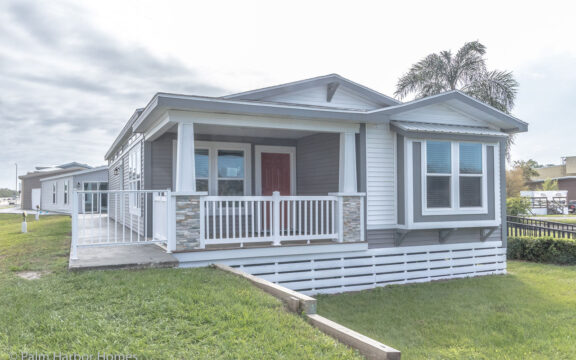
Key Differences Between Prebuilt and Mobile Homes
1. Construction Standards
Prebuilt homes must meet local and state building codes. Mobile homes follow the federal HUD Code, which governs design, durability, and safety. This distinction affects the materials, construction methods, and overall quality of each type.
2. Foundation Requirements
Prebuilt homes require a permanent foundation, similar to traditional homes. Mobile homes can sit on temporary or semi-permanent foundations, such as piers or blocks. This makes mobile homes easier to relocate.
3. Design and Customization
Prebuilt homes offer extensive customization options, including layouts, materials, and finishes. Mobile homes typically have limited design flexibility, focusing on affordability and efficiency.
4. Mobility
Mobile homes are designed for transportation. Their chassis allows them to move from one location to another with ease. Prebuilt homes, once installed, cannot be relocated without extensive disassembly and costs.
5. Cost
Mobile homes are generally more affordable, with prices ranging from $40,000 to $80,000 for single-wide models. Prebuilt homes cost more, often starting at $100,000 and going higher depending on size and customization.
6. Appreciation and Resale Value
Prebuilt homes, like traditional houses, tend to appreciate in value over time. Mobile homes often depreciate, similar to vehicles, which affects long-term financial benefits.
Advantages of Prebuilt Homes
1. Quality and Durability
Prebuilt homes adhere to local building codes, ensuring high construction standards. They often last as long as traditional homes.
2. Customization Options
Buyers can choose from various floor plans, finishes, and architectural styles. This flexibility allows homeowners to design their ideal space.
3. Permanent Foundation
Prebuilt homes sit on permanent foundations, making them eligible for standard home loans. This stability also contributes to higher resale values.
4. Energy Efficiency
Many prebuilt homes feature energy-efficient designs, including advanced insulation and energy-saving windows. These features reduce long-term utility costs.
5. Better Financing Options
Because prebuilt homes resemble traditional houses, lenders often provide conventional mortgages. These loans typically have lower interest rates.
Disadvantages of Prebuilt Homes
1. Higher Costs
Prebuilt homes cost more upfront compared to mobile homes. Buyers must budget for land, foundation, and utilities.
2. Installation Time
Although faster than traditional construction, installing a prebuilt home takes longer than setting up a mobile home.
3. Limited Mobility
Once installed, prebuilt homes are permanent structures. Relocating them requires significant effort and expense.
Advantages of Mobile Homes
1. Affordability
Mobile homes are a cost-effective housing option. They provide livable spaces at a fraction of the cost of prebuilt homes.
2. Portability
Mobile homes can move with you. This flexibility appeals to those who value travel or anticipate relocations.
3. Faster Setup
Setting up a mobile home takes days or weeks, making it a quicker housing solution than prebuilt options.
4. Simplified Maintenance
Smaller spaces mean fewer areas to maintain. Mobile homes also use simpler materials, reducing upkeep costs.
5. Low Property Taxes
Since mobile homes are often classified as personal property, their owners pay lower taxes compared to prebuilt home owners.
Disadvantages of Mobile Homes
1. Depreciation
Mobile homes lose value over time. This makes them less appealing for buyers looking to build equity.
2. Limited Customization
Mobile homes come in standard layouts with fewer options for personalization. Buyers may struggle to find unique designs.
3. Zoning Restrictions
Many areas have zoning laws that restrict mobile home placement. This can limit where you live or park your home.
4. Financing Challenges
Traditional mortgages aren’t available for mobile homes. Buyers often rely on personal loans or chattel loans with higher rates.
5. Weather Vulnerability
Mobile homes are more vulnerable to extreme weather conditions. High winds and heavy storms can cause significant damage.
Financial Considerations
Initial Costs
Mobile homes are cheaper to buy and install. Prebuilt homes require more investment, but they offer better long-term value.
Financing Options
Prebuilt homes qualify for conventional mortgages. Mobile homes often require alternative financing methods, such as personal loans.
Long-Term Value
Prebuilt homes appreciate over time, making them a better investment. Mobile homes depreciate, limiting their financial benefits.
Insurance Costs
Insurance premiums are often higher for mobile homes due to their mobility and construction materials. Prebuilt homes enjoy lower rates.
Who Should Choose a Prebuilt Home?
1. Long-Term Residents
If you plan to stay in one location, a prebuilt home offers stability and better investment potential.
2. Families
Prebuilt homes provide more space and customization options, making them ideal for growing families.
3. Buyers Seeking Equity
If building wealth through homeownership is important, prebuilt homes offer better appreciation and resale value.
4. Energy-Conscious Homeowners
Prebuilt homes often include energy-efficient features that reduce long-term utility expenses.
Who Should Choose a Mobile Home?
1. Budget-Conscious Buyers
If affordability is a priority, mobile homes provide a cost-effective housing solution.
2. Travelers
Mobile homes suit individuals who value flexibility and the ability to relocate easily.
3. Short-Term Residents
For temporary housing needs, mobile homes are quicker and cheaper to set up.
4. Simplicity Seekers
If you prefer a smaller space with minimal maintenance, mobile homes are a practical choice.
Factors to Consider Before Deciding
Location
Research local zoning laws and land availability. Some areas restrict mobile homes or require specific permits.
Lifestyle
Evaluate your current and future lifestyle. Consider factors like family size, work location, and travel preferences.
Budget
Calculate all associated costs, including purchase price, land, utilities, and insurance. Ensure the total aligns with your financial goals.
Future Plans
Think about how long you plan to stay at home. Your decision should match your long-term housing needs.
Resale Potential
Consider the potential for appreciation or depreciation. This can impact your financial return if you decide to sell.
Final Thoughts
Prebuilt and mobile homes serve different purposes. Prebuilt homes offer customization, permanence, and better long-term value. Mobile homes provide affordability, flexibility, and quick setup. Understanding the differences helps you choose the best option for your lifestyle and goals.
