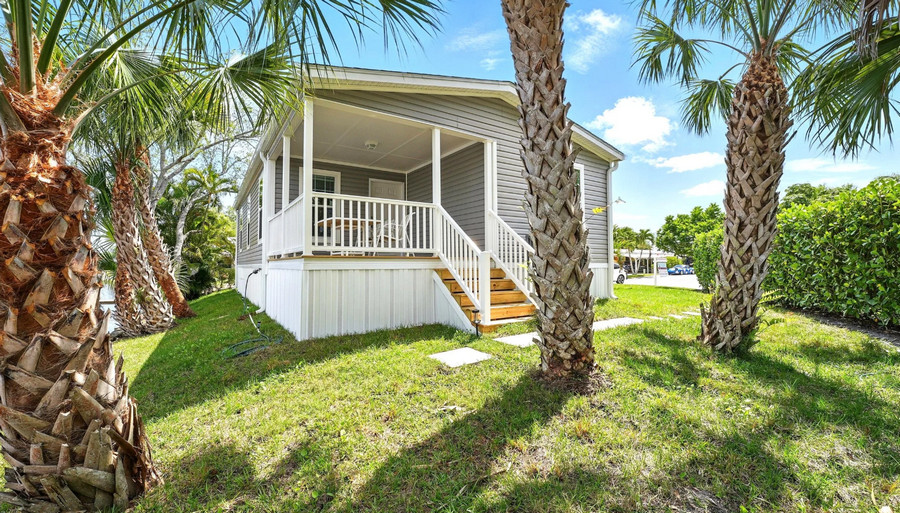
Tag: mobile homes for sale

  • 10 Myths and Stereotypes Against Mobile Homes

    Mobile homes, also known as manufactured homes or trailers, have been debated and misunderstood for decades. These affordable housing options have faced a barrage of myths and stereotypes that often overshadow their practicality and significance. This article will debunk ten of the most common misconceptions associated with mobile homes, shedding light on the truth behind these stigmas.

    Myth 1: Mobile Homes are Unsafe

    One of the most prevalent misconceptions about mobile homes is that they are unsafe. People often associate mobile homes with flimsy construction and vulnerability to severe weather. However, this stereotype is far from the truth.

    myths and stereotypes

    In the United States, mobile homes are regulated by the Department of Housing and Urban Development (HUD) to ensure safety standards are met. These regulations cover construction, electrical systems, plumbing, and more. Mobile homes are built to withstand various weather conditions, and many even include features like hurricane straps to enhance their stability. Properly anchored and maintained, mobile homes can provide a safe living environment for their occupants.

    Myth 2: Mobile Homes Lack Quality

    Another common stereotype about mobile homes is that they are made with inferior materials and craftsmanship. This might have been true for some older models, but the manufactured home industry has significantly advanced in recent years.

    Modern mobile homes are built with high-quality materials and often incorporate energy-efficient features. Manufacturers take pride in their products and adhere to strict quality control standards. Many mobile homes are on par with traditional stick-built houses in terms of construction quality, offering a comfortable and durable living environment.

    Myth 3: Mobile Homes are Always Mobile

    Despite their name, mobile homes are not constantly on the move. In fact, most mobile homes are rarely moved once they are placed in a mobile home park or on a private lot. The mobility aspect is primarily associated with transporting these homes to their initial location and not an indication of their constant relocation.

    Mobile homes are, for the most part, stationary and serve as permanent residences. Although the flexibility to relocate them exists, it is not a common occurrence.

    Myth 4: Mobile Home Communities Lack Community

    Many people believe that living in a mobile home park means living in isolation. However, mobile home parks often foster tight-knit, friendly communities. Residents often share common areas and amenities, naturally encouraging social interaction and community bonding. These communities can be a great source of support and friendship for mobile home residents.

    Myth 5: Mobile Homes Have Expensive Utilities

    It’s a common misconception that mobile homes are inefficient and come with high utility costs. While older models may lack energy efficiency features, modern mobile homes are designed with energy conservation in mind. They often include well-insulated walls, energy-efficient windows, and advanced HVAC systems, which can lead to lower utility bills compared to older mobile homes or even traditional houses.

    Myth 6: Mobile Homes Don’t Appreciate in Value

    Many people believe that mobile homes do not appreciate over time, making them a poor investment. While it is true that mobile homes may not appreciate as quickly or as much as traditional houses, they can still increase in value.

    Factors like location, the condition of the home, and the real estate market in the area all play a role in determining a mobile home’s appreciation. In some cases, mobile homes can gain value, making them a financially viable housing choice.

    Myth 7: Financing for Mobile Homes is Limited

    It is a misconception that financing options for mobile homes are limited. In fact, many lenders offer loans specifically tailored for mobile homes. You can secure mortgages and loans to purchase a mobile home, just like you would for a traditional house. However, interest rates and terms may vary, so it’s essential to explore different financing options to find the one that suits your needs.

    Myth 8: Mobile Homes Lack Customization

    Some people assume that mobile homes come in fixed designs with limited customization options. While the layout and design of a mobile home may differ from traditional homes, they can still be customized to suit individual preferences.

    Many manufacturers offer a range of floor plans and customization options, allowing homeowners to choose features, finishes, and layouts that meet their specific needs and tastes. Mobile homes can be personalized to create a comfortable and unique living space.

    Myth 9: Mobile Homes Have a Short Lifespan

    Another misconception is that mobile homes have a short lifespan and need frequent replacements. With proper maintenance and care, mobile homes can last for several decades. Regular inspections and maintenance, such as roof upkeep and checking for structural issues, can extend the lifespan of a mobile home significantly.

    It’s essential to remember that the quality of the construction and the materials used can influence the longevity of a mobile home. Investing in a well-built, durable model can contribute to its extended lifespan.

    Myth 10: Mobile Homes Offer Subpar Living Conditions

    Mobile homes often get a bad reputation for providing subpar living conditions. However, this is a gross oversimplification. The quality of living conditions in a mobile home depends on factors like location, age, and maintenance.

    Well-maintained mobile homes, particularly in communities with amenities and a strong sense of community, can offer comfortable and affordable housing for millions of people. It is essential to evaluate each mobile home individually rather than making blanket assumptions about the quality of living conditions they provide.

    Conclusion

    Mobile homes are an important and affordable housing option for many individuals and families, often misunderstood due to myths and stereotypes. It’s crucial to challenge these misconceptions and recognize the value and practicality of mobile homes as a legitimate choice for those seeking affordable and comfortable housing. When properly constructed, maintained, and situated in welcoming communities, mobile homes can offer a safe, cost-effective, and fulfilling way of life

    .

    See Also:

  • 8 Lucrative Ways to Make Money with Mobile Homes in Mobile Home Parks

    Investing in mobile homes inside existing mobile home parks can be a lucrative opportunity that often goes overlooked by many investors. In this article, we will explore eight ways to make money with mobile homes in these parks. It’s important to note that we are discussing the purchase and sale of the mobile homes themselves, not the land they sit on.

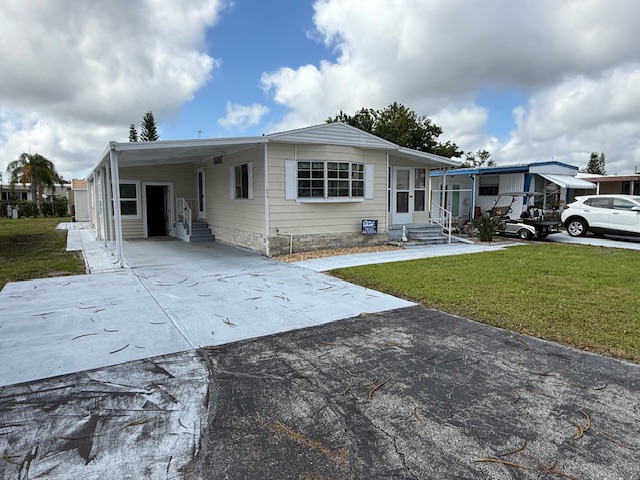
    Sarasota Mobile Home for Sale with Wide Carport
    Sarasota Mobile Home for Sale with Wide Carport

    1. Buying and Renting

    While many mobile home parks may not allow you to rent out mobile homes, there are exceptions. Some parks near military bases or in specific regions may permit renting. In such cases, consider renting the room if it’s financially advantageous, especially for purposes like student housing, transient or migrant housing, or housing for oil workers. Ensure you check with local park managers to understand their rental policies.

    Pro Tip: Always clarify your market and make multiple offers to sellers to secure mobile homes at prices below retail.

    2. Buying and Selling for Cash

    Every day, individuals across the country buy and sell mobile homes for cash. As an active mobile home investor, you should aim to purchase these homes at a price significantly below retail. You can sell them to private buyers or arrange bank financing. The key to success in this strategy is understanding the market and consistently making multiple offers.

    3. Buying and Selling via Payments

    Some sellers may choose to sell their mobile homes within the park through down payments and monthly payments from tenant-buyers. It’s essential that all buyer-applicants are approved by the park and meet the necessary background/application requirements. Additionally, an interest rate may be applied to the balance being paid.

    Pro Tip: Ensure all paperwork and applicants adhere to local and national seller financing rules and guidelines.

    4. Wholesaling

    Similar to the real estate market, wholesaling mobile homes in mobile home parks involves obtaining a purchase contract for a mobile home and then selling that contract to another investor or end-user buyer for a profit. While the profit margin may not always be substantial, high-demand areas can yield more significant assignment fees.

    5. Bird Dogging

    As a bird-dog, your role is to help investors find mobile homes for sale that fit their criteria. You identify for-sale-by-owner (FSBO) properties and match them with active mobile home investors. To succeed, it’s crucial to know the specific types and criteria each investor is looking for.

    Pro Tip: Your compensation typically depends on closed deals, so ensure your leads are followed up on.

    6. Adding Homes to the Community to Resell

    Many mobile home parks have vacant spaces for additional homes. Some offer incentive programs for park-approved homeowners who are willing to move in a park-approved mobile home. As an investor, you can find sellers who need their mobile homes relocated and sell them to new buyers. This process can be profitable if you leverage move-in incentive programs.

    Pro Tip: When speaking to community managers, inquire about move-in incentive programs and the types of mobile homes the park is willing to accept.

    7. Selling Directly to the Park

    In cases where you have a more expensive mobile home that must be moved after purchase, consider selling it directly to a local mobile home park. Ensure you understand what each park is looking for in a used mobile home and be prepared to show them pictures for approval. Parks usually pay you before handling the move, permits, and setup themselves.

    8. Moving Unwanted Mobile Homes from One Park to Another

    Sometimes, mobile home park owners want older or less attractive homes removed from their communities to make room for newer, more profitable homes. If a mobile home still has value, you can help move it to another location for resale or rent. Check with local mobile home movers and permit offices to verify the requirements for moving homes in your area.

    The Bottom Line

    Investing in mobile homes within mobile home parks offers various ways to generate income. While some strategies may be more realistic and profitable than others, success in this venture requires dedication, market knowledge, and active involvement. Always be aware that the real estate market can be unpredictable, so make informed decisions and take daily actions to achieve your financial goals. If you have questions or need guidance, reach out to experienced investors in the field for assistance. Mobile home investing can be a rewarding journey when approached with diligence and a commitment to learning and growing in the field.


    See Also:

  • 5 Most Common Issues of Older Mobile Homes

    Older mobile homes, also known as manufactured homes, can develop a range of common problems over time due to factors like aging materials, weather exposure, and wear and tear. Here are five of the most common problems associated with older mobile homes:

    Mobile home roof repair
    Mobile home roof repair

    🌧️1. Roof Leaks☔

    Over time, the roof of a mobile home can develop leaks due to the degradation of roofing materials, such as asphalt shingles or metal roofing. Water infiltration can lead to interior damage, including water stains, rot, and mold growth. Regular inspections and maintenance are essential to prevent and address roof leaks.⛈️

    🧑‍🔧2. Plumbing Issues😵

    Mobile homes can have issues with their plumbing systems, including leaky pipes, corroded fittings, or problems with the water heater. Plumbing problems can lead to water damage, reduced water pressure, and other inconveniences. It’s important to periodically inspect and maintain the plumbing system.🚱

    💡3. Insulation and Energy Efficiency💰

    Older mobile homes often have inadequate insulation, which can result in poor energy efficiency. This can lead to higher heating and cooling costs and discomfort. Upgrading insulation and sealing gaps in windows and doors can help improve energy efficiency.⛽

    🔨4. Flooring Problems🛠️

    The subfloor and flooring materials in older mobile homes can deteriorate over time, leading to issues like sagging, soft spots, or squeaky floors. Replacing or repairing flooring is often necessary to maintain a safe and comfortable living environment.📏

    💡5. Electrical Issues🔌

    Older mobile homes may have outdated or unsafe electrical systems that can pose fire hazards. Problems like overloaded circuits, outdated wiring, or damaged outlets can occur. It’s important to have the electrical system inspected and upgraded by a professional electrician as needed.🔦

    It’s worth noting that the severity of these problems can vary depending on the age and maintenance history of the mobile home. Regular inspections, proper maintenance, and timely repairs can help mitigate these issues and extend the life of an older mobile home. If you’re considering purchasing or already own an older mobile home, it’s a good idea to have a professional inspection to identify and address any potential problems.🏡

    See Also:

  • Is Buying a Mobile Home Better Than Renting an Apartment?

    The debate between buying a mobile home and renting an apartment has become increasingly relevant in today’s dynamic housing market. Both options offer distinct advantages and disadvantages, making the decision a complex one. This article aims to dissect the key factors that should influence your choice, considering financial aspects, lifestyle preferences, and long-term goals.

    Mobile homes, often touted for their affordability and potential for homeownership, can be an appealing option for those seeking financial stability and a sense of ownership. On the other hand, renting an apartment offers flexibility and convenience, making it an attractive choice for individuals with shifting priorities and location preferences.

    Mobile Homes Like this can Secure a 21st Mortgage Financing
    Mobile Homes Like this can Secure a 21st Mortgage Financing

    In this exploration, we will delve into the financial implications, pros, and cons of each housing arrangement, addressing questions about investment potential, maintenance responsibilities, and the lifestyle impact of these choices. By the end, you’ll be better equipped to determine whether buying a mobile home or renting an apartment aligns with your unique circumstances and objectives.

    Mobile Home vs. Apartment Prices

    When comparing the prices of mobile homes (single-wide, double-wide, and triple-wide) to renting an apartment, it’s essential to consider various factors that can affect the cost. Prices can vary significantly depending on location, condition, amenities, and other factors. Here’s a general overview:

    1. Single-Wide Mobile Home: Single-wide mobile homes are typically the most affordable option among mobile homes. Prices can range from around $20,000 for older models to $100,000 or more for newer, well-equipped units. Keep in mind that this cost may not include land or lot rent, which can add to the overall expense.
    2. Double-Wide Mobile Home: Double-wide mobile homes offer more space and amenities compared to single-wide units. Prices for double-wides generally start at $40,000 and can go up to $150,000 or more, depending on the location and features.
    3. Triple-Wide Mobile Home: Triple-wide mobile homes are the largest and most luxurious among mobile home options. Prices can range from $80,000 to $300,000 or more, again depending on factors like location, size, and features.
    4. Apartment: Apartment prices can vary greatly depending on location, city, neighborhood, and amenities. In metropolitan areas, renting a one-bedroom apartment can range from $1,000 to $3,000 or more per month. Prices for larger apartments or those with more amenities will be on the higher end of this range.

    It’s crucial to note that while mobile homes offer the potential for homeownership, they come with additional costs, such as land or lot rent, utilities, maintenance, and property taxes. On the other hand, renting an apartment typically includes utilities and maintenance in the monthly rent, providing a more predictable housing cost.

    Mobile Home vs. Apartment: Amenities and Activities

    When comparing mobile homes to apartments, one significant aspect to consider is the availability of amenities and activities. Both housing options offer distinct advantages and disadvantages in this regard:

    Mobile Home Parks:

    1. Community Amenities: Many mobile home parks offer a range of community amenities such as swimming pools, playgrounds, fitness centers, and clubhouses. These amenities can enhance your quality of life and provide opportunities for socializing with neighbors.
    2. Outdoor Space: Mobile homes often come with a yard or outdoor space, allowing residents to have private gardens, patio areas, or even space for outdoor activities like barbecues and gardening.
    3. Ownership Control: Mobile homeowners have more control over their outdoor spaces and can personalize them to suit their preferences.

    Apartments:

    1. Shared Amenities: Apartment complexes often provide shared amenities like fitness centers, swimming pools, on-site laundry facilities, and common recreational areas. These amenities are usually maintained by the management.
    2. Maintenance-Free: Renting an apartment typically means you have fewer responsibilities for maintaining common areas, as this is the landlord’s responsibility.
    3. Convenience: Apartments are often located in or near urban centers, providing easy access to restaurants, shops, entertainment venues, and public transportation. This can be especially appealing if you enjoy city living and a variety of nearby activities.
    4. Security: Many apartment complexes have security features such as gated access, surveillance cameras, and secure entry systems, offering peace of mind to residents.

    In terms of activities, the choice between a mobile home and an apartment can also depend on your preferences:

    Mobile Homes: Living in a mobile home may offer a quieter and more suburban or rural lifestyle, which can be appealing if you enjoy a peaceful environment and have hobbies that require outdoor space. However, the availability of nearby activities can vary depending on the location of the mobile home park.

    Apartments: Apartments often provide more immediate access to cultural events, dining options, nightlife, and other urban activities. If you thrive on the hustle and bustle of city life and enjoy a wide range of entertainment options, an apartment in an urban area may be preferable.

    Mobile Home vs. Apartment: Equity

    When comparing mobile homes to apartments in terms of equity, it’s important to understand how each housing option can impact your financial future and potential for building wealth:

    Mobile Home Equity:

    1. Ownership: Mobile homes are typically considered personal property and may not appreciate in value as much as real estate properties. While you own the mobile home itself, you typically lease or rent the land it sits on in a mobile home park. This means you don’t own the underlying land, which can limit the potential for equity growth.
    2. Depreciation: Mobile homes tend to depreciate in value over time, similar to vehicles. This can make it challenging to build significant equity through appreciation alone.
    3. Limited Appreciation Potential: The appreciation potential of a mobile home may be limited compared to traditional houses or real estate investments. However, some exceptions exist if you own the land your mobile home sits on, as the land’s value may appreciate.
    4. Affordability: Mobile homes are often more affordable upfront, which can make homeownership more accessible to individuals with limited budgets. This affordability can be a significant advantage if you’re looking to enter the housing market.

    Apartment Equity:

    1. Ownership: When you rent an apartment, you do not own the property, and therefore, you do not build equity in the apartment itself. However, some apartment complexes offer rent-to-own programs or cooperative ownership models, which can provide equity-building opportunities.
    2. Investment Opportunities: Some individuals choose to invest the money they save by renting in other assets like stocks, bonds, or real estate properties. These investments can potentially yield higher returns and build equity over time.
    3. Maintenance Costs: Renting an apartment typically means you are not responsible for major maintenance and repair costs, which can free up funds for other investment opportunities.
    4. Flexibility: Renting an apartment offers flexibility, allowing you to relocate more easily if job opportunities or personal circumstances change. This can be advantageous for career-oriented individuals or those who value mobility.
    Mobile Home Park, also called “Trailer Park” in Florida
    Mobile Home Park, also called “Trailer Park” in Florida

    Maintenance

    I: Mobile Home Maintenance:

    1. Ownership Responsibilities: Mobile homeowners are responsible for maintaining both the interior and exterior of their homes, including structural repairs, plumbing, electrical systems, and appliances. This means you have more control over the maintenance and can customize your home to your liking.
    2. Exterior Maintenance: Depending on the type of mobile home (single-wide, double-wide, or triple-wide) and its age, the exterior may require periodic maintenance, such as roof repairs, siding maintenance, and landscaping. Owners often have to handle these tasks themselves or hire contractors.
    3. Land Maintenance: If you own the land your mobile home is situated on, you’ll also be responsible for maintaining the yard and any landscaping.
    4. Costs: While mobile homes can be more affordable upfront, owners should budget for ongoing maintenance costs, which can vary depending on the age and condition of the home.

    II: Apartment Maintenance:

    1. Landlord Responsibility: In most apartment rental agreements, the landlord or property management company is responsible for the maintenance and repairs of the building’s exterior and common areas, as well as major systems like plumbing and heating. This can relieve tenants of many maintenance-related worries.
    2. Limited Control: Renters have limited control over customizing or renovating the interior of their apartments, as they must seek landlord approval for major changes.
    3. Predictable Costs: Renters enjoy predictable housing costs because the maintenance and repair expenses are typically included in the rent. However, renters should still have renter’s insurance to cover personal belongings.
    4. Convenience: Apartment living can be convenient for those who don’t want to worry about property maintenance. If something breaks or needs repairs, tenants can simply contact the property management for assistance.

    Privacy and Space

    I: Mobile Home Privacy and Space:

    1. Private Outdoor Space: Mobile homes typically come with private outdoor space, which can include a yard or garden. This outdoor area provides more privacy for activities like gardening, outdoor dining, or simply relaxing outdoors.
    2. Separation from Neighbors: Mobile homes are often spaced apart more generously in mobile home parks compared to apartments in densely populated urban areas. This can result in more distance between you and your neighbors, providing a greater sense of privacy.
    3. Customization: Mobile homeowners have more control over customizing their living spaces, both indoors and outdoors, allowing for more personalized and unique living environments.
    4. Room for Expansion: Depending on local regulations and available land, mobile homeowners may have the option to expand their homes or add additional structures, further increasing their living space.

    II: Apartment Privacy and Space:

    1. Limited Outdoor Space: Apartments typically come with limited or shared outdoor space, such as balconies or courtyards. This can limit your ability to have a private outdoor area for gardening or other activities.
    2. Proximity to Neighbors: In apartment buildings, neighbors are often in close proximity, which can result in less privacy. Noise from adjacent units or common areas may be a concern.
    3. Less Customization: Renters in apartments often have limited control over customizing their living spaces. Major renovations or modifications usually require landlord approval, limiting the ability to create a unique living environment.
    4. Size Constraints: Apartments generally offer less interior living space compared to mobile homes, especially if you opt for a smaller unit. This can be a consideration if you have a larger household or need more space for specific activities.

    Final Thoughts

    The decision between a mobile home and an apartment hinges on a multitude of factors, each with its own set of advantages and disadvantages. When making this important choice, consider your financial situation, lifestyle preferences, and long-term goals.

    Mobile homes offer the prospect of homeownership at a potentially lower upfront cost, along with greater outdoor space, customization opportunities, and privacy. However, they may come with maintenance responsibilities, limited appreciation potential, and variation in equity-building potential.

    Apartments, on the other hand, provide convenience, predictable maintenance, and proximity to urban amenities. While they do not offer direct equity-building through property ownership, they allow for financial flexibility to invest in other assets.

    Ultimately, your decision should align with your specific needs and aspirations. Assess your priorities regarding equity, maintenance, amenities, privacy, and space. Additionally, consider your current financial situation, future goals, and the housing market in your desired location. By carefully weighing these factors, you can make an informed choice that suits your lifestyle and financial objectives.

    See Also:

  • Are Mobile Homes Really “Mobile”?

    Are mobile homes really mobile? It’s a common question and one that doesn’t have a straightforward answer. On the one hand, mobile homes are designed to be moved from one location to another. They’re typically built on a chassis that can be towed behind a truck or other vehicle, and they often have special features that make them easy to transport. On the other hand, once a mobile home is set up in a permanent location, it can be very difficult to move.

    The cost of moving a mobile home can be prohibitive, and many local zoning regulations make it difficult to relocate them. So while mobile homes are technically designed to be mobile, the reality is that they often become stationary once they’re set up in a particular location.

    Have you ever seen a mobile home and thought to yourself that the home would be perfect if only it were located in another park?

    Ever wondered what it would take to move a mobile home and how the actual moving process is completed?

    This is a common question that gets brought up all the time and we are happy to help educate you on this question as well as dispel many of the mobile home mobile myths that exist within the mobile home industry.

    Perhaps, where we should start first is the name of the home we are discussing in the first place, mobile home.

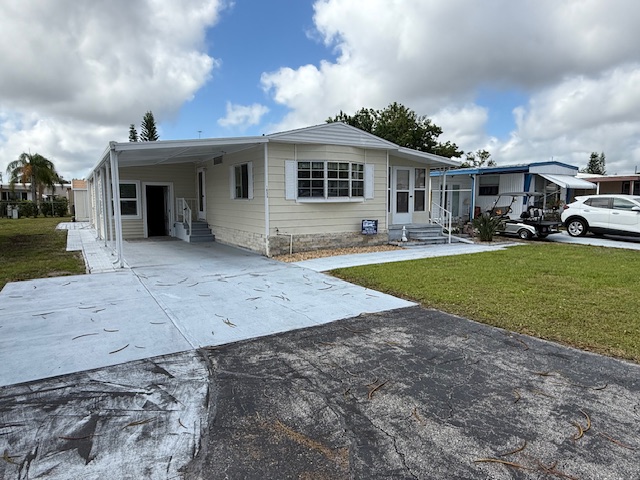
    Sarasota mobile home
    Sarasota mobile home

    Mobile homes, also known as “manufactured homes,” are fabricated in a factory and placed on a trailer chassis to allow them to be moved. In most cases, mobile homes are placed in a mobile home park or on leased land. In these cases, the owner rents a space or leases land but owns the mobile home itself.

    Alternatively, mobile homeowners can place mobile homes on land they own or are buying under contract

    If the term is not clearly defined then we will be spending all of our time chasing our tail!

    Mobile home is a term that many associate with a home being able to be moved from one location to another.

    At its surface, this seems accurate, right?

    Not totally so.

    Mobile homes in the state of Florida can not be moved, legally with a permit, if they are over 20 years old from the manufacturing date.

    In order to determine what year the home was manufactured one can look at either the data plate in the home or on the actual title paperwork of the property.

    The reason why a mobile needs to be 20 years old or newer is that the governmental agency, The Department Of Motor Vehicles (DMV), is the one who will be issuing the permit for the moving company to transport the home from its current place of origin to that of the owners desired location.

    If the home is older than 20 years old then the DMV views this home to be too old to be safely moved.

    This, right here, causes confusion as the term “mobile” isn’t exactly accurate if you are dealing with an older home.

    The average age of a mobile home in the greater Sarasota Florida area is that of a 1976 year model, clearly showing that the vast majority of these mobile homes can not be permitted to move from their current location.

    When looking at buying a mobile home in and around the greater Sarasota Florida area we strongly suggest before buying the mobile home first look at the park and the general area it is located in.

    If this meets your needs then go and take a look at the home.

    Going in the reverse order may very well lead you to like a home that can’t be moved and thus you get stuck with the perfect property in a less-than-ideal location which only leads to further frustration during the mobile home buying process.

    The next question is, how do you move a mobile home?

    Assuming your mobile home is 20 years old and younger, still, there are still a lot of things that you should know before making a final decision to move your mobile home. 

    Hundreds to even thousands of people successfully move their mobile home each year and as long as you do your research, you can do it too. Here we are going to discuss the things that you need to know and be prepared with, before moving your mobile home.

    mobile homes really mobile
    A mobile home in Sebring Florida

    If you are moving to another town, contact the town building commissioner.

    Prepare your title certificate and county treasurer certificate. These documents prove that you own the mobile home you are moving to and that all taxes are paid on it.

    Hire a moving company. Once all the paperwork is ready, hiring a moving company is time. Many people think this is the first thing to do when moving a mobile home but it is actually one of the last”. Moving companies will not bother hooking your mobile home without a proper permit and documentation.

    The cost of moving depends on many factors and differs across different moving companies. Distance should be considered as well as the difficulty of moving your mobile home. There are places with tight corners and difficult to access. Moving companies consider these factors when giving you a quotation.

    Another factor that may increase the moving cost is the size of your mobile home. It’s obvious of course, the smaller the house, the easier it is to move. Weight is also another factor. Older mobile homes are typically lighter than new ones.

    In the state of Florida, older mobile homes must be inspected before a permit is granted.

    If your mobile home is older or in need of serious repairs, moving could cost more. The movers will have to spend extra time fixing and altering things that could fall apart before they put them on the road.

    There are other small but important things to consider when moving a mobile home, as every move is unique and has different circumstances. If your mobile home is insured, check with your provider to see if moving to a different location is covered.

    This is Mark Kaiser with The Mobile Home Dealer and we help mobile home Buyers and Sellers get to a better place in life.

    See Also:

  • Are Hurricanes A Problem For Sarasota Mobile Home Owners?

    Are Hurricanes A Problem For Sarasota Mobile Home Owners?

    Hurricane season is upon us!

    With the recent tropical storm Elsa that just went through the Sarasota area it is time to look at how much of a problem hurricanes and tropical storms are for Sarasota mobile homeowners.

    Many times we hear that mobile homes are not as sturdy as single-family homes, and when a hurricane comes the owner of the mobile home will kiss it goodbye as it will fly away in the wind.

    But is that really true or is that a myth that has been told over and over?

    Mobile homes are actually much more storm-resistant than most people give them credit for and we at The Mobile Home Dealer see just how well they hold up throughout storms each and every year.

    Mobile homes have more stringent standards than regional and national building codes for traditional on-site built homes. This is due to the fact that additional factors are being considered while moving the structure. The Manufactured Housing Institute (MHI) is working hard to clear up the myths and negative stereotypes about mobile homes and inform the public that modern manufactured homes built after 1976 are subject to rigorous federal standards”.

    “The standards for manufactured housing are subject to robust compliance and quality assurance regulations, sometimes more stringent than those for traditional site-built homes,” says Richard Jennison, President, and CEO of MHI.  “The building materials in today’s manufactured home are the same as those used in site-built homes. The homes are engineered for wind safety based on the geographic region in which they are sold.”

    In other parts of the country where hurricanes are not a problem, mobile homes are built to withstand winds up to 136 miles per hour.

    Most mobile homes throughout the Sarasota area have what are called hurricane tie-downs attached to the home itself. When properly installed and maintained mobile home hurricane tie-downs will keep your home safe and level throughout an upcoming storm.

    Mobile home tie-downs are large metal rids that will help prevent the high winds from a hurricane from lifting or moving your mobile home off of its concrete pad. The anchors (also knowns as straps) are driven deep into the ground and anchor your mobile home so that it stays safe and sound throughout the storm season. Pending on what type of soil condition your home sits on will determine what type of tie-down is used but, generally speaking, an auger anchor is the most common material that is used. These tie-downs are put on all four corners of your mobile home itself and many times they are added to the front, sides, and rear of your carport as well.

    Tie-downs come in two forms and are easy to tell when looking at a mobile home which type of tie-down your home has.

    The most common tie-down that you will see in Sarasota is the over-the-top tie-down system. This system is one of the originals that helps keep mobile homes safe from the high winds of hurricanes and can be seen when looking at a mobile home by seeing that the end of the tie-down strap hangs down under the home.

    Frame anchors are also used as a hurricane tie-down and are usually used on newer models of mobile homes. This is not nearly as common in the Sarasota area as the average age of a mobile home in and around Sarasota County is 1979.

    Are Hurricanes A Problem For Sarasota Mobile Home Owners

    Update: “Florida law requires all mobile homes to be anchored with hurricane straps.  

    Aside from tie-downs, there are also safety measures that can help mobile homeowners stay safe during the hurricane. This includes keeping the surrounding areas of your mobile home free from other things like a portable carport and other things that may be attached to your house. These things can damage your house or your neighbors’ houses when hit by a strong wind. Make sure the exterior wall of your mobile home is clear of all debris that could cause damage to your or your neighbors’ homes.

    If you are not convinced by the above safety measures, buying mobile home insurance can give you peace of mind. Mobile home insurance can cover not only storm damage but also fire and other physical destructions, legal liabilities, and other unforeseen damages based on different circumstances. 

    Mobile Homes Facts

    • Mobile homes provide affordable and quality homes for more than 22 million low-to-moderate-income Americans.
    • $26,000 is the median annual household income of mobile homeowners
    • Mobile homes represent 7.3 percent of all the US occupied housing units
    • Based on US Census data, mobile homes have an average square foot cost of $44, far cheaper than $94 per square foot of traditional homes.

    When purchasing a mobile home feel confident that the common belief that mobile homes will just “blow away” during a hurricane is simply not true. Mobile homes with tie-downs are safe and sound and will hold up well to most hurricanes that pass through the Sarasota area!

    The Mobile Home Dealer are licensed mobile home broker in Sarasota Florida and the surrounding areas. We provide professional buy and/or sell assistance to our clients. If you have any questions, please get in touch with us by clicking this link. You may also visit our Facebook Page and send us a message.

    This is Mark Kaiser from The Mobile Home Dealer and we help mobile home Buyers and Sellers get to a better place in life.

    See Also:

  • What Is My Sarasota Mobile Home Worth? Volume 3

    What Is My Sarasota Mobile Home Worth? Volume 3

    Welcome back to the third installment of “What Is My Sarasota Mobile Home Worth?”

    Before we discuss today’s topic, let’s briefly review what we have covered over the past few weeks so we are all on the same page.

    Two weeks ago, we discussed the pros and cons of selling your mobile home fully furnished.

    Here, we discussed that even though the mobile home will often sell faster when fully furnished, it does not necessarily mean that it will sell for any more money once the house gets to the closing table.

    Last week, we discussed the importance of keeping up with your air conditioning service, regardless of if it is a window unit or central air conditioning system that cools your home. We further discussed that the cost of a new air conditioning system will not necessarily convert to more money at the closing table for you.

    Remember, a large part of the value derived from a new air conditioning system is staying cool during the many Florida hot months throughout the year!

    Today, we are going to review the importance of selling your home with all the appliances included.

    Many times we at The Mobile Home Dealer find Sellers who are looking to recoup as much money as they can when they go to sell their mobile home. We all can understand this thought process since we all want to make sure that we sell our homes for as much money as possible when it comes time to move on to the next step of our lives.

    Some mobile home Sellers we have encountered will get flustered with the sales process and go to remove their appliances to either move them into a new place they’re living in or sell them outright themselves before the sale of their home.

    PLEASE DO NOT DO THIS!

    Although I can certainly understand the desire to get the most money for everything in your home at the time of sale, I cannot suggest or condone removing your appliances from the home to try to make more money.

    What Is My Sarasota Mobile Home Worth? Volume 3This is such a problem because, like our previous topic of selling your home fully furnished, if you do not have appliances, the home will have a more difficult time selling!

    Mobile home Buyers can understand that they may need to purchase furniture if the home does not come fully furnished, but very few, if any, Buyers that we have ever sold to can wrap their heads around buying a mobile home without the basic appliances included.

    Not providing appliances in the sale of your mobile home will force the Buyer to make yet another purchase at the time of closing, and worse yet, during the time they see the home, it makes it that much more difficult for them to see themselves enjoying their new home right when they move in!

    Can a fully furnished mobile home sell fast? Based on our years of experience selling mobile homes, YES!

    Remember that most mobile home Buyers in the Sarasota, Florida, area are from other states, and buying furniture, or bringing their own, is not part of their buying plan. Of course, a fully-furnished home will sell faster than an unfurnished one if both are at almost the same price.

    Consider our suggestion if you want to sell your mobile home fast and avoid paying monthly lot rent. If you want to pay monthly lot rent and wait for a miracle to happen, do not buy any furniture.
    In addition, take note that buying furniture to fill the mobile home so the next owner can use it, is different from mobile home upgrades.

    For example, if you are looking to paint the home a fun beachy color, change the over-flooring, add custom shelving, or change out the bathroom fixtures, these certainly can liven up the home. However, although nice in nature, these upgrades are based on the owner’s personal preference and do not upgrade the structural integrity of the mobile home itself.

    Sure, these will make the home look newer or “beachy,” but it does not mean that the upgrades you put in here will bring you any more money when you look to sell the home.
    The reason is that there is no tangible value that can be passed on to the next owner.

    Most mobile home Buyers are looking for a turn-key property where they can buy the home, toss their keys on the counter, and get to the outdoor activities they have been dreaming about!

    No, going to the furniture store does not factor into this excitement.

    When looking to sell your mobile home for the most money, look to provide it fully furnished. We have seen that the home will sell faster, saving you several thousand dollars in possible lot rent payments. This additional income on the sale of your mobile home won’t exactly come to you in a cash payment, but it will stay in your bank account, which is all the more reason to consider selling your Sarasota mobile home fully furnished!

    Remember, guys, always make sure it is easy for a Buyer to buy from you, but not difficult!

    This is Mark Kaiser with The Mobile Home Dealer. We help mobile home Buyers and Sellers achieve better lives!


    See Also:


Reset password

Enter your email address and we will send you a link to change your password.

Get started with your account

to save your favourite homes and more

Sign up with email

Get started with your account

to save your favourite homes and more

By clicking the «SIGN UP» button you agree to the Terms of Use and Privacy Policy
Powered by Estatik