Tag: mobile homes for sale

  • The Lucrative Side Hustle of Mobile Home Sales in Florida

    In today’s fast-paced world, many individuals seek additional sources of income to supplement their primary earnings. With the advent of digital platforms and flexible work arrangements, the landscape of side hustles has expanded, offering diverse opportunities for those looking to boost their financial stability. Among these opportunities, becoming a mobile home sales agent in Florida stands out as a potentially profitable venture. This article delves into the reasons why this niche field presents an attractive option for individuals seeking a lucrative side hustle.
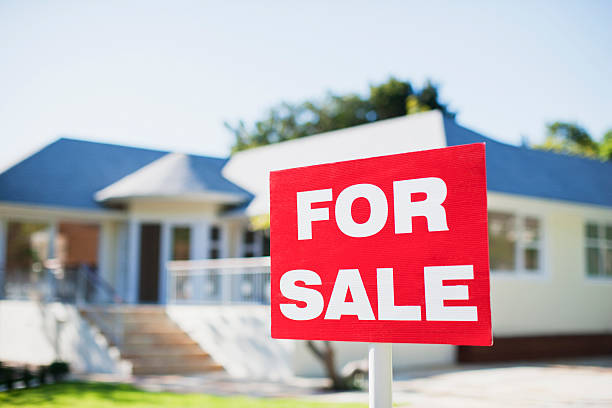
    side hustle.

    The Mobile Home Market in Florida: A Lucrative Niche

    Florida, renowned for its warm climate and vibrant lifestyle, has long been a hub for real estate investments. Within this realm, the mobile home market holds significant promise. Mobile homes, also known as manufactured homes, offer an affordable housing solution for many individuals and families, making them a popular choice in Florida’s diverse demographic landscape.

    Various factors fuel the demand for mobile homes in Florida. Firstly, the state’s growing population, driven by domestic and international immigration, continuously expands the pool of potential buyers. Additionally, retirees seeking affordable yet comfortable housing options are drawn to Florida’s sunny shores, contributing to the demand for mobile homes, which often cater to their specific needs.

    Flexibility and Low Overheads

    One of the primary attractions of pursuing mobile home sales as a side hustle is the flexibility it offers. Unlike traditional real estate ventures that may require a significant time investment, mobile home sales can be managed around existing commitments. Whether you’re a full-time professional, a stay-at-home parent, or a student looking to earn extra income, the flexible nature of this side hustle allows you to set your schedule and adapt to your other responsibilities.

    Moreover, entering the mobile home sales arena requires relatively low overhead costs compared to other businesses or real estate ventures. Unlike brick-and-mortar establishments, mobile home sales don’t typically necessitate hefty initial investments in physical infrastructure. With the rise of digital platforms and virtual communication tools, much of the sales process can be conducted remotely, minimizing the need for a dedicated office space.

    Growing Demand for Affordable Housing

    Affordable housing options are in high demand in an era marked by rising housing costs and economic uncertainties. Mobile homes, often priced lower than traditional houses, cater to this demand by providing a cost-effective alternative without compromising on comfort and quality of life.

    Mobile homes represent an attractive solution for many individuals and families, particularly those on a tight budget or seeking to downsize. This growing demand for affordable housing creates ample opportunities for mobile home sales agents to tap into a thriving market with considerable growth potential.

    Favorable Regulatory Environment

    Florida’s regulatory environment further enhances the appeal of mobile home sales as a side hustle. The state’s laws and regulations governing mobile home sales are designed to protect both buyers and sellers, fostering a transparent and conducive marketplace.

    Moreover, obtaining the necessary licenses and certifications to operate as a mobile home sales agent in Florida is relatively straightforward compared to other states. With the right training and accreditation, aspiring agents can quickly enter the field and build their clientele.

    Leveraging Digital Platforms for Marketing

    In today’s digital age, harnessing the power of online marketing is essential for any business, including mobile home sales. As a side hustle, mobile home sales agents can leverage various digital platforms to effectively reach potential buyers and promote their listings.

    From social media advertising to dedicated real estate websites, the options for online marketing are diverse and accessible. By showcasing available properties through high-quality photos, virtual tours, and engaging content, mobile home sales agents can attract prospective buyers and generate leads without relying solely on traditional marketing channels.

    Networking and Collaboration Opportunities

    While mobile home sales can be pursued independently, collaborating with other professionals in the real estate industry can amplify success. Establishing relationships with real estate agents, mortgage brokers, and property managers can open doors to new opportunities and referrals.

    Networking events, industry conferences, and online forums allow mobile home sales agents to connect with fellow professionals and exchange insights. Agents can expand their client base, gain valuable knowledge, and stay abreast of market trends and developments by tapping into these networks.

    Conclusion

    In conclusion, embarking on a journey as a mobile home sales agent in Florida offers a lucrative side hustle opportunity for individuals seeking to diversify their income streams. With its flexible nature, low overhead costs, and growing demand for affordable housing, the mobile home market presents a promising niche within the broader real estate landscape.

    By leveraging digital platforms for marketing, navigating the favorable regulatory environment, and tapping into networking opportunities, aspiring mobile home sales agents can unlock the full potential of this side hustle. Whether you’re looking to supplement your primary income or explore a new career path, mobile home sales in Florida promise financial stability and growth.


    See Also:

  • What Brings A Sarasota Florida Mobile Home Seller The Most Money?

    When looking to sell your Sarasota Florida mobile home it is in every seller’s best interest to ask themselves the basic question of, what will bring them the most money when they go to sell their mobile home.

    mobile home for sale - mobile home seller
    Mobile Home in Florida

    Many times the question then gets directed to two different types of thoughts:

    • Will The Mobile Home Seller Get The Most Money If They Sell At A Higher Price?
    • Will The Mobile Home Seller Get The Most Money If They Sell Faster?

    Essentially, is the Seller going to benefit most if they are the tortoise and wait for the right Buyer or will they do the best they can if they move more like the hare and take the first offer that comes to them?

    The answer to this basic question is that the mobile home Seller wants to act like both the tortoise and the hare at the same time when selling their mobile home.

    The reason for this nondirect answer is due to the fact that mobile homes on leased land require the owner of the property to pay a set amount of money each month to the mobile home park in the form of what is commonly referred to as lot rent.

    This lot rent will cover several different bills all in one but, most commonly, the lot rent will cover the usage of the land the home is on, the water bill, the sewer bill, the lawn care, and usage of the park facilities.

    Most mobile homes on leased land are cash transactions, meaning, that the Seller does not have an outstanding mortgage payment they are required to make each and every month for the ownership of the home home. They own the home outright in cash.

    The lot rent will never be paid off, regardless of how long the owner lives in the park as this is a reoccurring utility-type bill that will never go away.

    The reason why we bring this up to you, the reader, is that many times we, we at The Mobile Home Dealer, have seen that the Seller does not take into account their monthly carrying costs, such as their lot rent when deciding to sell their mobile home.

    Many times these Sellers will price their home too high and continue to pay the lot rent each and every month as well as their electric bill, cable bill, yearly registration, and constant property upkeep when things go wrong and need to be repaired within their mobile home.

    All of these ongoing bills seem to feel automatic to the Seller and they do not factor them in when pricing their home.

    By not factoring these continued bills into the mix the Seller is setting themselves up for a lower net profit when their mobile home eventually does sell as they will need to calculate their monthly carrying costs throughout the entire time they were trying to sell their mobile home to get themselves the most accurate number.

    So, to answer the original question on what brings the Sarasota mobile home sellers the most money, the answer is by selling your mobile home fast and avoiding paying monthly lot rent dues. 

    If you are looking to sell your Sarasota Florida mobile home fast, how do you do it?

    Although this seems like a very detailed answer that needs to be given, the truth is it is not. In fact, selling your Sarasota Florida mobile home quickly can boil down to three specific factors, that, if followed, will get you top dollar for your home fast.

    Now, I am not trying to eliminate the professional opinions of others in the space, but rather, I am trying to get give all of the readers of this blog a much better understanding of how to get their mobile home sold quickly without all the extra garbage that is out there on the internet discussing what to do and what not to do.

    Sarasota Mobile Home
    Sarasota Mobile Home

    With that understanding, please take this as a guide of what we, at The Mobile Home Dealer, have seen on a repeated basis that, if followed correctly, will lead to you not only getting your Sarasota Florida mobile home sold fast but also for top dollar regardless of what the market is doing in your community or within the area your mobile home is located in.

    • Price your mobile home correctly
    • Mark your mobile home correctly
    • Understand The Sales Process

    Following these three basic steps will help you, the mobile home Seller, move your property quickly and for the most profit possible.

    When looking to sell your mobile home we can not stress enough the importance of looking at not only what you are trying to sell the home for but also the costs that will add up should you not be able to sell it as fast as you would like. Not doing this will give you, the Seller, an inaccurate understanding of exactly how much you made on the sale of your mobile home.

    The Mobile Home Dealer are licensed mobile home brokers in Sarasota Florida and the surrounding areas. We provide professional buy and/or sell assistance to our clients. If you have any questions, please contact us by clicking this link. You may also visit our Facebook Page and send us a message.

    This is Mark Kaiser with The Mobile Home Dealer and we help mobile home Buyers and Sellers get to a better place in life.

    This is Mark Kaiser with The Mobile Home Dealer and we help mobile home Buyers and Sellers get to a better place in life.

    See Also:

  • 3 Common Lies Told About Mobile Homes!

    Hey guys, what’s going on?!

    This is Mark with The Mobile Home Dealer and I want to thank you so much for taking a few minutes out of your busy day to learn about the three biggest lies we continue to be told about mobile homes on leased land.

    Before we go any further, please feel free to take a look at all of our videos on our channel as we strive to provide you with the most direct, up-to-date, no-BS content in the mobile home space anywhere online.

    If you like what we have to say, please do us a favor and hit that Subscribe Button down below as it will notify you about any video that comes on our channel. By doing this it helps us to get a better idea of what videos are being watched and what videos are not so we can focus on bringing you the content that you want to see.

    Mobile homes are having a tough life. They are stereotyped, misunderstood, judged, and always labeled negatively. The mobile home stereotype is one of the most prominent stereotypes in the US. When someone calls a mobile home “trailer trash”, they are essentially judging 2 million homes and more than 17 million people based on the actions of only a few.

    Lies about mobile homes are abundant, and they contribute to the negative stereotype that surrounds them.

    One of the common misperceptions is that mobile homes are inherently unsafe and prone to disasters such as fires or floods. However, this couldn’t be further from the truth. In fact, modern mobile homes are built with high-quality materials and must adhere to strict safety standards set by federal laws.

    Another myth is that mobile homes depreciate quickly in value, making them a poor investment choice. Again, this notion is inaccurate since many factors affect a home’s appreciation or depreciation rate, including location, upkeep, and market demand.

    Lastly, there’s a belief that living in a mobile home means sacrificing comfort and style for affordability. While it’s true that some older models may have limited design options or amenities compared to traditional houses, contemporary manufactured homes offer customizable floor plans with features like energy-efficient appliances and luxury finishes.

    It’s time we debunk these lies about mobile homes so people can see their true value- affordable housing solutions without compromising quality or comfort.

    These negativities surrounding mobile homes and manufactured homes are not just misunderstandings, they are outright lies. People are spreading it either intentionally or not based on personal reasons. Jealousy sometimes can be a big reason too.

    The reason why these lies and stereotypes are never dying is because of some people who are mentioning these lies – journalists and other online platforms like blogs.As as long they make money out of their controversial content, they don’t care.

    Let’s go ahead and dispel these three biggest lies that we hear all the time!

    You ready, y’all?!

    Lie Number One:

    Mobile Homes Are Not Real Homes.

    I hear this one all the time from folks who are not familiar with what mobile homes are and what they are not. Mobile homes that were built after 1976 have been held to strict building standards by the government agency HUD, just like that of stick and brick houses. This means that no home being built after June of 1976 can be approved for sale without the stamp of approval from HUD.

    In my opinion, this puts mobile homes in the same category as regular stick and brick homes, right out of the shoe.

    This is understandable though as some people who are not familiar with mobile homes may think of RVs and Caravans which are in totally different categories. Although these are called mobile homes, they are large and can be anchored to the ground like traditional homes.

    Palm Terrace
    Palm Terrace mobile home

    Lie Number Two:

    Land Lease Communities Are Financial Rip Offs.
    This one kills me!

    Mobile homes on leased land require the owner of the home to pay a monthly fee each month to the park for usage of that land. This is called lot rent. Many times, lot rent covers the usage of the land, the water bill, the sewer bill, trash bill, the usage, upkeep and insurance of all the park amenities, such as the pool, and the residents’ own lawn care. These parks also do not have a CDD fee or an additional HOA payment for residents.

    Now, all you negative Nancy’s out there, what do you pay each and every month both the time and money to get all that taken care of?

    Lie Number Three:

    Mobile Homes Fall Apart So Don’t Ever Buy One.

    This one, is just plain foolish!

    I have been in mobile homes that were built in the 1960s that were dropped off at the park directly from the factory and have been in much better condition than stick and brick homes built in the 2000s. Like with anything, the way to keep up with your mobile home and having it look nice for decades on end is to keep up with the routine maintenance. If you see something that is having a problem, look to get it inspected and immediately fixed, so you do not have a small problem grow into a huge disaster!

    One of the most common myths is that mobile homes are weaker than site-built fixed homes. The reality is the opposite. The additional structure of the mobile home designed for moving is sturdier than that of the site-home home.

    We will continue to discuss the routine lies and misunderstandings here in the mobile home space in order to help give you a better idea of what a mobile home is and what a mobile home is not.

    Mobile homes are not perfect, I assure you that, but then again, what in life is?

    Mobile homes are real homes. They may differ in name and construction but they are built to last like your conventional brick and concrete homes. In fact, there are some advantages to living in a mobile home compared to that in traditional homes. Depending on your lifestyle, living in a mobile home can be affordable. Living in a mobile home park can be quite enjoyable because you are surrounded by people who mostly share similar interests 

    If you are looking to buy a mobile home don’t listen to these lies that could sway your decision in a bad direction. We at The Mobile Home Dealer always provide expertise and knowledge and educate people like you who want to experience living in mobile homes.

    This is Mark Kaiser with The Mobile Home Dealer and we help mobile home Buyers and Sellers get to a better place in life.

    See Also:

  • What Fees Are Paid At A Sarasota Mobile Home Closing?

    Have you wondered what fees need to be paid for a mobile home purchase in Sarasota?

    Anytime we work with Buyers who are looking to purchase a mobile home that we currently have a listing for, we always make sure they know exactly what it means when they say, “I’d like to make an offer.”

    Mobile homes throughout the greater Sarasota Florida area are becoming popular not only for snowbirds, but also for people who are single and older, and even older couples who want to have a peaceful neighborhood.

    We here at The Mobile Home Dealer continue to do our very best to deliver all of the most relevant information to you in the mobile home space and wanted to thank you for taking a few minutes to learn about what needs to happen for the sale of the mobile home to go through on leased land down here in the state of Florida.

    When looking at buying a mobile home within the greater Sarasota Florida area that is located on leased land one needs to realize that the purchase, sale, and closing actions are different than that of a traditional single-family home.

    The reason for this is that, in Florida, a mobile home that is sold on leased land is viewed as and taxed as personal property and not real estate.

    What this means is that the purchase process is the same as buying a vehicle.

    So, with this understanding, what are the fees to be paid when closing a mobile home sale in Sarasota Florida?

    When purchasing a Sarasota mobile home, the actual purchase price of the home is only one of several expenses that will be incurred during the purchase process of that home.

    We have found that many, if not most, mobile home Buyers are unaware that there are several additional fees to add to the total cost of a mobile home purchase.

    If these fees are not paid at the time of closing, the sale of the home, will not be able to go through.

    Country Lakes Palmetto Florida
    Country Lakes Palmetto Florida

    For there to not be any confusion at the closing table, our company policy at The Mobile Home Dealer is one where we lay out all of the fees to the Buyer so that when they make an offer to purchase the home, they know exactly what they will be responsible for paying come closing day.

    The first fee to be paid is the actual negotiated purchase price of the home. This price will be what the buyer is agreeing to pay the Seller for the purchase of the property.

    In the state of Florida, the buyer is required to pay state, city, and sometimes county tax, on the entire purchase price of that mobile home. For homes bought in Sarasota, this equates to a 7% tax on the total purchase price of that home. In other counties, such as Charlotte County, a little further south, the county then imposes a 1% tax on top of the 7%, so the total tax is 8% that is owed on the purchase price. The Buyer will need to pay a title transfer fee, which takes the title of the mobile home from the current owner to that of the new owner.

    Registration fees will need to be paid at closing by the Buyer as well. This fee ensures that the mobile home that has been purchased is correctly registered to the new owner in the state of Florida. Closing fees will also need to be paid at the time of closing by the Buyer to the licensed mobile home broker as well.

    It is not uncommon for all of these additional fees to total, sometimes over $2,000, in addition to the price of the mobile home.

    The Buyer of the mobile home must be very well versed in all of these additional fees that are associated with buying a mobile home within the state of Florida before making their offers.

    Take note that It is also not uncommon for the mobile home Seller to still be in the home when the Buyer has been approved so, normally a 30-day close is reasonable for the Seller to be able to move their belongings from the property so that the Buyer can move in right away on the date of closing.

    If the home is vacant and the park approval has been completed then there would be no reason why the Buyer of the mobile home would not be able to move into their new home right after signing the purchase paperwork!

    If the Seller is looking to have an elongated closing, greater than the traditional 30 days, then this will need to be further negotiated during the sale of the home. We would caution all Sellers, however, that if this is the case you may want to reconsider putting your mobile home on the market to sell until you are within the 30-day window of being able to move out of the property. The reason for this is that since mobile home sales can move so quickly when they are located on leased land most Buyers do not want to wait an extended period to move in is enjoy their new Sarasota Florida lifestyle right away and they certainly may walk away from buying your home.

    Knowing these things can avoid unforeseen issues for both the buyer and the seller that could result in breaking the deal. It is always important that both the buyer and the seller agree on everything before closing the sale and signing the papers.

    With a solid understanding of these additional fees needing to be paid, they will help both the Buyer and the Seller so that the purchase does not fall apart at the closing table due to a lack of funds.

    This is Mark Kaiser with The Mobile Home Dealer, and we help mobile home buyers and sellers get to a better place in life.

    See Also:

  • Useful Inspection Tips Before Buying a Mobile Home

    Are you considering buying a mobile home? It’s a great decision! Mobile homes offer flexibility, affordability, and convenience. However, before you make the purchase, it’s important to perform an inspection to ensure that the home is in good condition. 

    mobile home inspection can save you from potential headaches down the road and help you avoid costly repairs. In this blog post, we will provide useful tips on what to look for during your mobile home inspection so that you can make an informed decision when purchasing your new abode!

    The Importance of Inspection Before Paying for a Mobile Home

    Mobile homes are a great option for those who want to own a home without breaking the bank. However, it’s important to keep in mind that mobile homes can come with their own set of issues. That’s why performing an inspection before purchasing one is crucial.

    An inspection will give you insight into the condition of the home and any potential problems that may not be visible at first glance. It also provides an opportunity for negotiation with the seller if there are repairs needed.

    In addition, obtaining financing for a mobile home can be more challenging than for traditional homes, so lenders often require inspections as part of their underwriting process.

    Taking the time and money to perform an inspection before buying a mobile home can save you from unexpected expenses down the road and provide peace of mind knowing that your investment is sound.

    buying a mobile home
    Mobile home inspector filling out an inspection checklist

    What to Look for During Your Mobile Home Inspection

    When buying a mobile home, it’s essential to conduct thorough inspections before making any payments. This ensures that you’re not investing in a property requiring expensive repairs afterward.

    1. Water Damage

    When inspecting a mobile home, one of the most important things to look out for is water damage. Water leaks can cause severe damage to the structure of a mobile home and can lead to mold growth if left untreated.

    The first place you should check for water damage is around windows and doors. Look out for any signs of discoloration or warping around these areas as this could indicate that moisture has seeped in. Also, check under sinks, around toilets, and in the shower/bath area for any signs of leaking.

    Be sure to also examine the roof carefully. Check for cracks, holes, or missing shingles as they are all potential entry points for water.

    Inside the mobile home, check ceilings and walls thoroughly for stains or soft spots which could be an indication of water damage. In addition, don’t forget about checking beneath flooring materials like carpets or linoleum floors where hidden leaks may have gone unnoticed.

    It’s important not to underestimate how serious even small amounts of water intrusion can be when buying a mobile home – always remember that prevention is better than cure!

    2. Floors and Foundation

    When inspecting a mobile home, one crucial area to pay attention to is the floors and foundation. Any issues with these can lead to significant problems down the line, so it’s essential to check them thoroughly.

    Examine the condition of the flooring. Look for any signs of wear and tear such as cracks or holes in linoleum or carpeting. If you come across soft spots in the floorboards while walking around, this could indicate water damage or rot.

    Next up is checking out the foundation. Look for any visible cracks both inside and outside of the property that could suggest movement or structural issues. While some hairline fractures are normal when dealing with older mobile homes, larger fissures require closer inspection by a professional.

    Another critical factor is ensuring that there are no gaps between walls and floors which can allow pests like rodents into your home. Also, if you notice unevenness under your foot when walking around your new potential abode, this may be due to an unlevelled foundation that needs immediate attention before purchase.

    An inspection of both floors and foundations is vital in verifying whether a mobile home has been well-maintained over time or not.

    3. Vapor Barrier

    The vapor barrier is an essential component of any mobile home. It keeps moisture from penetrating the walls and causing damage to the structure. During your inspection, check for any signs of damage or wear on the vapor barrier.

    Make sure that there are no holes or tears in the material, as this can allow moisture to seep into the walls and cause mold growth. Additionally, check that it has been properly installed with no gaps or seams.

    If you notice any issues with the vapor barrier during your inspection, it’s important to address them promptly before they lead to more serious problems down the line. This may involve repairing or replacing damaged sections of the material.

    Remember that a well-maintained vapor barrier will help keep your mobile home dry and free from mold and other forms of water damage. So take some time during your inspection to carefully inspect this important component and ensure that it is in good condition.

    4. Air Conditioning Units

    When inspecting a mobile home, it’s important to pay close attention to the air conditioning units. These units are crucial for keeping your home cool and comfortable during the hot summer months. So, what should you be looking for when inspecting the AC unit?

    Check that the unit is functioning properly by turning it on and feeling cold air coming out of the vents. Next, inspect the exterior of the unit for any signs of damage or wear and tear. This can include rusted parts or cracked hoses.

    It’s also important to check the age of the AC unit as older units may need more maintenance or even replacement in order to function effectively. Additionally, ask about any previous repairs or replacements made on the system.

    Don’t forget to check if there are any leaks from pipes connected to your air conditioner which could cause water damage inside your mobile house.

    By checking these aspects thoroughly before buying a mobile home with an air conditioning unit installed in it you will ensure that you won’t face unexpected expenses later down the road once you have moved into your new home!

    Mobile home inspectors
    Mobile home inspectors

    5. Doors and Windows

    When inspecting a mobile home, don’t overlook the doors and windows. They are not only essential for security but also play a significant role in regulating temperature and ventilation inside your home. Check if they open and close smoothly without making any unnecessary noise.

    Make sure that there is no evidence of water damage around the frames or sills as this can cause wood rot, mold growth, and other structural issues. Look for cracks or gaps on the caulking sealant to ensure proper insulation.

    Check if all locks work correctly, especially for exterior doors. The last thing you want is to compromise your safety by having faulty locking mechanisms.

    For windows, check if they have screens installed and make sure they fit tightly. It would be best to test them out by opening and closing them several times while checking for any signs of wear or damage.

    Take note of the window type – single pane or double pane? Single-pane windows offer less insolation than double-pane ones which may affect energy efficiency within your home.

    6. Electrical

    When inspecting a mobile home, don’t forget to check the electrical system. This is an important aspect that should not be overlooked. Make sure outlets and switches are functioning properly and safely installed. Look for any exposed wires or frayed cords that could pose a fire hazard.

    Check if there are any signs of overheating around light fixtures or appliances. If you notice any buzzing sounds coming from the walls or electrical panel, this may indicate an issue with the wiring and should be addressed immediately.

    It’s also important to make sure that the circuit breaker box is up-to-date with modern standards and can handle the electrical demands of your household appliances. Check if there are enough circuits available to prevent overloading which can cause power outages or even fires.

    If you’re uncertain about whether everything looks good in terms of electricity, it’s best to call in a professional electrician who can give you expert advice on what needs repair or replacement before making your purchase decision. Don’t take unnecessary risks when it comes to safety!

    8. Leaks and Wet Spots on the Ceiling

    When inspecting a mobile home, you should always check for any leaks or wet spots on the ceiling and flooring. These issues can indicate water damage, which can lead to costly repairs if left unaddressed.

    Water damage in a mobile home can be caused by various factors such as roof leaks, plumbing leaks, or even condensation build-up. If there are any signs of moisture on the ceiling or flooring during your inspection, it’s important to investigate further.

    Check the area around the leak for any visible mold growth as this could pose health risks to those living in the mobile home. You should also inquire about previous water damage incidents and how they were addressed.

    Remember that fixing water damage is not just about repairing what’s visible; it’s essential to identify and fix underlying causes too. Neglecting small leaks now could result in bigger problems down the line.

    When inspecting a mobile home, make sure to thoroughly check for any potential water damage concerns. Early detection can save you from expensive repairs later on.

    Should You Hire a Certified Inspector or Inspect by Yourself?

    When it comes to inspecting a mobile home before buying, you have two options: hire a certified inspector or do the inspection yourself. Both options have their pros and cons that you should consider before making your decision.

    Hiring a certified inspector might seem like the safest option since they are trained professionals with experience in identifying potential issues. They can provide you with an unbiased report on the condition of the mobile home and help you avoid costly mistakes. However, hiring an inspector can also be expensive, which might not be ideal if you’re already on a tight budget.

    On the other hand, doing the inspection yourself can save you some money, but it requires some knowledge and experience in construction and electrical work. You’ll need to carefully check every aspect of the mobile home to make sure everything is working properly and there are no hidden damages or leaks. Not knowing what to look for could lead to missing important issues that could affect your future safety and financial stability.

    Whether you decide to hire an inspector or inspect by yourself depends on your level of expertise in construction work as well as how much money you’re willing to spend upfront. Regardless of which option you choose, always remember that taking time for proper inspections is crucial when buying any type of property – especially one as unique as a mobile home!

    Conclusion

    A mobile home can be a great option for those who seek affordable housing. However, it is crucial to conduct a thorough inspection before purchasing one. By doing so, you can identify any issues that need to be addressed and ensure that your investment will not turn into a financial burden.

    Remember to look out for common problems such as water damage, flooring issues, and electrical problems. Take note of leaks and wet spots on the ceiling and flooring as these could indicate more significant underlying issues.

    While some may opt to inspect their mobile homes by themselves, hiring a certified inspector could give you peace of mind knowing that every detail has been thoroughly checked.

    Investing in an inspection before buying a mobile home can save you from future headaches and expenses. So take the time to do your due diligence – it’s worth it in the long run!

    See Also:

  • Mobile Mome Living: Is a Mobile Home Right for You?

    Mobile home living has evolved beyond its stereotypical image, and today, a diverse range of individuals find comfort, affordability, and flexibility in these compact residences. If you’re contemplating whether a mobile home is the right fit for you, it’s essential to understand the wide array of people who are choosing this lifestyle. In this article, we’ll explore the characteristics and motivations of those living in mobile homes, shedding light on the reasons why this housing option appeals to such a diverse group.

    Mobile home living
    Mobile home living
    1. Nomadic Adventurers: One of the most evident groups drawn to mobile home living is the community of nomadic adventurers. Individuals or families seeking the freedom to travel, explore new places, and experience different lifestyles often find the mobility of mobile homes highly appealing. From retirees embarking on a cross-country journey to digital nomads embracing remote work, mobile homes provide a residence that moves with its occupants, enabling a life on the road.
    2. Retirees and Empty Nesters: Mobile homes offer a practical and affordable solution for retirees and empty nesters looking to downsize. With reduced maintenance, lower utility costs, and often more accessible entry points, mobile homes provide a comfortable living space without the burdens of a larger, traditional home. Retirees find that the simplicity and efficiency of mobile homes align with their desire for a more relaxed and financially manageable lifestyle.
    3. First-Time Homebuyers: As housing markets become increasingly competitive, mobile homes present a viable entry point for first-time homebuyers. The lower upfront costs and reduced ongoing expenses make mobile homes an attractive option for individuals or couples eager to step into homeownership without the financial strain associated with traditional houses.
    4. Environmentalists and Minimalists: The tiny house movement and the growing emphasis on sustainable living have spurred interest in mobile homes among environmentalists and minimalists. The compact size and efficient use of resources align with the principles of minimalism, while the smaller environmental footprint appeals to those striving for more sustainable living practices.
    5. Remote Workers and Digital Nomads: The rise of remote work and digital nomadism has opened up new possibilities for mobile home living. Individuals who can work from anywhere are increasingly choosing mobile homes as their base, allowing them to combine the comforts of home with the flexibility to work from various locations.
    6. Budget-Conscious Individuals and Families: Affordability is a significant factor driving many individuals and families to choose mobile homes. With lower upfront costs and reduced monthly expenses compared to traditional houses, mobile homes offer a practical solution for those on a budget. This group includes individuals just starting their careers, young families, or those looking to allocate resources to other priorities.
    7. Temporary Housing Seekers: Mobile homes are often utilized as temporary housing solutions. Whether it’s during a home renovation, while building a permanent residence, or for seasonal work in different locations, mobile homes provide a comfortable and cost-effective alternative to traditional rental options.
    8. Community-Oriented Individuals: Mobile home parks and communities foster a unique sense of camaraderie among residents. Those who value a tight-knit community and appreciate the social aspects of living near neighbors find mobile home living an attractive option. The shared amenities and communal spaces in mobile home parks contribute to a sense of belonging and mutual support.

    Considerations Before Choosing Mobile Home Living

    1. Zoning and Regulations: Before committing to mobile home living, individuals should thoroughly research local zoning regulations. Some areas have restrictions on where mobile homes can be placed or limit the duration of residency. Understanding these regulations is crucial to avoiding legal complications.
    2. Maintenance and Upkeep: While mobile homes typically require less maintenance than traditional houses, regular upkeep is still essential. Individuals considering mobile home living should be prepared to address maintenance tasks and repairs promptly.
    3. Financing and Affordability: While mobile homes are generally more affordable than traditional homes, it’s essential to consider financing options. Some individuals may encounter challenges securing loans or mortgages for mobile homes, and understanding the financial aspects of this housing choice is crucial.
    4. Long-Term Goals: Consider your long-term goals and how well mobile home living aligns with them. Whether you’re seeking a temporary solution, a minimalist lifestyle, or a long-term home, understanding your objectives will help you determine if a mobile home is the right fit.

    The Bottom Line

    Mobile home living is a diverse and dynamic housing option that appeals to a broad spectrum of individuals with varying lifestyles, needs, and aspirations. Whether you’re a nomadic adventurer, a retiree seeking simplicity, a first-time homebuyer on a budget, or someone embracing remote work, the flexibility and affordability of mobile homes make them a viable choice.

    Before embarking on the journey of mobile home living, it’s crucial to conduct thorough research, understand local regulations, and carefully evaluate your personal preferences and long-term goals. With the right mindset and awareness, mobile home living can offer a unique and fulfilling lifestyle that caters to the diverse needs of its residents.


    See Also:

  • Mobile Home Park VS Trailer Park: What’s the Difference

    In the realm of affordable housing, the terms “mobile home park” and “trailer park” are often used interchangeably, leading to confusion about their distinctions. As housing trends evolve and lifestyles change, understanding the differences between these two housing concepts becomes crucial for those seeking to make informed decisions about their living arrangements. In this comprehensive guide, we’ll delve into the nuances that set mobile home parks and trailer parks apart, shedding light on their unique characteristics.

    trailer park
    Trailer or RV Park

    Defining Mobile Home Parks

    1. Permanent Installations: Mobile home parks are communities designed to accommodate manufactured homes, often referred to as mobile homes. These homes are built off-site and transported to the park for permanent installation. Unlike traditional homes, mobile homes are constructed on a steel chassis with wheels, allowing for mobility, but in a mobile home park, they are typically anchored to the ground and connected to utilities.
    2. Regulatory Standards: Mobile home parks are subject to specific regulatory standards and building codes set by state and local authorities. These codes ensure that the homes meet safety and quality standards. Mobile homes, in general, have evolved significantly over the years, and modern units often rival traditional homes in terms of amenities and construction quality.
    3. Ownership of the Land: In a mobile home park, residents typically own their mobile homes but lease the land on which the homes are situated. This arrangement allows for a sense of stability and community, as residents can establish roots while enjoying the flexibility of mobile home ownership.
    4. Amenities and Community Facilities: Mobile home parks often come equipped with amenities and community facilities, such as common areas, recreational spaces, and sometimes even swimming pools or clubhouses. These features contribute to a sense of community and shared spaces, fostering social interactions among residents.

    Defining Trailer Parks

    1. Historical Context: The term “trailer park” has historical roots and is often associated with the early days of mobile homes. In the mid-20th century, homes on wheels were commonly referred to as trailers, and the communities that housed them were colloquially known as trailer parks. However, the terminology has evolved, and the industry now prefers the term “mobile home park” to avoid negative connotations.
    2. Perception and Stereotypes: Unfortunately, the term “trailer park” has been stigmatized over the years, often conjuring images of run-down communities and socioeconomic challenges. It’s essential to recognize that this stereotype doesn’t accurately represent the diverse and evolving landscape of mobile home living today.
    3. Mobility of Homes: Historically, trailers were designed for mobility, and residents could relocate their homes if needed. However, as mobile homes became more permanent fixtures in communities, the term “trailer park” fell out of favor, and the focus shifted toward establishing stable, well-regulated mobile home parks.
    4. Ownership Models: Similar to mobile home parks, residents in trailer parks may own their homes but lease the land. However, in some cases, trailer parks may be more transient, with residents having the option to move their homes more frequently. It’s crucial to clarify the terms of ownership and mobility when considering a housing arrangement in a trailer park.

    Navigating the Modern Landscape

    1. Industry Evolution: The manufactured housing industry has undergone significant evolution, leading to a departure from the stereotypical trailer park image. Modern mobile homes are built to high standards, offering energy efficiency, aesthetic appeal, and a range of floor plans. The industry has embraced the term “mobile home park” to reflect the positive changes and the permanence of these communities.
    2. Community Diversity: Mobile home parks today are diverse communities that cater to various demographics, including retirees, families, and individuals seeking affordable housing solutions. The focus is on creating well-maintained, safe, and welcoming environments that promote a sense of community and pride among residents.
    3. Regulatory Reforms: Recognizing the importance of regulating mobile home parks to ensure residents’ safety and well-being, many states have implemented reforms to strengthen building codes, improve infrastructure, and enhance overall living conditions. These measures contribute to a positive shift in the perception and reality of mobile home living.
    4. Affordability and Sustainability: Both mobile home parks and trailer parks continue to offer affordable housing options, making them attractive to individuals and families looking to achieve homeownership without the financial burden of traditional real estate. The sustainability and energy efficiency of modern mobile homes contribute to their appeal as environmentally conscious housing choices.

    Conclusion

    In the modern era, the terms “mobile home park” and “trailer park” represent more than just housing; they embody the evolution of affordable and flexible homeownership. While historical stereotypes may linger, it’s essential to recognize the positive transformations within the industry. Choosing between a mobile home park and a trailer park is not just about terminology; it’s about finding a community that aligns with your lifestyle, needs, and aspirations. As the housing landscape continues to evolve, the distinctions between these terms will likely become less relevant, and the focus will shift toward promoting the diverse and dynamic communities that make up the fabric of mobile home living in the 21st century.

    See Also:

  • Can Mobile Homes Withstand Against Hurricanes in Florida?

    Florida is notorious for its hurricane-prone climate, and residents are no strangers to the destructive power of these natural disasters. As a result, questions about the resilience of housing structures, particularly mobile homes, have become increasingly important. Mobile homes, also known as manufactured homes, have long been a popular housing option due to their affordability and flexibility. However, their susceptibility to hurricane damage raises concerns about the safety of those who choose to reside in them. In this article, we will explore the vulnerabilities of mobile homes in the face of hurricanes, the regulations in place to mitigate these risks, and the precautions residents can take to enhance their homes’ resilience.mobile home hurricane

    The Vulnerabilities of Mobile Homes

    Mobile homes are inherently more vulnerable to extreme weather events, including hurricanes, compared to traditional stick-built houses. Several factors contribute to this heightened vulnerability:

    1. Lightweight Construction: Mobile homes are typically constructed with lightweight materials to allow for easy transportation. While this makes them cost-effective and portable, it also means they lack the structural robustness of traditional homes.
    2. Foundation Issues: The foundations of mobile homes often consist of blocks or piers, making them more susceptible to storm surges and flooding. Traditional homes, on the other hand, are built on deeper foundations, providing better stability.
    3. Design Standards: Mobile homes are subject to different construction standards than traditional homes. The materials used and the overall design may not meet the same rigorous standards, leaving them more exposed to wind and debris damage during a hurricane.
    4. Poor Roofing Systems: The roofing systems of mobile homes are another weak point. Many mobile homes have flat or low-pitched roofs, making them more prone to wind uplift. Traditional homes typically have steeper roofs that offer better resistance against hurricane-force winds.

    Regulations and Building Codes

    Recognizing the vulnerabilities of mobile homes in hurricane-prone areas, Florida has implemented building codes and regulations to enhance their resilience. The Florida Building Code (FBC) includes specific guidelines for manufactured homes to ensure they meet minimum safety standards. These regulations address various aspects, including wind resistance, anchoring systems, and installation requirements.

    1. Wind Resistance Standards: The FBC mandates specific wind resistance standards for mobile homes, taking into account the wind speeds associated with different hurricane categories. This includes requirements for the strength of the home’s structure and the durability of its components.
    2. Anchoring Systems: Proper anchoring is crucial to prevent mobile homes from being lifted or displaced during high winds. The FBC outlines anchoring requirements to secure the home to its foundation, reducing the risk of wind-induced damage.
    3. Installation Guidelines: The proper installation of a mobile home is paramount to its ability to withstand hurricanes. Guidelines in the FBC address issues such as site preparation, foundation construction, and the securing of utilities to minimize potential damage.

    Precautions for Mobile Home Residents

    While building codes and regulations play a significant role in enhancing the resilience of mobile homes, residents also have a responsibility to take precautions to protect their homes and ensure their safety during hurricanes. Here are some key precautions for mobile home residents in Florida:

    1. Regular Maintenance: Regularly inspect and maintain your mobile home. Address any structural issues, leaks, or damaged components promptly to ensure the overall integrity of the home.
    2. Storm Shutters: Install storm shutters to protect windows from flying debris. Reinforced windows can also be considered to enhance their resistance to impact.
    3. Strap Down Outdoor Items: Secure outdoor furniture, appliances, and other items that could become projectiles during high winds. These items can cause additional damage to your home or neighboring properties.
    4. Evacuation Plans: Mobile home residents should have a well-defined evacuation plan in place. Due to the vulnerability of their homes, evacuating to a safer location is often the best course of action when a hurricane is approaching.
    5. Community Shelters: Identify the nearest hurricane shelters and familiarize yourself with the evacuation routes. Many Florida communities have designated shelters that provide a safer alternative for mobile home residents during hurricanes.

    Conclusion

    While mobile homes in Florida face heightened vulnerabilities during hurricanes, efforts have been made to improve their resilience through building codes and regulations. Residents need to be aware of these standards and take proactive measures to protect their homes. Regular maintenance, proper anchoring, and adherence to evacuation plans are critical components of ensuring the safety of mobile home residents in the face of these powerful natural disasters. As the frequency and intensity of hurricanes in the region continue to pose a threat, a combination of regulatory compliance and individual responsibility is key to mitigating the risks associated with mobile home living in Florida.


    See Also:

  • The Mobile Home Industry: Your Gateway to Diverse and Rewarding Careers

    The mobile home industry has undergone significant transformation in recent years, offering a range of career opportunities for those interested in the field. As housing affordability becomes an increasing concern, mobile homes are emerging as a viable and cost-effective housing solution. In this article, we will explore the diverse careers available in the mobile home industry, from manufacturing and sales to management and innovation.

    mobile home industry
    Mobile home park

    1. Mobile Home Manufacturing

    Mobile home manufacturing is at the core of the industry. This sector offers a multitude of career opportunities, from entry-level positions to advanced roles. Here are a few examples:

    • Assembler: Assemblers are responsible for putting together various components of mobile homes, such as framing, plumbing, and electrical systems. This is a hands-on position that requires attention to detail and precision.
    • Quality Control Inspector: Quality control inspectors ensure that manufactured homes meet safety and quality standards. They examine every aspect of the mobile home, from its structure to its appliances, to ensure it is safe and meets all regulatory requirements.
    • Design Engineer: Design engineers play a crucial role in creating innovative and efficient mobile home designs. They use their expertise in architecture, engineering, and materials to develop plans for safe, comfortable, and stylish mobile homes.
    • Production Manager: Production managers oversee the manufacturing process, ensuring that everything runs smoothly and efficiently. They coordinate with various departments, monitor the workflow, and make decisions to improve productivity and reduce costs.

    2. Sales and Marketing

    The mobile home industry relies on skilled sales and marketing professionals to connect with potential buyers. Careers in this category include:

    • Sales Representative: Sales representatives work for manufacturers or dealers, promoting mobile homes to potential buyers. They must have strong communication skills, product knowledge, and the ability to build relationships with customers.
    • Marketing Specialist: Marketing specialists develop and implement marketing strategies to promote mobile homes. They use various platforms, from traditional advertising to digital marketing, to reach a broad audience.
    • Real Estate Agent: Real estate agents specializing in mobile homes help buyers and sellers navigate the purchase and sale process. They play a vital role in connecting mobile home sellers with interested buyers.

    3. Mobile Home Community Management

    Mobile home communities require dedicated professionals to manage their operations and serve the needs of residents. Career options in this area include:

    • Community Manager: Community managers oversee the daily operations of mobile home communities. They handle tasks like rent collection, maintenance coordination, and enforcing community rules and regulations.
    • Maintenance Supervisor: Maintenance supervisors ensure that mobile home communities are well-maintained. They manage a team of maintenance workers who handle repairs, landscaping, and general upkeep.
    • Community Activities Coordinator: Many mobile home communities offer activities and events to enhance residents’ quality of life. Activities coordinators plan and organize these events, creating a sense of community and belonging.

    4. Finance and Insurance

    The mobile home industry involves various financial and insurance services. Careers in this sector include:

    • Loan Officer: Loan officers assist mobile home buyers in obtaining financing for their purchases. They work with lenders to help clients secure the necessary loans.
    • Insurance Agent: Insurance agents specializing in mobile homes provide coverage options for homeowners and renters. They ensure that clients have appropriate insurance to protect their investments.
    • Accountant or Financial Analyst: Accountants and financial analysts work with manufacturers, dealers, and communities to manage financial records, budgets, and financial planning.

    5. Innovation and Technology

    The mobile home industry is not immune to technological advancements. Innovators and technologists can find exciting careers in this field:

    • Research and Development Specialist: Professionals in this role explore new materials, construction techniques, and sustainable technologies to improve the quality and efficiency of mobile homes.
    • Architectural Technologist: Architectural technologists apply their expertise to mobile home design, implementing modern and sustainable architectural features.
    • Smart Home Technician: With the integration of smart home technology into mobile homes, smart home technicians are in demand. They install and maintain systems that enhance convenience, security, and energy efficiency.

    6. Legal and Regulatory

    The mobile home industry is subject to various legal and regulatory requirements, leading to careers such as:

    • Mobile Home Attorney: Mobile home attorneys specialize in the unique legal aspects of mobile home transactions, including contracts, leases, and disputes.
    • Compliance Officer: Compliance officers ensure that businesses in the industry adhere to federal, state, and local regulations. They play a crucial role in maintaining ethical and legal practices.

    7. Home Inspection and Appraisal

    Just like traditional homes, mobile homes require inspection and appraisal services. Careers in this field include:

    • Home Inspector: Home inspectors assess the condition of mobile homes to provide potential buyers with information about their condition, safety, and potential issues.
    • Appraiser: Appraisers determine the value of mobile homes, which is essential for both buyers and sellers. They take into account factors such as location, condition, and market trends.

    8. Real Estate Development

    Real estate developers who specialize in mobile homes can embark on large-scale projects to create and improve mobile home communities. These projects often involve residential planning, infrastructure development, and community amenities.

    Final Words

    The mobile home industry is not only growing but also diversifying, offering a wide range of career opportunities for individuals with different skills and interests. Whether you’re passionate about construction, sales, management, technology, or legal matters, there’s a place for you in the mobile home industry. As housing affordability continues to be a challenge, this industry provides a critical solution and a promising career path for those looking to make a positive impact in the housing market. Explore these career options, and you may discover a fulfilling and lucrative profession in the mobile home industry.


    See Also:

  • Trailer Park vs. Mobile Home Park: What’s the Difference?

    When it comes to affordable housing options, trailer parks, and mobile home parks are often at the forefront of the conversation. While these terms are sometimes used interchangeably, the two have distinct differences. In this article, we’ll explore the disparities between trailer parks and mobile home parks, shedding light on their unique features, advantages, and challenges.

    What is a Trailer Park?

    A trailer park, or a trailer court or caravan park, is a community or area where residents live in mobile homes or trailers. These dwellings are usually smaller, have wheels, and are designed for easy transportation. Trailer parks can vary widely in terms of quality, amenities, and regulations, and they often cater to lower-income individuals or families.

    trailer park
    Trailer or RV Park

    Pros of Trailer Parks:

    1. Affordability: One of the most significant advantages of living in a trailer park is affordability. The cost of renting or owning a mobile home in a trailer park is generally lower than traditional housing options, making it an attractive choice for those on a tight budget.
    2. Flexibility: Trailers’ mobile nature allows residents to move their homes relatively easily if they decide to relocate. This flexibility can be advantageous for individuals with jobs requiring frequent moves.
    3. Community: Trailer parks often foster a strong sense of community. Neighbors tend to be close-knit, and the communal atmosphere can provide a support system for residents.

    Cons of Trailer Parks:

    1. Stigma: Trailer parks have long been associated with negative stereotypes and stigmas, which can affect the self-esteem of their residents and lead to discrimination.
    2. Maintenance: Some trailer parks may lack proper maintenance, resulting in subpar living conditions, including poor plumbing, electrical problems, or inadequate waste disposal facilities.
    3. Limited Amenities: While some trailer parks offer playgrounds or communal spaces, others may lack such facilities. Researching the specific trailer park you’re considering to ensure it meets your needs is essential.

    What is a Mobile Home Park?

    On the other hand, a mobile home park is a community specifically designed for manufactured homes. Unlike trailers, mobile homes are typically larger and often resemble traditional houses in terms of size and layout. They are placed on a permanent foundation and may not have wheels, making them less mobile than traditional trailers.

    trailer parks and mobile home park
    Mobile Home Park

    Pros of Mobile Home Parks:

    1. Stability: Mobile homes are generally more stable and durable than traditional trailers. They are often built to higher construction standards and are less prone to damage from severe weather or other environmental factors.
    2. Amenities: Many mobile home parks offer a range of amenities, including community centers, swimming pools, and recreational areas. These features can enhance the quality of life for residents.
    3. Community: Like trailer parks, mobile home parks often provide a sense of community and belonging. Residents can form strong connections with their neighbors and enjoy shared experiences.

    Cons of Mobile Home Parks:

    1. Higher Costs: While mobile homes offer more stability and durability, they are generally more expensive than traditional trailers. The initial purchase price and ongoing maintenance costs can be higher.
    2. Limited Mobility: As the name suggests, mobile homes are less mobile than trailers. If you need to move, you may encounter more challenges and costs associated with relocating a mobile home.
    3. Regulations: Mobile home parks often have stricter rules than trailer parks, which can be both an advantage and a disadvantage. These regulations may lead to a more pleasant living environment, but they can also limit residents’ personal freedoms and customization options.

    In summary, the primary difference between trailer parks and mobile home parks lies in the type of housing they offer and the level of mobility associated with these homes. Trailer parks typically house smaller, more mobile units, whereas mobile home parks feature larger, more permanent structures. Each option has its own set of pros and cons, which can make one more suitable for a particular individual or family’s needs than the other.

    Choosing Between a Trailer Park and a Mobile Home Park: Factors to Consider

    When deciding between a trailer park and a mobile home park, it’s essential to take several factors into account:

    1. Budget: A trailer park may be the most cost-effective if affordability is your primary concern. However, a mobile home park might be the better option if you’re willing to invest more in your housing and desire a more permanent living situation.
    2. Mobility: Consider how frequently you expect to move in the future. If you anticipate needing to relocate frequently, a trailer park may offer greater flexibility. If you plan to settle in one place for an extended period, a mobile home park might be a more stable choice.
    3. Amenities: Consider the amenities and facilities that are important to you. If you value community spaces, swimming pools, and recreational areas, you may lean towards a mobile home park. On the other hand, if you prefer a simpler, more no-frills lifestyle, a trailer park may be sufficient.
    4. Regulations: Research the specific trailer park or mobile home park you are considering. Look into their rules and regulations to ensure they align with your preferences and lifestyle.
    5. Quality and Maintenance: Inspect the quality of the homes and the level of maintenance in the parks you are interested in. A well-maintained trailer park may offer a more pleasant living environment than a poorly managed mobile home park, and vice versa.

    The Bottom Line

    Both trailer parks and mobile home parks can provide affordable housing options, and the choice between them should be based on your specific needs, preferences, and circumstances. It’s crucial to conduct thorough research and visit potential communities to get a firsthand sense of what each type of park offers. Remember that while both have their unique characteristics and challenges, they can provide comfortable and community-oriented living for those looking for an alternative to traditional housing.


    See Also:

Reset password

Enter your email address and we will send you a link to change your password.

Get started with your account

to save your favourite homes and more

Sign up with email

Get started with your account

to save your favourite homes and more

By clicking the «SIGN UP» button you agree to the Terms of Use and Privacy Policy
Powered by Estatik