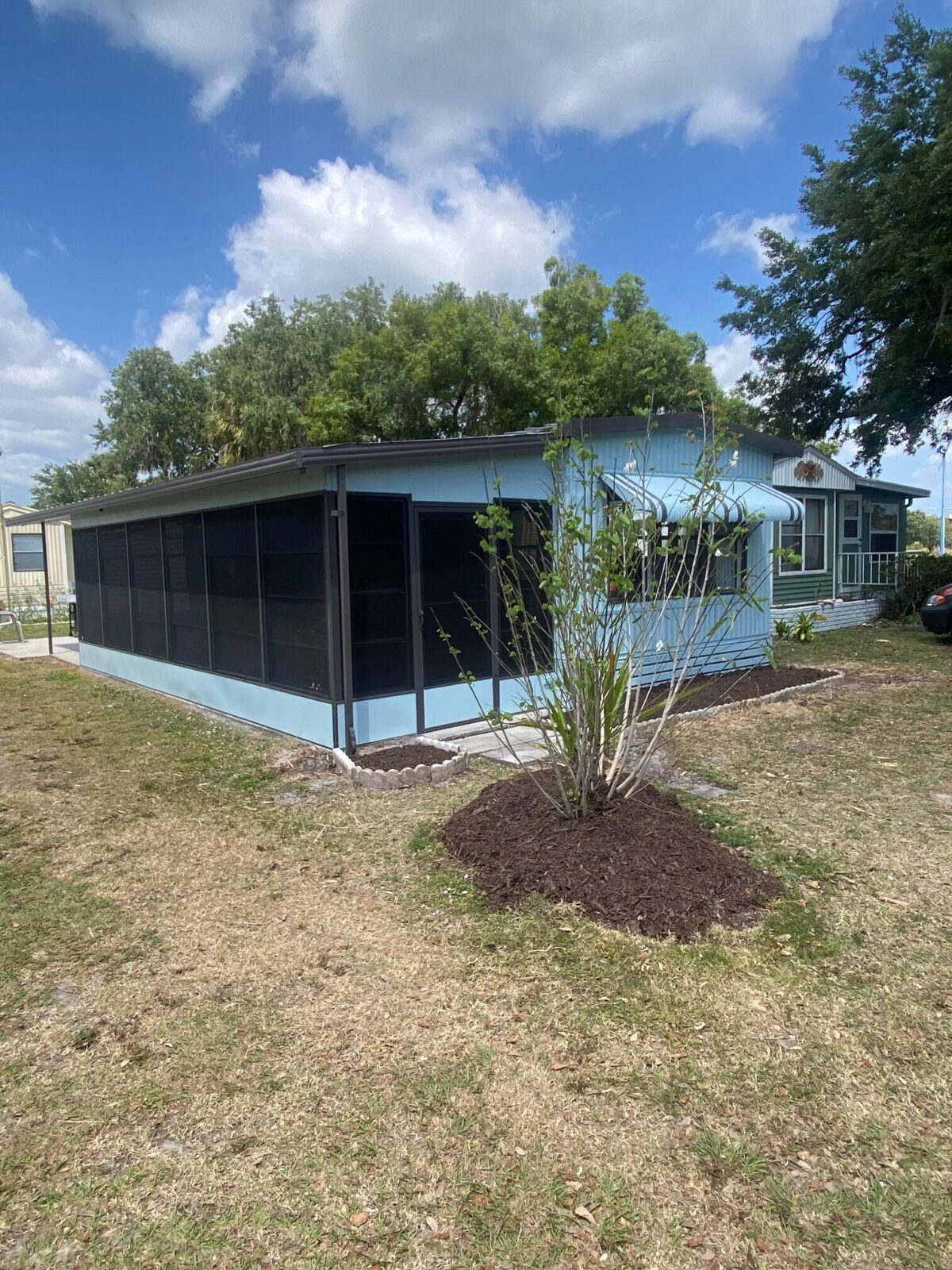
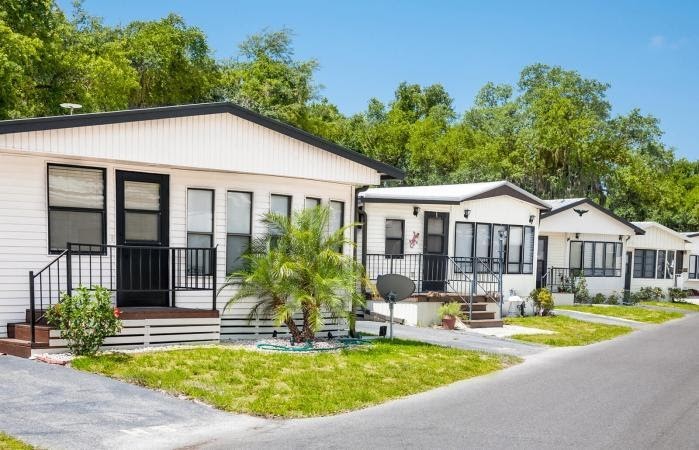
Tag: mobile homes for sale in florida under $5000

  • Exploring Rent-to-Own Mobile Homes in Florida: A Comprehensive Guide

    In Florida, the dream of homeownership can be achieved through various means, and one increasingly popular option is rent-to-own mobile homes. This arrangement provides a flexible and accessible path to owning a home, especially for individuals who may not qualify for traditional mortgages. This article delves into rent-to-own mobile homes in Florida, discussing how it works, its benefits and drawbacks, and what prospective buyers should consider.

    rent-to-own mobile homes in Florida

    Understanding Rent-to-Own Agreements

    What is Rent-to-Own?

    Rent-to-own, or lease-to-own, is a type of contract where a renter agrees to lease a property for a specified period with the option to purchase it before the lease expires. A portion of the rent paid during the lease period is typically applied toward the home’s purchase price.

    How Does It Work?

    1. Initial Agreement: The renter and property owner sign a rent-to-own agreement outlining the lease period, rent amount, purchase price, and the portion of rent that will be credited toward the purchase.
    2. Lease Period: The renter lives in the mobile home and pays rent as agreed. This period usually ranges from one to three years.
    3. Option to Purchase: At the end of the lease period, the renter can purchase the home. If they choose not to buy, they may lose any rent credits accumulated.

    Benefits of Rent-to-Own Mobile Homes

    1. Path to Homeownership: Rent-to-own agreements provide a clear pathway to owning a home for those without immediate financial capability to purchase outright.
    2. Credit Building: This arrangement allows individuals to build or improve their credit score, making it easier to qualify for a mortgage in the future.
    3. Immediate Housing: Renters can live in the home while working toward ownership, offering stability and the chance to test out the property before committing to a purchase.
    4. Flexible Terms: Rent-to-own contracts can often be tailored to meet the needs of both parties, providing more flexibility than traditional purchase agreements.

    Drawbacks of Rent-to-Own Mobile Homes

    1. Non-Refundable Fees: Some agreements require non-refundable option fees or higher rent payments, which can be lost if the renter decides not to buy the home.
    2. Market Fluctuations: If the property value decreases, renters may pay more than the market value when they purchase the home.
    3. Contractual Risks: Please comply with the terms of the agreement to avoid losing the right to purchase the home and forfeiting any accrued credits.

    Finding Rent-to-Own Mobile Homes in Florida

    Online Listings and Real Estate Platforms

    Many websites and platforms list rent-to-own mobile homes. Websites like Zillow, Realtor.com, and local real estate websites often have rent-to-own options. Searching these platforms can help prospective buyers find suitable properties.

    Mobile Home Parks and Communities

    Many mobile home parks in Florida offer rent-to-own options. Visiting these communities and speaking with management can uncover opportunities not listed online. Some notable parks include:

    1. Colony Cove Mobile Home Park, Ellenton: Known for its amenities and community activities, it offers potential homeowners rent-to-own options.
    2. Bay Indies Mobile Home Park, Venice: This park offers a serene environment, various recreational activities, and rent-to-own opportunities.
    3. Pelican Pier Mobile Home Park, Ellenton: Offering waterfront properties, Pelican Pier has flexible rent-to-own contracts.

    Real Estate Agents and Brokers

    Working with real estate agents specializing in mobile homes can be highly beneficial. They have insider knowledge of the market and can guide clients to rent-to-own opportunities that suit their needs.

    Important Considerations Before Entering a Rent-to-Own Agreement

    1. Thoroughly Review the Contract: It’s crucial to understand every detail of the agreement, including the lease period, rent amount, purchase price, and the portion of rent credited toward the purchase.
    2. Get a Home Inspection: Ensure the mobile home is in good condition by getting a professional inspection. This can prevent unforeseen repair costs.
    3. Assess Financial Readiness: Evaluate your financial situation to ensure you can meet the terms of the rent-to-own agreement and secure financing when it’s time to purchase.
    4. Understand Market Conditions: Be aware of the local real estate market trends. This knowledge can help determine if the agreed-upon purchase price is fair.

    Success Stories: Rent-to-Own in Action

    Case Study 1: From Renter to Homeowner in Ellenton

    John and Mary were looking for a home in Ellenton but couldn’t secure a mortgage due to their credit history. They found a rent-to-own mobile home in Colony Cove Mobile Home Park. After two years of renting and improving their credit score, they successfully purchased the home, fulfilling their dream of homeownership.

    Case Study 2: A Second Chance in Venice

    Lisa, a single mother, found it challenging to save for a down payment on a home. She opted for a rent-to-own agreement in Bay Indies Mobile Home Park. Over the lease period, she saved enough and secured financing to buy the mobile home, providing a stable environment for her children.

    Conclusion

    Rent-to-own mobile homes in Florida offer a unique and accessible path to homeownership. While there are benefits such as building credit and immediate housing, potential buyers should be aware of the drawbacks and carefully consider the terms of any agreement. By exploring online listings and mobile home parks and working with knowledgeable real estate agents, prospective homeowners can find rent-to-own opportunities that fit their needs. With thorough research and financial readiness, the dream of owning a mobile home in Florida can become a reality.


    See Also:


  • What is Considered a Trailer House in Florida?

    In Florida, the terms “trailer house,” “mobile home,” and “house trailer” are often used interchangeably, but they carry specific meanings and connotations that can influence your understanding of these housing options. This article explores what is considered a trailer house in Florida, delving into definitions, characteristics, and the legal distinctions that set these homes apart from other types of housing.

    trailer house

    Definitions and Terminology

    1. Trailer House: Traditionally, the term “trailer house” refers to a portable, prefabricated structure that can be moved from one location to another. These homes are often associated with a simpler, more temporary form of housing.
    2. Mobile Home: Mobile homes are similar to trailer houses but are typically built to more stringent construction standards and are intended for permanent or semi-permanent residence. They are built on a chassis and can be moved, although many are placed on permanent foundations.
    3. House Trailer: This term is often used interchangeably with trailer house and mobile home. It typically refers to a smaller, towable living unit that can be easily transported.
    4. Manufactured Home: Often confused with mobile homes, manufactured homes are built in factories and adhere to federal building codes set by the Department of Housing and Urban Development (HUD). They are designed for long-term residence and are typically placed on permanent foundations.

    Characteristics of a Trailer House in Florida

    Construction and Design

    Trailer houses, mobile homes, and house trailers share several common features:

    1. Factory-Built: These homes are constructed in a factory setting, allowing for consistent quality and efficient production. The controlled environment helps minimize construction delays and weather-related issues.
    2. Chassis and Wheels: A defining characteristic of trailer houses and mobile homes is their built-in chassis and wheels, which enable transportation. However, once they reach their destination, the wheels are often removed, and the home is secured on a foundation.
    3. Size and Layout: Trailer houses can vary significantly in size, from small, single-wide units to larger double-wide or even triple-wide models. The layout typically includes essential living spaces such as a kitchen, bathroom, living room, and bedrooms.
    4. Materials: The materials used in the construction of trailer houses are generally lightweight and durable, designed to withstand transportation and installation processes.

    Location and Placement

    In Florida, trailer houses are commonly found in mobile home parks, which are designated areas that provide plots for rent or purchase. These parks often offer amenities such as community centers, swimming pools, and recreational facilities, creating a sense of community for residents.

    1. Mobile Home Parks: These are communities specifically designed for mobile homes and trailer houses. They provide necessary utilities such as water, electricity, and sewage connections.
    2. Private Land: Some trailer houses are placed on privately owned land. This option offers more flexibility regarding space and customization but may require additional permits and adherence to zoning regulations.

    Legal Considerations

    The classification and regulation of trailer houses, mobile homes, and house trailers in Florida are governed by several legal frameworks:

    1. HUD Code: Mobile homes and manufactured homes must comply with the HUD Code, which sets national standards for safety, construction, and durability. Homes built after June 15, 1976, must meet these standards and are often referred to as “manufactured homes.”
    2. Florida Building Code: Trailer houses and mobile homes in Florida must also comply with state-specific building codes that address issues such as wind resistance, especially given Florida’s susceptibility to hurricanes.
    3. Zoning Laws: Local zoning laws regulate where trailer houses can be placed. Mobile home parks are often zoned specifically for this type of housing, while placing a trailer house on private land may require special permits.

    Advantages of Trailer Houses

    Trailer houses, mobile homes, and house trailers offer several benefits that make them an attractive housing option in Florida:

    1. Affordability: One of the most significant advantages of trailer houses is their affordability. They provide a cost-effective alternative to traditional housing, making homeownership accessible to more people.
    2. Flexibility: The ability to move a trailer house offers flexibility that traditional homes do not. This can be particularly advantageous for those who move frequently or prefer the option to relocate their home.
    3. Community Living: Mobile home parks often foster a strong sense of community, with shared amenities and social activities that enhance the living experience.
    4. Quick Construction: The factory-built nature of trailer houses means they can be constructed and installed much more quickly than traditional homes, reducing the time to move in.

    Challenges and Considerations

    While trailer houses offer many benefits, there are also challenges and considerations to keep in mind:

    1. Depreciation: Unlike traditional homes, trailer houses and mobile homes tend to depreciate in value over time, which can affect long-term investment potential.
    2. Insurance: Obtaining insurance for a trailer house can be more complex and expensive compared to traditional homes, particularly in areas prone to natural disasters like hurricanes.
    3. Maintenance: Maintenance and repair can be more frequent for trailer houses, especially older models. It’s essential to factor in these costs when considering this type of housing.
    4. Financing: Securing financing for a trailer house can be more challenging than for a traditional home. Some lenders may offer specialized loans, but interest rates and terms may differ.

    Conclusion

    In Florida, trailer houses, mobile homes, and house trailers provide a unique and affordable housing option that appeals to many residents. These homes offer flexibility, community living, and quick construction, making them a viable alternative to traditional housing. Understanding the definitions, characteristics, and legal considerations of trailer houses can help you make an informed decision if you are considering this type of housing in the Sunshine State.

    Whether you’re looking for a temporary solution or a permanent residence, trailer houses in Florida offer a range of options to suit various needs and budgets. By exploring mobile home parks, private land placements, and staying informed about regulations, you can find a trailer house that meets your lifestyle and housing needs.


    See Also:


  • Is it Possible to Rent Mobile Homes in Florida for $400?

    Finding affordable housing in Florida can be challenging, especially in the current real estate market. As costs for traditional housing continue to rise, many people are turning to mobile homes as a viable and more affordable alternative. However, the question arises: Can you find mobile homes for rent for $400 in Florida? This article explores the possibilities, challenges, and tips for finding affordable mobile home rentals in the Sunshine State.

    mobile homes for rent florida

    Understanding the Market

    Florida is a popular state with a high demand for housing due to its favorable climate, tourist attractions, and growing job market. The demand for affordable housing has led many to consider mobile homes as a cost-effective solution. Mobile homes offer a unique blend of affordability and comfort, making them an attractive option for individuals and families alike.

    Is $400 a Realistic Budget?

    Finding a mobile home for rent at $400 per month in Florida is possible, but it can be quite challenging. The average rent for mobile homes varies significantly based on location, amenities, and the age of the home. While some areas may offer mobile homes at this price, they are typically older models and may require some maintenance.

    Key Factors Influencing Rent Prices

    1. Location: The cost of renting a mobile home largely depends on its location. Mobile homes in rural areas or smaller towns tend to be more affordable compared to those in or near major cities like Miami, Orlando, or Tampa.
    2. Community Amenities: Mobile home parks with amenities such as swimming pools, clubhouses, and playgrounds often have higher rental prices. More basic parks without these amenities are likely to offer lower rents.
    3. Age and Condition of the Home: Older mobile homes are generally less expensive to rent than newer models. However, older homes may require more maintenance and repairs.
    4. Size and Layout: The size of the mobile home, including the number of bedrooms and bathrooms, also affects the rental price. Smaller homes or those with fewer amenities are typically less expensive.

    Where to Look for Affordable Mobile Homes

    1. Rural Areas and Small Towns: Searching in less populated areas can increase the chances of finding a mobile home for rent within a $400 budget. Areas away from tourist hotspots and urban centers generally have lower rental prices.
    2. Online Classifieds: Websites like Craigslist, Zillow, and Facebook Marketplace often have listings for mobile homes. It’s important to regularly check these sites and act quickly when a suitable listing appears.
    3. Local Mobile Home Parks: Contacting mobile home parks directly can sometimes yield better results. Park managers may have information on upcoming vacancies or know of residents looking to rent out their homes.
    4. Community Bulletin Boards: Local community centers, grocery stores, and libraries often have bulletin boards with rental listings. These can be a good source of information on affordable housing options in the area.
    5. Word of Mouth: Networking with friends, family, and coworkers can also lead to finding affordable rentals. Someone in your network might know of a rental opportunity that is only sometimes advertised.

    Challenges in Finding Affordable Rentals

    1. Limited Availability: Due to the high demand for affordable housing, finding a mobile home for rent at $400 can be difficult. Listings in this price range tend to be snapped up quickly.
    2. Condition of the Home: Lower-priced mobile homes may be older and in need of repairs. It’s essential to thoroughly inspect any potential rental to ensure it is safe and habitable.
    3. Lease Terms: Some mobile home parks have specific lease terms and conditions that may not be favorable for all renters. It’s important to read and understand the lease agreement before committing.

    Tips for Securing an Affordable Mobile Home Rental

    1. Act Quickly: Affordable rentals are in high demand, so it’s crucial to act quickly when you find a listing that fits your budget. Be prepared to submit an application and provide necessary documentation promptly.
    2. Negotiate: Don’t be afraid to negotiate the rent with the landlord or park manager. They may be willing to lower the rent if you can offer something in return, such as committing to a longer lease or performing minor maintenance tasks.
    3. Consider Sharing: If you find a larger mobile home that exceeds your budget, consider sharing it with a roommate to split the cost. This can make higher-priced rentals more affordable.
    4. Save on Utilities: Look for energy-efficient mobile homes or those with included utilities to save on monthly expenses. Some parks include water, sewer, and trash services in the rent.

    Conclusion

    Finding a mobile home for rent for $400 in Florida is challenging but not impossible. It requires persistence, flexibility, and a willingness to explore various options. By considering less populated areas, regularly checking online listings, and leveraging your network, you can increase your chances of finding an affordable mobile home rental. While it may take time and effort, the reward of securing a budget-friendly home in the beautiful state of Florida can be well worth it.

    As the demand for affordable housing continues to grow, mobile homes remain a viable and attractive option for many. By understanding the market, being proactive in your search, and being open to different possibilities, you can find a mobile home that meets your needs and budget.


    See Also:

  • How Much Is the Cheapest Mobile Home in Florida in 2024-25?

    When considering a move to Florida, a mobile home is one of the most cost-effective housing options. With the state’s pleasant climate, beautiful scenery, and numerous amenities, many people find Florida an ideal place to live. But how much does the cheapest mobile home cost for 2024-25 in Florida? This article will explore the various factors that influence mobile home prices, the current market trends, and some of the most affordable options available in the Sunshine State.

    cheapest mobile home

    Factors Influencing Mobile Home Prices

    Before diving into the specifics of pricing, it’s essential to understand the factors that influence the cost of mobile homes. These factors include:

    1. Location
      • The price of mobile homes can vary significantly depending on their location. Homes in popular areas like Miami, Tampa, or Orlando are more expensive than those in rural or less populated regions.
    2. Size and Layout
      • The size of the mobile home and its layout can impact the price. Single-wide homes are typically less expensive than double-wide homes due to their smaller size and simpler construction.
    3. Age and Condition
      • Older mobile homes usually cost less than new ones. However, older homes may require more maintenance and repairs, adding to the overall cost.
    4. Community Amenities
      • Mobile home parks and communities that offer amenities such as swimming pools, clubhouses, and recreational facilities can have higher lot rents, affecting the overall cost of living.
    5. Ownership of Land
      • Whether the mobile home sits on owned or leased land significantly impacts the price. Homes on leased land are generally cheaper, but you must factor in monthly lot rent.

    Current Market Trends in Florida

    The mobile home market in Florida has been relatively stable, with slight price increases due to demand and inflation. As of 2024, the average cost of a new single-wide mobile home in Florida is approximately $45,000 to $60,000, while a new double-wide home can range from $80,000 to $100,000. However, the cheapest mobile homes can be found for much less, especially in rural or older communities.

    Finding the Cheapest Mobile Homes in Florida

    To find the cheapest mobile homes in Florida, it’s essential to consider the following steps:

    1. Research Online Listings
      • Websites like Zillow, Realtor.com, and MHVillage offer comprehensive listings of mobile homes for sale. Filtering by price will help you find the most affordable options.
    2. Visit Mobile Home Parks
      • Many mobile home parks have bulletin boards or offices listing homes for sale. Visiting these parks can give you an idea of the local market and available options.
    3. Contact Real Estate Agents
      • Real estate agents specializing in mobile homes can provide valuable insights and help you find affordable properties that meet your needs.
    4. Check Local Classifieds
      • Local newspapers and online classifieds like Craigslist often have listings for mobile homes at competitive prices.

    Examples of Affordable Mobile Homes in Florida

    Here are a few examples of some of the cheapest mobile homes available in Florida for 2024-25:

    1. Single-Wide Homes
      • In rural areas and smaller towns, single-wide mobile homes can be found for as low as $20,000 to $30,000. These homes are typically older models, but they can be a great option for those on a tight budget.
    2. Used Mobile Homes
      • Purchasing a used mobile home can significantly reduce costs. Depending on the age and condition, used single-wide homes can be found for $15,000 to $25,000, while used double-wide homes may range from $30,000 to $50,000.
    3. Fixer-Uppers
      • Homes that require some repairs or renovations can be purchased at a lower price. These fixer-uppers can often be found for under $20,000, providing a great opportunity for those willing to invest time and effort into improving.
    4. Bank Repossessions and Foreclosures
      • Occasionally, mobile homes are repossessed by banks or go into foreclosure. These homes are often sold at auction or through bank listings at significantly reduced prices. It’s possible to find repossessed homes for $10,000 to $20,000, though these deals require careful research and inspection.

    Cost Breakdown of Owning a Mobile Home

    Owning a mobile home involves more than just the purchase price. It’s essential to consider additional costs, including:

    1. Lot Rent
      • If your mobile home is located in a park or community, you will likely need to pay monthly lot rent. In Florida, lot rents can range from $300 to $700 per month, depending on the location and amenities offered.
    2. Utilities
      • Utility costs, including water, electricity, and sewage, can vary based on usage and local rates. On average, expect to pay $100 to $200 per month for utilities.
    3. Insurance
      • Mobile home insurance is essential to protect your investment. The cost of insurance varies based on factors such as the home’s value, location, and coverage level. On average, mobile home insurance in Florida costs between $300 and $600 per year.
    4. Maintenance and Repairs
      • Regular maintenance and occasional repairs are part of owning a mobile home. Budgeting for maintenance costs, such as HVAC servicing, roof repairs, and general upkeep, is crucial. On average, annual maintenance costs can range from $500 to $1,000.
    5. Property Taxes
      • If you own the land where your mobile home is located, you will need to pay property taxes. The tax rate varies by county, but on average, expect to pay around 1% to 2% of the home’s value annually.

    Financing Options for Affordable Mobile Homes

    If you need financial assistance to purchase a mobile home, several financing options are available:

    1. Chattel Loans
      • Chattel loans are designed for mobile homes classified as personal property. These loans typically have shorter terms and higher interest rates but are accessible for those buying homes on leased land.
    2. FHA Title I Loans
      • The Federal Housing Administration (FHA) offers Title I loans for mobile homes, which can be used for homes on leased or owned land. These loans have lower down payment requirements and competitive interest rates.
    3. Personal Loans
      • Personal loans, especially for smaller loan amounts, can be used to finance the purchase of a mobile home. These loans generally have higher interest rates and shorter repayment terms but offer flexibility.
    4. Seller Financing
      • Some sellers offer financing options directly to buyers. This arrangement can be beneficial if you need help securing a traditional loan. Terms and interest rates will vary based on the seller’s conditions.

    Conclusion

    The cheapest mobile homes in Florida for 2024-25 can be found for as low as $10,000 to $30,000, depending on location, age, and condition. By researching online listings, visiting mobile home parks, and exploring financing options, you can find an affordable mobile home that fits your budget. To ensure a comprehensive understanding of your financial commitment, it’s essential to consider all costs associated with owning a mobile home, including lot rent, utilities, insurance, maintenance, and taxes. With careful planning and research, you can find an affordable mobile home and enjoy the benefits of living in the beautiful state of Florida.


    See Also:


  • Is Buying a Brand New Mobile Home in Florida Worth It?

    Florida’s sunny weather, attractive lifestyle, and relatively lower cost of living make it a prime destination for mobile home living. For many prospective buyers, purchasing a brand-new mobile home is influenced by factors such as modern amenities, customization options, and the allure of a fresh start. However, the question remains: Is buying a brand-new mobile home in Florida worth it? This article delves into the pros and cons of purchasing a new mobile home, explores why a used mobile home might be a better option, and provides insights to help potential buyers make an informed decision.

    Rent-To-Own Mobile Homes

    Pros of Buying a Brand New Mobile Home

    1. Modern Features and Customization: New mobile homes come equipped with the latest features and amenities. Buyers can often choose from a variety of floor plans, finishes, and upgrades to personalize their home according to their preferences. This customization ensures that the home meets the specific needs and tastes of the buyer.
    2. Energy Efficiency: New mobile homes are built with modern materials and technologies that enhance energy efficiency. Features such as improved insulation, energy-efficient windows, and advanced heating and cooling systems can lead to lower utility bills and a reduced environmental footprint.
    3. Lower Maintenance Costs: A brand-new mobile home typically requires less maintenance and fewer repairs compared to an older home. The appliances, roofing, plumbing, and electrical systems are all new, reducing the likelihood of unexpected expenses.
    4. Warranty Coverage: New mobile homes usually come with warranties that cover various components of the home for a specified period. These warranties provide peace of mind and financial protection against potential defects or issues that may arise.
    5. Compliance with Current Standards: New mobile homes are built to meet the latest safety and construction standards. This includes compliance with HUD (U.S. Department of Housing and Urban Development) codes, which ensure the home is safe, durable, and well-constructed.

    Cons of Buying a Brand New Mobile Home

    1. Higher Initial Cost: The purchase price of a brand-new mobile home is generally higher than that of a used one. This higher cost can be a significant financial burden for some buyers and may require financing options that come with interest and additional fees.
    2. Depreciation: Like new cars, new mobile homes can depreciate quickly. The value of a brand-new mobile home may decrease significantly within the first few years, potentially resulting in a loss of equity for the owner.
    3. Financing Challenges: Securing financing for a mobile home can be more challenging than obtaining a traditional mortgage. Interest rates for mobile home loans are often higher, and lenders may require larger down payments. This can make the overall cost of ownership more expensive.
    4. Limited Appreciation: Unlike traditional real estate, mobile homes typically do not appreciate in value over time. This limited appreciation can impact the long-term investment potential of the property.
    5. Location Restrictions: Finding suitable land or a mobile home park that allows new mobile homes can be a challenge. Zoning regulations, park rules, and availability of lots can limit the options for placing a new mobile home in a desired location.

    Why a Used Mobile Home Can Be a Better Option

    1. Lower Purchase Price: One of the most significant advantages of buying a used mobile home is the lower initial cost. Used mobile homes are generally more affordable, making homeownership accessible to a broader range of buyers.
    2. Slower Depreciation: A used mobile home has already gone through the most significant depreciation period. This means that the value of the home is less likely to decrease rapidly, providing more stability for the owner.
    3. Established Communities: Used mobile homes are often located in established mobile home parks or communities. These communities may offer a sense of stability, with amenities such as clubhouses, pools, and social activities already in place. Additionally, living in an established community can provide a sense of belonging and social interaction.
    4. Potential for Negotiation: When purchasing a used mobile home, there is often room for negotiation on the price. Buyers may be able to secure a better deal by negotiating directly with the seller, especially if the home has been on the market for a while.
    5. Pre-Existing Upgrades: Many used mobile homes come with pre-existing upgrades and improvements made by previous owners. These upgrades, such as remodeled kitchens, updated bathrooms, or landscaped yards, can add value to the home without the additional cost to the buyer.

    Considerations When Buying a Used Mobile Home

    While there are clear advantages to purchasing a used mobile home, there are also important considerations to keep in mind:

    1. Condition and Maintenance: Used mobile homes may require more maintenance and repairs compared to new ones. It is essential to conduct a thorough inspection to assess the condition of the home and identify any potential issues.
    2. Limited Customization: Unlike new mobile homes, used ones offer limited customization options. Buyers must be willing to accept the existing layout, features, and finishes unless they are prepared to invest in renovations.
    3. Financing Options: Financing a used mobile home can still present challenges, though it may be easier than financing a new one. Buyers should explore various financing options and be prepared for potentially higher interest rates.
    4. Location and Community Rules: The location of a used mobile home may come with certain community rules and regulations. Buyers should review these rules to ensure they align with their lifestyle and preferences.

    Conclusion

    Deciding whether to buy a brand new or used mobile home in Florida depends on various factors, including budget, lifestyle, and long-term goals. Brand new mobile homes offer modern features, energy efficiency, and lower maintenance costs but come with higher initial costs and potential depreciation. On the other hand, used mobile homes provide affordability, slower depreciation, and the benefits of established communities but may require more maintenance and limited customization.

    Ultimately, the decision will depend on individual preferences and circumstances. Prospective buyers should carefully weigh the pros and cons of each option, conduct thorough research, and seek professional advice to make an informed choice. Whether opting for a brand new or used mobile home, Florida’s mobile home market offers diverse opportunities for comfortable and affordable living in the Sunshine State.


    See Also:


  • Furniture Removal or Creative Display When Selling Your Florida Mobile Home?

    Selling your mobile home in Florida can be an exciting chapter, potentially unlocking new opportunities. But amidst the process, a question often arises: should you remove your furniture before listing your mobile home for sale? There’s no one-size-fits-all answer, and the decision depends on several factors. This article will delve into the pros and cons of each approach, helping you determine the best strategy to showcase your mobile home and attract potential buyers in Florida’s dynamic market.

    mobile home furniture florida

    Furnished vs. Unfurnished: Unveiling the Impact of Furniture

    The Case for a Furnished Mobile Home:

    • Appealing to Busy Buyers: Potential buyers, especially those on a tight budget, may find a furnished mobile home appealing. The ability to visualize themselves living in the space with furniture already in place can make the mobile home feel more move-in-ready and potentially accelerate the selling process.
    • Showcasing Functionality: Strategic furniture placement can help potential buyers envision how they can utilize the space in their own lives. For example, a well-positioned dining table can showcase the functionality of a dining area in a smaller mobile home.

    The Case for an Unfurnished Mobile Home:

    • Creating a Blank Canvas: An unfurnished mobile home provides potential buyers with a blank canvas. They can envision their own furniture arrangements and personalize the space to their taste, which can be particularly appealing to buyers with specific furniture styles or needs.
    • Accentuating Spaciousness: Removing furniture can make a smaller mobile home feel more spacious and airy. This can be a significant advantage in Florida’s competitive market, where maximizing perceived square footage is crucial.

    Furniture Frenzy: Factors to Consider When Making the Choice

    Here are some key factors to consider when deciding whether to remove your furniture before selling your mobile home in Florida:

    • The Condition of Your Furniture: If your furniture is outdated, worn-out, or doesn’t stylistically complement the mobile home, removing it might be the better option. Buyers may be distracted by dated furniture and struggle to visualize themselves living in the space.
    • The Target Buyer: Consider who your ideal buyer might be. Are you targeting first-time buyers or retirees? Understanding your target demographic can help you decide whether furnished or unfurnished will be more appealing.
    • Your Budget: If you’re on a tight budget and can’t afford to invest in staging furniture, selling unfurnished might be the more practical option. However, consider budget-friendly staging options like borrowing furniture from friends or family.
    • Storage Considerations: If you decide to remove your furniture, you must factor in storage costs. Renting a storage unit can add to your overall selling expenses.

    Beyond the Binary: Exploring Creative Options

    The decision doesn’t have to be a stark choice between fully furnished or completely bare. Here are some creative ways to showcase your mobile home and appeal to potential buyers:

    • Partial Staging: Stage key areas like the living room and dining area with a few key pieces of furniture that complement the space without overcrowding it. This can give buyers an idea of the space’s functionality without overwhelming them.
    • Virtual Staging: Consider virtual staging, a technology-driven approach that digitally adds furniture to photos of your mobile home. This can be a cost-effective way to showcase the space’s potential for buyers who may struggle to visualize it furnished.
    • Highlight Storage Solutions: Point out built-in storage solutions or spacious closets to emphasize the mobile home’s functionality. This can particularly appeal to buyers who may be downsizing or have limited storage space.

    Making the Right Move for Your Mobile Home

    Ultimately, deciding whether to remove your furniture before selling your mobile home in Florida depends on your circumstances. Weigh the pros and cons of each approach, consider the factors mentioned above, and explore creative staging options to showcase your mobile home’s potential. By making an informed decision, you can enhance your chances of attracting qualified buyers and selling your Florida mobile home quickly and successfully.


    See Also:

  • Brand New vs. Used Mobile Home in Florida: Pros, Cons, and Finding the Right Fit

    Florida, with its sunshine, beaches, and diverse communities, is a popular destination for those seeking an affordable and vibrant lifestyle. Mobile homes, also known as manufactured homes, offer a compelling option for homeownership in the Sunshine State. But a crucial decision arises: should you opt for a brand-new mobile home or a pre-owned one?

    This article dives into the pros and cons of both new and used mobile homes in Florida, helping you navigate this vital choice. We’ll explore factors like affordability, financing, features, maintenance, and resale value, ultimately guiding you toward the mobile home that best suits your needs.

    used mobile home

    The Allure of the New: Advantages of Brand New Mobile Homes

    1. Modern Design and Amenities: Stepping into a brand-new mobile home is like entering a modern living space. Manufacturers constantly innovate, offering floor plans with open layouts, sleek finishes, and energy-efficient appliances. You’ll enjoy the latest trends in kitchens, bathrooms, and living areas, creating a comfortable and stylish home.
    2. Peace of Mind with Warranties: New mobile homes come with manufacturer warranties covering materials and workmanship defects. Knowing you’re protected against unexpected repairs for a set period provides peace of mind. Warranties typically last for one year on the entire home and may extend to specific appliances for longer durations.
    3. Energy Efficiency: Modern mobile homes have energy-efficient features like double-paned windows, advanced insulation, and high-efficiency HVAC systems. These features translate to lower utility bills yearly, a significant benefit in Florida’s warm climate.
    4. Low Maintenance Needs: Brand-new mobile homes require less initial maintenance than used ones. Since everything is new, you can expect a smooth transition into ownership without immediate repairs or replacements.
    5. Financing Options: Financing a brand new mobile home can be easier, particularly for those with good credit. Lenders are often more comfortable offering loans for new models with established warranties.

    Downsides of Brand New Mobile Homes

    1. Higher Price Tag: The undeniable appeal of a brand-new mobile home comes at a premium. You’ll pay more upfront compared to a used model.
    2. Depreciation: Like new cars, mobile homes depreciate in value over time. While this might not be a concern if you plan to live in it for a long time, it’s a factor to consider if resale is a future possibility.
    3. Limited Selection of Lots: Finding the perfect piece of land to set up your brand-new mobile home might require flexibility.  Mobile home communities often have specific restrictions on the types of homes they allow.

    The Value Proposition: Pros and Cons of Used Mobile Homes

    1. Significant Cost Savings: Used mobile homes offer a substantial financial advantage. You can potentially find a well-maintained pre-owned home for half the price of a new one. This makes homeownership attainable for a wider range of budgets.
    2. Unique Character: Used mobile homes can have a certain charm and character that may appeal to some buyers. You might find older models with unique features or layouts that are not readily available in new ones.
    3. Potential for Upgrades: Purchasing a used mobile home lets you personalize it to your taste and budget. You can renovate the interior with new paint, flooring, or fixtures, tailoring the space to your preferences.
    4. Established Communities: Used mobile homes are often situated in established communities with existing amenities like pools, clubhouses, and playgrounds. This fosters a sense of community and provides access to shared resources.

    Challenges of Used Mobile Homes

    1. Potential for Repairs: Unlike new models, used mobile homes may require repairs or replacements for worn-out appliances, fixtures, or roofing. Thorough inspections and budgeting for potential repairs are crucial.
    2. Financing Challenges: Financing a used mobile home can be more challenging, especially for older models.  Lenders may have stricter requirements or offer less favorable loan terms.
    3. Limited Warranties or None: Used mobile homes typically come with no warranties or limited coverage on specific appliances. The responsibility for repairs falls entirely on the homeowner.
    4. Outdated Features: Older mobile homes might have outdated finishes, appliances, and less energy-efficient construction compared to newer models. This can lead to higher utility bills and a less modern living experience.
    5. Resale Value: Reselling a used mobile home can be more difficult due to depreciation and potential limitations on financing for the buyer.

    So, Which One is Right for You?

    The decision between a new and used mobile home hinges on your priorities and financial situation. Here’s a breakdown to help you choose:

    Choose a Brand New Mobile Home if:

    • You prioritize modern design and energy efficiency.
    • You value peace of mind with warranties and lower initial maintenance needs.
    • You have good credit and can secure favorable financing terms.
    • You’re flexible with finding a suitable lot within a mobile home community.

    Choose a Used Mobile Home if:

    • Affordability is your primary concern.
    • You appreciate the potential for unique character and customization.
    • You’re comfortable budgeting for potential repairs and upgrades.
    • You’re interested in an established mobile home community with amenities.

    Finding the Perfect Fit

    Beyond the new vs. used debate, here are some additional factors to consider when searching for your ideal mobile home in Florida:

    • Location: Choose a location close to work, amenities, and essential services. Consider flood zones and proximity to desirable areas.
    • Community: Research mobile home communities for their reputation, amenities, age restrictions, and monthly lot rent.
    • Size and Layout: Determine the size that best suits your needs. Consider the number of bedrooms and bathrooms, living space, and storage options.
    • Condition: For used mobile homes, prioritize a thorough inspection by a qualified professional to identify any potential issues.
    • Hidden Costs: Factor in additional costs like property taxes, lot rent, utility bills, and potential homeowners’ association fees.

    Conclusion

    Finding the perfect mobile home in Florida requires weighing your priorities and financial situation.  Understanding the pros and cons of new and used models empowers you to make an informed decision. Remember, there’s no single “right” answer.

    Whether you’re drawn to a brand-new home’s modern appeal and peace of mind or the affordability and potential to customize a used one, Florida’s vibrant mobile home market offers diverse options. Embrace the research process, prioritize your needs, and soon, you’ll settle into your haven in the Sunshine State.


    See Also:

  • Understanding the Cost of Mobile Homes in Florida in 2024

    Mobile homes offer a flexible and affordable housing option for many individuals and families, especially in states like Florida, where they are popular due to their affordability and versatility. However, understanding the cost of mobile homes in Florida in 2024 involves considering various factors, including location, size, age, amenities, and condition. This article will explore the average cost of mobile homes in Florida in 2024 and the factors influencing their prices.

    Overview of Mobile Home Costs in Florida

    In Florida, the cost of a mobile home can vary significantly based on several factors. As of 2024, the average price range for a new mobile home in Florida is between $50,000 and $150,000. This price range encompasses various sizes, styles, and amenities, allowing buyers to find a mobile home that fits their budget and preferences.

    cost of mobile homes in Florida
    Mobile home in Florida

    Factors Affecting Mobile Home Prices

    • Location

    Location plays a significant role in determining the cost of a mobile home in Florida. Prices can vary depending on factors such as proximity to urban centers, coastal areas, amenities, and local housing market conditions. Mobile homes in desirable areas with high demand may command higher prices than those in rural or less desirable locations.

    • Size and Floor Plan

    The size and floor plan of a mobile home directly impact its cost. Larger homes with more square footage and additional bedrooms or bathrooms typically have a higher price tag. Likewise, mobile homes with upgraded features, such as modern kitchens, spacious living areas, and luxury amenities, tend to be more expensive than basic models.

    • Age and Condition

    The age and condition of a mobile home are crucial factors affecting its price. Newer mobile homes with modern construction, energy-efficient features, and updated amenities generally cost more than older models. However, well-maintained older homes in good condition may still command a higher price if they have been properly cared for and renovated.

    • Community Amenities

    Mobile home communities in Florida often offer various amenities and services, such as swimming pools, clubhouse facilities, fitness centers, and organized social activities. The presence of these amenities can influence the cost of mobile homes within these communities. Homes with extensive amenities and services may have higher price tags than those in more basic or less equipped communities.

    • Land Ownership

    The cost of a mobile home in Florida may also be influenced by whether the buyer owns or leases the land where the home will be situated. Mobile homes on land owned by the homeowner typically come with higher upfront costs but offer the advantage of property ownership. On the other hand, homes in leased land communities may have lower initial purchase prices but require ongoing land lease payments.

    Average Costs of Mobile Homes in Florida

    As previously mentioned, the average price range for a new mobile home in Florida in 2024 is between $50,000 and $150,000. However, it’s essential to note that this price range is a general estimate, and actual prices can vary based on the abovementioned factors. Additionally, the cost of used mobile homes in Florida can be significantly lower, ranging from $10,000 to $80,000 or more, depending on age, condition, and location.

    Final Thoughts

    The cost of mobile homes in Florida in 2024 varies based on location, size, age, amenities, and condition. Understanding these factors is essential for prospective buyers to make informed decisions and find a mobile home that meets their budget and lifestyle needs. Whether purchasing a new or used mobile home, buyers should carefully consider these factors and conduct thorough research to ensure they get the best value for their investment in Florida’s dynamic mobile home market.


    See Also:

  • Understanding the Cost of Mobile Homes in Florida in 2024

    Mobile homes offer a flexible and affordable housing option for many individuals and families, especially in states like Florida, where they are popular due to their affordability and versatility. However, understanding the cost of mobile homes in Florida in 2024 involves considering various factors, including location, size, age, amenities, and condition. This article will explore the average cost of mobile homes in Florida in 2024 and the factors influencing their prices.

    Overview of Mobile Home Costs in Florida

    In Florida, the cost of a mobile home can vary significantly based on several factors. As of 2024, the average price range for a new mobile home in Florida is between $50,000 and $150,000. This price range encompasses various sizes, styles, and amenities, allowing buyers to find a mobile home that fits their budget and preferences.

    cost of mobile homes in Florida
    Mobile home in Florida

    Factors Affecting Mobile Home Prices

    • Location

    Location plays a significant role in determining the cost of a mobile home in Florida. Prices can vary depending on factors such as proximity to urban centers, coastal areas, amenities, and local housing market conditions. Mobile homes in desirable areas with high demand may command higher prices than those in rural or less desirable locations.

    • Size and Floor Plan

    The size and floor plan of a mobile home directly impact its cost. Larger homes with more square footage and additional bedrooms or bathrooms typically have a higher price tag. Likewise, mobile homes with upgraded features, such as modern kitchens, spacious living areas, and luxury amenities, tend to be more expensive than basic models.

    • Age and Condition

    The age and condition of a mobile home are crucial factors affecting its price. Newer mobile homes with modern construction, energy-efficient features, and updated amenities generally cost more than older models. However, well-maintained older homes in good condition may still command a higher price if they have been properly cared for and renovated.

    • Community Amenities

    Mobile home communities in Florida often offer various amenities and services, such as swimming pools, clubhouse facilities, fitness centers, and organized social activities. The presence of these amenities can influence the cost of mobile homes within these communities. Homes with extensive amenities and services may have higher price tags than those in more basic or less equipped communities.

    • Land Ownership

    The cost of a mobile home in Florida may also be influenced by whether the buyer owns or leases the land where the home will be situated. Mobile homes on land owned by the homeowner typically come with higher upfront costs but offer the advantage of property ownership. On the other hand, homes in leased land communities may have lower initial purchase prices but require ongoing land lease payments.

    Average Costs of Mobile Homes in Florida

    As previously mentioned, the average price range for a new mobile home in Florida in 2024 is between $50,000 and $150,000. However, it’s essential to note that this price range is a general estimate, and actual prices can vary based on the abovementioned factors. Additionally, the cost of used mobile homes in Florida can be significantly lower, ranging from $10,000 to $80,000 or more, depending on age, condition, and location.

    Final Thoughts

    The cost of mobile homes in Florida in 2024 varies based on location, size, age, amenities, and condition. Understanding these factors is essential for prospective buyers to make informed decisions and find a mobile home that meets their budget and lifestyle needs. Whether purchasing a new or used mobile home, buyers should carefully consider these factors and conduct thorough research to ensure they get the best value for their investment in Florida’s dynamic mobile home market.


    See Also:

  • 7 Reasons Why People Are Buying Mobile Homes in Florida

    Florida, with its warm climate, stunning beaches, and vibrant culture, has long been a magnet for those seeking a slice of paradise. Among the various housing options available in the Sunshine State, mobile homes have emerged as a popular choice for many. In recent years, there has been a noticeable uptick in the number of people opting for mobile homes in Florida. In this article, we delve into the reasons behind this trend and explore why mobile homes are capturing the hearts of so many individuals and families in the state.

    mobile homes in florida

    1. Affordability

    One of the primary factors driving the demand for mobile homes in Florida is affordability. Compared to traditional single-family homes or condominiums, mobile homes typically come with a lower price tag, making homeownership more accessible to a wider range of people. This affordability factor is particularly appealing to first-time homebuyers, retirees, and individuals looking for a cost-effective housing solution without compromising on quality of life.

    2. Flexibility and Customization

    Mobile homes offer a level of flexibility and customization that is often not possible with other types of housing. Many mobile home communities in Florida provide residents with the opportunity to personalize their homes according to their preferences and lifestyle needs. From choosing floor plans and interior designs to selecting amenities such as outdoor decks or screened-in porches, mobile home owners have the freedom to create a living space that reflects their individual taste and style.

    3. Community Living

    Another appealing aspect of mobile home living in Florida is the sense of community that it offers. Mobile home parks and communities often foster a close-knit and neighborly environment where residents can socialize, participate in community events, and form lasting friendships. This sense of camaraderie is especially valued by retirees and older adults who are looking to downsize and enjoy a more connected way of life in their golden years.

    4. Low Maintenance

    Maintaining a traditional single-family home can be time-consuming and expensive, especially when it comes to tasks such as yard work, landscaping, and exterior maintenance. Mobile homes, on the other hand, typically require less upkeep and are easier to maintain. With features such as vinyl siding, composite decking, and minimal landscaping requirements, mobile home owners in Florida can spend less time on chores and more time enjoying the sunshine and outdoor activities that the state has to offer.

    5. Resort-style Amenities

    Many mobile home communities in Florida offer resort-style amenities and recreational facilities that enhance the overall living experience. From swimming pools and fitness centers to tennis courts and community clubhouses, these amenities provide residents with ample opportunities for leisure and recreation without having to leave the comfort of their neighborhood. For retirees and active adults looking to enjoy a fulfilling retirement lifestyle, mobile home communities with premium amenities can be particularly attractive.

    6. Proximity to Beaches and Outdoor Activities

    Florida is renowned for its breathtaking beaches, lush landscapes, and abundance of outdoor recreational opportunities. Mobile home communities in the state often boast convenient access to these natural attractions, allowing residents to enjoy a laid-back coastal lifestyle with ease. Whether it’s spending a day lounging on the beach, exploring nature trails, or fishing in pristine waters, mobile home owners in Florida have endless opportunities to embrace an active and outdoor-centric way of life.

    7. Investment Potential

    While mobile homes are generally more affordable than traditional homes, they can also offer solid investment potential for savvy buyers. In Florida’s fast-growing real estate market, mobile homes in desirable locations can appreciate in value over time, providing homeowners with a valuable asset that can yield significant returns in the long run. Additionally, some mobile home communities offer rental opportunities for those looking to generate passive income or offset their housing expenses, further enhancing the investment appeal of mobile home ownership in Florida.

    Conclusion

    The allure of mobile home living in Florida is multifaceted, encompassing factors such as affordability, flexibility, community, and lifestyle amenities. For many individuals and families, mobile homes offer a compelling blend of comfort, convenience, and value, making them an attractive housing option in the Sunshine State. Whether it’s retirees seeking a laid-back retirement retreat or young families looking for an affordable entry into homeownership, the appeal of mobile homes in Florida continues to grow, promising a vibrant and fulfilling lifestyle against the backdrop of Florida’s sun-drenched landscapes and endless recreational opportunities.


    See Also:

Reset password

Enter your email address and we will send you a link to change your password.

Get started with your account

to save your favourite homes and more

Sign up with email

Get started with your account

to save your favourite homes and more

By clicking the «SIGN UP» button you agree to the Terms of Use and Privacy Policy
Powered by Estatik