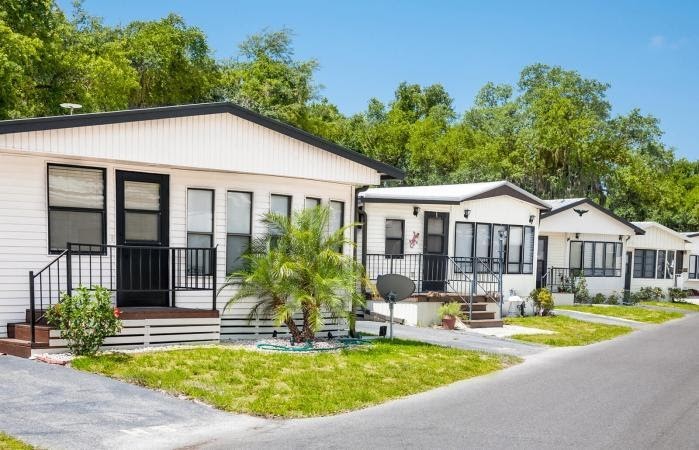
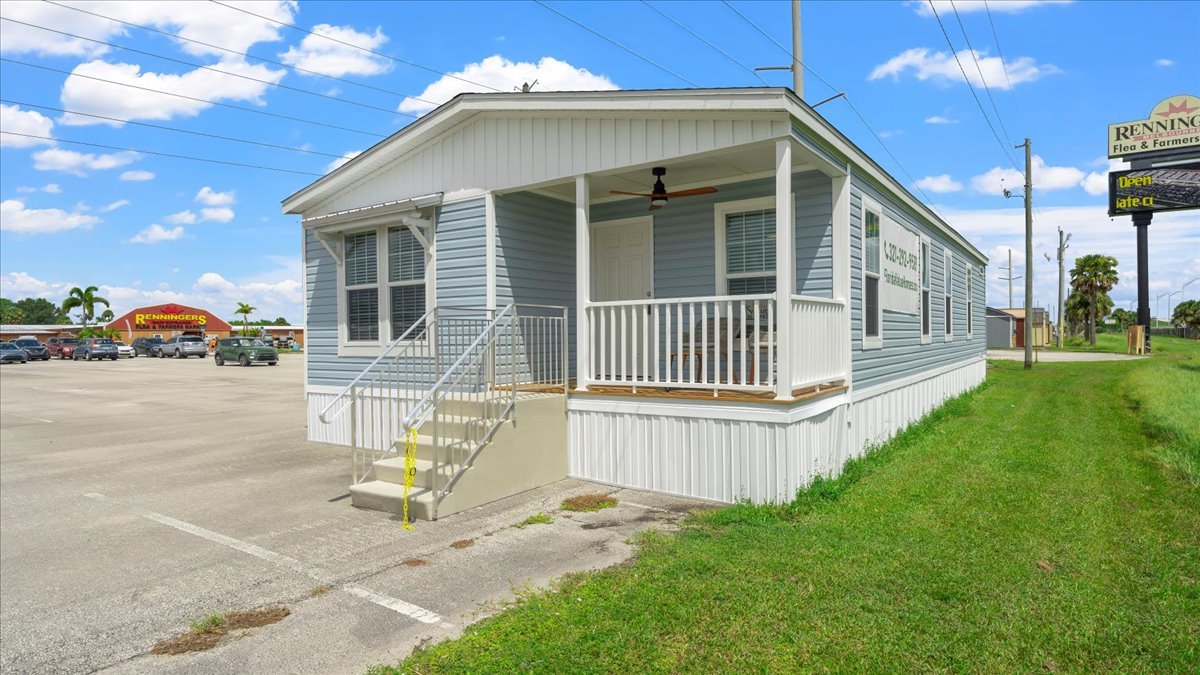
Tag: mobile homes for sale in florida under 30000

  • The Impact of Location on Mobile Home Prices in Florida: What Buyers Need to Know

    When it comes to buying a mobile home in Florida, one of the most critical factors influencing price and desirability is location. Florida’s diverse geography, ranging from coastal beaches to inland areas, combined with its popularity as a retirement destination, creates a wide spectrum of mobile home prices. This article will explore how different locations across the state affect mobile home prices and what buyers need to consider when choosing the best area for their investment.

    mobile home prices in Florida

    1. Coastal Areas vs. Inland Regions

    Coastal Areas

    Florida’s coastal areas are some of the most sought-after locations for mobile home buyers, especially retirees and those looking for a vacation home. The allure of living near the ocean, with easy access to beaches and water-based activities, drives up demand—and consequently, prices—in these regions.

    • Higher Prices: Mobile homes in coastal areas typically command higher prices due to their proximity to the ocean, scenic views, and access to amenities like marinas, waterfront restaurants, and tourist attractions. The premium for coastal living can be significant, especially in popular areas like Naples, Sarasota, and the Florida Keys.
    • Weather Considerations: However, living near the coast also comes with the risk of hurricanes and flooding, which can affect insurance costs and maintenance needs. Buyers should factor in these additional expenses when considering a coastal mobile home.

    Inland Regions

    In contrast, Florida’s inland regions offer more affordable options for mobile home buyers. These areas, which include parts of central and northern Florida, are further from the beaches but still provide a warm climate and access to natural attractions like springs, lakes, and parks.

    • Lower Prices: Mobile homes in inland areas generally have lower price tags, making them more accessible for first-time buyers or those on a tighter budget. Cities like Ocala, Gainesville, and Lakeland offer more affordable housing options without sacrificing quality of life.
    • Less Crowded: Inland regions tend to be less crowded than coastal areas, providing a quieter, more laid-back lifestyle. For buyers looking for peace and tranquility, these locations can be ideal.

    2. Retirement Communities and Their Impact on Prices

    Florida is renowned for its retirement communities, which are particularly popular among mobile home buyers. These communities are often designed to cater to the needs and preferences of retirees, offering amenities like clubhouses, golf courses, swimming pools, and organized social activities.

    Age-Restricted Communities

    Many retirement communities in Florida are age-restricted, typically requiring residents to be 55 or older. These communities are highly desirable for retirees looking for a vibrant social environment and a hassle-free lifestyle, where many services and activities are conveniently located within the community.

    • Higher Prices: The amenities and lifestyle offered by retirement communities often come with a premium price. Mobile homes in these communities tend to be more expensive than those in non-restricted areas, reflecting the added value of the community features.
    • Resale Value: On the flip side, homes in well-maintained retirement communities often hold their value better and can be easier to sell, as there is consistent demand from other retirees looking to relocate to Florida.

    Non-Age-Restricted Communities

    Not all mobile home communities in Florida are age-restricted. Non-age-restricted communities attract a more diverse group of residents, including younger families and working professionals. These communities may not offer the same level of amenities as retirement communities but often provide a more affordable entry into the mobile home market.

    • Affordable Options: Non-age-restricted communities generally offer lower-priced mobile homes, making them a good option for budget-conscious buyers. These communities can still provide a sense of community and often include amenities like playgrounds, dog parks, and communal gathering spaces.
    • Family-Friendly: For younger buyers or those with families, non-age-restricted communities may offer a more dynamic environment with a broader range of social activities and services.

    3. Urban vs. Rural Locations

    Urban Areas

    Mobile homes located in or near urban areas, such as Miami, Tampa, Orlando, and Jacksonville, benefit from the convenience of city living. These locations offer easy access to employment opportunities, healthcare facilities, shopping centers, and cultural attractions.

    • Higher Demand and Prices: Due to their proximity to urban centers, mobile homes in these areas are often in high demand, leading to higher prices. Buyers may pay a premium for the convenience of being close to work, entertainment, and essential services.
    • Investment Potential: Mobile homes in urban areas also have strong investment potential, as the demand for affordable housing near cities is likely to remain high. This can make them a good choice for buyers looking for a property that will appreciate over time.

    Rural Locations

    For those seeking a more secluded, rural lifestyle, Florida’s countryside offers plenty of mobile home options at a lower cost. Rural areas provide vast open spaces, a slower pace of life, and the opportunity to live close to nature.

    • Lower Cost: Mobile homes in rural areas tend to be more affordable, with lower land and housing costs. This can be an attractive option for buyers looking to stretch their budget further.
    • Privacy and Space: Rural locations often offer more privacy and larger lot sizes, allowing homeowners to enjoy outdoor activities, gardening, or even small-scale farming.
    • Limited Amenities: However, living in a rural area may mean limited access to amenities and services. Buyers should consider the distance to the nearest town or city for essential services like healthcare, shopping, and entertainment.

    4. Proximity to Tourist Destinations

    Florida’s status as a top tourist destination also impacts mobile home prices, particularly in areas close to popular attractions like Walt Disney World, Universal Studios, and the Everglades.

    Tourist Hotspots

    Mobile homes located near major tourist destinations often attract buyers looking for a vacation home or rental property. The proximity to attractions can make these homes more desirable, driving up prices.

    • Higher Prices: Locations near tourist hotspots like Orlando or the Gulf Coast tend to have higher mobile home prices due to the demand from vacationers and short-term renters.
    • Rental Income Potential: For buyers interested in generating rental income, purchasing a mobile home near a tourist destination can be a profitable investment, especially during peak travel seasons.

    Off-the-Beaten-Path Locations

    Conversely, mobile homes in areas that are further from major tourist attractions tend to be more affordable. These off-the-beaten-path locations can offer a peaceful, quiet lifestyle away from the hustle and bustle of tourism.

    • Affordable Living: Buyers seeking a more relaxed environment may find better deals in locations that are less influenced by tourism. These areas can still offer natural beauty and charm without the premium price tag.
    • Year-Round Residency: Off-the-beaten-path locations may be better suited for year-round living, as they are less likely to be affected by seasonal tourism fluctuations.

    5. Impact of Local Regulations and Zoning

    Local regulations and zoning laws can also significantly affect mobile home prices in Florida. Each county or city may have different rules regarding where mobile homes can be placed, lot sizes, and community standards.

    Zoning Laws

    Zoning laws dictate where mobile homes can be placed, which can impact availability and price. Areas with more flexible zoning laws may offer a wider range of options, while strict zoning can limit choices and drive up prices in designated mobile home areas.

    • Research Required: Buyers should thoroughly research local zoning laws before purchasing a mobile home to ensure they understand the regulations that may affect their property.
    • Community Standards: Some communities have strict standards for mobile home appearance and maintenance, which can influence the overall price of homes in the area. Adhering to these standards may require additional investment in home upkeep.

    Conclusion

    Location is a key factor in determining the price and desirability of mobile homes in Florida. Whether you’re drawn to the coastal beauty, the affordability of inland regions, the amenities of retirement communities, or the tranquility of rural living, understanding how location impacts mobile home prices is essential for making an informed purchase. By considering the factors outlined in this article, you can find the perfect mobile home that meets your needs and fits your budget in the diverse and dynamic Florida market.


    See Also:


  • Understanding the Cost of Mobile Homes in Florida in 2024

    Mobile homes offer a flexible and affordable housing option for many individuals and families, especially in states like Florida, where they are popular due to their affordability and versatility. However, understanding the cost of mobile homes in Florida in 2024 involves considering various factors, including location, size, age, amenities, and condition. This article will explore the average cost of mobile homes in Florida in 2024 and the factors influencing their prices.

    Overview of Mobile Home Costs in Florida

    In Florida, the cost of a mobile home can vary significantly based on several factors. As of 2024, the average price range for a new mobile home in Florida is between $50,000 and $150,000. This price range encompasses various sizes, styles, and amenities, allowing buyers to find a mobile home that fits their budget and preferences.

    cost of mobile homes in Florida
    Mobile home in Florida

    Factors Affecting Mobile Home Prices

    • Location

    Location plays a significant role in determining the cost of a mobile home in Florida. Prices can vary depending on factors such as proximity to urban centers, coastal areas, amenities, and local housing market conditions. Mobile homes in desirable areas with high demand may command higher prices than those in rural or less desirable locations.

    • Size and Floor Plan

    The size and floor plan of a mobile home directly impact its cost. Larger homes with more square footage and additional bedrooms or bathrooms typically have a higher price tag. Likewise, mobile homes with upgraded features, such as modern kitchens, spacious living areas, and luxury amenities, tend to be more expensive than basic models.

    • Age and Condition

    The age and condition of a mobile home are crucial factors affecting its price. Newer mobile homes with modern construction, energy-efficient features, and updated amenities generally cost more than older models. However, well-maintained older homes in good condition may still command a higher price if they have been properly cared for and renovated.

    • Community Amenities

    Mobile home communities in Florida often offer various amenities and services, such as swimming pools, clubhouse facilities, fitness centers, and organized social activities. The presence of these amenities can influence the cost of mobile homes within these communities. Homes with extensive amenities and services may have higher price tags than those in more basic or less equipped communities.

    • Land Ownership

    The cost of a mobile home in Florida may also be influenced by whether the buyer owns or leases the land where the home will be situated. Mobile homes on land owned by the homeowner typically come with higher upfront costs but offer the advantage of property ownership. On the other hand, homes in leased land communities may have lower initial purchase prices but require ongoing land lease payments.

    Average Costs of Mobile Homes in Florida

    As previously mentioned, the average price range for a new mobile home in Florida in 2024 is between $50,000 and $150,000. However, it’s essential to note that this price range is a general estimate, and actual prices can vary based on the abovementioned factors. Additionally, the cost of used mobile homes in Florida can be significantly lower, ranging from $10,000 to $80,000 or more, depending on age, condition, and location.

    Final Thoughts

    The cost of mobile homes in Florida in 2024 varies based on location, size, age, amenities, and condition. Understanding these factors is essential for prospective buyers to make informed decisions and find a mobile home that meets their budget and lifestyle needs. Whether purchasing a new or used mobile home, buyers should carefully consider these factors and conduct thorough research to ensure they get the best value for their investment in Florida’s dynamic mobile home market.


    See Also:

  • Understanding the Cost of Mobile Homes in Florida in 2024

    Mobile homes offer a flexible and affordable housing option for many individuals and families, especially in states like Florida, where they are popular due to their affordability and versatility. However, understanding the cost of mobile homes in Florida in 2024 involves considering various factors, including location, size, age, amenities, and condition. This article will explore the average cost of mobile homes in Florida in 2024 and the factors influencing their prices.

    Overview of Mobile Home Costs in Florida

    In Florida, the cost of a mobile home can vary significantly based on several factors. As of 2024, the average price range for a new mobile home in Florida is between $50,000 and $150,000. This price range encompasses various sizes, styles, and amenities, allowing buyers to find a mobile home that fits their budget and preferences.

    cost of mobile homes in Florida
    Mobile home in Florida

    Factors Affecting Mobile Home Prices

    • Location

    Location plays a significant role in determining the cost of a mobile home in Florida. Prices can vary depending on factors such as proximity to urban centers, coastal areas, amenities, and local housing market conditions. Mobile homes in desirable areas with high demand may command higher prices than those in rural or less desirable locations.

    • Size and Floor Plan

    The size and floor plan of a mobile home directly impact its cost. Larger homes with more square footage and additional bedrooms or bathrooms typically have a higher price tag. Likewise, mobile homes with upgraded features, such as modern kitchens, spacious living areas, and luxury amenities, tend to be more expensive than basic models.

    • Age and Condition

    The age and condition of a mobile home are crucial factors affecting its price. Newer mobile homes with modern construction, energy-efficient features, and updated amenities generally cost more than older models. However, well-maintained older homes in good condition may still command a higher price if they have been properly cared for and renovated.

    • Community Amenities

    Mobile home communities in Florida often offer various amenities and services, such as swimming pools, clubhouse facilities, fitness centers, and organized social activities. The presence of these amenities can influence the cost of mobile homes within these communities. Homes with extensive amenities and services may have higher price tags than those in more basic or less equipped communities.

    • Land Ownership

    The cost of a mobile home in Florida may also be influenced by whether the buyer owns or leases the land where the home will be situated. Mobile homes on land owned by the homeowner typically come with higher upfront costs but offer the advantage of property ownership. On the other hand, homes in leased land communities may have lower initial purchase prices but require ongoing land lease payments.

    Average Costs of Mobile Homes in Florida

    As previously mentioned, the average price range for a new mobile home in Florida in 2024 is between $50,000 and $150,000. However, it’s essential to note that this price range is a general estimate, and actual prices can vary based on the abovementioned factors. Additionally, the cost of used mobile homes in Florida can be significantly lower, ranging from $10,000 to $80,000 or more, depending on age, condition, and location.

    Final Thoughts

    The cost of mobile homes in Florida in 2024 varies based on location, size, age, amenities, and condition. Understanding these factors is essential for prospective buyers to make informed decisions and find a mobile home that meets their budget and lifestyle needs. Whether purchasing a new or used mobile home, buyers should carefully consider these factors and conduct thorough research to ensure they get the best value for their investment in Florida’s dynamic mobile home market.


    See Also:

  • 7 Reasons Why People Are Buying Mobile Homes in Florida

    Florida, with its warm climate, stunning beaches, and vibrant culture, has long been a magnet for those seeking a slice of paradise. Among the various housing options available in the Sunshine State, mobile homes have emerged as a popular choice for many. In recent years, there has been a noticeable uptick in the number of people opting for mobile homes in Florida. In this article, we delve into the reasons behind this trend and explore why mobile homes are capturing the hearts of so many individuals and families in the state.

    mobile homes in florida

    1. Affordability

    One of the primary factors driving the demand for mobile homes in Florida is affordability. Compared to traditional single-family homes or condominiums, mobile homes typically come with a lower price tag, making homeownership more accessible to a wider range of people. This affordability factor is particularly appealing to first-time homebuyers, retirees, and individuals looking for a cost-effective housing solution without compromising on quality of life.

    2. Flexibility and Customization

    Mobile homes offer a level of flexibility and customization that is often not possible with other types of housing. Many mobile home communities in Florida provide residents with the opportunity to personalize their homes according to their preferences and lifestyle needs. From choosing floor plans and interior designs to selecting amenities such as outdoor decks or screened-in porches, mobile home owners have the freedom to create a living space that reflects their individual taste and style.

    3. Community Living

    Another appealing aspect of mobile home living in Florida is the sense of community that it offers. Mobile home parks and communities often foster a close-knit and neighborly environment where residents can socialize, participate in community events, and form lasting friendships. This sense of camaraderie is especially valued by retirees and older adults who are looking to downsize and enjoy a more connected way of life in their golden years.

    4. Low Maintenance

    Maintaining a traditional single-family home can be time-consuming and expensive, especially when it comes to tasks such as yard work, landscaping, and exterior maintenance. Mobile homes, on the other hand, typically require less upkeep and are easier to maintain. With features such as vinyl siding, composite decking, and minimal landscaping requirements, mobile home owners in Florida can spend less time on chores and more time enjoying the sunshine and outdoor activities that the state has to offer.

    5. Resort-style Amenities

    Many mobile home communities in Florida offer resort-style amenities and recreational facilities that enhance the overall living experience. From swimming pools and fitness centers to tennis courts and community clubhouses, these amenities provide residents with ample opportunities for leisure and recreation without having to leave the comfort of their neighborhood. For retirees and active adults looking to enjoy a fulfilling retirement lifestyle, mobile home communities with premium amenities can be particularly attractive.

    6. Proximity to Beaches and Outdoor Activities

    Florida is renowned for its breathtaking beaches, lush landscapes, and abundance of outdoor recreational opportunities. Mobile home communities in the state often boast convenient access to these natural attractions, allowing residents to enjoy a laid-back coastal lifestyle with ease. Whether it’s spending a day lounging on the beach, exploring nature trails, or fishing in pristine waters, mobile home owners in Florida have endless opportunities to embrace an active and outdoor-centric way of life.

    7. Investment Potential

    While mobile homes are generally more affordable than traditional homes, they can also offer solid investment potential for savvy buyers. In Florida’s fast-growing real estate market, mobile homes in desirable locations can appreciate in value over time, providing homeowners with a valuable asset that can yield significant returns in the long run. Additionally, some mobile home communities offer rental opportunities for those looking to generate passive income or offset their housing expenses, further enhancing the investment appeal of mobile home ownership in Florida.

    Conclusion

    The allure of mobile home living in Florida is multifaceted, encompassing factors such as affordability, flexibility, community, and lifestyle amenities. For many individuals and families, mobile homes offer a compelling blend of comfort, convenience, and value, making them an attractive housing option in the Sunshine State. Whether it’s retirees seeking a laid-back retirement retreat or young families looking for an affordable entry into homeownership, the appeal of mobile homes in Florida continues to grow, promising a vibrant and fulfilling lifestyle against the backdrop of Florida’s sun-drenched landscapes and endless recreational opportunities.


    See Also:

  • Your Guide to Finding a Budget-Friendly Mobile Home in Florida

    Are you dreaming of living in the Sunshine State without breaking the bank? Florida’s vibrant culture, warm weather, and diverse landscapes make it a desirable destination for many, but the cost of living can be daunting. However, one affordable housing option that’s gaining popularity are mobile homes. If you’re interested in finding a budget-friendly mobile home in Florida, you’ve come to the right place. In this guide, we’ll explore the steps you can take to make your dream of owning a mobile home in Florida a reality.

    Understanding Mobile Home Living in Florida

    Mobile homes, also known as manufactured homes, offer an affordable housing solution for many individuals and families. In Florida, mobile homes are a popular choice due to their relatively low cost compared to traditional houses. They come in various sizes and styles, ranging from single-wide to double-wide, and can be located in mobile home parks or on private land.

    budget mobile home in florida

    Before diving into your search for a budget friendly mobile home, it’s essential to understand the mobile home lifestyle in Florida. Mobile home parks often provide amenities such as swimming pools, clubhouse facilities, and community events, making them an attractive option for those seeking a sense of community. However, owning a mobile home also means paying lot rent to the park management, so factor this into your budget.

    Determine Your Budget and Financing Options

    The first step in finding a budget mobile home in Florida is determining your budget. Consider your current financial situation, including your income, savings, and expenses. Take into account upfront costs such as down payment, closing costs, and any necessary repairs or renovations.

    Once you clearly understand your budget, explore your financing options. Many lenders offer loans specifically designed for mobile homes, including FHA loans and chattel mortgages. Research different lenders and compare their terms and interest rates to find the best financing option for your needs.

    Research Mobile Home Listings

    With your budget in mind, it’s time to start researching mobile home listings in Florida. There are several ways to find available properties:

    1. Online Listings: Websites like Zillow, Realtor.com, and MHVillage.com specialize in mobile home listings. You can search for properties based on location, price range, and other criteria.
    2. Local Real Estate Agents: Contact local real estate agents who specialize in mobile home sales. They can help you find properties that meet your budget and preferences.
    3. Mobile Home Parks: Visit mobile home parks in the areas where you’d like to live and inquire about available homes for sale. Some parks have sales offices or onsite managers who can provide information about current listings.
    4. Word of Mouth: Spread the word to friends, family, and colleagues that you’re in the market for a mobile home. They may know of available properties or be able to refer you to someone who does.

    Consider Location and Amenities

    When searching for a budget mobile home in Florida, consider the location and amenities of the property. Think about factors such as proximity to schools, shopping centers, healthcare facilities, and employment opportunities. Additionally, consider the amenities offered by the mobile home park, such as recreational facilities, security features, and maintenance services.

    While location and amenities are important, keep in mind that properties in highly desirable areas or with extensive amenities may come with a higher price tag. Balance your preferences with your budget to find the best option for you.

    Schedule Home Inspections

    Once you’ve found a few potential mobile homes that meet your criteria, scheduling home inspections before making any final decisions is crucial. Hire a licensed home inspector to thoroughly evaluate the property for any issues or defects, including structural problems, plumbing and electrical issues, and mold or moisture damage.

    If the inspection reveals significant issues, you may need to negotiate with the seller to address the problems or lower the purchase price accordingly. Remember that purchasing a budget mobile home doesn’t mean sacrificing quality or safety, so don’t hesitate to walk away if the property doesn’t meet your standards.

    Negotiate the Purchase Price

    After completing the home inspections and addressing any concerns, it’s time to negotiate the purchase price with the seller. Use the information gathered during the inspection process to justify your offer and negotiate with confidence. Be prepared to compromise and consider factors such as the property’s condition, market trends, and comparable sales in the area.

    Keep in mind that sellers may be motivated to sell quickly, especially if the property has been on the market for an extended period. Use this to your advantage during negotiations, but be respectful and fair in your dealings with the seller.

    Closing the Deal

    Once you’ve reached an agreement on the purchase price, it’s time to close the deal and finalize the purchase of your budget mobile home in Florida. Work with your lender, real estate agent, and seller to complete all necessary paperwork and finalize the transaction.

    During the closing process, you’ll sign the necessary documents, pay any remaining closing costs and fees, and receive the keys to your new home. Congratulations, you’re now the proud owner of a budget-friendly mobile home in the Sunshine State!

    Conclusion

    Finding a budget mobile home in Florida is an achievable goal with careful planning, research, and patience. By understanding your budget, exploring financing options, researching listings, considering location and amenities, scheduling home inspections, negotiating the purchase price, and closing the deal, you can make your dream of owning a mobile home in Florida a reality.

    Whether you’re looking for a cozy retreat for retirement or a starter home for your family, the Sunshine State offers a variety of affordable mobile home options to suit your needs. Start your search today and take the first step toward enjoying all Florida offers without breaking the bank.


    See Also:

  • Navigating the Notion: Are Mobile Homes Considered Portable Homes?

    The evolving landscape of housing options has led to a broad spectrum of terminologies, often confusing the characteristics and capabilities of different types of dwellings. Among these terms, “mobile homes” and “portable homes” are occasionally used interchangeably, prompting the question: Are mobile homes considered portable homes? In this comprehensive exploration, we will delve into the definitions, distinctions, and considerations surrounding mobile homes and their status as portable dwellings.

    Portable Homes

    Understanding Mobile Homes

    Mobile homes, also referred to as manufactured homes, are factory-built structures constructed off-site and transported to their final location for installation. Historically, these homes were introduced as a more affordable and flexible housing solution, featuring the ability to be transported from one location to another. Mobile homes typically adhere to federal building codes set by the Department of Housing and Urban Development (HUD) to ensure safety, durability, and quality standards.

    Key Features of Mobile Homes

    1. Transportability: Mobile homes’ defining characteristic is their ability to be transported to different locations. They are built on a steel chassis with wheels, allowing for relocation.
    2. Construction Standards: Mobile homes must comply with the HUD Code, a set of federal standards that govern design, construction, and safety. This code ensures a consistent level of quality and adherence to regulations.
    3. Sizes and Configurations: Mobile homes come in various sizes, ranging from single-section units to larger double-section or triple-section homes. They often include multiple bedrooms, bathrooms, and modern amenities.
    4. Installation in Mobile Home Parks: Many mobile homes are situated in designated homes or communities, offering infrastructure and services tailored to their unique needs.

    Understanding Portable Homes

    The term “portable homes” is broader and encompasses a variety of dwellings designed for mobility. Portable homes are generally characterized by their ability to be moved but may differ significantly in terms of construction, size, and intended use. The category of portable homes includes tiny houses on wheels, container homes, and other innovative housing solutions that prioritize flexibility and mobility.

    Key Features of Portable Homes

    1. Diverse Construction Methods: Portable homes can be constructed using various methods, including traditional building materials, repurposed shipping containers, or modular components. The construction may not necessarily adhere to a specific federal code.
    2. Tiny Houses on Wheels: Tiny houses on wheels (THOWs) are a popular subset of portable homes. These compact dwellings are built on trailers, allowing for easy transportation. THOWs often emphasize minimalism and efficient use of space.
    3. Innovative Designs: Portable homes often showcase innovative and creative designs, leveraging modern technologies and sustainable practices. They cater to individuals seeking a simpler lifestyle or a unique and customizable housing solution.
    4. Flexibility in Placement: Portable homes offer flexibility in terms of placement. They may be situated on private land, in designated communities, or as part of temporary or seasonal housing solutions.

    Mobile Homes vs. Portable Homes: Clarifying the Distinctions

    1. Regulatory Compliance:
      • Mobile Homes: Mobile homes must adhere to the HUD Code, which establishes stringent standards for design, construction, and safety. This federal code provides a comprehensive framework to ensure the quality and durability of mobile homes.
      • Portable Homes: Portable homes, including tiny houses on wheels, may not be subject to the same standardized regulations. The construction and safety standards can vary, and not all portable homes follow a specific code.
    2. Transportability:
      • Mobile Homes: Mobile homes are explicitly designed for transportability. They are constructed on a chassis with wheels, making them suitable for relocation. This feature is central to the concept of mobile homes.
      • Portable Homes: While many portable homes are designed to be moved, not all are equipped with wheels for transportation. Some may be disassembled and reassembled, while others, like container homes, may be transported as a single unit.
    3. Construction Materials:
      • Mobile Homes: Mobile homes typically use traditional building materials. They are factory-built and transported in sections, often featuring wood or steel framing and conventional insulation.
      • Portable Homes: Portable homes may employ a wide range of construction materials, including steel, wood, or alternative materials like shipping containers. The emphasis on innovation allows for diverse construction methods and materials.
    4. Intended Use and Lifestyle:
      • Mobile Homes: Mobile homes are often associated with a more permanent or semi-permanent living arrangement. They are commonly situated in mobile home parks or communities and offer a housing solution with the potential for relocation.
      • Portable Homes: Portable homes, especially tiny houses on wheels, may cater to a more nomadic lifestyle. They are often embraced by individuals seeking flexibility, mobility, or the ability to live off the grid. Some portable homes are used for temporary or vacation housing.

    Legal and Zoning Considerations

    Legal and zoning considerations play a crucial role when considering the mobility of mobile homes and portable homes. Mobile homes are subject to specific zoning regulations, often designated for manufactured housing. Mobile home parks or communities are established to accommodate these homes, providing necessary infrastructure and services.

    On the other hand, portable homes may be accepted differently in different communities. Zoning laws and building codes may not explicitly address their unique characteristics, leading to challenges in finding suitable locations for placement. Some areas may be more open to alternative housing solutions, while others may have strict regulations.

    Before deciding to move or place a mobile or portable home, it’s essential to research and understand the local zoning laws and regulations. This includes verifying whether the chosen location allows for the placement of mobile or portable homes, obtaining necessary permits, and ensuring compliance with local building codes.

    Conclusion: Navigating Housing Diversity

    In conclusion, while mobile homes and portable homes share mobility characteristics, they differ in construction standards, regulatory compliance, and intended use. Mobile homes, built to strict federal codes, are designed for relocation and often provide a more permanent housing solution. Portable homes, including tiny houses on wheels, showcase innovation in design and construction but may not adhere to standardized codes.

    The evolving landscape of housing options reflects a growing demand for diversity and flexibility in living arrangements. Whether opting for the established mobility of a mobile home or the innovative design of a portable home, individuals are empowered to choose a housing solution that aligns with their lifestyle, values, and aspirations. As the housing market evolves, understanding the distinctions between mobile homes and portable homes becomes crucial for those navigating the diverse landscape of modern housing options.


    See Also:

  • Mobile Homes vs. Trailer Homes: Understanding the Key Differences

    In the realm of affordable housing, mobile homes, and trailer homes are two terms often used interchangeably. However, these dwellings have distinct characteristics that set them apart. In this article, we’ll delve into the nuances of mobile homes and trailer homes to shed light on their differences and help potential homeowners make informed decisions.

    Defining Mobile Homes

    Mobile homes, also known as manufactured homes, are factory-built houses that are transported to a specific location for installation. Unlike traditional site-built homes, mobile homes are constructed off-site, usually in a controlled environment, ensuring a more streamlined and efficient building process. These homes comply with strict federal building codes set by the Department of Housing and Urban Development (HUD), ensuring safety, durability, and quality standards.

    One key feature of mobile homes is their transportability. They are built on a steel chassis with wheels, making it possible to move them from one location to another. This mobility is particularly advantageous for individuals who may need to relocate due to job changes or other circumstances.trailer homes

    Understanding Trailer Homes

    On the other hand, trailer homes are often associated with the idea of temporary or portable housing. They are generally smaller and more rudimentary in design compared to mobile homes. Trailers are often built on a non-permanent chassis, making them less stable and harder to move.

    It’s crucial to note that the term “trailer home” can be a bit ambiguous, as it’s used to refer to different types of housing structures. Historically, the term “trailer home” was commonly used to describe early mobile homes, which were relatively basic and had a resemblance to travel homes. In contemporary usage, “trailer home” might also refer to tiny houses on wheels or other portable housing options.

    Key Differences in Construction

    One of the primary distinctions between mobile homes and trailer homes lies in their construction methods and standards. Mobile homes adhere to the HUD Code, a set of federal standards that dictate design, construction, strength, and durability. The HUD Code ensures that mobile homes meet specific safety and quality benchmarks, making them a reliable and viable housing option.

    Trailer homes, on the other hand, may not be subject to the same rigorous standards as mobile homes. The term is broad and can encompass a variety of structures, from makeshift dwellings to tiny houses on wheels. Without a standardized code, the construction quality of homes can vary significantly, potentially leading to issues related to safety and durability.

    Size and Design Variances

    Another notable difference between mobile homes and trailer homes is the size and design variability. Mobile homes tend to be larger and more spacious, with standardized sizes that can range from single-section units to larger double-section or triple-section homes. These homes often come with features such as multiple bedrooms, bathrooms, and modern amenities.

    Trailer homes, in contrast, are generally smaller and may have a more diverse range of designs. They can include tiny houses on wheels, which are compact and focus on maximizing space efficiency. While mobile homes often adhere to a standard size range, trailer homes can vary widely in size, style, and layout.

    Zoning and Placement Regulations

    The zoning and placement regulations for mobile homes and trailer homes can differ based on local ordinances and regulations. Mobile homes are typically subject to specific zoning codes that designate areas for manufactured housing. In many cases, mobile home parks or communities are established to accommodate these homes, providing infrastructure and services tailored to their needs.

    Trailer homes, especially tiny houses on wheels, may face more challenges when it comes to finding suitable locations for placement. Zoning laws regarding the use of land and housing structures can be stricter for trailer homes, and not all areas are welcoming to these portable dwellings. Potential homeowners must navigate local regulations and ordinances to find legal and acceptable placements for their trailer homes.

    Appreciation and Depreciation

    The financial aspect of homeownership is a crucial consideration when comparing mobile homes and trailer homes. Mobile homes, built to federal standards and often installed in dedicated communities, may experience a more stable and appreciable value over time. These homes are designed to meet high-quality standards, and their value can be influenced by factors such as location, community amenities, and overall condition.

    Trailer homes, especially those on wheels, may depreciate more rapidly than mobile homes. The perception of trailer homes as temporary or unconventional housing options can impact their resale value. Additionally, the lack of standardized construction and safety codes for some trailer homes can contribute to depreciation concerns.

    The Bottom Line

    In summary, while mobile homes and trailer homes share some similarities, they are distinct in terms of construction, size, design, zoning regulations, and financial considerations. Mobile homes, constructed to meet federal standards, offer a more regulated and stable housing option with the potential for appreciation. Trailer homes, on the other hand, encompass a broad range of portable housing structures, with varying degrees of quality, safety, and regulatory compliance.

    As individuals explore housing options, understanding these differences becomes crucial in making informed decisions about the type of dwelling that aligns with their needs, preferences, and long-term goals. Whether opting for the mobility of a manufactured home or the versatility of a trailer home, potential homeowners must carefully weigh the advantages and disadvantages to find the housing solution that suits their lifestyle and budget.

    See Also:

Reset password

Enter your email address and we will send you a link to change your password.

Get started with your account

to save your favourite homes and more

Sign up with email

Get started with your account

to save your favourite homes and more

By clicking the «SIGN UP» button you agree to the Terms of Use and Privacy Policy
Powered by Estatik