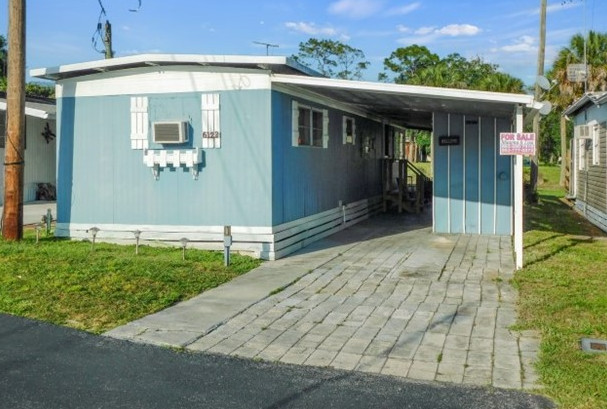
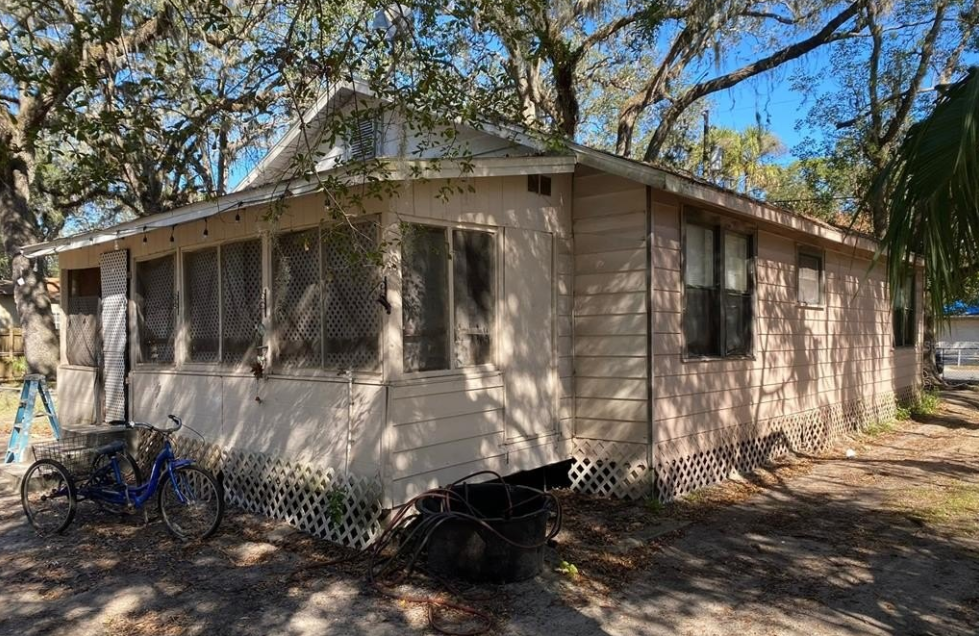
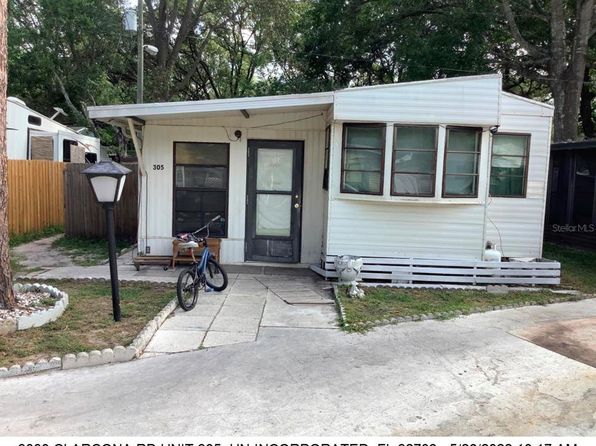
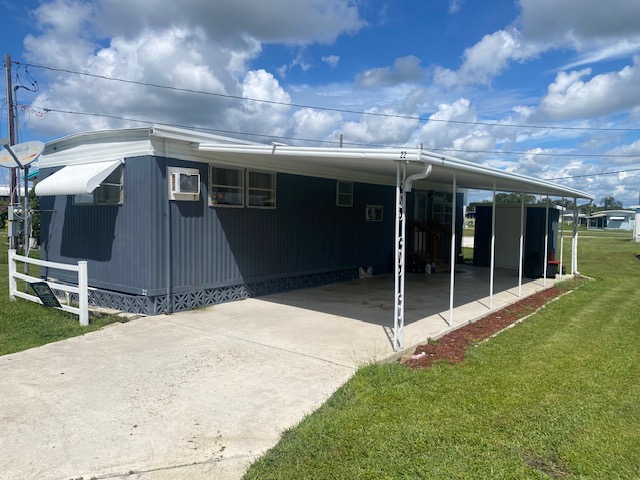
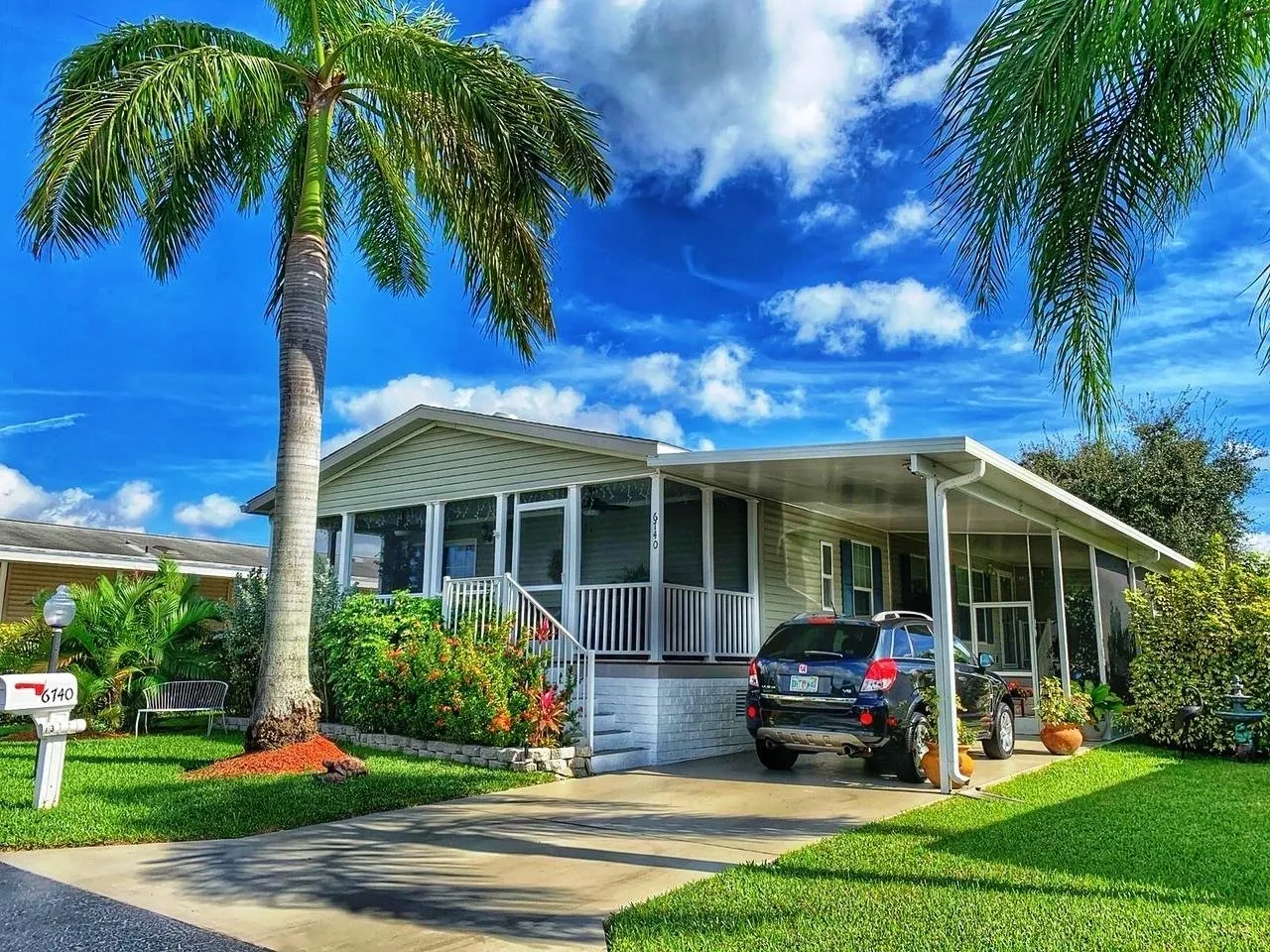
Tag: mobile homes for sale in florida under 30 000

  • What to Expect When Buying a Double-Wide Trailer

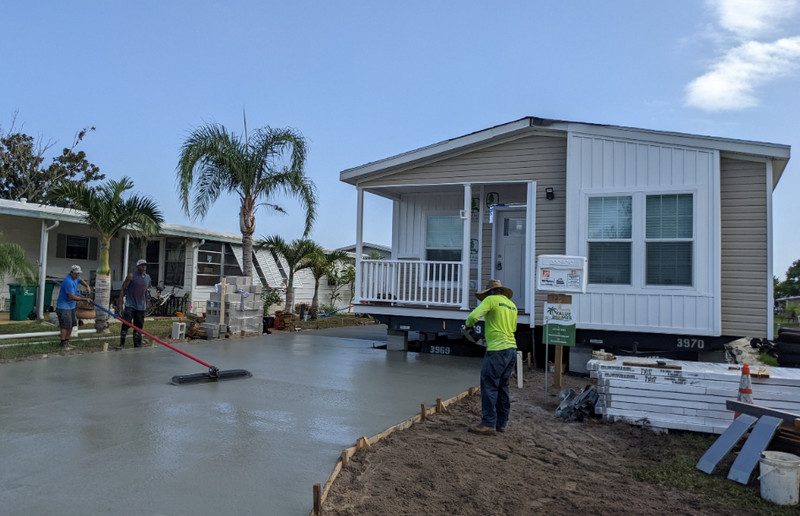
    Double-wide trailers, or manufactured homes, offer a great alternative to traditional houses. They provide more space than single-wide trailers, often have more modern amenities, and are generally more affordable than conventional homes. If you’re considering buying a double-wide trailer, you should know what to expect throughout the process. This guide will walk you through what to anticipate, from choosing the right model to understanding the costs and maintenance.

    What is a Double-Wide Trailer?

    A double-wide trailer is a manufactured home consisting of two separate sections that are transported to the site and then connected. These homes are larger than single-wide trailers, offering more living space and room for customization. The average double-wide home typically offers between 1,000 and 2,500 square feet of space, making them ideal for families or individuals who need more room without the expense of traditional homes.
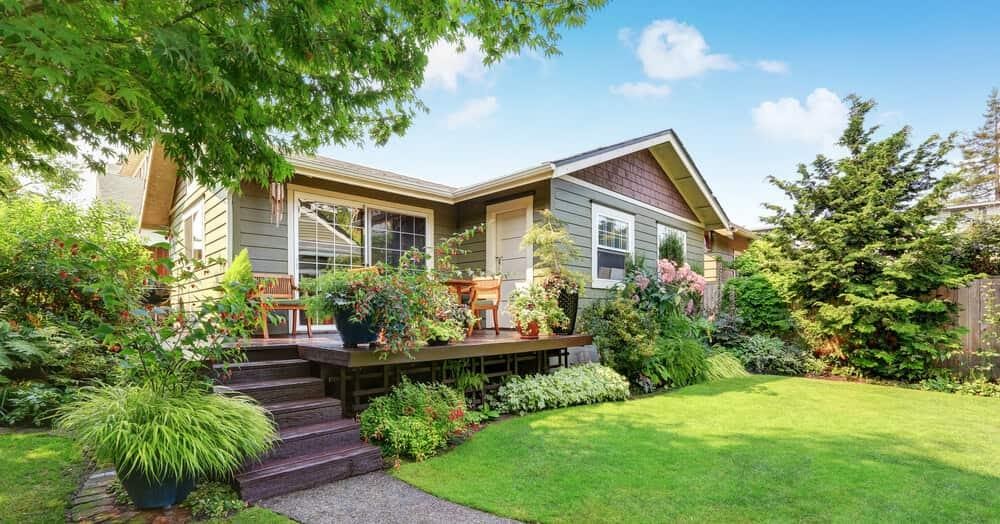
    buying a double-wide trailer

    Choosing the Right Double-Wide Trailer

    Before purchasing a double-wide trailer, it’s essential to determine your needs and preferences. This will help you select the right model for your lifestyle and budget. Here’s what to consider:

    Size and Layout

    Double-wide trailers come in various sizes and layouts. Some are more compact, with two or three bedrooms, while others may have multiple bathrooms, larger living rooms, and upgraded kitchens. It’s important to evaluate how much space you need, considering that larger homes tend to cost more.

    Floor Plan Options

    Manufacturers offer a variety of floor plans, with designs ranging from basic layouts to high-end models. You may have options for open-concept living spaces, separate dining rooms, or even optional luxury features like fireplaces and walk-in closets. Consider how much space you want for entertaining, storage, and family needs.

    New vs. Used

    When buying a double-wide trailer, you must decide whether to purchase a new or used model. New trailers come with the latest features, energy-efficient designs, and warranties. However, they come at a higher cost. Used trailers, on the other hand, may offer savings, but you’ll need to assess the home’s condition carefully. Consider the potential repairs, updates, or improvements costs if you choose a used trailer.

    Energy Efficiency

    Modern double-wide trailers are typically built with better insulation and energy-efficient appliances, which can help you save on utility bills. Look for trailers that have Energy Star-rated appliances, energy-efficient windows, and superior insulation. These features will provide a more comfortable living environment and lower energy costs in the long run.

    Financing a Double-Wide Trailer

    One of the first questions potential buyers have is how to finance a double-wide trailer. Unlike traditional homes, manufactured homes are often considered personal property rather than real estate, affecting your financing options. Here’s what to expect:

    Loan Types

    Manufactured home loans come in two main types: chattel and real estate loans.

    1. Chattel Loans: These loans are for buyers who own the land where the trailer will be placed or are placing the trailer in a mobile home park. Chattel loans typically have higher interest rates and shorter terms than real estate loans, but they may be easier to secure.
    2. Real Estate Loans: If you plan to buy both the land and the trailer, you may qualify for a traditional mortgage. This type of loan often offers better interest rates and longer terms, but you’ll need to demonstrate that the home is permanently affixed to the land.

    Down Payment

    Depending on your credit score and the type of loan, down payments can range from 5% to 20%. Government-backed loans, such as those from the Federal Housing Administration (FHA), may require smaller down payments for qualified buyers.

    Credit Score and Loan Approval

    Like other home loans, your credit score will play a role in securing financing for a double-wide trailer. A higher credit score will give you lower interest rates and more favorable loan terms. If your credit is better, you may still be able to secure a loan but expect higher interest rates.

    Total Cost

    The total cost of buying a double-wide trailer includes not just the purchase price of the home but also other expenses. These can include land costs, permits, installation, utilities, and ongoing maintenance fees (such as park rent, if applicable). When considering a purchase, consider these additional expenses into your budget.

    Site Selection and Installation

    Once you’ve decided on a model and secured financing, the next step is choosing a site for your double-wide trailer. The location you choose will depend on whether you plan to place the trailer on your own land or in a mobile home park. Here’s what to keep in mind:

    Land Ownership

    If you own the land where your double-wide trailer will be placed, you must ensure that the site is zoned for a manufactured home. Local zoning laws can vary, so check with your local authorities to confirm that the land is approved for mobile home installation. You will also need to prepare the land, which could involve clearing, leveling, and adding necessary utilities like water, electricity, and sewage connections.

    Mobile Home Parks

    You may opt for a mobile home park if you don’t own land. These parks offer a designated place for your trailer, and some may even offer additional amenities such as clubhouses, fitness centers, and swimming pools. However, depending on the location and amenities, you’ll be required to pay lot rent, ranging from $300 to $1,000 or more per month.

    Installation

    After selecting the location, the trailer will be delivered to the site. Installation includes anchoring the home to the ground, connecting utilities, and setting up any additional features. Professional installation is critical to ensure the home is safe, properly sealed, and ready for occupancy. You may also need to work with contractors for any additional construction, such as building a deck or installing skirting around the trailer’s base.

    Costs Beyond the Purchase Price

    While the purchase price of a double-wide trailer is relatively low compared to a traditional home, ongoing costs must be considered. These can include:

    Lot Rent

    If your trailer is located in a mobile home park, lot rent is an ongoing monthly cost. Lot rent can range from $300 to $1,000 per month, depending on the park’s location and amenities. In some cases, you may be able to negotiate the rent with the park owner.

    Insurance

    Just like a regular home, a double-wide trailer needs insurance. Mobile home insurance covers damage to the home and liability in case of accidents. Insurance rates can vary, so it’s a good idea to shop around for the best coverage at an affordable price.

    Maintenance

    While double-wide trailers require less upkeep than traditional homes, they still need regular maintenance. This includes maintaining the roof, HVAC system, plumbing, and electrical systems. Periodic inspections can help detect issues early, preventing costly repairs later on.

    Utilities

    Utility costs for a double-wide trailer can vary depending on your location and setup. These include water, sewage, electricity, and sometimes propane for heating. If your trailer is part of a mobile home park, some of these utilities may be included in the lot rent.

    Resale Value of a Double-Wide Trailer

    Double-wide trailers depreciate in value over time, unlike traditional homes, which tend to appreciate. However, well-maintained double-wide trailers in desirable locations can hold their value better than others. If you decide to sell your trailer, factors such as location, condition, and demand in the local market will influence its resale price.

    Final Thoughts

    A double-wide trailer can be a great option for individuals or families seeking affordable housing in Florida. While the upfront cost is lower than a traditional home, you must consider additional expenses such as lot rent, insurance, and maintenance. Understanding the financing options, site requirements, and long-term costs is key to making an informed decision. With proper planning and research, a double-wide trailer can offer a comfortable and cost-effective living solution.


    See Also:
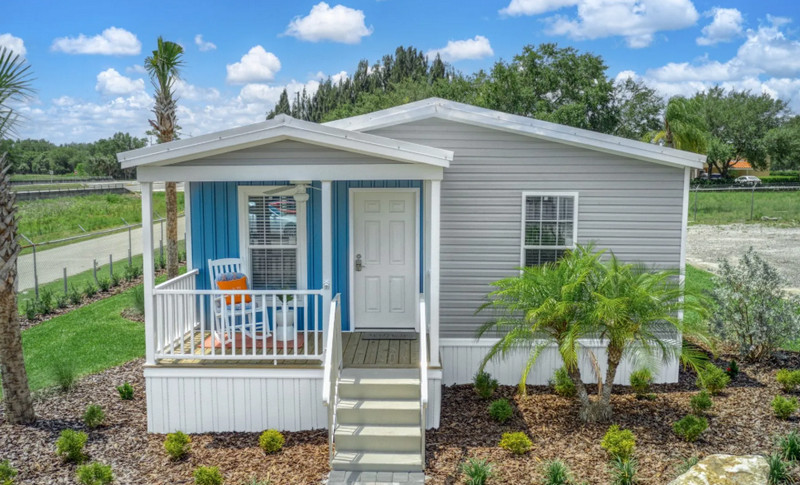
     

  • Mobile Homes vs. Condos: Which Is Better in Florida?

    Regarding finding affordable housing in Florida, two popular options stand out: mobile homes and condos. Both offer unique benefits, but your choice depends on your preferences, lifestyle, and budget. Whether you’re looking for a vacation spot or a permanent home, it’s essential to weigh the pros and cons of each option. In this article, we’ll compare mobile homes and condos in Florida to help you make an informed decision.

    Mobile Homes: What You Need to Know

    Mobile homes, or manufactured homes, are pre-built homes designed to be placed on a plot of land or in a mobile home park. They offer flexibility and can be more affordable than traditional housing. In Florida, mobile homes are popular for retirees, snowbirds, and first-time buyers seeking cost-effective living.

    mobile homes and condos florida

    Benefits of Mobile Homes

    1. Affordability
      Mobile homes are often much cheaper than condos, especially in popular areas of Florida. A mobile home can cost between $50,000 and $150,000, while condos can easily cost $200,000 or more, depending on the location.
    2. Space and Privacy
      Unlike condos, mobile homes typically provide more space and privacy. You own the entire home and often have more outdoor space, ideal for those who enjoy gardening, outdoor activities, or pets.
    3. Low Maintenance
      Mobile homes are often easier to maintain than traditional homes or condos. Since the properties are smaller, they generally require less upkeep. Many mobile home parks also take care of common areas, such as landscaping and road maintenance.
    4. Community Living
      Many mobile home parks are designed specifically for retirees or people who want to live in a tight-knit, community-oriented environment. These parks often have amenities such as clubhouses, swimming pools, and organized activities, making socializing and meeting new people easy.
    5. Customization
      Some mobile homes offer customization options, allowing owners to add personal touches. Depending on the model and age of the home, there may be room to make changes or upgrades.

    Drawbacks of Mobile Homes

    1. Lot Rent
      If you choose to live in a mobile home park, you’ll have to pay lot rent in addition to the cost of the home itself. Lot rents can vary widely depending on location and amenities, but they typically range from $300 to $1,000 per month.
    2. Depreciation
      Unlike traditional homes, mobile homes generally depreciate over time. This means they may not be a good investment if you plan to sell.
    3. Limited Amenities
      Mobile homes typically don’t offer condos’ luxury amenities, such as on-site fitness centers or concierge services. While mobile home parks may provide some amenities, they are generally more basic.
    4. Resale Value
      Because mobile homes depreciate, selling them may take longer, and you might not recover as much as you originally paid. The resale value can also be affected by the home’s condition, the community, and market trends.

    Condos: What You Need to Know

    Condos, short for condominiums, are individual units within a larger building or complex. The unit’s residents typically own them, but the land and common areas are owned collectively by all condo owners. In Florida, condos are often sought after by individuals or families looking for a low-maintenance, high-amenity lifestyle.

    Benefits of Condos

    1. Prime Locations
      Condos in Florida are often located in desirable areas, such as near the beach, downtown areas, or near major attractions. A condo can provide easy access to shopping, dining, and entertainment.
    2. Luxury Amenities
      Many condo communities offer many amenities, such as swimming pools, gyms, spas, concierge services, and gated security. These amenities can significantly improve your quality of life and save money on outside memberships.
    3. Maintenance-Free Living
      One of the biggest selling points of condos is their low maintenance. The condo association handles the upkeep of the building, landscaping, and shared spaces, so you don’t have to worry about repairs, lawn care, or other tasks associated with homeownership.
    4. Better Investment
      Condos typically appreciate in value over time, unlike mobile homes, which can lose value. If you’re looking for a long-term investment, a condo may provide a better return when it comes time to sell.
    5. Social Opportunities
      Condos often offer a social environment with access to organized activities, shared spaces, and close interactions with neighbors. This can be a great way to make new friends and be part of a community.

    Drawbacks of Condos

    1. Higher Initial Cost
      Condos are generally more expensive than mobile homes, especially in prime Florida locations. The cost of a condo can be significantly higher, with some condos reaching upwards of $500,000 or more.
    2. Monthly HOA Fees
      In addition to your mortgage payment, condo owners must pay monthly Homeowners Association (HOA) fees. These fees can range from $100 to $1,000 or more per month and cover building maintenance, amenities, and insurance. HOA fees can increase over time, making them a recurring cost.
    3. Limited Privacy
      Since condos are often part of larger buildings, you may have less privacy than a mobile home. Shared walls, elevators, and communal spaces can limit your sense of personal space. Noise from neighbors or visitors in common areas can also be an issue.
    4. Rules and Restrictions
      Condo associations typically have strict rules regarding the use of common areas, pets, and renovations. This may be a disadvantage if you value flexibility in your living space. Some condo communities also limit the ability to rent out your unit, affecting potential rental income.
    5. Resale Complications
      Although condos generally appreciate over time, their resale value can be influenced by market conditions and the overall condition of the building. If the complex experiences issues, such as poor management or high vacancy rates, it can negatively impact your selling ability.

    Comparing Mobile Homes and Condos in Florida

    When choosing between mobile homes and condos in Florida, there are several factors to consider:

    Cost

    Mobile homes are more affordable upfront, making them an attractive option for buyers on a budget. While condos may offer more luxury and amenities, the higher purchase price and ongoing HOA fees may be better for those looking to save money.

    Lifestyle

    Mobile homes often provide a quieter, more private lifestyle with larger outdoor spaces. Conversely, condos offer a more social, community-oriented living experience, with shared spaces and luxury amenities.

    Location

    Condos are typically located in prime areas, offering easy access to beaches, downtown areas, and entertainment. Mobile homes can be more spread out, and while they are often located in peaceful settings, they may not be as centrally located as condos.

    Maintenance

    Condos offer maintenance-free living, as the condo association takes care of common areas. Mobile homes, while generally requiring less upkeep than traditional homes, still involve some responsibility, especially if they are located in parks with limited services.

    Investment Potential

    Condos are more likely to appreciate in value over time, making them a better investment for those looking for long-term financial growth. Mobile homes, however, tend to depreciate, and their resale value can be lower than that of condos.

    Amenities

    Condos typically offer luxury amenities such as pools, gyms, and security services. Mobile home parks may provide amenities such as clubhouses or community centers, but they are usually more essential compared to condos.

    Which Is Better for You?

    Ultimately, deciding between a mobile home and a condo in Florida depends on your budget, lifestyle, and long-term goals.

    • A mobile home may be the better choice if you’re seeking an affordable, private space with lower upfront costs and are okay with basic amenities.
    • A condo might be more suitable if you’re looking for luxury, convenience, and a maintenance-free lifestyle in a prime location.

    Both options have advantages, so it’s essential to weigh the pros and cons before making your decision. With careful consideration, you can find the perfect home in sunny Florida that meets your needs.


    See Also:

  • Why Retirees Are Choosing Affordable Mobile Homes in Florida

    Florida has long been a favorite destination for retirees, offering warm weather, beautiful landscapes, and a relaxed lifestyle. Recently, more retirees are choosing affordable mobile homes as their preferred housing option. These homes combine practicality, comfort, and cost savings, making them an attractive choice for retirement living.

    Florida: A Retirement Haven

    Florida’s appeal to retirees is undeniable. The state’s lack of income tax policy, sunny climate, and vibrant social scene are just a few reasons retirees flock here. Cities like Naples, Tampa, and Sarasota offer access to healthcare, recreational activities, and a community of like-minded individuals. Mobile homes provide an economical way to enjoy these benefits.

    Affordable Mobile Homes in Florida

    The Rising Popularity of Mobile Homes Among Retirees

    Mobile homes have evolved significantly, offering high-quality construction and modern amenities. Many retirees see them as a perfect fit for their lifestyle and financial goals.

    1. Affordability

    Mobile homes are much cheaper than traditional houses. In Florida, the average cost of a mobile home ranges between $50,000 and $100,000, significantly lower than the price of single-family homes.

    2. Low Maintenance

    Mobile homes require less upkeep, reducing the time and money spent on maintenance. Their smaller size makes cleaning and repairs manageable.

    3. Community Living

    Most mobile home parks cater to retirees, creating a supportive and social environment. Many parks offer organized events, clubs, and shared spaces.

    4. Customizable Living Spaces

    Modern mobile homes feature customizable floor plans, allowing retirees to design spaces tailored to their needs.

    5. Access to Amenities

    Mobile home communities often include amenities like pools, clubhouses, fitness centers, and walking trails, enhancing the quality of life.

    Financial Benefits of Mobile Homes for Retirees

    1. Lower Upfront Costs

    Mobile homes are significantly more affordable than traditional homes. Retirees on fixed incomes can stretch their savings further.

    2. Reduced Property Taxes

    Mobile homes typically have lower property taxes because they are classified as personal property instead of real estate.

    3. Affordable Lot Rent

    Most mobile home parks charge monthly lot rent, which is usually much cheaper than mortgage payments for traditional homes.

    4. Energy Efficiency

    Many modern mobile homes are designed with energy efficiency in mind, helping retirees save on utility bills.

    5. Avoiding Costly Renovations

    Mobile homes come move-in ready, eliminating the need for expensive home renovations or updates.

    Advantages of Living in Florida Mobile Home Parks

    1. Social Opportunities

    Mobile home parks designed for retirees encourage social interaction. Activities like bingo nights, potlucks, and exercise classes foster a sense of community.

    2. Proximity to Nature

    Many parks are located near beaches, lakes, or nature reserves, offering retirees easy access to outdoor recreation.

    3. Safety and Security

    Gated mobile home parks often provide enhanced security, giving residents peace of mind.

    4. Flexible Living Arrangements

    Parks often allow seasonal or year-round living, letting retirees customize their lifestyle.

    5. Convenient Locations

    Mobile home parks are often near shopping centers, healthcare facilities, and entertainment venues, ensuring easy access to essential services.

    The Role of Weather in Retirement Choices

    Florida’s warm climate is a major draw for retirees. The state offers year-round sunshine, perfect for outdoor activities like golfing, fishing, and walking. Mobile homes with features like screened porches and outdoor patios enhance this lifestyle.

    Overcoming Common Misconceptions About Mobile Homes

    1. They Are Not “Temporary” Homes

    Modern mobile homes are built to last, using high-quality materials and meeting strict HUD standards.

    2. They Provide a Comfortable Living Space

    Today’s mobile homes offer spacious layouts, modern kitchens, and stylish designs, rivaling traditional homes.

    3. They Can Be an Investment

    While mobile homes may depreciate over time, those in desirable locations or parks often maintain value well.

    Popular Florida Locations for Retiree Mobile Homes

    1. The Villages

    This massive retirement community offers mobile homes with access to golf courses, pools, and over 3,000 social clubs.

    2. Sarasota

    Known for its cultural attractions and stunning beaches, Sarasota boasts many mobile home parks tailored to retirees.

    3. Tampa Bay Area

    Mobile home parks in Tampa Bay provide urban convenience with proximity to beaches and entertainment venues.

    4. Ocala

    Ocala offers affordable mobile home living in a peaceful, rural setting with access to state parks and horse farms.

    5. Fort Myers

    This Gulf Coast city combines waterfront living with affordable mobile home options in vibrant retirement communities.

    What to Consider When Choosing a Mobile Home

    1. Park Amenities and Rules

    Review the park’s amenities and rules to ensure they match your lifestyle. Some parks may have age or pet restrictions.

    2. Lot Rent and Fees

    Research the park’s lot rent and any additional fees. Ensure the total cost fits your retirement budget.

    3. Maintenance Requirements

    Check if the park covers landscaping and other maintenance tasks or if you are responsible for upkeep.

    4. Location

    Choose a park near healthcare, shopping, and recreational facilities. Proximity to family may also be a consideration.

    5. Home Features

    Look for features like energy-efficient windows, modern appliances, and accessible layouts to ensure long-term comfort.

    Challenges to Keep in Mind

    While mobile homes offer many benefits, retirees should also be aware of potential challenges.

    1. Lot Rent Increases

    Lot rents may increase annually. Research the park’s rent history before making a decision.

    2. Storm Preparedness

    Florida’s hurricane season can pose risks. Ensure your mobile home is storm-rated and consider additional safety measures.

    3. Limited Resale Value

    Mobile homes may depreciate over time. This makes them less ideal for those prioritizing equity growth.

    4. Zoning Restrictions

    Some areas have zoning laws restricting mobile home placement. Verify local regulations before purchasing.

    Final Thoughts

    Affordable mobile homes in Florida provide retirees with a practical, enjoyable, and community-oriented lifestyle. They offer an excellent balance of comfort and cost savings, making them an ideal choice for those looking to stretch their retirement income. With countless parks and picturesque locations, mobile home living in Florida is a dream come true for many retirees.

    Take the time to research, visit parks, and evaluate options carefully. With the right approach, you can find a mobile home that meets your needs and allows you to enjoy your golden years in the Sunshine State fully.


    See Also:


  • Are Mobile Homes Under $10,000 Worth Buying? What to Expect

    Mobile homes offer an affordable housing option for many people, especially those looking to live in areas with high property costs. But are mobile homes under $10,000 worth buying? While the price tag might seem appealing, several factors should be considered. In this article, we will explore the potential benefits and risks of buying a mobile home in this price range and what you can expect from such an investment.

    Understanding Mobile Homes Under $10,000

    Mobile homes under $10,000 are typically older models or homes requiring significant repairs. These homes may be sold by private owners, mobile home parks, or even at auctions. The low price point often reflects the home’s age, condition, and location. Buyers should be prepared to invest time and money into repairs or upgrades to make the home livable.

    mobile homes under $10000

    What You Can Expect from Mobile Homes Under $10,000

    1. Age of the Home

    Most mobile homes under $10,000 are older models, often 20 years or more old. The construction standards and materials used in these homes may not meet modern codes or energy efficiency standards. They may also have outdated features, such as single-pane windows or older electrical systems. Older homes can be challenging to maintain, and parts may be hard to find.

    2. Condition of the Home

    Homes priced below $10,000 will often require extensive repairs. Issues like leaking roofs, damaged plumbing, or outdated HVAC systems are common. Some homes may have structural problems, such as sagging floors or warped walls. While fixing these issues is possible, it can be expensive and time-consuming. Before buying, make sure to thoroughly inspect the home or have a professional inspection to assess the condition.

    3. Location of the Home

    Mobile homes under $10,000 are often found in less desirable locations. They may be situated in rural areas or in older mobile home parks or have fewer amenities. The location can impact your living experience and may also affect the home’s long-term value. Before purchasing, research the area’s safety, convenience, and proximity to schools, shopping, and employment.

    4. Limited Financing Options

    Financing for mobile homes under $10,000 can be more challenging to secure. Traditional lenders may hesitate to approve loans for homes that are considered too old or in poor condition. Buyers often must pay cash or seek financing through specialized mobile home lenders. If you secure financing, the terms may not be as favorable as they would be for a newer home.

    5. High Maintenance Costs

    While mobile homes under $10,000 are affordable upfront, they can become costly over time. Older homes often have higher utility bills due to outdated insulation and inefficient systems. Additionally, maintenance costs for repairs, upgrades, and routine upkeep can quickly add up. If you’re not prepared for these ongoing expenses, the initial low cost of the home may not be worth it in the long run.

    Benefits of Buying a Mobile Home Under $10,000

    Despite the potential risks, there are some benefits to purchasing a mobile home in this price range.

    1. Affordable Housing

    Affordability is the most obvious advantage of buying a mobile home under $10,000. For individuals or families on a tight budget, these homes offer a chance to own property without taking on a large mortgage. The low price tag can be especially appealing in areas where traditional housing costs are out of reach.

    2. Ownership and Stability

    Renting can be expensive, especially if you live in an area with high rental rates. Owning a mobile home, even one under $10,000, offers stability. You won’t have to worry about rent increases, and you’ll be free to change your property as you see fit. Additionally, owning a home means you’ll have the potential to build equity over time, even if the home’s value doesn’t increase significantly.

    3. Potential for Renovation

    Mobile homes under $10,000 allow those with renovation skills to invest in sweat equity. You can transform a run-down mobile home into a comfortable, functional space with some work. Many buyers choose this route as a way to add value to their investment. With careful planning, you could make the home more livable and increase its market value.

    4. Lower Property Taxes

    Mobile homes tend to have lower property taxes compared to traditional homes. This can make homeownership more affordable over the long term. While the taxes will vary by location, mobile homeowners generally expect to pay significantly less than those who own site-built homes.

    Risks and Challenges of Buying a Mobile Home Under $10,000

    While there are some benefits, there are also notable risks and challenges to consider when considering mobile homes under $10,000.

    1. Unexpected Repair Costs

    As mentioned earlier, mobile homes in this price range often require significant repairs. This can quickly lead to unexpected costs. Even if the house seems structurally sound, issues like electrical problems, plumbing leaks, or HVAC failures could arise after purchase. The cost of repairing or replacing significant systems can quickly exceed the initial investment.

    2. Limited Resale Value

    Older mobile homes generally have a lower resale value than newer models. This means that even after investing money in repairs or upgrades, you may be unable to sell the home for a later profit. Mobile homes in poor condition or located in undesirable areas may be challenging to sell. If you plan to sell a home in the future, it’s essential to consider how the market for mobile homes operates in your area.

    3. Difficulty with Financing

    Financing a mobile home under $10,000 can be a significant hurdle. Traditional mortgage lenders may not be willing to provide loans for homes in this price range, especially if the home is older or in poor condition. Some buyers may be able to secure loans through mobile home-specific lenders or government programs, but the interest rates and terms may need to be more favorable. With financing options, you may be able to pay cash for the home, which could be a barrier for many potential buyers.

    4. Community Restrictions

    If the mobile home is located in a park, community rules and restrictions may limit what you can do with the property. Some mobile home parks have strict regulations on maintenance, improvements, and even the types of homes allowed in the park. Before buying, make sure to review the park’s rules and ensure that they align with your plans for the property.

    How to Make the Most of Buying a Mobile Home Under $10,000

    If you decide to move forward with buying a mobile home under $10,000, there are several steps you can take to make the most of your investment.

    1. Get a Thorough Inspection: Before buying, have the home inspected by a professional. This will help you identify any hidden issues and avoid surprises down the road.
    2. Budget for Repairs: Plan for repair costs in advance. Even if the home seems in good condition, setting aside money for unforeseen problems is essential.
    3. Consider Long-Term Costs: When determining whether a home is a good investment, factor in utility bills, maintenance costs, and property taxes.
    4. Look for Opportunities to Renovate: Buying a mobile home under $10,000 can be a great way to build equity through renovation if you have the skills and resources.

    Conclusion

    Mobile homes under $10,000 can be worth buying if you’re willing to invest time, effort, and money to address potential repairs and upgrades. These homes offer an affordable entry into homeownership but come with risks such as high maintenance costs, limited financing options, and a potentially low resale value. Carefully consider your budget, your ability to make repairs, and your long-term plans before committing to this type of purchase. With the right approach, a mobile home under $10,000 can provide an affordable and stable living situation.


    See Also:


  • How to Spot a Great Fixer-Upper Mobile Home

    Fixer-upper mobile homes offer excellent opportunities for savvy buyers. With the right upgrades, these homes can become valuable investments or comfortable residences. However, not all fixer-uppers are created equal, and spotting a truly great one requires keen attention to specific features and factors. Here’s a comprehensive guide on what to look for when considering a fixer-upper mobile home.

    1. Assess the Home’s Structural Integrity

    Structural integrity is the most critical factor in any fixer-upper mobile home. Examine the framework of the mobile home thoroughly. Look for signs of warping, sagging, or any significant damage. A sound structure ensures the home’s potential for longevity and successful upgrades.

    2. Check for Roof Condition and Leaks

    A good roof is essential for any home, and mobile homes are no exception. Inspect the roof for leaks, missing shingles, or soft spots. Roofing repairs can be costly, so a relatively sound roof is a huge plus. Look for areas that may show water damage, as this can indicate potential leaks or the need for extensive repair.

    3. Examine the Windows and Doors

    Windows and doors should be sealed tightly to provide insulation and prevent drafts. Test the windows and doors to see if they open and close smoothly. Older or damaged windows may require replacement, which can be costly. Doors should fit correctly and have no signs of water damage around the frames.

    Fixer-Upper Mobile Home

    4. Evaluate the Plumbing System

    Plumbing issues can become major expenses, especially in older mobile homes. Check under sinks and look for signs of leaks or corrosion on pipes. Test the faucets to ensure they have adequate water pressure. If possible, ask the seller about the age of the plumbing system and if it has experienced any past issues.

    5. Inspect the Electrical Wiring and Outlets

    Electrical issues are common in older mobile homes, but they can be costly to repair. Look for signs of exposed wiring, flickering lights, or outlets that don’t work. These could indicate outdated or damaged electrical systems. Ensure the breaker box is labeled and appears organized. It’s wise to consider hiring a licensed electrician for a detailed inspection.

    6. Analyze the Flooring Condition

    Flooring in mobile homes often shows signs of wear, especially in high-traffic areas. Walk across the floors to check for soft spots, squeaks, or signs of damage. Replacing floors can be expensive, especially if  the subfloor needs repair. However, minor repairs or cosmetic upgrades, such as new laminate, are manageable.

    7. Assess the Home’s Insulation and Energy Efficiency

    Energy efficiency can help reduce long-term costs for heating and cooling. Insulation, especially in walls and floors, plays a key role in maintaining comfort. Ask about the insulation type or check for visible signs of insulation if possible. Older mobile homes may need insulation upgrades to reduce utility bills.

    8. Inspect the Exterior Siding and Skirting

    Siding protects the mobile home from weather, pests, and wear. Inspect the exterior siding for signs of damage, such as holes, dents, or rust. Skirting, located around the bottom, protects pipes and adds curb appeal. Check the skirting for damage, as repairs or replacements can help prevent water damage and pests.

    9. Consider the Age and Model of the Mobile Home

    Older mobile homes may require more upgrades due to outdated materials and technology. Models from the 1970s or earlier often lack modern features like energy-efficient windows or advanced insulation. However, older models can still be excellent investments if they’re structurally sound. Consider the age of the home when estimating renovation costs.

    10. Look for Signs of Pest Damage

    Pests can cause severe damage if left untreated, especially in wood-based materials. Look for signs of termites, rodents, or other pests. Small holes, gnaw marks, and droppings indicate pest issues. Consider hiring a pest control expert to assess the home if you suspect infestations.

    11. Evaluate the HVAC System and Ventilation

    Heating and cooling are essential for comfortable living, especially in mobile homes that may heat or cool unevenly. Inspect the HVAC system for signs of wear or age, and ask when it was last serviced. Test the vents for airflow and inspect any visible ductwork for leaks. If the home lacks an HVAC system, factor in the cost of adding one.

    12. Inspect the Mobile Home’s Foundation

    A solid foundation is crucial for any mobile home, as it ensures stability and longevity. Look for signs of shifting, such as cracked walls or doors that don’t close properly. A well-maintained foundation reduces repair costs and adds value to the home. If the foundation appears questionable, consult a professional.

    13. Check for Water Damage and Mold

    Water damage can cause extensive problems, especially if mold develops. Examine walls, ceilings, and floors for signs of discoloration or softness, which can indicate water damage. Mold, often appearing as black or green spots, poses health risks and may require extensive remediation. Addressing water issues early can save significant money.

    14. Review Local Building Codes and Regulations

    Mobile homes often face stricter regulations than traditional homes, especially regarding renovations. Check local building codes to ensure that planned upgrades comply with requirements. Permits may be necessary for electrical work, plumbing, or structural changes. Researching codes early prevents future complications and legal issues.

    15. Inspect Cabinets and Built-In Furniture

    Built-in furniture, such as cabinets or counters, may show wear in a fixer-upper. Check for signs of warping, loose hinges, or broken parts. Built-ins can add value if they’re in good condition, while damaged ones may require repair or replacement. Upgrading cabinets and counters can enhance the home’s appeal without a huge investment.

    16. Evaluate the Location and Lot Fees

    Location affects the value and appeal of a mobile home significantly. Consider nearby amenities, crime rates, and lot fees in the area. Many mobile home parks charge lot fees, which cover amenities like maintenance or security. A great fixer-upper in a desirable location will likely appreciate over time.

    17. Determine the Home’s Resale Potential

    If you plan to sell a mobile home in the future, consider its resale potential. Homes in popular parks or areas with growth opportunities generally appreciate. Additionally, modern or well-maintained homes tend to attract buyers. By choosing a home with resale value, you maximize your investment’s return.

    18. Look for the Quality of Available Utilities

    Access to reliable utilities affects both comfort and resale value. Test the water pressure, check electricity access, and confirm the availability of gas if needed. Poor utilities can deter buyers and require costly repairs. A home with consistent utilities provides a strong foundation for comfortable living.

    19. Ask About Past Repairs and Renovations

    If possible, ask the seller about any previous repairs or renovations. A home with recent upgrades, such as a new roof or plumbing, may need fewer repairs. Knowledge of past renovations helps you gauge the home’s overall condition. Understanding repair history can also reveal potential issues that might arise later.

    20. Research the Cost of Renovations and Repairs

    Before purchasing a fixer-upper, research the cost of necessary renovations. Costs vary by area, materials, and the extent of repairs. Use online estimators or consult local contractors to create an accurate budget. By understanding the cost of repairs, you can determine if the investment is financially viable.

    21. Take Your Time to Make a Decision

    Spotting a great fixer-upper mobile home requires patience and thorough research. Avoid rushing the process, as this can lead to missed issues or oversights. Taking your time allows you to find a mobile home that fits both your budget and vision. Remember, a great deal now can save you considerable expenses in the long run.

    Conclusion

    Finding a great fixer-upper mobile home can be a rewarding investment with the right approach. By examining factors like structural integrity, plumbing, electrical systems, and overall costs, you can spot valuable properties. Patience, research, and a clear renovation budget will help you make a sound decision. With these tips, you’re on your way to finding a fixer-upper mobile home that will become a comfortable, valuable living space.


    See Also:

  • Should You Sell Your Mobile Home As-Is? Understanding Fixer-Uppers in Florida

    Selling a mobile home in Florida comes with important decisions, particularly when the property is in need of repairs. The choice to sell a mobile home “as-is” can simplify the process for sellers but also presents certain considerations. For Florida mobile homeowners with fixer-uppers, understanding the benefits, potential drawbacks, and market conditions is essential.

    Selling “as-is” allows the buyer to purchase the home in its current condition without the seller completing repairs. This option is often chosen when the seller prefers a quick sale or lacks resources for renovations. Here’s a breakdown of what Florida sellers should know about selling a mobile home as-is.

    1. What Does Selling As-Is Mean?

    When a mobile home is sold “as-is,” the buyer agrees to purchase the property in its current condition. No repairs or modifications are required from the seller before or after the sale. Any issues, such as structural damage or cosmetic flaws, are fully accepted by the buyer at the time of purchase.

    Florida mobile home fixer-upper

    Inspections may still be conducted by the buyer, but these will not affect the seller’s responsibilities. All known issues should be disclosed by the seller, as full transparency helps prevent potential legal issues. In Florida, selling as-is provides simplicity and speed for sellers who want to avoid the time and cost of repairs.

    2. Benefits of Selling Your Mobile Home As-Is in Florida

    For many sellers, choosing to sell as-is offers several distinct benefits. These advantages can be particularly appealing for those dealing with significant repairs or a time-sensitive sale.

    • Saves Time and Money
      By selling as-is, costly repairs and renovations are avoided. This option is especially helpful for sellers who may not have the resources or time to address structural or cosmetic issues. It allows a faster, cost-effective process, as no funds need to be set aside for repairs.
    • Attracts Investors and DIY Buyers
      Florida’s real estate market includes investors and buyers interested in fixer-uppers. Many buyers are drawn to homes needing repairs as they offer potential savings. A buyer who is willing to make improvements may find value in purchasing a mobile home as-is.
    • Speeds Up the Selling Process
      Without renovations, a mobile home can be listed and sold more quickly. Many buyers prefer moving forward without waiting for repairs. For sellers in a time-sensitive situation, selling as-is provides a faster transaction. Florida’s market conditions can make a quick sale advantageous.
    • Reduces Stress
      Preparing a home for sale can be stressful, especially if it requires multiple repairs. Selling as-is reduces this stress by eliminating the need to manage or oversee repair projects. Sellers can focus on the transaction itself rather than handling extensive work.

    3. Potential Drawbacks of Selling As-Is

    While selling as-is offers advantages, some drawbacks must also be considered. Lower sale prices and limited buyer interest are possible concerns for sellers.

    • Lower Sale Price
      A mobile home in need of repairs is likely to sell for a lower price. Buyers may negotiate down based on the repairs required, resulting in reduced profits for the seller. For homes in poor condition, this may be a significant drawback.
    • Limited Buyer Interest
      Not all buyers are interested in a fixer-upper. Some may avoid homes requiring additional investment, preferring move-in-ready properties. This limits the pool of potential buyers, potentially resulting in longer listing times.
    • Repairs and Upgrades Could Increase Value
      For mobile homes with moderate repair needs, completing minor upgrades could increase the sale price. Small improvements, such as painting, flooring upgrades, or fixture replacements, may boost interest from buyers. Selling as-is eliminates these potential increases in value.
    • Disclosure Obligations Remain
      Florida requires sellers to disclose any known defects or issues. Even if sold as-is, the seller is obligated to be honest about the home’s condition. Failure to disclose known issues may result in legal complications later. Being transparent with buyers is essential for a smooth sale.

    4. Common Fixer-Upper Issues in Florida Mobile Homes

    Understanding common repair needs in Florida mobile homes can help sellers evaluate the pros and cons of selling as-is. Frequent issues in fixer-upper mobile homes include water damage, structural problems, and outdated features.

    • Water Damage and Leaks
      Florida’s climate creates a higher risk of water damage. Roof leaks, damaged ceilings, and weakened flooring may result from moisture buildup. These issues can be costly, and potential buyers may expect to address them. For sellers, these repairs may not be feasible.
    • Outdated Electrical and Plumbing Systems
      Older mobile homes may have outdated wiring or plumbing. Homes built before 1980 may lack modern systems or materials. Replacement and updating costs can add up, making as-is sales more attractive. Buyers interested in fixer-uppers may already anticipate these upgrades.
    • Wear and Tear on Interiors
      Floors, walls, and cabinetry often show wear in older mobile homes. Cosmetic flaws, such as scratches or peeling paint, may require updates to appeal to buyers. However, many buyers are willing to accept these issues if the home is sold at a reduced price.
    • Aging Exterior and Skirting
      Exterior wear is common in mobile homes, with damage to siding, skirting, or roofing materials. Florida’s humidity and occasional hurricanes can increase exterior issues, which may impact curb appeal. Selling as-is with an older exterior may lead to reduced offers but avoids repair costs.

    5. Market Considerations for Selling As-Is in Florida

    The local Florida market plays a crucial role in determining the success of an as-is sale. Certain market factors make as-is sales more favorable at specific times.

    • Buyer Demand for Fixer-Uppers
      In a competitive housing market, buyers are often more willing to accept fixer-uppers. Investors and first-time homebuyers may actively seek mobile homes needing repairs. High demand in Florida’s housing market can make as-is sales more successful.
    • Price Comparisons with Move-In-Ready Homes
      The pricing difference between as-is and move-in-ready homes can affect buyer interest. Buyers may find value in purchasing a fixer-upper if nearby homes are more expensive. By adjusting the price attractively, sellers can appeal to budget-conscious buyers.
    • Location and Accessibility
      Florida’s location-specific demands impact as-is sales. Areas with high retirement populations may favor move-in-ready properties. In family-friendly communities or vacation areas, as-is sales may attract younger buyers or investors.
    • Seasonal Demand
      The timing of a sale can impact buyer interest. During Florida’s peak tourist season, demand for mobile homes often increases. Listing as-is homes during these times may lead to quicker offers.

    6. Preparing for an As-Is Sale

    To ensure a smooth as-is sale, Florida sellers should take certain preparatory steps. Simple tasks, such as cleaning and organizing, can improve the home’s appearance without extensive investments.

    • Conduct a Pre-Sale Inspection
      An inspection provides information on the home’s condition. This knowledge enables sellers to communicate accurately with buyers. Inspectors can identify issues that might arise during buyer inspections, helping to avoid surprises.
    • Set a Competitive Price
      An appropriate price is essential for attracting offers. By comparing similar mobile home listings, sellers can gauge what buyers are willing to pay for as-is homes. Adjusting the price competitively improves interest.
    • Highlight Positive Features
      Even in an as-is sale, positive aspects should be highlighted. Location, size, and functional features can be emphasized in listings. For example, proximity to beaches or local amenities may increase the home’s appeal.
    • Disclose Known Issues Transparently
      Disclosing known issues is not only required by Florida law but also fosters buyer trust. Buyers appreciate honesty, and full disclosure reduces the risk of post-sale issues. Transparency benefits both parties in the long term.

    Conclusion

    Selling a mobile home as-is in Florida provides both benefits and challenges. This option allows for a quicker, cost-effective sale, appealing to those who wish to avoid repairs. However, potential drawbacks, such as lower sale prices and limited buyer interest, should also be considered.

    By understanding the pros and cons, Florida sellers can make informed decisions based on their specific situations. An as-is sale can be a practical choice for many, especially when flexibility and speed are prioritized.

    Evaluating the market, the condition of the home, and the type of buyer interest expected will help sellers successfully navigate the sale. In Florida, selling as-is can be a straightforward approach for those seeking a quick, simplified transaction.


    See Also:


  • Top 5 Florida Cities to Buy Affordable Mobile Homes in 2025

    Florida has long been a hot market for mobile homes, offering affordable living options for families, retirees, and investors alike. With the growing demand for housing and rising real estate prices, mobile homes have become an attractive and cost-effective alternative. In 2025, several Florida cities stand out for their budget-friendly mobile home options. Here’s a breakdown of the top 5 cities to consider, complete with market trends and local insights.

    1. Lakeland

    Why Lakeland?
    Lakeland, nestled between Tampa and Orlando, offers a blend of suburban comfort and urban convenience. The city boasts a stable housing market, and mobile homes here are priced significantly lower than in major metropolitan areas.

    Market Trends
    The demand for affordable housing has surged, pushing mobile home prices up slightly but keeping them well below the state average. Lakeland’s population continues to grow due to its proximity to large cities and its lower cost of living. As more retirees and families move here, mobile home parks have expanded, offering both ownership and rental opportunities.

    Local Insights
    Lakeland’s peaceful atmosphere and array of outdoor activities make it appealing, especially for retirees. Mobile home communities here are well-maintained, and there are many 55+ communities with amenities like pools, clubhouses, and fitness centers.

    2. Ocala

    Why Ocala?
    Known as the “Horse Capital of the World,” Ocala is not only great for equestrian enthusiasts but also for affordable mobile homes. The city is surrounded by nature, offering scenic views and outdoor activities while maintaining a low cost of living.

    Market Trends
    Ocala has become increasingly popular among retirees and first-time homebuyers. The influx of new residents has led to a steady, yet modest increase in mobile home prices. However, prices remain affordable compared to other Florida cities. With an expanding infrastructure and retail sector, Ocala offers a balanced lifestyle at a reasonable price.

    Local Insights
    Ocala has a growing number of mobile home communities that cater to retirees and families alike. The region’s serene environment and proximity to natural attractions like the Ocala National Forest make it a top choice for those seeking affordable, quiet living.

    Affordable Mobile Homes

    3. Fort Myers

    Why Fort Myers?
    Fort Myers is one of Southwest Florida’s fastest-growing cities. While its waterfront properties can be expensive, the city still offers a range of affordable mobile homes, particularly in inland areas.

    Market Trends
    With its warm climate and growing population, Fort Myers is becoming a hub for retirees and young families. Mobile homes in the area remain accessible in price, despite the overall rise in housing costs. There’s a healthy market for both purchasing and renting mobile homes and new developments continue to pop up to meet demand.

    Local Insights
    Fort Myers is attractive for its vibrant downtown, numerous parks, and proximity to the Gulf of Mexico. The mobile home communities here often include amenities such as clubhouses, golf courses, and fitness centers, providing a resort-like lifestyle at an affordable price.

    4. Winter Haven

    Why Winter Haven?
    Located in the heart of Central Florida, Winter Haven is known for its chain of lakes and small-town charm. The city offers some of the most budget-friendly mobile homes in the state while providing easy access to Orlando and Tampa.

    Market Trends
    Winter Haven’s housing market has remained stable, and mobile homes are still a fraction of the cost of traditional homes. The demand for affordable housing continues to grow, driven by retirees and younger families. Mobile homes here tend to appreciate modestly over time, making them a solid investment.

    Local Insights
    Winter Haven’s outdoor lifestyle, particularly around its chain of lakes, makes it ideal for water sports enthusiasts. The city also has plenty of mobile home communities with a variety of amenities, from swimming pools to lakeside docks, enhancing its appeal.

    5. Plant City

    Why Plant City?
    Just outside Tampa, Plant City is best known for its annual Strawberry Festival and small-town feel. It has become a haven for those seeking affordable housing, and mobile homes here are particularly affordable, especially compared to nearby urban areas.

    Market Trends
    Plant City has seen a steady influx of new residents, particularly retirees and those working in Tampa but seeking a more affordable place to live. While the cost of traditional homes has risen, mobile homes have remained relatively inexpensive, making Plant City a top choice for budget-conscious buyers.

    Local Insights
    Plant City’s charm lies in its community spirit and quieter pace of life. Many mobile home parks are located near open fields and parks, providing residents with a tranquil living environment. Despite its rural setting, the city offers easy access to Tampa’s amenities, making it an attractive option for commuters.

    Conclusion

    In 2025, Florida continues to be a prime location for affordable mobile home living. Cities like Lakeland, Ocala, Fort Myers, Winter Haven, and Plant City offer budget-friendly options with the added appeal of natural beauty, strong communities, and growing infrastructure. Whether you’re a retiree, investor, or family looking for cost-effective housing, these cities provide an excellent balance between affordability and quality of life.

    When searching for mobile homes, it’s essential to consider local market trends and community amenities to ensure you find the best deal. Florida’s mobile home market is expected to grow steadily in the coming years, making it a great time to explore your options.


    See Also:


  • How to Find the Best Mobile Home Deals in Florida

    Florida is a dream destination for many due to its year-round sunshine, vibrant communities, and wide range of outdoor activities. Mobile homes offer an affordable and flexible housing option in this sought-after state, allowing residents to enjoy the Florida lifestyle without the high costs associated with traditional homeownership. However, finding the best deals on mobile homes in Florida requires knowledge of the market, keen research, and careful consideration of various factors. This guide will walk you through how to find the best mobile home deals in Florida, while also explaining why you should choose The Mobile Home Dealer when making this important purchase.

    deals on mobile homes in Florid

    1. Understand the Florida Mobile Home Market

    Before you dive into finding a mobile home, it’s essential to understand the current Florida mobile home market. Florida is home to more than 3,000 mobile home parks, offering a diverse selection of properties for potential buyers. These parks range from age-restricted communities for retirees to family-friendly neighborhoods, meaning there’s something for everyone.

    However, the mobile home market in Florida can fluctuate due to factors such as weather, demand, and changes in regulations. Hurricane season, for example, often leads to shifts in market demand, while popular areas like Sarasota, Tampa, and Orlando tend to command higher prices. Having a general understanding of these trends will give you a better sense of what to expect when shopping for a mobile home.

    2. Research Mobile Home Communities

    One of the most important aspects of purchasing a mobile home is choosing the right community. Mobile home parks in Florida can vary significantly in terms of amenities, lifestyle offerings, and costs. Some factors to consider when evaluating mobile home parks include:

    • Amenities: Does the community offer pools, fitness centers, or clubhouses? Some parks cater to retirees, offering golf courses, organized events, and social clubs, while others are more family-oriented.
    • Location: Consider proximity to local amenities such as shopping, healthcare facilities, beaches, and entertainment venues.
    • Lot Rent: Many mobile homes are placed on rented lots, meaning you’ll pay a monthly fee for the land your home sits on. Lot rent can vary greatly, so factor this into your budget.
    • Community Rules: Some parks have strict rules regarding home aesthetics, landscaping, pets, and community activities, so it’s important to find a park that aligns with your lifestyle.

    Researching online forums, visiting mobile home communities in person, and speaking with residents are great ways to get a feel for the type of park that fits your needs and budget.

    3. Look for New vs. Pre-Owned Mobile Homes

    Once you’ve narrowed down your preferred communities, the next step is deciding whether to buy a new or pre-owned mobile home. Both options have their pros and cons.

    • New Mobile Homes: Buying new offers the benefit of customization and peace of mind regarding the condition of the home. New homes often come with warranties, modern energy-efficient appliances, and the latest design features. However, new homes tend to cost more upfront and may require higher insurance premiums.
    • Pre-Owned Mobile Homes: Pre-owned homes generally offer significant savings compared to new homes, especially in popular areas. Additionally, you may find that pre-owned homes are already set up in desirable communities, making the move-in process easier. The downside is that older homes might require more maintenance or upgrades to meet current safety standards, so a thorough inspection is a must.

    4. Inspect Before You Buy

    Whether you’re buying new or pre-owned, a home inspection is critical. Inspections help uncover potential issues such as structural damage, plumbing problems, or outdated electrical systems. Florida’s humid climate, frequent storms, and high temperatures can cause wear and tear on mobile homes over time, so you’ll want to ensure the home is in good condition before finalizing any purchase.

    Here are a few things to pay attention to during an inspection:

    • Roof and Skirting: Check for leaks, damaged shingles, or sagging areas on the roof. Skirting should be free from cracks and properly secured to prevent water or pests from entering underneath the home.
    • Foundation and Flooring: Look for signs of water damage or warping, particularly in the bathroom, kitchen, and around windows.
    • Plumbing and Electrical: Make sure the plumbing is free from leaks and that the electrical system meets current safety codes.

    Consider hiring a professional mobile home inspector who is familiar with the specifics of manufactured homes and Florida’s unique environmental challenges.

    5. Shop Around for Financing

    Financing a mobile home differs from financing a traditional home. Mobile homes, particularly those located in parks where the land is rented, are considered personal property rather than real estate, which means traditional mortgage options may not apply. However, many lenders offer mobile home loans, and it’s important to shop around for the best rates.

    Chattel loans, for example, are commonly used to finance mobile homes on leased land. Additionally, some mobile home communities may offer in-house financing or special deals for buyers. When comparing lenders, consider factors such as interest rates, down payment requirements, and loan terms.

    6. Consider Resale Value

    While mobile homes provide affordable housing, their value depreciates over time, much like vehicles. However, certain factors can help maintain or even increase the resale value of your mobile home. Location is key, as homes located in desirable communities or near popular areas like Florida’s Gulf Coast or central tourist regions tend to retain value better. Additionally, making upgrades such as energy-efficient appliances, a new roof, or upgraded flooring can boost resale value when the time comes to sell.

    Why You Should Choose The Mobile Home Dealer

    When it comes to buying a mobile home in Florida, finding the right dealer is crucial to getting the best deal and ensuring a smooth purchasing process. The Mobile Home Dealer is a highly respected name in Florida’s mobile home market, and for good reason. Here’s why you should consider them for your next mobile home purchase:

    1. Local Expertise: The Mobile Home Dealer specializes in the Florida market and understands the nuances of buying and selling mobile homes in the state. Their agents are well-versed in local regulations, weather considerations, and market trends, ensuring you make a well-informed decision.
    2. Wide Selection of Homes: Whether you’re looking for a cozy pre-owned home in a quiet retirement community or a brand-new home with the latest features, The Mobile Home Dealer offers a diverse inventory to meet your needs. Their selection includes homes in some of the most sought-after communities across Florida, ensuring you have access to prime locations at competitive prices.
    3. Transparency and Trust: The Mobile Home Dealer prides itself on transparency throughout the buying process. They provide clear, honest information about each property, and their agents work closely with buyers to ensure they understand all the costs involved, from lot rent to potential future maintenance.
    4. Customer Service: Buying a mobile home can be daunting, especially for first-time buyers. The Mobile Home Dealer takes the stress out of the process by offering personalized customer service. Their team is dedicated to helping you find the right home that fits both your budget and lifestyle. From answering questions to guiding you through financing, they are with you every step of the way.
    5. Expert Negotiators: The Mobile Home DealersDealer’s agents are experienced in negotiating the best deals for their clients. Whether you’re buying a brand-new mobile home or a pre-owned one, they know how to find the best value in the market, helping you save money while ensuring you get a home that suits your needs.

    Conclusion

    Finding the best mobile home deals in Florida requires research, patience, and a clear understanding of the market. By evaluating mobile home communities, considering new versus pre-owned options, and conducting thorough inspections, you can ensure you’re making a sound investment. When it comes time to make your purchase, choosing a reputable dealer like The Mobile Home Dealer can help simplify the process, provide expert guidance, and secure the best possible deal. Whether you’re searching for a full-time residence or a seasonal getaway, The Mobile Home Dealer is a trusted partner in Florida’s mobile home market.

    See Also:


  • Selling a Mobile Home in Florida: FSBO vs. Mobile Home Broker

    Selling a mobile home in Florida can be an exciting, yet sometimes challenging, process. Whether you’re looking to downsize, upgrade, or relocate, one of the most important decisions you’ll face is how to sell your mobile home. The two most common options for sellers are For Sale By Owner (FSBO) and working with a Mobile Home Broker. Both methods have their advantages and disadvantages, and the best choice depends on your specific circumstances, goals, and comfort level with the sales process.

    for sale by owner in florida mobile home

    In this article, we’ll explore the pros and cons of FSBO versus using a mobile home broker to help you determine which path is right for you. Plus, we’ll highlight why choosing The Mobile Home Dealer can be the best decision when selling your mobile home in Florida.

    For Sale By Owner (FSBO)

    For Sale By Owner (FSBO) means that you, as the mobile home owner, are responsible for all aspects of the sale. This approach can be appealing to those who want full control over the selling process and want to avoid paying broker commissions.

    Pros of FSBO:

    1. No Commission Fees
      One of the most significant advantages of selling FSBO is that you won’t have to pay a broker’s commission, which can range from 5% to 10% of the sale price. By eliminating the broker, you may be able to pocket more money from the sale.
    2. Complete Control
      With FSBO, you are in charge of every aspect of the transaction. You can set your own price, manage the marketing, show the home on your schedule, and negotiate directly with buyers.
    3. Personal Connection
      If you prefer a more personal approach to selling, FSBO allows you to build a direct relationship with potential buyers. This may lead to a smoother negotiation process since you know your home better than anyone else.

    Cons of FSBO:

    1. Time-Consuming
      Selling a mobile home by yourself can take a significant amount of time. You’ll need to market the home, manage inquiries, schedule showings, negotiate, and handle all the paperwork involved in the sale. This can be overwhelming for those with full-time jobs or other commitments.
    2. Limited Marketing Exposure
      Marketing a mobile home effectively requires knowledge of where to list your property and how to attract potential buyers. Most FSBO sellers have limited access to MLS (Multiple Listing Service), which brokers typically use. You may also struggle to generate leads without professional help.
    3. Pricing Challenges
      Setting the right price for your mobile home is crucial to a successful sale. Many FSBO sellers either underprice or overprice their homes, which can lead to losing money or prolonged time on the market. Without a broker’s guidance, it can be difficult to determine the accurate value of your home.
    4. Legal and Paperwork Complexity
      Selling a mobile home in Florida involves legal documents, transfer of titles, park approvals (if applicable), and adherence to local regulations. For an inexperienced seller, navigating this paperwork can be confusing, and mistakes can result in delays or even legal issues.

    Mobile Home Broker

    A Mobile Home Broker is a licensed professional who specializes in helping clients buy and sell mobile homes. When you work with a broker, they take care of many of the tasks that can be overwhelming or complex for the average seller.

    Pros of Using a Mobile Home Broker:

    1. Expert Guidance
      A mobile home broker has in-depth knowledge of the market and can provide valuable advice on pricing, marketing strategies, and buyer negotiations. They understand the nuances of selling mobile homes, including the specific paperwork and regulations required in Florida.
    2. Access to a Larger Buyer Pool
      Brokers have access to listing platforms and marketing channels that you may not be able to reach on your own. This increased exposure can lead to a quicker sale and potentially higher offers.
    3. Professional Marketing
      Brokers typically handle all marketing efforts, including professional photos, listings on multiple platforms, social media promotion, and email campaigns. This increases the chances of attracting qualified buyers.
    4. Negotiation Skills
      An experienced broker knows how to negotiate effectively on your behalf, ensuring you get the best possible price for your home. They can also help manage buyer objections, inspections, and any issues that arise during the negotiation process.
    5. Less Stress and Time Commitment
      A broker handles the heavy lifting, from setting up showings to managing offers and completing paperwork. This reduces the time and stress involved, allowing you to focus on other aspects of your life while ensuring the sale is completed smoothly.

    Cons of Using a Mobile Home Broker:

    1. Broker Commission
      The primary downside of using a broker is the cost. Brokers typically charge a commission, which can range from 5% to 10% of the final sale price. However, many sellers find that the broker’s services and expertise more than justify the cost.
    2. Less Control
      Some sellers may feel like they have less control over the sale process when working with a broker. Decisions such as pricing and marketing strategies are typically influenced by the broker’s advice, which may not always align with the seller’s preferences.

    FSBO vs. Mobile Home Broker: Which Is Right for You?

    Choosing between FSBO and using a mobile home broker depends on your specific situation and comfort level with the sales process.

    • FSBO might be a good option if you have experience selling homes, are comfortable handling negotiations, and have the time and resources to manage the marketing and paperwork yourself. If you are looking to save on commission fees and want complete control over the sale, FSBO could work for you.
    • Mobile Home Broker is ideal for those who want to sell quickly, avoid the hassle of handling legal documents and marketing, and tap into a larger pool of buyers. If you value professional expertise and want a stress-free selling experience, working with a broker will likely result in a smoother process and possibly a better sale price.

    Why Choose The Mobile Home Dealer?

    If you decide that working with a mobile home broker is the best option for you, The Mobile Home Dealer LLC should be your top choice in Florida. Here’s why:

    • Expertise in Mobile Home Sales
      The Mobile Home Dealer LLC specializes exclusively in mobile home transactions on leased land, meaning we understand the unique challenges and opportunities that come with selling mobile homes in Florida. Our team has the experience to guide you through every step of the process.
    • Comprehensive Marketing Strategy
      We don’t just list your home; we promote it to a wide audience using cutting-edge marketing strategies. Our team leverages social media, listing platforms, email campaigns, and even traditional marketing methods to ensure your mobile home gets maximum exposure.
    • Accurate Pricing and Fast Sales
      Pricing your mobile home correctly is crucial, and we have the tools and expertise to help you set a competitive price based on the current market. This ensures your home sells quickly and for the best possible price.
    • Stress-Free Experience
      Selling a home can be stressful, but when you work with The Mobile Home Dealer, we handle everything for you—from marketing and showings to negotiations and paperwork. Our goal is to make the sale of your mobile home as easy and seamless as possible.
    • Highest Standards of Integrity
      At The Mobile Home Dealer, we operate based on core values of honesty, quality, and urgency. We stand by our work and are committed to doing what we say we will do—on time and with transparency.
    • Tailored Service
      We recognize that each mobile home sale is different, and we take the time to understand your unique situation. Whether you’re looking to sell quickly, get the highest price, or find a buyer who meets specific criteria, we will work with you to achieve your goals.

    Conclusion

    Selling a mobile home in Florida doesn’t have to be overwhelming. Whether you choose to go the FSBO route or hire a mobile home broker, understanding the pros and cons of each option will help you make the best decision for your situation.

    If you’re looking for a hassle-free experience with expert guidance and maximum exposure, The Mobile Home Dealer LLC is the right choice. We’re here to help you every step of the way, ensuring that your mobile home sale is successful, smooth, and rewarding. Reach out to The Mobile Home Dealer today and let us make selling your mobile home a breeze!


    See Also:

  • The Ultimate Guide to Buying a Mobile Home in Florida

    Mobile homes are a popular housing option in Florida, offering affordability, flexibility, and a sense of community. Whether you’re a first-time homebuyer, a retiree looking for a peaceful place to settle, or simply seeking a cost-effective housing solution, purchasing a mobile home in Florida can be an excellent choice. This guide provides an in-depth look at the process, key considerations, financing options, legal requirements, and top locations for mobile homes in the Sunshine State.

    mobile home in Florida

    Overview of the Buying Process

    1. Determine Your Budget

    Before starting your search, it’s essential to determine how much you can afford to spend on a mobile home. Consider your income, savings, and any potential financing options. Keep in mind additional costs such as lot rent, utilities, maintenance, and insurance.

    2. Choose Between New or Pre-Owned

    Decide whether you want to buy a new or pre-owned mobile home. New homes offer modern features and customization options, while pre-owned homes can be more affordable. Both options have their pros and cons, so weigh them carefully based on your needs and budget.

    3. Research Mobile Home Communities

    Florida is home to numerous mobile home communities, each offering different amenities, rules, and costs. Research various communities to find one that suits your lifestyle and preferences. Consider factors such as location, community features, age restrictions, and pet policies.

    4. Visit Homes and Communities

    Once you’ve narrowed down your options, visit the mobile homes and communities you’re interested in. Pay attention to the condition of the homes, the overall upkeep of the community, and the friendliness of the residents. This step is crucial for ensuring you find a place where you feel comfortable and welcome.

    5. Inspect the Home

    If you’ve found a mobile home you like, have it inspected by a professional. An inspection can reveal any potential issues with the home’s structure, plumbing, electrical systems, and more. This step is vital for avoiding costly repairs in the future.

    6. Negotiate the Price

    Negotiate the price with the seller, taking into account the home’s condition, the current market value, and any necessary repairs. Don’t be afraid to make a lower offer and negotiate until you reach a fair agreement.

    7. Secure Financing

    If you need financing, explore different loan options specifically designed for mobile homes. Ensure you understand the terms, interest rates, and repayment plans before committing to a loan.

    8. Finalize the Purchase

    Once you’ve agreed on a price and secured financing, finalize the purchase by signing a sales contract. Ensure all paperwork is completed accurately and keep copies for your records.

    Key Considerations for Buyers

    Location

    The location of your mobile home is crucial. Consider proximity to work, schools, shopping centers, medical facilities, and recreational areas. Also, think about the climate and weather conditions in different parts of Florida.

    Community Amenities

    Mobile home communities offer a variety of amenities such as swimming pools, clubhouses, fitness centers, and social activities. Choose a community that provides the amenities you value most.

    Age Restrictions

    Some mobile home communities in Florida have age restrictions, often catering to retirees. Ensure you meet the community’s age requirements before purchasing a home.

    Pet Policies

    If you have pets, check the community’s pet policies. Some communities have restrictions on the number, size, and breed of pets allowed.

    Lot Rent

    In many mobile home communities, you own the home but rent the lot it sits on. Lot rent can vary significantly, so factor this cost into your budget. Additionally, inquire about what the lot rent includes, such as utilities and maintenance.

    Financing Options and Tips

    Chattel Loans

    Chattel loans are specifically designed for mobile homes and are secured by the home itself. These loans typically have higher interest rates than traditional mortgages but can be a good option for those buying a home in a community where they don’t own the land.

    FHA Loans

    Federal Housing Administration (FHA) loans are available for mobile home buyers who meet certain criteria. These loans often offer lower down payments and more favorable terms than conventional loans.

    Personal Loans

    Personal loans can be used to finance a mobile home purchase. These loans are unsecured, meaning they don’t require collateral, but they usually come with higher interest rates.

    Manufacturer Financing

    Some mobile home manufacturers offer financing options directly to buyers. These plans can be convenient but may not always offer the best terms. Compare offers from multiple lenders before making a decision.

    Credit Score and Down Payment

    Your credit score and down payment amount can significantly impact your financing options. A higher credit score and larger down payment can help you secure better loan terms and lower interest rates.

    Legal Requirements and Paperwork

    Title and Registration

    In Florida, mobile homes are considered motor vehicles and must be titled and registered with the Department of Highway Safety and Motor Vehicles (DHSMV). Ensure the title is transferred to your name upon purchase.

    Bill of Sale

    A bill of sale is a legal document that records the transfer of ownership from the seller to the buyer. It should include details such as the home’s VIN, purchase price, and both parties’ signatures.

    Insurance

    Mobile home insurance is essential for protecting your investment. Policies typically cover damage from natural disasters, theft, and liability. Shop around for the best coverage and rates.

    Zoning and Land Use

    Ensure the mobile home you’re purchasing complies with local zoning and land use regulations. Some areas may have restrictions on where mobile homes can be placed.

    Top Locations for Mobile Homes in Florida

    1. Tampa Bay Area

    The Tampa Bay area is a popular choice for mobile home buyers due to its beautiful beaches, vibrant cultural scene, and affordable cost of living. Communities in this region offer a range of amenities and easy access to Tampa’s urban attractions.

    2. Orlando

    Orlando, known for its theme parks and entertainment options, also boasts a variety of mobile home communities. The city’s central location makes it an attractive option for those who want to explore all that Florida has to offer.

    3. Sarasota

    Sarasota is renowned for its arts and culture, pristine beaches, and high quality of life. Mobile home communities in Sarasota provide a peaceful and picturesque setting for residents.

    4. Fort Myers

    Fort Myers offers a relaxed, coastal lifestyle with plenty of outdoor activities, including boating, fishing, and golfing. The city’s mobile home communities cater to retirees and families alike.

    5. Ocala

    Ocala, known for its natural beauty and equestrian culture, is an excellent choice for those seeking a more rural lifestyle. Mobile home communities in Ocala offer spacious lots and a serene environment.

    6. Palm Bay

    Palm Bay is a growing city on Florida’s Space Coast, offering affordable housing and a family-friendly atmosphere. Mobile home communities here provide easy access to the beach and other recreational opportunities.

    7. Naples

    Naples is a luxurious destination with stunning beaches, upscale shopping, and dining. While mobile homes in Naples can be more expensive, they offer a taste of the high life at a fraction of the cost of traditional homes.

    8. Jacksonville

    Jacksonville, the largest city in Florida, offers diverse mobile home communities, ranging from urban settings to quiet suburban areas. The city’s job market and recreational options make it a great place to live.

    Conclusion

    Buying a mobile home in Florida can be a rewarding and cost-effective housing solution. By understanding the buying process, key considerations, financing options, and legal requirements, you can make an informed decision that suits your needs and budget. With its diverse range of communities and beautiful locations, Florida is an ideal place to enjoy the many benefits of mobile home living.


    See Also:

Reset password

Enter your email address and we will send you a link to change your password.

Get started with your account

to save your favourite homes and more

Sign up with email

Get started with your account

to save your favourite homes and more

By clicking the «SIGN UP» button you agree to the Terms of Use and Privacy Policy
Powered by Estatik