Mobile homes offer a flexible and affordable housing option for many individuals and families, especially in states like Florida, where they are popular due to their affordability and versatility. However, understanding the cost of mobile homes in Florida in 2024 involves considering various factors, including location, size, age, amenities, and condition. This article will explore the average cost of mobile homes in Florida in 2024 and the factors influencing their prices.
Overview of Mobile Home Costs in Florida
In Florida, the cost of a mobile home can vary significantly based on several factors. As of 2024, the average price range for a new mobile home in Florida is between $50,000 and $150,000. This price range encompasses various sizes, styles, and amenities, allowing buyers to find a mobile home that fits their budget and preferences.
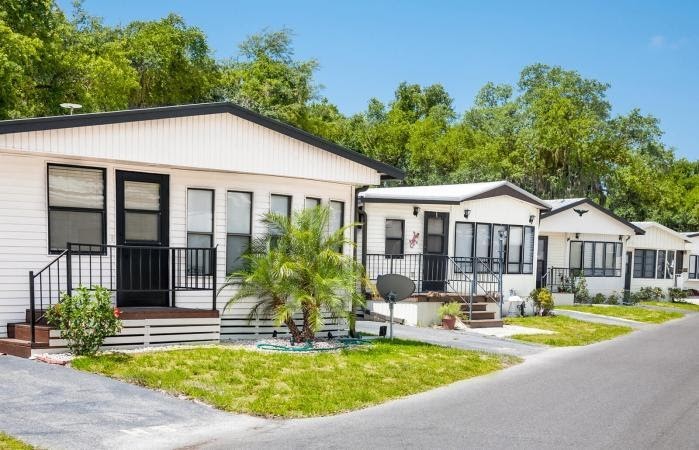
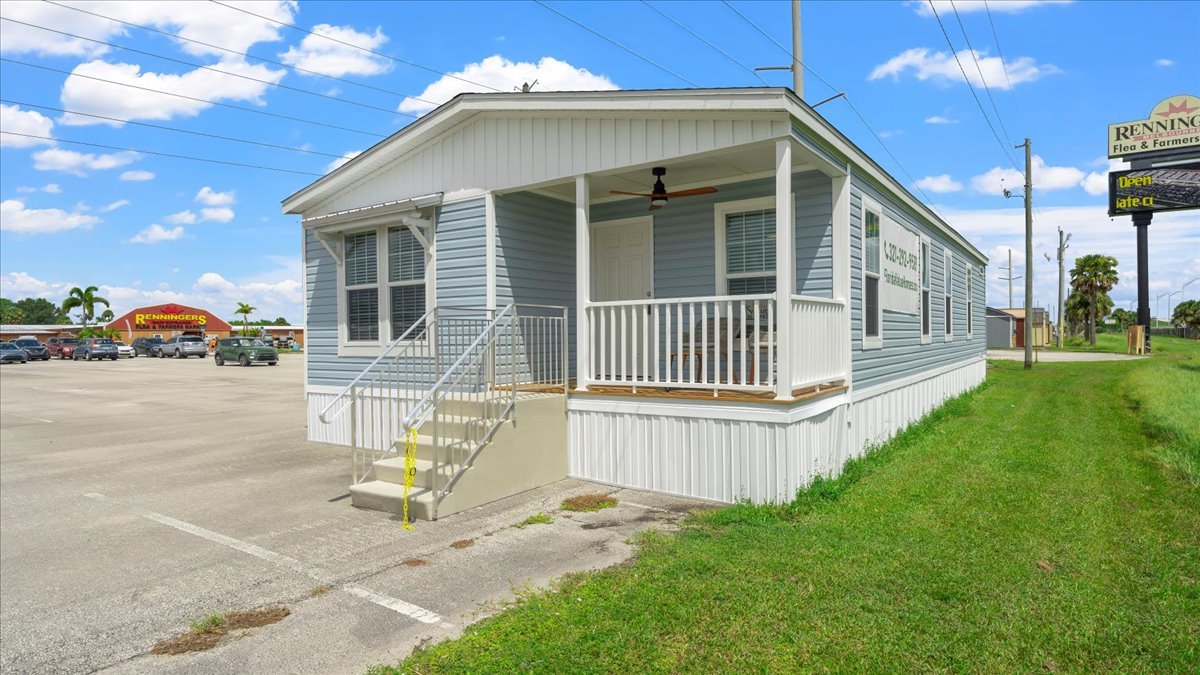
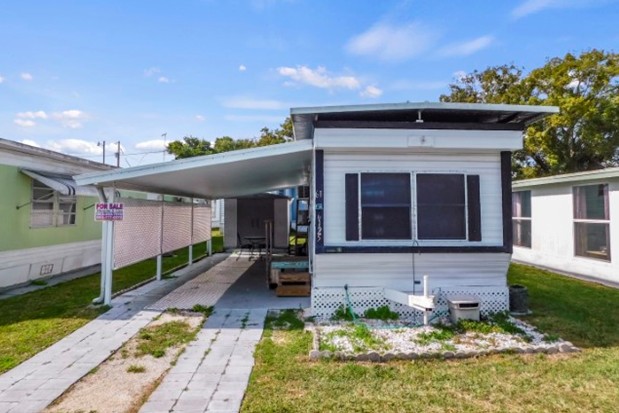
Mobile home in Florida
Factors Affecting Mobile Home Prices
Location
Location plays a significant role in determining the cost of a mobile home in Florida. Prices can vary depending on factors such as proximity to urban centers, coastal areas, amenities, and local housing market conditions. Mobile homes in desirable areas with high demand may command higher prices than those in rural or less desirable locations.
Size and Floor Plan
The size and floor plan of a mobile home directly impact its cost. Larger homes with more square footage and additional bedrooms or bathrooms typically have a higher price tag. Likewise, mobile homes with upgraded features, such as modern kitchens, spacious living areas, and luxury amenities, tend to be more expensive than basic models.
Age and Condition
The age and condition of a mobile home are crucial factors affecting its price. Newer mobile homes with modern construction, energy-efficient features, and updated amenities generally cost more than older models. However, well-maintained older homes in good condition may still command a higher price if they have been properly cared for and renovated.
Community Amenities
Mobile home communities in Florida often offer various amenities and services, such as swimming pools, clubhouse facilities, fitness centers, and organized social activities. The presence of these amenities can influence the cost of mobile homes within these communities. Homes with extensive amenities and services may have higher price tags than those in more basic or less equipped communities.
Land Ownership
The cost of a mobile home in Florida may also be influenced by whether the buyer owns or leases the land where the home will be situated. Mobile homes on land owned by the homeowner typically come with higher upfront costs but offer the advantage of property ownership. On the other hand, homes in leased land communities may have lower initial purchase prices but require ongoing land lease payments.
Average Costs of Mobile Homes in Florida
As previously mentioned, the average price range for a new mobile home in Florida in 2024 is between $50,000 and $150,000. However, it’s essential to note that this price range is a general estimate, and actual prices can vary based on the abovementioned factors. Additionally, the cost of used mobile homes in Florida can be significantly lower, ranging from $10,000 to $80,000 or more, depending on age, condition, and location.
Final Thoughts
The cost of mobile homes in Florida in 2024 varies based on location, size, age, amenities, and condition. Understanding these factors is essential for prospective buyers to make informed decisions and find a mobile home that meets their budget and lifestyle needs. Whether purchasing a new or used mobile home, buyers should carefully consider these factors and conduct thorough research to ensure they get the best value for their investment in Florida’s dynamic mobile home market.
Mobile homes offer a flexible and affordable housing option for many individuals and families, especially in states like Florida, where they are popular due to their affordability and versatility. However, understanding the cost of mobile homes in Florida in 2024 involves considering various factors, including location, size, age, amenities, and condition. This article will explore the average cost of mobile homes in Florida in 2024 and the factors influencing their prices.
Overview of Mobile Home Costs in Florida
In Florida, the cost of a mobile home can vary significantly based on several factors. As of 2024, the average price range for a new mobile home in Florida is between $50,000 and $150,000. This price range encompasses various sizes, styles, and amenities, allowing buyers to find a mobile home that fits their budget and preferences.
Mobile home in Florida
Factors Affecting Mobile Home Prices
Location
Location plays a significant role in determining the cost of a mobile home in Florida. Prices can vary depending on factors such as proximity to urban centers, coastal areas, amenities, and local housing market conditions. Mobile homes in desirable areas with high demand may command higher prices than those in rural or less desirable locations.
Size and Floor Plan
The size and floor plan of a mobile home directly impact its cost. Larger homes with more square footage and additional bedrooms or bathrooms typically have a higher price tag. Likewise, mobile homes with upgraded features, such as modern kitchens, spacious living areas, and luxury amenities, tend to be more expensive than basic models.
Age and Condition
The age and condition of a mobile home are crucial factors affecting its price. Newer mobile homes with modern construction, energy-efficient features, and updated amenities generally cost more than older models. However, well-maintained older homes in good condition may still command a higher price if they have been properly cared for and renovated.
Community Amenities
Mobile home communities in Florida often offer various amenities and services, such as swimming pools, clubhouse facilities, fitness centers, and organized social activities. The presence of these amenities can influence the cost of mobile homes within these communities. Homes with extensive amenities and services may have higher price tags than those in more basic or less equipped communities.
Land Ownership
The cost of a mobile home in Florida may also be influenced by whether the buyer owns or leases the land where the home will be situated. Mobile homes on land owned by the homeowner typically come with higher upfront costs but offer the advantage of property ownership. On the other hand, homes in leased land communities may have lower initial purchase prices but require ongoing land lease payments.
Average Costs of Mobile Homes in Florida
As previously mentioned, the average price range for a new mobile home in Florida in 2024 is between $50,000 and $150,000. However, it’s essential to note that this price range is a general estimate, and actual prices can vary based on the abovementioned factors. Additionally, the cost of used mobile homes in Florida can be significantly lower, ranging from $10,000 to $80,000 or more, depending on age, condition, and location.
Final Thoughts
The cost of mobile homes in Florida in 2024 varies based on location, size, age, amenities, and condition. Understanding these factors is essential for prospective buyers to make informed decisions and find a mobile home that meets their budget and lifestyle needs. Whether purchasing a new or used mobile home, buyers should carefully consider these factors and conduct thorough research to ensure they get the best value for their investment in Florida’s dynamic mobile home market.
Florida, with its warm climate, stunning beaches, and vibrant culture, has long been a magnet for those seeking a slice of paradise. Among the various housing options available in the Sunshine State, mobile homes have emerged as a popular choice for many. In recent years, there has been a noticeable uptick in the number of people opting for mobile homes in Florida. In this article, we delve into the reasons behind this trend and explore why mobile homes are capturing the hearts of so many individuals and families in the state.
1. Affordability
One of the primary factors driving the demand for mobile homes in Florida is affordability. Compared to traditional single-family homes or condominiums, mobile homes typically come with a lower price tag, making homeownership more accessible to a wider range of people. This affordability factor is particularly appealing to first-time homebuyers, retirees, and individuals looking for a cost-effective housing solution without compromising on quality of life.
2. Flexibility and Customization
Mobile homes offer a level of flexibility and customization that is often not possible with other types of housing. Many mobile home communities in Florida provide residents with the opportunity to personalize their homes according to their preferences and lifestyle needs. From choosing floor plans and interior designs to selecting amenities such as outdoor decks or screened-in porches, mobile home owners have the freedom to create a living space that reflects their individual taste and style.
3. Community Living
Another appealing aspect of mobile home living in Florida is the sense of community that it offers. Mobile home parks and communities often foster a close-knit and neighborly environment where residents can socialize, participate in community events, and form lasting friendships. This sense of camaraderie is especially valued by retirees and older adults who are looking to downsize and enjoy a more connected way of life in their golden years.
4. Low Maintenance
Maintaining a traditional single-family home can be time-consuming and expensive, especially when it comes to tasks such as yard work, landscaping, and exterior maintenance. Mobile homes, on the other hand, typically require less upkeep and are easier to maintain. With features such as vinyl siding, composite decking, and minimal landscaping requirements, mobile home owners in Florida can spend less time on chores and more time enjoying the sunshine and outdoor activities that the state has to offer.
5. Resort-style Amenities
Many mobile home communities in Florida offer resort-style amenities and recreational facilities that enhance the overall living experience. From swimming pools and fitness centers to tennis courts and community clubhouses, these amenities provide residents with ample opportunities for leisure and recreation without having to leave the comfort of their neighborhood. For retirees and active adults looking to enjoy a fulfilling retirement lifestyle, mobile home communities with premium amenities can be particularly attractive.
6. Proximity to Beaches and Outdoor Activities
Florida is renowned for its breathtaking beaches, lush landscapes, and abundance of outdoor recreational opportunities. Mobile home communities in the state often boast convenient access to these natural attractions, allowing residents to enjoy a laid-back coastal lifestyle with ease. Whether it’s spending a day lounging on the beach, exploring nature trails, or fishing in pristine waters, mobile home owners in Florida have endless opportunities to embrace an active and outdoor-centric way of life.
7. Investment Potential
While mobile homes are generally more affordable than traditional homes, they can also offer solid investment potential for savvy buyers. In Florida’s fast-growing real estate market, mobile homes in desirable locations can appreciate in value over time, providing homeowners with a valuable asset that can yield significant returns in the long run. Additionally, some mobile home communities offer rental opportunities for those looking to generate passive income or offset their housing expenses, further enhancing the investment appeal of mobile home ownership in Florida.
Conclusion
The allure of mobile home living in Florida is multifaceted, encompassing factors such as affordability, flexibility, community, and lifestyle amenities. For many individuals and families, mobile homes offer a compelling blend of comfort, convenience, and value, making them an attractive housing option in the Sunshine State. Whether it’s retirees seeking a laid-back retirement retreat or young families looking for an affordable entry into homeownership, the appeal of mobile homes in Florida continues to grow, promising a vibrant and fulfilling lifestyle against the backdrop of Florida’s sun-drenched landscapes and endless recreational opportunities.
Are you dreaming of living in the Sunshine State without breaking the bank? Florida’s vibrant culture, warm weather, and diverse landscapes make it a desirable destination for many, but the cost of living can be daunting. However, one affordable housing option that’s gaining popularity are mobile homes. If you’re interested in finding a budget-friendly mobile home in Florida, you’ve come to the right place. In this guide, we’ll explore the steps you can take to make your dream of owning a mobile home in Florida a reality.
Understanding Mobile Home Living in Florida
Mobile homes, also known as manufactured homes, offer an affordable housing solution for many individuals and families. In Florida, mobile homes are a popular choice due to their relatively low cost compared to traditional houses. They come in various sizes and styles, ranging from single-wide to double-wide, and can be located in mobile home parks or on private land.
Before diving into your search for a budget friendly mobile home, it’s essential to understand the mobile home lifestyle in Florida. Mobile home parks often provide amenities such as swimming pools, clubhouse facilities, and community events, making them an attractive option for those seeking a sense of community. However, owning a mobile home also means paying lot rent to the park management, so factor this into your budget.
Determine Your Budget and Financing Options
The first step in finding a budget mobile home in Florida is determining your budget. Consider your current financial situation, including your income, savings, and expenses. Take into account upfront costs such as down payment, closing costs, and any necessary repairs or renovations.
Once you clearly understand your budget, explore your financing options. Many lenders offer loans specifically designed for mobile homes, including FHA loans and chattel mortgages. Research different lenders and compare their terms and interest rates to find the best financing option for your needs.
Research Mobile Home Listings
With your budget in mind, it’s time to start researching mobile home listings in Florida. There are several ways to find available properties:
Online Listings: Websites like Zillow, Realtor.com, and MHVillage.com specialize in mobile home listings. You can search for properties based on location, price range, and other criteria.
Local Real Estate Agents: Contact local real estate agents who specialize in mobile home sales. They can help you find properties that meet your budget and preferences.
Mobile Home Parks: Visit mobile home parks in the areas where you’d like to live and inquire about available homes for sale. Some parks have sales offices or onsite managers who can provide information about current listings.
Word of Mouth: Spread the word to friends, family, and colleagues that you’re in the market for a mobile home. They may know of available properties or be able to refer you to someone who does.
Consider Location and Amenities
When searching for a budget mobile home in Florida, consider the location and amenities of the property. Think about factors such as proximity to schools, shopping centers, healthcare facilities, and employment opportunities. Additionally, consider the amenities offered by the mobile home park, such as recreational facilities, security features, and maintenance services.
While location and amenities are important, keep in mind that properties in highly desirable areas or with extensive amenities may come with a higher price tag. Balance your preferences with your budget to find the best option for you.
Schedule Home Inspections
Once you’ve found a few potential mobile homes that meet your criteria, scheduling home inspections before making any final decisions is crucial. Hire a licensed home inspector to thoroughly evaluate the property for any issues or defects, including structural problems, plumbing and electrical issues, and mold or moisture damage.
If the inspection reveals significant issues, you may need to negotiate with the seller to address the problems or lower the purchase price accordingly. Remember that purchasing a budget mobile home doesn’t mean sacrificing quality or safety, so don’t hesitate to walk away if the property doesn’t meet your standards.
Negotiate the Purchase Price
After completing the home inspections and addressing any concerns, it’s time to negotiate the purchase price with the seller. Use the information gathered during the inspection process to justify your offer and negotiate with confidence. Be prepared to compromise and consider factors such as the property’s condition, market trends, and comparable sales in the area.
Keep in mind that sellers may be motivated to sell quickly, especially if the property has been on the market for an extended period. Use this to your advantage during negotiations, but be respectful and fair in your dealings with the seller.
Closing the Deal
Once you’ve reached an agreement on the purchase price, it’s time to close the deal and finalize the purchase of your budget mobile home in Florida. Work with your lender, real estate agent, and seller to complete all necessary paperwork and finalize the transaction.
During the closing process, you’ll sign the necessary documents, pay any remaining closing costs and fees, and receive the keys to your new home. Congratulations, you’re now the proud owner of a budget-friendly mobile home in the Sunshine State!
Conclusion
Finding a budget mobile home in Florida is an achievable goal with careful planning, research, and patience. By understanding your budget, exploring financing options, researching listings, considering location and amenities, scheduling home inspections, negotiating the purchase price, and closing the deal, you can make your dream of owning a mobile home in Florida a reality.
Whether you’re looking for a cozy retreat for retirement or a starter home for your family, the Sunshine State offers a variety of affordable mobile home options to suit your needs. Start your search today and take the first step toward enjoying all Florida offers without breaking the bank.
Mobile homes, often referred to as manufactured homes, offer an affordable housing option for many Americans. In Florida, where the cost of living can be high, the prospect of finding a mobile home for under $5,000 might seem like an impossible dream to some. However, with diligent searching and understanding of the market, it is possible to find mobile homes within this budget. This article will explore the feasibility of finding mobile homes under $5,000 in Florida and what prospective buyers can expect regarding condition, location, and associated costs.
Understanding the Market for Mobile Homes in Florida
Before delving into the specifics of finding mobile homes under $5,000 in Florida, it’s essential to understand the broader market dynamics. Florida has many mobile home communities catering to various demographics, including retirees, seasonal residents, and individuals seeking affordable housing options. The state’s diverse landscape, ranging from bustling urban areas to tranquil coastal regions, offers potential buyers a range of housing options.
In recent years, the demand for affordable housing has increased across the United States, including Florida. This trend has led to a growing interest in mobile homes, which are often more affordable than traditional site-built homes. However, the availability of mobile homes priced under $5,000 can be limited, especially in popular or high-demand areas.
Factors Influencing Mobile Home Prices
Several factors influence the pricing of mobile homes in Florida, including:
Location: Mobile home prices can vary significantly depending on the site. Homes in desirable areas, such as coastal communities or proximity to urban centers, tend to command higher prices.
Age and Condition: The age and condition of a mobile home play a significant role in determining its price. Newer homes or those in excellent need will typically be priced higher than older or fixer-upper models.
Community Amenities: Mobile home communities often offer various amenities and services, such as clubhouse facilities, swimming pools, and recreational activities. Homes located within communities with desirable amenities may be priced higher than those in basic communities.
Market Demand: Market demand fluctuates based on economic conditions, housing trends, and demographic factors. Mobile home prices may be higher in areas with high demand and limited supply.
Finding Mobile Homes Under $5,000 in Florida
Mobile homes priced under $5,000 may be rare in some parts of Florida, but they are somewhat unheard of. Prospective buyers willing to invest time and effort into their search may be able to find affordable options through various channels:
Online Marketplaces: Websites such as Craigslist, Facebook Marketplace, and mobile home-specific platforms list various mobile homes for sale across Florida. Buyers can filter their search based on price range, location, and other preferences to find listings within their budget.
Auctions and Foreclosures: Auctions and foreclosure sales can sometimes present opportunities to purchase mobile homes at below-market prices. Buyers should research upcoming auctions and foreclosure listings in their desired area and be prepared to act quickly.
Mobile Home Parks: Some mobile home parks may have older or distressed homes available for sale at lower prices. Contacting park management or residents’ associations can provide insights into available listings within the community.
Networking: Networking with local real estate agents, mobile home investors, and community members can uncover hidden gems or off-market opportunities. Attending local real estate events and networking groups can help buyers expand their connections and access potential leads.
What to Expect from Mobile Homes Under $5,000
Prospective buyers must set realistic expectations when considering mobile homes priced under $5,000. While these homes offer an affordable housing option, they often come with specific challenges and considerations:
Condition: Mobile homes priced under $5,000 will likely be older or need repairs and renovations. Buyers should be prepared to invest additional time and resources to address maintenance issues or cosmetic updates.
Location: Lower-priced mobile homes may be in less desirable areas or communities with fewer amenities. Buyers should consider the location and proximity to essential services, employment opportunities, and recreational facilities.
Financing and Insurance: Securing funding for mobile homes under $5,000 can be challenging, as traditional lenders may have minimum loan amounts or strict eligibility requirements. Additionally, insurance premiums for older or lower-priced homes may be higher.
Inspection and Due Diligence: Before purchasing a mobile home, buyers should conduct a thorough inspection to assess its structural integrity, mechanical systems, and overall condition. Engaging a qualified inspector can help identify any potential issues and avoid costly surprises down the road.
Conclusion
While finding a mobile home for under $5,000 in Florida may require patience, persistence, and careful research, it is indeed possible for motivated buyers. Prospective buyers can confidently navigate the process by understanding the market dynamics, exploring various channels for listings, and setting realistic expectations.
Ultimately, mobile homes priced under $5,000 offer an affordable housing option for individuals seeking homeownership in Florida, provided they are willing to invest the necessary time and effort into their search and subsequent maintenance.
In the realm of affordable housing, mobile homes, and trailer homes are two terms often used interchangeably. However, these dwellings have distinct characteristics that set them apart. In this article, we’ll delve into the nuances of mobile homes and trailer homes to shed light on their differences and help potential homeowners make informed decisions.
Defining Mobile Homes
Mobile homes, also known as manufactured homes, are factory-built houses that are transported to a specific location for installation. Unlike traditional site-built homes, mobile homes are constructed off-site, usually in a controlled environment, ensuring a more streamlined and efficient building process. These homes comply with strict federal building codes set by the Department of Housing and Urban Development (HUD), ensuring safety, durability, and quality standards.
One key feature of mobile homes is their transportability. They are built on a steel chassis with wheels, making it possible to move them from one location to another. This mobility is particularly advantageous for individuals who may need to relocate due to job changes or other circumstances.
Understanding Trailer Homes
On the other hand, trailer homes are often associated with the idea of temporary or portable housing. They are generally smaller and more rudimentary in design compared to mobile homes. Trailers are often built on a non-permanent chassis, making them less stable and harder to move.
It’s crucial to note that the term “trailer home” can be a bit ambiguous, as it’s used to refer to different types of housing structures. Historically, the term “trailer home” was commonly used to describe early mobile homes, which were relatively basic and had a resemblance to travel homes. In contemporary usage, “trailer home” might also refer to tiny houses on wheels or other portable housing options.
Key Differences in Construction
One of the primary distinctions between mobile homes and trailer homes lies in their construction methods and standards. Mobile homes adhere to the HUD Code, a set of federal standards that dictate design, construction, strength, and durability. The HUD Code ensures that mobile homes meet specific safety and quality benchmarks, making them a reliable and viable housing option.
Trailer homes, on the other hand, may not be subject to the same rigorous standards as mobile homes. The term is broad and can encompass a variety of structures, from makeshift dwellings to tiny houses on wheels. Without a standardized code, the construction quality of homes can vary significantly, potentially leading to issues related to safety and durability.
Size and Design Variances
Another notable difference between mobile homes and trailer homes is the size and design variability. Mobile homes tend to be larger and more spacious, with standardized sizes that can range from single-section units to larger double-section or triple-section homes. These homes often come with features such as multiple bedrooms, bathrooms, and modern amenities.
Trailer homes, in contrast, are generally smaller and may have a more diverse range of designs. They can include tiny houses on wheels, which are compact and focus on maximizing space efficiency. While mobile homes often adhere to a standard size range, trailer homes can vary widely in size, style, and layout.
Zoning and Placement Regulations
The zoning and placement regulations for mobile homes and trailer homes can differ based on local ordinances and regulations. Mobile homes are typically subject to specific zoning codes that designate areas for manufactured housing. In many cases, mobile home parks or communities are established to accommodate these homes, providing infrastructure and services tailored to their needs.
Trailer homes, especially tiny houses on wheels, may face more challenges when it comes to finding suitable locations for placement. Zoning laws regarding the use of land and housing structures can be stricter for trailer homes, and not all areas are welcoming to these portable dwellings. Potential homeowners must navigate local regulations and ordinances to find legal and acceptable placements for their trailer homes.
Appreciation and Depreciation
The financial aspect of homeownership is a crucial consideration when comparing mobile homes and trailer homes. Mobile homes, built to federal standards and often installed in dedicated communities, may experience a more stable and appreciable value over time. These homes are designed to meet high-quality standards, and their value can be influenced by factors such as location, community amenities, and overall condition.
Trailer homes, especially those on wheels, may depreciate more rapidly than mobile homes. The perception of trailer homes as temporary or unconventional housing options can impact their resale value. Additionally, the lack of standardized construction and safety codes for some trailer homes can contribute to depreciation concerns.
The Bottom Line
In summary, while mobile homes and trailer homes share some similarities, they are distinct in terms of construction, size, design, zoning regulations, and financial considerations. Mobile homes, constructed to meet federal standards, offer a more regulated and stable housing option with the potential for appreciation. Trailer homes, on the other hand, encompass a broad range of portable housing structures, with varying degrees of quality, safety, and regulatory compliance.
As individuals explore housing options, understanding these differences becomes crucial in making informed decisions about the type of dwelling that aligns with their needs, preferences, and long-term goals. Whether opting for the mobility of a manufactured home or the versatility of a trailer home, potential homeowners must carefully weigh the advantages and disadvantages to find the housing solution that suits their lifestyle and budget.
Are you considering selling your mobile home and want to maximize your profits? Choosing the right approach is crucial, and one option that may come to mind is For Sale By Owner (FSBO). This method has its advantages, but it also comes with some challenges. To help you make an informed decision about whether FSBO is the best choice for you, we’ve compiled this comprehensive guide on the pros and cons of selling a mobile home by yourself.
What is For Sale By Owner (FSBO)
For Sale By Owner, or FSBO, is a method of selling a property without the assistance of a real estate agent or a mobile home broker. In this approach, the owner takes full responsibility for managing every aspect of the sale process – from listing and marketing to closing the deal.
The primary motivation behind choosing FSBO is often to save on costs associated with hiring an agent. Real estate commissions can be substantial, and by taking matters into their own hands, homeowners hope to retain more profit from their mobile home sale.
However, it’s essential to understand that going down the FSBO route demands time and effort from sellers. They must become familiar with various legal requirements and develop effective strategies for advertising their property in today’s competitive market.
As we explore further into this topic, you’ll discover both advantages and potential drawbacks associated with selling your mobile home through FSBO. This information will help you determine if this option aligns well with your goals as a seller.
For sale by owner sign
For Sale ByOwner Pros
Saving on listing agent commission
One of the biggest advantages of selling your mobile home by owner is that you can save money on listing agent commission. Typically, a real estate agent or a mobile home broker charges a commission fee averaging around 4% to 7% of the sale price for their services.
By bypassing this fee, you can potentially save thousands of dollars in closing costs and walk away with more profit from the sale of your mobile home.
With FSBO, you have complete control over how much money you want to invest in marketing and advertising your property compared to relying on an agent’s budget. You also won’t have any hidden fees or unexpected charges when working with a professional.
Saving money is one significant reason why many people choose to sell their mobile homes themselves without an agent. However, it’s important to keep in mind that there are other factors involved in successfully selling your property without professional help.
Complete control of the sale process
When selling a mobile home, there are many things that can go wrong which may cause frustration and delay in the sale process. However, when selling your home by yourself, you have complete control of the sale process. This means that you do not need to rely on anyone else to make important decisions regarding your home’s sale.
You get to decide when open houses will be held, how much time buyers will be given for showings and negotiations as well as what type of marketing strategies will be used to promote your property. Additionally, you can also choose where and how potential buyers contact you.
Having complete control over the entire sales process is crucial because it enables you to tailor it according to the needs of prospective buyers. You’ll have more flexibility with meeting their requests or making changes quickly if needed without consulting third parties like an agent.
Having full autonomy over all aspects of your mobile home’s sale process gives peace of mind knowing that every decision made is in line with one’s interests and preferences without any form of compromise.
Insider knowledge
When selling your mobile home, having insider knowledge can give you an edge over other sellers in the market. As an FSBO seller, you have direct access to all the intricate details of your mobile home that only someone who has lived there would know.
For instance, you know which areas receive the most sunlight and at what times of day. You also know which parts of the house need extra maintenance or upgrades. By highlighting this information to potential buyers, they’ll be more inclined to take an interest in your property as it exudes authenticity.
Moreover, since you are personally invested in selling your mobile home by owner, you have ample time and space to answer any questions from potential buyers regarding its history and unique features. This level of transparency is vital for building trust with interested parties as well as creating a positive experience for both parties during negotiations.
Having insider knowledge allows FSBO sellers to share their passion for their homes with prospective buyers while giving them a competitive advantage in today’s highly saturated real estate market.
Full dedication to selling your home
Selling a mobile home is not an easy task, especially if you are doing it alone. However, when you decide to sell your mobile home by yourself, you have the opportunity to fully dedicate yourself to selling your property.
As the owner of the property, nobody knows its features and benefits better than you do. You have lived in the house for years and have gained extensive knowledge about its unique features that make it stand out from other homes on sale. This dedication can help attract potential buyers who will appreciate being guided through all aspects of your mobile home.
When working with a real estate agent or broker, they may be handling multiple listings at once which can result in less attention given to your specific property. With FSBO sales, all focus is geared toward one single listing – yours!
Your full dedication also means that you are available at any time for showings and open houses. Being present during these events creates a welcoming environment where potential buyers feel comfortable asking questions and expressing interest.
Having full dedication when selling your mobile home allows for more personalized attention toward showcasing what makes it unique while providing a positive experience for potential buyers looking for their dream home.
For Sale By Owner Cons
Statistically, FSBO Mobile Homes Sell for Less
One of the cons of selling a mobile home by owner is that statistically, FSBO mobile homes sell for less. This means that if you decide to sell your mobile home on your own, you might not get as much money as you would have if you had hired a real estate agent.
The reason why FSBO mobile homes tend to sell for less can be attributed to several factors. Without professional help, it may be difficult for homeowners to set an accurate price for their property. Pricing too high or too low could turn away potential buyers and result in fewer offers.
Additionally, buyers may perceive a lack of professionalism in the sale process and use this as leverage when making lower offers. Without representation from an experienced agent who knows how to negotiate effectively, sellers might find themselves accepting lower prices than they had hoped for.
While saving on commission fees might seem like a good idea at first glance, it’s important to consider the potential loss in profit due to underpricing or lack of negotiating skills when deciding whether or not to go with FSBO.
Too much work to get done
If you are considering selling your mobile home by yourself, it is important to understand that it can be a lot of work. As the owner and seller, you will need to take on many responsibilities typically handled by mobile home brokers.
One of the biggest challenges of FSBO is managing all aspects of marketing and showing your mobile home. You will need to create high-quality photos or videos for your online listing, write compelling descriptions, respond promptly to inquiries from potential buyers, and schedule showings and open houses at convenient times for interested parties.
You’ll also have to deal with negotiations during the sale process. You may receive multiple offers from different buyers at varying prices. This requires careful consideration and decision-making in order not to turn off serious buyers while maximizing profit.
Another task that falls on the seller’s shoulders is setting an appropriate price point for their property based on market value/condition/appeal etc., which can be challenging without specialized knowledge about local real estate conditions or access to comprehensive data sources.
If you’re willing to put in time (and maybe some money) into doing things like advertising/marketing/selling/maintaining/showing/etc., then going FSBO might just be worth it!
Mobile home for sale by owner
Negotiating offers can be tough
Negotiating offers can be one of the most challenging aspects of the FSBO process. One of the biggest issues is that buyers may perceive that they are getting a better deal since there isn’t an agent involved and therefore may offer less than what you’re asking for.
It’s important to remember that negotiations are all about finding common ground. Don’t let emotions get in the way and try to stay objective throughout the negotiation process. Be prepared to compromise but also stick to your bottom line.
One effective tactic is to have a clear understanding of your home’s value and set a realistic asking price from the beginning. This can help deter lowball offers.
Another strategy is to focus on highlighting unique features or upgrades of your mobile home during showings or open houses. These could add extra value and give potential buyers more incentive to submit higher offers.
Setting a price is important but challenging
Setting the right price for your mobile home is crucial when selling it on your own. The challenge, however, lies in determining the correct value of your property that would attract potential buyers without settling for less than what it’s worth.
You need to gather all the necessary information about similar homes sold in the same area and compare their prices to yours. This will give you an idea of how much people are willing to pay for a mobile home like yours.
Consider factors such as location, condition, age, and size of your mobile home. These elements can significantly impact its value and must be taken into account when setting a price.
Try not to let emotions cloud your judgment. While sentimental attachment may make you feel like your home is worth more than it actually is – objectively assessing its market value is essential if you want to sell quickly.
Keep in mind that overpricing could result in fewer buyers showing interest which means fewer chances of closing a deal altogether. On the other hand, underpricing might lead to missed opportunities and regret later on.
Marketing can take a lot of work
Here are some reasons why marketing can take a lot of work:
You need to research the market trends and come up with effective marketing strategies that will appeal to your target audience. You need to identify the right channels through which you can reach out to potential buyers.
You have to create compelling content that showcases your property in the best possible light. This includes high-quality photos and videos that highlight its unique features.
It’s important to stay active on social media platforms where potential buyers might be searching for properties like yours. You’ll also want to consider paid advertising options such as Google Ads or Facebook Ads.
Responding promptly and professionally when inquiries come in is crucial for keeping interest alive in your property. All this takes time and energy but it’s necessary if you want successful results from an FSBO mobile home sale!
6. No pricing strategy
With no pricing strategy in place, FSBO sellers may struggle to determine how much their home is worth on the market. Overpricing can lead to prolonged listing times and underpriced homes can result in missed profit opportunities.
Without access to industry-specific pricing tools and resources, FSBO sellers may rely on guesswork or outdated information when determining a fair price for their mobile home. This lack of expertise could turn off potential buyers who are looking for reasonable prices based on current market trends.
Additionally, without proper knowledge of neighborhood comps and other relevant factors that affect the value of a mobile home, FSBO sellers may feel lost when trying to set an accurate selling price. It’s important that they consider all aspects such as location, age of property, and condition before setting any particular rate.
7. A biased opinion by the owner
Owners may have an emotional attachment to their property that can cloud their judgment. This bias can lead them to overvalue the home and refuse reasonable offers from potential buyers.
Additionally, some owners may not see the flaws or necessary repairs that need attention before listing their homes for sale. This lack of objectivity can lead to unrealistic expectations and ultimately result in longer wait times for a sale.
It’s important for sellers to approach the process with an open mind and seek honest feedback from professionals in the industry. Consider hiring a professional appraiser or inspector to provide an unbiased opinion on your mobile home’s value and any necessary repairs.
Choosing the Right Mobile Home Broker
Although selling a mobile home by owner can be advantageous, it may not be for everyone. If you’re someone who doesn’t want to deal with all the work that comes with an FSBO sale, then hiring a mobile home broker like The Mobile Home Dealer is your best option.
When choosing the right mobile home broker, make sure they have experience in selling mobile homes and understand your unique needs as a seller. Research potential brokers carefully and read reviews from previous clients to ensure they are trustworthy and reliable.
At the end of the day, whichever route you choose – either FSBO or with a broker – it’s important to remember that patience is key during this process. Selling a mobile home takes time, effort, and research to achieve success. By weighing up all of these pros and cons against your own personal situation, hopefully, you’ll come up with an answer that works best for you.