Tag: mobile homes for sale in florida under $10000

  • How to Spot a Great Fixer-Upper Mobile Home

    Fixer-upper mobile homes offer excellent opportunities for savvy buyers. With the right upgrades, these homes can become valuable investments or comfortable residences. However, not all fixer-uppers are created equal, and spotting a truly great one requires keen attention to specific features and factors. Here’s a comprehensive guide on what to look for when considering a fixer-upper mobile home.

    1. Assess the Home’s Structural Integrity

    Structural integrity is the most critical factor in any fixer-upper mobile home. Examine the framework of the mobile home thoroughly. Look for signs of warping, sagging, or any significant damage. A sound structure ensures the home’s potential for longevity and successful upgrades.

    2. Check for Roof Condition and Leaks

    A good roof is essential for any home, and mobile homes are no exception. Inspect the roof for leaks, missing shingles, or soft spots. Roofing repairs can be costly, so a relatively sound roof is a huge plus. Look for areas that may show water damage, as this can indicate potential leaks or the need for extensive repair.

    3. Examine the Windows and Doors

    Windows and doors should be sealed tightly to provide insulation and prevent drafts. Test the windows and doors to see if they open and close smoothly. Older or damaged windows may require replacement, which can be costly. Doors should fit correctly and have no signs of water damage around the frames.
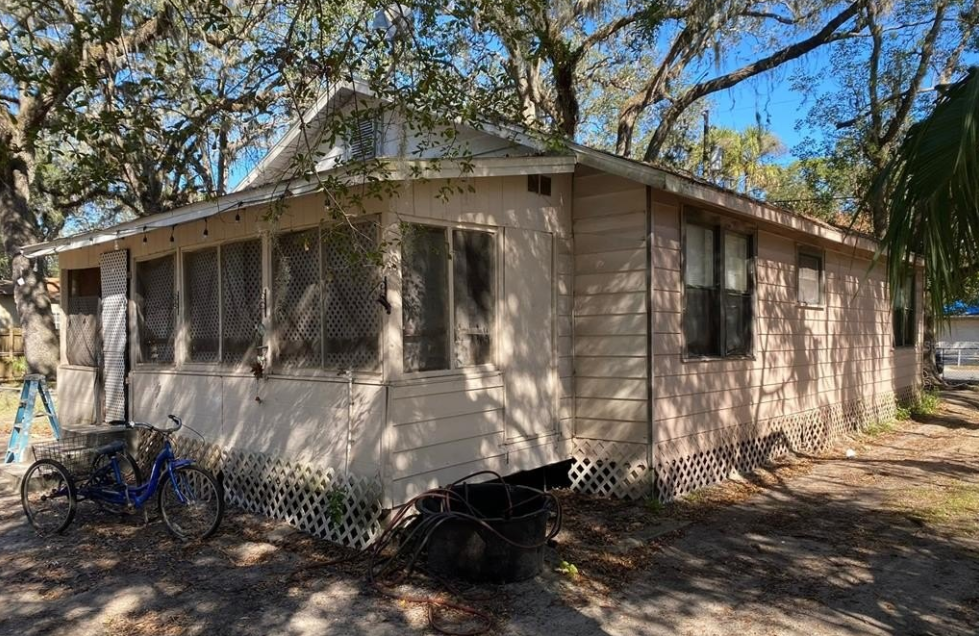
    Fixer-Upper Mobile Home

    4. Evaluate the Plumbing System

    Plumbing issues can become major expenses, especially in older mobile homes. Check under sinks and look for signs of leaks or corrosion on pipes. Test the faucets to ensure they have adequate water pressure. If possible, ask the seller about the age of the plumbing system and if it has experienced any past issues.

    5. Inspect the Electrical Wiring and Outlets

    Electrical issues are common in older mobile homes, but they can be costly to repair. Look for signs of exposed wiring, flickering lights, or outlets that don’t work. These could indicate outdated or damaged electrical systems. Ensure the breaker box is labeled and appears organized. It’s wise to consider hiring a licensed electrician for a detailed inspection.

    6. Analyze the Flooring Condition

    Flooring in mobile homes often shows signs of wear, especially in high-traffic areas. Walk across the floors to check for soft spots, squeaks, or signs of damage. Replacing floors can be expensive, especially if  the subfloor needs repair. However, minor repairs or cosmetic upgrades, such as new laminate, are manageable.

    7. Assess the Home’s Insulation and Energy Efficiency

    Energy efficiency can help reduce long-term costs for heating and cooling. Insulation, especially in walls and floors, plays a key role in maintaining comfort. Ask about the insulation type or check for visible signs of insulation if possible. Older mobile homes may need insulation upgrades to reduce utility bills.

    8. Inspect the Exterior Siding and Skirting

    Siding protects the mobile home from weather, pests, and wear. Inspect the exterior siding for signs of damage, such as holes, dents, or rust. Skirting, located around the bottom, protects pipes and adds curb appeal. Check the skirting for damage, as repairs or replacements can help prevent water damage and pests.

    9. Consider the Age and Model of the Mobile Home

    Older mobile homes may require more upgrades due to outdated materials and technology. Models from the 1970s or earlier often lack modern features like energy-efficient windows or advanced insulation. However, older models can still be excellent investments if they’re structurally sound. Consider the age of the home when estimating renovation costs.

    10. Look for Signs of Pest Damage

    Pests can cause severe damage if left untreated, especially in wood-based materials. Look for signs of termites, rodents, or other pests. Small holes, gnaw marks, and droppings indicate pest issues. Consider hiring a pest control expert to assess the home if you suspect infestations.

    11. Evaluate the HVAC System and Ventilation

    Heating and cooling are essential for comfortable living, especially in mobile homes that may heat or cool unevenly. Inspect the HVAC system for signs of wear or age, and ask when it was last serviced. Test the vents for airflow and inspect any visible ductwork for leaks. If the home lacks an HVAC system, factor in the cost of adding one.

    12. Inspect the Mobile Home’s Foundation

    A solid foundation is crucial for any mobile home, as it ensures stability and longevity. Look for signs of shifting, such as cracked walls or doors that don’t close properly. A well-maintained foundation reduces repair costs and adds value to the home. If the foundation appears questionable, consult a professional.

    13. Check for Water Damage and Mold

    Water damage can cause extensive problems, especially if mold develops. Examine walls, ceilings, and floors for signs of discoloration or softness, which can indicate water damage. Mold, often appearing as black or green spots, poses health risks and may require extensive remediation. Addressing water issues early can save significant money.

    14. Review Local Building Codes and Regulations

    Mobile homes often face stricter regulations than traditional homes, especially regarding renovations. Check local building codes to ensure that planned upgrades comply with requirements. Permits may be necessary for electrical work, plumbing, or structural changes. Researching codes early prevents future complications and legal issues.

    15. Inspect Cabinets and Built-In Furniture

    Built-in furniture, such as cabinets or counters, may show wear in a fixer-upper. Check for signs of warping, loose hinges, or broken parts. Built-ins can add value if they’re in good condition, while damaged ones may require repair or replacement. Upgrading cabinets and counters can enhance the home’s appeal without a huge investment.

    16. Evaluate the Location and Lot Fees

    Location affects the value and appeal of a mobile home significantly. Consider nearby amenities, crime rates, and lot fees in the area. Many mobile home parks charge lot fees, which cover amenities like maintenance or security. A great fixer-upper in a desirable location will likely appreciate over time.

    17. Determine the Home’s Resale Potential

    If you plan to sell a mobile home in the future, consider its resale potential. Homes in popular parks or areas with growth opportunities generally appreciate. Additionally, modern or well-maintained homes tend to attract buyers. By choosing a home with resale value, you maximize your investment’s return.

    18. Look for the Quality of Available Utilities

    Access to reliable utilities affects both comfort and resale value. Test the water pressure, check electricity access, and confirm the availability of gas if needed. Poor utilities can deter buyers and require costly repairs. A home with consistent utilities provides a strong foundation for comfortable living.

    19. Ask About Past Repairs and Renovations

    If possible, ask the seller about any previous repairs or renovations. A home with recent upgrades, such as a new roof or plumbing, may need fewer repairs. Knowledge of past renovations helps you gauge the home’s overall condition. Understanding repair history can also reveal potential issues that might arise later.

    20. Research the Cost of Renovations and Repairs

    Before purchasing a fixer-upper, research the cost of necessary renovations. Costs vary by area, materials, and the extent of repairs. Use online estimators or consult local contractors to create an accurate budget. By understanding the cost of repairs, you can determine if the investment is financially viable.

    21. Take Your Time to Make a Decision

    Spotting a great fixer-upper mobile home requires patience and thorough research. Avoid rushing the process, as this can lead to missed issues or oversights. Taking your time allows you to find a mobile home that fits both your budget and vision. Remember, a great deal now can save you considerable expenses in the long run.

    Conclusion

    Finding a great fixer-upper mobile home can be a rewarding investment with the right approach. By examining factors like structural integrity, plumbing, electrical systems, and overall costs, you can spot valuable properties. Patience, research, and a clear renovation budget will help you make a sound decision. With these tips, you’re on your way to finding a fixer-upper mobile home that will become a comfortable, valuable living space.
     

    See Also:

  • How to Find the Best Deals on Mobile Homes for Snowbirds in Florida

    Snowbirds flock to Florida every winter to escape the harsh cold and enjoy the warm, sunny weather. With Florida’s abundance of mobile home communities, it’s no wonder snowbirds find mobile homes an ideal choice. However, finding the best deals on mobile homes in Florida requires knowledge, research, and timing. Let’s dive into practical steps and tips to help you snag the best deal on a mobile home in Florida.

    1. Start Your Search Early

    Starting early gives you an advantage in finding the best deals. Begin your search six to twelve months before you plan to move. The demand for mobile homes surges as the winter season approaches, making early planning essential. With a head start, you can explore multiple listings and avoid peak-season price hikes.

    2. Know the Key Areas for Snowbirds

    Snowbirds favor specific areas in Florida for their climate, amenities, and community feel. Popular areas include Sarasota, Naples, Fort Myers, and The Villages. Each area offers unique features that cater to retirees and seasonal residents. Knowing where you want to be will help you narrow your search. Each location has different pricing and community types, so do thorough research on your preferred areas.

    3. Look for Deals in 55+ Communities

    Florida has numerous mobile home parks exclusively for residents aged 55 and above. These communities often provide snowbird-friendly amenities such as clubhouses, pools, and social events. Mobile homes in 55+ communities sometimes cost less than those in family parks. Owners in these communities frequently offer off-season deals for snowbirds. Additionally, many seniors sell their homes at discounted prices to relocate or downsize, which can present opportunities.

    Best Deals on Mobile Homes florida

    4. Use Online Platforms for Research

    Several online platforms list mobile homes for sale across Florida. Sites like Zillow, Trulia, and Realtor.com offer comprehensive listings with prices and photos. Specialty websites like MobileHome.net and MHBay focus specifically on mobile homes. Many listings specify if they cater to seasonal residents, making it easier to find snowbird-friendly homes. Regularly checking these sites will keep you updated on new listings and price changes.

    5. Visit Mobile Home Parks Directly

    If possible, plan a trip to Florida to visit mobile home parks in person. Visiting in person lets you get a feel for the community, amenities, and overall atmosphere. Many parks post homes for sale on bulletin boards or at the park office. Staff members often know which homes may be coming on the market soon. A personal visit can reveal hidden gems that aren’t listed online.

    6. Check Out For Sale by Owner (FSBO) Options

    Some homeowners prefer selling their mobile homes without a realtor, known as For Sale by Owner (FSBO). FSBO properties often sell for lower prices since owners avoid realtor fees. Sites like Craigslist and Facebook Marketplace list many FSBO mobile homes. You can also check local community bulletin boards or mobile home park offices for FSBO listings. When buying directly from the owner, negotiate the price and terms, as most FSBO sellers are open to offers.

    7. Join Snowbird and Mobile Home Community Groups

    Joining online snowbird and mobile home community groups can be valuable. Sites like Facebook and forums dedicated to snowbirds often have members selling their homes. These groups sometimes post exclusive deals or homes for sale that don’t appear on major listing sites. Networking with other snowbirds can also provide insider tips on the best communities and locations in Florida.

    8. Consider Off-Season Purchases

    Buying during the off-season can save you a significant amount. Florida’s peak season for snowbirds is late fall and winter when demand is highest. However, many sellers offer lower prices in spring and summer to sell quickly. If you can buy during the warmer months, you’ll likely have better negotiating power. The summer months are also an excellent time for mobile home parks to offer discounts on lot rentals to attract new residents.

    9. Negotiate on Price and Terms

    Don’t be afraid to negotiate when purchasing a mobile home. Many sellers are open to offers, especially if they’re motivated to sell quickly. Research comparable mobile homes in the area to know the going rate, and use this as leverage. Try to negotiate additional perks, such as furniture or reduced lot rent. Sellers may also agree to help with closing costs if you’re flexible with other terms.

    10. Work with a Specialized Realtor

    Realtors who specialize in mobile homes can provide valuable insights and access to exclusive listings. A specialized realtor will know the market, communities, and pricing trends specific to mobile homes in Florida. Many mobile home communities have preferred realtors familiar with their park rules and sale procedures. Working with a knowledgeable realtor can streamline your search and help you find the best deals.

    11. Attend Mobile Home Open Houses and Events

    Mobile home parks often host open houses and events where prospective buyers can tour homes for sale. These events provide a great way to see multiple properties and meet community members. Open houses also allow you to compare different homes and gather pricing information. Some parks even host special “Snowbird Days” where sellers offer discounts to seasonal residents.

    12. Evaluate Total Costs Beyond the Purchase Price

    Remember to evaluate costs beyond the initial purchase price. Monthly lot rent, utility fees, and community dues vary by park and can add up quickly. Many mobile homes require routine maintenance, which can incur additional costs. Some parks may charge seasonal fees for amenities snowbirds frequently use. By understanding the full scope of costs, you’ll avoid unexpected expenses after purchasing.

    13. Look for Homes in Need of Minor Repairs

    Many sellers offer significant discounts on homes needing minor repairs or upgrades. If you’re handy or willing to invest in minor improvements, consider buying a fixer-upper. Simple repairs, like painting or updating fixtures, can enhance the home’s appearance and value without major expense. Some parks even provide maintenance services or recommend local contractors for repairs.

    14. Consider Resale Value if Planning to Sell Later

    If you might sell the home in the future, consider its resale value. Homes in popular parks or highly desirable locations often retain or appreciate in value. Upgraded homes, especially in well-maintained communities, tend to sell faster. Choosing a mobile home in a sought-after area will give you a return on investment if you sell later.

    15. Look for Low Lot Rent Options

    Monthly lot rent can be a significant expense for snowbirds living in mobile home parks. Parks with lower lot rent may be less flashy but can still offer great amenities. Research lot rent prices and check if they include utilities or maintenance. Many parks offer discounts for seasonal renters or extended leases, which can save you money over time.

    16. Verify Park Rules and Regulations

    Each mobile home park has its own set of rules, and these vary widely. Some parks have strict age restrictions, while others have pet policies or rental restrictions. Verify the park’s regulations to ensure they align with your lifestyle and preferences. Understanding these rules beforehand will prevent conflicts and ensure you feel comfortable in your new community.

    17. Attend Seasonal Mobile Home Auctions

    Mobile home auctions are excellent places to find affordable homes. These auctions often occur in Florida, and some target snowbirds specifically. Auctions can provide excellent bargains, especially if the seller is eager to close the sale quickly. Check local listings or online auction sites for upcoming events in Florida.

    18. Speak with Current Residents

    Talking to current residents provides invaluable information about the community. Residents can share insights on living in the park, potential issues, and how well the park is maintained. They can also share advice on where to find the best deals or which homes are worth considering. Building relationships with residents helps you better understand the lifestyle before committing.

    19. Evaluate the Community’s Amenities

    Each mobile home park offers different amenities, and these amenities can impact the home’s price and your experience. Some parks feature pools, golf courses, and organized events, while others have basic facilities. Determine which amenities matter most to you and whether they justify any added expense. Amenities not only enhance your lifestyle but can also add to the home’s resale value.

    20. Take Your Time to Make an Informed Decision

    Finding the best deal on a mobile home requires patience and careful planning. Avoid rushing into a purchase simply because the price looks good. Make an informed decision by evaluating all factors, including location, community, and overall costs. Taking your time ensures you find a mobile home that suits your needs, budget, and lifestyle perfectly.

    Conclusion

    Florida offers endless opportunities for snowbirds seeking affordable mobile homes, but finding the best deals takes a strategic approach. By starting early, exploring different communities, and negotiating wisely, you can secure a great home at an affordable price. Embrace this journey with patience and persistence, and soon, you’ll find the perfect Florida mobile home to enjoy each winter.


    See Also:


  • Should You Sell Your Mobile Home As-Is? Understanding Fixer-Uppers in Florida

    Selling a mobile home in Florida comes with important decisions, particularly when the property is in need of repairs. The choice to sell a mobile home “as-is” can simplify the process for sellers but also presents certain considerations. For Florida mobile homeowners with fixer-uppers, understanding the benefits, potential drawbacks, and market conditions is essential.

    Selling “as-is” allows the buyer to purchase the home in its current condition without the seller completing repairs. This option is often chosen when the seller prefers a quick sale or lacks resources for renovations. Here’s a breakdown of what Florida sellers should know about selling a mobile home as-is.

    1. What Does Selling As-Is Mean?

    When a mobile home is sold “as-is,” the buyer agrees to purchase the property in its current condition. No repairs or modifications are required from the seller before or after the sale. Any issues, such as structural damage or cosmetic flaws, are fully accepted by the buyer at the time of purchase.

    Florida mobile home fixer-upper

    Inspections may still be conducted by the buyer, but these will not affect the seller’s responsibilities. All known issues should be disclosed by the seller, as full transparency helps prevent potential legal issues. In Florida, selling as-is provides simplicity and speed for sellers who want to avoid the time and cost of repairs.

    2. Benefits of Selling Your Mobile Home As-Is in Florida

    For many sellers, choosing to sell as-is offers several distinct benefits. These advantages can be particularly appealing for those dealing with significant repairs or a time-sensitive sale.

    • Saves Time and Money
      By selling as-is, costly repairs and renovations are avoided. This option is especially helpful for sellers who may not have the resources or time to address structural or cosmetic issues. It allows a faster, cost-effective process, as no funds need to be set aside for repairs.
    • Attracts Investors and DIY Buyers
      Florida’s real estate market includes investors and buyers interested in fixer-uppers. Many buyers are drawn to homes needing repairs as they offer potential savings. A buyer who is willing to make improvements may find value in purchasing a mobile home as-is.
    • Speeds Up the Selling Process
      Without renovations, a mobile home can be listed and sold more quickly. Many buyers prefer moving forward without waiting for repairs. For sellers in a time-sensitive situation, selling as-is provides a faster transaction. Florida’s market conditions can make a quick sale advantageous.
    • Reduces Stress
      Preparing a home for sale can be stressful, especially if it requires multiple repairs. Selling as-is reduces this stress by eliminating the need to manage or oversee repair projects. Sellers can focus on the transaction itself rather than handling extensive work.

    3. Potential Drawbacks of Selling As-Is

    While selling as-is offers advantages, some drawbacks must also be considered. Lower sale prices and limited buyer interest are possible concerns for sellers.

    • Lower Sale Price
      A mobile home in need of repairs is likely to sell for a lower price. Buyers may negotiate down based on the repairs required, resulting in reduced profits for the seller. For homes in poor condition, this may be a significant drawback.
    • Limited Buyer Interest
      Not all buyers are interested in a fixer-upper. Some may avoid homes requiring additional investment, preferring move-in-ready properties. This limits the pool of potential buyers, potentially resulting in longer listing times.
    • Repairs and Upgrades Could Increase Value
      For mobile homes with moderate repair needs, completing minor upgrades could increase the sale price. Small improvements, such as painting, flooring upgrades, or fixture replacements, may boost interest from buyers. Selling as-is eliminates these potential increases in value.
    • Disclosure Obligations Remain
      Florida requires sellers to disclose any known defects or issues. Even if sold as-is, the seller is obligated to be honest about the home’s condition. Failure to disclose known issues may result in legal complications later. Being transparent with buyers is essential for a smooth sale.

    4. Common Fixer-Upper Issues in Florida Mobile Homes

    Understanding common repair needs in Florida mobile homes can help sellers evaluate the pros and cons of selling as-is. Frequent issues in fixer-upper mobile homes include water damage, structural problems, and outdated features.

    • Water Damage and Leaks
      Florida’s climate creates a higher risk of water damage. Roof leaks, damaged ceilings, and weakened flooring may result from moisture buildup. These issues can be costly, and potential buyers may expect to address them. For sellers, these repairs may not be feasible.
    • Outdated Electrical and Plumbing Systems
      Older mobile homes may have outdated wiring or plumbing. Homes built before 1980 may lack modern systems or materials. Replacement and updating costs can add up, making as-is sales more attractive. Buyers interested in fixer-uppers may already anticipate these upgrades.
    • Wear and Tear on Interiors
      Floors, walls, and cabinetry often show wear in older mobile homes. Cosmetic flaws, such as scratches or peeling paint, may require updates to appeal to buyers. However, many buyers are willing to accept these issues if the home is sold at a reduced price.
    • Aging Exterior and Skirting
      Exterior wear is common in mobile homes, with damage to siding, skirting, or roofing materials. Florida’s humidity and occasional hurricanes can increase exterior issues, which may impact curb appeal. Selling as-is with an older exterior may lead to reduced offers but avoids repair costs.

    5. Market Considerations for Selling As-Is in Florida

    The local Florida market plays a crucial role in determining the success of an as-is sale. Certain market factors make as-is sales more favorable at specific times.

    • Buyer Demand for Fixer-Uppers
      In a competitive housing market, buyers are often more willing to accept fixer-uppers. Investors and first-time homebuyers may actively seek mobile homes needing repairs. High demand in Florida’s housing market can make as-is sales more successful.
    • Price Comparisons with Move-In-Ready Homes
      The pricing difference between as-is and move-in-ready homes can affect buyer interest. Buyers may find value in purchasing a fixer-upper if nearby homes are more expensive. By adjusting the price attractively, sellers can appeal to budget-conscious buyers.
    • Location and Accessibility
      Florida’s location-specific demands impact as-is sales. Areas with high retirement populations may favor move-in-ready properties. In family-friendly communities or vacation areas, as-is sales may attract younger buyers or investors.
    • Seasonal Demand
      The timing of a sale can impact buyer interest. During Florida’s peak tourist season, demand for mobile homes often increases. Listing as-is homes during these times may lead to quicker offers.

    6. Preparing for an As-Is Sale

    To ensure a smooth as-is sale, Florida sellers should take certain preparatory steps. Simple tasks, such as cleaning and organizing, can improve the home’s appearance without extensive investments.

    • Conduct a Pre-Sale Inspection
      An inspection provides information on the home’s condition. This knowledge enables sellers to communicate accurately with buyers. Inspectors can identify issues that might arise during buyer inspections, helping to avoid surprises.
    • Set a Competitive Price
      An appropriate price is essential for attracting offers. By comparing similar mobile home listings, sellers can gauge what buyers are willing to pay for as-is homes. Adjusting the price competitively improves interest.
    • Highlight Positive Features
      Even in an as-is sale, positive aspects should be highlighted. Location, size, and functional features can be emphasized in listings. For example, proximity to beaches or local amenities may increase the home’s appeal.
    • Disclose Known Issues Transparently
      Disclosing known issues is not only required by Florida law but also fosters buyer trust. Buyers appreciate honesty, and full disclosure reduces the risk of post-sale issues. Transparency benefits both parties in the long term.

    Conclusion

    Selling a mobile home as-is in Florida provides both benefits and challenges. This option allows for a quicker, cost-effective sale, appealing to those who wish to avoid repairs. However, potential drawbacks, such as lower sale prices and limited buyer interest, should also be considered.

    By understanding the pros and cons, Florida sellers can make informed decisions based on their specific situations. An as-is sale can be a practical choice for many, especially when flexibility and speed are prioritized.

    Evaluating the market, the condition of the home, and the type of buyer interest expected will help sellers successfully navigate the sale. In Florida, selling as-is can be a straightforward approach for those seeking a quick, simplified transaction.


    See Also:


  • Top 5 Florida Cities to Buy Affordable Mobile Homes in 2025

    Florida has long been a hot market for mobile homes, offering affordable living options for families, retirees, and investors alike. With the growing demand for housing and rising real estate prices, mobile homes have become an attractive and cost-effective alternative. In 2025, several Florida cities stand out for their budget-friendly mobile home options. Here’s a breakdown of the top 5 cities to consider, complete with market trends and local insights.

    1. Lakeland

    Why Lakeland?
    Lakeland, nestled between Tampa and Orlando, offers a blend of suburban comfort and urban convenience. The city boasts a stable housing market, and mobile homes here are priced significantly lower than in major metropolitan areas.

    Market Trends
    The demand for affordable housing has surged, pushing mobile home prices up slightly but keeping them well below the state average. Lakeland’s population continues to grow due to its proximity to large cities and its lower cost of living. As more retirees and families move here, mobile home parks have expanded, offering both ownership and rental opportunities.

    Local Insights
    Lakeland’s peaceful atmosphere and array of outdoor activities make it appealing, especially for retirees. Mobile home communities here are well-maintained, and there are many 55+ communities with amenities like pools, clubhouses, and fitness centers.

    2. Ocala

    Why Ocala?
    Known as the “Horse Capital of the World,” Ocala is not only great for equestrian enthusiasts but also for affordable mobile homes. The city is surrounded by nature, offering scenic views and outdoor activities while maintaining a low cost of living.

    Market Trends
    Ocala has become increasingly popular among retirees and first-time homebuyers. The influx of new residents has led to a steady, yet modest increase in mobile home prices. However, prices remain affordable compared to other Florida cities. With an expanding infrastructure and retail sector, Ocala offers a balanced lifestyle at a reasonable price.

    Local Insights
    Ocala has a growing number of mobile home communities that cater to retirees and families alike. The region’s serene environment and proximity to natural attractions like the Ocala National Forest make it a top choice for those seeking affordable, quiet living.

    Affordable Mobile Homes

    3. Fort Myers

    Why Fort Myers?
    Fort Myers is one of Southwest Florida’s fastest-growing cities. While its waterfront properties can be expensive, the city still offers a range of affordable mobile homes, particularly in inland areas.

    Market Trends
    With its warm climate and growing population, Fort Myers is becoming a hub for retirees and young families. Mobile homes in the area remain accessible in price, despite the overall rise in housing costs. There’s a healthy market for both purchasing and renting mobile homes and new developments continue to pop up to meet demand.

    Local Insights
    Fort Myers is attractive for its vibrant downtown, numerous parks, and proximity to the Gulf of Mexico. The mobile home communities here often include amenities such as clubhouses, golf courses, and fitness centers, providing a resort-like lifestyle at an affordable price.

    4. Winter Haven

    Why Winter Haven?
    Located in the heart of Central Florida, Winter Haven is known for its chain of lakes and small-town charm. The city offers some of the most budget-friendly mobile homes in the state while providing easy access to Orlando and Tampa.

    Market Trends
    Winter Haven’s housing market has remained stable, and mobile homes are still a fraction of the cost of traditional homes. The demand for affordable housing continues to grow, driven by retirees and younger families. Mobile homes here tend to appreciate modestly over time, making them a solid investment.

    Local Insights
    Winter Haven’s outdoor lifestyle, particularly around its chain of lakes, makes it ideal for water sports enthusiasts. The city also has plenty of mobile home communities with a variety of amenities, from swimming pools to lakeside docks, enhancing its appeal.

    5. Plant City

    Why Plant City?
    Just outside Tampa, Plant City is best known for its annual Strawberry Festival and small-town feel. It has become a haven for those seeking affordable housing, and mobile homes here are particularly affordable, especially compared to nearby urban areas.

    Market Trends
    Plant City has seen a steady influx of new residents, particularly retirees and those working in Tampa but seeking a more affordable place to live. While the cost of traditional homes has risen, mobile homes have remained relatively inexpensive, making Plant City a top choice for budget-conscious buyers.

    Local Insights
    Plant City’s charm lies in its community spirit and quieter pace of life. Many mobile home parks are located near open fields and parks, providing residents with a tranquil living environment. Despite its rural setting, the city offers easy access to Tampa’s amenities, making it an attractive option for commuters.

    Conclusion

    In 2025, Florida continues to be a prime location for affordable mobile home living. Cities like Lakeland, Ocala, Fort Myers, Winter Haven, and Plant City offer budget-friendly options with the added appeal of natural beauty, strong communities, and growing infrastructure. Whether you’re a retiree, investor, or family looking for cost-effective housing, these cities provide an excellent balance between affordability and quality of life.

    When searching for mobile homes, it’s essential to consider local market trends and community amenities to ensure you find the best deal. Florida’s mobile home market is expected to grow steadily in the coming years, making it a great time to explore your options.


    See Also:


  • How to Rent a Mobile Home in Florida: What Tenants and Landlords Need to Know

    Renting a mobile home in Florida can be an appealing option for many individuals and families. With a range of benefits, including affordability and flexibility, mobile homes offer a unique living experience. However, both tenants and landlords need to understand the legal requirements, best practices, and specific considerations involved in the rental process. This comprehensive guide will walk you through the essential aspects of renting a mobile home in Florida.

    Renting a mobile home in Florida

    Understanding Mobile Home Rentals in Florida

    Mobile homes, also known as manufactured homes, are built in factories and transported to their designated lots. They can be rented in mobile home parks or placed on private lots. Understanding the nuances of renting a mobile home is crucial for both tenants and landlords to ensure a smooth rental experience.

    Legal Definitions and Types of Mobile Homes

    In Florida, a mobile home is defined as a residential structure that is transportable and built before June 15, 1976. After this date, homes are classified as manufactured homes. This distinction is significant because it affects zoning, regulations, and safety standards.

    Types of Rentals:

    • Mobile Home Parks: These communities typically offer shared amenities and services, including maintenance, recreational facilities, and management oversight.
    • Private Lots: Renting a mobile home on private property provides more autonomy but may come with different regulations.

    Key Considerations for Tenants

    1. Researching Mobile Home Parks

    When searching for a mobile home to rent, start by researching different parks in your desired area. Consider factors such as:

    • Location: Proximity to work, schools, shopping, and medical facilities.
    • Amenities: Check for community features like pools, fitness centers, and recreational areas.
    • Reputation: Look for reviews and ratings of the park to gauge resident satisfaction.

    2. Understanding Lease Agreements

    A lease agreement outlines the terms and conditions of the rental. Tenants should ensure that they understand the following elements before signing:

    • Duration: The lease term typically ranges from six months to a year.
    • Rent Amount: The monthly rent and any included utilities.
    • Deposit Requirements: Security deposits and any non-refundable fees.
    • Maintenance Responsibilities: Clarification of who is responsible for maintenance and repairs.

    3. Tenant Rights in Florida

    Florida law provides tenants with specific rights regarding rental agreements, including:

    • Habitability: The property must meet basic health and safety standards.
    • Privacy: Landlords must provide reasonable notice before entering the rental unit.
    • Repairs: Tenants have the right to request necessary repairs and must receive timely responses.

    4. Insurance Considerations

    While mobile homes typically require less insurance than traditional homes, renters should consider obtaining renters’ insurance. This coverage protects personal belongings and provides liability protection in case of accidents.

    5. Submitting an Application

    When applying to rent a mobile home, be prepared to provide:

    • Personal Information: Identification, employment history, and references.
    • Financial Information: Proof of income and credit history.

    6. Understanding Lot Rent

    If renting a mobile home in a park, tenants will typically pay a monthly lot rent in addition to the rent for the home itself. Lot rent covers the use of the land and may include amenities and utilities. Be sure to clarify:

    • What’s Included: Determine what services and utilities are included in the lot rent.
    • Rent Increases: Understand the park’s policies regarding rent increases and how often they occur.

    Key Considerations for Landlords

    1. Understanding Florida Landlord-Tenant Laws

    Landlords must comply with Florida’s landlord-tenant laws, which govern rental agreements, security deposits, and eviction processes. Key regulations include:

    • Lease Requirements: Clearly written lease agreements that outline terms, responsibilities, and rights.
    • Security Deposits: Florida law limits security deposits to one month’s rent and requires landlords to provide written notice of where the deposit is held.

    2. Preparing the Mobile Home for Rent

    Before renting a mobile home, ensure that it meets safety and livability standards. Consider:

    • Inspections: Conduct thorough inspections to identify necessary repairs or upgrades.
    • Safety Features: Install smoke detectors, carbon monoxide detectors, and ensure proper electrical systems.

    3. Setting Rental Rates

    When determining rent, consider:

    • Market Rates: Research comparable mobile home rentals in the area.
    • Expenses: Account for maintenance costs, utilities, and property taxes.
    • Amenities: Evaluate any additional features or services included in the rental.

    4. Marketing the Mobile Home

    Effective marketing is essential for attracting tenants. Utilize various channels to advertise your mobile home, such as:

    • Online Listings: Use platforms like Zillow, Craigslist, and Facebook Marketplace.
    • Local Community Boards: Post flyers in community centers and local businesses.
    • Word of Mouth: Network within the community to spread the word about the available rental.

    5. Screening Potential Tenants

    Thorough tenant screening helps ensure reliable and responsible renters. Implement a screening process that includes:

    • Background Checks: Review credit history, criminal records, and rental history.
    • Income Verification: Ensure potential tenants can afford the rent based on their income.

    6. Lease Agreements and Documentation

    Once you find a suitable tenant, prepare a comprehensive lease agreement that includes:

    • Terms and Conditions: Clearly outline rental terms, maintenance responsibilities, and payment methods.
    • Rules and Regulations: Include community guidelines that tenants must follow, such as noise restrictions and pet policies.

    7. Communication and Relationship Building

    Establishing a good relationship with tenants is key to a successful rental experience. Maintain open lines of communication and address concerns promptly.

    8. Handling Maintenance and Repairs

    Landlords are generally responsible for maintaining the mobile home and ensuring it remains habitable. Be proactive in handling repairs and maintenance requests to keep tenants satisfied.

    Common Challenges and Solutions

    1. Evictions

    Evicting a tenant can be a challenging process. Florida law outlines specific procedures landlords must follow, including providing written notice and allowing tenants time to rectify lease violations.

    2. Disputes Over Security Deposits

    To avoid disputes over security deposits, landlords should conduct a thorough inspection of the mobile home before tenants move in and document any pre-existing damage.

    3. Managing Rent Increases

    Landlords must provide proper notice of rent increases, typically 30 days. Transparency about the reasons for increases can help maintain positive tenant relationships.

    Conclusion

    Renting a mobile home in Florida can be a rewarding experience for both tenants and landlords, provided they understand the legal requirements and best practices involved. By conducting thorough research, communicating openly, and adhering to Florida’s rental laws, both parties can navigate the rental process successfully. Whether you are a tenant looking for a comfortable place to live or a landlord seeking to maximize your investment, understanding the ins and outs of mobile home rentals will contribute to a positive rental experience in the Sunshine State.


    See Also:


  • How to Find the Perfect Mobile Home Lot in Florida: Location, Size, and Rent Considerations

    Mobile homes have become an increasingly popular housing option in Florida, offering affordability, flexibility, and access to a wide range of communities. However, finding the perfect mobile home lot can be a crucial decision that impacts your living experience, long-term costs, and even the resale value of your home. This guide will help you navigate the process of selecting the ideal mobile home lot in Florida by focusing on key factors such as location, lot size, rent, and community features.

    mobile home lot florida

    1. Location: The First and Most Important Factor

    When it comes to buying a mobile home, location is a critical factor—just as it is in traditional real estate. Florida is a diverse state with a range of environments, from coastal areas to inland rural settings. Choosing the right location for your mobile home lot depends on your lifestyle preferences, job, and family needs.

    A. Urban vs. Rural Areas

    • Urban Areas: If you prefer being close to shopping centers, restaurants, hospitals, and entertainment, urban areas like Miami, Tampa, or Orlando may be ideal. Urban mobile home parks in these regions typically offer convenient access to public transportation and are closer to major highways. However, these lots may come at a higher price point, both in terms of purchase price and monthly lot rent.
    • Rural Areas: On the other hand, rural areas like Ocala, Sebring, or the Florida Panhandle provide quieter living environments with more space and nature. Lots in rural communities tend to be more affordable, but you might sacrifice proximity to certain amenities, like grocery stores or healthcare facilities.

    B. Climate and Weather Considerations

    Florida’s weather is a significant factor to consider. Coastal areas are more prone to hurricanes, which could require additional preparation, such as storm shutters or elevated foundations. Inland areas tend to have lower risks of hurricane damage but can be prone to flooding during heavy rains.

    C. Proximity to Work and Family

    Living close to work, family, and other important places like schools or hospitals can dramatically improve your quality of life. Before selecting a lot, consider the commute time to your job or family, as well as the availability of nearby public services. For retirees, proximity to healthcare facilities might be a top priority.

    2. Lot Size: How Much Space Do You Really Need?

    Another critical factor when choosing the perfect mobile home lot is the size of the lot. Mobile home lots in Florida can vary in size, from small compact spaces in densely populated parks to large, spacious lots in rural areas.

    A. Single-Wide vs. Double-Wide Mobile Homes

    • Single-Wide Mobile Homes: If you’re considering a single-wide mobile home, you will require less lot space. Single-wides are typically 14 to 18 feet wide and 66 to 90 feet long, which can comfortably fit on smaller lots. These lots are usually more affordable and may be found in both urban and rural parks.
    • Double-Wide Mobile Homes: Double-wide homes are larger, typically 20 to 32 feet wide and 66 to 90 feet long. You’ll need a larger lot to accommodate the extra space. Be sure to measure both the width and length of the lot before committing, especially if you plan on adding a porch, shed, or carport.

    B. Outdoor Space Considerations

    Outdoor space is an essential consideration for many mobile home owners. Do you want room for a garden, a deck, or even a pool? Large lots provide more flexibility for outdoor living and leisure, which is particularly important in sunny Florida. Additionally, larger lots tend to offer more privacy, which could enhance your quality of life.

    C. Lot Layout and Utility Access

    When selecting a lot, ensure that it has proper access to utilities such as water, sewage, and electricity. Consider the layout of the lot and whether it can accommodate these utilities without needing extensive infrastructure upgrades. Also, check the positioning of the home on the lot, ensuring there’s enough space for driveways, parking, or outdoor recreational areas.

    3. Rent Considerations: What Does Lot Rent Include?

    In Florida, many mobile home lots are leased rather than purchased, which means you’ll likely be paying monthly lot rent. Understanding the cost of lot rent and what it includes is crucial in finding the right lot for your budget.

    A. Average Lot Rent in Florida

    Lot rent varies greatly depending on the location and the amenities provided by the community. In more urban and desirable areas, lot rent can range from $600 to $1,000 or more per month. In rural areas, it might be as low as $300 to $500 per month. It’s important to budget for this monthly expense, as it will be a long-term commitment.

    B. What’s Included in Lot Rent?

    Not all lot rents are created equal. Some mobile home parks include basic utilities like water, sewage, and trash collection in the rent, while others charge extra for these services. In addition, many mobile home parks in Florida offer community amenities such as:

    • Clubhouses
    • Swimming pools
    • Fitness centers
    • Security services
    • Landscaping and maintenance

    Before committing to a lot, ask for a breakdown of what is included in the lot rent to avoid any surprise expenses.

    C. Rent Increases and Lease Terms

    Another factor to consider is the possibility of rent increases. Some mobile home parks raise lot rent periodically, so be sure to ask about the frequency and percentage of rent increases. Also, review the lease agreement carefully to understand the terms and conditions. Look for provisions related to rent stability, which may protect you from sudden, significant rent hikes.

    4. Community Features: What Makes the Park Feel Like Home?

    Choosing the right mobile home lot isn’t just about space and cost—it’s also about finding the right community. Florida is home to many mobile home parks that offer a variety of lifestyle options, from quiet, family-friendly communities to active 55+ retirement communities.

    A. Family-Friendly vs. 55+ Communities

    • Family-Friendly Communities: If you have a family, look for parks that offer kid-friendly amenities like playgrounds, schools, and recreational spaces. Family-friendly mobile home parks also tend to have more flexible rules regarding pets and outdoor activities.
    • 55+ Communities: If you’re a retiree or empty-nester, consider 55+ communities. These age-restricted parks often have more relaxed living environments with amenities catering to retirees, such as golf courses, swimming pools, and social clubs. These parks tend to have lower traffic and more quiet hours, making them ideal for those seeking peace.

    B. Park Rules and Regulations

    Every mobile home park in Florida has its own set of rules and regulations, which can vary greatly. Some parks have strict guidelines regarding landscaping, home maintenance, and even exterior decorations. It’s important to review these rules before purchasing a lot to ensure that the park’s culture aligns with your lifestyle. If you value independence and flexibility, look for parks with more relaxed regulations.

    C. Community Activities and Social Events

    If socializing and community involvement are important to you, seek parks that offer frequent activities, such as potlucks, bingo nights, or group outings. These events can help you build connections with your neighbors and enhance your overall living experience.

    5. Accessibility and Convenience: What’s Nearby?

    One of the most important factors in selecting a mobile home lot is the proximity to essential services and conveniences. Whether you’re living in Florida year-round or as a seasonal resident, it’s crucial to find a location that offers easy access to shopping, healthcare, and entertainment.

    A. Nearby Grocery Stores and Shopping Centers

    Living close to grocery stores, pharmacies, and retail outlets can save you time and hassle. Consider how often you shop for groceries or essentials and choose a lot that offers convenient access to these stores.

    B. Healthcare Facilities

    For retirees or those with health concerns, proximity to healthcare services is critical. Ensure that you have access to nearby hospitals, urgent care centers, or doctor’s offices in case of emergencies or regular medical needs.

    C. Recreational Activities

    Florida is known for its recreational activities, such as golfing, boating, and beach-going. If you have a hobby or activity that’s important to you, choose a mobile home lot that offers easy access to your favorite pastimes. Many mobile home parks in Florida are located near golf courses, state parks, and beaches, which can add tremendous value to your lifestyle.

    Conclusion

    Choosing the perfect mobile home lot in Florida involves a combination of personal preferences, practical considerations, and long-term financial planning. By carefully evaluating factors such as location, lot size, rent, community amenities, and nearby conveniences, you can find a lot that perfectly suits your needs and enhances your mobile home living experience. Take your time, research multiple parks and lots, and don’t hesitate to ask questions. The right lot is out there—now it’s time to find it!


    See Also:


  • How to Find the Best Mobile Home Deals in Florida

    Florida is a dream destination for many due to its year-round sunshine, vibrant communities, and wide range of outdoor activities. Mobile homes offer an affordable and flexible housing option in this sought-after state, allowing residents to enjoy the Florida lifestyle without the high costs associated with traditional homeownership. However, finding the best deals on mobile homes in Florida requires knowledge of the market, keen research, and careful consideration of various factors. This guide will walk you through how to find the best mobile home deals in Florida, while also explaining why you should choose The Mobile Home Dealer when making this important purchase.

    deals on mobile homes in Florid

    1. Understand the Florida Mobile Home Market

    Before you dive into finding a mobile home, it’s essential to understand the current Florida mobile home market. Florida is home to more than 3,000 mobile home parks, offering a diverse selection of properties for potential buyers. These parks range from age-restricted communities for retirees to family-friendly neighborhoods, meaning there’s something for everyone.

    However, the mobile home market in Florida can fluctuate due to factors such as weather, demand, and changes in regulations. Hurricane season, for example, often leads to shifts in market demand, while popular areas like Sarasota, Tampa, and Orlando tend to command higher prices. Having a general understanding of these trends will give you a better sense of what to expect when shopping for a mobile home.

    2. Research Mobile Home Communities

    One of the most important aspects of purchasing a mobile home is choosing the right community. Mobile home parks in Florida can vary significantly in terms of amenities, lifestyle offerings, and costs. Some factors to consider when evaluating mobile home parks include:

    • Amenities: Does the community offer pools, fitness centers, or clubhouses? Some parks cater to retirees, offering golf courses, organized events, and social clubs, while others are more family-oriented.
    • Location: Consider proximity to local amenities such as shopping, healthcare facilities, beaches, and entertainment venues.
    • Lot Rent: Many mobile homes are placed on rented lots, meaning you’ll pay a monthly fee for the land your home sits on. Lot rent can vary greatly, so factor this into your budget.
    • Community Rules: Some parks have strict rules regarding home aesthetics, landscaping, pets, and community activities, so it’s important to find a park that aligns with your lifestyle.

    Researching online forums, visiting mobile home communities in person, and speaking with residents are great ways to get a feel for the type of park that fits your needs and budget.

    3. Look for New vs. Pre-Owned Mobile Homes

    Once you’ve narrowed down your preferred communities, the next step is deciding whether to buy a new or pre-owned mobile home. Both options have their pros and cons.

    • New Mobile Homes: Buying new offers the benefit of customization and peace of mind regarding the condition of the home. New homes often come with warranties, modern energy-efficient appliances, and the latest design features. However, new homes tend to cost more upfront and may require higher insurance premiums.
    • Pre-Owned Mobile Homes: Pre-owned homes generally offer significant savings compared to new homes, especially in popular areas. Additionally, you may find that pre-owned homes are already set up in desirable communities, making the move-in process easier. The downside is that older homes might require more maintenance or upgrades to meet current safety standards, so a thorough inspection is a must.

    4. Inspect Before You Buy

    Whether you’re buying new or pre-owned, a home inspection is critical. Inspections help uncover potential issues such as structural damage, plumbing problems, or outdated electrical systems. Florida’s humid climate, frequent storms, and high temperatures can cause wear and tear on mobile homes over time, so you’ll want to ensure the home is in good condition before finalizing any purchase.

    Here are a few things to pay attention to during an inspection:

    • Roof and Skirting: Check for leaks, damaged shingles, or sagging areas on the roof. Skirting should be free from cracks and properly secured to prevent water or pests from entering underneath the home.
    • Foundation and Flooring: Look for signs of water damage or warping, particularly in the bathroom, kitchen, and around windows.
    • Plumbing and Electrical: Make sure the plumbing is free from leaks and that the electrical system meets current safety codes.

    Consider hiring a professional mobile home inspector who is familiar with the specifics of manufactured homes and Florida’s unique environmental challenges.

    5. Shop Around for Financing

    Financing a mobile home differs from financing a traditional home. Mobile homes, particularly those located in parks where the land is rented, are considered personal property rather than real estate, which means traditional mortgage options may not apply. However, many lenders offer mobile home loans, and it’s important to shop around for the best rates.

    Chattel loans, for example, are commonly used to finance mobile homes on leased land. Additionally, some mobile home communities may offer in-house financing or special deals for buyers. When comparing lenders, consider factors such as interest rates, down payment requirements, and loan terms.

    6. Consider Resale Value

    While mobile homes provide affordable housing, their value depreciates over time, much like vehicles. However, certain factors can help maintain or even increase the resale value of your mobile home. Location is key, as homes located in desirable communities or near popular areas like Florida’s Gulf Coast or central tourist regions tend to retain value better. Additionally, making upgrades such as energy-efficient appliances, a new roof, or upgraded flooring can boost resale value when the time comes to sell.

    Why You Should Choose The Mobile Home Dealer

    When it comes to buying a mobile home in Florida, finding the right dealer is crucial to getting the best deal and ensuring a smooth purchasing process. The Mobile Home Dealer is a highly respected name in Florida’s mobile home market, and for good reason. Here’s why you should consider them for your next mobile home purchase:

    1. Local Expertise: The Mobile Home Dealer specializes in the Florida market and understands the nuances of buying and selling mobile homes in the state. Their agents are well-versed in local regulations, weather considerations, and market trends, ensuring you make a well-informed decision.
    2. Wide Selection of Homes: Whether you’re looking for a cozy pre-owned home in a quiet retirement community or a brand-new home with the latest features, The Mobile Home Dealer offers a diverse inventory to meet your needs. Their selection includes homes in some of the most sought-after communities across Florida, ensuring you have access to prime locations at competitive prices.
    3. Transparency and Trust: The Mobile Home Dealer prides itself on transparency throughout the buying process. They provide clear, honest information about each property, and their agents work closely with buyers to ensure they understand all the costs involved, from lot rent to potential future maintenance.
    4. Customer Service: Buying a mobile home can be daunting, especially for first-time buyers. The Mobile Home Dealer takes the stress out of the process by offering personalized customer service. Their team is dedicated to helping you find the right home that fits both your budget and lifestyle. From answering questions to guiding you through financing, they are with you every step of the way.
    5. Expert Negotiators: The Mobile Home DealersDealer’s agents are experienced in negotiating the best deals for their clients. Whether you’re buying a brand-new mobile home or a pre-owned one, they know how to find the best value in the market, helping you save money while ensuring you get a home that suits your needs.

    Conclusion

    Finding the best mobile home deals in Florida requires research, patience, and a clear understanding of the market. By evaluating mobile home communities, considering new versus pre-owned options, and conducting thorough inspections, you can ensure you’re making a sound investment. When it comes time to make your purchase, choosing a reputable dealer like The Mobile Home Dealer can help simplify the process, provide expert guidance, and secure the best possible deal. Whether you’re searching for a full-time residence or a seasonal getaway, The Mobile Home Dealer is a trusted partner in Florida’s mobile home market.

    See Also:


  • Become a Mobile Home Sales Agent in Miami Beach, Florida

    Miami Beach, Florida, a vibrant coastal city renowned for its stunning beaches, luxurious lifestyle, and thriving tourism industry, is experiencing a surge in population growth. As a result, the demand for affordable housing options, including mobile homes, is steadily increasing. This presents a unique opportunity for individuals seeking a rewarding career in real estate: becoming a Mobile Home Sales Agent.

    The Mobile Home Dealer LLC is a leading mobile home brokerage firm specializing in selling mobile homes on leased land throughout Florida. With a strong foundation built on core values such as value, quality, perseverance, honesty, and urgency, we are committed to providing exceptional service to both buyers and sellers.

    Miami Beach

    Why Choose The Mobile Home Dealer LLC?

    With years of experience in the industry, we have established a solid reputation as one of the most respected licensed mobile home brokers in Florida. We offer a comprehensive range of benefits to our sales agents, including:

    • Highest Pay In Industry: Earn top commissions and enjoy a lucrative income potential.
    • No Experience Necessary: Receive expert training from our experienced team members.
    • No Out Of Pocket Expense: We provide all necessary marketing materials.
    • Continued Professional Development: Benefit from ongoing sales training and mentorship.
    • No Territory Limitations: Work anywhere in Florida and explore unlimited opportunities.
    • Opportunities To Grow Your Own Team: Build a successful team and expand your earning potential.
    • Supportive Company Culture: Work in a positive and collaborative environment.
    • Flexible Work Schedule: Enjoy the freedom to manage your own time and work-life balance.
    • Career Advancement Opportunities: Advance your career within our company and achieve your professional goals.

    Who We Are Looking For

    We are seeking motivated individuals with a positive attitude who are passionate about helping others find their dream home. If you possess a strong work ethic, excellent communication skills, and a desire to succeed in a fast-paced environment, we encourage you to join our team.

    Position Details

    As a Mobile Home Sales Agent at The Mobile Home Dealer LLC, you will enjoy the flexibility of an independent contractor position, allowing you to work your own schedule and maximize your earning potential. Our support team will provide you with:

    • Buyer And Seller Leads: Receive a steady stream of qualified leads.
    • Minimal Paperwork: Streamline your administrative tasks.
    • Back Office Support: Benefit from sales training, marketing assistance, and administrative support.
    • Company Licensing: Work under our established license without the need for additional certifications.
    • Personalized Mentorship: Receive guidance and support from experienced industry professionals.
    • Networking Opportunities: Connect with other industry professionals and expand your network.
    • Access to Exclusive Listings: Gain access to a wide range of mobile home listings.

    What You Need

    To succeed as a Mobile Home Sales Agent, you should possess the following:

    • A Can Do Attitude: A positive and enthusiastic approach to your work.
    • Reliable Transportation: Ability to travel to various locations.
    • Smart Phone: For communication and access to essential tools.
    • Computer and Printer: For administrative tasks and documentation.
    • Basic Computer Skills: Familiarity with common software applications.
    • Strong Communication Skills: Ability to build relationships with clients and colleagues.
    • Negotiation Skills: Ability to negotiate deals and close sales.
    • Problem-Solving Skills: Ability to address challenges and find solutions.

    Join Us and Be a Part of a Winning Team!

    If you are ready to embark on a rewarding career as a Mobile Home Sales Agent in Miami Beach, Florida, The Mobile Home Dealer LLC offers an exceptional opportunity. With our support, training, and resources, you can build a successful business and make a positive impact on the lives of your clients.


    See Also:


  • Best Locations in Florida for Mobile Home Living

    Florida is one of the top destinations for mobile home living, offering warm weather, beautiful landscapes, and a wide range of lifestyle options. Whether you’re a retiree looking for a peaceful community, a young family seeking affordable housing, or a seasonal resident wanting a place to enjoy the winter months, Florida has many regions that cater to mobile home living. From coastal cities to rural inland areas, each location offers its own unique advantages. In this article, we’ll explore the best locations in Florida for mobile home living and what makes each one special.

    Mobile Home Living in florida

    1. Sarasota

    Located along the Gulf Coast of Florida, Sarasota is a vibrant city known for its cultural offerings, beautiful beaches, and active lifestyle. It’s a hotspot for retirees and seasonal residents who want a mix of natural beauty and urban amenities.

    • Why Sarasota is Ideal for Mobile Home Living:
      • Beaches: Sarasota is home to some of the most beautiful beaches in the U.S., including Siesta Key Beach, known for its powdery white sand.
      • Arts and Culture: The city boasts numerous cultural attractions like the Sarasota Opera, Ringling Museum, and art galleries.
      • Affordable Living: While Sarasota is a popular tourist destination, it also offers affordable mobile home communities with access to all the city’s amenities.
      • 55+ Communities: Sarasota has many age-restricted mobile home parks designed for retirees, offering amenities like clubhouses, pools, and organized social activities.

    2. Ocala

    For those who prefer a more rural, peaceful setting, Ocala in Central Florida is an excellent choice. Known as the “Horse Capital of the World,” Ocala offers vast green spaces, parks, and an affordable cost of living.

    • Why Ocala is Ideal for Mobile Home Living:
      • Affordable Land: Compared to Florida’s coastal regions, Ocala offers more affordable mobile home parks with larger lots and space to enjoy the outdoors.
      • Outdoor Activities: Ocala National Forest, Silver Springs State Park, and nearby lakes provide endless opportunities for fishing, hiking, and camping.
      • Equestrian Lifestyle: Ocala’s horse farms are world-famous, making it a perfect spot for horse enthusiasts or those who simply enjoy being around animals.
      • Relaxed Pace of Life: Ocala’s slower pace of life appeals to retirees or anyone looking for a quiet, rural environment with easy access to larger cities like Orlando.

    3. Fort Myers

    Fort Myers, located in Southwest Florida, is another great destination for mobile home living, especially for those who want access to the beach without the high costs found in places like Naples.

    • Why Fort Myers is Ideal for Mobile Home Living:
      • Affordable Housing: Fort Myers offers a variety of affordable mobile home parks close to both the city and the beach, providing the best of both worlds.
      • Beaches and Islands: Fort Myers is close to some of the most scenic beaches in Florida, including Sanibel and Captiva Islands, known for their shell-covered shores and wildlife.
      • Warm Weather Year-Round: Like most of Florida, Fort Myers has a tropical climate, making it a great place to enjoy outdoor activities all year long.
      • Attractions: Fort Myers is home to several historical sites, such as the Edison and Ford Winter Estates, and has a growing arts and cultural scene.

    4. The Villages

    Located in Central Florida, The Villages is one of the largest and fastest-growing 55+ communities in the country. It is essentially its own town, offering a wide range of amenities, services, and activities for retirees.

    • Why The Villages is Ideal for Mobile Home Living:
      • Active Lifestyle: The Villages is renowned for its active lifestyle, offering everything from golf courses and pickleball courts to swimming pools and fitness centers.
      • Endless Social Activities: The community offers thousands of clubs and events, ranging from arts and crafts to dancing and sports, making it easy to stay engaged.
      • Close-Knit Community: The Villages is designed to foster a strong sense of community, with its layout of neighborhoods, town squares, and numerous dining and shopping options.
      • Security and Convenience: This age-restricted community offers security and many services catered to seniors, including healthcare facilities and transportation.

    5. Tampa Bay Area

    The Tampa Bay Area, including the cities of Tampa, St. Petersburg, and Clearwater, is a thriving metropolitan region that offers a balance between urban living and beachside relaxation. It is one of the most diverse regions in Florida, with options for both families and retirees.

    • Why Tampa Bay is Ideal for Mobile Home Living:
      • Proximity to Beaches: Clearwater Beach is consistently ranked as one of the best beaches in the country, offering soft sands, clear waters, and stunning sunsets.
      • Urban Amenities: As a major metropolitan area, Tampa offers all the amenities of city living, including shopping, dining, professional sports teams, and entertainment.
      • Affordable Mobile Home Communities: Tampa Bay offers a wide range of mobile home parks, from luxury 55+ communities to family-friendly options with great access to schools.
      • Cultural Attractions: Tampa is home to the Florida Aquarium, Tampa Bay History Center, and a thriving arts scene in downtown St. Petersburg.

    6. Naples

    For those looking for a more upscale and luxurious environment, Naples on Florida’s southwestern coast is a fantastic option. Known for its high-end shopping, dining, and stunning Gulf beaches, Naples offers a sophisticated lifestyle.

    • Why Naples is Ideal for Mobile Home Living:
      • Luxury Mobile Home Parks: Naples is home to some of the most well-maintained and upscale mobile home parks, offering a resort-like atmosphere with high-end amenities.
      • Pristine Beaches: Naples’ beaches are known for their calm waters and beautiful sunsets, making it a perfect spot for relaxation.
      • Golfing: Naples is considered one of the best places for golf in the U.S., with numerous championship courses available.
      • Cultural Scene: Naples has a thriving cultural scene, including the Naples Philharmonic, the Baker Museum, and various art galleries.

    7. Daytona Beach

    If you love the idea of living near the ocean and enjoy a vibrant, energetic community, Daytona Beach on Florida’s Atlantic coast could be the perfect spot for mobile home living. Famous for its motorsports and beaches, Daytona offers a lively atmosphere.

    • Why Daytona Beach is Ideal for Mobile Home Living:
      • Beachfront Living: Many mobile home parks in Daytona Beach are within walking distance of the ocean, providing an affordable option for coastal living.
      • Motorsports Enthusiasts: Daytona Beach is home to the iconic Daytona International Speedway, making it a prime destination for fans of NASCAR and racing events.
      • Lively Atmosphere: The city is full of events year-round, from Bike Week to spring break festivities, making it an exciting place to live.
      • Affordable Mobile Homes: Daytona offers some of the most affordable mobile home options on the coast, perfect for seasonal residents or retirees.

    8. Pensacola

    Located in Florida’s Panhandle, Pensacola is a smaller city with a laid-back coastal vibe. It offers a blend of Southern charm and Floridian warmth, making it an attractive option for those who want a more relaxed pace of life.

    • Why Pensacola is Ideal for Mobile Home Living:
      • Affordable Coastal Living: Pensacola offers some of the most affordable coastal mobile home parks in the state, with easy access to the Gulf of Mexico.
      • Military Community: The presence of Naval Air Station Pensacola means a strong military community, which adds to the area’s sense of security and camaraderie.
      • Historic Charm: Pensacola is one of Florida’s oldest cities, with a rich history, beautiful architecture, and cultural attractions such as the Pensacola Lighthouse and the Historic Pensacola Village.
      • Outdoor Activities: The area offers great opportunities for fishing, boating, and hiking, with easy access to the Gulf Islands National Seashore.

    Conclusion

    Florida is a top destination for mobile home living, offering a wide variety of environments, lifestyles, and amenities to choose from. Whether you’re drawn to the beaches of Sarasota, the active lifestyle of The Villages, or the affordability of Ocala, there’s a location in Florida that fits your needs. The state’s abundance of mobile home parks ensures that everyone can find the perfect place to call home, whether you’re a retiree looking for relaxation, a family seeking affordability, or a seasonal resident wanting a winter escape.


    See Also:


  • Become a Mobile Home Sales Agent in Villas, Florida

    As the population of Villas, Florida continues to grow, the demand for housing options is expected to rise. One type of housing that is becoming increasingly popular is the mobile home. With more people looking for affordable and flexible living options, mobile homes have emerged as a viable solution, and the market for them is booming. This growing demand presents a significant opportunity for individuals looking to enter the real estate industry as a Mobile Home Sales Agent. By becoming a Mobile Home Sales Agent in Villas, Florida, you can tap into this thriving market while helping families and individuals find their perfect homes.

    villas florida

    Who We Are

    The Mobile Home Dealer LLC is a licensed mobile home brokerage firm centrally located in Bradenton, Florida. We specialize in selling mobile homes on leased land throughout the state, with a focus on creating value for both buyers and sellers. Our team is passionate about providing top-tier service and making the process of buying or selling mobile homes as smooth and efficient as possible. As a Mobile Home Sales Agent with The Mobile Home Dealer, you’ll be joining a team that is committed to excellence, integrity, and customer satisfaction.

    Our business is built on a strong foundation of core values that guide everything we do. These values include:

    • Bring Value: We believe in providing a solution to every situation. Whether it’s helping a buyer find the perfect home or assisting a seller in securing the best deal, we are here to add value at every step.
    • Quality: We do the best we can in everything we do and stand by our work. Every interaction with our clients and every sale we facilitate is handled with the utmost professionalism.
    • Perseverance: No matter how challenging a situation may be, we always keep trying. This dedication to seeing things through is what sets us apart from the competition.
    • Honesty: We do what we say we will do when we say we will do it. Period. Trust is the cornerstone of our business, and we take great pride in maintaining our reputation for honesty and transparency.
    • Urgency: We act with purpose, prioritize tasks, and finish what we start. In the fast-paced world of real estate, it’s important to stay focused and deliver results quickly and efficiently.

    Why Choose The Mobile Home Dealer?

    When you become a Mobile Home Sales Agent with The Mobile Home Dealer, you are joining a company with years of experience in the mobile home industry. We are one of the most highly respected licensed mobile home brokers in Florida, with a proven track record of success. Our deep understanding of the market, combined with our commitment to our clients, has earned us a reputation as a leader in the industry.

    We don’t just offer a job; we offer a career. As a Mobile Home Sales Agent with us, you’ll receive the support, training, and resources you need to succeed. Whether you’re new to the industry or an experienced professional, we provide a nurturing environment where you can grow and thrive.

    What We Offer and What You Get

    As a Mobile Home Sales Agent with The Mobile Home Dealer, you’ll have access to the highest pay in the industry. We believe in rewarding our agents for their hard work and dedication, and we ensure that our compensation packages are competitive and generous.

    One of the best parts of working with us is that no prior experience is necessary. All training is provided by our experienced team members, giving you the tools and knowledge you need to excel. Additionally, there are no out-of-pocket expenses for marketing materials—everything is provided by the company, allowing you to focus on selling homes rather than worrying about overhead costs.

    We also offer continued professional sales training, helping you sharpen your skills and stay ahead of the competition. With no territory limitations, you have the freedom to work across multiple areas, expanding your client base and maximizing your earning potential.

    For those with an entrepreneurial spirit, there are opportunities to grow your team within the company. As you gain experience and expertise, you’ll have the chance to take on leadership roles and build your team of Mobile Home Sales Agents.

    Who We Are Looking For

    We are seeking motivated individuals with a positive attitude who want to be part of a winning team. As a Mobile Home Sales Agent, you’ll have the opportunity to help both buyers and sellers get to a better place in life. Whether you’re assisting someone in purchasing their first home or helping a family sell their property, you’ll be making a positive impact on people’s lives.

    If you have a strong work ethic, excellent communication skills, and a genuine desire to help others, you could be the perfect fit for our team. We are looking for people who are passionate about real estate, eager to learn, and ready to take on new challenges.

    Position Details

    As a Mobile Home Sales Agent, you’ll enjoy the benefits of a 1099 outside sales position, allowing you to work your own schedule with limitless income potential. This position offers flexibility and independence, making it ideal for individuals who want to be in control of their own success.

    Buyer and seller leads are provided by the company, so you won’t have to worry about generating your own prospects. Our streamlined processes also ensure that there is minimal paperwork, allowing you to focus on what you do best—selling homes. With back-office support for sales training and property marketing, you’ll have the resources you need to succeed.

    Agents work under the company’s license, so no certifications are required. This allows you to start selling mobile homes without the need for additional licensing or certifications, saving you time and money.

    What You Need

    To become a successful Mobile Home Sales Agent, you’ll need a few key tools. A can-do attitude is essential, as the real estate market can be challenging at times. You’ll also need reliable transportation to visit properties and meet with clients, as well as a smartphone to stay connected on the go.

    In addition to your phone, you’ll need access to a computer and printer for handling paperwork and marketing materials. A basic understanding of computer applications is also necessary to complete tasks such as entering listings and communicating with clients.

    Join Us and Be a Part of a Winning Team!

    If you’re ready to take control of your career and join a team that is dedicated to helping you succeed, then becoming a Mobile Home Sales Agent with The Mobile Home Dealer is the perfect opportunity for you. With comprehensive training, unlimited earning potential, and the chance to make a real difference in people’s lives, this is a role where you can thrive.

    Join us and become part of a company that values hard work, integrity, and success. We look forward to welcoming you to The Mobile Home Dealer team!


    See Also:

Reset password

Enter your email address and we will send you a link to change your password.

Get started with your account

to save your favourite homes and more

Sign up with email

Get started with your account

to save your favourite homes and more

By clicking the «SIGN UP» button you agree to the Terms of Use and Privacy Policy
Powered by Estatik