Tag: mobile homes for sale in florida no lot rent

  • What to Expect from a Mobile Home Under $15,000

    Mobile homes offer an affordable housing solution for many individuals and families, providing a sense of flexibility and independence without the hefty price tag of traditional houses. If you’re in the market for a mobile home and have a budget of $15,000 or less, you might be wondering what to expect in terms of features, condition, and overall value. In this guide, we’ll explore what you can typically expect from a mobile home in this price range, helping you make an informed decision and find the perfect home for your needs.

    Understanding the Price Range

    Before delving into the specifics of what to expect from a mobile home under $15,000, it’s essential to understand the factors that contribute to this price range. Mobile homes in this price bracket are typically older models or may require significant repairs or renovations. Additionally, the price may vary depending on factors such as location, size, condition, and amenities.
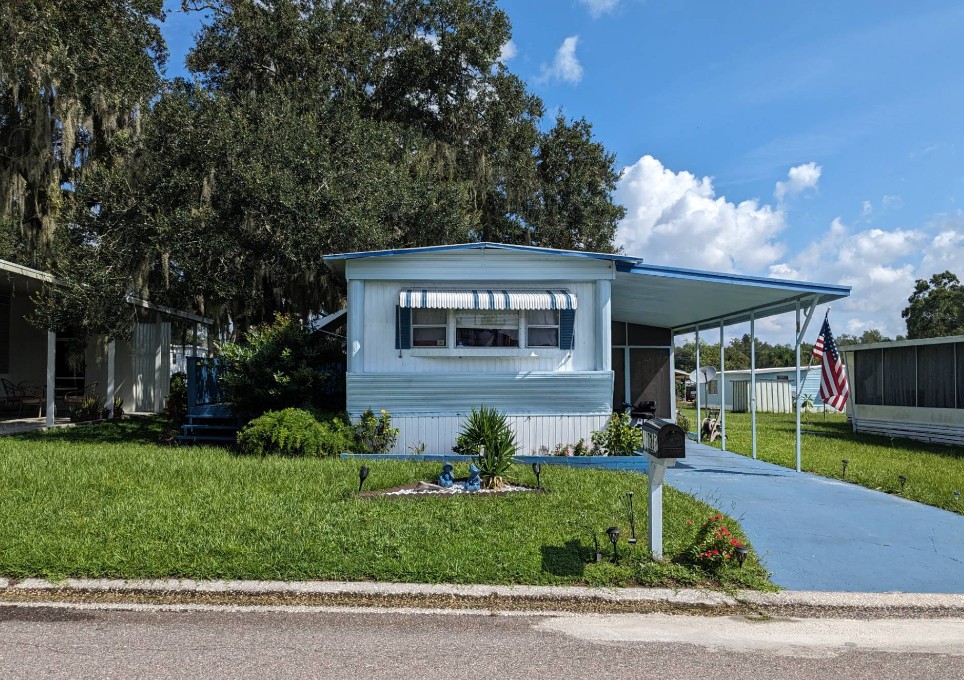
    mobile home under $15000

    Age and Condition

    Mobile homes in the $15,000 price range are often older models that have been previously lived in. As such, you can expect some wear and tear, both inside and out. Common signs of age and wear may include:

    • Exterior: Faded or peeling paint, dented siding, and signs of rust or corrosion on metal components such as the roof or undercarriage.
    • Interior: Worn carpeting or flooring, outdated fixtures and appliances, and minor cosmetic damage such as chipped paint or wallpaper.

    While some level of wear and tear is to be expected, it’s essential to carefully inspect the mobile home for any significant structural issues or damage that may require costly repairs.

    Size and Layout

    Mobile homes under $15,000 are typically smaller in size compared to newer or more expensive models. Single-wide mobile homes, which are narrower and more compact, are more common in this price range compared to double-wide or triple-wide models. The size and layout of the mobile home will influence factors such as living space, storage capacity, and overall comfort.

    Basic Amenities

    Mobile homes in this price range may come with basic amenities, but they are unlikely to have the luxury features found in more expensive models. Common amenities you can expect include:

    • Kitchen appliances: Stove/oven, refrigerator, and possibly a microwave.
    • Heating and cooling: Basic HVAC system or window units for heating and cooling.
    • Bathroom fixtures: Toilet, sink, and bathtub or shower.

    While these amenities provide the essentials for comfortable living, they may be older or less energy-efficient compared to newer models.

    Location and Lot Rent

    The cost of a mobile home is not limited to the purchase price alone. It’s essential to consider ongoing expenses such as lot rent, utilities, and maintenance costs. Mobile homes in this price range are often located in mobile home parks where lot rent is charged monthly. Lot rent can vary depending on factors such as location, amenities, and park management fees. Consider these additional expenses in your budget when considering a mobile home under $15,000.

    Potential Renovations and Repairs

    Due to their age and condition, mobile homes in this price range may require some renovations or repairs to make them livable or meet your specific needs. Common renovation projects may include:

    • Flooring replacement: Installing new flooring such as laminate, vinyl, or carpeting.
    • Painting: Freshening up interior walls with a new coat of paint.
    • Appliance upgrades: Replacing older appliances with newer, more energy-efficient models.
    • Cosmetic updates: Updating fixtures, hardware, and other cosmetic elements to improve the home’s overall appearance.

    While renovations and repairs can add to the initial cost of purchasing a mobile home, they can also increase its value and improve your quality of life.

    Conclusion

    While purchasing a mobile home under $15,000 may require some compromises in age, condition, and amenities, it can still offer a viable housing option for those on a tight budget. By understanding what to expect in this price range, including factors such as age and condition, size and layout, basic amenities, location, and lot rent, and potential renovations and repairs, you can make an informed decision and find a mobile home that meets your needs and budget.

    Remember to carefully inspect any mobile home you’re considering purchasing, and don’t hesitate to ask questions or seek professional advice if needed. With careful planning and consideration, you can find a mobile home that provides affordable and comfortable living for you and your family.
     

    See Also:

  • Do Mobile Homes Under $5,000 Exist in Florida? What to Expect

    Mobile homes, often referred to as manufactured homes, offer an affordable housing option for many Americans. In Florida, where the cost of living can be high, the prospect of finding a mobile home for under $5,000 might seem like an impossible dream to some. However, with diligent searching and understanding of the market, it is possible to find mobile homes within this budget. This article will explore the feasibility of finding mobile homes under $5,000 in Florida and what prospective buyers can expect regarding condition, location, and associated costs.

    Understanding the Market for Mobile Homes in Florida

    Before delving into the specifics of finding mobile homes under $5,000 in Florida, it’s essential to understand the broader market dynamics. Florida has many mobile home communities catering to various demographics, including retirees, seasonal residents, and individuals seeking affordable housing options. The state’s diverse landscape, ranging from bustling urban areas to tranquil coastal regions, offers potential buyers a range of housing options.

    mobile home under $5000

    In recent years, the demand for affordable housing has increased across the United States, including Florida. This trend has led to a growing interest in mobile homes, which are often more affordable than traditional site-built homes. However, the availability of mobile homes priced under $5,000 can be limited, especially in popular or high-demand areas.

    Factors Influencing Mobile Home Prices

    Several factors influence the pricing of mobile homes in Florida, including:

    1. Location: Mobile home prices can vary significantly depending on the site. Homes in desirable areas, such as coastal communities or proximity to urban centers, tend to command higher prices.
    2. Age and Condition: The age and condition of a mobile home play a significant role in determining its price. Newer homes or those in excellent need will typically be priced higher than older or fixer-upper models.
    3. Community Amenities: Mobile home communities often offer various amenities and services, such as clubhouse facilities, swimming pools, and recreational activities. Homes located within communities with desirable amenities may be priced higher than those in basic communities.
    4. Market Demand: Market demand fluctuates based on economic conditions, housing trends, and demographic factors. Mobile home prices may be higher in areas with high demand and limited supply.

    Finding Mobile Homes Under $5,000 in Florida

    Mobile homes priced under $5,000 may be rare in some parts of Florida, but they are somewhat unheard of. Prospective buyers willing to invest time and effort into their search may be able to find affordable options through various channels:

    1. Online Marketplaces: Websites such as Craigslist, Facebook Marketplace, and mobile home-specific platforms list various mobile homes for sale across Florida. Buyers can filter their search based on price range, location, and other preferences to find listings within their budget.
    2. Auctions and Foreclosures: Auctions and foreclosure sales can sometimes present opportunities to purchase mobile homes at below-market prices. Buyers should research upcoming auctions and foreclosure listings in their desired area and be prepared to act quickly.
    3. Mobile Home Parks: Some mobile home parks may have older or distressed homes available for sale at lower prices. Contacting park management or residents’ associations can provide insights into available listings within the community.
    4. Networking: Networking with local real estate agents, mobile home investors, and community members can uncover hidden gems or off-market opportunities. Attending local real estate events and networking groups can help buyers expand their connections and access potential leads.

    What to Expect from Mobile Homes Under $5,000

    Prospective buyers must set realistic expectations when considering mobile homes priced under $5,000. While these homes offer an affordable housing option, they often come with specific challenges and considerations:

    1. Condition: Mobile homes priced under $5,000 will likely be older or need repairs and renovations. Buyers should be prepared to invest additional time and resources to address maintenance issues or cosmetic updates.
    2. Location: Lower-priced mobile homes may be in less desirable areas or communities with fewer amenities. Buyers should consider the location and proximity to essential services, employment opportunities, and recreational facilities.
    3. Financing and Insurance: Securing funding for mobile homes under $5,000 can be challenging, as traditional lenders may have minimum loan amounts or strict eligibility requirements. Additionally, insurance premiums for older or lower-priced homes may be higher.
    4. Inspection and Due Diligence: Before purchasing a mobile home, buyers should conduct a thorough inspection to assess its structural integrity, mechanical systems, and overall condition. Engaging a qualified inspector can help identify any potential issues and avoid costly surprises down the road.

    Conclusion

    While finding a mobile home for under $5,000 in Florida may require patience, persistence, and careful research, it is indeed possible for motivated buyers. Prospective buyers can confidently navigate the process by understanding the market dynamics, exploring various channels for listings, and setting realistic expectations. 

    Ultimately, mobile homes priced under $5,000 offer an affordable housing option for individuals seeking homeownership in Florida, provided they are willing to invest the necessary time and effort into their search and subsequent maintenance.


    See Also:

  • Navigating the Notion: Are Mobile Homes Considered Portable Homes?

    The evolving landscape of housing options has led to a broad spectrum of terminologies, often confusing the characteristics and capabilities of different types of dwellings. Among these terms, “mobile homes” and “portable homes” are occasionally used interchangeably, prompting the question: Are mobile homes considered portable homes? In this comprehensive exploration, we will delve into the definitions, distinctions, and considerations surrounding mobile homes and their status as portable dwellings.

    Portable Homes

    Understanding Mobile Homes

    Mobile homes, also referred to as manufactured homes, are factory-built structures constructed off-site and transported to their final location for installation. Historically, these homes were introduced as a more affordable and flexible housing solution, featuring the ability to be transported from one location to another. Mobile homes typically adhere to federal building codes set by the Department of Housing and Urban Development (HUD) to ensure safety, durability, and quality standards.

    Key Features of Mobile Homes

    1. Transportability: Mobile homes’ defining characteristic is their ability to be transported to different locations. They are built on a steel chassis with wheels, allowing for relocation.
    2. Construction Standards: Mobile homes must comply with the HUD Code, a set of federal standards that govern design, construction, and safety. This code ensures a consistent level of quality and adherence to regulations.
    3. Sizes and Configurations: Mobile homes come in various sizes, ranging from single-section units to larger double-section or triple-section homes. They often include multiple bedrooms, bathrooms, and modern amenities.
    4. Installation in Mobile Home Parks: Many mobile homes are situated in designated homes or communities, offering infrastructure and services tailored to their unique needs.

    Understanding Portable Homes

    The term “portable homes” is broader and encompasses a variety of dwellings designed for mobility. Portable homes are generally characterized by their ability to be moved but may differ significantly in terms of construction, size, and intended use. The category of portable homes includes tiny houses on wheels, container homes, and other innovative housing solutions that prioritize flexibility and mobility.

    Key Features of Portable Homes

    1. Diverse Construction Methods: Portable homes can be constructed using various methods, including traditional building materials, repurposed shipping containers, or modular components. The construction may not necessarily adhere to a specific federal code.
    2. Tiny Houses on Wheels: Tiny houses on wheels (THOWs) are a popular subset of portable homes. These compact dwellings are built on trailers, allowing for easy transportation. THOWs often emphasize minimalism and efficient use of space.
    3. Innovative Designs: Portable homes often showcase innovative and creative designs, leveraging modern technologies and sustainable practices. They cater to individuals seeking a simpler lifestyle or a unique and customizable housing solution.
    4. Flexibility in Placement: Portable homes offer flexibility in terms of placement. They may be situated on private land, in designated communities, or as part of temporary or seasonal housing solutions.

    Mobile Homes vs. Portable Homes: Clarifying the Distinctions

    1. Regulatory Compliance:
      • Mobile Homes: Mobile homes must adhere to the HUD Code, which establishes stringent standards for design, construction, and safety. This federal code provides a comprehensive framework to ensure the quality and durability of mobile homes.
      • Portable Homes: Portable homes, including tiny houses on wheels, may not be subject to the same standardized regulations. The construction and safety standards can vary, and not all portable homes follow a specific code.
    2. Transportability:
      • Mobile Homes: Mobile homes are explicitly designed for transportability. They are constructed on a chassis with wheels, making them suitable for relocation. This feature is central to the concept of mobile homes.
      • Portable Homes: While many portable homes are designed to be moved, not all are equipped with wheels for transportation. Some may be disassembled and reassembled, while others, like container homes, may be transported as a single unit.
    3. Construction Materials:
      • Mobile Homes: Mobile homes typically use traditional building materials. They are factory-built and transported in sections, often featuring wood or steel framing and conventional insulation.
      • Portable Homes: Portable homes may employ a wide range of construction materials, including steel, wood, or alternative materials like shipping containers. The emphasis on innovation allows for diverse construction methods and materials.
    4. Intended Use and Lifestyle:
      • Mobile Homes: Mobile homes are often associated with a more permanent or semi-permanent living arrangement. They are commonly situated in mobile home parks or communities and offer a housing solution with the potential for relocation.
      • Portable Homes: Portable homes, especially tiny houses on wheels, may cater to a more nomadic lifestyle. They are often embraced by individuals seeking flexibility, mobility, or the ability to live off the grid. Some portable homes are used for temporary or vacation housing.

    Legal and Zoning Considerations

    Legal and zoning considerations play a crucial role when considering the mobility of mobile homes and portable homes. Mobile homes are subject to specific zoning regulations, often designated for manufactured housing. Mobile home parks or communities are established to accommodate these homes, providing necessary infrastructure and services.

    On the other hand, portable homes may be accepted differently in different communities. Zoning laws and building codes may not explicitly address their unique characteristics, leading to challenges in finding suitable locations for placement. Some areas may be more open to alternative housing solutions, while others may have strict regulations.

    Before deciding to move or place a mobile or portable home, it’s essential to research and understand the local zoning laws and regulations. This includes verifying whether the chosen location allows for the placement of mobile or portable homes, obtaining necessary permits, and ensuring compliance with local building codes.

    Conclusion: Navigating Housing Diversity

    In conclusion, while mobile homes and portable homes share mobility characteristics, they differ in construction standards, regulatory compliance, and intended use. Mobile homes, built to strict federal codes, are designed for relocation and often provide a more permanent housing solution. Portable homes, including tiny houses on wheels, showcase innovation in design and construction but may not adhere to standardized codes.

    The evolving landscape of housing options reflects a growing demand for diversity and flexibility in living arrangements. Whether opting for the established mobility of a mobile home or the innovative design of a portable home, individuals are empowered to choose a housing solution that aligns with their lifestyle, values, and aspirations. As the housing market evolves, understanding the distinctions between mobile homes and portable homes becomes crucial for those navigating the diverse landscape of modern housing options.


    See Also:

  • Mobile Homes vs. Trailer Homes: Understanding the Key Differences

    In the realm of affordable housing, mobile homes, and trailer homes are two terms often used interchangeably. However, these dwellings have distinct characteristics that set them apart. In this article, we’ll delve into the nuances of mobile homes and trailer homes to shed light on their differences and help potential homeowners make informed decisions.

    Defining Mobile Homes

    Mobile homes, also known as manufactured homes, are factory-built houses that are transported to a specific location for installation. Unlike traditional site-built homes, mobile homes are constructed off-site, usually in a controlled environment, ensuring a more streamlined and efficient building process. These homes comply with strict federal building codes set by the Department of Housing and Urban Development (HUD), ensuring safety, durability, and quality standards.

    One key feature of mobile homes is their transportability. They are built on a steel chassis with wheels, making it possible to move them from one location to another. This mobility is particularly advantageous for individuals who may need to relocate due to job changes or other circumstances.trailer homes

    Understanding Trailer Homes

    On the other hand, trailer homes are often associated with the idea of temporary or portable housing. They are generally smaller and more rudimentary in design compared to mobile homes. Trailers are often built on a non-permanent chassis, making them less stable and harder to move.

    It’s crucial to note that the term “trailer home” can be a bit ambiguous, as it’s used to refer to different types of housing structures. Historically, the term “trailer home” was commonly used to describe early mobile homes, which were relatively basic and had a resemblance to travel homes. In contemporary usage, “trailer home” might also refer to tiny houses on wheels or other portable housing options.

    Key Differences in Construction

    One of the primary distinctions between mobile homes and trailer homes lies in their construction methods and standards. Mobile homes adhere to the HUD Code, a set of federal standards that dictate design, construction, strength, and durability. The HUD Code ensures that mobile homes meet specific safety and quality benchmarks, making them a reliable and viable housing option.

    Trailer homes, on the other hand, may not be subject to the same rigorous standards as mobile homes. The term is broad and can encompass a variety of structures, from makeshift dwellings to tiny houses on wheels. Without a standardized code, the construction quality of homes can vary significantly, potentially leading to issues related to safety and durability.

    Size and Design Variances

    Another notable difference between mobile homes and trailer homes is the size and design variability. Mobile homes tend to be larger and more spacious, with standardized sizes that can range from single-section units to larger double-section or triple-section homes. These homes often come with features such as multiple bedrooms, bathrooms, and modern amenities.

    Trailer homes, in contrast, are generally smaller and may have a more diverse range of designs. They can include tiny houses on wheels, which are compact and focus on maximizing space efficiency. While mobile homes often adhere to a standard size range, trailer homes can vary widely in size, style, and layout.

    Zoning and Placement Regulations

    The zoning and placement regulations for mobile homes and trailer homes can differ based on local ordinances and regulations. Mobile homes are typically subject to specific zoning codes that designate areas for manufactured housing. In many cases, mobile home parks or communities are established to accommodate these homes, providing infrastructure and services tailored to their needs.

    Trailer homes, especially tiny houses on wheels, may face more challenges when it comes to finding suitable locations for placement. Zoning laws regarding the use of land and housing structures can be stricter for trailer homes, and not all areas are welcoming to these portable dwellings. Potential homeowners must navigate local regulations and ordinances to find legal and acceptable placements for their trailer homes.

    Appreciation and Depreciation

    The financial aspect of homeownership is a crucial consideration when comparing mobile homes and trailer homes. Mobile homes, built to federal standards and often installed in dedicated communities, may experience a more stable and appreciable value over time. These homes are designed to meet high-quality standards, and their value can be influenced by factors such as location, community amenities, and overall condition.

    Trailer homes, especially those on wheels, may depreciate more rapidly than mobile homes. The perception of trailer homes as temporary or unconventional housing options can impact their resale value. Additionally, the lack of standardized construction and safety codes for some trailer homes can contribute to depreciation concerns.

    The Bottom Line

    In summary, while mobile homes and trailer homes share some similarities, they are distinct in terms of construction, size, design, zoning regulations, and financial considerations. Mobile homes, constructed to meet federal standards, offer a more regulated and stable housing option with the potential for appreciation. Trailer homes, on the other hand, encompass a broad range of portable housing structures, with varying degrees of quality, safety, and regulatory compliance.

    As individuals explore housing options, understanding these differences becomes crucial in making informed decisions about the type of dwelling that aligns with their needs, preferences, and long-term goals. Whether opting for the mobility of a manufactured home or the versatility of a trailer home, potential homeowners must carefully weigh the advantages and disadvantages to find the housing solution that suits their lifestyle and budget.

    See Also:

  • A Guide to Finding a Reliable and Trusted Mobile Home Sales Agent in Florida

    As the allure of living in Florida’s vibrant communities continues to grow, many individuals are exploring the option of purchasing mobile homes. Whether you’re a first-time homebuyer, a retiree looking for a sunny haven, or someone seeking an affordable housing solution, finding a reliable and trusted mobile home sales agent in Florida is crucial. In this comprehensive guide, we will delve into the key considerations and steps to ensure you partner with a professional who can guide you through the process seamlessly.

    1. Research and Referrals

    The first step in finding a reliable mobile home sales agent is conducting thorough research. Start by seeking recommendations from friends, family, or colleagues who may have experience with mobile home purchases in Florida. Their insights can provide valuable firsthand information about their agent and the overall buying process. Additionally, online reviews and testimonials can offer a broader perspective on an agent’s reputation and reliability.

    mobile home sales agent  inflorida

    2. Specialization in Mobile Homes

    Real estate is a diverse field and specialization matters. Look for agents who specifically specialize in mobile home sales in Florida. These professionals possess a deep understanding of the unique aspects of mobile home transactions, including park regulations, financing options, and the inspection process. Specialized knowledge ensures a smoother and more informed experience for buyers.

    3. Licensing and Credentials

    Verify that the mobile home sales agent you are considering is licensed and holds the necessary credentials. In Florida, real estate professionals, including mobile home sales agents, must be licensed by the Florida Department of Business and Professional Regulation. Request information about their license, certifications, and any additional training related to mobile home sales.

    4. Experience and Track Record

    An agent’s experience is a key indicator of their competence. Look for an agent with a solid track record of successful mobile home transactions in Florida. Experienced agents are often well-connected in the industry, have a deeper understanding of market trends, and can provide valuable insights into the nuances of mobile home purchases.

    5. Local Market Knowledge

    Florida’s real estate market is diverse, with variations in prices, regulations, and community amenities. A reliable mobile home sales agent should have a deep knowledge of the local market conditions in the specific areas you are interested in. They should be able to guide you on property values, neighborhood characteristics, and any future developments that may impact your investment.

    6. Transparency and Communication

    Open and transparent communication is vital throughout the home-buying process. Choose an agent who is responsive, communicative, and willing to address your concerns. A reliable agent will keep you informed about potential properties, provide clear explanations of the buying process, and promptly respond to your inquiries.

    7. Network and Resources

    Successful mobile home transactions often involve collaboration with various professionals, including inspectors, lenders, and title companies. A trusted agent should have a network of reliable professionals to ensure a seamless process. Inquire about the agent’s network and resources, as this can significantly impact the efficiency of your home purchase.

    8. Client Testimonials and References

    Request client testimonials or references from previous mobile home buyers who worked with the agent. This firsthand feedback can offer valuable insights into the agent’s professionalism, negotiation skills, and overall client satisfaction. Don’t hesitate to contact these references to gain a more comprehensive understanding of the agent’s performance.

    9. Understanding Fees and Contracts

    Before entering into any agreement, carefully review and understand the fees associated with the services of the mobile home sales agent. Discuss the commission structure and any additional costs involved. A reliable agent will be transparent about their fees and provide a clear overview of the contractual terms.

    10. Visit Open Houses and Showings

    Attend open houses and showings organized by the agent to get a sense of their approach and professionalism. This also provides an opportunity to ask questions about the properties, gauge their knowledge, and assess their dedication to client satisfaction.

    Final Thoughts

    Finding a reliable and trusted mobile home sales agent in Florida requires diligence, research, and a careful evaluation of candidates. By considering factors such as specialization, licensing, experience, local market knowledge, communication skills, and client testimonials, you can make an informed decision. Partnering with the right agent can transform the mobile home buying process into a smooth and rewarding experience, unlocking the doors to the Sunshine State dream with confidence and peace of mind.


    See Also:

  • What to Expect from Used Mobile Homes in Florida

    Florida, the Sunshine State, is not just a haven for retirees and sun-seekers; it’s also a place where the real estate market offers unique opportunities, particularly in the realm of used mobile homes. As the demand for affordable housing continues to rise, many individuals are focusing on the charm and practicality of used mobile homes in Florida. In this article, we’ll explore the ins and outs of the used mobile home market in Florida, shedding light on what potential buyers can expect and the considerations that come with this housing option.

    The Appeal of Used Mobile Homes in Florida

    1. Affordability

    Used mobile homes in Florida are often more affordable than traditional houses, making them an attractive option for those on a budget. The lower upfront costs, coupled with the potential for lower property taxes and maintenance expenses, make mobile homes an appealing choice for first-time homebuyers, retirees, and anyone looking to stretch their housing budget.

    used mobile home in florida

    2. Weather-Resistant Construction

    Florida is no stranger to extreme weather conditions, including hurricanes and tropical storms. One of the advantages of mobile homes in the state is that they are often constructed with weather-resistant materials and designed to meet stringent building codes. This can provide a sense of security for residents, knowing that their homes are equipped to withstand the elements.

    3. Community Living

    Many used mobile homes in Florida are situated within well-maintained mobile home parks or communities. These communities often offer amenities such as swimming pools, clubhouses, and recreational areas, fostering a sense of community and providing additional value to residents. For those seeking a social and communal living experience, this aspect can be a significant draw.

    Key Considerations When Purchasing a Used Mobile Home in Florida

    1. Age and Condition

    Mobile homes, like any structure, have a lifespan, and it’s crucial to consider the age and condition of a used mobile home before making a purchase. While older homes may come at a lower price, they may require more maintenance and renovations. Inspecting the structural integrity, roofing, plumbing, and electrical systems is essential to ensure that the home is in good condition and compliant with Florida’s building codes.

    2. Location

    Florida offers a diverse range of landscapes and climates, from coastal areas to inland regions. When purchasing a used mobile home, consider the location carefully. Proximity to amenities, healthcare facilities, schools, and your workplace are vital factors. Additionally, being aware of the zoning regulations in the area is crucial to understanding any restrictions or requirements related to mobile home ownership.

    3. Community Rules and Regulations

     Mobile home parks often have their own set of rules and regulations. These may include restrictions on exterior modifications, pet policies, and community fees. Before finalizing a purchase, it’s essential to thoroughly review and understand the community’s rules to ensure they align with your lifestyle and preferences.

    4. Insurance and Resale Value

    Securing insurance for a mobile home in Florida is a critical step in protecting your investment. Due to the state’s susceptibility to natural disasters, insurance considerations should be a priority. Additionally, understanding the potential resale value of the mobile home is important for future planning. Factors such as location, age, and overall condition can influence the property’s marketability.

    5. Inspection and Documentation

    Before closing a deal, it’s advisable to conduct a thorough inspection of the used mobile home. Hiring a qualified home inspector can help identify any issues that may not be apparent during a casual viewing. Additionally, ensure that all necessary documentation, including the title and any relevant permits, is to avoid legal complications down the road.

    Conclusion

    Used mobile homes in Florida present a unique and affordable housing option for a diverse range of individuals, from retirees seeking a sunny retreat to first-time homebuyers looking to enter the property market. The key to a successful purchase lies in careful consideration of factors such as the age and condition of the home, its location, community regulations, insurance, and resale potential. With the right due diligence, buyers can unlock the door to the Sunshine State dream and enjoy the benefits of mobile home living in one of the most vibrant and dynamic states in the United States.


    See Also:

  • What to Expect from a $10,000 Mobile Home in Florida

    In a state known for its sunshine, diverse landscapes, and vibrant communities, Florida is increasingly becoming an attractive destination for those seeking affordable housing options. One such option that has gained popularity is the $10,000 mobile home. In this article, we will delve into what you can expect when considering a mobile home in the Sunshine State, exploring the benefits, challenges, and unique aspects of this affordable housing solution.

    Affordability and Accessibility

    The primary draw of a $10,000 mobile home in Florida is its affordability. Compared to traditional houses, mobile homes offer a budget-friendly alternative for individuals and families looking to own property without breaking the bank. This accessibility opens up opportunities for first-time homebuyers, retirees, and anyone looking to embrace a more minimalist lifestyle.

    $10000 mobile home

    Location, Location, Location

    Florida’s diverse landscapes and communities provide a variety of options for those interested in mobile home living. From coastal towns to rural settings, prospective buyers can choose the location that aligns with their lifestyle preferences. Coastal mobile homes offer proximity to beaches and a laid-back lifestyle, while those in rural areas provide a quiet retreat from the hustle and bustle of city life.

    Understanding the Mobile Home Market

    Before delving into the specifics, it’s crucial to understand the mobile home market in Florida. Mobile homes, also known as manufactured homes, come in various sizes and styles, ranging from single-wide to double-wide units. The $10,000 price point typically applies to older models that may require some renovations or updates. While these homes may have some wear and tear, they can serve as a blank canvas for customization and improvement.

    Benefits of Mobile Home Living

    1. Affordability: The most apparent benefit of opting for a $10,000 mobile home is the cost savings. With lower upfront costs and often more energy-efficient features, mobile homes can result in lower monthly expenses compared to traditional houses.
    2. Flexibility: Mobile homes offer a level of flexibility that traditional housing may not provide. If your lifestyle changes or you decide to relocate, it’s relatively easier to move a mobile home than to sell or move a traditional house.
    3. Community Living: Many mobile home parks in Florida foster a sense of community among residents. These communities often organize events, social gatherings, and shared amenities, creating a supportive and engaging environment.

    Challenges of Mobile Home Living

    1. Resale Value: While mobile homes are affordable, their resale value may not appreciate as much as traditional homes. It’s essential to consider this factor if you plan to move or upgrade in the future.
    2. Maintenance and Upkeep: Older mobile homes may require more frequent maintenance and upgrades. It’s crucial to budget for potential repairs and renovations to ensure the longevity of your investment.
    3. Land Ownership: In some cases, the $10,000 price tag may only cover the mobile home itself, with land lease fees adding to the overall cost. It’s essential to clarify whether the purchase includes both the home and the land or if additional fees apply.

    Customization and Personalization

    Purchasing a $10,000 mobile home in Florida often means acquiring a unit with some history. However, this can be an advantage for those with a knack for DIY projects and home improvement. Mobile homes provide an excellent opportunity for customization, allowing homeowners to personalize their living space according to their preferences and needs. From updating flooring and appliances to adding energy-efficient features, the possibilities are endless for those willing to invest time and effort into transforming their mobile home into a cozy haven.

    Regulations and Zoning

    Before embarking on the journey of purchasing a $10,000 mobile home in Florida, it’s crucial to be aware of local regulations and zoning laws. Mobile homes are subject to specific rules that vary by county and municipality. Some areas may have restrictions on the age and condition of mobile homes allowed in certain neighborhoods, while others may have guidelines regarding the setup of mobile home parks. Understanding these regulations ensures a smoother transition into mobile home living and helps avoid potential legal issues.

    Final Words

    A $10,000 mobile home in Florida opens doors to affordable homeownership, offering a unique blend of flexibility, customization, and community living. While there are challenges to consider, such as maintenance and resale value, the benefits can outweigh these concerns for those seeking an economical and adaptable housing solution. As the demand for affordable housing continues to rise, mobile homes in Florida provide an intriguing option for individuals and families looking to embrace the Sunshine State’s charm without breaking the bank.


    See Also:

  • Is a Mobile Home Sales Agent a Sustainable Career?

    In the ever-evolving landscape of real estate, professionals are constantly exploring diverse niches to find lucrative and sustainable career paths. One such avenue gaining attention is the realm of mobile home sales. Mobile homes, also known as manufactured homes, offer an affordable housing option for many individuals and families. As the demand for cost-effective housing solutions continues to rise, the role of a mobile home sales agent becomes increasingly significant. This article delves into the factors that contribute to the sustainability of a career as a mobile home sales agent.

    mobile home sales agent

    The Growing Demand for Affordable Housing

    In recent years, the cost of traditional housing has soared, making homeownership a distant dream for many. In this scenario, mobile homes emerge as a viable alternative, providing a more affordable option for those seeking to own a home. The increasing demand for cost-effective housing solutions, especially among first-time homebuyers and retirees, positions mobile home sales as an area with significant growth potential.

    Flexibility and Geographic Diversity

    One of the notable aspects of a career as a mobile home sales agent is the flexibility it offers. Unlike traditional real estate agents who are often tied to specific geographical areas, mobile home sales agents can tap into a broader market. The ability to work across different regions allows agents to adapt to changing market trends and capitalize on emerging opportunities. This geographic diversity can be a key factor in the sustainability of a mobile home sales career, offering agents the chance to navigate economic fluctuations and varying demands across different locations.

    Market Resilience and Stability

    The mobile home market has demonstrated resilience even during economic downturns. Historically, affordable housing options tend to maintain stability when faced with economic challenges. Mobile homes, being more budget-friendly than traditional houses, remain an attractive choice for buyers seeking financial prudence in uncertain times. This inherent stability contributes to the sustainability of a career in mobile home sales, as agents can continue to find clients and close deals even when other sectors of the real estate market face downturns.

    Educational Opportunities and Advancements

    The mobile home industry has seen advancements in design, construction, and energy efficiency in recent years. With an increasing focus on sustainability and innovation, mobile homes have become more attractive to environmentally conscious consumers. Mobile home sales agents who stay informed about these advancements and can effectively communicate the benefits to potential buyers position themselves as valuable assets in the market. Continuous learning and staying abreast of industry trends are essential for a sustainable career in this field.

    Challenges in Mobile Home Sales

    While there are undoubtedly opportunities in mobile home sales, it is important to acknowledge the challenges that agents may face. The stigma associated with mobile homes being of lower quality or located in undesirable communities can be a hurdle. Overcoming these stereotypes and effectively communicating the benefits of mobile home living requires skillful negotiation and a deep understanding of the market.

    Moreover, regulatory differences and zoning restrictions can vary widely from one location to another, adding complexity to the sales process. Mobile home sales agents must be well-versed in local regulations and work closely with clients to navigate these challenges. The ability to adapt to changing regulatory environments and address client concerns is crucial for long-term success.

    Building Trust and Long-Term Relationships

    Establishing trust is fundamental in any real estate career, and mobile home sales are no exception. Given the potential stigma associated with mobile homes, sales agents must work diligently to build trust with clients. This involves not only showcasing the quality and affordability of mobile homes but also demonstrating a commitment to helping buyers find the right home for their needs. Building long-term relationships with clients can lead to referrals and repeat business, contributing to the sustainability of a mobile home sales career.

    Marketing Strategies and Online Presence

    In the digital age, a strong online presence is essential for any real estate professional. Mobile home sales agents need to leverage digital marketing strategies to reach a broader audience. This includes maintaining an informative and visually appealing website, utilizing social media platforms, and exploring online advertising avenues. Effectively marketing mobile homes as a viable housing option requires creativity and an understanding of the target demographic. Agents who can adeptly navigate the online landscape position themselves for success in this competitive market.

    Final Words

    A career as a mobile home sales agent presents unique opportunities and challenges. The increasing demand for affordable housing, coupled with the flexibility and geographic diversity inherent in the mobile home market, contributes to the sustainability of this career path. Agents who stay informed about industry advancements, overcome challenges associated with stigma and regulations, and build trust with clients can establish a thriving and enduring career in mobile home sales. While the landscape may evolve, the fundamental need for affordable housing ensures that mobile home sales will remain a pertinent and potentially lucrative niche within the broader real estate industry. Aspiring agents should carefully consider the factors discussed in this article to determine if a career in mobile home sales aligns with their skills, goals, and vision for long-term success.


    See Also:

  • Do You Need a License to Become a Mobile Home Sales Agent in Florida?

    In the dynamic world of real estate, opportunities abound for those looking to carve a niche in specific markets. In the state of Florida, the mobile home sales industry has gained traction, attracting individuals eager to capitalize on this growing sector. One common question prospective agents often ask is, “Do you need a license to become a mobile home sales agent in Florida?” Surprisingly, the answer is not as straightforward as one might think. In Florida, while a license is generally required for real estate activities, mobile home sales agents can operate under a licensed broker without obtaining an individual license.

    The Licensing Landscape

    Florida is known for its stringent real estate licensing requirements, but the rules are somewhat different for mobile home sales agents. Traditionally, real estate agents dealing with residential or commercial properties must obtain a license through the Florida Department of Business and Professional Regulation (DBPR). This process involves completing a pre-licensing course, passing a state exam, and meeting other eligibility criteria.

    mobile home sales agent florida

    However, the state acknowledges the unique nature of the mobile home market. In Florida, mobile homes are considered personal property rather than real property. As a result, the licensing requirements for mobile home sales agents are less stringent compared to traditional real estate agents.

    Operating under a Licensed Broker

    While individual licensing might not be a prerequisite for mobile home sales agents, they are required to operate under the umbrella of a licensed broker. A licensed broker serves as a guiding force, providing essential oversight and ensuring that transactions adhere to legal and ethical standards.

    Working under a licensed broker offers numerous advantages for aspiring mobile home sales agents. The broker can provide valuable mentorship, industry insights, and training programs to enhance the agent’s skills. This arrangement not only benefits the agent but also contributes to maintaining professionalism and integrity within the mobile home sales sector.

    Training Opportunities

    One of the key benefits of working under a licensed broker is access to comprehensive training programs. Mobile home sales agents often face unique challenges compared to their counterparts in traditional real estate. Understanding the intricacies of mobile home transactions, including legal considerations and market trends, is crucial for success in this niche.

    Licensed brokers can offer specialized training to their agents, covering topics such as mobile home valuation, negotiation strategies, and compliance with state regulations. This hands-on approach equips agents with the knowledge and skills necessary to navigate the mobile home sales landscape confidently.

    Moreover, licensed brokers often have established networks within the industry, providing agents with valuable connections and potential leads. This collaborative environment fosters a culture of continuous learning and improvement, ensuring that mobile home sales agents stay competitive and well-informed.

    Legal Considerations

    While the absence of an individual license might ease entry into the mobile home sales market, agents must still adhere to legal requirements and ethical standards. Working under a licensed broker does not exempt agents from accountability. Instead, it reinforces the importance of conducting business with integrity and transparency.

    Licensed brokers are responsible for overseeing the activities of their agents, ensuring that all transactions comply with state laws and regulations. This collaborative relationship between agents and brokers is crucial for maintaining the credibility and reputation of the mobile home sales industry in Florida.

    The Bottom Line

    The path to becoming a mobile home sales agent in Florida differs from that of traditional real estate agents. While an individual license is not a strict requirement, prospective agents must operate under the guidance of a licensed broker. This unique arrangement offers a supportive environment for learning and growth, with brokers providing essential training and mentorship.

    As the mobile home sales market continues to evolve, the importance of professionalism and adherence to legal standards cannot be overstated. Working under a licensed broker not only fulfills regulatory requirements but also ensures that agents are well-prepared to navigate the complexities of the mobile home sales industry in Florida. So, while a license may not be a standalone requirement, the collaborative relationship between mobile home sales agents and licensed brokers remains integral to success in this burgeoning sector.

    Contact Us if you want to become a mobile home sales agent in Florida


    See Also:

  • The Top 5 Reasons to Use a Mobile Home Sales Agent in Florida

    Are you considering buying or selling a mobile home in Florida? The decision to enlist the help of a mobile home sales agent might be one of the best choices you make during this process. While the idea of going solo might be tempting, there are several compelling reasons why partnering with a knowledgeable and experienced mobile home sales agent, such as those at Mobile Home Connection, can significantly benefit you.

    1. Knowledge and Expertise

    A licensed mobile home sales agent possesses in-depth knowledge and expertise in the local market. Mobile Home Connection’s agents are well-acquainted with Florida’s diverse communities and can guide you through the complexities of buying or selling a mobile home. Their expertise includes understanding the nuances of the mobile home market, such as emerging neighborhoods and homes likely to sell quickly. Mobile home sales agents can coordinate financing, work with appraisers, and navigate the unique rules and regulations of each community, ensuring a smooth and informed transaction process.

    mobile home sales agent

    2. Access to More Listings & a Wider Network

    Mobile home sales agents have access to a broader range of listings than the average buyer or seller. This access can save you time and effort, as agents can present you with homes that align with your budget and specific requirements. For sellers, being part of an agency like Mobile Home Connection means exposure to a vast network of potential buyers. Listings with specialized agencies often benefit from optimized online databases, increasing the visibility of your property to the right audience.

    3. Improved Negotiation Skills

    Negotiating the purchase or sale of a mobile home can be challenging. Mobile home sales agents possess negotiation skills honed through experience. They can work with sellers to secure a fair price and ensure all necessary paperwork is accurately completed. For sellers, effective negotiation can expedite the process and alleviate stress. Having an experienced advocate during negotiations ensures that your interests are well-represented throughout the transaction.

    4. Simplified and Streamlined Process

    Buying or selling a mobile home involves a multitude of details, from home inspections to coordination with the seller’s agent. A mobile home sales agent can streamline the process by handling these details for you. This simplification minimizes stress and confusion, especially for those new to the mobile home market. With an agent taking care of the logistics, you can focus on finding or selling your ideal home.

    5. Representation

    Choosing a mobile home sales agent means having dedicated representation throughout the entire process. Your agent becomes your advocate, helping you navigate any challenges that may arise and ensuring that your best interests are continually prioritized. This representation is invaluable in a market where nuances can significantly impact the outcome of a transaction.

    The Bottom Line

    While it’s possible to embark on the journey of buying or selling a mobile home independently, the advantages of working with a mobile home sales agent are clear. From their extensive knowledge and access to listings to their negotiation skills and ability to simplify the process, a sales agent can make your mobile home transaction smoother and more successful.

    If you’re ready to take the first steps in buying or selling a mobile home in Florida, don’t hesitate to contact Mobile Home Connection. Our experienced team is here to guide you through the entire process, from planning to turning over the keys. Buying or selling a mobile home doesn’t have to be stressful—with Mobile Home Connection, you’re in capable hands.

    2. Utilities and Services Setup

    Coordinate with local utility providers to ensure all essential services like water, electricity, and gas are set up before your move-in date. This proactive step helps you avoid unnecessary delays and ensures you have a comfortable and functional living space from day one.

    3. Secure Insurance

    Protect your investment by securing adequate insurance coverage for your mobile home. Mobile home insurance typically covers damages, theft, and liability, providing peace of mind as you settle into your new space.

    4. Personalize Your Space

    Make your mobile home truly yours by adding personal touches. Whether it’s new furniture, artwork, or décor, personalization plays a crucial role in turning a house into a home. Consider the unique layout of your mobile home when selecting furnishings to maximize both space and comfort.

    5. Address Safety Measures

    Ensure your mobile home meets safety standards by checking smoke detectors, carbon monoxide detectors, and fire extinguishers. Familiarize yourself with emergency exits and establish a family emergency plan. Prioritizing safety is an essential aspect of creating a secure living environment.

    6. Organize Storage Spaces

    Mobile homes often require creative storage solutions. Invest in organizers, shelves, and storage containers to maximize every inch of space. Proper organization not only makes your home more functional but also contributes to a clutter-free and visually appealing living space.

    7. Weatherproofing

    Depending on your location, weather can be a significant factor. Ensure your mobile home is adequately insulated and sealed against the elements. This includes checking windows, doors, and any potential entry points for drafts. Proper weatherproofing contributes to energy efficiency and a comfortable living environment.

    8. Establish a Maintenance Routine

    Regular maintenance is key to preserving the longevity and value of your mobile home. Create a maintenance checklist that includes tasks such as checking for leaks, inspecting the roof, and servicing HVAC systems. A proactive approach to maintenance can save you both time and money in the long run.

    9. Connect with Neighbors

    Building a sense of community is an integral part of mobile home living. Take the time to introduce yourself to your neighbors, attend community events, and join local social groups. Connecting with your neighbors not only enhances your living experience but also provides a support system within your community.

    10. Explore Local Amenities

    Familiarize yourself with the local area and explore nearby amenities. Identify grocery stores, healthcare facilities, schools, and recreational areas. Understanding your surroundings makes it easier to integrate into the community and ensures you have access to essential services.

    In conclusion, settling into your new mobile home involves a combination of practical tasks, personalization, and community engagement. By following these 10 essential steps, you’ll not only create a comfortable and safe living space but also lay the foundation for a positive mobile home living experience. Embrace the unique opportunities that mobile home living offers and make the most of your new home.


    See Also:

Reset password

Enter your email address and we will send you a link to change your password.

Get started with your account

to save your favourite homes and more

Sign up with email

Get started with your account

to save your favourite homes and more

By clicking the «SIGN UP» button you agree to the Terms of Use and Privacy Policy
Powered by Estatik