Tag: mobile homes for sale

  • Signs of a Failing Mobile Home Frame (And What to Do About It)

    A strong mobile home frame is essential for stability and safety. If the underframe weakens, it can lead to structural problems. Knowing the warning signs early can prevent costly repairs and ensure a secure home.

    Common Signs of a Weak Mobile Home Frame

    A failing mobile home underframe can show different warning signs. Paying attention to these issues can help prevent further damage.

    1. Uneven or Sagging Floors

    If the floors feel soft, bouncy, or sag in certain areas, the chassis may be weakening. This often happens due to rust, corrosion, or shifting supports.

    2. Doors and Windows Stick or Don’t Close Properly

    When a mobile home chassis weakens, it can cause the structure to shift. As a result, doors and windows may not align correctly.
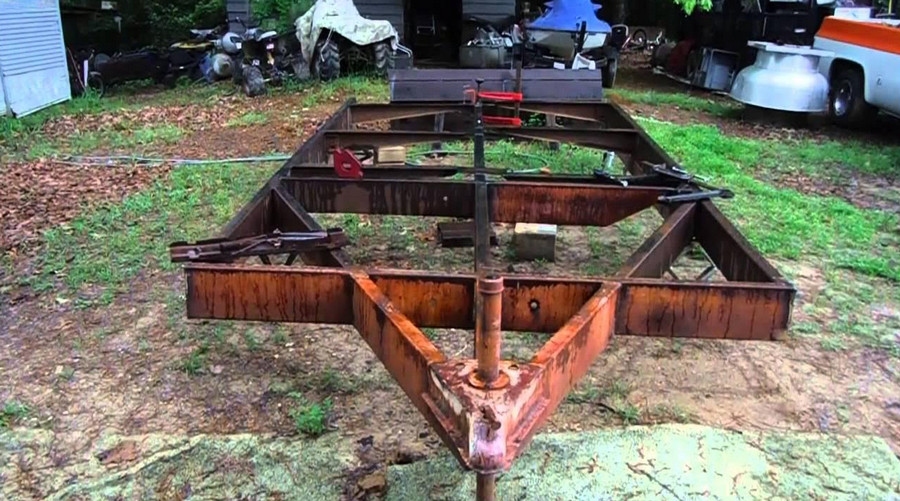
    mobile home frame

    3. Visible Rust or Corrosion

    The metal parts of a mobile home underframe can rust over time, especially in humid climates. Look underneath the home for rust spots or corrosion that weaken the underframe.

    4. Cracks in Walls or Ceiling

    If cracks appear in drywall or ceiling panels, the home may be shifting. This can indicate an uneven or damaged chassis.

    5. Unstable or Wobbly Feeling When Walking

    If the home moves slightly when walking inside, the frame may not be providing adequate support. This can be due to weak connections or failing components.

    What Causes Mobile Home Chassis Damage?

    Several factors contribute to a weakening mobile home underframe. Understanding these causes can help prevent long-term issues.

    • Moisture Exposure: Water damage weakens the metal and wooden parts of the underframe.
    • Poor Installation: An improperly set-up mobile home may experience chassis shifting over time.
    • Age of the Home: Older mobile homes naturally experience wear and tear.
    • Heavy Loads: Adding too much weight, such as large furniture or extra walls, can stress the frame.
    • Foundation Issues: If the foundation shifts, the underframe may bend or twist.

    How to Fix a Weak Mobile Home Frame

    If you notice signs of a weak frame, taking action can prevent bigger problems. Here are some solutions:

    1. Reinforce the Chassis with Additional Supports

    Adding extra steel beams or support jacks can help stabilize the underframe. This is a cost-effective way to strengthen weak areas.

    2. Treat Rust and Corrosion

    Removing rust and applying a protective coating can extend the life of a mobile home frame. Rust-resistant paint or sealants help prevent further damage.

    3. Repair or Replace Damaged Sections

    If certain areas of the chassis are too damaged, a professional may need to replace those sections. Welding or adding new metal beams can restore strength.

    4. Level the Home

    A mobile home should sit level on its foundation. If it shifts, hiring a professional to relevel it can prevent further chassis stress.

    5. Check and Upgrade Foundation Supports

    Ensuring the foundation is stable prevents unnecessary movement. Upgrading to stronger piers or anchors can help keep the frame secure.

    Preventing Future Mobile Home Frame Problems

    Regular maintenance can help keep a mobile home chassis strong. Here are some tips:

    • Inspect the frame annually for signs of rust, cracks, or shifting.
    • Keep the home properly leveled to avoid unnecessary stress on the frame.
    • Seal areas exposed to moisture to prevent rust and corrosion.
    • Avoid overloading the home with heavy furniture or modifications.
    • Ensure the foundation is solid and check support piers for stability.

    FAQ: Mobile Home Frame Issues

    1. How long does a mobile home frame last?
      A well-maintained frame can last for decades with proper care and inspections.
    2. Can you replace a mobile home frame?
      While replacing an entire frame is difficult, sections can be repaired or reinforced.
    3. How much does it cost to fix a mobile home frame?
      Repair costs vary, but minor fixes may cost a few hundred dollars, while major repairs can be more expensive.
    4. What should I do if my mobile home frame is rusting?
      Treat rust immediately with rust-resistant paint or sealant to prevent further damage.
    5. Can a mobile home frame be moved?
      Yes, but it requires professional help to ensure the frame remains intact during transport.
    6. Why does my mobile home feel uneven?
      This could be due to a shifting frame, an unlevel foundation, or weak support beams.
    7. How often should I check my mobile home chassis?
      Inspecting the frame at least once a year can help catch issues early.
    8. What are the best ways to strengthen a mobile home underframe?
      Adding steel reinforcements, treating rust, and maintaining a level foundation help keep it strong.
    9. Can water damage a mobile home frame?
      Yes, moisture can cause rust on metal frames and rot on wooden components.
    10. Should I hire a professional to inspect my mobile home frame?
      If you notice serious issues, a professional can assess the frame and recommend the best solutions.

    See Also:
     

  • How to Save Money While Living in a Florida Mobile Home

    Living in a mobile home in Florida can be an affordable and flexible housing option. However, managing your finances wisely ensures even greater savings. With smart strategies, you can cut costs and build financial security while enjoying your home.

    1. Energy Efficiency Tips

    Florida’s warm climate often leads to high electricity bills due to air conditioning. To lower electricity consumption, start by sealing windows and doors to prevent cool air from escaping. Also, use energy-efficient light bulbs and appliances.

    Consider installing a programmable thermostat to regulate indoor temperatures efficiently. Keep your curtains or blinds closed during the hottest part of the day. Fans can also help circulate air, reducing your reliance on air conditioning.

    2. Water Conservation

    Water bills can be another area in which to cut costs. Fix leaks promptly to avoid wasting water. Install low-flow faucets and showerheads to reduce usage without sacrificing comfort.

    Collect rainwater in barrels for outdoor watering needs, like gardens or washing your car. Limit lawn irrigation by planting native Florida plants, which require less water. Efficient water use benefits both your wallet and the environment.

    save money on mobile home

    3. Affordable Maintenance Solutions

    Maintenance costs can add up, but routine care prevents expensive repairs. Clean your gutters regularly to avoid water damage. Inspect your roof periodically for wear, especially after storms.

    Learn basic DIY repair skills to handle minor issues yourself. Many online tutorials can guide you through simple maintenance tasks. For larger jobs, shop around for affordable contractors with good reviews.

    4. Reduce Property Taxes and Insurance Costs

    Mobile homes in Florida typically have lower property taxes, but exemptions can save you even more. Apply for the Homestead Exemption if you own your home and live there full-time. Seniors, veterans, and disabled individuals may qualify for additional discounts.

    Shop around for insurance policies tailored to mobile homes. Compare quotes and look for discounts for bundling policies or installing safety features. Strengthening your home against hurricanes can also lower premiums.

    5. Explore Community Resources

    Many mobile home communities offer amenities like pools, gyms, and social events. Instead of paying for external services, take advantage of these perks. Participate in community yard sales to find secondhand items or make extra money selling your own.

    Join local groups or online forums to exchange tips and resources with other mobile home residents. Sharing tools or splitting bulk purchases with neighbors can reduce costs. Being part of a supportive community can enhance your lifestyle and budget.

    6. Budget-Friendly Interior Upgrades

    Decorating your mobile home doesn’t need to break the bank. Use thrift stores or discount shops to find affordable furniture and decor. Add a fresh coat of paint for an inexpensive way to brighten your space.

    Repurpose old items creatively for functional or decorative purposes. DIY projects save money and give your home a personalized touch. Keep improvements simple and within budget to avoid overspending.

    7. Save on Groceries

    Food expenses can be a significant part of your budget, but intelligent shopping habits make a difference. Plan meals to avoid impulse purchases. Buy non-perishable items in bulk and take advantage of sales.

    Grow your vegetables or herbs if space allows. Farmers’ markets can offer fresh produce at reasonable prices. Avoid eating out frequently by preparing meals at home, which is both healthier and cheaper.

    8. Cut Transportation Costs

    Living in Florida means you’ll likely need a vehicle, but you can minimize related expenses by carpooling with neighbors or coworkers to save on gas. Also, maintain your car regularly to avoid costly repairs.

    Combine errands into a single trip to reduce fuel usage. Look for discounts on auto insurance for good driving records or multiple vehicles. If feasible, consider using public transportation or biking for short distances.

    9. Lower Entertainment Expenses

    Florida offers many free or low-cost recreational activities. Instead of expensive attractions, visit state parks, beaches, or local festivals. Check your mobile home community for free movie nights or social events.

    Use your local library for free books, movies, and activities. Take advantage of discounts or free admission days at museums and attractions. Spending wisely on entertainment allows you to enjoy Florida without straining your budget.

    10. Manage Debt and Save Strategically

    Paying off high-interest debt should be a priority. To reduce financial stress, focus on eliminating credit card balances and loans. Create a realistic budget and stick to it for consistent savings.

    Set up an emergency fund to cover unexpected expenses, like home repairs or medical bills. Take advantage of Florida’s lack of state income tax to allocate more money to savings. Financial planning provides peace of mind and long-term stability.

    11. Embrace Minimalist Living

    Living in a mobile home often means downsizing, which can lead to significant savings. Limit unnecessary purchases and focus on essentials. Sell unused items to declutter and generate extra income.

    Invest in multifunctional furniture or storage solutions to maximize space efficiently. A minimalist lifestyle reduces costs and simplifies daily living and appreciating what you have fosters contentment and financial discipline.

    12. Explore Renewable Energy Options

    Solar energy is an excellent option in sunny Florida. Installing solar panels can reduce your electricity bills over time. Some utility companies offer incentives for solar installations, lowering initial costs.

    Portable solar chargers are a budget-friendly alternative for charging small devices. If installing panels isn’t feasible, look for community solar programs. Renewable energy investments save money and promote environmental sustainability.

    13. Protect Against Weather Damage

    Florida’s weather can be unpredictable, so preparation is essential. Secure your mobile home with tie-downs to protect it from strong winds. Install storm shutters or impact-resistant windows for added safety.

    Keep an emergency kit with flashlights, batteries, and first-aid supplies. Check weather forecasts regularly to prepare for hurricanes or heavy storms. Preventive measures reduce damage and costly repairs.

    14. Take Advantage of Discounts

    Many retailers and services offer discounts for Florida residents, seniors, or military members. Always ask about discounts before making purchases. Use loyalty programs and apps to save on groceries, gas, and other essentials.

    Search for coupons or promo codes when shopping online or in stores. Combine discounts with sales for even more significant savings. Small discounts add up over time and contribute to your overall financial health.

    15. Rent Wisely

    If you rent your lot, negotiate your lease terms whenever possible. Research the average rental rates in your area to ensure fair pricing. Consider sharing costs with roommates or splitting expenses with family.

    Stay informed about tenant rights and responsibilities to avoid unexpected fees. Keeping good communication with your landlord can also lead to cost-saving arrangements. Renting smartly helps you manage your budget effectively.

    Conclusion

    Living in a Florida mobile home offers numerous opportunities to save money while enjoying a comfortable lifestyle. You can maximize your savings by adopting energy-efficient habits, managing expenses strategically, and exploring community resources. Focus on smart financial planning to build stability and achieve your long-term goals.


    See Also:


  • How to Find Mobile Home Parks with Low Lot Rent in Florida

    Mobile home parks in Florida offer affordable living options, but finding those with low lot rent can be challenging. The state’s popularity with retirees and seasonal residents means high demand for mobile home communities. However, with the right strategies, you can identify parks offering affordable lot rents that suit your budget.

    Understand Mobile Home Lot Rent

    Lot rent, or lot lease, is the monthly fee mobile homeowners pay to park their homes on rented land. This fee typically includes access to park amenities, maintenance of common areas, and utility hookups. The cost varies widely based on location, park features, and the size of the lot.

    affordable lot rents

    Why Florida?

    Florida has one of the highest concentrations of mobile home parks in the United States. Many parks cater to retirees and snowbirds seeking affordable, community-oriented living. Warm weather, no state income tax, and abundant amenities make Florida an attractive option for mobile homeowners.

    Tips for Finding Low Lot Rent in Florida

    1. Research Locations

    Lot rent prices often depend on the location. Urban areas and coastal regions usually have higher rents due to demand and land value. Focus your search on inland areas or smaller towns where lot rents tend to be lower. Examples of budget-friendly regions include:

    • Ocala: Known for its horse farms and quiet atmosphere.
    • Lakeland: Offers a mix of amenities and lower costs.
    • Sebring: A peaceful, affordable area with many mobile home parks.

    2. Use Online Resources

    Several websites and platforms specialize in mobile home listings and park directories. These resources often include lot rent details and park amenities. Popular options include:

    • MHVillage: Provides extensive mobile home listings, including details about lot rents.
    • MobileHome.net: Features park directories and homes for sale or rent in Florida.
    • Zillow: Lists mobile homes and may include information on lot rents in certain parks.

    Use filters on these sites to search specifically for communities with lower lot rents.

    3. Look for Resident-Owned Communities

    Resident-owned communities (ROCs) are mobile home parks where residents collectively own the land. Lot rents in ROCs are often lower because they operate as nonprofits, prioritizing affordability over profit. While the upfront cost of purchasing a share in the community may be higher, the lower monthly rent can save money over time.

    4. Visit Parks in Person

    Seeing parks first hand helps you assess their value. While online listings are helpful, visiting allows you to talk directly to park managers. Ask about lot rent, included utilities, and potential fee increases. Walk through the park to evaluate cleanliness, maintenance, and amenities.

    5. Ask About All-Inclusive Rent

    Some parks offer all-inclusive lot rents, bundling utilities like water, trash, and sewer into the monthly fee. These options can save money compared to parks where utilities are billed separately. Always clarify what is included in the rent when comparing options.

    6. Network with Current Residents

    Current residents provide valuable insights about lot rents and park management. When visiting parks, strike up conversations with people living there. They may share tips on how to find low-rent parks or recommend nearby alternatives.

    7. Consider Age-Restricted Communities

    Many 55+ communities in Florida offer lower lot rents due to their specific target demographic. These parks often provide quiet, senior-friendly environments with amenities like clubhouses and pools. If you meet the age requirement, these parks can be an affordable option.

    8. Negotiate Rent Terms

    In smaller or less competitive parks, negotiating lot rent may be possible. Approach park managers with reasonable offers, especially if you’re planning a long-term stay. Some parks may provide discounts for paying rent annually or upfront.

    9. Check for Seasonal Rates

    Florida’s popularity with seasonal residents means some parks offer discounted lot rents during off-peak months. If your schedule is flexible, renting seasonally can lower costs significantly.

    10. Look for Smaller Parks

    Large parks with extensive amenities often charge higher lot rents to cover their operational costs. Smaller, less commercialized parks tend to have lower fees while still offering essential services.

    Factors That Influence Lot Rent

    1. Amenities Offered

    Parks with pools, gyms, organized activities, or waterfront access typically charge higher lot rents. Determine which amenities you truly need. Opting for parks with fewer extras can lower your monthly costs.

    2. Proximity to Urban Centers

    Close to cities like Tampa, Orlando, or Miami increases rent prices. Parks farther from major urban centers generally offer more affordable rates.

    3. Utility Inclusions

    Lot rents that include utilities or other services may initially appear higher. Calculate the overall cost to see if these inclusions save you money.

    4. Market Demand

    Florida’s housing market fluctuations can affect lot rents. Areas with high seasonal demand may see temporary rent increases.

    Red Flags to Watch For

    Frequent Rent Increases

    Before committing, review the park’s history of rent hikes and speak with residents about their experience with annual increases.

    Hidden Fees

    Some parks advertise low lot rents but add extra fees for services like trash pickup or clubhouse access. Always ask for a breakdown of costs.

    Poor Maintenance

    Low lot rent might come at the expense of park upkeep. Look for signs of neglect, like unkempt common areas or damaged roads.

    Restrictive Rules

    Some parks have strict rules about home appearance, pets, or visitor policies. Ensure you’re comfortable with their regulations before signing a lease.

    Examples of Affordable Parks in Florida

    While specific parks vary by availability, here are some areas known for offering affordable lot rents:

    1. Ocala Forest Campsites – Located near Ocala, this park offers low rents in a nature-focused setting.
    2. Lakeland Estates – A smaller community with reasonable rates and proximity to local amenities.
    3. Sebring Village – Affordable lot rents and an active, senior-friendly environment.

    Use these examples as starting points and expand your search based on your desired location and amenities.

    Final Tips for Finding the Best Deal

    • Start your search early to have more options.
    • Keep an eye out for promotions or move-in specials offered by parks.
    • Join online forums or social media groups focused on Florida mobile home living.

    Conclusion

    Finding mobile home parks with low lot rent in Florida requires research, networking, and careful comparison. Focus on locations, amenities, and community types that match your needs while staying within budget. By visiting parks, speaking with residents, and using online resources, you can secure an affordable lot in the Sunshine State.


    See Also:


  • The Rise of Custom Mobile Homes: Design Your Dream Home

    Custom mobile homes are changing how people think about housing. These personalized, transportable spaces offer flexibility, style, and affordability. They have become an increasingly popular choice for homeowners seeking unique designs without sacrificing mobility or cost-efficiency.

    What Are Custom Mobile Homes?

    Custom mobile homes are factory-built homes designed to meet individual preferences. Unlike standard mobile homes, they allow buyers to choose layouts, finishes, and features. Builders construct these homes off-site and deliver them ready for installation or mobility.

    Custom mobile homes

    Why Are Custom Mobile Homes Gaining Popularity?

    1. Affordability

    Custom mobile homes are more affordable than traditional houses. Depending on size and features, prices range from $50,000 to $150,000. Buyers avoid the higher costs of custom-built conventional homes while still achieving personalized designs.

    2. Flexibility in Design

    Homeowners can create spaces tailored to their lifestyles. From open floor plans to specialized features, these homes meet diverse needs.

    3. Mobility

    These homes are built on a chassis, allowing easy relocation. Owners can move their home without starting over in a new location.

    4. Faster Construction Times

    Building a custom mobile home takes weeks instead of months or years. Factory-controlled conditions streamline construction and minimize delays.

    5. Energy Efficiency

    Many custom mobile homes feature energy-efficient designs. Builders use high-quality insulation, energy-saving appliances, and sustainable materials to reduce utility costs.

    How Customization Works

    Choosing a Floor Plan

    Builders provide a range of customizable floor plans. Buyers can adjust layouts to include more bedrooms, larger kitchens, or open living areas.

    Selecting Materials and Finishes

    Customization extends to materials, colors, and finishes. Owners choose flooring, countertops, cabinetry, and exterior siding to reflect their personal style.

    Adding Special Features

    Buyers can add unique elements like fireplaces, skylights, or smart home technology. Custom features make these homes feel luxurious and functional.

    Optimizing Space

    Custom mobile homes use innovative storage solutions. Built-in shelves, hidden compartments, and multipurpose furniture maximize every square foot.

    Benefits of Designing a Custom Mobile Home

    Personalized Living Space

    You create a home that suits your taste and lifestyle. Every detail reflects your vision and preferences.

    Efficient Use of Space

    Custom designs make small spaces feel larger. Thoughtful layouts and multifunctional areas enhance usability and comfort.

    Cost Control

    Buyers have control over the budget. You can choose upgrades or keep it simple, tailoring costs to your financial goals.

    Adaptability

    Custom mobile homes adapt to changing needs. You can design spaces for growing families, remote work, or retirement.

    Mobility Without Sacrificing Style

    These homes combine the portability of mobile housing with the sophistication of custom design.

    Challenges to Consider

    Zoning and Placement Restrictions

    Local zoning laws may limit where you can place a custom mobile home. Research regulations before starting the design process.

    Transportation Costs

    Moving a custom mobile home requires specialized equipment and can be expensive. Plan for these costs during budgeting.

    Limited Resale Value

    Mobile homes often depreciate over time. Customization can make resale challenging if your design doesn’t appeal to buyers.

    Utility Connections

    Setting up utilities like water, electricity, and sewage can be complex and costly. Proper planning ensures a smooth transition.

    The Process of Building a Custom Mobile Home

    1. Research Builders

    Choose a reputable manufacturer with experience in custom mobile homes. Look for reviews and, if possible, visit model homes.

    2. Define Your Budget

    Determine your budget. Include the cost of land, transportation, and setup in your calculations.

    3. Select a Floor Plan

    Start with a base model and customize the layout to meet your needs. Work with the builder to finalize your design.

    4. Choose Finishes and Features

    Pick materials, colors, and features that reflect your style. Consider upgrades like energy-efficient appliances or premium flooring.

    5. Oversee Construction

    Stay involved during the building process. Regular updates ensure the home matches your vision and meets quality standards.

    6. Plan for Delivery and Installation

    Coordinate transportation and site preparation. Secure permits, utilities, and a foundation if required.

    Popular Trends in Custom Mobile Homes

    Open Floor Plans

    Open layouts create a sense of space and allow natural light to flow throughout the home.

    Smart Home Features

    Many buyers add smart thermostats, lighting, and security systems. These upgrades increase convenience and energy efficiency.

    Sustainable Materials

    Eco-friendly materials like bamboo flooring and reclaimed wood are popular. They reduce environmental impact while adding style.

    Luxurious Kitchens and Bathrooms

    Upgraded kitchens with granite countertops and spa-like bathrooms with soaking tubs are becoming common in custom designs.

    Outdoor Living Spaces

    Some designs include decks, patios, or rooftop terraces. These additions extend living areas and create a connection to nature.

    Who Benefits Most from Custom Mobile Homes?

    First-Time Homebuyers

    Custom mobile homes offer an affordable entry into homeownership. Buyers can create a home tailored to their needs without exceeding their budget.

    Retirees

    Retirees enjoy downsizing to a manageable space. Custom designs allow them to include features for aging comfortably, like wider doorways or walk-in showers.

    Remote Workers

    With the rise of remote work, many buyers create home offices in their designs. These spaces promote productivity without sacrificing comfort.

    Adventure Seekers

    Mobile homes appeal to those who value flexibility. Custom designs make it possible to live stylishly while exploring new places.

    Financial Considerations

    Initial Costs

    Custom mobile homes are more affordable than traditional homes, but costs vary based on size, materials, and features.

    Financing Options

    Financing for mobile homes differs from standard mortgages. Personal loans, chattel loans, or manufacturer financing are common.

    Long-Term Value

    While mobile homes may not be appreciated like traditional homes, customization adds value in terms of livability and satisfaction.

    Insurance Costs

    Insurance rates for mobile homes can be higher than standard homes due to their mobility and construction materials.

    Maintenance Expenses

    Proper maintenance ensures your custom mobile home remains in excellent condition. Budget for repairs and upkeep.

    Tips for Designing Your Dream Mobile Home

    1. Prioritize Functionality Focus on creating a space that works for your daily life. Choose features that improve comfort and convenience.
    2. Think About the Future Consider how your needs might change over time. Design flexible spaces that can adapt to new circumstances.
    3. Maximize Natural Light Large windows, skylights, and open layouts make small spaces feel bright and spacious.
    4. Invest in Quality Choose durable materials and finishes that will stand the test of time. High-quality construction pays off in the long run.
    5. Plan Your Site Secure a suitable location with access to utilities and adhere to zoning regulations.
    6. Work with Professionals. Collaborate with experienced builders and designers. Their expertise ensures a smooth process and a beautiful result.

    The Future of Custom Mobile Homes

    The demand for custom mobile homes is expected to grow. As housing costs rise, these affordable, stylish options attract more buyers. Advances in technology will further enhance customization, sustainability, and energy efficiency.

    Final Thoughts

    Custom mobile homes offer a unique opportunity to design a space tailored to your lifestyle. They combine affordability, mobility, and personalization in one package. Whether you’re a first-time buyer, retiree, or adventurer, these homes make it possible to live your dream without breaking the bank.


    See Also:


  • How Safe are Mobile Homes During Hurricanes?

    Mobile homes are an affordable housing option, but they come with certain risks, especially during hurricanes. Many people wonder how safe mobile homes are in such extreme weather conditions. Hurricanes are powerful storms that can cause severe damage, and mobile homes can be vulnerable due to their lightweight structure and limited foundation. However, understanding the factors that affect their safety can help you take the necessary steps to protect yourself and your property.

    1. Mobile Homes vs. Traditional Homes in Hurricanes

    Mobile homes are generally more susceptible to damage during hurricanes than traditional site-built homes. This is because mobile homes are often constructed with lighter materials and are anchored to the ground with less robust foundations. Traditional houses, on the other hand, are usually built to higher standards with more durable materials.

    how safe mobile homes

    Mobile homes are more likely to be affected by the high winds and flying debris associated with hurricanes. The winds can easily lift a poorly anchored mobile home or cause it to overturn. However, not all mobile homes are equally vulnerable. The level of safety depends on the mobile home’s age, construction quality, and how well it is anchored.

    2. The Importance of Anchoring and Skirting

    One of the most critical factors in determining the safety of a mobile home during a hurricane is how well it is anchored. Mobile homes must be securely fastened to their foundations to prevent them from being blown away or overturned.

    Mobile homes are typically anchored using tie-downs or anchors that are attached to the ground or a concrete slab. These anchors help keep the mobile home in place during high winds. If your mobile home is not anchored correctly, it becomes more vulnerable to storm damage.

    Additionally, skirting around the base of the mobile home can help reduce the wind’s ability to get underneath it. Proper skirting provides additional stability and minimizes the chances of uplift.

    3. Age and Condition of the Mobile Home

    The age and condition of a mobile home are crucial when evaluating its safety during a hurricane. Older mobile homes, particularly those built before 1976, may not be as safe as newer models. This is because mobile home building codes and safety standards have significantly improved in recent years.

    In 1976, the U.S. government implemented stricter safety standards for mobile homes, including requirements for better anchoring and more durable materials. Mobile homes built after this date are generally safer and more resilient against severe weather conditions. If you own an older mobile home, investing in upgrades, such as enhanced anchoring systems, new roofing, and better windows, is essential to improve its safety.

    4. Hurricane-Resistant Mobile Homes

    Some newer mobile homes are specifically designed to be more resistant to hurricanes. These homes are built to higher standards and are often marketed as “hurricane-rated” or “storm-resistant.” These mobile homes may have reinforced frames, more robust materials, and better anchoring systems.

    Buying a mobile home in a hurricane-prone area is worth considering homes designed to withstand extreme weather. Look for homes that meet or exceed local building codes for wind resistance. Many of these homes are designed to handle winds up to 140 miles per hour or more, which is typical for strong hurricanes.

    5. Location and Community Considerations

    The safety of a mobile home during a hurricane is also influenced by its location. If your mobile home is in a well-established mobile home park with good infrastructure, it may be safer than if it is located in a more remote area.

    Mobile home parks in hurricane-prone areas should have specific safety protocols, such as evacuation plans and emergency shelters. Many parks also enforce rules that require homes to be adequately anchored, which can provide an added layer of safety.

    Before purchasing a mobile home, check the safety measures in place in the community. Ensure that the park is well-maintained and has a solid track record of responding to hurricanes and other natural disasters.

    6. Preparing Your Mobile Home for a Hurricane

    Proper preparation is vital to reducing the risk of damage to your mobile home during a hurricane. Here are some critical steps to take before a storm hits:

    • Install strong anchors and tie-downs: Ensure your mobile home is anchored securely to the ground. If necessary, hire professionals to inspect and upgrade the anchoring system.
    • Reinforce windows and doors: Install storm shutters or plywood over windows to protect them from flying debris. Reinforce doors with heavy-duty locks and deadbolts.
    • Check the roof: Ensure that the roof is in good condition and secure. High winds can cause shingles to lift, leading to water damage inside the home.
    • Remove outdoor objects: Secure or remove outdoor furniture, debris, and other items that could become projectiles in high winds.
    • Have an evacuation plan: Know the evacuation routes from your mobile home park and plan to leave early if a hurricane warning is issued.

    While these preparations can help mitigate some risks, the safest option in the event of a significant hurricane is to evacuate the area entirely.

    7. When to Evacuate

    Evacuating before a hurricane makes landfall is the safest option, particularly if you live in a mobile home. If local authorities issue an evacuation order, leaving as soon as possible is crucial. Mobile homes, even those that are properly anchored, are still more likely to be damaged than traditional homes.

    If you are still determining whether your mobile home is in a safe location, pay attention to the wind speed and storm surge warnings. If the winds are expected to exceed 100 miles per hour or if a storm surge is predicted, evacuate immediately.

    8. Insurance and Coverage Options

    Insurance is essential to owning a mobile home, especially in hurricane-prone areas. Standard homeowner’s insurance policies do not typically cover damage caused by hurricanes, so additional coverage is essential.

    Consider purchasing flood insurance and a separate mobile home policy that covers wind damage. Many insurance companies offer policies specifically for mobile homes, including hurricane-related coverage. Make sure you fully understand your policy’s coverage limits and exclusions.

    9. The Role of Community Planning

    In some cases, mobile home parks have unique disaster preparedness plans. These plans may include evacuation shelters, emergency supplies, and guidance on when to evacuate. It’s essential to be aware of these plans and follow them in the event of a hurricane.

    Some mobile home communities may also have weather-resistant shelters or designated safe areas where residents can go during a hurricane. Please speak with your park management about their hurricane preparedness plans and what steps they take to ensure the safety of residents.

    10. Conclusion

    While mobile homes are more vulnerable during hurricanes than traditional homes, there are many ways to improve their safety. Proper anchoring, hurricane-resistant features, and thorough preparation can significantly reduce the risks. However, in the case of a significant storm, evacuation is still the safest option.

    If you live in a hurricane-prone area, ensure your mobile home is as safe as possible. Take advantage of any available community resources and always stay informed about weather conditions. With the proper precautions, you can reduce the potential damage and keep yourself and your family safe during hurricane season.


    See Also:

  • Cheap Mobile Homes vs. Apartments: What’s the Best Value?

    Two of the most popular affordable living options are cheap mobile homes and apartments. Both offer unique benefits and drawbacks, and your decision largely depends on what you value most: price, space, flexibility, or community. This article will compare mobile homes and apartments to help you make the best choice for your lifestyle and budget.

    What Is a Mobile Home?

    A mobile home, also called a manufactured home, is a prefabricated house built in a factory and transported to a site. They are typically located in mobile home parks or manufactured home communities. These homes are often smaller and more affordable than traditional houses but offer more significant space and flexibility than apartments.

    Mobile homes come in various sizes, including single-wide, double-wide, and even triple-wide models. They can be rented or bought, and many mobile home communities allow homeowners to lease the land they occupy. This often results in lower upfront costs than owning or renting an apartment.

    Mobile Homes vs. Apartments

    What Is an Apartment?

    An apartment is a self-contained residential unit that’s part of a larger building or complex. Apartments are typically rented and are often located in urban areas. They can range from studio apartments to multi-bedroom units. Some apartment complexes offer amenities such as pools, gyms, or even pet parks.

    While apartments offer the convenience of shared facilities and often include utilities, they are generally smaller than mobile homes. Rent prices can vary widely depending on the location and size, but apartments often have additional costs for parking, utilities, and sometimes maintenance fees.

    Initial Costs: Mobile Homes vs. Apartments

    The initial cost is one of the most significant factors when deciding between a mobile home and an apartment.

    Mobile homes can be cheaper to buy upfront than apartments. Depending on the size and features, a mobile home can cost anywhere from $30,000 to $80,000 for a new one. Older or used mobile homes can cost even less. Renting a mobile home space in a park usually ranges from $300 to $1,000 monthly, depending on the location.

    Apartments tend to have higher upfront costs. Rent in urban areas can easily exceed $1,500 per month for a one-bedroom apartment, with additional fees for security deposits, utilities, and sometimes parking. If you’re looking to buy an apartment, the cost of a condominium or a unit in an apartment building can range from $100,000 to over $500,000, depending on the area.

    Monthly Expenses: Mobile Homes vs. Apartments

    Regarding monthly expenses, mobile homes often have the edge compared to apartments.

    For those who buy a mobile home, monthly costs typically include the loan payment (if applicable), utilities, and rent for the space in the mobile home park. The total monthly payment can be lower than the cost of renting an apartment. Depending on the area, mobile homeowners can also save on property taxes and insurance costs.

    Renting an apartment usually includes rent, utilities, and sometimes additional fees for things like parking or storage. If you live in a city with high demand for apartments, rent may increase over time, putting a strain on your budget. While some apartment complexes cover utilities, many require tenants to pay for electricity, gas, and water separately, which can add up.

    Space and Privacy: Mobile Homes vs. Apartments

    Regarding space and privacy, mobile homes often have a clear advantage.

    Mobile homes provide more square footage compared to typical apartments. A single-wide mobile home can range from 500 to 900 square feet, while a double-wide can offer anywhere from 1,000 to 2,000 square feet. This extra space gives you more freedom to move around and personalize your living area.

    Apartments, especially in urban areas, tend to be smaller. A studio apartment may only offer 300 to 500 square feet, while a one-bedroom apartment might have between 600 and 900 square feet. Even larger apartments rarely match the space that a mobile home offers.

    Privacy is another consideration. In a mobile home, you often have more privacy due to the physical separation between units. Many mobile home communities have well-spaced lots, so you don’t have neighbors right on top of you. Shared walls and common spaces in apartments can lead to more noise and less privacy.

    Flexibility and Mobility: Mobile Homes vs. Apartments

    One of the main advantages of mobile homes is their mobility. While you can move an entire mobile home to a new location, it can be expensive and complicated. However, this flexibility can be a huge advantage if you’re not tied to a particular area. Renting land in a mobile home community also gives you more control over your living situation than renting an apartment, where your lease terms are generally fixed.

    Apartments offer less flexibility. Typically, you sign a lease for a fixed term, which may be as short as six months or as long as a year. Breaking your lease can lead to penalties, and many apartments have strict rules about renewal. If you need to relocate for work or personal reasons, leaving an apartment can be more complicated than leaving a mobile home.

    Community and Lifestyle: Mobile Homes vs. Apartments

    Living in a mobile home community can offer a sense of camaraderie. Many mobile home parks are tight-knit communities where neighbors know each other and often share similar interests. These communities often provide amenities like parks, swimming pools, or recreational facilities, and there is a greater sense of belonging.

    In contrast, apartment living can be more impersonal. While some apartment complexes host community events or offer amenities, the transient nature of apartment living can make it harder to build relationships with neighbors. You may encounter more turnover and less continuity than in a mobile home community.

    Maintenance: Mobile Homes vs. Apartments

    One of the significant differences between mobile homes and apartments is the level of maintenance required.

    With a mobile home, you are responsible for most maintenance tasks. This includes caring for the exterior, plumbing, and appliances, which can lead to additional expenses. However, this also means you have more control over the upkeep of your home and can make improvements as you see fit.

    The landlord or property management company is typically responsible for most maintenance tasks in an apartment. If something breaks, you simply need to report it, which should be fixed at no cost. However, this can lead to repair delays, and you may have to wait for maintenance to arrive.

    Long-Term Investment: Mobile Homes vs. Apartments

    Regarding long-term investment, mobile homes offer a more favorable option. Mobile homes can appreciate value, especially if they are well-maintained and situated in a desirable location. The land beneath your mobile home (if you own it) can also increase in value over time.

    Apartments generally need to appreciate in value the way a mobile home can. If you own an apartment, its value may increase depending on the market, but the overall building value and the surrounding area often limit it. Renters in apartments typically only see a return on their payments if the apartment is part of a larger investment strategy.

    Conclusion: Which Offers the Best Value?

    The best value depends on your needs, budget, and lifestyle preferences.

    Mobile homes are often better for those seeking more space, privacy, and long-term affordability. They are ideal for people who want to own their home while keeping monthly costs low. If you plan on staying in one location for an extended period, a mobile home can offer great value.

    On the other hand, apartments are best for those who need flexibility, don’t mind smaller spaces, and prefer the convenience of property management handling maintenance. They may also be the right choice for those who want to live in a specific urban area without worrying about the logistics of owning a mobile home.

    Ultimately, the best option depends on your specific needs. Whether you choose a cheap mobile home or an apartment, both offer affordable living solutions for different types of lifestyles. Consider your priorities, such as space, community, and long-term investment, when deciding.


    See Also:

  • The Benefits of Investing in a Mobile Home for Seasonal Living

    Investing in a mobile home for seasonal living offers numerous benefits. Many people choose mobile homes as a practical solution for seasonal stays. Florida and other warm states attract seasonal residents, often called snowbirds. These residents enjoy the comfort and convenience of mobile homes. Here are the key benefits of investing in a mobile home for seasonal living.

    1. Affordability

    Mobile homes are generally more affordable than traditional homes. This affordability allows you to invest in a comfortable living space. You can enjoy seasonal living without breaking the bank. Many mobile homes come with lower property taxes as well. This financial advantage makes mobile homes appealing to many buyers.

    Mobile Home for Seasonal Living

    2. Flexibility

    Mobile homes offer flexibility in living arrangements. You can choose from various models, sizes, and layouts. This versatility allows you to find a home that fits your needs. Seasonal living requires adaptability and mobile homes provide that. You can change your location each season if desired.

    3. Convenience

    Mobile homes are easy to maintain and manage. Many come with modern amenities, making daily life comfortable. You’ll find features such as kitchens, bathrooms, and laundry facilities. This convenience makes mobile homes ideal for seasonal living. You can focus on enjoying your time instead of worrying about upkeep.

    4. Community Living

    Many mobile home parks foster a sense of community. These parks often cater to seasonal residents. You can meet like-minded individuals and create lasting friendships. Social events and activities are common in these communities. Engaging with others enhances your seasonal living experience.

    5. Proximity to Recreational Activities

    Mobile homes are often located near recreational activities. This location allows you to enjoy outdoor pursuits easily. Many parks are near beaches, lakes, and golf courses. Living in a mobile home provides easy access to these attractions. You can spend your days enjoying nature and engaging in hobbies.

    6. Simplicity

    Investing in a mobile home simplifies your life. You can downsize from a larger home and reduce clutter. A smaller living space encourages a simpler lifestyle. You’ll have fewer possessions to manage and maintain. This simplicity can lead to a more fulfilling seasonal experience.

    7. Energy Efficiency

    Many modern mobile homes are energy efficient. They use advanced building materials and technology to reduce energy consumption. This efficiency can lead to lower utility bills. Saving money on energy costs is an attractive benefit for seasonal residents. You can enjoy a comfortable environment without excessive expenses.

    8. Customization Options

    Mobile homes can be customized to suit your tastes. Many manufacturers offer various design options and upgrades. You can personalize your space to make it feel like home. This customization adds a personal touch to your seasonal living experience. You can create a cozy atmosphere that reflects your style.

    9. Investment Potential

    Investing in a mobile home can yield long-term financial benefits. As property values increase, your investment may appreciate over time. Seasonal living in a desirable area can enhance this potential. You can also rent your mobile home when not in use. This rental income can help offset costs.

    10. Lower Insurance Costs

    Insurance for mobile homes is often lower than for traditional homes. This cost savings can benefit your overall budget. Lower insurance premiums make mobile home ownership more affordable. It’s essential to shop around for the best insurance rates. Consider getting quotes from multiple providers to find the best deal.

    11. Low Maintenance

    Mobile homes require less maintenance than traditional homes. Many modern mobile homes come with durable materials and fixtures. This durability reduces the need for frequent repairs. Seasonal residents can enjoy their time without worrying about constant upkeep. Less maintenance allows you to focus on relaxation and enjoyment.

    12. Accessibility

    Mobile homes are often designed with accessibility in mind. This feature benefits seasonal residents with mobility challenges. Many homes include ramps and wider doorways. Accessibility makes it easier for everyone to enjoy their space. You can comfortably invite friends and family to visit without concerns.

    13. Security Features

    Many mobile home parks have security features in place. Gated communities and on-site management enhance safety. Knowing your home is secure adds peace of mind. You can enjoy your seasonal living experience without worries about safety. This security is especially important for those who travel frequently.

    14. Short-Term Commitment

    Investing in a mobile home allows for a short-term commitment. Many buyers use mobile homes solely for seasonal living. You can spend a few months each year without long-term obligations. This flexibility is perfect for those who wish to escape harsh winters. You can enjoy the best of both worlds.

    15. Opportunity for Travel

    Owning a mobile home provides travel opportunities. You can explore different areas while enjoying the comforts of home. Many mobile homeowners choose to travel within Florida or to neighboring states. This travel option allows for new experiences and adventures. You can create unforgettable memories while living seasonally.

    16. Environmental Considerations

    Mobile homes can have a smaller environmental footprint. They require fewer materials to build than traditional homes. This aspect makes them a more sustainable choice. Additionally, many mobile home parks focus on eco-friendly practices. Choosing a mobile home aligns with environmentally conscious living.

    17. Easy Access to Services

    Mobile home parks often provide easy access to essential services. Grocery stores, healthcare facilities, and recreational options are typically nearby. This convenience enhances your seasonal living experience. You can focus on enjoying your time without worrying about daily needs.

    18. Pet-Friendly Options

    Many mobile home parks welcome pets. This feature is important for pet owners seeking seasonal living. You can enjoy your time with your furry companions. Parks often have amenities like dog parks or pet-friendly events. Living with pets adds joy to your seasonal experience.

    19. Sense of Belonging

    Living in a mobile home park fosters a sense of belonging. You become part of a community that shares similar interests. This social connection enhances your seasonal living experience. Many parks organize social events and gatherings. Engaging with your neighbors creates lasting friendships.

    20. Supportive Environment

    Mobile home parks often provide a supportive environment. Residents frequently help one another with various tasks. This community support can be invaluable, especially for seasonal residents. You can rely on your neighbors for assistance or companionship. This camaraderie makes seasonal living more enjoyable.

    Conclusion

    Investing in a mobile home for seasonal living offers numerous benefits. From affordability to a sense of community, mobile homes provide a practical solution. You can enjoy a comfortable and convenient lifestyle while exploring new areas. The investment potential, low maintenance, and accessibility are additional advantages. Embrace the joys of seasonal living by choosing a mobile home. Enjoy all that Florida and other warm states have to offer with your mobile home investment!


    See Also:

  • Must-Know Tips for Finding an Affordable Mobile Home in Florida

    Finding an affordable mobile home in Florida can be an exciting yet challenging task. With the right approach and strategies, you can navigate the market and secure a great deal. This guide provides essential tips to help you find an affordable mobile home that fits your needs and budget.

    1. Define Your Budget

    Before you start your search, set a clear budget. Determine how much you can spend on a mobile home. Include costs like insurance, taxes, and maintenance. This will give you a realistic price range to work within.

    Tips for Finding an Affordable Mobile Home

    2. Research the Market

    Conduct thorough research on the mobile home market in Florida. Explore different regions and communities. Some areas may offer better prices than others. Use online listings, local classifieds, and real estate websites to gather data.

    3. Choose the Right Location

    Location significantly affects mobile home prices. Popular areas tend to be more expensive. Consider looking in less popular neighborhoods or rural areas. These locations often have more affordable options and offer a peaceful lifestyle.

    4. Explore Mobile Home Parks

    Many mobile homes are located in mobile home parks. These parks often offer affordable housing options. Research different parks in your preferred area. Look for parks with good amenities and a friendly community atmosphere.

    5. Check Online Listings

    Utilize online platforms to search for affordable mobile homes. Websites like Zillow, Realtor.com, and Craigslist list many options. Filter your search by price, location, and home size. Regularly check these sites for new listings.

    6. Network with Locals

    Connect with local residents and real estate agents. They can provide valuable insights into the mobile home market. Join community groups on social media. Participate in discussions to learn about available properties.

    7. Attend Mobile Home Shows

    Mobile home shows are excellent opportunities to explore various models and manufacturers. Attend local shows to gain insights and find affordable options. Speak with dealers and manufacturers about their inventory and pricing.

    8. Consider Older Models

    Older mobile homes are often more affordable than new ones. Look for well-maintained older models. These homes may require some updates, but the cost savings can be significant. Ensure the home has a solid structure and good systems.

    9. Look for Fixer-Uppers

    Fixer-upper mobile homes can be a great deal. These homes often sell for lower prices due to needed repairs. If you’re handy or willing to invest time, a fixer-upper can become your dream home. Be sure to factor in repair costs when budgeting.

    10. Visit Multiple Properties

    Don’t settle for the first mobile home you see. Visit multiple properties to compare features and prices. Take notes and pictures to help you remember each home. This will give you a better perspective on the market.

    11. Get Pre-Approved for Financing

    Before you start seriously searching, get pre-approved for financing. This will give you a clear idea of your budget. Pre-approval shows sellers you’re a serious buyer. It can give you an edge in negotiations.

    12. Negotiate the Price

    When you find a mobile home you like, be prepared to negotiate. Don’t hesitate to make a lower offer. Sellers often expect some negotiation, especially in a buyer’s market. Use your research to support your offer.

    13. Inspect the Home Thoroughly

    Before finalizing any purchase, inspect the home thoroughly. Look for signs of wear and tear, leaks, or structural issues. Hire a professional inspector if necessary. This step is crucial to avoid future costly repairs.

    14. Understand the Fees and Costs

    Be aware of the additional costs associated with buying a mobile home. These may include site fees, utilities, and maintenance costs. Understand all potential expenses to avoid surprises after your purchase.

    15. Review the Park Rules and Regulations

    If buying in a mobile home park, review the park’s rules and regulations. Some parks have restrictions on pets, renovations, or rentals. Make sure you are comfortable with these rules before making a purchase.

    16. Explore Financing Options

    Research different financing options available for mobile home purchases. Traditional mortgages may not apply, so explore alternative lenders. Some manufacturers offer in-house financing. Compare interest rates and terms to find the best deal.

    17. Consider Lease Options

    Some mobile home parks offer lease options for homes. This arrangement can be a more affordable way to get started. It allows you to live in a mobile home without committing to a full purchase upfront.

    18. Be Patient and Persistent

    Finding an affordable mobile home may take time. Don’t rush into a purchase out of frustration. Be patient and keep looking. Persistence pays off in finding the right home at the right price.

    19. Utilize Social Media

    Use social media platforms to search for mobile homes. Join local groups focused on real estate or mobile homes. Post your requirements and ask for recommendations. Many people share listings and advice through these channels.

    20. Consider Seasonal Factors

    The time of year can impact mobile home prices. In Florida, the winter months attract many snowbirds, increasing demand. Consider shopping during the off-season for better deals. Sellers may be more willing to negotiate during quieter months.

    Conclusion

    Finding an affordable mobile home in Florida requires a strategic approach. By following these tips, you can simplify your search and discover great options. Define your budget, research the market, and network with locals. Keep an open mind and explore different properties.

    Be patient and persistent, and don’t rush your decision. With thorough inspection and negotiation, you can secure a mobile home that meets your needs and budget. Enjoy the process of finding your new home in the beautiful state of Florida.


    See Also:


  • Why Mobile Homes Are a Smart Investment in Florida

    Mobile homes, also known as manufactured homes, have long been considered an affordable and practical housing option. In recent years, mobile homes have gained recognition as a smart investment opportunity, especially in Florida. Known for its warm climate, growing population, and vibrant economy, Florida presents an ideal environment for mobile home investments. This article explores why mobile homes are a smart investment in Florida, covering affordability, demand, potential returns, and other key benefits.

    mobile home investment

    Affordability

    One of the most compelling reasons mobile homes make for a smart investment in Florida is their affordability compared to traditional site-built homes. As housing prices continue to climb across the state, mobile homes offer an attractive alternative for both investors and homebuyers.

    Lower Purchase Price

    Mobile homes typically cost significantly less than site-built homes. According to recent data, the average cost of a mobile home in Florida is approximately $80,000 to $120,000, while the median price of a site-built home can be several times higher. This lower initial investment allows investors to enter the real estate market without needing to secure large mortgages or financing options.

    Lower Property Taxes

    In Florida, mobile homes situated on leased land are not subject to the same property taxes as site-built homes. Instead, mobile homeowners pay a smaller tax in the form of a tag fee, much like an automobile registration. This can save mobile home investors a substantial amount of money in property taxes over time, making mobile homes a more cost-effective investment option.

    Affordable Maintenance

    Mobile homes are also generally less expensive to maintain. Their smaller size means lower utility bills, and repairs or upgrades tend to be more affordable compared to traditional homes. For investors, lower maintenance costs can increase profitability and reduce the need for extensive renovations.

    Strong Demand for Affordable Housing

    Florida’s population has been steadily increasing, with thousands of new residents moving to the state each year. This population growth creates a strong demand for affordable housing, making mobile homes an attractive option for many residents, particularly retirees, first-time buyers, and low-to-middle-income families.

    Appeal to Retirees

    Florida has long been a popular destination for retirees, thanks to its warm weather, lack of state income tax, and abundance of retirement communities. Mobile homes in 55+ communities are especially attractive to retirees who are looking for an affordable, low-maintenance lifestyle. As the baby boomer generation continues to retire in large numbers, the demand for mobile homes in retirement-friendly locations is expected to remain high.

    Housing Crisis Solutions

    The increasing cost of traditional homes in Florida has contributed to a growing affordable housing crisis. Many residents, particularly in cities like Miami, Tampa, and Orlando, are being priced out of the traditional housing market. Mobile homes provide a solution to this issue by offering a more affordable alternative for people seeking homeownership without the burden of a large mortgage.

    Investors who recognize this trend can capitalize on the demand for affordable housing by investing in mobile homes, whether for resale or as rental properties.

    Rental Income Opportunities

    Mobile homes in Florida also present strong opportunities for investors looking to generate passive income through rental properties. As demand for affordable rentals continues to rise, especially in key areas of Florida, mobile homes can offer attractive returns on investment.

    Higher Rental Yields

    Compared to traditional homes, mobile homes can often generate higher rental yields, especially when they are located in desirable areas or mobile home parks with amenities like pools, clubhouses, and recreational facilities. The lower initial investment means that even modest rental income can result in significant cash flow for investors.

    Less Tenant Turnover

    Mobile homes in retirement communities or family-friendly parks often experience less tenant turnover compared to apartment buildings or single-family homes. Tenants in mobile home communities are more likely to settle down for the long term, reducing vacancy rates and creating a stable income stream for landlords.

    Vacation Rentals

    Florida is a top tourist destination, attracting millions of visitors each year. Mobile homes located near popular attractions such as Disney World, the Florida Keys, and Gulf Coast beaches can be used as short-term vacation rentals, offering investors the potential to earn high seasonal rental income. Vacationers often seek affordable accommodations, and mobile homes can provide an appealing alternative to pricier hotels or vacation homes.

    Land-Lease Parks and Investment Flexibility

    Another factor that makes mobile homes a smart investment in Florida is the flexibility offered by land-lease communities. In these parks, investors can own the mobile home itself while leasing the land it sits on, reducing the total cost of ownership.

    Lower Upfront Costs

    In a land-lease park, the cost of the land is not included in the purchase price of the home, making the investment more affordable upfront. While owners pay a monthly lot rent, the overall cost is often significantly lower than purchasing land outright, allowing investors to allocate their resources more effectively.

    Minimal Land Management Responsibilities

    Since the investor is leasing the land, the responsibility for maintaining common areas and infrastructure, such as roads, utilities, and landscaping, typically falls on the park owner. This reduces the amount of time and effort required from investors, allowing them to focus on managing their homes and tenants.

    Appreciation Potential

    Although mobile homes have historically been viewed as depreciating assets, this perception is changing. Several factors are contributing to the appreciation of mobile homes in Florida, making them an increasingly attractive investment.

    Improved Construction Standards

    Modern manufactured homes are built to high standards, often using durable materials and construction techniques that rival traditional homes. The HUD Code, established in 1976, ensures that mobile homes are constructed to meet strict safety and efficiency guidelines. As a result, newer mobile homes hold their value better than older models, making them a more stable investment.

    Location Matters

    Mobile homes located in desirable areas, such as coastal communities or near popular retirement destinations, tend to appreciate in value. Additionally, mobile homes in well-maintained parks with amenities and strict regulations often see higher appreciation rates. Investors who carefully choose the location of their mobile home can benefit from long-term appreciation, especially as demand for affordable housing continues to grow.

    Why Choose Florida for Mobile Home Investments?

    Florida offers several advantages that make it an ideal state for mobile home investments.

    No State Income Tax

    Florida’s lack of state income tax is a significant benefit for both residents and investors. For investors, this means that rental income or profits from selling a mobile home are not subject to state taxation, which can increase overall returns on investment.

    Favorable Climate

    Florida’s warm, sunny climate attracts people year-round, particularly retirees and snowbirds from colder states. Mobile home communities in Florida are often designed with outdoor living in mind, offering amenities such as pools, walking trails, and golf courses. This lifestyle is particularly appealing to retirees and vacationers, ensuring a steady stream of interested buyers and renters.

    Growing Population

    Florida is one of the fastest-growing states in the U.S., with its population expected to continue rising in the coming decades. As more people move to the state for work, retirement, or lifestyle reasons, the demand for affordable housing, including mobile homes, will only increase. This growing population ensures a constant pool of potential buyers and renters for mobile home investors.

    Conclusion

    Mobile homes are a smart investment in Florida for several reasons, including their affordability, strong demand for affordable housing, rental income potential, flexibility in land-lease parks, and appreciation potential. For investors looking to enter the real estate market or diversify their portfolios, mobile homes offer a low-cost, high-return opportunity.

    The unique benefits of investing in Florida—such as no state income tax, a favorable climate, and a growing population—further enhance the appeal of mobile homes as a lucrative and sustainable investment. Whether you’re interested in generating rental income, reselling for a profit, or capitalizing on the growing demand for affordable housing, mobile homes in Florida present a promising investment option.


    See Also:


  • Why Retire in a Florida Mobile Home Community?

    Retirement is a time to enjoy life to the fullest, and choosing the right place to settle down is crucial for a fulfilling retirement. Florida, known for its warm climate, beautiful beaches, and vibrant lifestyle, is a popular destination for retirees. Among the many housing options available, mobile home communities stand out as an attractive choice. This article explores the benefits of mobile home living for retirees, including affordability, community amenities, health care access, and testimonials from current residents.

    benefits of mobile home living

    Benefits of Mobile Home Living for Retirees

    Affordability

    One of the most significant advantages of mobile home living is affordability. Mobile homes generally cost much less than traditional homes, making them an excellent option for retirees on a fixed income. In addition to lower purchase prices, mobile homes often come with reduced property taxes and maintenance costs. Many mobile home communities in Florida also offer reasonable lot rents, which include utilities and maintenance, further enhancing their affordability.

    Flexibility

    Mobile homes offer a level of flexibility that is hard to find with other housing options. Retirees can choose from various floor plans and sizes, allowing them to find a home that suits their specific needs and preferences. Additionally, many mobile home communities in Florida are located in desirable areas, close to beaches, golf courses, shopping centers, and cultural attractions. This flexibility allows retirees to enjoy a lifestyle that meets their interests and desires.

    Sense of Community

    Mobile home communities are known for their close-knit, friendly atmosphere. These communities often have a strong sense of camaraderie, with residents looking out for one another. This sense of community can be particularly beneficial for retirees, providing social interaction and support. Many communities organize regular social events, such as potlucks, game nights, and holiday celebrations, fostering a sense of belonging and companionship.

    Maintenance and Upkeep

    One of the appealing aspects of mobile home living is the reduced responsibility for maintenance and upkeep. Many mobile home communities offer services such as lawn care, pest control, and general maintenance, allowing retirees to focus on enjoying their retirement without the burden of home repairs. This convenience is especially valuable for those who prefer a hassle-free lifestyle.

    Security

    Mobile home communities often have security measures in place, such as gated entrances, security patrols, and neighborhood watch programs. This added layer of security can provide peace of mind for retirees, knowing that their home and belongings are safe. Additionally, living in a community where neighbors know and look out for each other enhances overall safety and well-being.

    Community Amenities

    Recreational Facilities

    Mobile home communities in Florida frequently offer a range of recreational facilities designed to keep residents active and engaged. Common amenities include swimming pools, fitness centers, tennis courts, and walking trails. These facilities provide convenient opportunities for exercise and relaxation, contributing to a healthy and active lifestyle.

    Clubhouses and Social Activities

    Many mobile home communities feature clubhouses that serve as the social hub for residents. These clubhouses often host events such as bingo nights, craft classes, dance parties, and book clubs. Participating in these activities helps retirees build friendships and stay socially connected, which is essential for emotional well-being.

    Transportation Services

    Some mobile home communities offer transportation services for residents, making it easier to get to medical appointments, shopping centers, and recreational activities. This service is particularly beneficial for retirees who may no longer drive, ensuring they can maintain their independence and access necessary services.

    On-Site Services

    Many mobile home communities provide on-site services such as laundry facilities, beauty salons, and convenience stores. Having these services within the community adds to the convenience and ease of daily living, allowing retirees to access what they need without having to travel far.

    Health Care and Support Services

    Proximity to Medical Facilities

    Florida is home to numerous top-rated medical facilities and hospitals, many of which are located near mobile home communities. Easy access to quality health care is a significant advantage for retirees, ensuring they can receive timely medical attention when needed.

    Health and Wellness Programs

    Some mobile home communities offer health and wellness programs, including fitness classes, health screenings, and wellness seminars. These programs encourage residents to maintain a healthy lifestyle and provide valuable resources for managing health conditions.

    Support Services

    For retirees who may need additional assistance, many mobile home communities offer support services such as meal delivery, housekeeping, and personal care. These services help residents maintain their independence while receiving the support they need to live comfortably.

    Testimonials from Current Residents

    Jane and John Smith, Sarasota

    “We moved to a mobile home community in Sarasota five years ago and couldn’t be happier. The affordability allowed us to retire early, and we love the social activities and amenities. We’ve made so many friends here and enjoy the sense of community.”

    Mary Johnson, Tampa Bay Area

    “Living in a mobile home community has given me the freedom to enjoy my retirement without the stress of home maintenance. The community is friendly and welcoming, and I love being close to the beach and local attractions.”

    Bob and Susan Brown, Fort Myers

    “We chose a mobile home community in Fort Myers for its beautiful surroundings and active lifestyle. The recreational facilities are fantastic, and we appreciate the security and peace of mind that comes with living here.”

    Ellen White, Orlando

    “Moving to a mobile home community in Orlando was the best decision we ever made. The amenities and activities keep us busy, and the lower cost of living has made it possible for us to travel more. We highly recommend mobile home living for retirees.”

    Conclusion

    Retiring in a Florida mobile home community offers numerous benefits, from affordability and flexibility to a strong sense of community and access to excellent amenities. With reduced maintenance responsibilities, enhanced security, and proximity to top-rated medical facilities, mobile home living provides a comfortable and fulfilling retirement lifestyle. Testimonials from current residents highlight the satisfaction and happiness that come with choosing this housing option. For retirees seeking an affordable, active, and supportive environment, a mobile home community in Florida can be the perfect place to call home.


    See Also:


Reset password

Enter your email address and we will send you a link to change your password.

Get started with your account

to save your favourite homes and more

Sign up with email

Get started with your account

to save your favourite homes and more

By clicking the «SIGN UP» button you agree to the Terms of Use and Privacy Policy
Powered by Estatik