Tag: Mobile Homes for rent in Florida 55+ communities

  • Passive Income Strategies with Mobile Home Rentals

    Mobile home rental income offers a practical way to build a steady passive income stream. With affordable entry costs and high demand for budget-friendly housing, mobile homes can be a wise investment. You can turn these properties into reliable income-generating assets by carefully planning and managing rentals. Below, we explore practical strategies for earning passive income through mobile home rentals.

    Why Choose Mobile Home Rentals for Passive Income?

    Mobile homes offer an affordable entry point for real estate investors compared to traditional properties. Their lower cost means you can purchase multiple units and diversify your portfolio. Additionally, there is a strong demand for affordable housing in many areas, which keeps vacancy rates low. This combination of affordability and demand makes mobile home rentals an attractive option.

    Another advantage is the flexibility of ownership models. You can own both the mobile home and the land on which it sits or lease land while owning only the house. Each approach has benefits, depending on your financial goals and the local market.

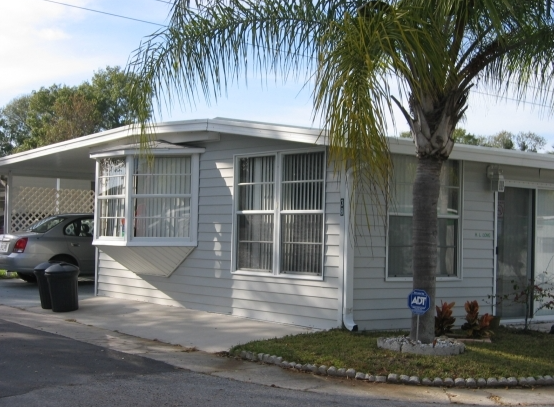
    mobile home rentals florida

    Steps to Get Started in Mobile Home Rentals

    1. Research Local Markets

    Understanding your target market is the first step in mobile home investing. Look for areas with strong demand for affordable housing, such as regions with high apartment rents or tight rental markets. Check local zoning laws and regulations for mobile home parks to avoid legal complications.

    2. Choose the Right Property

    Finding the right property is crucial for success. Decide whether to invest in individual homes, parks, or land on which to build homes. Inspect properties thoroughly to ensure they meet safety and maintenance standards.

    3. Develop a Maintenance Plan

    Well-maintained properties attract quality tenants and reduce long-term expenses. Create a system for regular inspections and repairs to keep your units in good condition. Proper maintenance protects your investment and keeps tenants satisfied.

    Income Potential from Mobile Home Rentals

    Mobile home rental income can provide consistent cash flow when managed properly. Rent payments often exceed mortgage or financing costs, leaving you a monthly profit. Mobile homes also require less capital to purchase, meaning lower debt obligations.

    For example, if you purchase a mobile home for $50,000 and rent it for $800 monthly, your yearly rental income is $9,600. Subtract operating expenses, and you could still achieve a significant return on investment.

    Key Strategies to Maximize Rental Income

    1. Offer Competitive Rent

    Price your units competitively to attract tenants quickly—research comparable properties in the area to determine the correct rental rate. Keeping your units occupied ensures steady income without extended vacancies.

    2. Target Long-Term Tenants

    Long-term tenants reduce turnover costs and provide stability. To attract them, offer lease agreements that reward longer stays, such as slight discounts or perks for signing multi-year leases.

    3. Add Extra Services

    Consider offering additional services like trash collection, lawn care, or utilities. Including these services in the rent can make your property more appealing while providing extra revenue.

    Managing Mobile Home Rentals

    Efficient management is essential for passive income. Whether you self-manage or hire a property management company, having systems in place helps you avoid common pitfalls.

    Self-Management Tips

    If you prefer to manage the property yourself, invest time in learning about tenant screening, lease agreements, and local regulations. Good communication with tenants builds trust and reduces disputes.

    Hiring a Management Company

    If you prefer a hands-off approach, hire a property management company. They handle tasks like rent collection, maintenance, and tenant relations. While this comes with a cost, it can save you time and stress.

    The Role of Mobile Home Parks

    Owning or investing in mobile home parks adds another layer of income potential. Park owners collect lot rent from tenants who own their mobile homes. This model shifts maintenance responsibilities to tenants while providing a steady income from lot leases.

    You can also increase profits by upgrading park facilities, such as adding recreational areas or security features. Enhanced amenities attract more tenants and justify higher lot rents.

    Tax Benefits and Mobile Home Investments

    Investing in mobile homes comes with several tax benefits. Depreciation on the structure, mortgage interest deductions, and maintenance costs can lower your tax liability. Consult a tax professional to maximize these advantages while ensuring compliance with tax laws.

    Challenges and How to Overcome Them

    While mobile home rental income can be lucrative, there are challenges to consider. These include:

    • Tenant Turnover: Minimize turnover with thorough tenant screening and clear lease terms.
    • Repairs and Maintenance: Budget for regular upkeep to avoid unexpected costs.
    • Regulatory Issues: Stay informed about zoning laws and local mobile home regulations.

    Addressing these challenges, you can proactively protect your investment and maintain consistent income.

    Is Mobile Home Rental Income Right for You?

    Mobile home rentals are an excellent option for investors seeking passive income. Their affordability, high demand, and tax advantages make them appealing. However, success depends on careful planning and effective management. If you are ready to commit to this strategy, mobile homes can become a reliable source of income for years.
     

    See Also:

  • How to Rent a Mobile Home in Florida: What Tenants and Landlords Need to Know

    Renting a mobile home in Florida can be an appealing option for many individuals and families. With a range of benefits, including affordability and flexibility, mobile homes offer a unique living experience. However, both tenants and landlords need to understand the legal requirements, best practices, and specific considerations involved in the rental process. This comprehensive guide will walk you through the essential aspects of renting a mobile home in Florida.

    Renting a mobile home in Florida

    Understanding Mobile Home Rentals in Florida

    Mobile homes, also known as manufactured homes, are built in factories and transported to their designated lots. They can be rented in mobile home parks or placed on private lots. Understanding the nuances of renting a mobile home is crucial for both tenants and landlords to ensure a smooth rental experience.

    Legal Definitions and Types of Mobile Homes

    In Florida, a mobile home is defined as a residential structure that is transportable and built before June 15, 1976. After this date, homes are classified as manufactured homes. This distinction is significant because it affects zoning, regulations, and safety standards.

    Types of Rentals:

    • Mobile Home Parks: These communities typically offer shared amenities and services, including maintenance, recreational facilities, and management oversight.
    • Private Lots: Renting a mobile home on private property provides more autonomy but may come with different regulations.

    Key Considerations for Tenants

    1. Researching Mobile Home Parks

    When searching for a mobile home to rent, start by researching different parks in your desired area. Consider factors such as:

    • Location: Proximity to work, schools, shopping, and medical facilities.
    • Amenities: Check for community features like pools, fitness centers, and recreational areas.
    • Reputation: Look for reviews and ratings of the park to gauge resident satisfaction.

    2. Understanding Lease Agreements

    A lease agreement outlines the terms and conditions of the rental. Tenants should ensure that they understand the following elements before signing:

    • Duration: The lease term typically ranges from six months to a year.
    • Rent Amount: The monthly rent and any included utilities.
    • Deposit Requirements: Security deposits and any non-refundable fees.
    • Maintenance Responsibilities: Clarification of who is responsible for maintenance and repairs.

    3. Tenant Rights in Florida

    Florida law provides tenants with specific rights regarding rental agreements, including:

    • Habitability: The property must meet basic health and safety standards.
    • Privacy: Landlords must provide reasonable notice before entering the rental unit.
    • Repairs: Tenants have the right to request necessary repairs and must receive timely responses.

    4. Insurance Considerations

    While mobile homes typically require less insurance than traditional homes, renters should consider obtaining renters’ insurance. This coverage protects personal belongings and provides liability protection in case of accidents.

    5. Submitting an Application

    When applying to rent a mobile home, be prepared to provide:

    • Personal Information: Identification, employment history, and references.
    • Financial Information: Proof of income and credit history.

    6. Understanding Lot Rent

    If renting a mobile home in a park, tenants will typically pay a monthly lot rent in addition to the rent for the home itself. Lot rent covers the use of the land and may include amenities and utilities. Be sure to clarify:

    • What’s Included: Determine what services and utilities are included in the lot rent.
    • Rent Increases: Understand the park’s policies regarding rent increases and how often they occur.

    Key Considerations for Landlords

    1. Understanding Florida Landlord-Tenant Laws

    Landlords must comply with Florida’s landlord-tenant laws, which govern rental agreements, security deposits, and eviction processes. Key regulations include:

    • Lease Requirements: Clearly written lease agreements that outline terms, responsibilities, and rights.
    • Security Deposits: Florida law limits security deposits to one month’s rent and requires landlords to provide written notice of where the deposit is held.

    2. Preparing the Mobile Home for Rent

    Before renting a mobile home, ensure that it meets safety and livability standards. Consider:

    • Inspections: Conduct thorough inspections to identify necessary repairs or upgrades.
    • Safety Features: Install smoke detectors, carbon monoxide detectors, and ensure proper electrical systems.

    3. Setting Rental Rates

    When determining rent, consider:

    • Market Rates: Research comparable mobile home rentals in the area.
    • Expenses: Account for maintenance costs, utilities, and property taxes.
    • Amenities: Evaluate any additional features or services included in the rental.

    4. Marketing the Mobile Home

    Effective marketing is essential for attracting tenants. Utilize various channels to advertise your mobile home, such as:

    • Online Listings: Use platforms like Zillow, Craigslist, and Facebook Marketplace.
    • Local Community Boards: Post flyers in community centers and local businesses.
    • Word of Mouth: Network within the community to spread the word about the available rental.

    5. Screening Potential Tenants

    Thorough tenant screening helps ensure reliable and responsible renters. Implement a screening process that includes:

    • Background Checks: Review credit history, criminal records, and rental history.
    • Income Verification: Ensure potential tenants can afford the rent based on their income.

    6. Lease Agreements and Documentation

    Once you find a suitable tenant, prepare a comprehensive lease agreement that includes:

    • Terms and Conditions: Clearly outline rental terms, maintenance responsibilities, and payment methods.
    • Rules and Regulations: Include community guidelines that tenants must follow, such as noise restrictions and pet policies.

    7. Communication and Relationship Building

    Establishing a good relationship with tenants is key to a successful rental experience. Maintain open lines of communication and address concerns promptly.

    8. Handling Maintenance and Repairs

    Landlords are generally responsible for maintaining the mobile home and ensuring it remains habitable. Be proactive in handling repairs and maintenance requests to keep tenants satisfied.

    Common Challenges and Solutions

    1. Evictions

    Evicting a tenant can be a challenging process. Florida law outlines specific procedures landlords must follow, including providing written notice and allowing tenants time to rectify lease violations.

    2. Disputes Over Security Deposits

    To avoid disputes over security deposits, landlords should conduct a thorough inspection of the mobile home before tenants move in and document any pre-existing damage.

    3. Managing Rent Increases

    Landlords must provide proper notice of rent increases, typically 30 days. Transparency about the reasons for increases can help maintain positive tenant relationships.

    Conclusion

    Renting a mobile home in Florida can be a rewarding experience for both tenants and landlords, provided they understand the legal requirements and best practices involved. By conducting thorough research, communicating openly, and adhering to Florida’s rental laws, both parties can navigate the rental process successfully. Whether you are a tenant looking for a comfortable place to live or a landlord seeking to maximize your investment, understanding the ins and outs of mobile home rentals will contribute to a positive rental experience in the Sunshine State.


    See Also:


Reset password

Enter your email address and we will send you a link to change your password.

Get started with your account

to save your favourite homes and more

Sign up with email

Get started with your account

to save your favourite homes and more

By clicking the «SIGN UP» button you agree to the Terms of Use and Privacy Policy
Powered by Estatik