Owning a mobile home in a hurricane zone can feel uncertain, especially in Florida. Hurricanes hit the state frequently, bringing strong winds and heavy rain. Mobile homes are often seen as vulnerable structures in these situations. However, with proper preparation and awareness, many people live safely in mobile homes within these areas. Let’s discuss the risks, safety measures, and options for owning a mobile home in Florida’s hurricane-prone zones.
Understanding the Risks of Hurricane Zones
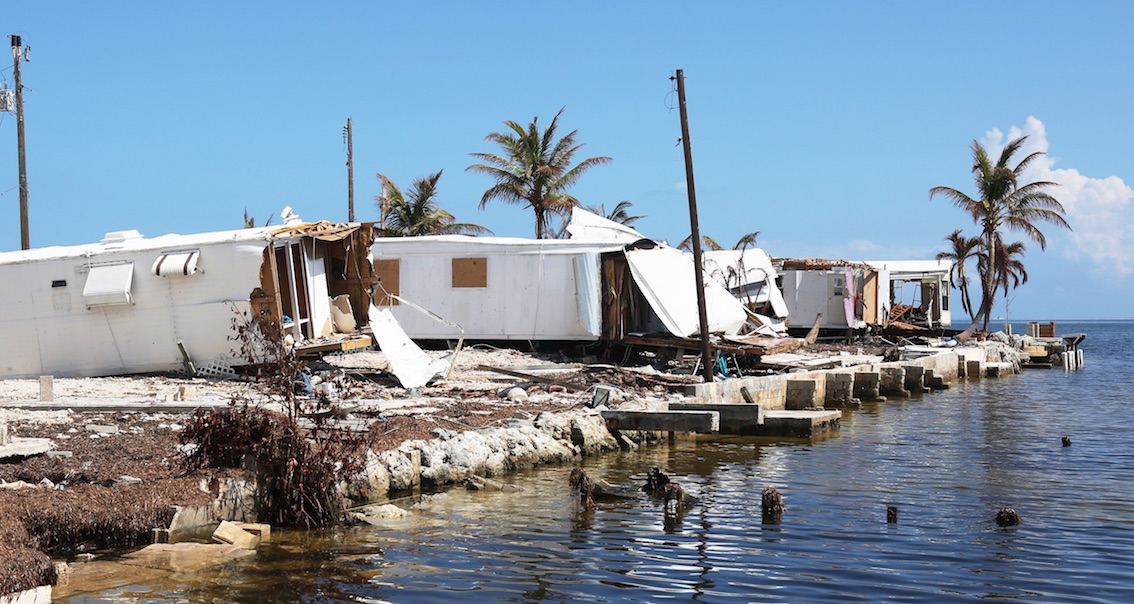
Florida’s hurricane season spans from June to November. During this time, storms with high winds can cause severe damage. Mobile homes, built lighter than traditional homes, are more susceptible to these forces.
Some common risks include:
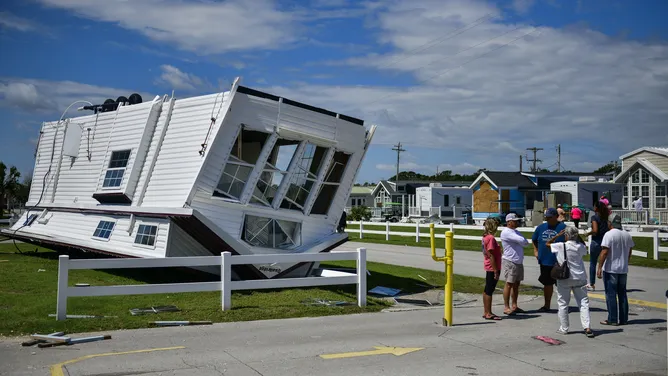
High winds: Mobile homes can be damaged or moved by winds exceeding their design capacity.
Flooding: Low-lying areas often flood, and mobile home foundations are vulnerable.
Flying debris: Loose objects become projectiles that can damage windows or walls.
Knowing these risks allows owners to prepare more effectively. Preparation can greatly reduce the dangers of living in these zones.
Are Modern Mobile Homes Safer?
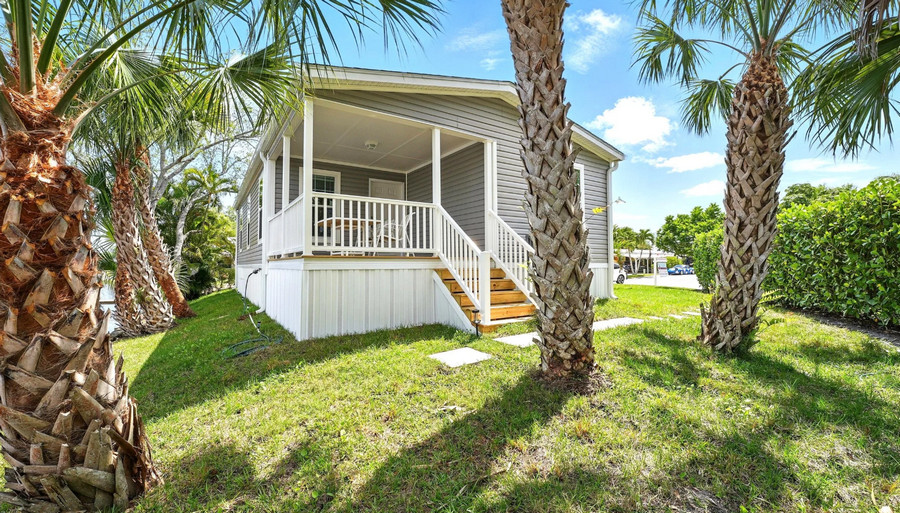
Mobile home safety has improved thanks to building regulations. Homes built after 1994 must comply with stricter standards, especially in high-wind areas. These homes are better designed to handle hurricane conditions.
Key improvements in modern mobile homes include:
Reinforced frames and roofs
Improved anchoring systems to prevent shifting
Stronger doors and windows
When buying a mobile home in a hurricane zone, ensure it meets these updated standards. A newer model often offers better protection than older ones.
Tips for Staying Safe in a Mobile Home During Hurricanes
Staying safe during a hurricane requires planning. Mobile homes alone aren’t always enough to keep you protected. Here’s how to increase your safety:
Install hurricane straps: Secure the home to its foundation to prevent movement.
Create a storm kit: Include water, food, batteries, and important documents.
Stay informed: Monitor weather alerts and evacuation orders.
Know evacuation routes: Leave immediately if authorities recommend evacuation.
Being proactive can save lives. It’s better to overprepare than to face a storm unready.
Are Some Locations Safer Than Others?
Not all parts of Florida’s hurricane zones face the same risks. Coastal areas usually experience stronger winds and higher storm surges. Inland areas may be less prone to these extremes but still face heavy rain and wind.
Factors to consider when choosing a location include:
Elevation: Higher ground reduces flood risk.
Proximity to water: Areas near the coast face greater storm surge.
Community shelters: Check if nearby shelters are equipped for emergencies.
Choose your location carefully to minimize potential hazards.
The Role of Insurance in Hurricane Zones
Insurance plays a vital role in protecting mobile homeowners. Florida’s hurricane zone requires specialized policies to cover storm-related damage.
Things to look for in insurance coverage:
Wind damage protection
Flood insurance (a separate policy from standard coverage)
Replacement costs for lost belongings
Many companies offer discounts for homes with hurricane-resistant features. Ask about these options to save on premiums.
Alternatives to Staying in a Mobile Home During Hurricanes
Leaving your mobile home during a hurricane can be the safest choice. Shelters and hotels often provide more secure options.
Some alternative arrangements include:
Community shelters: Many counties have shelters equipped for hurricane safety.
Staying with family or friends: Choose a sturdier home nearby if possible.
Booking hotels early: Availability decreases quickly during storms.
Always prioritize safety over convenience when severe weather threatens.
Can Mobile Home Communities Improve Safety?
Some mobile home communities in Florida have invested in safety upgrades. These neighborhoods offer features like storm shelters and enhanced drainage systems.
Benefits of living in such communities include:
Shared emergency resources
Organized evacuation plans
Reinforced structures for common areas
If you’re considering owning a mobile home in a hurricane zone, research communities that prioritize safety. These neighborhoods can make living in such areas less stressful.
Maintenance Tips for Hurricane Preparedness
Proper maintenance reduces risks for mobile homes during hurricane season. A well-maintained home withstands extreme weather better than a neglected one.
Important tasks include:
Inspecting the roof: Repair any weak spots or leaks.
Clearing debris: Remove loose objects that could become projectiles.
Testing anchor systems: Ensure the home remains secure.
Checking seals: Keep windows and doors watertight.
Regular upkeep protects your home and gives you peace of mind.
Why Do People Choose Mobile Homes in Hurricane Zones?
Many people choose mobile homes in Florida’s hurricane zones despite the risks. Affordability is a major factor. Mobile homes cost significantly less than traditional homes, making them accessible for many families.
Other reasons include:
Flexibility in location
Lower property taxes
Tight-knit communities
While these benefits are appealing, they require balancing against the challenges of hurricane season.
Final Thoughts on Owning a Mobile Home in Hurricane Zones
Owning a mobile home in a hurricane zone requires careful consideration and preparation. Florida’s weather can be unpredictable, but modern mobile homes and safety measures offer improved protection. Stay informed, maintain your home, and have a plan for hurricane season. With the right precautions, mobile home living can be a safe and practical choice in Florida’s hurricane-prone areas.
In Florida, preparing mobile homes for storm seasons is essential. Hurricanes and tropical storms strike Florida with significant frequency and intensity. Mobile homes face greater vulnerability due to their lightweight construction and materials. With preparation, however, the risks of storm damage can be reduced. In this article, effective strategies for storm-proofing mobile homes and essential supplies to keep on hand are discussed.
Conducting a Home Inspection
A home inspection should be conducted well before storm season begins. Doors, windows, and roofing should be checked for potential weaknesses. Particular attention should be paid to any damaged or aging materials. Any part of the mobile home showing signs of wear or damage must be repaired or reinforced. Frequent inspections ensure that all areas of the home are prepared to withstand high winds and rain.
Reinforcing Doors and Windows
Doors and windows are common weak points during storms. Storm shutters or impact-resistant windows should be installed, as they can significantly increase storm resistance. If these are not affordable, plywood can be used as an alternative for temporary reinforcement. Plywood sheets should be cut to fit window and door dimensions in advance. Window film or hurricane fabric can be applied for added protection. Each option provides a layer of security against flying debris and powerful wind.
Strengthening the Roof
The roof is one of the most vulnerable parts of any structure during storms. Roof straps and anchors can be installed to secure the roof firmly to the home. Roof seams should be checked for leaks and sealed if necessary. Metal roofing, which is both durable and lightweight, is recommended for mobile homes in storm-prone areas. When installed properly, metal roofing is more resistant to wind and rain than traditional shingles. Roof inspections should be routine before and during hurricane season.
Anchoring the Mobile Home
Anchoring is one of the most important steps in mobile home storm-proofing. Homes that are not properly anchored are at risk of being uplifted by strong winds. The installation of tie-downs should be verified, and additional tie-downs added if necessary. Steel anchors are the most effective choice, as they provide maximum security. Over time, anchors and tie-downs may loosen, so periodic checks are essential.
Securing Outdoor Items
Loose outdoor items can become dangerous projectiles in high winds. Before a storm, all outdoor furniture, decorations, and loose items should be brought indoors. Larger items that cannot be moved should be anchored or secured. A clean and debris-free yard reduces the risk of flying objects that could damage the mobile home or surrounding properties. When items are properly secured, there is less risk of injury to people or pets nearby.
Preparing Emergency Supplies
Emergency supplies are vital during storm preparation. Essential supplies include non-perishable food, water, a flashlight, batteries, a first-aid kit, and medication. Personal documents should be gathered and stored in a waterproof bag. Supplies should be sufficient to last for at least three days. A battery-powered or hand-crank radio is recommended for weather updates. All emergency supplies should be kept in an easily accessible place, preferably close to the exit of the mobile home.
Creating a Storm Evacuation Plan
Evacuation plans should be created in case a storm becomes severe. This plan must include the route to the nearest evacuation shelter and important contact numbers. All family members should be informed of this plan and know where to go if separated. Practicing evacuation drills can help everyone understand their roles. Important documents, medications, and supplies should be gathered in advance. Mobile home residents should always have a backup plan in case the main evacuation route becomes impassable.
Understanding Storm Alerts and Warnings
Knowing how to interpret storm alerts and warnings is critical. The National Weather Service (NWS) issues different levels of alerts based on storm intensity and proximity. Alerts range from “Advisory” (indicating possible impact) to “Warning” (indicating imminent danger). All alerts and updates should be monitored through reliable sources such as the NWS or FEMA. Understanding these warnings can help residents prepare in time. Alerts provide vital information on when to shelter in place or evacuate.
Investing in Insurance for Storm Protection
Insurance is another key component of storm preparedness. Standard mobile home insurance typically covers storm damage, but flood insurance may require an additional policy. Windstorm insurance should also be considered, as it covers damage from hurricane-force winds. Before hurricane season, policies should be reviewed to ensure they meet coverage needs. Documentation and photos of the mobile home should be kept as proof in case of damage. Coverage helps in mitigating the financial impact of severe storms.
Reviewing and Updating Storm Supplies
Preparedness supplies must be regularly reviewed and updated. Batteries and non-perishable foods can expire over time, so these items should be replaced as needed. Important documents and insurance information should be reviewed for accuracy and kept up to date. Essential items like flashlights, radios, and first-aid kits should be tested and replaced if necessary. Storm supplies should be checked at the start of each hurricane season to ensure they are ready to use.
Essential Storm-Proofing Supplies Checklist
For maximum readiness, the following supplies should be kept on hand:
Storm Shutters – Essential for protecting windows and doors.
Plywood Sheets – Used to cover windows and doors when storm shutters are unavailable.
Roof Straps and Anchors – Secures the roof to the mobile home’s structure.
Steel Tie-Downs and Anchors – Reinforce the home’s foundation to prevent uplift.
Emergency Kit – Includes essentials such as food, water, medication, and a flashlight.
Battery-Powered Radio – Necessary for receiving weather updates if power is lost.
Waterproof Storage Bags – Protects important documents from water damage.
Portable Phone Charger – Keeps communication devices operational during outages.
Tool Kit – Assists in emergency repairs and securing items.
First-Aid Kit – Basic medical supplies in case of injuries.
This checklist provides a strong foundation for storm-proofing efforts. With these items, residents can protect both their mobile home and their family.
Additional Tips for Effective Storm Preparation
When preparing for storms, mobile homeowners should remain informed and proactive. Joining local emergency alert systems and weather apps can keep residents updated on storm developments. Regular meetings with neighbors and local community members can provide additional resources. Mobile home parks often have emergency plans and shelters, so becoming familiar with park policies is important.
Staying Informed and Safe
Storm season requires Florida mobile home residents to remain vigilant. Each preparation step and supply is aimed at maximizing safety. Mobile homes may be more vulnerable to storms, but with proper preparation, the risks can be minimized. Every Florida resident should remain informed, prepared, and resilient during storm season.
By following these guidelines, mobile homeowners can protect their property and loved ones during the storm season in Florida
Florida is no stranger to hurricanes. Every year, from June to November, residents brace themselves for the possibility of these powerful storms. For mobile home owners, the threat is even more significant due to the nature of these structures. Preparing a mobile home for hurricane season in Florida is not only a smart decision; it’s essential for ensuring your home’s and loved ones’ safety. This guide will walk you through the necessary steps to secure your mobile home and mitigate potential damage during hurricane season.
Understanding the Risks
Mobile homes are particularly vulnerable during hurricanes due to their lightweight construction and less secure anchoring than traditional homes. High winds can easily lift or overturn a mobile home, and flying debris can cause significant damage. Additionally, flooding, which often accompanies hurricanes, can severely threaten mobile homes, especially those in low-lying areas.
Step 1: Assess and Reinforce Your Mobile Home’s Anchoring System
One of the most critical steps in preparing your mobile home for hurricane season is ensuring that it is securely anchored. The anchoring system is designed to keep the mobile home in place during strong winds, reducing the risk of it being lifted or overturned.
Check Existing Anchors: Start by inspecting the existing anchoring system. Look for any signs of wear, rust, or damage. If the anchors are old or appear compromised, they should be replaced immediately.
Install Additional Anchors: If your mobile home doesn’t have enough anchors, consider installing additional ones. Modern mobile homes are typically anchored with tie-downs, which are steel straps that connect the home to ground anchors. The more tie-downs and anchors your home has, the more secure it will be during a hurricane.
Professional Inspection: It’s a good idea to have a professional inspect the anchoring system. They can ensure that it meets the required standards for hurricane resistance. In Florida, the Department of Highway Safety and Motor Vehicles (DHSMV) has specific guidelines for mobile home tie-downs, which you can refer to when reinforcing your home.
Step 2: Protect Windows and Doors
Windows and doors are among the most vulnerable parts of a mobile home during a hurricane. Protecting these areas can prevent wind and water from entering your home, which can cause significant damage.
Install Storm Shutters: Storm shutters are one of the best ways to protect your windows. These can be made of aluminum, steel, or even heavy-duty polycarbonate. For mobile homes, roll-down or accordion-style shutters are convenient options as they can be quickly deployed when a hurricane is approaching.
Use Plywood for Temporary Protection: If storm shutters are not an option, consider using plywood as a temporary measure. Cut the plywood to fit over your windows and doors, ensuring a snug fit. Attach the plywood securely to the window frames using screws, not nails, to withstand high winds better.
Secure Exterior Doors: Check that all exterior doors are securely fastened and have at least three hinges and a deadbolt lock. Reinforce door frames if necessary, and consider installing a storm door for added protection.
Step 3: Clear the Surroundings and Secure Loose Objects
Flying debris can cause significant damage during a hurricane. It’s crucial to clear your mobile home’s surroundings and secure any loose objects that could become dangerous projectiles in high winds.
Trim Trees and Shrubs: Trim back any trees or shrubs near your mobile home to prevent branches from breaking off and damaging your home during a storm. Pay particular attention to any dead or weak branches.
Secure or Store Outdoor Items: Furniture, grills, planters, and other objects should be secured or moved indoors. In strong winds, these items can become airborne and damage your home or neighboring properties.
Check Skirting: The skirting around your mobile home can help protect the underside of your home from flying debris and high winds. Ensure the skirting is intact and securely fastened.
Step 4: Prepare for Flooding
Flooding is a common consequence of hurricanes, and mobile homes are particularly at risk due to their proximity to the ground. Preparing for potential flooding is a critical part of hurricane readiness.
Elevate Important Items: If your mobile home is in a flood-prone area, elevate valuable items and electronics off the floor. Place these items on higher shelves or move them to a higher level if possible.
Use Sandbags: Sandbags can help divert water away from your home. Place sandbags around the perimeter of your mobile home, particularly around doors and any low-lying areas that are prone to water intrusion.
Check Your Sump Pump: If your mobile home has a basement or crawl space, ensure that your sump pump is in working order. A battery-operated backup pump is also a good idea in case of power outages.
Consider Flood Insurance: Regular homeowner’s insurance typically doesn’t cover flood damage. If you live in a flood-prone area, consider purchasing flood insurance to protect your investment.
Step 5: Create an Emergency Plan
Even with the best preparations, there’s always a risk that a hurricane could cause significant damage. An emergency plan is essential for ensuring your safety and that of your loved ones.
Know Your Evacuation Routes: Familiarize yourself with local evacuation routes and plan where you will go if you need to evacuate. Identify several options, such as staying with family, friends or at a designated shelter.
Prepare an Emergency Kit: Assemble an emergency kit that includes essential items such as water, non-perishable food, medications, flashlights, batteries, a first-aid kit, and important documents. Keep the kit in an easily accessible location.
Have a Communication Plan: Establish a communication plan with your family members. Make sure everyone knows how to reach each other in case you are separated during an evacuation.
Plan for Pets: Include pets in your emergency plan if you have pets. Have carriers, food, and water ready, and know which shelters or hotels in your area accept pets.
Monitor Weather Updates: Stay informed about the latest weather updates and heed local authorities’ warnings or evacuation orders. If the power goes out, use a battery-powered or hand-crank radio to receive updates.
Step 6: Review and Update Insurance Coverage
Ensuring that your insurance coverage is up to date is vital to hurricane preparation. Review your policy to understand what is covered and consider making adjustments if necessary.
Understand Your Coverage: Mobile home insurance policies typically cover wind damage, but you should check for any exclusions or limitations. Ensure that your policy covers the full value of your home and belongings.
Consider Additional Coverage: As mentioned earlier, standard mobile home insurance doesn’t usually cover flood damage. Purchasing flood insurance is a wise decision if you’re in a high-risk flood zone.
Document Your Property: Take photos or videos of your mobile home and its contents. This documentation can be invaluable when filing an insurance claim after a hurricane.
Store Insurance Documents Safely: Keep copies of your insurance policies and contact information for your insurance agent in a waterproof container or a secure digital location. This ensures you can access them if you need to file a claim.
Step 7: After the Storm
Once the hurricane has passed, it is essential to assess the damage and take appropriate actions to ensure your safety and begin the recovery process.
Wait for Official All-Clear: Don’t return to your home until local authorities have declared it safe. Hidden dangers, such as downed power lines or unstable structures, could prevent you from doing so.
Inspect Your Home: Carefully inspect your mobile home for any damage. Look for structural damage, water intrusion, and any potential safety hazards such as gas leaks.
Document the Damage: Take photos of any damage before making temporary repairs. This documentation will be important when filing insurance claims.
Make Temporary Repairs: If it’s safe to do so, make temporary repairs to prevent further damage, such as covering broken windows or holes in the roof with tarps. Keep all receipts for materials used in repairs, as your insurance may reimburse you for them.
Contact Your Insurance Company: Report the damage to your insurance company immediately. Be prepared to provide documentation and a detailed description of the damage.
Conclusion
Preparing your mobile home for hurricane season in Florida is a multi-step process that requires careful planning and attention to detail. By securing your home, protecting windows and doors, preparing for flooding, and having an emergency plan in place, you can significantly reduce the risks associated with hurricanes. Additionally, reviewing your insurance coverage ensures that you are financially protected in the event of damage. While no one can predict the exact impact of a hurricane, taking these steps will help you safeguard your home and loved ones, giving you peace of mind during hurricane season.
Living in a mobile home has its unique charms, but when hurricane season rolls around, a different kind of vigilance takes hold. These cozy dwellings, while built to withstand everyday elements, require extra attention to face the fury of a hurricane. Don’t panic! With the right preparation, you can transform your mobile haven into a hurricane-ready fortress.
Know Your Enemy
Before bracing yourself, understand the threat level. Research your area’s hurricane history and learn about wind and flood zones. Familiarize yourself with evacuation routes and designated shelters. Keep an eye on weather forecasts and official advisories closely.
Fortress From Within
Window Armor: Flying debris is a major threat. Invest in sturdy storm shutters or plywood cut to exact window sizes. Secure them firmly with screws or heavy-duty nails. Remember, taped windows provide minimal protection.
Door Duty: Reinforce entry doors with additional deadbolts and bracing hardware. Sliding glass doors are particularly vulnerable; consider installing impact-resistant glass or covering them with plywood.
Seal the Leaks: Check for cracks or gaps around window sills, roof edges, and plumbing connections. Seal them with silicone caulk to prevent wind and rain infiltration. Don’t forget vents and utility lines – secure them with weatherproof tape or sealant.
Furniture Fiefdom: Secure furniture, appliances, and heavy objects to prevent them from becoming projectiles. Use straps, brackets, or furniture anchors appropriate for the weight and type of item.
Flooding Foes: If your area is prone to flooding, elevate electrical equipment and valuables to higher shelves or cabinets. Turn off the main water valve to minimize interior flooding risks.
Reinforcing the Outer Shell
Anchor Ahoy: Inspect your tie-downs, the lifeline anchoring your mobile home to the ground. Replace rusty or worn-out anchors and tighten them properly using a torque wrench. Ensure tie-downs are securely attached to both the frame and ground anchors.
Roof Reinforcement: Inspect your roof for loose shingles, cracked flashing, or any potential weak points. Consult a professional for repairs or additional bracing if necessary. Consider installing hurricane-resistant roof straps for extra peace of mind.
Clear the Clutter: Trim overhanging branches and remove loose objects from your yard like lawn furniture, grills, or propane tanks. These can become dangerous projectiles in high winds. Store them securely inside or in a sturdy shed.
Beyond the Bricks and Mortar
Hurricane Kit Hero: Prepare an emergency kit stocked with non-perishable food, bottled water, a first-aid kit, medications, flashlights, batteries, a portable radio, and sanitation supplies. Tailor the kit to your specific needs and family size.
Documentation Dynamo: Compile important documents like insurance papers, IDs, and medical records in a waterproof container. Keep them readily accessible in case of evacuation.
Pet Pals: Don’t forget your furry family members! Prepare pet crates, food, and identification tags for them. Familiarize yourself with pet-friendly shelters in your area.
Communication Champion: Charge your phone, portable batteries, and any communication devices. Plan how you will stay updated on weather information and communicate with loved ones if power outages occur.
Evacuation Expertise
While securing your mobile home is crucial, sometimes evacuation is the safest option. Heed evacuation orders issued by local authorities without delay. Have a predetermined evacuation route and ensure your vehicle is in good condition with a full tank of gas.
Post-Storm Recovery
Once the storm passes, be cautious when venturing outside. Stay away from downed power lines and report any damage to your mobile home or utilities immediately. Document any losses with photos and videos for insurance purposes.
Remember, preparing for a hurricane is not a one-time event. Make hurricane preparedness a part of your annual routine. By following these steps and staying informed, you can turn your mobile home into a safe haven and weather any storm with confidence.
Bonus Tips
Consider installing hurricane shutters for enhanced window protection.
Invest in a generator for backup power in case of outages.
Learn basic first aid and emergency response skills.
Participate in community hurricane preparedness drills and programs.
Living in a mobile home doesn’t have to be a hurricane worry. By approaching preparation with proactive planning and attention to detail, you can transform your cozy haven into a storm-resistant sanctuary for your family and belongings.
Florida is notorious for its hurricane-prone climate, and residents are no strangers to the destructive power of these natural disasters. As a result, questions about the resilience of housing structures, particularly mobile homes, have become increasingly important. Mobile homes, also known as manufactured homes, have long been a popular housing option due to their affordability and flexibility. However, their susceptibility to hurricane damage raises concerns about the safety of those who choose to reside in them. In this article, we will explore the vulnerabilities of mobile homes in the face of hurricanes, the regulations in place to mitigate these risks, and the precautions residents can take to enhance their homes’ resilience.
The Vulnerabilities of Mobile Homes
Mobile homes are inherently more vulnerable to extreme weather events, including hurricanes, compared to traditional stick-built houses. Several factors contribute to this heightened vulnerability:
Lightweight Construction: Mobile homes are typically constructed with lightweight materials to allow for easy transportation. While this makes them cost-effective and portable, it also means they lack the structural robustness of traditional homes.
Foundation Issues: The foundations of mobile homes often consist of blocks or piers, making them more susceptible to storm surges and flooding. Traditional homes, on the other hand, are built on deeper foundations, providing better stability.
Design Standards: Mobile homes are subject to different construction standards than traditional homes. The materials used and the overall design may not meet the same rigorous standards, leaving them more exposed to wind and debris damage during a hurricane.
Poor Roofing Systems: The roofing systems of mobile homes are another weak point. Many mobile homes have flat or low-pitched roofs, making them more prone to wind uplift. Traditional homes typically have steeper roofs that offer better resistance against hurricane-force winds.
Regulations and Building Codes
Recognizing the vulnerabilities of mobile homes in hurricane-prone areas, Florida has implemented building codes and regulations to enhance their resilience. The Florida Building Code (FBC) includes specific guidelines for manufactured homes to ensure they meet minimum safety standards. These regulations address various aspects, including wind resistance, anchoring systems, and installation requirements.
Wind Resistance Standards: The FBC mandates specific wind resistance standards for mobile homes, taking into account the wind speeds associated with different hurricane categories. This includes requirements for the strength of the home’s structure and the durability of its components.
Anchoring Systems: Proper anchoring is crucial to prevent mobile homes from being lifted or displaced during high winds. The FBC outlines anchoring requirements to secure the home to its foundation, reducing the risk of wind-induced damage.
Installation Guidelines: The proper installation of a mobile home is paramount to its ability to withstand hurricanes. Guidelines in the FBC address issues such as site preparation, foundation construction, and the securing of utilities to minimize potential damage.
Precautions for Mobile Home Residents
While building codes and regulations play a significant role in enhancing the resilience of mobile homes, residents also have a responsibility to take precautions to protect their homes and ensure their safety during hurricanes. Here are some key precautions for mobile home residents in Florida:
Regular Maintenance: Regularly inspect and maintain your mobile home. Address any structural issues, leaks, or damaged components promptly to ensure the overall integrity of the home.
Storm Shutters: Install storm shutters to protect windows from flying debris. Reinforced windows can also be considered to enhance their resistance to impact.
Strap Down Outdoor Items: Secure outdoor furniture, appliances, and other items that could become projectiles during high winds. These items can cause additional damage to your home or neighboring properties.
Evacuation Plans: Mobile home residents should have a well-defined evacuation plan in place. Due to the vulnerability of their homes, evacuating to a safer location is often the best course of action when a hurricane is approaching.
Community Shelters: Identify the nearest hurricane shelters and familiarize yourself with the evacuation routes. Many Florida communities have designated shelters that provide a safer alternative for mobile home residents during hurricanes.
Conclusion
While mobile homes in Florida face heightened vulnerabilities during hurricanes, efforts have been made to improve their resilience through building codes and regulations. Residents need to be aware of these standards and take proactive measures to protect their homes. Regular maintenance, proper anchoring, and adherence to evacuation plans are critical components of ensuring the safety of mobile home residents in the face of these powerful natural disasters. As the frequency and intensity of hurricanes in the region continue to pose a threat, a combination of regulatory compliance and individual responsibility is key to mitigating the risks associated with mobile home living in Florida.
Nestled amidst the swaying palm trees and bathed in the warm sunshine, Florida beckons with its allure of coastal living and vibrant communities. However, for those considering mobile homes in the Sunshine State, a pertinent question arises: Are mobile homes safe in Florida? Given the state’s susceptibility to hurricanes, tropical storms, and occasional severe weather conditions, concerns about the structural integrity and safety of mobile homes are understandable. In this exploration, we will delve into the factors that determine the safety of mobile homes in Florida, examining building codes, hurricane resistance measures, and the resilience of these dwellings in the face of the state’s unique weather challenges. As we navigate this inquiry, a comprehensive understanding will emerge, shedding light on the safety considerations for those contemplating mobile homes living in the picturesque yet occasionally turbulent landscape of Florida.
There are several misconceptions and myths surrounding mobile homes that can perpetuate negative stereotypes. It’s important to address these myths to provide a more accurate and fair understanding of the reality of living in a mobile home. Here are some common myths and the corresponding realities:
Myth 1: Mobile Homes Are Not Safe: Reality: While mobile homes may have unique vulnerabilities in certain weather conditions, they can be made safe through proper anchoring, building code adherence, structural reinforcements, and other measures. Modern manufactured homes are designed with safety standards in mind.
Mobile Home in Sebring Florida
Myth 2: Mobile Homes Are Poorly Constructed: Reality: Mobile homes are constructed in controlled factory environments, where quality control measures are implemented. Many modern mobile homes are built to high standards, utilizing advanced materials and technology.
Myth 3: Mobile Homes Are Temporary or Inferior Housing: Reality: Mobile homes are available in a variety of sizes, styles, and configurations, making them suitable for both temporary and permanent living. Some people choose mobile homes as a cost-effective and viable housing option.
Myth 4: Mobile Homes Depreciate Rapidly in Value: Reality: While mobile homes may not appreciate in value at the same rate as traditional site-built homes, their depreciation can vary depending on factors like location, condition, and the overall real estate market. Proper maintenance and improvements can help preserve value.
Myth 5: Mobile Home Communities Are Undesirable: Reality: Mobile home communities can vary widely in terms of appearance, amenities, and sense of community. Some mobile home communities offer well-maintained grounds, shared facilities, and a sense of belonging.
Myth 6: Mobile Homes Lack Amenities and Comfort: Reality: Many modern mobile homes come equipped with modern amenities such as updated kitchens, bathrooms, heating, cooling, and energy-efficient features. They can offer comfortable living spaces comparable to traditional homes.
Myth 7: Mobile Homes Are Only for Low-Income Individuals: Reality: Mobile homes can attract a diverse range of residents, including individuals seeking affordable housing, retirees looking to downsize, and people who value the convenience and lifestyle mobile home communities offer.
Myth 8: Mobile Homes Are Not Energy-Efficient: Reality: Modern mobile homes can be designed with energy-efficient features like insulation, high-quality windows, and energy-efficient appliances. They can be equipped to meet or exceed energy efficiency standards.
Myth 9: Mobile Homes Are Difficult to Finance: Reality: Financing options for mobile homes are available, including traditional mortgage loans, personal loans, and loans specifically designed for manufactured homes. Lenders often consider factors such as credit history, down payment, and the home’s age and condition.
Myth 10: Mobile Homes Have Limited Resale Value: Reality: Mobile homes can have resale value, especially if they are well-maintained and located in desirable communities. Factors such as location, condition, and market demand can influence resale value.
It’s important to consider individual circumstances, preferences, and local regulations when assessing the suitability of living in a mobile home. While there are misconceptions, mobile homes can provide a viable and affordable housing solution for many individuals and families.
The Safety of Mobile Homes in Florida
Mobile homes, also known as manufactured homes, can be found in various parts of Florida due to the state’s warm climate and housing affordability. However, the safety of mobile homes in Florida can be influenced by several factors:
Hurricanes and Severe Weather: Florida is prone to hurricanes and tropical storms, which can bring strong winds and heavy rainfall. While mobile homes are more vulnerable to these weather events compared to traditional homes, newer manufactured homes built to stricter codes may offer better resistance to hurricanes. Some mobile homes are designed to meet wind zone ratings, which indicate their ability to withstand wind speeds typical in different areas.
Building Codes: Florida has specific building codes and regulations for manufactured homes to ensure they are constructed to withstand the state’s weather conditions. These codes are intended to enhance the safety and resilience of mobile homes.
Location: The location of the mobile home within Florida can impact its safety. Homes located in high-risk flood zones or areas prone to storm surges are more vulnerable to flooding and water damage during hurricanes.
Foundation and Anchoring: Proper installation and anchoring of the mobile home are crucial for its stability and safety. Homes that are not securely anchored can be more susceptible to damage during severe weather.
Maintenance: Regular maintenance and upkeep of the mobile home are important for its safety. This includes inspecting the roof, windows, doors, and other structural components to ensure they are in good condition.
Community Standards: Many mobile homes are located in communities or parks with their own rules and regulations. Some communities may have additional requirements for safety measures, such as anchoring systems or storm shutters.
Insurance: Having appropriate insurance coverage for your mobile home is essential in Florida, especially given the risk of hurricanes and severe weather. Ensure that your insurance policy covers damage caused by hurricanes and related perils.
Upgrades and Retrofitting: Depending on the age of the mobile home, retrofitting or upgrading certain features can enhance its safety. This might include reinforcing the roof, installing impact-resistant windows, and improving the anchoring system.
Mobile home in Nokomis Florida
Mobile Homes are Well-made
Factory-built homes, which include both manufactured homes and modular homes, can indeed be well-made and offer a range of benefits. However, the quality of factory-built homes can vary based on factors such as the manufacturer’s reputation, construction standards, materials used, and compliance with building codes. Here are some key points to consider:
1. Consistent Construction Standards: Factory-built homes are constructed in controlled environments, which can lead to more consistent construction quality. Manufacturers often follow standardized construction processes that ensure uniformity and adherence to building codes.
2. Enhanced Quality Control: Factory-built homes undergo rigorous quality control checks throughout the manufacturing process. These checks help identify and address potential issues before the home is delivered to its final location.
3. Customization: Many factory-built homes offer a level of customization, allowing buyers to choose from various floor plans, finishes, fixtures, and features. This ensures that the home meets the buyer’s preferences and needs.
4. Energy Efficiency: Factory-built homes are designed with energy efficiency in mind. They often incorporate modern insulation, windows, heating, and cooling systems that can lead to reduced energy consumption and lower utility bills.
5. Shorter Construction Time: Factory-built homes can be constructed more quickly than traditional site-built homes. Since they are not subject to weather delays and other on-site factors, the construction process can be more efficient.
6. Affordability: Factory-built homes can be more cost-effective compared to traditional homes. The controlled manufacturing environment, efficient construction process, and economies of scale can contribute to lower costs.
7. Compliance with Building Codes: Manufactured homes and modular homes are subject to building codes established by the U.S. Department of Housing and Urban Development (HUD) and state/local authorities. This ensures that they meet safety, structural, and construction standards.
8. Durability: When properly designed and constructed, factory-built homes can be durable and long-lasting. High-quality materials, skilled craftsmanship, and adherence to standards contribute to the overall durability of the home.
9. Variability in Quality: While many factory-built homes are well-made, it’s essential to research and choose reputable manufacturers known for producing quality homes. Lower-priced models or homes from less reputable manufacturers may not meet the same quality standards.
10. Inspection and Certification: Before a factory-built home is delivered to its final location, it is typically inspected by third-party agencies to ensure compliance with building codes and quality standards.
What are the Preventive Measures of Mobile Homes Against Hurricanes in Florida?
Mobile homes in hurricane-prone areas like Florida are more vulnerable to the effects of strong winds and heavy rainfall. However, there are several preventive measures you can take to enhance the safety and resilience of your mobile home against hurricanes:
1. Choose a Safe Location:
If possible, locate your mobile home in a designated safe area that is less prone to flooding and storm surges. Avoid low-lying areas and flood zones.
2. Secure Anchoring:
Ensure that your mobile home is properly anchored to the ground according to Florida’s wind zone requirements. Proper anchoring can significantly reduce the risk of the home being lifted or moved by strong winds.
Mobile Home for Sale in Sebring
3. Reinforce Roof and Walls:
Strengthen the roof and walls of your mobile home by adding hurricane straps or clips to provide better resistance to strong winds.
4. Impact-Resistant Windows and Doors:
Install impact-resistant windows and doors to protect against flying debris and high winds. These specially designed windows and doors can help prevent damage to the interior of your home.
5. Trim Trees and Remove Debris:
Trim trees and branches that are close to your mobile home to reduce the risk of them falling onto your home during a storm.
Remove any loose items, debris, or potential projectiles from around your mobile home that could become hazards in high winds.
6. Storm Shutters:
If your mobile home is not equipped with impact-resistant windows, consider installing storm shutters to protect windows and doors from flying debris.
7. Reinforce Skirting:
Reinforce the skirting around the base of your mobile home to prevent it from being lifted by strong winds. Use sturdy materials and secure them tightly to the ground.
8. Secure Porches and Additions:
If you have porches, decks, or other additions, make sure they are securely attached to your mobile home and properly anchored.
9. Maintain Drainage:
Ensure that the drainage system around your mobile home is clear and functioning properly to prevent flooding.
10. Emergency Plan:
Have a well-defined emergency plan in place that includes evacuation routes, emergency contacts, and a designated safe location.
11. Insurance:
Make sure your mobile home is adequately insured against hurricane damage. Review your insurance policy to understand what is covered and consider adding additional coverage if necessary.
12. Stay Informed:
Stay informed about weather forecasts and updates from local authorities. Follow evacuation orders if they are issued.
13. Retrofitting and Upgrades:
Consider retrofitting your mobile home with additional structural reinforcements and upgrades, such as hurricane straps, reinforced doors, and roofing improvements.
While mobile homes can be made safer through adherence to codes, regulations, and preventive measures, it’s important to recognize that they still have inherent limitations compared to site-built homes. If you are considering living in a mobile home in Florida, it’s recommended to conduct thorough research, work with reputable manufacturers, and consult with experts in mobile home safety and hurricane preparedness to ensure that your home is as safe as possible in the event of severe weather.
Remember that each mobile home is unique, and preventive measures may need to be tailored to your specific circumstances. It’s advisable to consult with experts who specialize in mobile home safety and hurricane preparedness for personalized recommendations.
With the recent tropical storm Elsa that just went through the Sarasota area it is time to look at how much of a problem hurricanes and tropical storms are for Sarasota mobile homeowners.
Many times we hear that mobile homes are not as sturdy as single-family homes, and when a hurricane comes the owner of the mobile home will kiss it goodbye as it will fly away in the wind.
But is that really true or is that a myth that has been told over and over?
Mobile homes are actually much more storm-resistant than most people give them credit for and we at The Mobile Home Dealer see just how well they hold up throughout storms each and every year.
Mobile homes have more stringent standards than regional and national building codes for traditional on-site built homes. This is due to the fact that additional factors are being considered while moving the structure. The Manufactured Housing Institute (MHI) is working hard to clear up the myths and negative stereotypes about mobile homes and inform the public that modern manufactured homes built after 1976 are subject to rigorous federal standards”.
“The standards for manufactured housing are subject to robust compliance and quality assurance regulations, sometimes more stringent than those for traditional site-built homes,” says Richard Jennison, President, and CEO of MHI. “The building materials in today’s manufactured home are the same as those used in site-built homes. The homes are engineered for wind safety based on the geographic region in which they are sold.”
In other parts of the country where hurricanes are not a problem, mobile homes are built to withstand winds up to 136 miles per hour.
Most mobile homes throughout the Sarasota area have what are called hurricane tie-downs attached to the home itself. When properly installed and maintained mobile home hurricane tie-downs will keep your home safe and level throughout an upcoming storm.
Mobile home tie-downs are large metal rids that will help prevent the high winds from a hurricane from lifting or moving your mobile home off of its concrete pad. The anchors (also knowns as straps) are driven deep into the ground and anchor your mobile home so that it stays safe and sound throughout the storm season. Pending on what type of soil condition your home sits on will determine what type of tie-down is used but, generally speaking, an auger anchor is the most common material that is used. These tie-downs are put on all four corners of your mobile home itself and many times they are added to the front, sides, and rear of your carport as well.
Tie-downs come in two forms and are easy to tell when looking at a mobile home which type of tie-down your home has.
The most common tie-down that you will see in Sarasota is the over-the-top tie-down system. This system is one of the originals that helps keep mobile homes safe from the high winds of hurricanes and can be seen when looking at a mobile home by seeing that the end of the tie-down strap hangs down under the home.
Frame anchors are also used as a hurricane tie-down and are usually used on newer models of mobile homes. This is not nearly as common in the Sarasota area as the average age of a mobile home in and around Sarasota County is 1979.
Update: “Florida law requires all mobile homes to be anchored with hurricane straps.
Aside from tie-downs, there are also safety measures that can help mobile homeowners stay safe during the hurricane. This includes keeping the surrounding areas of your mobile home free from other things like a portable carport and other things that may be attached to your house. These things can damage your house or your neighbors’ houses when hit by a strong wind. Make sure the exterior wall of your mobile home is clear of all debris that could cause damage to your or your neighbors’ homes.
If you are not convinced by the above safety measures, buying mobile home insurance can give you peace of mind. Mobile home insurance can cover not only storm damage but also fire and other physical destructions, legal liabilities, and other unforeseen damages based on different circumstances.
Mobile Homes Facts
Mobile homes provide affordable and quality homes for more than 22 million low-to-moderate-income Americans.
$26,000 is the median annual household income of mobile homeowners
Mobile homes represent 7.3 percent of all the US occupied housing units
Based on US Census data, mobile homes have an average square foot cost of $44, far cheaper than $94 per square foot of traditional homes.
When purchasing a mobile home feel confident that the common belief that mobile homes will just “blow away” during a hurricane is simply not true. Mobile homes with tie-downs are safe and sound and will hold up well to most hurricanes that pass through the Sarasota area!
The Mobile Home Dealer are licensed mobile home broker in Sarasota Florida and the surrounding areas. We provide professional buy and/or sell assistance to our clients. If you have any questions, please get in touch with us by clicking this link. You may also visit our Facebook Page and send us a message.
This is Mark Kaiser from The Mobile Home Dealer and we help mobile home Buyers and Sellers get to a better place in life.