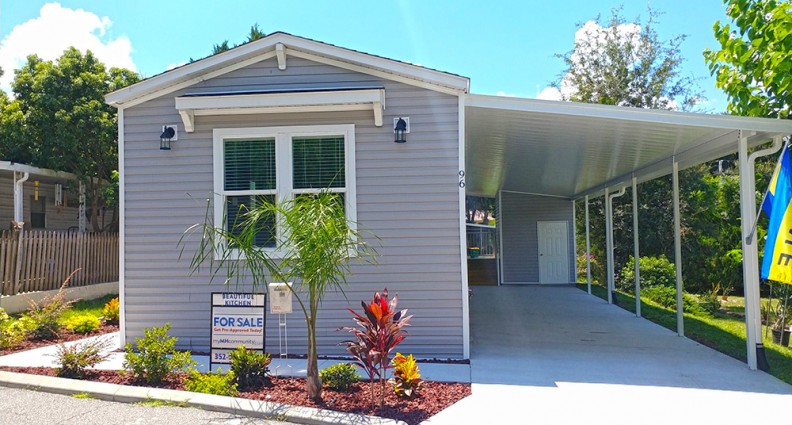
Tag: Mobile home vs trailer

  • Which Mobile Home Type Is Best for You?

    Choosing the right mobile home type can make your living experience more comfortable and budget-friendly. Whether you’re downsizing or buying your first home, mobile homes offer flexibility and value.

    The key is knowing which mobile home type fits your needs best. Let’s explore the options and help you decide with confidence.

    Why Mobile Homes Are a Smart Housing Option

    Mobile homes are affordable, modern, and available in different sizes. They are built in factories and then placed on land you rent or own. This gives you control over your living setup and helps you save money compared to traditional housing.

    Many buyers prefer mobile homes because:

    • They are quicker to build and move into.
    • You can choose from different layouts.
    • They are available at a range of prices.
    • Maintenance is usually easier and cheaper.

    If you’re considering this path, picking the right mobile home type is the next important step.
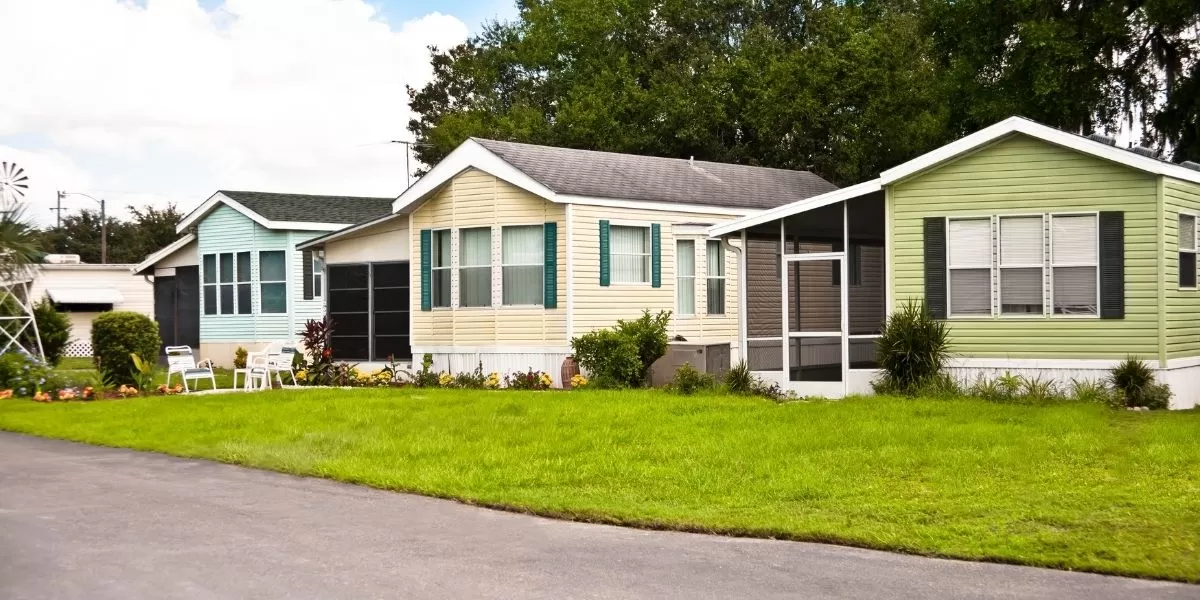
    Mobile Home Type

    What Are the Main Mobile Home Types?

    There are several common types of mobile homes, each with unique features. The right choice depends on how much space you need and how long you plan to stay.

    Let’s break them down:

    Single-Wide Mobile Homes

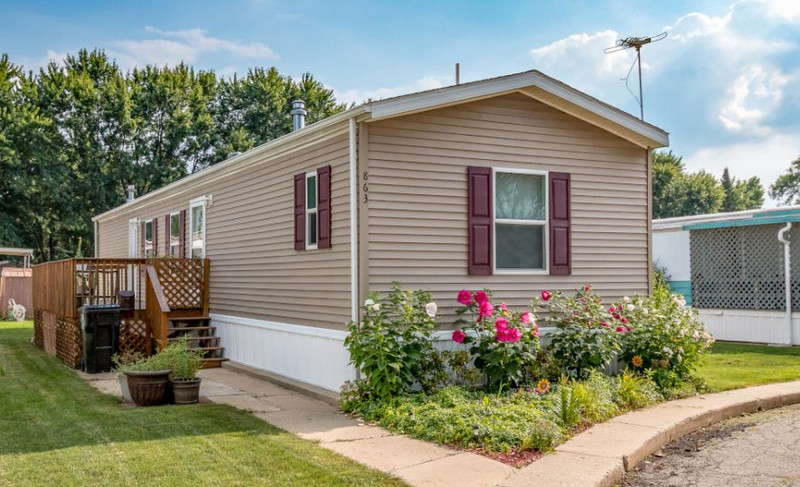
    Single-wide homes are compact and efficient. They are usually 18 feet wide or less and up to 90 feet long.

    Benefits include:

    • Lower price tag
    • Faster setup time
    • Less land needed

    These homes are perfect for individuals or small families. If you want a smaller footprint and less upkeep, this mobile home type might be ideal.

    Double-Wide Mobile Homes

    Double-wides are made by joining two sections on-site. They usually offer over 1,000 square feet of space.

    Highlights:

    • More room for bedrooms, kitchens, and living areas
    • Better resale value
    • A more traditional house feel

    They suit growing families or anyone wanting extra space without paying for a full-size house.

    Triple-Wide and Multi-Wide Mobile Homes

    These homes are built from three or more sections and often exceed 2,000 square feet.

    You’ll get:

    • More layout options
    • Larger kitchens and bathrooms
    • A spacious, home-like feel

    If space is a top priority, this type can rival traditional homes in comfort and design.

    Modular Homes

    Modular homes are factory-built like mobile homes but follow local building codes and sit on permanent foundations.

    Key features:

    • Custom layouts
    • More long-term stability
    • Can look identical to site-built homes

    They work well for buyers who want something more permanent but still affordable.

    Which Mobile Home Type Matches Your Lifestyle?

    Your living style and goals help decide the best mobile home type.

    Ask yourself:

    • Will you live alone, with a partner, or with family?
    • Do you need extra space for hobbies or work?
    • Is this a long-term home or a short-term solution?
    • Do you own land, or will you rent in a mobile home park?

    By answering these, you’ll better understand what layout and features are right for you.

    Top Things to Consider Before You Decide

    To make a smart choice, keep these factors in mind:

    1. Budget

    • Can you afford the home and lot rent?
    • Are you ready for maintenance, utility, and insurance costs?

    2. Size Needs

    • How many people will live in the home?
    • Do you need two bathrooms or a home office?

    3. Location

    • Will your mobile home sit on private land or in a park?
    • Are you close to work, schools, or stores?

    4. Long-Term Plans

    • Do you plan to stay for years?
    • Will you need more room down the line?

    Quick Comparison: Mobile Home Types

    Feature Single-Wide Double-Wide Triple-Wide Modular
    Avg. Sq. Ft. 600–1,000 1,000–1,600 1,600–2,400+ 1,200–2,500+
    Bedrooms 1–2 2–3 3–5 2–5
    Setup Speed Fast Medium Slower Slowest
    Foundation Pier or slab Pier or slab Pier or slab Permanent
    Custom Design Limited Moderate High Very high


    Pros of Choosing a Mobile Home

    Here are some great reasons to pick a mobile home:

    • Affordable pricing
    • Quick setup
    • Flexible locations
    • Low maintenance needs
    • Many layout choices

    How to Pick the Right Mobile Home Type

    Use these tips:

    • Make a checklist of your space and budget needs.
    • Visit homes in person to compare layouts.
    • Talk to dealers to learn about features and prices.
    • Plan ahead for future needs like kids or home offices.

    Each mobile home type has its own strengths. Knowing what matters most to you will help you make a good decision.

    FAQ: Choosing the Best Mobile Home Type

    What is the most affordable mobile home type?
    Single-wide homes are the cheapest to buy and set up.

    Which mobile home type offers the most space?
    Triple-wide homes provide the largest living space.

    Are modular homes considered mobile homes?
    No. Modular homes follow local building codes and sit on permanent foundations.

    Can I put a mobile home on my own land?
    Yes, if zoning laws allow it.

    Do mobile homes hold their value?
    Double-wides and modular homes often keep their value better than single-wides.

    How long do mobile homes last?
    With care, mobile homes can last 30 years or more.

    Can mobile homes be customized?
    Modular and triple-wide homes often offer customization.

    Is it cheaper to live in a mobile home park?
    Yes, lot rent is usually lower than a mortgage or apartment rent.

    Can mobile homes be moved later?
    Some can, but it’s expensive and not always recommended.

    Do mobile homes come with warranties?
    New mobile homes often include a limited warranty for parts and structure.

    Start Your Search with The Mobile Home Dealer

    At The Mobile Home Dealer, we offer all types of mobile homes to match your lifestyle and budget. Whether you need a small single-wide or a full-sized modular home, we’re here to help you find the right fit.

    Ready to discover your perfect mobile home type? Visit The Mobile Home Dealer and explore the options waiting for you today.
     

    See Also:

  • Signs of a Failing Mobile Home Frame (And What to Do About It)

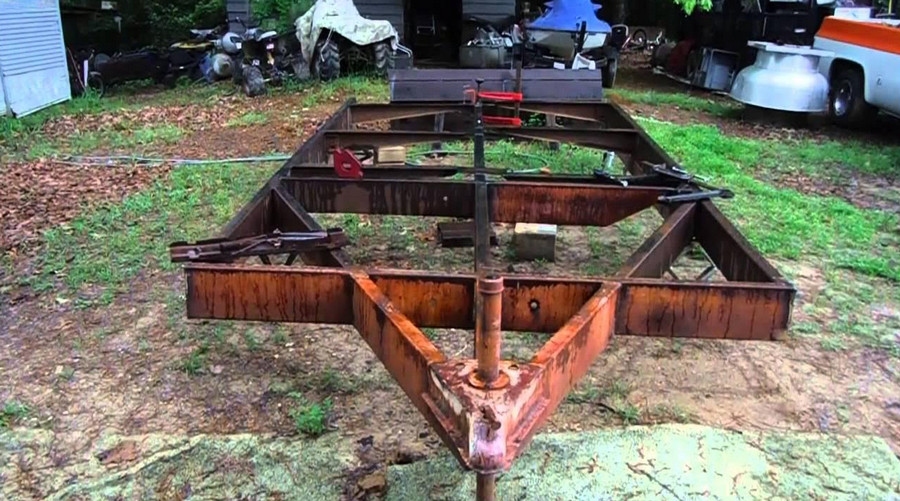
    A strong mobile home frame is essential for stability and safety. If the underframe weakens, it can lead to structural problems. Knowing the warning signs early can prevent costly repairs and ensure a secure home.

    Common Signs of a Weak Mobile Home Frame

    A failing mobile home underframe can show different warning signs. Paying attention to these issues can help prevent further damage.

    1. Uneven or Sagging Floors

    If the floors feel soft, bouncy, or sag in certain areas, the chassis may be weakening. This often happens due to rust, corrosion, or shifting supports.

    2. Doors and Windows Stick or Don’t Close Properly

    When a mobile home chassis weakens, it can cause the structure to shift. As a result, doors and windows may not align correctly.

    mobile home frame

    3. Visible Rust or Corrosion

    The metal parts of a mobile home underframe can rust over time, especially in humid climates. Look underneath the home for rust spots or corrosion that weaken the underframe.

    4. Cracks in Walls or Ceiling

    If cracks appear in drywall or ceiling panels, the home may be shifting. This can indicate an uneven or damaged chassis.

    5. Unstable or Wobbly Feeling When Walking

    If the home moves slightly when walking inside, the frame may not be providing adequate support. This can be due to weak connections or failing components.

    What Causes Mobile Home Chassis Damage?

    Several factors contribute to a weakening mobile home underframe. Understanding these causes can help prevent long-term issues.

    • Moisture Exposure: Water damage weakens the metal and wooden parts of the underframe.
    • Poor Installation: An improperly set-up mobile home may experience chassis shifting over time.
    • Age of the Home: Older mobile homes naturally experience wear and tear.
    • Heavy Loads: Adding too much weight, such as large furniture or extra walls, can stress the frame.
    • Foundation Issues: If the foundation shifts, the underframe may bend or twist.

    How to Fix a Weak Mobile Home Frame

    If you notice signs of a weak frame, taking action can prevent bigger problems. Here are some solutions:

    1. Reinforce the Chassis with Additional Supports

    Adding extra steel beams or support jacks can help stabilize the underframe. This is a cost-effective way to strengthen weak areas.

    2. Treat Rust and Corrosion

    Removing rust and applying a protective coating can extend the life of a mobile home frame. Rust-resistant paint or sealants help prevent further damage.

    3. Repair or Replace Damaged Sections

    If certain areas of the chassis are too damaged, a professional may need to replace those sections. Welding or adding new metal beams can restore strength.

    4. Level the Home

    A mobile home should sit level on its foundation. If it shifts, hiring a professional to relevel it can prevent further chassis stress.

    5. Check and Upgrade Foundation Supports

    Ensuring the foundation is stable prevents unnecessary movement. Upgrading to stronger piers or anchors can help keep the frame secure.

    Preventing Future Mobile Home Frame Problems

    Regular maintenance can help keep a mobile home chassis strong. Here are some tips:

    • Inspect the frame annually for signs of rust, cracks, or shifting.
    • Keep the home properly leveled to avoid unnecessary stress on the frame.
    • Seal areas exposed to moisture to prevent rust and corrosion.
    • Avoid overloading the home with heavy furniture or modifications.
    • Ensure the foundation is solid and check support piers for stability.

    FAQ: Mobile Home Frame Issues

    1. How long does a mobile home frame last?
      A well-maintained frame can last for decades with proper care and inspections.
    2. Can you replace a mobile home frame?
      While replacing an entire frame is difficult, sections can be repaired or reinforced.
    3. How much does it cost to fix a mobile home frame?
      Repair costs vary, but minor fixes may cost a few hundred dollars, while major repairs can be more expensive.
    4. What should I do if my mobile home frame is rusting?
      Treat rust immediately with rust-resistant paint or sealant to prevent further damage.
    5. Can a mobile home frame be moved?
      Yes, but it requires professional help to ensure the frame remains intact during transport.
    6. Why does my mobile home feel uneven?
      This could be due to a shifting frame, an unlevel foundation, or weak support beams.
    7. How often should I check my mobile home chassis?
      Inspecting the frame at least once a year can help catch issues early.
    8. What are the best ways to strengthen a mobile home underframe?
      Adding steel reinforcements, treating rust, and maintaining a level foundation help keep it strong.
    9. Can water damage a mobile home frame?
      Yes, moisture can cause rust on metal frames and rot on wooden components.
    10. Should I hire a professional to inspect my mobile home frame?
      If you notice serious issues, a professional can assess the frame and recommend the best solutions.

    See Also:


  • How to Find Mobile Home Parks with Low Lot Rent in Florida

    Mobile home parks in Florida offer affordable living options, but finding those with low lot rent can be challenging. The state’s popularity with retirees and seasonal residents means high demand for mobile home communities. However, with the right strategies, you can identify parks offering affordable lot rents that suit your budget.

    Understand Mobile Home Lot Rent

    Lot rent, or lot lease, is the monthly fee mobile homeowners pay to park their homes on rented land. This fee typically includes access to park amenities, maintenance of common areas, and utility hookups. The cost varies widely based on location, park features, and the size of the lot.

    affordable lot rents

    Why Florida?

    Florida has one of the highest concentrations of mobile home parks in the United States. Many parks cater to retirees and snowbirds seeking affordable, community-oriented living. Warm weather, no state income tax, and abundant amenities make Florida an attractive option for mobile homeowners.

    Tips for Finding Low Lot Rent in Florida

    1. Research Locations

    Lot rent prices often depend on the location. Urban areas and coastal regions usually have higher rents due to demand and land value. Focus your search on inland areas or smaller towns where lot rents tend to be lower. Examples of budget-friendly regions include:

    • Ocala: Known for its horse farms and quiet atmosphere.
    • Lakeland: Offers a mix of amenities and lower costs.
    • Sebring: A peaceful, affordable area with many mobile home parks.

    2. Use Online Resources

    Several websites and platforms specialize in mobile home listings and park directories. These resources often include lot rent details and park amenities. Popular options include:

    • MHVillage: Provides extensive mobile home listings, including details about lot rents.
    • MobileHome.net: Features park directories and homes for sale or rent in Florida.
    • Zillow: Lists mobile homes and may include information on lot rents in certain parks.

    Use filters on these sites to search specifically for communities with lower lot rents.

    3. Look for Resident-Owned Communities

    Resident-owned communities (ROCs) are mobile home parks where residents collectively own the land. Lot rents in ROCs are often lower because they operate as nonprofits, prioritizing affordability over profit. While the upfront cost of purchasing a share in the community may be higher, the lower monthly rent can save money over time.

    4. Visit Parks in Person

    Seeing parks first hand helps you assess their value. While online listings are helpful, visiting allows you to talk directly to park managers. Ask about lot rent, included utilities, and potential fee increases. Walk through the park to evaluate cleanliness, maintenance, and amenities.

    5. Ask About All-Inclusive Rent

    Some parks offer all-inclusive lot rents, bundling utilities like water, trash, and sewer into the monthly fee. These options can save money compared to parks where utilities are billed separately. Always clarify what is included in the rent when comparing options.

    6. Network with Current Residents

    Current residents provide valuable insights about lot rents and park management. When visiting parks, strike up conversations with people living there. They may share tips on how to find low-rent parks or recommend nearby alternatives.

    7. Consider Age-Restricted Communities

    Many 55+ communities in Florida offer lower lot rents due to their specific target demographic. These parks often provide quiet, senior-friendly environments with amenities like clubhouses and pools. If you meet the age requirement, these parks can be an affordable option.

    8. Negotiate Rent Terms

    In smaller or less competitive parks, negotiating lot rent may be possible. Approach park managers with reasonable offers, especially if you’re planning a long-term stay. Some parks may provide discounts for paying rent annually or upfront.

    9. Check for Seasonal Rates

    Florida’s popularity with seasonal residents means some parks offer discounted lot rents during off-peak months. If your schedule is flexible, renting seasonally can lower costs significantly.

    10. Look for Smaller Parks

    Large parks with extensive amenities often charge higher lot rents to cover their operational costs. Smaller, less commercialized parks tend to have lower fees while still offering essential services.

    Factors That Influence Lot Rent

    1. Amenities Offered

    Parks with pools, gyms, organized activities, or waterfront access typically charge higher lot rents. Determine which amenities you truly need. Opting for parks with fewer extras can lower your monthly costs.

    2. Proximity to Urban Centers

    Close to cities like Tampa, Orlando, or Miami increases rent prices. Parks farther from major urban centers generally offer more affordable rates.

    3. Utility Inclusions

    Lot rents that include utilities or other services may initially appear higher. Calculate the overall cost to see if these inclusions save you money.

    4. Market Demand

    Florida’s housing market fluctuations can affect lot rents. Areas with high seasonal demand may see temporary rent increases.

    Red Flags to Watch For

    Frequent Rent Increases

    Before committing, review the park’s history of rent hikes and speak with residents about their experience with annual increases.

    Hidden Fees

    Some parks advertise low lot rents but add extra fees for services like trash pickup or clubhouse access. Always ask for a breakdown of costs.

    Poor Maintenance

    Low lot rent might come at the expense of park upkeep. Look for signs of neglect, like unkempt common areas or damaged roads.

    Restrictive Rules

    Some parks have strict rules about home appearance, pets, or visitor policies. Ensure you’re comfortable with their regulations before signing a lease.

    Examples of Affordable Parks in Florida

    While specific parks vary by availability, here are some areas known for offering affordable lot rents:

    1. Ocala Forest Campsites – Located near Ocala, this park offers low rents in a nature-focused setting.
    2. Lakeland Estates – A smaller community with reasonable rates and proximity to local amenities.
    3. Sebring Village – Affordable lot rents and an active, senior-friendly environment.

    Use these examples as starting points and expand your search based on your desired location and amenities.

    Final Tips for Finding the Best Deal

    • Start your search early to have more options.
    • Keep an eye out for promotions or move-in specials offered by parks.
    • Join online forums or social media groups focused on Florida mobile home living.

    Conclusion

    Finding mobile home parks with low lot rent in Florida requires research, networking, and careful comparison. Focus on locations, amenities, and community types that match your needs while staying within budget. By visiting parks, speaking with residents, and using online resources, you can secure an affordable lot in the Sunshine State.


    See Also:


  • How to Find the Perfect Mobile Home Lot in Florida: Location, Size, and Rent Considerations

    Mobile homes have become an increasingly popular housing option in Florida, offering affordability, flexibility, and access to a wide range of communities. However, finding the perfect mobile home lot can be a crucial decision that impacts your living experience, long-term costs, and even the resale value of your home. This guide will help you navigate the process of selecting the ideal mobile home lot in Florida by focusing on key factors such as location, lot size, rent, and community features.

    mobile home lot florida

    1. Location: The First and Most Important Factor

    When it comes to buying a mobile home, location is a critical factor—just as it is in traditional real estate. Florida is a diverse state with a range of environments, from coastal areas to inland rural settings. Choosing the right location for your mobile home lot depends on your lifestyle preferences, job, and family needs.

    A. Urban vs. Rural Areas

    • Urban Areas: If you prefer being close to shopping centers, restaurants, hospitals, and entertainment, urban areas like Miami, Tampa, or Orlando may be ideal. Urban mobile home parks in these regions typically offer convenient access to public transportation and are closer to major highways. However, these lots may come at a higher price point, both in terms of purchase price and monthly lot rent.
    • Rural Areas: On the other hand, rural areas like Ocala, Sebring, or the Florida Panhandle provide quieter living environments with more space and nature. Lots in rural communities tend to be more affordable, but you might sacrifice proximity to certain amenities, like grocery stores or healthcare facilities.

    B. Climate and Weather Considerations

    Florida’s weather is a significant factor to consider. Coastal areas are more prone to hurricanes, which could require additional preparation, such as storm shutters or elevated foundations. Inland areas tend to have lower risks of hurricane damage but can be prone to flooding during heavy rains.

    C. Proximity to Work and Family

    Living close to work, family, and other important places like schools or hospitals can dramatically improve your quality of life. Before selecting a lot, consider the commute time to your job or family, as well as the availability of nearby public services. For retirees, proximity to healthcare facilities might be a top priority.

    2. Lot Size: How Much Space Do You Really Need?

    Another critical factor when choosing the perfect mobile home lot is the size of the lot. Mobile home lots in Florida can vary in size, from small compact spaces in densely populated parks to large, spacious lots in rural areas.

    A. Single-Wide vs. Double-Wide Mobile Homes

    • Single-Wide Mobile Homes: If you’re considering a single-wide mobile home, you will require less lot space. Single-wides are typically 14 to 18 feet wide and 66 to 90 feet long, which can comfortably fit on smaller lots. These lots are usually more affordable and may be found in both urban and rural parks.
    • Double-Wide Mobile Homes: Double-wide homes are larger, typically 20 to 32 feet wide and 66 to 90 feet long. You’ll need a larger lot to accommodate the extra space. Be sure to measure both the width and length of the lot before committing, especially if you plan on adding a porch, shed, or carport.

    B. Outdoor Space Considerations

    Outdoor space is an essential consideration for many mobile home owners. Do you want room for a garden, a deck, or even a pool? Large lots provide more flexibility for outdoor living and leisure, which is particularly important in sunny Florida. Additionally, larger lots tend to offer more privacy, which could enhance your quality of life.

    C. Lot Layout and Utility Access

    When selecting a lot, ensure that it has proper access to utilities such as water, sewage, and electricity. Consider the layout of the lot and whether it can accommodate these utilities without needing extensive infrastructure upgrades. Also, check the positioning of the home on the lot, ensuring there’s enough space for driveways, parking, or outdoor recreational areas.

    3. Rent Considerations: What Does Lot Rent Include?

    In Florida, many mobile home lots are leased rather than purchased, which means you’ll likely be paying monthly lot rent. Understanding the cost of lot rent and what it includes is crucial in finding the right lot for your budget.

    A. Average Lot Rent in Florida

    Lot rent varies greatly depending on the location and the amenities provided by the community. In more urban and desirable areas, lot rent can range from $600 to $1,000 or more per month. In rural areas, it might be as low as $300 to $500 per month. It’s important to budget for this monthly expense, as it will be a long-term commitment.

    B. What’s Included in Lot Rent?

    Not all lot rents are created equal. Some mobile home parks include basic utilities like water, sewage, and trash collection in the rent, while others charge extra for these services. In addition, many mobile home parks in Florida offer community amenities such as:

    • Clubhouses
    • Swimming pools
    • Fitness centers
    • Security services
    • Landscaping and maintenance

    Before committing to a lot, ask for a breakdown of what is included in the lot rent to avoid any surprise expenses.

    C. Rent Increases and Lease Terms

    Another factor to consider is the possibility of rent increases. Some mobile home parks raise lot rent periodically, so be sure to ask about the frequency and percentage of rent increases. Also, review the lease agreement carefully to understand the terms and conditions. Look for provisions related to rent stability, which may protect you from sudden, significant rent hikes.

    4. Community Features: What Makes the Park Feel Like Home?

    Choosing the right mobile home lot isn’t just about space and cost—it’s also about finding the right community. Florida is home to many mobile home parks that offer a variety of lifestyle options, from quiet, family-friendly communities to active 55+ retirement communities.

    A. Family-Friendly vs. 55+ Communities

    • Family-Friendly Communities: If you have a family, look for parks that offer kid-friendly amenities like playgrounds, schools, and recreational spaces. Family-friendly mobile home parks also tend to have more flexible rules regarding pets and outdoor activities.
    • 55+ Communities: If you’re a retiree or empty-nester, consider 55+ communities. These age-restricted parks often have more relaxed living environments with amenities catering to retirees, such as golf courses, swimming pools, and social clubs. These parks tend to have lower traffic and more quiet hours, making them ideal for those seeking peace.

    B. Park Rules and Regulations

    Every mobile home park in Florida has its own set of rules and regulations, which can vary greatly. Some parks have strict guidelines regarding landscaping, home maintenance, and even exterior decorations. It’s important to review these rules before purchasing a lot to ensure that the park’s culture aligns with your lifestyle. If you value independence and flexibility, look for parks with more relaxed regulations.

    C. Community Activities and Social Events

    If socializing and community involvement are important to you, seek parks that offer frequent activities, such as potlucks, bingo nights, or group outings. These events can help you build connections with your neighbors and enhance your overall living experience.

    5. Accessibility and Convenience: What’s Nearby?

    One of the most important factors in selecting a mobile home lot is the proximity to essential services and conveniences. Whether you’re living in Florida year-round or as a seasonal resident, it’s crucial to find a location that offers easy access to shopping, healthcare, and entertainment.

    A. Nearby Grocery Stores and Shopping Centers

    Living close to grocery stores, pharmacies, and retail outlets can save you time and hassle. Consider how often you shop for groceries or essentials and choose a lot that offers convenient access to these stores.

    B. Healthcare Facilities

    For retirees or those with health concerns, proximity to healthcare services is critical. Ensure that you have access to nearby hospitals, urgent care centers, or doctor’s offices in case of emergencies or regular medical needs.

    C. Recreational Activities

    Florida is known for its recreational activities, such as golfing, boating, and beach-going. If you have a hobby or activity that’s important to you, choose a mobile home lot that offers easy access to your favorite pastimes. Many mobile home parks in Florida are located near golf courses, state parks, and beaches, which can add tremendous value to your lifestyle.

    Conclusion

    Choosing the perfect mobile home lot in Florida involves a combination of personal preferences, practical considerations, and long-term financial planning. By carefully evaluating factors such as location, lot size, rent, community amenities, and nearby conveniences, you can find a lot that perfectly suits your needs and enhances your mobile home living experience. Take your time, research multiple parks and lots, and don’t hesitate to ask questions. The right lot is out there—now it’s time to find it!


    See Also:


Reset password

Enter your email address and we will send you a link to change your password.

Get started with your account

to save your favourite homes and more

Sign up with email

Get started with your account

to save your favourite homes and more

By clicking the «SIGN UP» button you agree to the Terms of Use and Privacy Policy
Powered by Estatik