Tag: mobile home vs manufactured home

  • How to Find Mobile Home Parks with Low Lot Rent in Florida

    Mobile home parks in Florida offer affordable living options, but finding those with low lot rent can be challenging. The state’s popularity with retirees and seasonal residents means high demand for mobile home communities. However, with the right strategies, you can identify parks offering affordable lot rents that suit your budget.

    Understand Mobile Home Lot Rent

    Lot rent, or lot lease, is the monthly fee mobile homeowners pay to park their homes on rented land. This fee typically includes access to park amenities, maintenance of common areas, and utility hookups. The cost varies widely based on location, park features, and the size of the lot.
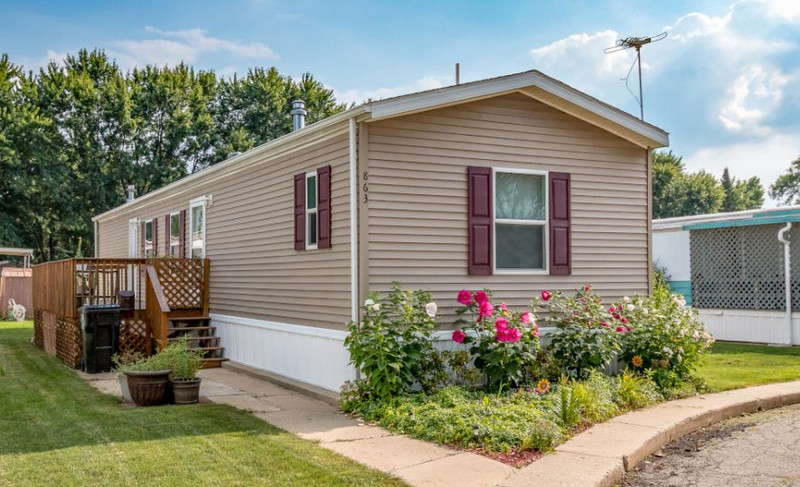
    affordable lot rents

    Why Florida?

    Florida has one of the highest concentrations of mobile home parks in the United States. Many parks cater to retirees and snowbirds seeking affordable, community-oriented living. Warm weather, no state income tax, and abundant amenities make Florida an attractive option for mobile homeowners.

    Tips for Finding Low Lot Rent in Florida

    1. Research Locations

    Lot rent prices often depend on the location. Urban areas and coastal regions usually have higher rents due to demand and land value. Focus your search on inland areas or smaller towns where lot rents tend to be lower. Examples of budget-friendly regions include:

    • Ocala: Known for its horse farms and quiet atmosphere.
    • Lakeland: Offers a mix of amenities and lower costs.
    • Sebring: A peaceful, affordable area with many mobile home parks.

    2. Use Online Resources

    Several websites and platforms specialize in mobile home listings and park directories. These resources often include lot rent details and park amenities. Popular options include:

    • MHVillage: Provides extensive mobile home listings, including details about lot rents.
    • MobileHome.net: Features park directories and homes for sale or rent in Florida.
    • Zillow: Lists mobile homes and may include information on lot rents in certain parks.

    Use filters on these sites to search specifically for communities with lower lot rents.

    3. Look for Resident-Owned Communities

    Resident-owned communities (ROCs) are mobile home parks where residents collectively own the land. Lot rents in ROCs are often lower because they operate as nonprofits, prioritizing affordability over profit. While the upfront cost of purchasing a share in the community may be higher, the lower monthly rent can save money over time.

    4. Visit Parks in Person

    Seeing parks first hand helps you assess their value. While online listings are helpful, visiting allows you to talk directly to park managers. Ask about lot rent, included utilities, and potential fee increases. Walk through the park to evaluate cleanliness, maintenance, and amenities.

    5. Ask About All-Inclusive Rent

    Some parks offer all-inclusive lot rents, bundling utilities like water, trash, and sewer into the monthly fee. These options can save money compared to parks where utilities are billed separately. Always clarify what is included in the rent when comparing options.

    6. Network with Current Residents

    Current residents provide valuable insights about lot rents and park management. When visiting parks, strike up conversations with people living there. They may share tips on how to find low-rent parks or recommend nearby alternatives.

    7. Consider Age-Restricted Communities

    Many 55+ communities in Florida offer lower lot rents due to their specific target demographic. These parks often provide quiet, senior-friendly environments with amenities like clubhouses and pools. If you meet the age requirement, these parks can be an affordable option.

    8. Negotiate Rent Terms

    In smaller or less competitive parks, negotiating lot rent may be possible. Approach park managers with reasonable offers, especially if you’re planning a long-term stay. Some parks may provide discounts for paying rent annually or upfront.

    9. Check for Seasonal Rates

    Florida’s popularity with seasonal residents means some parks offer discounted lot rents during off-peak months. If your schedule is flexible, renting seasonally can lower costs significantly.

    10. Look for Smaller Parks

    Large parks with extensive amenities often charge higher lot rents to cover their operational costs. Smaller, less commercialized parks tend to have lower fees while still offering essential services.

    Factors That Influence Lot Rent

    1. Amenities Offered

    Parks with pools, gyms, organized activities, or waterfront access typically charge higher lot rents. Determine which amenities you truly need. Opting for parks with fewer extras can lower your monthly costs.

    2. Proximity to Urban Centers

    Close to cities like Tampa, Orlando, or Miami increases rent prices. Parks farther from major urban centers generally offer more affordable rates.

    3. Utility Inclusions

    Lot rents that include utilities or other services may initially appear higher. Calculate the overall cost to see if these inclusions save you money.

    4. Market Demand

    Florida’s housing market fluctuations can affect lot rents. Areas with high seasonal demand may see temporary rent increases.

    Red Flags to Watch For

    Frequent Rent Increases

    Before committing, review the park’s history of rent hikes and speak with residents about their experience with annual increases.

    Hidden Fees

    Some parks advertise low lot rents but add extra fees for services like trash pickup or clubhouse access. Always ask for a breakdown of costs.

    Poor Maintenance

    Low lot rent might come at the expense of park upkeep. Look for signs of neglect, like unkempt common areas or damaged roads.

    Restrictive Rules

    Some parks have strict rules about home appearance, pets, or visitor policies. Ensure you’re comfortable with their regulations before signing a lease.

    Examples of Affordable Parks in Florida

    While specific parks vary by availability, here are some areas known for offering affordable lot rents:

    1. Ocala Forest Campsites – Located near Ocala, this park offers low rents in a nature-focused setting.
    2. Lakeland Estates – A smaller community with reasonable rates and proximity to local amenities.
    3. Sebring Village – Affordable lot rents and an active, senior-friendly environment.

    Use these examples as starting points and expand your search based on your desired location and amenities.

    Final Tips for Finding the Best Deal

    • Start your search early to have more options.
    • Keep an eye out for promotions or move-in specials offered by parks.
    • Join online forums or social media groups focused on Florida mobile home living.

    Conclusion

    Finding mobile home parks with low lot rent in Florida requires research, networking, and careful comparison. Focus on locations, amenities, and community types that match your needs while staying within budget. By visiting parks, speaking with residents, and using online resources, you can secure an affordable lot in the Sunshine State.


    See Also:


  • Mobile Home Park VS Trailer Park: What’s the Difference

    In the realm of affordable housing, the terms “mobile home park” and “trailer park” are often used interchangeably, leading to confusion about their distinctions. As housing trends evolve and lifestyles change, understanding the differences between these two housing concepts becomes crucial for those seeking to make informed decisions about their living arrangements. In this comprehensive guide, we’ll delve into the nuances that set mobile home parks and trailer parks apart, shedding light on their unique characteristics.

    trailer park
    Trailer or RV Park

    Defining Mobile Home Parks

    1. Permanent Installations: Mobile home parks are communities designed to accommodate manufactured homes, often referred to as mobile homes. These homes are built off-site and transported to the park for permanent installation. Unlike traditional homes, mobile homes are constructed on a steel chassis with wheels, allowing for mobility, but in a mobile home park, they are typically anchored to the ground and connected to utilities.
    2. Regulatory Standards: Mobile home parks are subject to specific regulatory standards and building codes set by state and local authorities. These codes ensure that the homes meet safety and quality standards. Mobile homes, in general, have evolved significantly over the years, and modern units often rival traditional homes in terms of amenities and construction quality.
    3. Ownership of the Land: In a mobile home park, residents typically own their mobile homes but lease the land on which the homes are situated. This arrangement allows for a sense of stability and community, as residents can establish roots while enjoying the flexibility of mobile home ownership.
    4. Amenities and Community Facilities: Mobile home parks often come equipped with amenities and community facilities, such as common areas, recreational spaces, and sometimes even swimming pools or clubhouses. These features contribute to a sense of community and shared spaces, fostering social interactions among residents.

    Defining Trailer Parks

    1. Historical Context: The term “trailer park” has historical roots and is often associated with the early days of mobile homes. In the mid-20th century, homes on wheels were commonly referred to as trailers, and the communities that housed them were colloquially known as trailer parks. However, the terminology has evolved, and the industry now prefers the term “mobile home park” to avoid negative connotations.
    2. Perception and Stereotypes: Unfortunately, the term “trailer park” has been stigmatized over the years, often conjuring images of run-down communities and socioeconomic challenges. It’s essential to recognize that this stereotype doesn’t accurately represent the diverse and evolving landscape of mobile home living today.
    3. Mobility of Homes: Historically, trailers were designed for mobility, and residents could relocate their homes if needed. However, as mobile homes became more permanent fixtures in communities, the term “trailer park” fell out of favor, and the focus shifted toward establishing stable, well-regulated mobile home parks.
    4. Ownership Models: Similar to mobile home parks, residents in trailer parks may own their homes but lease the land. However, in some cases, trailer parks may be more transient, with residents having the option to move their homes more frequently. It’s crucial to clarify the terms of ownership and mobility when considering a housing arrangement in a trailer park.

    Navigating the Modern Landscape

    1. Industry Evolution: The manufactured housing industry has undergone significant evolution, leading to a departure from the stereotypical trailer park image. Modern mobile homes are built to high standards, offering energy efficiency, aesthetic appeal, and a range of floor plans. The industry has embraced the term “mobile home park” to reflect the positive changes and the permanence of these communities.
    2. Community Diversity: Mobile home parks today are diverse communities that cater to various demographics, including retirees, families, and individuals seeking affordable housing solutions. The focus is on creating well-maintained, safe, and welcoming environments that promote a sense of community and pride among residents.
    3. Regulatory Reforms: Recognizing the importance of regulating mobile home parks to ensure residents’ safety and well-being, many states have implemented reforms to strengthen building codes, improve infrastructure, and enhance overall living conditions. These measures contribute to a positive shift in the perception and reality of mobile home living.
    4. Affordability and Sustainability: Both mobile home parks and trailer parks continue to offer affordable housing options, making them attractive to individuals and families looking to achieve homeownership without the financial burden of traditional real estate. The sustainability and energy efficiency of modern mobile homes contribute to their appeal as environmentally conscious housing choices.

    Conclusion

    In the modern era, the terms “mobile home park” and “trailer park” represent more than just housing; they embody the evolution of affordable and flexible homeownership. While historical stereotypes may linger, it’s essential to recognize the positive transformations within the industry. Choosing between a mobile home park and a trailer park is not just about terminology; it’s about finding a community that aligns with your lifestyle, needs, and aspirations. As the housing landscape continues to evolve, the distinctions between these terms will likely become less relevant, and the focus will shift toward promoting the diverse and dynamic communities that make up the fabric of mobile home living in the 21st century.

    See Also:

  • Trailer Park vs. Mobile Home Park: What’s the Difference?

    When it comes to affordable housing options, trailer parks, and mobile home parks are often at the forefront of the conversation. While these terms are sometimes used interchangeably, the two have distinct differences. In this article, we’ll explore the disparities between trailer parks and mobile home parks, shedding light on their unique features, advantages, and challenges.

    What is a Trailer Park?

    A trailer park, or a trailer court or caravan park, is a community or area where residents live in mobile homes or trailers. These dwellings are usually smaller, have wheels, and are designed for easy transportation. Trailer parks can vary widely in terms of quality, amenities, and regulations, and they often cater to lower-income individuals or families.

    trailer park
    Trailer or RV Park

    Pros of Trailer Parks:

    1. Affordability: One of the most significant advantages of living in a trailer park is affordability. The cost of renting or owning a mobile home in a trailer park is generally lower than traditional housing options, making it an attractive choice for those on a tight budget.
    2. Flexibility: Trailers’ mobile nature allows residents to move their homes relatively easily if they decide to relocate. This flexibility can be advantageous for individuals with jobs requiring frequent moves.
    3. Community: Trailer parks often foster a strong sense of community. Neighbors tend to be close-knit, and the communal atmosphere can provide a support system for residents.

    Cons of Trailer Parks:

    1. Stigma: Trailer parks have long been associated with negative stereotypes and stigmas, which can affect the self-esteem of their residents and lead to discrimination.
    2. Maintenance: Some trailer parks may lack proper maintenance, resulting in subpar living conditions, including poor plumbing, electrical problems, or inadequate waste disposal facilities.
    3. Limited Amenities: While some trailer parks offer playgrounds or communal spaces, others may lack such facilities. Researching the specific trailer park you’re considering to ensure it meets your needs is essential.

    What is a Mobile Home Park?

    On the other hand, a mobile home park is a community specifically designed for manufactured homes. Unlike trailers, mobile homes are typically larger and often resemble traditional houses in terms of size and layout. They are placed on a permanent foundation and may not have wheels, making them less mobile than traditional trailers.

    trailer parks and mobile home park
    Mobile Home Park

    Pros of Mobile Home Parks:

    1. Stability: Mobile homes are generally more stable and durable than traditional trailers. They are often built to higher construction standards and are less prone to damage from severe weather or other environmental factors.
    2. Amenities: Many mobile home parks offer a range of amenities, including community centers, swimming pools, and recreational areas. These features can enhance the quality of life for residents.
    3. Community: Like trailer parks, mobile home parks often provide a sense of community and belonging. Residents can form strong connections with their neighbors and enjoy shared experiences.

    Cons of Mobile Home Parks:

    1. Higher Costs: While mobile homes offer more stability and durability, they are generally more expensive than traditional trailers. The initial purchase price and ongoing maintenance costs can be higher.
    2. Limited Mobility: As the name suggests, mobile homes are less mobile than trailers. If you need to move, you may encounter more challenges and costs associated with relocating a mobile home.
    3. Regulations: Mobile home parks often have stricter rules than trailer parks, which can be both an advantage and a disadvantage. These regulations may lead to a more pleasant living environment, but they can also limit residents’ personal freedoms and customization options.

    In summary, the primary difference between trailer parks and mobile home parks lies in the type of housing they offer and the level of mobility associated with these homes. Trailer parks typically house smaller, more mobile units, whereas mobile home parks feature larger, more permanent structures. Each option has its own set of pros and cons, which can make one more suitable for a particular individual or family’s needs than the other.

    Choosing Between a Trailer Park and a Mobile Home Park: Factors to Consider

    When deciding between a trailer park and a mobile home park, it’s essential to take several factors into account:

    1. Budget: A trailer park may be the most cost-effective if affordability is your primary concern. However, a mobile home park might be the better option if you’re willing to invest more in your housing and desire a more permanent living situation.
    2. Mobility: Consider how frequently you expect to move in the future. If you anticipate needing to relocate frequently, a trailer park may offer greater flexibility. If you plan to settle in one place for an extended period, a mobile home park might be a more stable choice.
    3. Amenities: Consider the amenities and facilities that are important to you. If you value community spaces, swimming pools, and recreational areas, you may lean towards a mobile home park. On the other hand, if you prefer a simpler, more no-frills lifestyle, a trailer park may be sufficient.
    4. Regulations: Research the specific trailer park or mobile home park you are considering. Look into their rules and regulations to ensure they align with your preferences and lifestyle.
    5. Quality and Maintenance: Inspect the quality of the homes and the level of maintenance in the parks you are interested in. A well-maintained trailer park may offer a more pleasant living environment than a poorly managed mobile home park, and vice versa.

    The Bottom Line

    Both trailer parks and mobile home parks can provide affordable housing options, and the choice between them should be based on your specific needs, preferences, and circumstances. It’s crucial to conduct thorough research and visit potential communities to get a firsthand sense of what each type of park offers. Remember that while both have their unique characteristics and challenges, they can provide comfortable and community-oriented living for those looking for an alternative to traditional housing.


    See Also:

Reset password

Enter your email address and we will send you a link to change your password.

Get started with your account

to save your favourite homes and more

Sign up with email

Get started with your account

to save your favourite homes and more

By clicking the «SIGN UP» button you agree to the Terms of Use and Privacy Policy
Powered by Estatik