Mobile home stairs are a key feature for comfort and safety in any Florida manufactured home. Whether you’re stepping into a cozy single-wide or a spacious double-wide, good stairs make entry and exit easier every day.
Florida homeowners often choose mobile homes for their flexibility and affordability. But safety should always come first, especially with steps. The right stairs offer stability, style, and convenience for all ages.
Why Florida Mobile Home Owners Need Quality Stairs
Florida weather can be humid, rainy, and sunny all in one day. That’s why mobile home steps need to be durable and slip-resistant. Sturdy stairs improve safety during storms and reduce fall risks during wet seasons.
Also, many Florida mobile home communities have specific guidelines about stair construction. Meeting these standards helps you avoid fines and keeps your home in top shape.
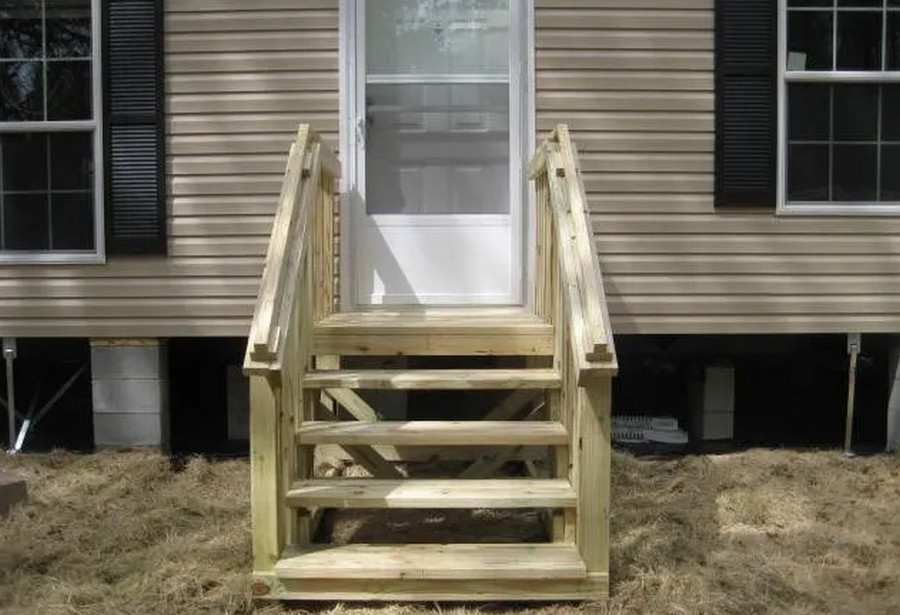
Types of Mobile Home Stairs
You can choose from many stair styles based on your needs, budget, and the look of your home.
Wood Mobile Home Steps
Wood stairs remain a popular option for many mobile homes. They’re affordable, easy to build, and can be painted to match your siding.
- Great for temporary or semi-permanent use
- Can be stained or painted
- May need extra care in humid Florida weather
Metal Mobile Home Stairs
Metal stairs are often used in Florida for their strength and resistance to weather.
- Rust-resistant coatings available
- Lightweight and strong
- Ideal for long-term use in coastal areas
Concrete Mobile Home Steps
Concrete stairs offer a permanent solution. They are heavier but extremely durable.
- Very strong and stable
- Good for permanent mobile home installations
- Requires professional installation
Fiberglass or Plastic Mobile Home Stairs
For a low-maintenance option, fiberglass or heavy-duty plastic steps are growing in popularity.
- Mold-resistant and non-slip surfaces
- Lightweight and easy to install
- Weather-friendly in all Florida seasons
What to Consider When Choosing Mobile Home Steps
Your stairs need to match your lifestyle and meet Florida’s building codes. Keep these things in mind:
1. Height and Size
Measure the height from the ground to your door. Then, choose steps with the right number of steps and the correct rise.
2. Materials
Think about your local climate. For instance, metal or fiberglass can hold up better in rainy or coastal parts of Florida.
3. Handrails and Safety
Always include handrails. Many Florida counties require them, and they help prevent falls.
4. Weight Limits
Some stairs are stronger than others. If you expect heavy use or want extra durability, go for reinforced designs.
Benefits of Installing the Right Mobile Home Stairs
Having good mobile home stairs makes everyday life easier and safer. Plus, it helps your home stay compliant with local regulations. Here are some direct benefits:
- Safer entry and exit for kids and seniors
- Better curb appeal
- Easier to carry groceries or furniture
- Helps meet local housing codes
- Less chance of slips during Florida rains
Mobile Home Stairs and Florida Building Codes
Each city and county in Florida may have slightly different rules. But in general, your steps must:
- Have uniform risers (each step should be the same height)
- Include handrails if more than three steps
- Be stable and supported on level ground
- Allows easy access without blocking the door
Before installing new stairs, check with your mobile home park or local zoning office. This step avoids delays and fines.
Maintenance Tips for Mobile Home Steps
Keeping your steps in good shape adds safety and extends their life. Use these simple tips:
- Inspect for loose steps or rust every few months
- Apply weather-proof paint or sealant once a year
- Keep stairs clear of clutter, leaves, or water
- Tighten bolts or screws as needed
Where to Buy Mobile Home Stairs in Florida
Many Florida mobile home supply stores carry ready-to-install stairs. You can also buy custom options or kits online. Look for:
- Local mobile home part suppliers
- Hardware chains like Lowe’s or Home Depot
- Specialized manufacturers offering delivery in Florida
Mobile Home Steps Improve Safety and Style
Whether you choose wood, metal, or concrete, good mobile home stairs help protect your family and improve your home’s look. In Florida, where the weather changes quickly, choosing the right materials can prevent slippery surfaces and early wear.
If you’re unsure what type to choose, speak to a mobile home dealer. They can recommend options based on your home type and local rules.
FAQs About Mobile Home Steps
Do I need stairs for the back door, too?
Yes, if it’s a regular exit. Florida law may require a safe path from all doors.
How tall can mobile home stairs be in Florida?
There’s no specific limit, but handrails are needed if there are more than three steps.
Are wood stairs safe in Florida weather?
They can be if sealed properly. Regular maintenance is key.
Can I install stairs myself?
Yes, if you have the tools and follow local codes. Some people hire a contractor.
Are metal stairs better than wood?
Metal stairs often last longer, especially near the Florida coast.
Do mobile home stairs come with handrails?
Some kits do. You can also buy handrails separately or build your own.
Where can I buy mobile home stairs in Florida?
Check local supply stores or online retailers that ship to Florida.
How do I keep stairs from being slippery?
Use anti-slip paint or add stair treads for grip.
What’s the average cost of mobile home stairs?
It depends on the material. Wood is cheapest. Concrete and metal cost more.
Can I move my stairs to another home?
Yes, if they are made from lightweight materials like wood or metal.
If you live in Florida and need help choosing mobile home stairs, reach out to our team at The Mobile Home Dealer. We help buyers find safe and affordable ways to upgrade their mobile homes. Whether you live in Tampa, Sarasota, or anywhere across the state, we’re happy to help.
See Also:
- Which Mobile Home Type Is Best for You?
- Budget-Friendly Mobile Home Renovation Tips
- How to Protect Your Mobile Home During Winter
- Hidden Costs of Buying a Repo Mobile Home
- Mobile Home Air Conditioning Options
