Tag: mobile home skirting ideas cheap

  • Single Wide Mobile Home Skirting Ideas for Better Curb Appeal and Comfort

    Single Wide Mobile Home Skirting Ideas for Better Curb Appeal and Comfort

    Looking for single wide mobile home skirting ideas that improve both looks and function? You’re in the right place.

    Skirting serves more than just a decorative purpose. It helps regulate temperature, keeps animals out, and can even boost your home’s value. With the right skirting, your single wide mobile home can look cleaner, more complete, and better protected.

    Let’s look at some skirting ideas that are easy to install, budget-friendly, and durable.

    Why Skirting Matters for Single Wide Mobile Homes

    Skirting wraps around the base of your mobile home. It creates a barrier between the ground and your home’s underside.

    This barrier helps with:

    • Insulation: It can reduce heating and cooling costs.
    • Protection: Keeps moisture, pests, and debris away.
    • Appearance: Gives the home a more finished, tidy look.

    Choosing the right skirting makes your home more efficient and appealing.
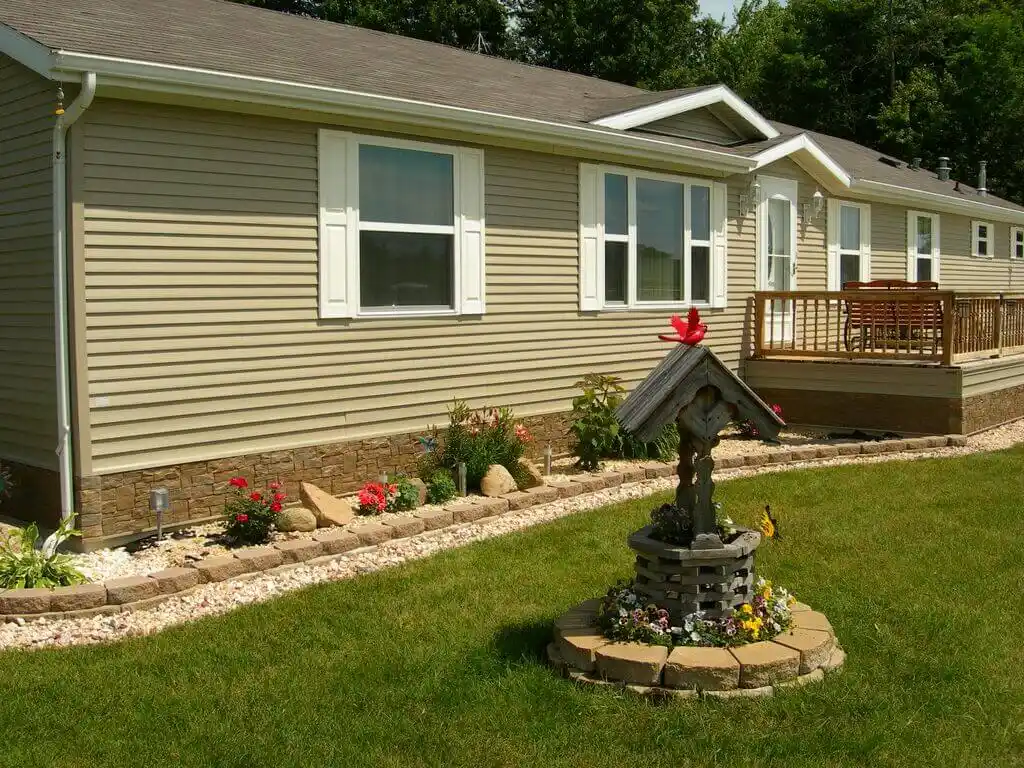
    single wide mobile home skirting ideas

    Popular Single Wide Mobile Home Skirting Ideas

    There are many materials you can use. Some are great for low budgets. Others last longer or look more like a traditional house.

    1. Vinyl Skirting

    Vinyl skirting is one of the most popular choices. It’s affordable, easy to find, and comes in various colors.

    Pros:

    • Lightweight and simple to install
    • Weather-resistant
    • Budget-friendly

    Cons:

    • Can crack in cold weather
    • May need replacing after a few years

    If you want a low-cost solution that still looks neat, vinyl is a solid choice.

    2. Faux Stone Skirting

    Looking for style? Faux stone skirting gives a natural look without the high price of real stone.

    Benefits include:

    • High curb appeal
    • Durable in different climates
    • Easy to clean

    Though more expensive than vinyl, faux stone lasts longer and adds charm to your mobile home.

    3. Metal Skirting

    Metal skirting—usually aluminum or galvanized steel—offers strong protection. It’s a smart choice in areas with wild animals or rough weather.

    Why people choose it:

    • Harder to damage
    • Fire-resistant
    • Long-lasting

    This option works best if you want security and strength.

    4. Concrete or Brick Panels

    Some owners prefer a solid look. Concrete or brick panels can make your home appear permanent.

    Advantages:

    • Very sturdy
    • High-end look
    • Fire- and weather-resistant

    This option can cost more upfront, but it lasts decades with little upkeep.

    5. Recycled Materials

    Looking to save money and reduce waste? You can use leftover wood, tin, or plastic for a unique skirting look.

    Ideas include:

    • Painted pallets
    • Corrugated metal sheets
    • Repurposed siding

    Just be sure the material is safe and secure for your climate.

    Creative Design Tips to Match Your Style

    You don’t need to stick to plain skirting. Use your single wide mobile home skirting ideas to show off your style.

    Try these:

    • Paint the skirting to match your trim
    • Add vents for better airflow
    • Use vertical panels for a modern look
    • Mixed materials, like wood and stone

    Mixing style and function helps your home stand out.

    Budget-Friendly Skirting Options

    Good skirting doesn’t need to break the bank. Here are ways to save money while still doing the job right:

    • Shop clearance or surplus materials
    • Install it yourself to avoid labor costs
    • Use pre-made kits that include all tools
    • Paint low-cost materials to improve their look

    Staying within budget is easier when you plan ahead.


    How to Install Skirting on a Single Wide Mobile Home

    Want to try installing it yourself? It’s doable with some basic tools and patience.

    Steps to follow:

    1. Measure the perimeter of your home
    2. Choose your material based on weather and style
    3. Prepare the ground by leveling it and clearing debris
    4. Install top and bottom tracks
    5. Cut panels to size and slide them in
    6. Add vents and an access door for maintenance 

    Check your local codes before starting, as some areas have specific rules.

    Skirting Maintenance Tips

    Once your skirting is in place, keep it looking and working well.

    Use these tips:

    • Check for cracks or holes every few months
    • Clean with a hose or soft brush
    • Look for loose panels after storms
    • Trim nearby plants that may cause damage

    Taking care of your skirting adds years to its life.

    When to Replace Your Skirting

    Over time, even strong materials can wear out. Replace your skirting if you see:

    • Warped or broken panels
    • Mold or rot
    • Gaps that let in animals
    • Increased energy bills

    A fresh look can also increase your home’s value if you’re thinking of selling.

    FAQ: Single Wide Mobile Home Skirting Ideas

    1. What is the purpose of skirting on a single wide mobile home?
      It protects the underside from pests, moisture and helps with insulation.
    2. What is the cheapest type of mobile home skirting?
      Vinyl skirting is usually the most affordable and easy to install.
    3. Can I install the skirting myself?
      Yes, with basic tools and a good plan, many homeowners install skirting on their own.
    4. How long does vinyl skirting last?
      It can last 5–10 years, depending on weather and maintenance.
    5. Does skirting improve energy efficiency?
      Yes, it helps keep temperatures stable and can lower energy bills.
    6. What is the best skirting for cold climates?
      Insulated vinyl or metal skirting works well in colder regions.
    7. Can I paint the mobile home skirting?
      Yes, many types, like vinyl, metal, or world can be painted.
    8. Do I need vents in my skirting?
      Yes, vents prevent moisture buildup and help air flow.
    9. How much does mobile home skirting cost?
      Prices range from $300 to $1,500, depending on size and material.
    10. Is skirting required by law?
      In many places, yes. Always check local codes before skipping it.


    Adding or updating your single-wide mobile home skirting is one of the best ways to improve both appearance and protection. Whether you prefer a classic look or something bold, the right skirting can make a big difference.

    For more ideas or help selling your mobile home, visit The Mobile Home Dealer.


    See Also:


  • Why Mobile Home Underpinning is Essential for Longevity

    Mobile home underpinning is a key feature for maintaining the longevity of a home. It provides stability, protects against environmental damage, and improves energy efficiency. Without it, a home is more vulnerable to shifting, weather exposure, and pest infestations.

    What is Mobile Home Underpinning?

    Mobile home underpinning is the material that encloses the space beneath a home. It helps keep moisture, animals, and cold air from affecting the structure. Homeowners have different options, including vinyl, metal, and concrete-based materials.

    Benefits of Mobile Home Underpinning

    Underpinning provides several benefits that improve both function and appearance.

    • Structural Support – It reduces movement from shifting soil and strong winds.
    • Pest Prevention – It helps keep rodents and insects from entering.
    • Temperature Control – It blocks cold air in winter and keeps heat from escaping.
    • Moisture Protection – It reduces humidity buildup that can cause mold or wood rot.
    • Curb Appeal – It gives a finished look and increases resale value.

    Mobile home underpinning

    Choosing the Right Material

    Each material has its own advantages. Homeowners should consider durability, cost, and maintenance needs.

    Vinyl Underpinning

    Vinyl is a popular choice due to its affordability and flexibility. It is resistant to moisture and does not rust. However, it may be less durable against strong winds or heavy impact.

    Metal Underpinning

    Metal is durable and provides strong protection against damage. Aluminum and steel options last for many years but may require maintenance to prevent rust.

    Concrete Underpinning

    Concrete provides the highest level of protection. It is solid, long-lasting, and resistant to weather and pests. However, it is more expensive and requires professional installation.

    Installation Considerations

    Proper installation ensures the best results. Before beginning, measure the home’s perimeter and choose the right material.

    Steps for Installation

    1. Prepare the area – Remove debris and level the ground.
    2. Measure and cut panels – Ensure a proper fit.
    3. Secure the materials – Use a track system or fasteners for support.
    4. Seal any gaps – Prevent air and pest infiltration.
    5. Check for ventilation – Include vent panels to allow air circulation.

    Maintaining Mobile Home Underpinning

    Regular maintenance helps extend the life of the underpinning.

    • Inspect for damage – Look for cracks, rust, or loose panels.
    • Clean debris – Remove leaves and dirt to prevent moisture buildup.
    • Seal gaps – Check for openings and seal them to keep pests out.
    • Ensure ventilation – Clean vent panels to allow proper airflow.

    Common Issues and How to Fix Them

    Over time, mobile home underpinning may need repairs. Here are common problems and solutions:

    • Loose Panels – Secure them with screws or adhesive.
    • Cracks or Holes – Patch with matching material or sealant.
    • Rust on Metal – Treat with a rust inhibitor and repaint.
    • Warping in Vinyl – Replace damaged sections for a better fit.

    FAQ

    1. What is the best material for mobile home underpinning?

    The best material depends on the budget and climate. Concrete is durable, while vinyl is cost-effective.

    2. Does underpinning improve energy efficiency?

    Yes, it helps insulate the home by preventing heat loss and blocking cold air.

    3. How often should underpinning be inspected?

    Check it at least twice a year and after severe weather.

    4. Can I install the underpinning myself?

    Many homeowners can install vinyl or metal underpinning, but concrete usually requires professionals.

    5. What is the cost of mobile home underpinning?

    Prices vary by material. Vinyl is the cheapest, while concrete is the most expensive.

    6. Does underpinning prevent pests?

    Yes, it blocks rodents and insects from entering the crawl space.

    7. Can underpinning be painted?

    Some types, like metal and concrete, can be painted. Vinyl usually cannot.

    8. How long does underpinning last?

    With proper maintenance, it can last many years. Concrete lasts the longest.

    9. Should underpinning have ventilation?

    Yes, vents allow air to circulate and prevent moisture buildup.

    10. What happens if underpinning is not installed?

    Without underpinning, homes are exposed to moisture, pests, and energy loss.

    See Also:

  • Exploring the Pros and Cons of Mobile Home Skirting

    Mobile homes have become a popular housing choice, offering affordability and flexibility. One crucial aspect of mobile home maintenance and aesthetics is skirting – the material that encloses the space beneath the home. While mobile home skirting serves various purposes, it comes with both advantages and disadvantages. In this article, we’ll delve into the pros and cons of mobile home skirting to help homeowners make informed decisions about this essential aspect of their property.

    mobile home skirting
    Mobile home skirting

    Pros of Mobile Home Skirting

    1. Enhanced Aesthetics: One of the primary benefits of mobile home skirting is the improvement in the overall appearance of the property. Skirting conceals the space underneath the home, creating a finished and cohesive look. With a variety of materials and styles available, homeowners can choose skirting that complements the exterior design, adding curb appeal to their mobile home.
    2. Insulation and Energy Efficiency: Mobile home skirting can contribute to improved insulation, helping to regulate the temperature beneath the home. By preventing drafts and minimizing heat loss, skirting can enhance the energy efficiency of the mobile home. This can lead to cost savings on heating and cooling expenses over time.
    3. Prevents Pests and Rodents: Skirting acts as a barrier, deterring pests and rodents from finding shelter beneath the mobile home. Without skirting, the space underneath becomes an inviting habitat for various critters. Properly installed skirting helps create a sealed environment, reducing the risk of infestations and the associated damage.
    4. Protection Against the Elements: The area beneath a mobile home is vulnerable to the elements, including wind, rain, and snow. Skirting provides a protective barrier, preventing debris from accumulating beneath the home and reducing the risk of water damage. This added protection can extend the lifespan of the home’s structural components.
    5. Regulatory Compliance: In many jurisdictions, mobile homes are required to have skirting as part of building code regulations. Installing skirting ensures compliance with these regulations, avoiding potential legal issues and ensuring that the home meets safety and aesthetic standards.

    Cons of Mobile Home Skirting

    1. Installation Costs: While mobile home skirting offers numerous benefits, the initial cost of installation can be a significant drawback. The price varies depending on the material chosen, the size of the mobile home, and whether professional installation is required. Homeowners need to factor in these costs when considering skirting options.
    2. Maintenance Challenges: Over time, mobile home skirting may require maintenance, especially in regions with extreme weather conditions. Harsh sunlight, heavy rains, or severe storms can take a toll on skirting materials, leading to wear and tear. Regular inspections and repairs may be necessary to ensure the skirting continues to function effectively.
    3. Limited Accessibility: Skirting creates a barrier that limits access to the space beneath the mobile home. While this is advantageous in preventing unauthorized entry and deterring pests, it can pose challenges when repairs or maintenance work is needed underneath the home. Homeowners may need to remove sections of the skirting temporarily, adding an extra step to these tasks.
    4. Potential for Moisture Issues: Improperly installed or ventilated skirting can trap moisture beneath the mobile home, leading to issues such as mold and rot. It’s crucial to choose skirting materials that allow for proper ventilation and drainage to mitigate the risk of moisture-related problems.
    5. Aesthetically Unappealing Choices: While skirting can enhance the overall aesthetics of a mobile home, some materials may be less visually appealing. Cheap or low-quality skirting options may not withstand the test of time and may detract from the home’s curb appeal. Choosing high-quality and visually pleasing skirting materials is essential to avoid this drawback.

    Final Thoughts

    Mobile home skirting plays a vital role in both the aesthetics and functionality of a property. Understanding the pros and cons allows homeowners to make informed decisions based on their priorities and preferences. While skirting enhances the overall look of a mobile home, provides insulation, and protects against pests and the elements, it’s essential to consider factors like installation costs, maintenance requirements, and potential drawbacks. By carefully weighing these considerations, homeowners can choose the right skirting option that aligns with their needs and ensures a well-maintained and visually pleasing mobile home.


    See Also:

Reset password

Enter your email address and we will send you a link to change your password.

Get started with your account

to save your favourite homes and more

Sign up with email

Get started with your account

to save your favourite homes and more

By clicking the «SIGN UP» button you agree to the Terms of Use and Privacy Policy
Powered by Estatik