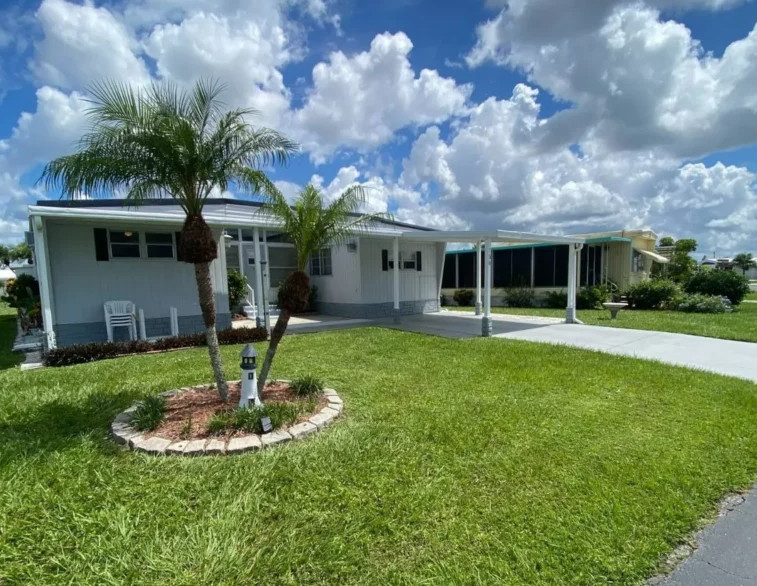
Tag: mobile home skirting

  • Navigating Home Maintenance: Mobile Homes vs. Traditional Homes

    When it comes to choosing a place to call home, the decision often boils down to personal preferences, lifestyle, and budget. In recent years, an increasing number of individuals are exploring the advantages of mobile homes as an affordable housing option. One critical aspect of homeownership is maintenance, and understanding the differences between mobile homes and traditional homes in this regard is crucial. In this article, we will delve into the nuances of mobile home maintenance versus traditional home maintenance, exploring the unique challenges and benefits each type presents.

    1. Structural Differences and Maintenance Requirements

    One of the most apparent distinctions between mobile homes and traditional homes lies in their construction. Traditional homes are typically built on a foundation with a solid structure, whereas mobile homes are designed with mobility in mind, sitting on a steel chassis. This fundamental difference influences the maintenance requirements for each.

    mobile home maintenance
    Mobile home maintenance

    Mobile Homes:

    • Undercarriage Maintenance: Mobile homes require regular checks on the undercarriage to ensure that the steel chassis is in good condition. Rust and corrosion can be concerns, especially in areas with harsh weather conditions.
    • Leveling: Mobile homes may need occasional leveling to address any shifts in the ground, maintaining stability and preventing structural issues.
    • Roof Maintenance: The roof of a mobile home is often more susceptible to damage from extreme weather conditions. Regular inspections and repairs are necessary to prevent leaks and maintain the structural integrity.

    Traditional Homes:

    • Foundation Maintenance: Traditional homes built on a concrete foundation may require periodic inspections for cracks or shifts. Waterproofing and sealing are essential to prevent moisture issues.
    • Roof and Siding Maintenance: Traditional homes typically have roofs and siding made of materials like asphalt, wood, or brick. Regular inspections, cleaning, and repairs are necessary to extend the lifespan of these components.

    2. Cost of Maintenance

    Maintenance costs are a significant consideration for homeowners. The structural differences between mobile homes and traditional homes contribute to variations in the overall maintenance expenses associated with each.

    Mobile Homes:

    • Affordability: Mobile homes are generally more affordable to maintain, given their smaller size and often simpler construction. Replacement parts for mobile homes, such as siding or roofing materials, tend to be less expensive.
    • DIY-Friendly: Many mobile home maintenance tasks can be handled as do-it-yourself projects, saving homeowners money on labor costs. However, specialized knowledge is crucial for tasks like undercarriage inspections and leveling.

    Traditional Homes:

    • Higher Initial Costs: Traditional homes may have higher maintenance costs due to the use of premium materials and larger structures. Repairs or replacements of roofing, siding, or windows can be more expensive.
    • Professional Services: Some maintenance tasks for traditional homes may require professional services, adding to the overall cost. For example, foundation repairs or complex roofing issues often necessitate professional intervention.

    3. Energy Efficiency and Maintenance

    Energy efficiency is an increasingly important aspect of homeownership, impacting both environmental sustainability and utility costs. The construction variances between mobile and traditional homes contribute to differences in energy efficiency and related maintenance considerations.

    Mobile Homes:

    • Insulation Challenges: Mobile homes may pose challenges in terms of insulation, which can impact energy efficiency. Regular checks on insulation integrity and addressing any gaps or issues are vital for maintaining a comfortable and energy-efficient living environment.
    • Weather Stripping: Mobile homes may require frequent checks and replacement of weather stripping around windows and doors to prevent drafts and improve energy efficiency.

    Traditional Homes:

    • Built-In Insulation: Traditional homes often come with built-in insulation, providing better temperature control and energy efficiency. Regular inspections of the insulation and addressing any issues are still necessary.
    • Modern Heating and Cooling Systems: Traditional homes are more likely to have central heating and cooling systems, which require periodic maintenance to ensure optimal performance and energy efficiency.

    4. Longevity and Resale Value

    The longevity and resale value of a home is influenced by how well it has been maintained over the years. Both mobile homes and traditional homes can offer solid returns on investment if properly cared for.

    Mobile Homes:

    • Depreciation Concerns: Mobile homes may experience faster depreciation compared to traditional homes. Diligent and regular maintenance can slow down this process and positively impact the resale value.
    • Market Perception: The perception of mobile homes in the real estate market can affect resale values. Well-maintained and aesthetically pleasing mobile homes are likely to attract more buyers.

    Traditional Homes:

    • Appreciation Potential: Traditional homes generally have higher appreciation potential over time, given the stability of the real estate market for conventional houses. Proper maintenance contributes significantly to preserving and increasing the property’s value.
    • Broader Market Appeal: Traditional homes often have broader market appeal, making them more attractive to a diverse range of potential buyers. This can positively impact resale values.

    5. Community Regulations and Maintenance Standards

    Mobile homes are frequently located in designated communities with specific regulations and maintenance standards. Understanding these community guidelines is crucial for mobile home residents.

    Mobile Homes:

    • Community Rules: Mobile home communities may have rules regarding the exterior appearance, landscaping, and overall maintenance of homes. Residents must adhere to these guidelines, influencing the ongoing upkeep of the property.
    • Shared Spaces: Some mobile home communities may have shared spaces and amenities, such as common areas or recreational facilities. Maintenance of these shared spaces may be a collective responsibility.

    Traditional Homes:

    • Local Zoning Regulations: Traditional homes are subject to local zoning regulations that dictate certain aspects of property maintenance. Homeowners must comply with these regulations to avoid legal issues.
    • Individual Property Maintenance: Traditional homeowners have more control over the maintenance of their individual properties, with fewer communal obligations compared to mobile home communities.

    Conclusion

    In the realm of homeownership, the decision between a mobile home and a traditional home involves careful consideration of various factors, including maintenance requirements. Mobile homes offer an affordable and often more manageable option for those on a budget, while traditional homes provide a sense of permanence and potentially greater resale value.

    Understanding the distinctive maintenance needs of each type of home is vital for responsible homeownership. Whether it’s periodic undercarriage inspections for a mobile home or foundation checks for a traditional home, proactive maintenance ensures a comfortable living environment and protects long-term investment. Ultimately, the choice between a mobile home and a traditional home should align with individual preferences, lifestyle, and financial considerations, all while prioritizing the ongoing care and maintenance that any home requires.


    See Also:

  • 10 Mobile Home Upgrades You Should Try in 2024

    Mobile homes have come a long way from their humble beginnings, and as we step into 2024, numerous exciting upgrades can transform your mobile home into a stylish, efficient, and comfortable space. Whether you’re looking to enhance energy efficiency, boost functionality, or simply refresh the aesthetics, here are 10 mobile home upgrades you should consider in 2024.

    1. Smart Home Integration

    Bring your mobile home into the future by incorporating smart home technology. Install devices like smart thermostats, lighting systems, and security cameras that can be controlled remotely via a smartphone or voice commands. Smart home integration not only adds convenience but also improves energy efficiency, helping you save on utility bills.

    mobile home upgrades

    2. Energy-Efficient Appliances

    Upgrade your kitchen and laundry appliances to energy-efficient models. Not only do these appliances consume less energy, but they also often come equipped with advanced features, making daily tasks more convenient. Look for Energy Star-certified products to ensure you’re making environmentally friendly choices.

    3. Solar Panels

    Take advantage of renewable energy sources by installing solar panels on your mobile home. Solar technology has become more affordable and efficient over the years, providing an excellent way to reduce your dependence on traditional power sources. Solar panels can significantly cut down your electricity bills while contributing to a greener environment.

    4. Upgraded Insulation

    Enhance your mobile home’s insulation to improve energy efficiency and create a more comfortable living environment. Upgrade to high-quality insulation materials for walls, floors, and ceilings. This will help regulate indoor temperatures, reduce energy consumption, and make your home more resistant to external weather conditions.

    5. Luxury Flooring Options

    Give your mobile home a touch of luxury by upgrading the flooring. Consider options like hardwood, laminate, or vinyl plank flooring for a stylish and durable finish. These materials are not only aesthetically pleasing but also easy to clean, making them perfect for high-traffic areas in your home.

    6. Space-Saving Furniture

    Maximize the limited space in your mobile home by investing in space-saving furniture. Look for multifunctional pieces that can serve multiple purposes, such as a sofa bed or a dining table with built-in storage. Cleverly designed furniture can help create a more organized and comfortable living space.

    7. Modern Lighting Fixtures

    Update your mobile home’s lighting fixtures to create a modern and inviting atmosphere. Consider installing LED fixtures, which are energy-efficient and come in a variety of styles. Pendant lights, track lighting, and recessed lighting can add a contemporary touch to your home while providing ample illumination.

    8. Fresh Exterior Paint and Landscaping

    Enhance your mobile home’s curb appeal with a fresh coat of exterior paint and some landscaping updates. Choose a color palette that complements your surroundings and adds a touch of personality to your home. Simple landscaping additions, such as flower beds or potted plants, can make a significant difference in creating an inviting exterior.

    9. Upgraded Bathroom Features

    Transform your bathroom into a spa-like retreat by upgrading fixtures and features. Consider installing a rainfall showerhead, a modern vanity, or energy-efficient fixtures. Updating the bathroom not only adds to your comfort but can also increase the overall value of your mobile home.

    10. Mobile Home Skirting

    Give your mobile home a polished look by adding or upgrading skirting. Skirting not only enhances the aesthetic appeal but also serves practical purposes such as insulation and protection against pests. Choose durable and weather-resistant materials for skirting to ensure longevity and low maintenance.

    The Bottom Line

    As we venture into 2024, mobile home living is no longer synonymous with compromise. With these 10 upgrades, you can transform your mobile home into a modern, efficient, and stylish space that meets your lifestyle needs. From embracing smart home technology to incorporating sustainable energy solutions, these upgrades not only enhance the functionality of your mobile home but also contribute to a more sustainable and enjoyable living experience. Leap and turn your mobile home into a haven that reflects your style and values in the year ahead.


    See Also:

  • Extending the Life of Your Mobile Home on $100: 5 Affordable Tips

    Extending the life of your mobile home is essential for preserving its value and ensuring comfortable living for years to come. Regular maintenance, including inspecting the roof, plumbing, and electrical systems, is crucial to catch issues early and prevent costly repairs. Weatherproofing and proper insulation can also enhance energy efficiency and protect against the elements. Upgrading appliances and fixtures with energy-efficient models saves money on utility bills and contributes to your home’s longevity. By investing time and resources into proactive upkeep and upgrades, you can significantly extend the life of your mobile home, safeguarding your investment for the future.

    Mobile homes provide an affordable housing option, and with a little effort and investment, you can extend their lifespan and enhance their durability. If you’re looking to make your mobile home last longer without breaking the bank, here are five budget-friendly ways to achieve that:

    1. Regular Maintenance and Repairs

    Regular maintenance and prompt repairs are crucial to preserving the condition of your mobile home. Allocating a portion of your $100 budget to inspecting and repairing any issues can go a long way in maintaining its longevity.

    Focus on essential areas prone to wear and tear, such as the roof, plumbing, electrical systems, and exterior walls. Conduct a thorough inspection to identify any cracks, gaps, leaks, or damaged components. Invest in affordable materials, such as caulk or sealant, to seal cracks and gaps that may allow water or pests to enter your home. Replace worn-out weatherstripping around windows and doors to improve insulation and energy efficiency.

    Mobile home in a 55+ community
    Mobile home in a 55+ community

    When it comes to the roof, repair any loose or damaged shingles to prevent leaks and water damage. Consider using roof sealant to reinforce vulnerable areas and extend their lifespan. Inspect the plumbing system for leaks, drips, or faulty connections, and make necessary repairs or replacements.

    Electrical systems should not be overlooked. To ensure safety and prevent potential hazards, replace any frayed wires, malfunctioning outlets, or switches.

    1. Insulation Upgrades

    Insufficient insulation in a mobile home can result in increased energy consumption, discomfort, and temperature fluctuations. However, enhancing the insulation can bring significant long-term benefits. Allocating a portion of your budget to purchase weatherstripping and insulation materials is a worthwhile investment.

    One of the primary areas to focus on is sealing gaps around windows and doors. Drafts can easily infiltrate these openings, causing heat loss in the winter and heat gain during the summer. Weatherstripping, available in various affordable options such as adhesive strips or door sweeps, can effectively seal these gaps, reducing air leakage and improving energy efficiency.

    Insulating the walls is another vital step in upgrading your mobile home’s insulation. Consider using affordable materials such as fiberglass batts or blown-in cellulose insulation. These can be installed between wall studs or in the cavities, effectively preventing heat transfer and enhancing thermal performance.

    Proper insulation in the attic or crawl spaces is equally important. Attics can become hot during the summer months and cold in the winter, making insulation essential for temperature regulation. Insulating the attic floor with materials like fiberglass batts or blown-in insulation can create a barrier that minimizes heat transfer between the attic and living areas.

    Crawl spaces should also be adequately insulated to prevent heat loss and moisture buildup. Insulating crawl space walls with rigid foam insulation or applying insulation to the underside of the floor can help maintain a comfortable indoor environment while protecting against potential moisture-related issues.

    Improved insulation throughout your mobile home will help regulate the temperature, reduce energy costs, and increase the longevity of your home. By preventing heat loss in winter and heat gain in summer, you’ll enhance the overall comfort of your living space while ensuring efficient energy use.

    1. Exterior Maintenance

    The exterior of your mobile home is constantly exposed to the elements, making regular maintenance essential for its protection and longevity. Allocating a portion of your budget to exterior maintenance tasks such as cleaning, painting, and sealing will pay dividends in the long run.

    Begin by thoroughly cleaning the siding or exterior surfaces of your mobile home. Over time, dirt, grime, and other debris can accumulate, leading to a dull and unattractive appearance. Utilize a pressure washer or a mixture of mild detergent and water to remove the buildup and restore the exterior’s cleanliness. Pay special attention to hard-to-reach areas and corners that are prone to dirt accumulation.

    Once the surfaces are clean and dry, consider applying a fresh coat of paint or sealant. Painting not only enhances the aesthetic appeal of your home but also acts as a protective layer against moisture and UV damage. Choose a high-quality exterior paint specifically designed for mobile homes, as it offers durability and resistance to weathering. If your home has a metal exterior, ensure that any rust spots are treated and coated with a rust-inhibiting paint or primer.

    Sealing the exterior is equally important in preventing moisture penetration and subsequent damage. Inspect the seams, joints, and areas around windows and doors for any gaps or cracks. Use an appropriate sealant or caulk to seal these openings, creating a barrier against water infiltration. Pay attention to areas where the siding meets the roof or foundation, as these are common areas of vulnerability.

    Regular exterior maintenance not only enhances the appearance of your home but also safeguards it from weather-related wear and tear. By removing dirt, applying protective coatings, and sealing vulnerable areas, you can prevent moisture damage, mold growth, and deterioration of the exterior materials.

    Extending the life of your mobile home
    Mobile Home in Florida
    1. Ventilation and Air Circulation

    Proper ventilation is vital to maintaining a healthy and durable mobile home. Allocating a portion of your budget to improving ventilation and air circulation will have significant long-term benefits.

    Start by focusing on areas prone to high humidity, such as the kitchen and bathroom. Install vent fans in these rooms to effectively remove excess moisture and reduce humidity levels. Vent fans work by expelling humid air outside, preventing moisture buildup, which can lead to mold, mildew, and structural damage. Opt for energy-efficient vent fans to minimize energy consumption and ensure optimal performance.

    Consider adding roof vents or windows to promote airflow throughout your mobile home. Roof vents are particularly effective in allowing hot air to escape, especially during the summer months, thus reducing the strain on your cooling systems. They also help prevent moisture buildup in the attic, which can lead to mold growth and compromised insulation. Windows, when strategically placed, can facilitate cross-ventilation, allowing fresh air to circulate and cool the interior naturally.

    Improving ventilation not only prevents the accumulation of excess moisture but also helps regulate temperature and create a more comfortable living environment. Adequate airflow reduces the risk of mold, mildew, and structural damage caused by prolonged exposure to moisture.

    1. Landscaping and Drainage

    Landscaping and drainage improvements are crucial in protecting your mobile home from water damage. Allocating a portion of your budget to these enhancements will go a long way in preserving the integrity and longevity of your home.

    Begin by focusing on the grading around your mobile home. Ensure that the ground slopes away from the foundation to facilitate proper drainage. Over time, soil erosion or settling can cause water to pool around the base of your home, leading to moisture infiltration and potential foundation issues. Improving the grading can prevent water from accumulating near the structure, reducing the risk of water damage and foundation problems.

    Installing gutter systems and downspouts is another essential step in managing water runoff. These systems effectively capture rainwater from the roof and direct it away from the mobile home’s foundation. Position downspouts to discharge water safely, ideally several feet away from the structure. This prevents water from seeping into the ground near the foundation, reducing the likelihood of moisture-related issues.

    Consider incorporating vegetation and landscaping features that help prevent soil erosion. Planting trees, shrubs, or ground cover plants can stabilize the soil and reduce runoff by absorbing water. These green elements contribute to your property’s aesthetics and aid in managing water flow and preventing erosion.

    Additionally, you may want to explore installing a French drain or a dry well. These drainage solutions can effectively redirect excess water away from your mobile home, mitigating the risk of standing water and potential damage.

    Effective landscaping and drainage practices help to protect your mobile home from moisture-related problems. By preventing water accumulation and controlling runoff, you reduce the risk of mold growth, foundation issues, and other costly repairs associated with water damage.

    Remember, while $100 may not cover all expenses, it can be a starting point for small, affordable improvements that can make a significant difference in the long run. By dedicating time, effort, and a modest budget to these five tips – regular maintenance, insulation upgrades, exterior maintenance, ventilation, and landscaping –, you can extend the life of your mobile home and enjoy its benefits for years to come.

    See Also:

  • Common Issues With Sarasota Mobile Homes-Skipping Routine Maintenance!

    Common Issues With Sarasota Mobile Homes-Skipping Routine Maintenance!

    Do Not Skip On Your Mobile Home Maintenance!

    In the state of Florida, mobile homes are taxed as personal property and not as real estate property. This means that your mobile home is taxed similarly to your other possessions like vehicles. Vehicles need regular maintenance, and so is your mobile home

    How important is it to keep up on your maintenance on your mobile home when you do not live there full time?

    How about if you are looking to sell your mobile home and have already moved out, should you make it a point to keep up with the maintenance items even though you don’t live in the home?

    Unfortunately, these are not common questions that come up to us, and in turn, they become very common issues we wind up having to deal with when selling a mobile home.

    Many times Sellers believe that if they are not living in the home and have the property for sale, then it does not make a lot of sense to continue to put money into it, especially in the form of routine maintenance.

    While, I can certainly appreciate someone being thrifty and looking to conserve their finances, especially in a time like we are all experiencing right now, I must stress to everyone watching that skimping on common maintenance things that a mobile home needs to continue to operate well, is just not a good idea.

    The most common maintenance items we see that Sellers continue to discontinue are their routine maintenance of the air conditioning system and keeping up to date with all pest spraying on the property itself.

    Now, as we have discussed in previous blogs, mobile homes are based in large part on wood-based building materials, and when these materials are exposed to the Florida climate, termites will come looking for a place to live.

    Many times this will be in the walls and flooring of your mobile home. To prevent this one needs to connect with a reputable pest service for regular treatment. Most of these companies will offer different packages for maintenance service, but I cannot stress to you any more than this to not discontinue this service!

    Several times we have seen Sellers move out of their homes for various reasons and then call us to sell their home fast only for us to walk into the property and feel soft floors, rippled wall paneling, and ummmmmm…….. let’s just say……….some “gifts” laid behind by their non-rent paying tenants!

    At one time, the termite infestation was so bad, the Seller had to go through an entire termite tenting process just to try and see if their home will not fall in on itself. This tenting service cost the owner over $3,000. I can only begin to think that the Seller could have avoided this if they kept up with their regular termite spraying service.

    The second service that should not be overlooked is your air conditioning unit.

    Many homes around the Sarasota area do have central AC, and with that comes biannual checks where a local company will come to your property and make sure the unit is working correctly. Most of these companies will offer you a discount if you buy both services for the year at once which may save you a considerable amount of money.

    Common Issues With Sarasota Mobile Homes-Skipping Routine MaintenanceEven tall grass and thick vegetation around your mobile home can create problems if not properly managed. Termites, ants, and other destructive insects can find their way to your house if thick vegetation is touching your walls.

    As we all know down here in Florida, your AC will run most of the year, and for it to work well, you have got to make sure that it is being checked on a regular basis.

    Avoiding this could lead to your AC unit going out completely without you even knowing, and this will cost you well over $5,000-$7,000 for a new unit when it could have been avoided with a basic maintenance plan.

    When selling your mobile home, we cannot stress enough to stay up on these two maintenance items, even when you are not living in the property.

    While we do understand this does cost money and can be frustrating to have to pay for it when you’re not even living in the house, it will be quite a bit more expensive in the long run if you do not keep up with these simple routine maintenance items.

    A small leak on the roofing could destroy the whole ceiling and everything under it if not attended to immediately.

    Many owners left their mobile homes for just a couple of months and returned only to find out that the ceiling fell down because it failed to hold the water leaking from the roof. This is a common issue for unattended mobile homes with leaking roofs.

    If you are planning to sell your mobile home while being away, we highly suggest taking care of all things that need repairs before they can create bigger problems. We’ve seen it before. Even new mobile homes can land in the hands of fixer-upper because the owner can’t afford the repair cost anymore.  Small issues can create huge problems if not properly maintained.

    The Mobile Home Dealer are licensed mobile home broker in Sarasota Florida and the surrounding areas. We provide professional buy and/or sell assistance to our clients. If you have any questions, please contact us by clicking this link. You may also visit our Facebook Page and send us a message

    This is Mark Kaiser with The Mobile Home Dealer, and we help mobile home buyers and sellers get to a better place in life.


    See Also:


Reset password

Enter your email address and we will send you a link to change your password.

Get started with your account

to save your favourite homes and more

Sign up with email

Get started with your account

to save your favourite homes and more

By clicking the «SIGN UP» button you agree to the Terms of Use and Privacy Policy
Powered by Estatik