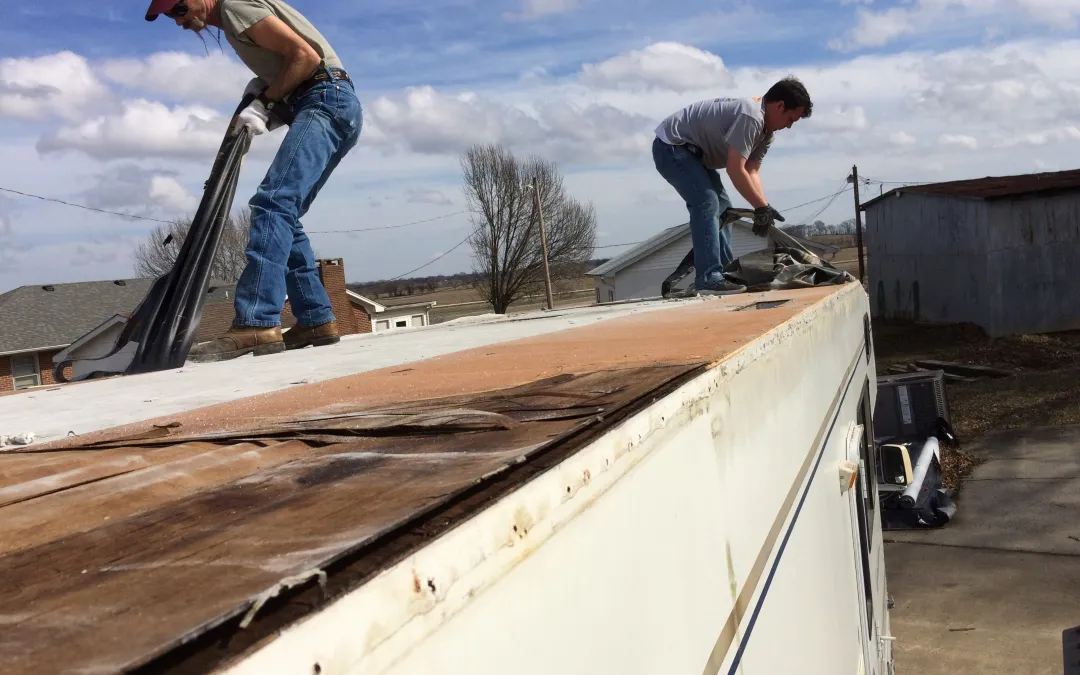
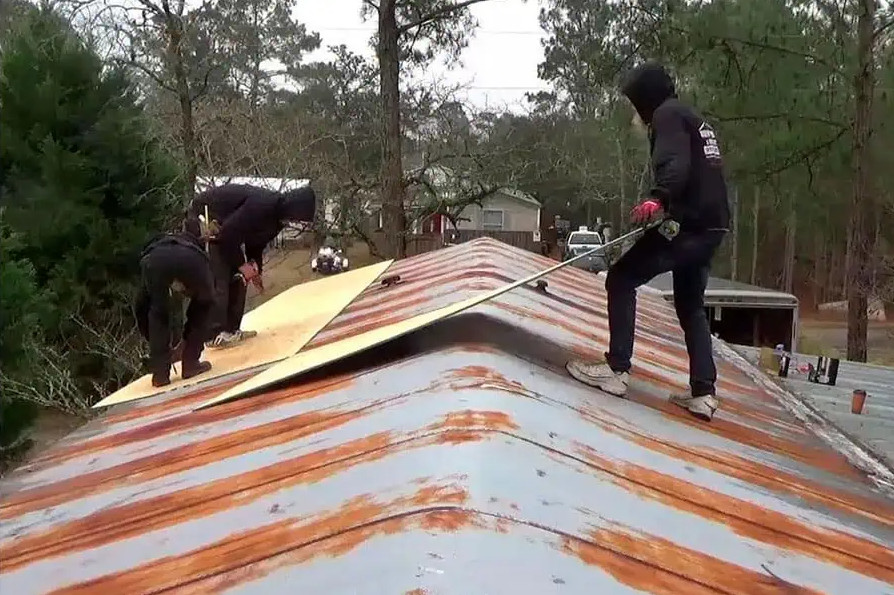
Tag: mobile home roof repair near me

  • Common Mobile Home Roof Problems and Fixes for Florida Residents

    Mobile homes offer affordable living in Florida, but they come with their own set of challenges. One of the most significant issues mobile homeowners face is roof maintenance and repair. Florida’s climate can be harsh on roofing materials, and mobile homes are especially vulnerable due to their lighter, often less durable roof structures. Understanding common roof problems and how to fix them can save Florida residents time and money. This article covers the most common mobile home roof issues and their solutions.

    1. Leaks and Water Damage

    Water leaks are one of the most frequent roofing issues in mobile homes. These leaks often develop where seams or joints exist in the roof. Mobile homes have a variety of roofing systems, including metal, rubber, and shingle roofs, and each type faces different challenges. Florida’s heavy rainstorms, high humidity, and occasional hurricanes can quickly worsen a small leak, causing extensive damage if not repaired.
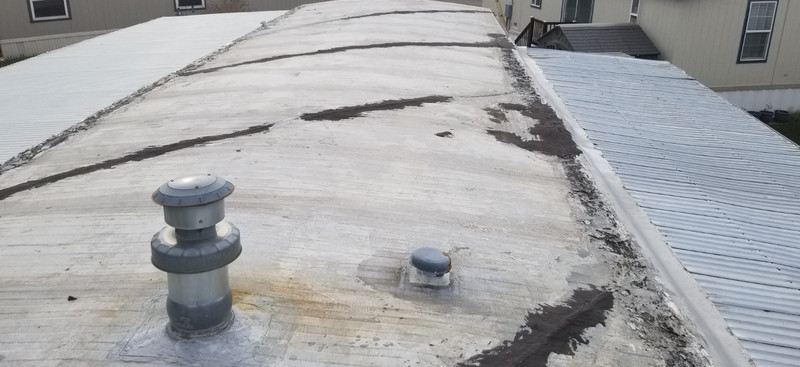
    common mobile home roof problems

    Causes of Leaks:

    • Damaged Seals: Over time, seals around vents, skylights, and chimneys can break down, allowing water to enter.
    • Aging Roof Material: Metal, rubber, or shingle roofs degrade with age, especially under Florida’s hot sun and rain.
    • Clogged Gutters: If gutters are clogged, water can pool on the roof, leading to leaks.

    Fixing Roof Leaks:

    • Inspect the Roof: Regularly check the roof for cracks, tears, or holes, particularly around vents and seams.
    • Seal Gaps and Cracks: Use a high-quality roofing sealant to patch any cracks or gaps around vents, skylights, or seams.
    • Replace Damaged Roofing: If the damage is extensive, replacing sections of roofing material may be necessary. Metal roofs often require resealing, while rubber roofs may need a full re-coating.
    • Clean the Gutters: Ensure your gutters are clear of leaves and debris to prevent water buildup.

    2. Roof Blisters

    Blisters on a mobile home roof are often caused by trapped moisture or air underneath the roofing material. This problem is more common in rubber roofs, which are susceptible to blistering from Florida’s intense sun. The blisters can cause the roof to lose its protective properties and may eventually lead to leaks.

    Causes of Blisters:

    • Moisture Trapped Under the Roof: If water gets under the roofing material during installation or from leaks, it can create air pockets that form blisters.
    • Poor Ventilation: Heat and moisture build-up can cause the roof material to bubble without proper airflow in the attic or roof structure.

    Fixing Roof Blisters:

    • Puncture and Drain the Blister: If you spot a blister, carefully puncture it to allow trapped air or water to escape.
    • Apply a Roof Patch: After draining the blister, apply a roofing patch and sealant to prevent further damage.
    • Ensure Proper Ventilation: If blistering is caused by poor ventilation, consider installing roof vents to improve airflow.

    3. Cracked or Missing Shingles

    If your mobile home has a shingled roof, cracked or missing shingles can be a severe problem. Florida’s hot and humid conditions cause shingles to deteriorate faster than in other climates. Wind and heavy rains from storms can lift and tear shingles, exposing the roof deck to water damage.

    Causes of Cracked or Missing Shingles:

    • High Winds: Florida’s frequent storms, especially hurricanes, can tear or loosen off shingles.
    • UV Radiation: The constant sun can cause shingles to dry out, crack, and become brittle over time.
    • Improper Installation: If shingles were poorly installed, they might be more prone to damage.

    Fixing Cracked or Missing Shingles:

    • Replace Damaged Shingles: Remove the damaged or missing shingles and replace them with new ones. For a proper seal, be sure to use shingles that match the existing roof.
    • Check for Underlying Damage: When replacing shingles, check for any underlying roof deck damage, which may need repair before installation.

    4. Roof Sagging

    A sagging roof is a serious issue that can indicate structural damage. This problem occurs when the roof’s framework or decking weakens due to age, water damage, or excessive weight. In Florida, prolonged exposure to moisture from rain or humidity can weaken roof supports.

    Causes of Roof Sagging:

    • Water Damage: Leaks can rot the wooden beams or trusses over time, leading to sagging.
    • Excessive Weight: Heavy snow or debris buildup on the roof can strain the structure.
    • Poor Construction: Improper installation or low-quality materials may prevent the roof from sagging.

    Fixing Roof Sagging:

    • Inspect the Rafters and Beams: If the roof is sagging, inspect the rafters and beams to identify areas of damage. Replace any rotted or damaged wood.
    • Reinforce the Structure: Additional structural support may be necessary if the sag is extensive. Consult a contractor to ensure the repairs meet safety standards.
    • Apparent Excess Weight: Remove any heavy debris from the roof to prevent further structural stress.

    5. Roof Rust and Corrosion (for Metal Roofs)

    Many mobile homes in Florida have metal roofs. These roofs are durable but can develop rust and corrosion, particularly when exposed to the high humidity and salt air found along Florida’s coasts. Rust can weaken the metal, leading to holes or leaks.

    Causes of Rust:

    • Moisture: Florida’s humidity and rain can promote rusting on metal roofs.
    • Salt Air: Coastal areas in Florida expose metal roofs to salty air, accelerating the rusting process.

    Fixing Roof Rust:

    • Clean the Roof: Remove dirt and debris to ensure the surface is clean before addressing rust.
    • Remove Rust: Scrub the rust with a wire brush or sandpaper. For more extensive corrosion, you may need to use a rust remover.
    • Apply a Rust-Proof Coating: After cleaning the rust, apply a rust-resistant coating to prevent future corrosion.
    • Seal Holes: If rust has caused holes, apply a roofing patch or sealant to close them.

    6. Hail Damage

    While hail storms are less common than other weather events, they can still occur in Florida. When hail strikes a mobile home roof, it can cause dents, cracks, and punctures, leading to potential leaks and structural issues.

    Causes of Hail Damage:

    • Large Hailstones: Hailstones can cause significant damage to a roof, particularly if it is older or made of a fragile material.
    • High Winds: Hail storms in Florida can also bring high winds that worsen the damage.

    Fixing Hail Damage:

    • Inspect for Dents and Cracks: After a hailstorm, thoroughly inspect the roof for any signs of damage. Look for dents, cracks, or punctures in the roofing material.
    • Patch and Seal: Small cracks or holes can be patched with roofing sealant. For larger holes, a more extensive repair or replacement may be required.

    Preventive Measures for Roof Maintenance

    While repairs are inevitable over time, preventive measures can extend the lifespan of your mobile home roof. Here are some tips to keep your roof in good condition:

    1. Clean the Roof Regularly: Remove debris, leaves, and branches from your roof and gutters to prevent water damage.
    2. Inspect the Roof After Storms: Florida’s frequent storms can cause roof damage. After heavy rains or hurricanes, check your roof for leaks or damage.
    3. Coat the Roof: Apply a roof coating to protect the material from UV rays, rain, and debris. Roof coatings can also help prevent leaks and rust.
    4. Ensure Proper Ventilation: Poor ventilation in the attic can cause moisture buildup and damage the roof. Ensure your home has adequate ventilation.

    Conclusion

    Due to the state’s climate, mobile home roofs in Florida face unique challenges. From leaks and blisters to rust and sagging, these problems can worsen quickly without prompt attention. Regular maintenance and inspections are key to preventing major roof issues. If problems arise, timely repairs using the right materials can extend the life of your roof. By staying proactive, Florida homeowners can protect their mobile homes from costly roof repairs and maintain a safe, comfortable living space.


    See Also:


  • Fixing Leaky Mobile Home Roofs: Common Problems and Solutions

    Mobile homes, while often affordable and efficient, can face unique challenges when it comes to roofing. Leaks in mobile home roofs are not uncommon and can lead to significant damage if not addressed promptly. This guide explores common roofing issues in mobile homes, how to identify leaks, and effective DIY repair methods to prevent further damage.

    1. Common Roofing Issues in Mobile Homes

    A. Age and Wear

    As mobile homes age, their roofs may experience wear and tear, leading to vulnerabilities. Common signs of aging include:

    • Cracks and splits in the roofing material
    • Discoloration or fading of the roof surface
    • Loose seams or flashing around vents and edges

    B. Poor Installation

    Improper installation can lead to roofing issues over time. Common installation problems include:

    C. Weather-Related Damage

    Mobile home roofs can be susceptible to damage from extreme weather conditions:

    • Heavy Rain: Persistent rain can lead to pooling and eventual leaks if the roof is not properly sloped.
    • Snow and Ice: Accumulation can create pressure points that may cause cracks or weaken the roof material.
    • High Winds: Strong winds can lift shingles or other roofing materials, creating entry points for water.

    D. Punctures and Holes

    Punctures can be caused by falling branches, hail, or other debris. Even small holes can lead to leaks, so it’s essential to address them quickly.

    Fixing Leaky Mobile Home Roof

    2. Identifying Leaks in Mobile Home Roofs

    A. Visual Inspection

    Regular inspections can help identify potential leak sources:

    • Ceilings and Walls: Look for stains, discoloration, or bubbling paint on ceilings and walls, which can indicate water intrusion.
    • Roof Surface: Inspect the roof for visible damage, such as cracks, holes, or loose seams.

    B. Check for Moisture

    Use a moisture meter to check for damp areas on the roof and interior surfaces. High moisture readings can signal hidden leaks.

    C. Perform a Water Test

    If you suspect a leak but can’t find it, conduct a water test:

    1. Choose a Rainy Day: Wait for a day with steady rainfall, or use a garden hose to simulate rain.
    2. Check Interior: As water falls on the roof, inspect the interior for any signs of dripping or moisture.
    3. Locate the Source: Once you see water coming in, trace it back to its source on the roof.

    3. DIY Repair Methods for Leaky Roofs

    A. Clean and Prepare the Roof

    Before making any repairs, clean the roof surface to ensure good adhesion:

    • Remove Debris: Clear leaves, branches, and any other debris from the roof.
    • Clean the Surface: Use a mild detergent and water to scrub the roof, then rinse thoroughly. Allow it to dry completely before proceeding with repairs.

    B. Sealant Repairs

    For small cracks or gaps, a high-quality roofing sealant can be effective:

    1. Choose the Right Sealant: Look for a sealant specifically designed for mobile home roofs or one that is compatible with your roofing material.
    2. Apply Sealant: Use a caulk gun to apply the sealant over the cracks or gaps, ensuring a smooth, even layer.
    3. Smooth the Edges: Use a putty knife to smooth out the sealant for better adhesion.

    C. Patching Holes

    For larger holes or punctures, a patch may be necessary:

    1. Gather Materials: Use a piece of roofing material that matches your existing roof (such as EPDM rubber or metal flashing).
    2. Cut the Patch: Cut a patch larger than the hole, leaving at least an inch of overlap on all sides.
    3. Apply Roofing Adhesive: Spread a generous amount of roofing adhesive around the hole and on the patch’s underside.
    4. Press the Patch: Firmly press the patch into place, ensuring there are no air bubbles or gaps.
    5. Seal the Edges: Apply roofing sealant around the edges of the patch for extra protection.

    D. Replace Damaged Sections

    If the roof has extensive damage, you may need to replace sections:

    1. Remove the Damaged Material: Carefully remove the damaged roofing section, taking care not to disturb surrounding areas.
    2. Install New Roofing Material: Cut a new piece of roofing material to fit and secure it in place with roofing nails or screws.
    3. Seal Joints: Apply roofing sealant to the seams and edges to prevent future leaks.

    4. Preventative Measures

    A. Regular Inspections

    Conduct regular inspections of your mobile home roof, especially after severe weather events. Early detection of issues can save you time and money in repairs.

    B. Routine Maintenance

    Keep your roof in good condition by performing routine maintenance:

    • Clean Gutters: Ensure gutters are clear to allow proper water drainage.
    • Trim Overhanging Trees: Trim branches that hang over your mobile home to prevent punctures from falling debris.

    C. Invest in Upgrades

    Consider upgrading your roofing material if it’s older or has had frequent issues. Modern materials may offer better durability and resistance to weather-related damage.

    Conclusion

    Addressing leaks in your mobile home roof is essential to maintaining its integrity and ensuring a safe living environment. By understanding common roofing issues, knowing how to identify leaks, and employing effective DIY repair methods, you can prevent further damage and extend the life of your mobile home. Regular maintenance and proactive measures can help you avoid significant problems in the future, keeping your home safe and comfortable.


    See Also:


  • Mobile Home Roof Repair in Florida: What You Need to Know

    Maintaining the roof of your mobile home is essential to ensuring its longevity and safety. In Florida, where the weather can be particularly harsh with intense sun, heavy rain, and the occasional hurricane, proper roof maintenance and timely repairs are even more critical. This guide provides essential information on mobile home roof repair in Florida, covering common issues, repair costs, and tips for choosing the right contractor.

    Mobile Home Roof Repair

    Common Mobile Home Roof Issues in Florida

    Florida’s climate presents unique challenges for mobile home roofs. Understanding these common issues can help you stay ahead of potential problems and take action before minor damage turns into a major repair.

    1. Roof Leaks

    Roof leaks are one of the most common issues faced by mobile home owners in Florida. The combination of heavy rainfall and high humidity can lead to water seeping through any vulnerabilities in the roof. Over time, even small leaks can cause significant water damage, leading to mold growth, structural damage, and increased repair costs.

    Common Causes of Roof Leaks:

    • Aging Roof Material: Over time, the materials used in mobile home roofs can deteriorate, leading to cracks, splits, and weakened areas that allow water to penetrate.
    • Improper Sealing: Flashing, seams, and joints on the roof can become loose or improperly sealed, creating gaps where water can enter.
    • Debris Build-Up: Debris such as leaves, branches, and dirt can accumulate on the roof, trapping moisture and causing damage to the roofing material.

    2. Roof Punctures and Tears

    Mobile home roofs are often more susceptible to punctures and tears due to their thinner materials compared to traditional homes. Falling branches, hail, or even foot traffic on the roof can cause damage that requires immediate attention to prevent leaks.

    Common Causes of Roof Punctures and Tears:

    • Falling Debris: Florida’s frequent storms can result in falling branches or other debris striking the roof, leading to punctures.
    • Hail Damage: Hailstones can cause dents or tears in the roofing material, especially on older roofs that have become more brittle.
    • Foot Traffic: Walking on the roof without proper precautions can lead to tears or punctures, especially in older mobile homes where the roofing material may have weakened.

    3. Sagging Roof

    A sagging roof is a serious issue that indicates structural problems. In mobile homes, this can occur due to water damage, the weight of accumulated debris, or the settling of the home’s foundation. A sagging roof requires immediate professional attention to prevent further damage or potential collapse.

    Common Causes of Sagging Roofs:

    • Water Damage: Prolonged exposure to water from leaks or poor drainage can weaken the roof structure, leading to sagging.
    • Heavy Debris: The accumulation of heavy debris, such as wet leaves or snow (though rare in Florida, it can happen), can add extra weight to the roof, causing it to sag.
    • Foundation Settling: Over time, the foundation of a mobile home may settle unevenly, leading to structural shifts that can cause the roof to sag.

    4. Roof Coating Deterioration

    Many mobile homes in Florida use roof coatings to provide an additional layer of protection against the elements. However, these coatings can deteriorate over time due to UV exposure, rain, and general wear and tear. Once the coating begins to break down, the underlying roofing material is exposed to damage.

    Common Causes of Roof Coating Deterioration:

    • UV Damage: The intense Florida sun can cause roof coatings to dry out, crack, and peel over time.
    • Weather Exposure: Constant exposure to rain, wind, and salt air (in coastal areas) can gradually erode the roof coating, reducing its effectiveness.
    • Aging: Like all materials, roof coatings have a limited lifespan and will eventually require reapplication or replacement.

    Mobile Home Roof Repair Costs in Florida

    The cost of repairing a mobile home roof in Florida can vary widely depending on the extent of the damage, the type of roofing material, and the size of the home. Here’s a breakdown of what you can expect in terms of costs:

    1. Minor Repairs

    Minor repairs, such as patching small leaks, fixing punctures, or replacing a few shingles, are relatively inexpensive. These repairs typically cost between $300 and $800, depending on the specific issue and the materials required.

    Examples of Minor Repairs:

    • Patching a Small Leak: Repairing a small leak might involve applying a sealant or replacing a section of the roofing material.
    • Fixing a Puncture: Puncture repairs often involve patching the damaged area with a compatible roofing material.
    • Replacing Shingles: If a few shingles are damaged, they can be replaced individually, which is a straightforward and cost-effective repair.

    2. Moderate Repairs

    Moderate repairs might involve fixing larger leaks, repairing sagging areas, or replacing a section of the roof. These repairs can range from $1,000 to $3,000, depending on the severity of the damage and the complexity of the repair.

    Examples of Moderate Repairs:

    • Repairing a Sagging Roof Section: This might involve reinforcing the roof structure and replacing damaged roofing materials.
    • Fixing Larger Leaks: If a significant portion of the roof is leaking, it may require more extensive repairs, including replacing large sections of the roofing material and addressing any underlying structural issues.

    3. Major Repairs and Roof Replacement

    In cases where the roof is severely damaged or at the end of its lifespan, a complete roof replacement may be necessary. The cost of a roof replacement for a mobile home in Florida can range from $3,000 to $10,000 or more, depending on the size of the home, the type of roofing material, and any additional work required (such as structural repairs or insulation).

    Examples of Major Repairs:

    • Full Roof Replacement: This involves removing the old roof, addressing any structural issues, and installing a new roof.
    • Extensive Water Damage Repair: If water damage has affected a large portion of the roof and underlying structure, significant repairs may be needed before the new roofing material can be installed.

    Choosing the Right Contractor for Mobile Home Roof Repair

    Selecting the right contractor is crucial to ensuring that your mobile home roof repair is done correctly and efficiently. Here are some tips to help you choose a reliable and experienced contractor in Florida:

    1. Check for Licensing and Insurance

    Ensure that the contractor is properly licensed and insured to work in Florida. This not only protects you in case of accidents or damage but also ensures that the contractor meets the state’s standards for quality and safety.

    What to Look For:

    • Florida License: Verify that the contractor holds a valid Florida roofing contractor’s license.
    • Insurance Coverage: Make sure the contractor has both liability insurance and workers’ compensation coverage.

    2. Ask for References and Reviews

    Ask the contractor for references from previous clients, and take the time to read online reviews. This will give you insight into the contractor’s reputation, the quality of their work, and their customer service.

    What to Consider:

    • Customer Satisfaction: Look for consistent positive feedback from past clients, especially regarding the quality of the work and adherence to timelines.
    • Reputation: Contractors with a strong reputation are more likely to deliver high-quality results.

    3. Get Multiple Quotes

    It’s a good idea to get quotes from several contractors before making a decision. This not only helps you compare prices but also gives you a sense of the different approaches and materials each contractor might use.

    What to Look For:

    • Detailed Estimates: Choose contractors who provide detailed estimates, including a breakdown of labor, materials, and any additional costs.
    • Transparency: Contractors who are open and transparent about their pricing and process are more likely to deliver reliable service.

    4. Consider Experience with Mobile Homes

    Not all roofing contractors have experience working on mobile homes, which have unique structural characteristics compared to traditional homes. Make sure the contractor you choose has specific experience with mobile home roofs.

    What to Ask:

    • Mobile Home Expertise: Ask the contractor about their experience with mobile home roofing projects, including any challenges they’ve encountered and how they’ve addressed them.
    • Portfolio: Request to see photos or examples of previous mobile home roof repairs they’ve completed.

    Conclusion

    Mobile home roof repair in Florida is an essential aspect of maintaining your home’s safety and value, especially given the state’s unique weather conditions. By understanding common roof issues, being aware of potential repair costs, and choosing the right contractor, you can ensure that your mobile home remains in good condition for years to come. Regular maintenance and prompt repairs will help you avoid costly damage, providing peace of mind and a secure, comfortable living environment.


    See Also:


  • Mobile Home Roof Repair Guide

    If you own a mobile home, then you know how important it is to keep your roof in good condition. Your roof plays an essential role in protecting your home from the elements and keeping your family safe and comfortable inside. However, over time, even the best-built roofs will start to show signs of wear and tear. In this Mobile Home Roof Repair Guide, we’ll cover everything you need to know about maintaining or replacing your mobile home’s roof. From different roofing materials to step-by-step repair guides, we’ve got you covered! So let’s get started on making sure that your mobile home stays dry and secure for years to come!

    When to Repair or Replace Your Mobile Home Roof

    Your mobile home’s roof is constantly exposed to the elements, and over time it can start to show signs of wear and tear. It may be tempting to ignore minor issues, but even small problems can quickly turn into major headaches if left untreated.

    So when should you repair your mobile home’s roof, and when is it time for a full replacement? The answer depends on several factors:

    Consider the age of your roof. Most roofing materials have a lifespan of around 20-30 years. If your roof is nearing the end of its useful life, then a replacement might be necessary.

    Next, take a look at the extent of damage or wear and tear on your current roof. Minor leaks or missing shingles can often be repaired without needing an entire roof replacement.

    Another important factor to consider is cost. While replacing an entire mobile home roof can be expensive upfront, if you continually need repairs done that add up in cost over time — investing in a new one could ultimately save you money in the long run.

    Ultimately though – it’s always better safe than sorry! Regular inspections by professionals will give you peace of mind knowing that any potential issues are caught early before they become bigger problems later down the line!

    mobile-home-roof-repair
    Mobile home roofing materials

    Types of Mobile Home Roofing

    There are a variety of materials available. The most common types are metal, asphalt shingles, and rubber membranes.

    1. Metal roofs for mobile homes can last up to 50 years with proper maintenance. They come in a variety of styles such as standing seam and corrugated. Metal roofs have the added benefit of being energy efficient by reflecting sunlight away from your home.
    2. Asphalt shingle roofs are another popular choice due to their affordability and ease of installation. However, they may not be as durable as other options and tend to deteriorate quickly in extreme weather conditions.
    3. Rubber membrane roofing is often used on flat or low-sloped roofs. It’s lightweight, easy to install, and has excellent waterproofing properties. While it may not be the most visually appealing option, it’s incredibly practical for certain situations.

    The cost of each roofing material varies depending on factors like the size and complexity of the job. Generally speaking, metal roofs tend to be more expensive upfront but require less maintenance over time compared to asphalt shingles or rubber membranes.

    What will happen to the Ceiling when the Roof is Repaired or Replaced?

    When repairing or replacing the roof of your mobile home, you may wonder what will happen to your ceilings. The answer depends on the extent of the damage and the type of repair needed.

    If only a small area of your roof needs repair, such as fixing a leak or patching a hole, then it is unlikely that any changes will be made to your ceiling. However, if the damage is more extensive and requires a full replacement of the roof, then there may be some changes to your ceilings.

    During a roof replacement, it is common for contractors to remove part or all of the ceiling inside your home. This allows them access to properly install new roofing materials without damaging other parts of your home.

    While this process can be disruptive and messy, it can also provide an opportunity for homeowners to address any issues with their insulation or ventilation systems.

    While there may be some temporary disruptions during a mobile home roof repair or replacement project that impact ceilings within the interior space; they are generally minor in nature and should not cause significant concern for most homeowners.

    What Is a Mobile Home Roof Over?

    A mobile home roofover is an additional layer of roofing that is installed on top of the existing roof. It can provide extra insulation and protection from weather elements, as well as improve the overall appearance of the home.

    The process involves laying a new roofing material directly on top of the old one, which creates a barrier between your mobile home’s interior and exterior environment. This helps prevent leaks caused by damage or wear to the original roof.

    There are different types of materials that can be used for a mobile home roof such as metal panels, asphalt shingles, or even rubber membranes. Each has its own advantages in terms of durability, cost-effectiveness, and energy efficiency.

    One major advantage to having a mobile home roof over is that it can boost your property value while reducing energy costs. By adding insulation layers, you’ll save money on heating and cooling bills throughout the year.

    Getting a mobile home roof over might be worth considering if you want to protect your investment while making it more comfortable and attractive at the same time.

    How Much Does a Mobile Home Roof Replacement Cost?

    The cost can vary depending on several factors. One of the main factors is the type of roofing material you choose. Asphalt shingles are a popular choice due to their affordability, but metal roofing is becoming more popular due to its durability and longevity.

    Another factor that affects the cost is the size of your mobile home’s roof. The larger the roof, the higher the cost will be for materials and labor. Additionally, if there are any underlying issues with your current roof such as water damage or structural issues, this can also add to the overall cost.

    It’s important to get multiple quotes from reputable roofing contractors in order to compare prices and find a fair deal. Keep in mind that choosing a cheaper option may end up costing you more in repairs down the line.

    Expect to pay anywhere from $2,000-to $10,000 for a mobile home roof replacement depending on all these factors combined. While it may seem like a steep price upfront, investing in high-quality roofing will ultimately save you money and hassle in future repairs and maintenance costs.

    Mobile home roof repair
    Mobile home roof repair

    Asphalt Shingles vs. Metal Roofing

    When it comes to mobile home roofing, there are two primary options: asphalt shingles and metal roofing. Each has its own set of pros and cons that you should consider before making a decision.

    1. Asphalt shingles are a popular choice thanks to their affordability and ease of installation. They’re available in a variety of colors, so you can choose the one that best matches your mobile home’s exterior. However, they have a shorter lifespan than metal roofing, typically lasting between 15-20 years before needing replacement.
    2. Metal roofing is more expensive upfront but can last up to 50 years or more with proper maintenance. It’s also fire-resistant and energy-efficient, which can save you money on heating and cooling costs over time. However, the initial cost may be prohibitive for some homeowners.

    Another consideration is weight – asphalt shingles are much lighter than metal roofing, meaning they’re easier to install without compromising the structural integrity of your mobile home.

    The choice between asphalt shingles vs metal roofing will depend on your budget, personal preferences, and long-term goals for your mobile home roof.

    Mobile Home Roof Repair: Step-By-Step Guide

    Mobile home roof repair can seem daunting, but it’s a necessary task if you want to keep your home in good condition. Here is a step-by-step guide to help you tackle the job.

    1. Assess the damage and determine what materials are needed for the repair. Check for any leaks or cracks in the roofing material and decide whether a patch-up job or full replacement is required.
    2. If replacing the entire roof, start by removing old shingles or metal sheets. Make sure to remove all nails and screws from previous installations before laying down new materials.
    3. Once your new roofing material is ready, begin installation starting at one corner of the mobile home and working your way across until complete coverage has been achieved.
    4. Seal up any remaining gaps with caulk to ensure that water cannot seep through and cause further damage.
    5. Remember to take safety precautions while doing repairs on top of your mobile home such as wearing proper footwear with non-slip soles or using harnesses when necessary. With these steps completed successfully, you’ll have a sturdy roof over your head again in no time!

    Should I Hire a Roofing Expert or Do the Job Myself? 

    You might be wondering whether to hire a professional roofing expert or do the repair yourself. There are pros and cons to both options, so it’s important to consider various factors before making a decision.

    1. Cost is often one of the biggest factors when deciding between hiring an expert or doing the repair yourself. Hiring a professional will likely cost more upfront but could save you money in the long run by avoiding potential mistakes and future repairs. On the other hand, doing it yourself may seem like a cheaper option initially but can end up costing more if done incorrectly.
    1. Time is another factor that should be considered. If you have experience with roofing repairs and have all the necessary tools and materials readily available, then doing it yourself may save time compared to scheduling an appointment with a roofing expert. However, if you’re inexperienced or unsure about what needs to be done, hiring someone who can quickly diagnose and fix any issues would likely save time in the long run.
    1. One advantage of hiring a roofing expert is their level of expertise and knowledge on different types of roofs and materials. They can recommend which type of material works best for your specific roof based on its location, climate conditions, and other factors affecting durability. Doing it yourself might not always result in choosing optimal materials leading to potentially damaging consequences.
    1. Safety should also be taken into consideration when deciding whether to hire an expert roofer or do-it-yourselfer approach as tackling mobile home roof issues without proper safety equipment poses risks that no homeowner wants to take on alone.
    1. Whichever route is chosen—hiring professionals versus DIY—should depend upon each person’s circumstances including budget limitations, time constraints, and personal ability and skill set while fully considering each alternative prior to committing to either option

    Final Thoughts

    A mobile home roof repair or replacement is an investment that can save you from costly damages in the future. It’s important to weigh your options and choose the best roofing material for your budget and needs. Remember to consider hiring a professional roofing expert if you’re not confident in repairing it yourself.

    Regular maintenance and inspection of your mobile home roof can prolong its lifespan and keep it functioning properly. By following this guide, you now have the knowledge to make informed decisions about repairing or replacing your mobile home roof.

    See Also:

  • Here Are 3 Ways To Help Prolong The Life Of Your Sarasota Florida Mobile Home Roof!

    Whether you have a site-built traditional home or a mobile home, the roof is the most important part of your house and is also the most expensive to repair. The reason why it is one of the most expensive parts of the house to repair is that there is a high risk of safety involved, and one must climb and be in an uncomfortable position to do the job

    Installing a new roof is one of the most expensive repairs you can make to your Sarasota, Florida, mobile home!

    Many of our Facebook followers and YouTube subscribers are asking how to prolong the life of their mobile home roof, and that is exactly what we want to discuss in this episode.

    mobile home roof
    Mobile home in a 55+ community

    You have tried to drag this roof along as long as you could, but over the last several years, you have come to the decision that now is the time to move forward with your new roof purchase. But before you do, what exactly are you looking for?

    Mobile home roofs are among the four most expensive items to replace in a mobile home, and it is important to realize when it is time to replace the entire roof or when it would be more beneficial for you as the mobile home owner to get it patched.

    Before we jump into the signs of when a new mobile home roof is needed, we want to stress the importance of proper maintenance so that you can prolong the life of the roof in the first place.

    First, look to have the roof of your mobile home sealed at least every other year.

    This sealant can be applied quickly over the entire roof to help keep moisture out and provide additional coverage throughout the sunny Sarasota, Florida, sunshine. It is sold in five-gallon buckets and has a slightly off-white appearance and the consistency of a glue compound. It is applied by putting paint rolled into the bucket to absorb the sealant and then rolled over the top of the entire roof.

    Do not worry if you do not have the tools needed for such a project, as there are several reputable mobile home roof sealing companies in and around the Sarasota, Florida, area who will be able to help you with this job.

    Next, anytime there is excess debris in the form of branches, leaves, or shrubs in your gutters or along your roof, make sure you do not let that sit on your roof for prolonged periods of time, as this will add additional weight to the mobile home roof that could break down the structural qualities of the mobile home roof itself. It is very similar to the roof sealant project listed above.

    If you do not have tools to reach the top of your roof to pull the debris down, don’t worry. Most sealant companies will clear the roof and gutters of a mobile home before getting on top of the roof to perform the sealant task.

    Sarasota Fl, Mobile Home
    Sarasota Fl, Mobile Home

    In addition, the following list could be your friend for life if you want to avoid that high roof repair cost.

    • Keep your rain gutters clean. Different seasons bring different challenges. Make sure that your gutters are clean, free of blockages, and free of holes. Water leaks from gutters could destroy everything under it, especially your outside walls during the windy season.
    • Trim trees near your roof. This is to prevent falling leaves and small branches from falling from your roof. Accumulated falling leaves may clog your gutter.
    • Remove snow from your roof, and don’t let it just melt. Thick, heavy snow can deform your roof and can cause leaks.
    • Get a roof inspection. If you are not sure of your roof’s condition, it is better to have a professional inspector examine it and give you professional recommendations.

    Inspection and appraisal done by professionals are critical early steps when selling a mobile home.

    Lastly, anytime you see any water spots on the inside of the home, either on the walls or on the ceiling itself, quickly call a local mobile home roof professional to alert them of this issue. If you see these issues and they progressively get worse without taking any action, then there could be a mold issue that is starting to develop under the ceiling and into the walls.

    Mobile home roofs are one of the most expensive items that will ever need to replace on your mobile home. The other high-ticket items will be your air conditioning system, electrical system, and plumbing system. In further articles, we will go into what basic maintenance items of these high ticket items are and what you, as a mobile home owner within the Sarasota, Florida, area, can do in order to help get the most life out of all of these items within your mobile home.

    Keeping up no these basic maintenance items will help prolong your roof and add years to the structure which will further get your money out of the existing roof that is on your mobile home.

    The Mobile Home Dealer are licensed mobile home broker in Sarasota Florida and the surrounding areas. We provide professional buy and/or sell assistance to our clients. If you have any questions, don’t hesitate to contact us by clicking this link. You may also visit our Facebook Page and send us a message.

    Mark Kaiser with The Mobile Home Dealer helps mobile home buyers and sellers get to a better place in life.

    See Also:

  • How To Know If Your Sarasota Mobile Home Has A Roof Leak?

    Detecting roof leaks in your Sarasota mobile home is crucial for preventing costly damages. Start by inspecting for water stains on ceilings or walls, which indicate active leaks. Pay attention to musty odors or mold growth, which are common signs of water infiltration. Check the roof for missing or damaged shingles, cracks in seals, or deteriorated flashing. Additionally, monitor the attic for signs of moisture, such as wet insulation or rotting wood. Regularly maintaining your roof, promptly addressing any issues, and seeking professional assistance for thorough inspections can help safeguard your mobile home from extensive water damage and costly repairs.

    Have you noticed a small water leak from your mobile home’s roof? It may seem minor, but ignoring it can lead to disastrous consequences. Water leaks can quickly become bigger problems, causing mold and humidity issues that can harm your health.

    Mold thrives in moist environments, and if left unattended, it can spread rapidly throughout your home. This not only affects the structural integrity of your property but also poses severe health risks to you and your family. Exposure to mold spores can cause allergies, respiratory problems, and other health complications.

    Moreover, excess moisture in the air caused by leaking roofs can create an ideal environment for dust mites and bacteria to breed. These allergens are known to trigger asthma attacks and other respiratory illnesses.

    Therefore, it is crucial to address any signs of water leakage from your mobile home’s roof as soon as possible. Regular inspections should be conducted on the roof structure so that potential issues are caught early before they become major headaches for homeowners.

    What is the most difficult part to fix a leak on the roof? Many times, it is to locate the problem. Of course, it is quite easy to detect water spots on the roof or mold growth, sure signs of a leak.

    But once the water has penetrated the roof, it is easy to deviate to other parts, such as ceilings and insulations. So, although you can notice evidence of a leak in the corner bedroom, the vulnerable point of the roof can be quite far from that side of your mobile home.

    Therefore, roof repair works are in a way the work of the detective. With these tips on how to find a leak on the roof, you can solve the case quickly and cover the leak before the damage is greater.

    Water leaks at home are a true headache. Surely you fear this because some people have told you that you have to break ceilings or walls.

    The water leaks can come directly from the rain, a broken pipe or an accident such as the falling of a tree onto the roof causing damage. The fact is that this is a problem that, if not fixed on time, could be seriously complicated. 

    Mobile Home in Florida
    Mobile Home in Florida

    Rain, rain, go away come back another day!

    As we all remember reciting this catchy phrase throughout our childhood it continues to ring true, especially when you are moving to the beautiful Sarasota Florida area to enjoy all the sunshine and outdoor activities this area is known for!

    If you are new to the Sarasota Florida area then you will need to realize that there is what is called a “dry” and a “rainy” season throughout much of the area.

    The rainy season is, usually, from the Spring until the mid-Fall time, here during these months it will usually rain every day in the afternoon.

    These rains will quickly be met with the return of sunshine which will dry all of the damp areas you see within minutes.

    During this time of year, many mobile homeowners will realize that their mobile home roof has sprung a leak and will need to act quickly to fix the leak so that it does not lead to further damage.

    When looking for leaks in your Sarasota mobile home, pay close attention to the interior ceiling. Make sure to spend a few minutes each week walking throughout your property to examine any small leaks that have sprung up since the last time you walked through your mobile home.

    An easy way to spot if a leak has started to come up in your mobile home roof is to see small, off-white in color, damp areas. These areas will initially start as very small circular spots, about the same width as a pencil, and will eventually spread to a much larger area. When you see these damp spots press on them very softly to make sure they are wet and not just a color disfiguration of the white ceiling board that covers the interior of your mobile home ceiling.

    Assuming these are damp spots, do not be alarmed as you have found them right after they have begun, congratulations!

    Once you see these, make sure to keep an eye on them during your weekly walks. If they grow at all, make sure to quickly call a reputable mobile home roofing company in the area to take a look at your roof leak. There are several reputable mobile home roofing companies throughout the Sarasota, Florida, area that specialize in mobile homes.

    Finally, start repairing your roof. Leaks only get worse. Act quickly once you have located yours.

    Fortunately, in many cases, a modest roof repair is enough to fix the leak. However, if you do not feel comfortable with these DIY tasks or if the leak seems extensive, do not hesitate to contact a contractor for houses and roofs.

    roof leaks in your Sarasota mobile home
    Mobile Home for Sale in Florida

    When meeting with the mobile home roofing professional make sure you understand where the roof leak is and if a patch job will take care of the problem or if an entirely new roof (also known as a roof over) will need to be placed on your home to handle the leak.

    If the leak is not fixed quickly it can lead to an ever larger spot which could lead to mold throughout your entire roof. In one case this year, we at The Mobile Home Dealer saw an entire living room ceiling covered with what appeared to be mold all from one single roof leak. This ceiling was so far gone that we believe the mobile home may have had to be torn down as the mold was so immense!

    Like with anything in home ownership, the key to avoiding a large problem is property maintenance. With roof leaks in mobile homes, this starts with the owner of the home paying attention to any issues they see and taking proper action to make sure a small problem does not lead to something much larger!

    Even if the water leak from your roof is not yet bad, it can get worse quickly, causing unwanted mold and humidity problems, which can affect your health adversely.

    The Mobile Home Dealer are licensed mobile home brokers in Sarasota Florida and the surrounding areas. We provide professional buy and/or sell assistance to our clients. If you have any questions, please contact us by clicking this link. You may also visit our Facebook Page and send us a message.

    This is Mark Kaiser with The Mobile Home Dealer which helps mobile home Buyers and Sellers get a better place in life.

    See Also:

  • How To Budget For Your Sarasota Mobile Home Roof Repairs

    How To Budget For Your Sarasota Mobile Home Roof Repairs

    Repairing the roof of your mobile home is a big job with many components, starting with calculating the cost. Determining the surface of your roof is simple if you have an assistant and a little mathematical knowledge to later apply those numbers to the best prices you can find in a local or online store.

    The roof is the most exposed part of the mobile home. It is resistant to meteorological phenomena and climatic conditions, so it is expected that over time it will deteriorate and require certain arrangements or remodeling. Whether you need to fix a damaged roof or improve the waterproofing, you may be interested in knowing how much budget you need to repair your mobile home roof.

    The replacement or repair of your mobile home roof is a process that requires several interventions that must be carried out in different successive phases. It can vary according to the elements of the roof that must be renewed, demolished or rebuild. For example, to perform the total or partial replacement of the roof cover, you must first prepare a scaffold or install a mobile platform to access the roof from the outside. This fact will make the project more expensive.

    When looking at repairing a mobile home located in the Sarasota Florida area one of the biggest expenses one can incur is when the roof needs to be replaced.

    Most roofs on a mobile home will last anywhere between 25-30 years depending in large part on how well it has been taken care of as well as how many storms the roof has had to endure during its life.

    How To Budget For Your Sarasota Mobile Home Roof Repairs

    One of the ways to help prolong the life of the roof is to make sure the owner of the mobile home repairs any small leaks that occur during the life of the roof.

    To spot a leak in the roof of the mobile home one doesn’t need to look far.

    It is quite simple to spot small leaks, the easy way to do this is to walk throughout your mobile home and look at the ceiling to see if you see any damp spots. Most ceilings of a mobile home are white in color, if the roof is a little damp then the white color will take on a slight shade of tan. If this spot is not taken care of quickly then many times the light tan color will turn into a dark brown color over time as the water starts to dry out.

    If you happen to see a wet sport start to form, don’t get discouraged, immediately contact a roofing professional and they will be able to come out to your mobile home and complete a roof patch job. This patch job is very similar to that of a tire on a car receiving a patch job instead of an entirely new tire-the patch will work for the problem area but it will not give the tire a brand new feel overall.

    If the roofing professional feels that a patch job will work, great, it will be far cheaper going this route instead of putting on a brand new roof to your mobile home.

    If the home has had several patch jobs or if the roof is in overall bad shape then looking at putting a roof over on your mobile home may be the best idea.

    Most mobile homes throughout Sarasota don’t get brand-new roofs in the traditional sense. What they will get is a roof over which is when a roofing company puts on a new roof on top of the current roof.

    Having this done is why this process is called a roof over.

    Roof overs are the cheapest ways to put on a new roof and a way to add several decades of dry living to your mobile home.

    If the original roof is in such bad shape and the home has suffered extensive ceiling damage from the defective roof then a roof replacement with a new roofing membrane might need to be built onto your home.

    This process is by far the most expensive as it includes not only a roof over but also the removal of all the interior portions of the previous roof.

    If the home is in bad shape and requires this type of repair then many mobile homeowners will just look to demolish the home instead of repairing it as this repair will many times cost more than the entire home is worth.

    Having a dry place to live is something that many of us take for granted.

    If you see a leak in your mobile home roof make sure you get it assessed early on as a quick inexpensive patch job may be all that is needed. If you delay getting this looked at and it continues to get worse over time then a small leak that could have been fixed quickly may lead to thousands of thousands of dollars needing to be spent.

    Total roof replacement means you also need to replace the ceiling. The renewal of the ceiling is a complex task that must be carried out by a team of professionals that guarantees the safety of the work. It is important that, before proceeding to renew the ceiling, a specialist checks the status of the structure. We hope that all this information will help you to renew the roof of your mobile home.

    When repairing the roof of your mobile home in Sarasota, it’s important to budget accordingly. Start by getting an accurate estimate of the cost and scope of the repairs. Consider factors such as the size, age, and condition of your roof, and any necessary permits or fees. When you have an estimate, decide how much of the project you’re willing to finance yourself. You can also explore options like financing, grants, and tax credits. Once you have a budget in mind, do your research to find a professional contractor who can do the job for a fair price. Ask for references, compare estimates, and read online reviews to make sure you’re dealing with a reliable company. Once you’ve found the right contractor and agreed on a rate, make sure to get a contract that outlines the scope of the project and payment terms. Finally, make sure to check your insurance coverage before beginning the repairs, as some policies may provide coverage for home repairs. By taking these steps and following a budget, you’ll ensure your Sarasota mobile home roof repairs are completed seamlessly and on time.

    Regardless of the difficulty of repair, the most recommended decision is to hire professionals, since they have experience in this type of service and usually know more in-depth about the materials needed and processes involved. 

    This is Mark Kaiser with The Mobile Home Dealer and we help mobile home Buyers and Sellers get to a better place in life.

    See Also:

Reset password

Enter your email address and we will send you a link to change your password.

Get started with your account

to save your favourite homes and more

Sign up with email

Get started with your account

to save your favourite homes and more

By clicking the «SIGN UP» button you agree to the Terms of Use and Privacy Policy
Powered by Estatik