Tag: mobile home repairs for seniors

  • Top 10 Mobile Home Repairs You Should Know About in Florida

    In Florida, mobile homes face unique challenges due to the state’s climate, including heat, humidity, and frequent storms.. Each repair listed here addresses common issues in Florida, from moisture damage to storm readiness. Addressing these areas helps ensure a safe, comfortable, and well-maintained mobile home.

    1. Roof Repairs and Sealing

    Roof repairs are among the most crucial for mobile homes in Florida. The roof is often the first part of a home exposed to harsh conditions, including heavy rains and high winds. Over time, leaks and wear can develop, compromising the home’s protection. Regular inspections are needed to identify any gaps, worn areas, or signs of damage.

    Roof sealing is also essential for waterproofing. Roof coatings that are water-resistant and reflective can reduce heat absorption. By sealing the roof, a longer lifespan and better protection against water intrusion are provided.


    2. Skirting Repairs

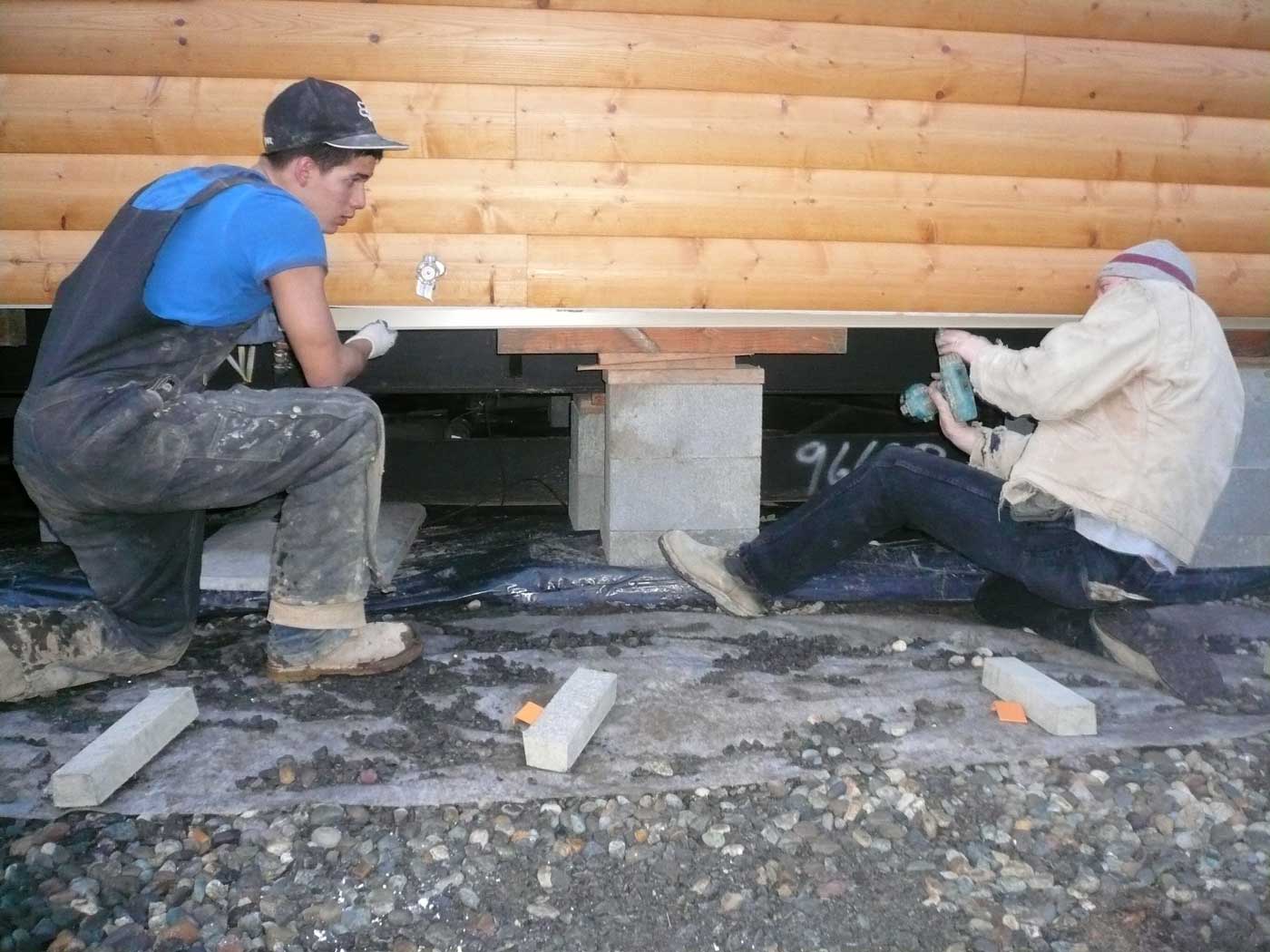
    Mobile home skirting protects the area underneath from moisture, debris, and pests. In Florida, where humidity is high, skirting often experiences wear and tear more quickly. Skirting should be inspected for holes, cracks, and gaps, as these allow moisture or pests to enter.

    Replacing damaged panels or reinforcing existing ones can prevent future problems. Additionally, proper ventilation should be ensured to minimize moisture buildup, which can lead to mold and rust.

    3. Window and Door Sealing

    Windows and doors in older mobile homes may have ineffective seals that allow drafts and moisture to enter. Florida’s humidity and high temperatures make good sealing essential. Inspecting window and door seals regularly is necessary to prevent air leaks.

    Weatherstripping is an affordable fix that improves insulation and energy efficiency. Sealing reduces energy costs and keeps the home cooler during hot months. This repair also keeps out dust and pests, enhancing indoor air quality.

    4. Plumbing Leak Fixes

    Mobile home plumbing systems are often prone to leaks, especially in older models. These leaks can occur in the bathroom, kitchen, or under the home. In Florida, where moisture can cause mold and wood rot, timely plumbing repairs are essential.

    Regular checks for leaks under sinks, around toilets, and near water heaters are recommended. Replacing faulty faucets or pipes, tightening joints, and adding sealant are all effective ways to prevent leaks from worsening.

    5. Floor Repairs

    Floors in mobile homes are often affected by wear and moisture, especially in humid climates like Florida’s. Sagging or soft spots can develop in high-traffic areas, posing safety risks. In areas where moisture exposure is common, such as bathrooms and kitchens, damage can appear more quickly.

    Damaged flooring should be replaced with water-resistant materials such as laminate or vinyl. These materials stand up to moisture better than carpet or wood. By choosing durable flooring, future repair needs are reduced.

    6. HVAC Maintenance

    In Florida, air conditioning is essential, especially during the long, hot summer months. Regular HVAC maintenance is required to ensure the system runs efficiently. Clogged filters, worn-out parts, or duct leaks can all cause the system to work harder, leading to higher energy costs.

    The HVAC system should be inspected at least twice a year, with filters replaced as needed. Proper maintenance not only lowers costs but also keeps the mobile home comfortable and cool.

    7. Exterior Wall and Siding Repairs

    Exterior siding protects the home from weather, pests, and physical damage. Florida’s intense heat and frequent storms can cause wear on siding, leading to cracks, gaps, or warping. Siding that is damaged or worn compromises the home’s insulation and protection against moisture.

    Inspecting exterior walls for damage and applying fresh paint or protective coatings is essential. Replacing damaged panels or sections and sealing gaps will enhance the home’s durability and appearance.

    8. Vapor Barrier Installation or Replacement

    Vapor barriers installed underneath mobile homes prevent moisture from rising and damaging the subfloor. In Florida’s humid climate, vapor barriers can be especially beneficial for reducing mold and moisture buildup. Older mobile homes may not have an effective vapor barrier, or the existing one may need replacement.

    Replacing or installing a vapor barrier helps protect the home’s foundation and structural integrity. Moisture-resistant barriers are recommended for best results in Florida’s environment.

    9. Electrical System Updates

    Older mobile homes may have outdated wiring that does not meet current safety standards. In Florida’s storm-prone areas, power surges or outages may increase the risk of electrical issues. Faulty wiring can lead to potential safety hazards, such as electrical fires or circuit overloads.

    Regular inspections by a licensed electrician should be conducted to identify outdated or faulty wiring. Replacing old electrical panels, installing surge protectors, and adding GFCI outlets in wet areas will improve safety.

    10. Storm Shutter Installation

    Florida’s hurricane season poses a risk to mobile homes, which are more vulnerable to wind and debris damage. Storm shutters provide essential protection for windows and doors during high winds and storms. Older mobile homes may not come with adequate storm protection.

    Installing storm shutters on all windows and doors ensures that the home is better protected. Storm panels and impact-resistant glass are also options to consider for added security against flying debris.

    Preventative Maintenance Tips for Mobile Homes in Florida

    Preventative maintenance is key to prolonging the lifespan of a mobile home. A regular inspection schedule for essential areas, such as the roof, HVAC system, and plumbing, can reduce repair costs over time. Taking proactive steps to identify issues before they worsen keeps the home in good condition.

    Conclusion

    Addressing these ten essential repairs will improve both the safety and comfort of an older mobile home. By focusing on durability, energy efficiency, and storm readiness, a mobile home can be maintained to handle Florida’s unique climate challenges. Proper upkeep will not only enhance the home’s functionality but also its overall value.


    See Also:
     

  • DIY Mobile Home Repairs: 10 Fixes You Can Handle

    Mobile homes are a popular and affordable housing option for many people, offering flexibility and comfort. However, like any home, mobile homes require maintenance and occasional repairs. The good news is that many repairs can be tackled without the need for professional help. In this article, we’ll explore 10 mobile home repairs that you can easily do yourself, saving you both time and money.

    mobile home repairs

    1. Leaky Roof Patch-up

    Mobile homes are susceptible to roof leaks over time. Inspect your roof regularly and apply a roof sealant to fix minor leaks. Use a silicone-based sealant for a durable and water-resistant solution. This DIY fix can prevent more significant issues like water damage and mold growth.

    2. Weather Stripping Replacement

    Keep your mobile home energy-efficient by replacing worn-out or damaged weather stripping around doors and windows. This simple task helps in maintaining a comfortable interior temperature and reduces energy costs.

    3. Skirting Repair

    Skirting not only enhances the appearance of your mobile home but also protects it from the elements. If you notice any damaged or missing skirting panels, replace them promptly. This will help in maintaining proper ventilation and insulation underneath your home.

    4. Faucet Drip Repair

    A dripping faucet not only wastes water but can also lead to more significant plumbing issues. Fixing a leaky faucet is usually a matter of replacing a worn-out washer or cartridge. It’s a straightforward task that can save you money on your water bill.

    5. Cabinet Hinge Adjustment

    Over time, cabinet doors in mobile homes may become misaligned or loose. Tighten the screws or replace the hinges if necessary to keep your cabinets functional and aesthetically pleasing.

    6. Flooring Fixes

    Whether you have vinyl, laminate, or carpet flooring in your mobile home, addressing small damages promptly is crucial. Repairing loose tiles, fixing small tears in carpeting, or replacing damaged laminate panels can prevent more extensive and costly flooring issues.

    7. Window Pane Replacement

    If you have single-pane windows and notice condensation or fogging between the glass layers Effective Strategies to Promote Your Car Wash and Detailing Business, it’s a sign of a failed seal. You can replace the window panes yourself with double-pane glass to improve insulation and energy efficiency.

    8. Door Seal Replacement

    Ensure the weather-tight integrity of your mobile home by replacing worn-out door seals. This simple task can significantly enhance energy efficiency and keep your home comfortable throughout the year.

    9. Patching Wall Holes

     Accidents happen, and walls can get damaged. Whether it’s a small hole or a dent, patching it up is a simple DIY task. Use spackle or joint compound, sand the area, and touch up with paint for a seamless finish.

    10. Clogged Drain Clearing

    Dealing with a slow or clogged drain? Avoid harsh chemicals and opt for a more eco-friendly solution. A combination of baking soda and vinegar can often do the trick. For tougher clogs, a drain snake can help clear the pipes.

    The Bottom Line

    Taking care of your mobile home doesn’t always require professional assistance. With a bit of know-how and some basic tools, you can tackle various repairs on your own, ensuring your home remains in good condition. Regular maintenance and timely fixes not only save you money in the long run but also contribute to the longevity and comfort of your mobile home.


    See Also:

  • 8 Mobile Home Repairs You Can Do Yourself

    Mobile homes, often prized for their affordability and flexibility, occasionally require maintenance and repairs like any other dwelling. The good news is that many common issues can be addressed without the need for professional assistance. In this guide, we’ll explore eight mobile home repairs that you can confidently tackle on your own, empowering homeowners to take charge of their living space and save on repair costs.

    1. Sealing Leaks and Caulking

    Leaks can be a persistent issue in mobile homes, especially around windows and doors. To combat this, invest in high-quality caulk and weatherstripping. Regularly inspect these areas for gaps or cracks and apply caulk where needed. Additionally, ensure that windows and doors are properly sealed with weatherstripping to prevent drafts and water infiltration. A well-sealed home is not only energy-efficient but also safeguards against potential water damage.

    mobile home repair
    Mobile home roof repair

    2. Floor Repairs and Stabilization

    Over time, mobile home floors may develop squeaks or become uneven. To address this, locate the source of the squeaks and secure the subfloor to the joists using screws. If there are soft spots on the floor, consider reinforcing the area with additional support. Use a level to identify any unevenness, and if needed, add shims to stabilize the floor. These DIY steps can significantly improve the structural integrity of your mobile home.

    3. Skirting Replacement

    The skirting around your mobile home serves both aesthetic and practical purposes. It enhances curb appeal while protecting the home’s underside from pests and the elements. If your skirting is damaged or missing, replacing it is a manageable DIY project. Choose durable materials, such as vinyl or treated wood, and ensure a snug fit around the base of your home. Properly installed skirting also helps with insulation, reducing energy costs.

    4. Fixture and Faucet Repairs

    Leaky faucets and malfunctioning fixtures are common issues in any home, mobile or otherwise. Fortunately, most faucet repairs are straightforward and require basic tools. Replace worn-out washers or cartridges, tighten loose connections, and fix leaks promptly to prevent water damage. Tackling these issues early can save you money on your water bill and preserve the integrity of your plumbing system.

    5. Painting and Wall Repair

    Over time, mobile home walls may show signs of wear, including scuffs, stains, or minor dents. A fresh coat of paint can work wonders in revitalizing your living space. Before painting, patch any holes or cracks in the walls using a spackle or joint compound. Sand the patched areas, prime the walls, and apply your chosen paint color. This simple yet effective DIY project can transform the look and feel of your home.

    6. Electrical Repair

    While some electrical issues may require professional assistance, many repairs can be handled by homeowners with caution and basic knowledge. Common electrical tasks include replacing outlets and switches, tightening loose wiring connections, and upgrading outdated fixtures. Always turn off the power before attempting any electrical repairs, and consult with a professional if you are unsure or encounter complex issues.

    7. Plumbing Fixes

    Mobile home plumbing systems are generally similar to those in traditional houses. You can handle minor plumbing repairs, such as fixing leaky pipes, replacing faucets, or repairing running toilets. Invest in a good pipe wrench, pipe tape, and a plunger to address common plumbing issues. However, for major plumbing problems or if you are uncertain about the repair, it’s advisable to seek professional assistance.

    8. HVAC Maintenance

    Mobile home heating, ventilation, and air conditioning (HVAC) systems require regular maintenance to ensure optimal performance. Change air filters regularly, clean vents and ducts, and inspect the system for any visible issues. If your HVAC system is not providing adequate heating or cooling, check for obstructions in the vents and clean or replace air filters. While more complex HVAC problems may require professional intervention, routine maintenance can often be handled by homeowners.

    The Bottom line

    Embracing the DIY approach to mobile home repairs empowers homeowners to take control of their living space, enhance its longevity, and save on maintenance costs. While some repairs may necessitate professional assistance, addressing common issues such as leaks, flooring problems, and electrical or plumbing issues can be accomplished with basic tools and a bit of know-how. Regular maintenance and proactive repairs not only improve the overall condition of your mobile home but also contribute to a sense of pride and self-sufficiency as a homeowner. By tackling these DIY projects, you’ll not only save money but also gain valuable skills that enhance your ability to maintain and enjoy your mobile home for years to come.


    See Also:

Reset password

Enter your email address and we will send you a link to change your password.

Get started with your account

to save your favourite homes and more

Sign up with email

Get started with your account

to save your favourite homes and more

By clicking the «SIGN UP» button you agree to the Terms of Use and Privacy Policy
Powered by Estatik