Tag: mobile home repair near me

  • How to Identify and Fix Common Issues in Florida Mobile Homes

    Mobile homes are a popular and affordable Florida housing option, offering many residents a unique lifestyle. However, like any home, they come with their own set of maintenance challenges. Identifying and fixing common issues early can help avoid costly repairs and keep your home safe and comfortable.

    1. Inspecting for Roof Leaks

    Roof leaks are one of the most common issues in mobile homes, especially after storms. Check for water stains or damp spots on ceilings and walls. Damaged shingles, poor seals, or worn-out caulking around vents can cause leaks.

    To fix a roof leak, clean the area around the damage. Apply roofing cement to seal any cracks or gaps. If the damage is extensive, consider replacing the roofing material or hiring a professional.
    fixing common issues mobile home

    2. Checking for Foundation Problems

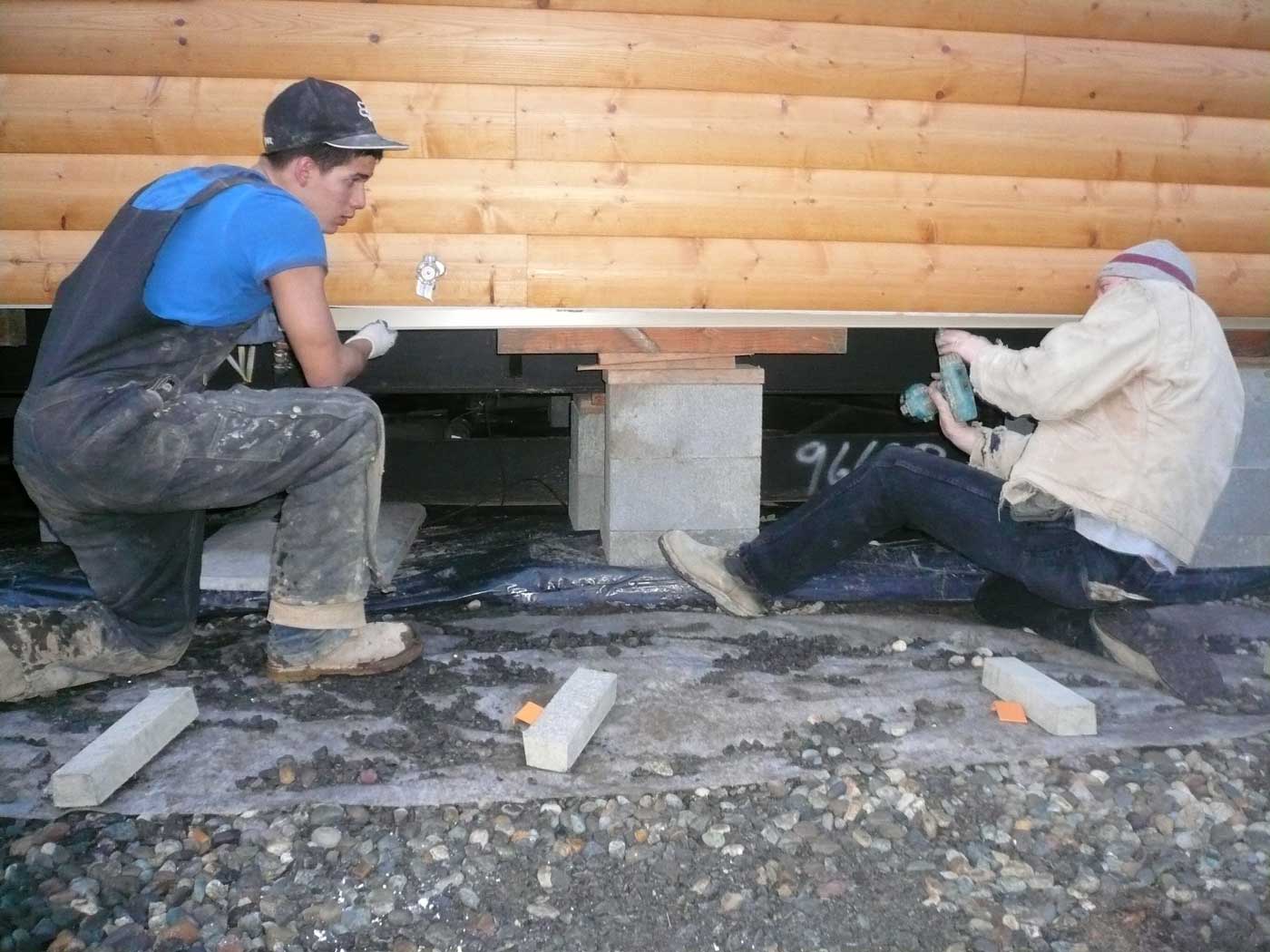
    A shifting foundation is a severe issue in mobile homes, leading to uneven floors and structural damage. Look for signs of cracks in walls, ceilings, or floors, as well as doors or windows that don’t close properly. Foundation problems can be caused by soil movement, poor installation, or natural wear over time.

    Fixing foundation issues begins by re-leveling the home. Use a hydraulic jack to adjust the foundation’s position. If necessary, hire a professional to inspect and repair the foundation.

    3. Addressing Plumbing Leaks

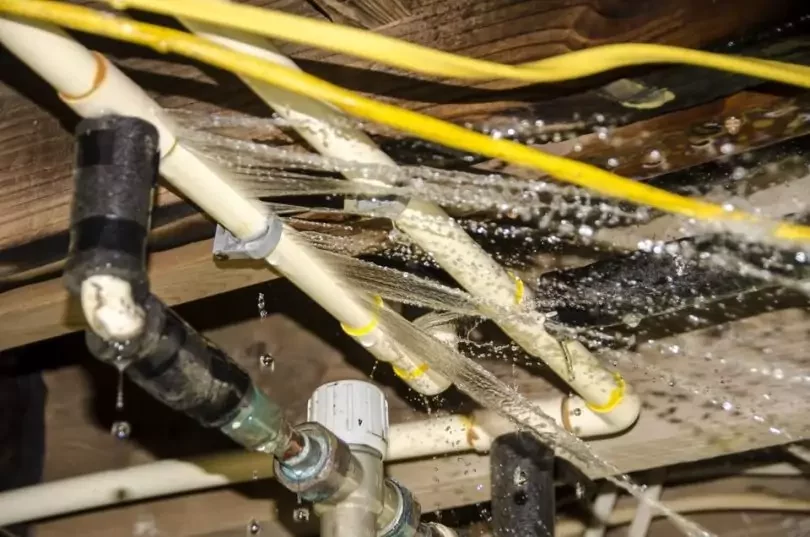
    Plumbing leaks are another common issue in mobile homes. Look for damp spots on floors, water stains on walls, or a musty smell, all signs of hidden leaks. Leaks can occur in pipes, faucets, or under sinks due to wear and tear or improper installation.

    To fix a leak, turn off the water supply and locate the source of the problem. Tighten any loose connections or replace damaged pipes. If the leak persists, consider consulting a plumber for more complex repairs.

    4. Fixing Electrical Problems

    Electrical issues are a significant concern, as faulty wiring can cause fires or power outages. Check for flickering lights, circuit breakers that trip often, or outlets that don’t work. Damaged wiring, overloading circuits, or faulty appliances may cause these problems.

    To address electrical issues, turn off the power at the breaker panel before making repairs. Tighten loose wires or replace damaged outlets and switches. If the problem is more complex, hire a licensed electrician to ensure safety.

    5. Preventing Mold and Mildew Growth

    Florida’s humid climate makes mobile homes prone to mold and mildew growth. Look for signs of mold in areas with poor ventilation, such as bathrooms or kitchens. Mold can cause health issues, damage walls, and decrease the value of your home.

    To prevent mold, improve ventilation by using dehumidifiers and fans—clean visible mold with a mixture of water and vinegar or a store-bought cleaner. If the mold is extensive, you may need to replace affected materials such as drywall or insulation.

    6. Repairing Windows and Doors

    Over time, doors and windows can become damaged or misaligned, leading to drafts or difficulty opening and closing. Check for gaps around windows and doors and inspect the seals for wear or damage. A damaged seal can lead to higher energy bills and water leaks.

    To fix this, remove old weatherstripping and replace it with new material. If necessary, adjust the alignment of doors and windows. For broken glass, replace the panes or hire a professional to ensure proper installation.

    7. Dealing with Pest Infestations

    Pests, such as termites, ants, and rodents, can cause significant damage to mobile homes. Look for signs of infestations, such as holes in walls, droppings, or chewed wires. Florida’s warm climate makes it an ideal environment for pests, so early detection is key.

    To fix a pest problem, identify the type of pest and choose an appropriate treatment. Seal any entry points around windows, doors, and vents. Consider hiring a pest control service to treat the home and prevent future infestations.

    8. Fixing Uneven Floors

    Foundation problems, moisture damage, or poor installation can cause uneven floors in a mobile home. Look for dips, bumps, or areas where the floor feels soft or unstable. If not addressed, these issues can affect the structural integrity of your home and lead to more severe damage.

    To fix uneven floors, first check the foundation for signs of shifting or damage. Then, re-level the home or replace damaged floor joists. If the problem is caused by moisture, fix any plumbing leaks and dry out the affected areas before repairing the floor.

    9. Maintaining Heating and Cooling Systems

    Florida’s hot climate makes an effective air conditioning system essential. If your AC unit is not cooling properly or is making strange noises, it may need maintenance. Check the filters for dirt or blockages, and inspect the ducts for leaks or obstructions.

    To fix an AC issue, clean or replace the filters and clear any debris from the outdoor unit. If the system still malfunctions, consider calling an HVAC technician for more advanced repairs. Regular maintenance can extend the life of your cooling system.

    10. Fixing Leaking Windows and Doors

    Leaking windows and doors can let in water, causing mold growth and water damage. Check for leaks around windows and doors, especially after heavy rains. Damaged seals, caulking, or poor installation often cause leaks.

    Remove old caulking and apply a new, high-quality sealant to fix leaks. Replace any worn-out weatherstripping around doors and windows. Ensure that the frames are properly sealed to prevent further leaks.

    11. Dealing with Insulation Problems

    Poor insulation can cause discomfort and higher energy costs in mobile homes in Florida. Check for drafty areas in the walls, ceilings, or floors, especially during the colder months. Inadequate insulation can also cause your air conditioning system to work harder, leading to increased electricity bills.

    To fix insulation problems, add or replace insulation in the walls, attic, and under the floor. For better efficiency, use fiberglass batt insulation or spray foam. Sealing gaps and cracks around windows and doors can also help reduce energy loss.

    12. Repairing Exterior Damage

    The exterior of a mobile home can suffer from weather-related damage, including cracked siding, faded paint, and rust. Inspect the siding for wear, especially after heavy storms or high winds. Florida’s humid climate can cause materials to degrade faster than in drier areas.

    To repair exterior damage, replace any cracked or broken siding and repaint faded areas. If rust is present, clean the affected areas and apply a rust-resistant primer. Regular exterior maintenance can prevent long-term damage and maintain the home’s curb appeal.

    13. Fixing Water Heater Issues

    A malfunctioning water heater can disrupt daily activities, leaving you without hot water. Check for leaks, strange noises, or a lack of hot water as signs of a problem. Water heaters can fail due to sediment buildup, worn-out heating elements, or faulty thermostats.

    First, turn off the power and water supply to fix water heater issues. Drain the tank to remove sediment and clean the elements. If the problem persists, you may need to replace the heating elements or thermostat.

    14. Replacing Worn-Out Flooring

    Mobile homes often have vinyl or carpet flooring, which can wear out over time. Check for tears, stains, or areas where the floor feels uneven. Worn-out flooring not only affects aesthetics but can also become a tripping hazard.

    To replace worn-out flooring, remove the old material and clean the subfloor. Then, depending on your preference, install new vinyl, laminate, or carpet. Proper installation ensures a clean and stable floor for years to come.

    15. Preventing Future Problems

    Prevention is critical to avoiding costly repairs in the future. Regularly inspect your mobile home for signs of damage and address minor issues before they become big problems. Staying on top of maintenance tasks, such as cleaning gutters, replacing weatherstripping, and checking for leaks, helps maintain the integrity of your home.

    You can prevent the most common issues in mobile homes by keeping up with routine maintenance. Early detection of problems will save you time, money, and stress. Proper care ensures that your Florida mobile home remains a safe, comfortable place to live.

    Conclusion

    Identifying and fixing common issues in Florida mobile homes is crucial for maintaining safety and comfort. Early intervention can prevent more significant damage, whether it’s a roof leak, foundation problem, or pest infestation. Regular maintenance, proper repairs, and preventive measures will keep your mobile home in good condition and provide peace of mind in the long run.

    See Also:

  • How to Finance Mobile Home Repairs in Florida

    Mobile homes are an affordable housing option for many residents in Florida, but like any home, they require regular maintenance and occasional repairs. Whether it’s fixing a leaky roof, updating plumbing, or replacing worn-out flooring, these repairs can add up quickly. Finding the funds to cover these expenses can be a challenge, but there are several financing options available that can help. This article will guide you through the various ways to finance mobile home repairs in Florida, ensuring your home remains safe and comfortable.

    finance mobile home repairs

    1. Personal Savings

    The most straightforward way to finance mobile home repairs is by using personal savings. Setting aside a portion of your income each month into an emergency fund can prepare you for unexpected expenses like home repairs. While this method may take time and discipline, it’s a great way to avoid debt and interest charges. If you haven’t started saving yet, it’s never too late. Even small contributions can grow over time and help you cover future repair costs.

    2. Homeowner’s Insurance

    Before paying out-of-pocket for repairs, check your homeowner’s insurance policy. In some cases, your insurance may cover certain types of damage, such as those caused by storms, fire, or vandalism. However, it’s important to understand what is covered and what isn’t. For instance, wear and tear or damage due to neglect are typically not covered by insurance. Review your policy carefully and contact your insurance provider to see if you can file a claim for your mobile home repairs.

    3. Home Equity Loans

    If you own your mobile home and the land it sits on, you may be eligible for a home equity loan. This type of loan allows you to borrow against the equity you’ve built in your property. Home equity loans typically have lower interest rates compared to other forms of credit because they are secured by your home. However, be aware that if you fail to repay the loan, you risk losing your home. It’s essential to assess your ability to make the monthly payments before opting for this financing method.

    4. Personal Loans

    A personal loan is another option for financing mobile home repairs. These loans are typically unsecured, meaning you don’t have to use your home or any other asset as collateral. Personal loans can be obtained from banks, credit unions, or online lenders, and the funds can be used for any purpose, including home repairs. Interest rates on personal loans can vary widely based on your credit score, income, and the lender’s terms. It’s important to shop around and compare offers to find the best rate.

    5. Credit Cards

    For smaller repair projects, you might consider using a credit card. Many credit cards offer promotional 0% interest rates for a limited time, which can be beneficial if you can pay off the balance before the promotional period ends. However, if you carry a balance beyond the promotional period, you could face high interest charges. Using a credit card for financing should be done cautiously, especially if you’re unsure of your ability to pay off the debt quickly.

    6. Government Grants and Loans

    The U.S. Department of Agriculture (USDA) offers a program called the Rural Housing Repair Loans and Grants, which provides loans and grants to very low-income homeowners to repair, improve, or modernize their homes. To qualify, your home must be located in a rural area, and you must meet income eligibility requirements. Grants are available for homeowners aged 62 or older who cannot repay a loan. This program can be a valuable resource for eligible mobile homeowners in Florida who need assistance with repair costs.

    Another option is the U.S. Department of Housing and Urban Development (HUD), which offers the Title I Property Improvement Loan program. This program insures loans made by private lenders for home repairs and improvements. The loan can be used for a variety of repairs, including plumbing, roofing, and electrical work, and is available to both mobile and manufactured homes. Unlike some other loans, Title I loans are not limited to rural areas and can be used in urban settings as well.

    7. Community Development Block Grants (CDBG)

    Some local governments in Florida offer Community Development Block Grants (CDBG) to assist low- and moderate-income homeowners with necessary home repairs. These grants are typically aimed at improving living conditions in low-income areas and may cover repairs such as roof replacements, electrical upgrades, and accessibility improvements. The availability and amount of funding can vary by location, so it’s important to contact your local government or housing authority to inquire about CDBG programs in your area.

    8. Manufactured Housing Improvement Loans

    Some lenders specialize in financing for manufactured homes, including repair and improvement loans. These loans are specifically designed for mobile and manufactured homes and can be used for a wide range of repairs. Interest rates and terms will vary depending on the lender, but these loans can be a good option if you need financing tailored to mobile home needs. Be sure to research and compare lenders to find the best terms for your situation.

    9. Nonprofit Organizations

    Several nonprofit organizations in Florida offer assistance to homeowners in need of repairs. These organizations may provide financial aid, volunteer labor, or low-cost materials to help with home repairs. Examples include Habitat for Humanity, which offers repair services to low-income homeowners, and Rebuilding Together, which focuses on providing critical home repairs to those in need. These organizations often have specific eligibility requirements, so it’s important to reach out to them directly to see if you qualify for assistance.

    10. Crowdfunding

    In today’s digital age, crowdfunding has become a popular way to raise money for various needs, including home repairs. Platforms like GoFundMe allow you to create a campaign and share your story with friends, family, and the community. While there’s no guarantee of success, crowdfunding can be a viable option if you have a strong network of supporters willing to contribute. Be sure to clearly explain why you need the funds and how they will be used to increase your chances of reaching your goal.

    11. Payment Plans with Contractors

    Some contractors offer payment plans or financing options for their services. This can be a convenient way to spread out the cost of repairs over time. When considering a payment plan, make sure to carefully review the terms, including the interest rate and repayment schedule. It’s also important to choose a reputable contractor who provides a written estimate and contract for the work to be done. Avoid contractors who demand full payment upfront or refuse to put the agreement in writing.

    Conclusion

    Financing mobile home repairs in Florida doesn’t have to be overwhelming. With a variety of options available, from personal savings to government grants, you can find a solution that fits your needs and budget. It’s important to carefully consider your financial situation and explore all available options before making a decision. By doing so, you can ensure that your mobile home remains a safe and comfortable place to live, without putting undue strain on your finances.


    See Also:

  • DIY Mobile Home Repairs: 10 Fixes You Can Handle

    Mobile homes are a popular and affordable housing option for many people, offering flexibility and comfort. However, like any home, mobile homes require maintenance and occasional repairs. The good news is that many repairs can be tackled without the need for professional help. In this article, we’ll explore 10 mobile home repairs that you can easily do yourself, saving you both time and money.

    mobile home repairs

    1. Leaky Roof Patch-up

    Mobile homes are susceptible to roof leaks over time. Inspect your roof regularly and apply a roof sealant to fix minor leaks. Use a silicone-based sealant for a durable and water-resistant solution. This DIY fix can prevent more significant issues like water damage and mold growth.

    2. Weather Stripping Replacement

    Keep your mobile home energy-efficient by replacing worn-out or damaged weather stripping around doors and windows. This simple task helps in maintaining a comfortable interior temperature and reduces energy costs.

    3. Skirting Repair

    Skirting not only enhances the appearance of your mobile home but also protects it from the elements. If you notice any damaged or missing skirting panels, replace them promptly. This will help in maintaining proper ventilation and insulation underneath your home.

    4. Faucet Drip Repair

    A dripping faucet not only wastes water but can also lead to more significant plumbing issues. Fixing a leaky faucet is usually a matter of replacing a worn-out washer or cartridge. It’s a straightforward task that can save you money on your water bill.

    5. Cabinet Hinge Adjustment

    Over time, cabinet doors in mobile homes may become misaligned or loose. Tighten the screws or replace the hinges if necessary to keep your cabinets functional and aesthetically pleasing.

    6. Flooring Fixes

    Whether you have vinyl, laminate, or carpet flooring in your mobile home, addressing small damages promptly is crucial. Repairing loose tiles, fixing small tears in carpeting, or replacing damaged laminate panels can prevent more extensive and costly flooring issues.

    7. Window Pane Replacement

    If you have single-pane windows and notice condensation or fogging between the glass layers Effective Strategies to Promote Your Car Wash and Detailing Business, it’s a sign of a failed seal. You can replace the window panes yourself with double-pane glass to improve insulation and energy efficiency.

    8. Door Seal Replacement

    Ensure the weather-tight integrity of your mobile home by replacing worn-out door seals. This simple task can significantly enhance energy efficiency and keep your home comfortable throughout the year.

    9. Patching Wall Holes

     Accidents happen, and walls can get damaged. Whether it’s a small hole or a dent, patching it up is a simple DIY task. Use spackle or joint compound, sand the area, and touch up with paint for a seamless finish.

    10. Clogged Drain Clearing

    Dealing with a slow or clogged drain? Avoid harsh chemicals and opt for a more eco-friendly solution. A combination of baking soda and vinegar can often do the trick. For tougher clogs, a drain snake can help clear the pipes.

    The Bottom Line

    Taking care of your mobile home doesn’t always require professional assistance. With a bit of know-how and some basic tools, you can tackle various repairs on your own, ensuring your home remains in good condition. Regular maintenance and timely fixes not only save you money in the long run but also contribute to the longevity and comfort of your mobile home.


    See Also:

Reset password

Enter your email address and we will send you a link to change your password.

Get started with your account

to save your favourite homes and more

Sign up with email

Get started with your account

to save your favourite homes and more

By clicking the «SIGN UP» button you agree to the Terms of Use and Privacy Policy
Powered by Estatik