Tag: mobile home purchase agreement florida

  • What to Look for When Buying a Used Mobile Home in Florida

    Purchasing a used mobile home in Florida can be a rewarding experience. It offers affordability and flexibility compared to traditional homes. However, buying a used mobile home requires careful consideration. You must ensure that your investment is sound and meets your needs. This guide provides a comprehensive checklist of key factors to consider when buying a used mobile home in Florida.

    1. Understand the Market

    Before diving into your search, familiarize yourself with the local mobile home market. Research recent sales in the area. This will help you determine fair pricing for the type of mobile home you want. Check online listings, local classifieds, and community bulletin boards. Understanding the market will give you leverage in negotiations.

    2. Inspect the Structural Integrity

    The structural integrity of a mobile home is paramount. Start by checking the frame and foundation. Look for signs of sagging or damage. A solid frame ensures the home can withstand Florida’s weather.

    Check the Roof
    Inspect the roof for leaks, cracks, or missing shingles. A compromised roof can lead to costly repairs. Look for signs of water damage on the ceiling and walls inside the home.

    Examine the Walls and Floors
    Inspect the walls for any bowing or soft spots. Soft spots may indicate water damage or rot. Check the flooring for any sagging or warping. Ensure it feels solid when you walk on it.
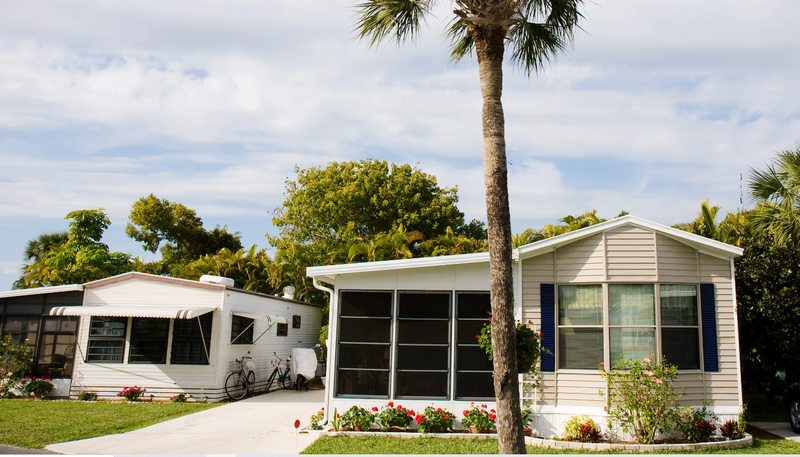
    Buying a Used Mobile Home in Florida

    3. Evaluate the Utilities

    Check all utility systems in the mobile home. This includes water, electricity, gas, and sewage systems. Proper functioning utilities are essential for comfortable living.

    Water System
    Inspect the plumbing for leaks or corrosion. Look for signs of water damage under sinks and around pipes. Test the water pressure and ensure hot water is available.

    Electrical System
    Check the electrical panel and outlets. Ensure that outlets are grounded and properly wired. Test light switches and fixtures to verify they are functional.

    Heating and Cooling Systems
    Evaluate the HVAC system or window units. Ensure they are in good working condition. Ask for maintenance records to see when they were last serviced.

    4. Look for Signs of Pest Infestation

    Pest problems can cause significant damage to a mobile home. Look for signs of infestation, such as droppings or nests. Check for any holes in walls or around windows that pests might use for entry. If you find signs of pests, consider hiring a professional pest inspector before purchasing.

    5. Assess the Age of the Mobile Home

    The age of the mobile home impacts its condition and value. Older mobile homes may require more repairs and updates. Check the manufacturer’s label, usually located on the inside of the kitchen cabinet or in a closet. It will indicate the year the home was manufactured.

    Consider Mobile Home Standards
    Mobile homes built before 1976 may not meet modern safety and building codes. These homes may lack necessary insulation and structural features. If you’re considering an older model, ensure it meets current standards.

    6. Review the Title and Registration

    A clear title is essential when purchasing a used mobile home. Ensure that the seller owns the home outright and has the title available. Check for any liens against the home. This could complicate your purchase and ownership.

    Verify Registration
    Ensure the mobile home is registered with the Florida Department of Highway Safety and Motor Vehicles. You can check the registration status online or through local offices. Make sure all taxes are paid and up to date.

    7. Understand Local Zoning and Land Use Regulations

    Mobile home parks in Florida often have specific zoning regulations. Before buying, check local zoning laws and land use regulations. Make sure the mobile home you choose can be legally placed in the intended location.

    Confirm Park Rules and Fees
    If you’re buying in a mobile home park, review the park rules and fees. Understand any restrictions on age, renovations, or pet ownership. Clarify monthly lot rent or any additional fees you might encounter.

    8. Assess the Home’s Energy Efficiency

    Energy efficiency impacts your monthly expenses and comfort. Inspect insulation levels in walls and ceilings. Poor insulation can lead to higher energy bills.

    Check Windows and Doors
    Evaluate the condition of windows and doors. Ensure they close properly and seal well. Consider installing energy-efficient models if the current ones are outdated. This can save you money on heating and cooling costs.

    9. Investigate Previous Repairs and Upgrades

    Inquire about any repairs or upgrades made to the mobile home. Ask the seller for maintenance records. This will give you insight into the home’s condition and how well it has been cared for.

    Renovations and Upgrades
    Check for any significant renovations, such as new plumbing, electrical systems, or appliances. Understand who performed the work and whether it was done professionally.

    10. Get a Professional Inspection

    Before making a final decision, hire a professional inspector. A thorough inspection can reveal hidden problems that may not be apparent during your walkthrough. The inspector will check structural integrity, utilities, pests, and safety issues. This step can save you from costly surprises later.

    11. Consider Financing Options

    When purchasing a used mobile home, explore financing options. Many lenders offer loans specifically for mobile home purchases. Understand the interest rates, terms, and conditions before proceeding.

    Check Your Credit Score
    Before applying for financing, check your credit score. A higher credit score can secure you better financing terms. If your score needs improvement, take steps to boost it before applying.

    12. Budget for Additional Costs

    In addition to the purchase price, consider additional costs associated with owning a mobile home. These can include:

    • Lot Rent: If you’re in a mobile home park, factor in monthly lot rent.
    • Insurance: Mobile home insurance can protect your investment.
    • Maintenance: Budget for ongoing maintenance and repairs.
    • Utilities: Understand utility costs and plan for them in your budget.

    13. Evaluate Resale Value

    Consider the potential resale value of the mobile home. Mobile homes can depreciate faster than traditional homes. Look at the resale history of similar homes in the area. Understanding this can help you make a sound investment.

    14. Think About Your Lifestyle and Needs

    Reflect on your lifestyle and future plans. Consider the size of the mobile home and the layout. Ensure it meets your current and future needs.

    Plan for Future Growth
    If you plan to expand your family or need more space, think about your options. Some mobile homes offer expansion possibilities, while others do not. Plan accordingly to avoid feeling cramped later.

    15. Trust Your Instincts

    Finally, trust your instincts during the buying process. If something feels off about the home or the seller, don’t hesitate to walk away. A home is a significant investment, and you should feel confident in your decision.

    Conclusion

    Buying a used mobile home in Florida can be an excellent investment if you approach the process carefully. By following this checklist, you can ensure that you make an informed decision. Always prioritize structural integrity, utilities, and legal considerations. With the right preparation and research, you can find a mobile home that meets your needs and provides a comfortable living space for years to come. Happy house hunting!


    See Also:

  • Guide to Buying a Mobile Home in Florida

    Are you considering buying a mobile home in Florida? Look no further! This comprehensive guide will take you through everything you need to know about buying a mobile home in the Sunshine State. From determining what type of mobile home fits your needs and budget to exploring different communities and performing due diligence, we’ve got you covered. Plus, we’ll provide valuable insights on Florida’s laws regarding mobile homes, how to protect yourself from natural disasters with insurance coverage, and much more. So sit back, relax, and get ready for an informative journey toward finding your dream mobile home in Florida!

    Why Move to Florida

    There are many reasons why people flock to Florida. The state boasts beautiful weather, with an average of 237 sunny days per year and mild winters that make it a desirable place for seniors looking to escape the cold.

    Florida offers plenty of activities for outdoor enthusiasts, including miles of beaches, world-renowned golf courses, and countless opportunities for boating and fishing. Plus, Florida is home to several large cities that offer diverse entertainment options such as theme parks like Disney World in Orlando or Busch Gardens in Tampa.

    For those seeking a more relaxed lifestyle, smaller coastal towns like Sarasota or Cape Coral provide picturesque views while still offering access to urban amenities. And let’s not forget about Florida’s lack of income tax – perfect for retirees on a fixed budget.

    Whether you’re looking for sun-soaked adventures or peaceful beachside living, Florida has something to offer everyone.

    Mobile home in Florida
    Mobile home in Florida

    Determine What You Are Buying

    Before buying a mobile home in Florida, it’s essential to determine what you are looking for and what type of home suits your needs. Mobile homes come in different styles, sizes, and layouts. You can choose from single-wide or double-wide mobile homes.

    Single-wide mobile homes are smaller than double-wide ones but are less expensive. They have a narrow layout that makes them perfect for those who want to save space or live alone. Double-wide mobile homes offer more living space compared to single-wide; they’re ideal for families or individuals who need extra room.

    It’s also essential to consider the features you want in your new home, such as the number of bedrooms and bathrooms, kitchen appliances, and storage spaces, among others. Determining what you need will help narrow down your options when shopping around.

    Additionally, it would be best if you thought about whether to buy a new or used mobile home. Newer models may cost more but require less maintenance than older ones while second-hand units can be cheaper but often require repairs and upgrades.

    Knowing precisely what kind of mobile home suits your lifestyle needs and budget requirements beforehand helps simplify the entire purchasing process later on!

    Think Cost and Lifestyle

    When buying a mobile home in Florida, it’s essential to consider both the cost and lifestyle factors. Firstly, you need to determine your budget and how much you can afford to spend on purchasing a mobile home. This means not only accounting for the initial purchase price but also additional expenses such as insurance, taxes, maintenance fees, and utility bills.

    Moreover, you should think about what kind of lifestyle you want when choosing a mobile home community. Do you prefer a more active or relaxed setting? Are amenities like swimming pools or fitness centers important to you? Do you have pets that will require certain facilities?

    It’s crucial to weigh these costs against the benefits of living in a particular community. In some cases, paying higher fees may be worth it if it gives access to better amenities or services.

    Ultimately, carefully considering both cost and lifestyle will help ensure that your mobile home purchase is an investment that meets all your needs while also being affordable over time.

    Investigate Several Communities

    Each community has its own atmosphere and amenities that can make a big difference in your lifestyle.

    Start by researching online and finding communities within your desired location and budget. Look at their websites and social media pages to get an idea of the community culture and facilities they offer.

    Next, schedule visits to each community you’re interested in. Take note of how well-maintained the grounds are, the quality of homes available for sale or rent, as well as any recreational activities offered on-site.

    While visiting each community, be sure to talk with current residents if possible. Ask them about their experiences living there including any pros and cons they’ve encountered during their stay.

    Consider how close each community is to hospitals, grocery stores, restaurants, parks, or other places you frequently visit. Also, take into account the distance from potential employment opportunities or schools if applicable.

    Investigating several mobile home communities in Florida before purchasing or renting one ensures that you will find one that fits all your needs both financially and lifestyle-wise.

    Perform Your Due Diligence

    Before you make a final decision to purchase a mobile home in Florida, it is crucial to perform your due diligence. This process can help you avoid potential legal issues and ensure that the property is worth its value.

    One vital step in performing your due diligence is conducting a thorough inspection of the mobile home and the community where it’s located. Check for any damages or issues with the structure, plumbing, electrical wiring, and other features.

    It’s also important to research the park owners or management companies of the community where you’ll be buying your mobile home. You want to make sure they have an excellent reputation and don’t have any pending lawsuits or violations against them.

    Another aspect of due diligence includes examining all relevant documents related to purchasing a mobile home in Florida. These documents may include contracts, lease agreements, permits, and zoning regulations among others.

    You should also check if there are any liens on the property before making an offer as this could affect your ability to acquire financing for your new home.

    Taking time to perform proper due diligence can save you from costly mistakes down the line. Remember that buying a mobile home is not just about finding one at a good price but also ensuring that it meets all legal requirements and provides value for the money spent!

    buying a mobile home in Florida
    Mobile Home in 55+ community

    Familiarize Florida’s Mobile Home Laws

    One of the most critical aspects of Florida’s mobile home laws is the requirement for disclosure. Sellers must provide buyers with a written disclosure statement that outlines any known defects or issues with the property. This information can be invaluable in helping you make an informed decision about whether to purchase a particular mobile home.

    Another important aspect of these laws relates to financing. If you plan to finance your purchase, you need to know that specific regulations govern lending practices for manufactured homes in Florida. Working with an experienced lender who understands these regulations and can guide you through the process is always wise.

    Additionally, it’s worth noting that if you own your land and have permanently affixed your mobile home to a foundation on that land, it may be considered real property rather than personal property under state law. This distinction can affect how taxes are assessed and what legal protections apply.

    Ponder What Nature Can Throw at You

    Florida’s beautiful weather is one of the main reasons people buy a mobile home in the Sunshine State. However, it is important to remember that severe storms and hurricanes can also hit Florida.

    When buying a mobile home in Florida, it’s crucial to consider how nature can impact your living conditions. Even if you purchase insurance for your mobile home, preparing ahead of time can make all the difference.

    Start by researching potential natural disasters that could affect your area. This will give you an idea of what types of damage could occur and how best to prepare for them.

    Consider investing in storm shutters or reinforced windows to protect yourself from high winds, flying debris, and heavy rains during a hurricane. Additionally, removing any loose items around your home before a storm hits may help prevent them from becoming projectiles.

    Remember flooding as well. Mobile homes are particularly vulnerable to flooding since they are typically located on low-lying land. Consider purchasing flood insurance so that you’re covered should disaster strike.

    Buy Mobile Home Insurance

    Mobile homes are a great way to own your own property without the high cost of traditional homeownership. However, like any home, mobile homes are subject to damage from storms, fires, or other unexpected events. That’s why buying mobile home insurance is essential when you purchase a mobile home in Florida.

    Mobile home insurance policies can vary widely depending on where you live and what type of coverage you need. Some policies cover only the structure itself while others also include personal belongings and liability protection.

    When shopping for mobile home insurance, be sure to compare rates from several different providers. Look for policies that offer comprehensive coverage at an affordable price.

    Understanding exactly what your policy covers before signing up for coverage is important. Make sure you read through all the terms and conditions carefully and ask questions if there is something you don’t understand.

    Once you have selected an insurance provider and purchased a policy, make sure you keep up with monthly premiums so that your coverage stays active in case of an emergency.

    Doing your due diligence when purchasing mobile home insurance will provide peace of mind, knowing that you’re covered no matter what nature throws at you!

    Final Thoughts

    Buying a mobile home in Florida can be an exciting and rewarding experience. However, careful consideration is required to ensure your investment’s safety and financial feasibility. By following the steps outlined in this guide, you will be well on your way to finding the perfect mobile home that meets your needs.

    Remember to research various communities and perform due diligence before making any decisions. Also, consider the potential impact of natural disasters such as hurricanes and invest in adequate insurance coverage.

    With proper planning and preparation, owning a mobile home in Florida can provide you with an affordable housing option while you enjoy all that this beautiful state has to offer. So take your time, ask questions, and make informed choices—happy house hunting!

    See Also:

Reset password

Enter your email address and we will send you a link to change your password.

Get started with your account

to save your favourite homes and more

Sign up with email

Get started with your account

to save your favourite homes and more

By clicking the «SIGN UP» button you agree to the Terms of Use and Privacy Policy
Powered by Estatik