Tag: mobile home permits florida

  • How to Protect Your Mobile Home from Florida’s Humidity

    Florida’s year-round humidity can damage mobile homes. High moisture levels cause mold, mildew, structural damage, and health issues. Protecting your home from these effects requires proactive measures and regular maintenance. You can ensure your home remains safe, comfortable, and in good condition by staying vigilant.

    Understand the Impact of Humidity

    Florida’s humidity levels often exceed 70%, creating a breeding ground for mold and mildew. Excess moisture can damage wood, weaken insulation, and warp floors. It also invites pests like termites, which thrive in damp environments. Managing humidity effectively is essential to maintain your home’s value and livability.

    Steps to Protect Your Mobile Home

    1. Seal Doors and Windows

    Check the seals around your doors and windows for gaps or cracks. Poorly sealed openings allow moisture to seep inside, increasing humidity levels. Replace worn-out weatherstripping or use caulk to seal gaps. Tight seals also improve energy efficiency, keeping your home cooler and reducing air conditioning costs.
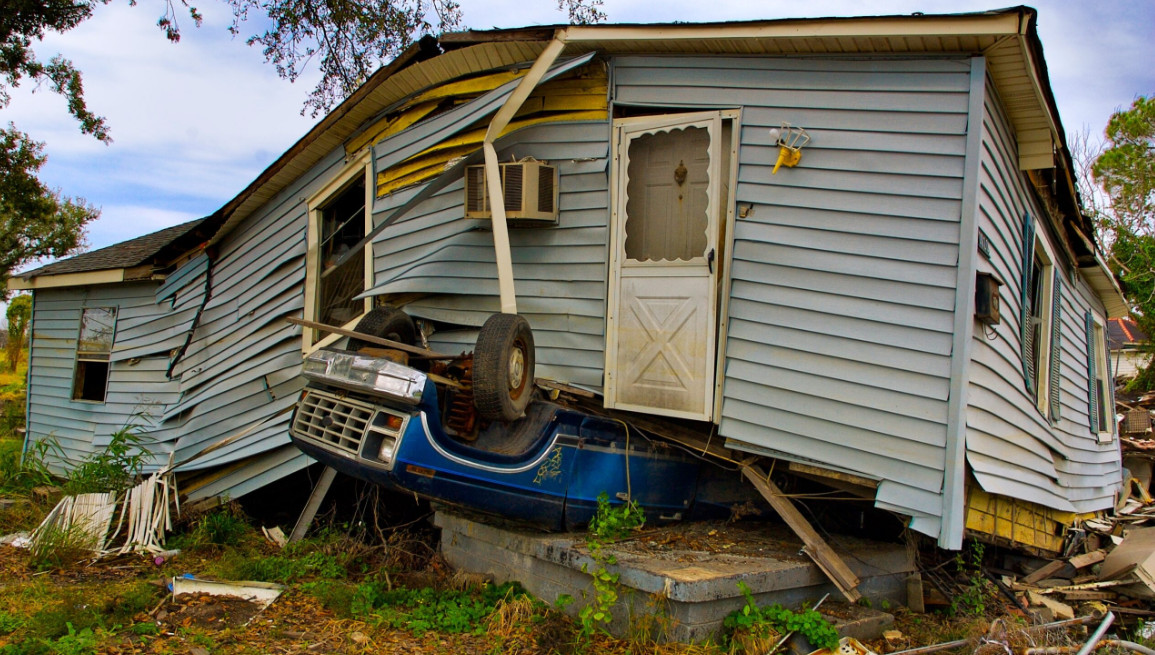
    How to Protect Your Mobile Home

    2. Use a Dehumidifier

    A dehumidifier reduces indoor moisture levels, making your home less susceptible to mold and mildew. Choose a dehumidifier based on your home’s size and humidity levels. Portable units work well for small spaces, while whole-home dehumidifiers are ideal for larger mobile homes. Empty the water reservoir regularly or opt for models with automatic drainage.

    3. Install Vapor Barriers

    Vapor barriers act as shields against ground moisture. Install them beneath your mobile home to prevent dampness from rising into your floors. These barriers are typically made from durable plastic sheets and are easy to install. Ensure they cover the entire underside of your home for maximum protection.

    4. Maintain Proper Ventilation

    Good ventilation helps air circulate, preventing moisture buildup. Use exhaust fans in kitchens and bathrooms to remove steam from cooking and showers. Open windows on cooler days to let fresh air in. Ceiling fans can also help circulate air and reduce humidity levels indoors.

    5. Check the Roof Regularly

    A leaky roof can introduce significant amounts of moisture into your mobile home. Inspect your roof for cracks, missing shingles, or damaged flashing. Repair any issues immediately to avoid water damage. Consider adding a roof coating to seal the surface and reflect sunlight, which reduces interior temperatures and humidity.

    6. Inspect Your Skirting

    Mobile home skirting helps regulate temperature and humidity beneath your home. Damaged or poorly installed skirting allows moisture to accumulate under the structure. Check for cracks, gaps, or loose panels and repair them promptly. Ventilated skirting can improve airflow while still providing protection.

    7. Monitor Indoor Humidity Levels

    Use a hygrometer to measure indoor humidity levels. Aim to keep the humidity between 30% and 50% to prevent mold and structural issues. If levels rise above this range, take corrective actions like using a dehumidifier or increasing ventilation.

    8. Use Mold-Resistant Materials

    If you’re renovating or repairing your mobile home, choose mold-resistant materials. Mold-resistant drywall, paint, and insulation effectively minimize the impact of Florida’s humidity. These materials are more durable and require less maintenance over time.

    9. Clean Air Conditioning Filters Regularly

    Air conditioning systems help control indoor humidity, but dirty filters can reduce their effectiveness. Clean or replace filters every 30 to 60 days to maintain efficiency. Also, check for any leaks in your air conditioning system that might contribute to moisture buildup.

    10. Avoid Overwatering Landscaping

    Landscaping near your mobile home can inadvertently raise humidity levels. Avoid overwatering plants or lawns near the structure. Ensure that water drains away from your home by grading the soil to slope outward. Installing gutters and downspouts can also help direct water away from the foundation.

    Preventing Mold and Mildew

    Mold and mildew thrive in humid conditions, making them common problems in Florida mobile homes. They can damage surfaces, cause unpleasant odors, and pose health risks. Here’s how to combat mold and mildew effectively:

    • Clean Surfaces Regularly: Wipe down walls, ceilings, and other surfaces with a solution of water and white vinegar.
    • Fix Leaks Immediately: Repair plumbing or roof leaks as soon as they occur to prevent moisture buildup.
    • Use Desiccants: Place moisture-absorbing products like silica gel or activated charcoal in closets and enclosed spaces.
    • Keep Fabrics Dry: Wash and dry curtains, rugs, and upholstery frequently to remove any trapped moisture.

    Long-Term Maintenance Tips

    Protecting your mobile home from Florida’s humidity requires consistent effort. Establish a maintenance routine to keep your home in top condition:

    • Schedule Annual Inspections: Hire professionals to inspect your roof, plumbing, and skirting for potential moisture issues.
    • Monitor Exterior Paint: Repaint your home every few years with moisture-resistant paint to prevent water infiltration.
    • Upgrade Insulation: Invest in high-quality insulation that resists humidity and keeps your home comfortable.
    • Check Flooring: Inspect for signs of warping or soft spots, which could indicate hidden moisture damage.

    Benefits of Protecting Your Home

    By taking proactive steps, you’ll enjoy numerous benefits, including:

    • Lower Maintenance Costs: Preventing humidity damage reduces the need for costly repairs.
    • Healthier Living Environment: Controlling moisture eliminates mold and mildew, improving air quality.
    • Enhanced Durability: Proper maintenance extends the lifespan of your mobile home.
    • Energy Efficiency: Sealing gaps and improving ventilation reduce energy usage and utility bills.

    Conclusion

    Florida’s humidity can be harsh on mobile homes, but you can protect your investment with consistent care and intelligent strategies. Sealing openings, improving ventilation, and promptly addressing moisture issues can create a safe and comfortable living space. A little effort now can save you significant time and money.

    See Also:

  • Are Mobile Homes in Florida Considered Portable?

    Mobile homes, once marketed for their portability, are now often associated with affordability and a simpler lifestyle. In Florida, mobile homes are a popular choice due to the state’s favorable climate and relatively low cost of living. However, mobility raises a pertinent question: Are mobile homes in Florida considered portable? This article explores what constitutes a portable home, examines the realities of moving mobile homes in Florida, and discusses additional considerations for potential buyers.

    Are mobile homes in Florida considered portable

    What is Considered a Portable Home?

    A portable home is typically characterized by its ability to be relocated from one site to another with relative ease. Several key features define portable homes:

    1. Structural Design: Portable homes are designed for mobility. They are built on a chassis with wheels, enabling transportation by towing or hauling.
    2. Foundation: Unlike traditional homes, portable homes do not have permanent foundations. They are often placed on temporary supports, allowing for easier removal and relocation.
    3. Size and Weight: Portable homes are designed to meet specific size and weight regulations to facilitate transportation on public roads. This includes adherence to height, width, and length restrictions.
    4. Utility Connections: Portable homes have flexible utility connections, such as detachable water, sewage, and electrical systems, to allow for easy disconnection and reconnection at a new site.
    5. Permits and Regulations: Moving portable homes typically requires obtaining the necessary permits and complying with transportation regulations to ensure safe and legal relocation.

    Florida Mobile Homes: Mostly Old and Cannot Be Moved

    While portability is integral to the original design of mobile homes, the reality in Florida is that most mobile homes are older models that are not easily moved. Several factors contribute to this situation:

    1. Age and Condition: Many mobile homes in Florida are older units that have been in place for decades. Over time, these homes can deteriorate structurally, making them unsuitable for relocation. Moving an older mobile home can cause significant damage to the frame, walls, and roof, rendering it uninhabitable.
    2. Permitting and Regulations: Moving a mobile home requires obtaining the appropriate permits and ensuring compliance with local zoning and transportation regulations. Securing these permits can be challenging for older mobile homes due to updated building codes and safety standards that the units may no longer meet.
    3. Financial Considerations: The cost of moving a mobile home can be substantial. Expenses include hiring a professional moving company, obtaining permits, preparing the home for transport, and setting it up at the new location. For many owners, these costs are prohibitive, especially when the home is older and less valuable.
    4. Infrastructure and Logistics: Moving a mobile home involves navigating roads, bridges, and other infrastructure that may not accommodate the home’s size and weight. Finding a new site that meets zoning requirements and has the necessary utility hookups can be difficult.
    5. Community Restrictions: Many mobile home parks and communities in Florida have restrictions on moving homes in and out. These restrictions can include age limits, aesthetic standards, and other criteria that older mobile homes may not meet.

    Other Considerations

    When evaluating the portability of mobile homes in Florida, several additional factors should be considered:

    1. Newer Mobile Homes: While older mobile homes are typically not moved, newer models are designed with improved materials and construction techniques that enhance their durability and mobility. Owners of newer mobile homes may find it easier to relocate their units, provided they comply with local regulations and obtain the necessary permits.
    2. Modular Homes: Modular homes, which are often confused with mobile homes, are built in sections in a factory and then transported to a site for assembly. While they are designed for relocation during the initial setup, moving them again can be as complex and costly as relocating a traditional home once installed on a permanent foundation.
    3. Manufactured Homes: The term “manufactured home” is often used interchangeably with “mobile home,” but it generally refers to homes built after 1976, following stricter HUD standards. These homes are constructed with more durable materials and improved safety features, making them more resilient to being moved. However, the same logistical and financial challenges apply.
    4. Insurance and Liability: Moving a mobile home involves significant risks, including potential damage to the home and liability for accidents during transport. Owners should ensure they have adequate insurance coverage to protect against these risks and should work with professional movers experienced in handling mobile homes.
    5. Market Trends: The mobile home market in Florida is influenced by various factors, including housing demand, economic conditions, and natural disasters. Prospective buyers should consider market trends and the availability of suitable sites when deciding whether to invest in a mobile home to move it in the future.

    Final Thoughts

    While the concept of mobile homes suggests portability, the reality in Florida is that most mobile homes are older units that are not easily moved. Factors such as age, condition, permitting challenges, financial considerations, and community restrictions make relocating these homes difficult and often impractical. However, newer and modular mobile homes may offer greater flexibility for relocation, provided owners are prepared to navigate the logistical and regulatory hurdles involved.

    For those considering purchasing a mobile home in Florida, it is essential to thoroughly research the specific home and location, understand the limitations and costs associated with moving, and evaluate alternative options if portability is a key concern. By doing so, prospective buyers can make informed decisions and choose a housing solution that best meets their needs and lifestyle in the Sunshine State.


    See Also:


  • Do I Need a Permit to Remodel a Mobile Home in Florida?

    Living in a mobile home offers a unique blend of affordability and flexibility. When it comes time to personalize your space, you might wonder, “Do I need a permit to remodel a mobile home in Florida?” Like many things in life, the answer depends on the scope of your project.

    Florida has established regulations to ensure the safety and integrity of mobile home remodels. Understanding these regulations will help determine whether a permit is necessary for your project.

    The Importance of Permits

    Obtaining a permit before remodeling your mobile home is about more than just following the rules. Permits serve a crucial purpose:

    • Safety: Permits ensure that your remodel adheres to established safety codes. Qualified inspectors will review your plans and inspect the work to guarantee your mobile home remains structurally sound and meets electrical, plumbing, and other safety standards.
    • Value: A permitted remodel increases the resale value of your mobile home. Potential buyers will have peace of mind knowing the work was done according to code.
    • Peace of Mind: Permits provide a layer of protection in case of unforeseen issues. If a problem arises after your remodel, having a permit on file demonstrates you followed proper procedures.

    Do I Need a Permit to Remodel a Mobile Home in Florida?

    Understanding the Rules: State vs. Local

    Florida regulates mobile home remodels through a combination of state and local regulations. Here’s a breakdown of what to consider:

    • Florida Statutes: Florida Statute 320.8232 establishes the Mobile Home Repair and Remodeling Code (15C-2). This code sets minimum standards for mobile home alterations.
    • Florida Administrative Code (FAC): The FAC, specifically Chapters 15C-1 and 15C-2, outlines specific mobile home installation and modification requirements. These codes generally reference the manufacturer’s installation instructions or the Department of Housing and Urban Development (HUD) standards as a baseline.
    • Local Jurisdictions: Counties and municipalities within Florida may have additional permitting requirements specific to your area. These involve zoning regulations or fees.

    When Do You Need a Permit?

    Generally, any remodel that alters your mobile home’s structure, electrical, plumbing, or mechanical systems will require a permit. Here are some specific examples:

    • Structural Changes: A permit is required for adding rooms, modifying walls, replacing windows or doors with different sizes, or altering the roof structure.
    • Electrical Work: Installing new electrical outlets, rewiring circuits, or upgrading your electrical panel requires a permit and a qualified electrician.
    • Plumbing Work: Adding or relocating fixtures, modifying water lines, or installing a new water heater requires a permit and a licensed plumber.
    • HVAC Modifications: Adding air conditioning units, replacing existing HVAC systems, or altering ductwork typically require a permit.

    When Permits Might Not Be Required

    There are some exceptions where a permit might not be necessary:

    • Minor Repairs: Replacing cabinet hardware, painting walls, or fixing minor leaks are generally considered minor repairs and don’t require permits. However, it’s always best to check with your local building department to be specific.
    • Cosmetic Changes: Replacing countertops and flooring or installing new light fixtures that don’t alter electrical wiring typically don’t require permits.

    The Permitting Process

    The permitting process for remodeling your mobile home in Florida will involve these steps:

    1. Contact Your Local Building Department: They will guide you on specific requirements and application procedures.
    2. Gather Necessary Documents: This may include project plans, manufacturer information for your mobile home, and proof of ownership.
    3. Pay Permit Fees: Fees vary depending on the scope of your project and your local jurisdiction.
    4. Schedule Inspections: Inspectors will visit your mobile home at specific project stages to ensure code compliance.

    Finding Help

    Navigating the permitting process can be overwhelming. Here are some resources that can help:

    Do I Need a Permit to Remodel a Mobile Home in Florida? – Revisited

    By understanding the regulations and the permitting process, you can make informed decisions about remodeling your mobile home in Florida. Remember, even if a permit isn’t mandatory, consulting with your local building department can save you time and hassle in the long run.  Always prioritize safety and ensure your remodel is done according to code.


    See Also:

Reset password

Enter your email address and we will send you a link to change your password.

Get started with your account

to save your favourite homes and more

Sign up with email

Get started with your account

to save your favourite homes and more

By clicking the «SIGN UP» button you agree to the Terms of Use and Privacy Policy
Powered by Estatik