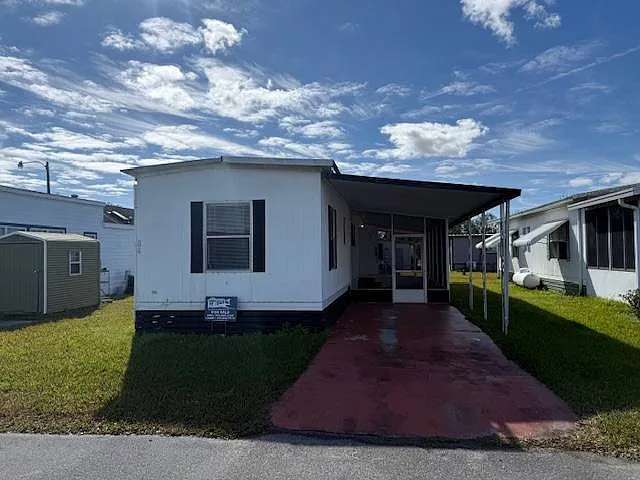
The dream of owning a mobile home and residing in a mobile home park is a reality for many individuals seeking affordable housing options. However, the journey to securing a spot in these communities is not always smooth. Mobile home park applications can be denied for a variety of reasons, leaving applicants perplexed and disappointed. Understanding the grounds for rejection is essential to improve your chances of success.
In this comprehensive guide, we delve into the diverse factors that may lead to the denial of your mobile home park application. From credit history and income requirements to criminal background checks and adherence to park-specific rules, we explore the intricate web of criteria that park management assesses when reviewing applications.

By shedding light on these potential roadblocks, we aim to equip you with the knowledge and insights necessary to navigate the application process successfully, whether you’re a first-time applicant or someone reapplying after a prior rejection. Understanding the reasons behind application denials is the first step toward securing your place in a mobile home park community.
Mobile home parks may reject applications for a variety of reasons. While the specific reasons can vary depending on the park and its policies, here are ten common reasons why a mobile home park might reject your application:
1. Poor Credit History
A poor credit history is a significant factor in mobile home park application rejections. Most mobile home parks routinely perform credit checks on prospective residents to assess their financial stability. A history marked by unpaid debts, a low credit score, or past bankruptcy filings can be grounds for rejection. This is because a robust credit history is often seen as a sign of financial responsibility, indicating an applicant’s ability to meet their lot rent and other financial obligations.
To improve the chances of being accepted, individuals with suboptimal credit may consider addressing and repairing their credit issues or seeking co-signers to vouch for their financial stability.
2. Criminal History
Criminal History can play a pivotal role in mobile home park application denials. Certain parks may impose stringent restrictions on applicants with specific criminal convictions, particularly those associated with violent crimes or drug-related offenses. This measure is often taken to ensure the safety and well-being of the community’s residents. While the exact criteria may vary from one park to another, a history of such convictions can trigger apprehension in management, potentially leading to application rejection.
To navigate this obstacle, applicants may consider inquiring about the park’s specific policies regarding criminal backgrounds or exploring alternative housing options if their criminal history doesn’t align with the park’s criteria.
3. Insufficient Income
Insufficient income is a common reason for mobile home park application rejections. Parks often demand evidence of a minimum income to ensure that applicants can comfortably cover the lot rent and other associated expenses. This requirement is in place to safeguard the financial stability of both the applicant and the community. Without the assurance of a steady income, it can become challenging for residents to meet their financial obligations, potentially leading to issues like late payments or delinquencies.
To mitigate this concern, applicants can explore options to increase their income, provide co-signers or guarantors, or seek housing alternatives better aligned with their financial means if they do not meet the income requirements of their chosen mobile home park.
4. Previous Evictions
A history of previous evictions can significantly impede your mobile home park application. Mobile home park management is often wary of applicants with eviction records, as it suggests a history of non-compliance with lease agreements or an inability to meet financial commitments. Evictions can signal potential disruptions to the community’s tranquility and harmony. Consequently, applicants with this blemish on their record may find it challenging to secure a spot in a mobile home park.
To overcome this hurdle, it’s essential to demonstrate a commitment to responsible tenancy, potentially offering references from landlords who can vouch for your improved rental behavior and financial stability or opting for housing alternatives that may be more accommodating of your history.
5. Pet Policy Violation
Failure to adhere to a mobile home park’s pet policy can result in application rejection. Parks typically have specific rules governing the type, size, and number of pets allowed, as well as requirements for vaccinations and leashing. If an applicant’s pets do not comply with these regulations, or if they fail to disclose their pets altogether, it can create concerns for park management. Non-compliance can disrupt the community’s atmosphere and potentially lead to conflicts among residents.
To avoid rejection on these grounds, applicants should thoroughly review the park’s pet policy and be forthright about their pets during the application process. This allows the park to assess whether the applicant and their pets align with the community’s established guidelines.

6. Incomplete Application
An incomplete application is a common cause of rejection in mobile home parks. When applicants fail to submit all the required information or documents as outlined in the application guidelines, it can make the review process challenging for park management. Incomplete applications not only delay the decision-making process but can also raise doubts about an applicant’s commitment or organizational skills.
To enhance the chances of a successful application, it’s crucial to meticulously follow the instructions and provide all requested details, including proof of income, references, identification, and any other documents the park requires. A complete and well-prepared application reflects positively on the applicant, demonstrating readiness and responsibility in adhering to the park’s application procedures.
7. Age Restrictions
Age restrictions are a key consideration when seeking residency in a mobile home park. Some parks enforce age-related guidelines, either setting a minimum age requirement for residents or instituting policies that exclude children. These age restrictions are often implemented to cater to a specific demographic or lifestyle, such as retirees or older adults seeking a quiet and age-appropriate living environment. Applicants who don’t meet these criteria may face rejection.
To navigate such restrictions, it’s essential to thoroughly research the park’s rules and regulations beforehand, ensuring they align with your age and family composition. For those who don’t meet the specified criteria, alternative housing options that cater to diverse age groups may be a more suitable choice.
8. Poor Rental History
A poor rental history can have significant implications for your mobile home park application. It typically includes a record of late rent payments, incidents of property damage, or disputes with previous landlords. This history reflects on an applicant’s reliability as a tenant and their ability to maintain a harmonious and respectful relationship with property owners and management. Such blemishes on a rental record can lead to application rejection as they raise concerns about future conduct and financial responsibility.
To enhance the prospects of a successful application, individuals with a less-than-ideal rental history may consider providing explanations, references from landlords who can vouch for their improved behavior, or exploring housing options that might be more lenient regarding past rental issues.
9. Failure to Meet Park Criteria
Failure to meet the park’s specific criteria is a significant reason for mobile home park application rejection. These criteria can encompass a wide range of factors, including the condition and age of your mobile home, the type of utilities it uses, and compliance with aesthetic standards. Not meeting these criteria can lead to rejection, as it can disrupt the uniformity and quality of the community.

To navigate this challenge, it’s essential to thoroughly review the park’s requirements before applying and ensure your mobile home aligns with these standards. If your home doesn’t meet the criteria, you may need to make necessary improvements or seek alternative housing options that better match the park’s guidelines.
10. Unapproved Mobile Home
An unapproved mobile home can lead to the rejection of your application in a mobile home park. The park management typically has specific requirements concerning the size, condition, and appearance of mobile homes within the community. Failing to meet these criteria can result in application denial, as it can affect the overall aesthetics and quality of the park.
To navigate this obstacle, applicants should thoroughly understand the park’s standards and ensure that their mobile home complies with these guidelines. If the home does not meet the park’s requirements, it might be necessary to make necessary modifications or explore alternative housing options that better align with the community’s specifications.
It’s important to note that each mobile home park has its own unique rules and criteria for accepting residents, so it’s crucial to review their guidelines and be honest in your application to avoid potential rejection. If your application is rejected, you can inquire about the specific reasons and, if possible, work on addressing those issues to reapply in the future.
See Also: