Tag: mobile home park rules and regulations

  • Requirements to Live in Mobile Home Park in Florida

    Requirements to Live in Mobile Home Park in Florida

    Understanding the requirements to live in a mobile home park can help make your move smooth and simple. Many parks in Florida offer peaceful living, friendly neighbors, and affordable housing options. But before you settle in, there are a few steps each resident must follow.

    Florida has a wide range of mobile home parks. Some cater to retirees, while others welcome all ages. Each park sets its own rules, but many follow similar guidelines. These rules help keep the parks clean, safe, and pleasant for everyone.

    Age Restrictions and Community Type

    Many parks in Florida are classified as 55+ communities, meaning they are age-restricted. This doesn’t mean everyone must be 55, but usually, at least one resident in the home must meet that age.

    In these communities:

    • At least 80% of homes must have one person aged 55 or older.
    • Younger spouses or caregivers are often allowed.
    • Children are usually not permitted as full-time residents.

    There are family parks as well, which welcome residents of all ages. These communities often have more playgrounds, schools nearby, and younger residents.
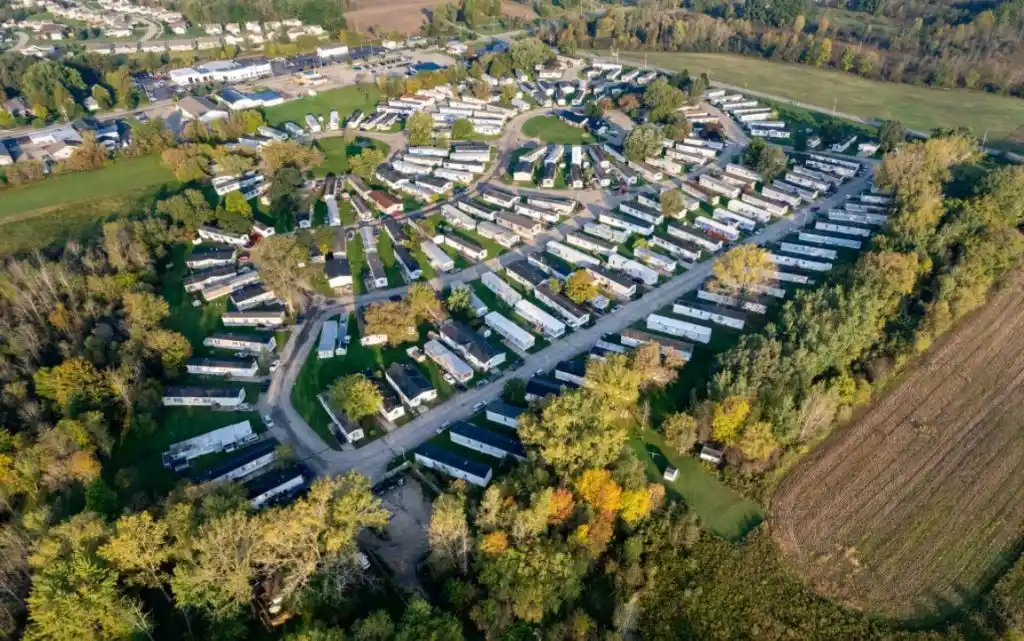
    Requirements to Live in Mobile Home Park

    Background Checks and Applications

    One of the most common requirements to live in a mobile home park is passing a background check. This step helps park managers keep their communities safe and quiet.

    You’ll likely need to:

    • Fill out an application with basic personal information.
    • Provide ID and proof of income.
    • Agree to a credit check.
    • Agree to a criminal background check.
    • Pay an application fee.

    Many parks look for steady income and no serious criminal history. A low credit score may not block you, but it could raise questions.

    Income and Employment Verification

    Most parks want to make sure you can pay your lot rent on time. They will ask for proof of income. You don’t always need to be employed full-time, but stable income matters.

    You can use:

    • Pay stubs
    • Social Security letters
    • Pension statements
    • Disability income
    • Bank statements showing regular deposits

    If you’re retired or on a fixed income, that is usually acceptable as long as you meet the park’s income requirements.

    Mobile Home Condition and Approval

    If you plan to move your own home into a park, it must meet certain standards. Many parks won’t accept older or damaged homes.

    Some common rules include:

    • Home must be HUD-approved (built after June 15, 1976)
    • Exterior must be clean and well-kept
    • Skirting, tie-downs, and steps must be up to code
    • Roof and siding must be in good shape
    • No broken windows or missing panels

    Before moving in, the park may inspect the home. If it needs repairs, you might have to fix them first.

    Rules About Pets and Vehicles

    Many parks allow pets, but there are limits. Each park sets its own pet policy.

    These may include:

    • Limit on the number of pets
    • Breed restrictions (often no large or aggressive breeds)
    • Size or weight limits
    • Pet registration and approval

    As for vehicles, parks usually allow one or two per home. They may also limit RVs, boats, or trailers unless there’s a special area for them.

    Other Common Park Rules

    Beyond the major requirements to live in a mobile home park, there are everyday rules all residents must follow. These help keep the community safe and peaceful.

    Common rules include:

    • Quiet hours at night
    • No illegal activity
    • Keep yards and porches clean
    • Follow parking guidelines
    • No subletting without approval
    • Follow community speed limits

    Breaking these rules can lead to warnings, fines, or eviction.

    Florida Law and Resident Rights

    Florida has laws that protect mobile home park residents. The Florida Mobile Home Act outlines the relationship between homeowners and park owners. It ensures fair treatment, proper notice for rent changes, and legal eviction procedures.

    Key rights include:

    • Right to written notice of rent increases (at least 90 days)
    • Right to receive a copy of park rules and lease terms
    • Right to contest unfair eviction in court
    • Right to sell or transfer your home with park approval

    Knowing your rights can help you feel more confident as a resident.

    Benefits of Living in a Florida Mobile Home Park

    While there are a few requirements to meet, many people love life in mobile home parks. These communities offer low-maintenance living, lower costs, and often a friendly neighborhood feel.

    Many parks also include:

    • Clubhouses for events
    • Pools and recreation areas
    • Lawn maintenance
    • Trash pickup and security
    • Community activities and gatherings

    Florida’s warm weather makes outdoor living comfortable most of the year, adding to the appeal.

    Preparing for the Application Process

    If you’re getting ready to apply, here are a few tips:

    • Gather all paperwork before visiting the park office
    • Ask for a full list of park rules
    • Bring proof of income or employment
    • Prepare references, if requested
    • Read the lease and application closely

    These small steps will help you get approved more quickly.

    FAQ: Requirements to Live in a Mobile Home Park in Florida

    1. Do all parks in Florida have age limits?
      No, only some parks are 55+ communities. Many are open to all ages.
    2. Can I live in a park if I have pets?
      Yes, but parks may have limits on pet size or breed.
    3. What kind of income do I need?
      You need a steady income to cover lot rent. Retirement income often qualifies.
    4. Do parks check credit scores?
      Many do, but a low score doesn’t always mean rejection.
    5. Is a background check required?
      Most parks require a criminal and financial background check.
    6. Can I move my own mobile home into a park?
      Yes, if the home meets park standards and passes inspection.
    7. What is lot rent?
      It’s the monthly fee for the land your mobile home sits on.
    8. Do parks allow roommates or visitors?
      Many allow them, but long-term guests may need approval.
    9. How long does the approval process take?
      It usually takes a few days to one week.
    10. Are all mobile home parks the same?
      No, each park has its own rules, rent, and requirements.

    Meeting the requirements to live in a mobile home park in Florida is often simple. With a steady income, a clean background, and a well-kept home, you can enjoy peaceful and affordable living in the Sunshine State. These parks offer strong communities and easy living for people from all walks of life.

    To learn more about mobile home living or to find your next home, visit The Mobile Home Dealer.


    See Also:

  • What Are My Rights as a Mobile Home Owner in Florida?

    Many people ask, what are my rights as a mobile home owner in Florida? The state provides clear protections for mobile home owners, ensuring fair treatment and security. Whether you own the land or rent a lot, knowing your rights helps you make informed decisions.

    Legal Protections for Mobile Home Owners in Florida

    Florida law protects mobile home owners in several ways. The Florida Mobile Home Act outlines tenant and owner rights, covering fair rental terms, eviction protection, and lease agreements.

    Key Legal Protections:

    • Lease Agreements: Landlords must provide clear rental terms.
    • Eviction Protection: Homeowners cannot be evicted without proper notice.
    • Maintenance Requirements: Landlords must keep shared areas in good condition.
    • Rent Control: Certain parks have restrictions on rent increases.

    Understanding these protections ensures mobile home owners enjoy secure housing without unnecessary disruptions.

    what are my rights as a mobile home owner

    What Are My Rights as a Mobile Home Owner When Renting a Lot?

    Many mobile home owners lease land instead of owning it. What are my rights as a mobile home owner when renting a lot? Florida law provides protections to keep rental agreements fair.

    Important Rights for Lot Renters:

    • Right to Written Lease: Landlords must provide a written agreement with clear terms.
    • Notice Before Rent Increases: Tenants must receive at least 90 days’ notice before any increase.
    • Eviction Protections: Landlords must give proper notice before terminating a lease.
    • Rules on Community Regulations: Any rule changes must be applied fairly to all residents.

    Renting a lot in Florida remains a viable option for mobile home owners when rights are respected.

    Home Maintenance Responsibilities: Who Is Responsible?

    Keeping a mobile home and its surroundings in good condition is important. Maintenance duties vary between homeowners and landlords.

    Responsibilities of Mobile Home Owners:

    • Keep the home in safe and livable condition.
    • Maintain plumbing, electrical systems, and home structure.
    • Follow community rules regarding upkeep.

    Landlord Responsibilities:

    • Maintain roads and common areas.
    • Provide clean and safe utilities.
    • Handle major infrastructure issues within the park.

    Knowing who is responsible prevents disputes and ensures smooth living conditions.

    Can Mobile Home Owners Be Evicted?

    Florida law includes eviction protections for mobile home owners. Landlords cannot remove a homeowner without legal grounds.

    Legal Grounds for Eviction:

    • Non-payment of lot rent.
    • Violation of lease terms.
    • Illegal activity within the park.
    • Park closure or change in land use.

    A landlord must provide written notice and follow the legal process before eviction. Tenants have the right to dispute an unfair eviction in court.

    Selling a Mobile Home in a Rented Park

    Selling a mobile home while renting a lot follows specific guidelines. Mobile home owners have the right to sell their homes without landlord interference, as long as park rules are followed.

    Selling Rights Include:

    • Right to Sell: Homeowners can sell their homes at any time.
    • Lot Lease Transfer: Buyers must qualify under park rules.
    • Landlord Approval: The park may require new owners to meet community standards.

    Knowing these rights helps homeowners sell their mobile homes without unnecessary delays.

    Moving a Mobile Home: What Are the Requirements?

    Florida law allows mobile home owners to relocate, but the process requires permits and approvals.

    Requirements for Moving a Mobile Home:

    • Obtain a moving permit from the local government.
    • Ensure the home meets safety and transport regulations.
    • Hire a licensed mobile home mover.
    • Check local zoning laws before relocating.

    Following these steps prevents issues and ensures a smooth transition.

    Conclusion

    Understanding what are my rights as a mobile home owner in Florida helps ensure fair treatment. Whether renting a lot, maintaining a home, or selling, knowing these rights provides security and peace of mind. Florida laws protect mobile home owners, making ownership a stable and positive experience.

    See Also:


  • Do Mobile Home Parks Have HOAs (Homeowners Associations)?

    The dream of homeownership often comes intertwined with visions of picket fences, manicured lawns, and a sense of community. However, for many homeowners, this dream can quickly turn into a reality check when faced with the realities of Homeowners Associations (HOAs). HOAs, while intended to maintain property values and enforce community standards, can sometimes feel overbearing and restrictive. This begs the question: if you consider a mobile home a more affordable housing option, do you also have to contend with an HOA?

    home owners association

    HOAs: A Double-Edged Sword

    HOAs are legal entities established in planned communities to manage common areas, enforce community rules, and maintain property values. They typically have a board of directors elected by the homeowners who set the rules and manage the budget. While HOAs can offer some benefits, like maintaining a uniform aesthetic and providing shared amenities, they can also be frustrating for some residents.

    Here’s a glimpse into some of the common HOA problems:

    • Strict Rules and Regulations: HOAs often have extensive rules governing everything from paint color choices to lawn maintenance practices. These rules can feel intrusive and limit homeowner individuality.
    • Fees and Assessments: HOAs typically charge monthly or annual fees to cover the cost of maintaining common areas, amenities, and administrative expenses. These fees can add a significant financial burden to homeowners.
    • Enforcement Issues: HOAs have the power to fine or even evict residents who violate their rules. This enforcement power can sometimes lead to conflicts and a feeling of being micromanaged.

    The HOA Conundrum: Applicable to Mobile Home Parks?

    So, do mobile home parks also have HOAs? The answer is not a simple yes or no.

    Here’s why:

    • Mobile Homes vs. Traditional Homes: Mobile homes on leased land are considered personal property, unlike traditional houses which are considered real estate. This distinction impacts the ownership structure of the land the mobile home sits on.

    In a traditional HOA-governed community, homeowners own both the house and the land it sits on. HOAs in these communities derive their authority from the legal agreements homeowners sign when purchasing their property.

    Unveiling the Differences: Mobile Home Parks vs. HOAs

    Here’s a breakdown of the key differences between mobile home parks and HOA-governed communities:

    Feature Mobile Home Park HOA-Governed Community
    Ownership Structure Residents typically own the mobile home but rent the land from the park owner Residents own both the house and the land
    Authority Figure Park owner or management enforces community rules The HOA board sets and enforces community rules
    Focus Primarily manages infrastructure and enforces basic living standards Manages common areas, enforces aesthetic standards, and promotes community events


    Finding the Right Fit: Beyond the HOA Question

    While mobile home parks don’t typically have HOAs, they do have established rules and regulations that residents must adhere to. These rules may cover aspects like pet restrictions, parking regulations, and yard maintenance.

    Before settling on a mobile home park, carefully review the park’s rules and regulations to ensure they align with your lifestyle and expectations.

    Here are some additional factors to consider when choosing a mobile home park:

    • Location: Proximity to work, amenities, and desired lifestyle factors.
    • Amenities: Available amenities offered by the park, such as swimming pools, laundry facilities, or clubhouses.
    • Safety: Security measures in place and overall feel of the park’s atmosphere.
    • Lot Rent: Monthly cost of renting the land where your mobile home will reside.

    Conclusion: Beyond the Label

    Whether a community has a formal HOA or operates with established park rules, the goal is ultimately the same: to create a harmonious and well-maintained living environment. Understanding the differences between mobile home park regulations and traditional HOAs can help you make informed decisions when exploring affordable housing options.

    So, while you might not encounter a strict HOA in a mobile home park, established guidelines will likely be in place to ensure a sense of community and a well-maintained environment. By carefully researching potential mobile home parks and ensuring the rules align with your needs, you can find a comfortable and affordable living space that fits your lifestyle, whether you crave a meticulously landscaped community or a more relaxed approach to aesthetics.


    See Also:


  • Are Mobile Home Parks Similar to HOAs?

    When it comes to housing options in the United States, there is a wide variety to choose from, each with its own set of advantages and disadvantages. Among these options, mobile home parks and homeowners’ associations (HOAs) are two distinct forms of community living that often raise questions about their similarities and differences. While both mobile home parks and HOAs share some common features related to community management and regulations, they are fundamentally different in terms of housing types, ownership structures, and the lifestyles they offer. In this article, we will explore the similarities and differences between mobile home parks and HOAs to help you better understand which one might be a better fit for your needs.

    Lake Village Mobile Home Park
    Lake Village Mobile Home Park

    Mobile Home Parks: Affordable Housing with a Sense of Community

    Mobile home parks are communities where individuals or families live in manufactured homes, also known as mobile homes or trailers, placed on leased land within the park. These homes can vary in size and design, offering an affordable alternative to traditional single-family houses. Mobile home parks typically feature a sense of community, and residents often form close-knit bonds with their neighbors. Here are some key characteristics of mobile home parks:

    1. Ownership Structure: In mobile home parks, residents typically own their mobile homes but lease the land on which their homes are situated. This ownership structure allows residents to enjoy the benefits of homeownership without the cost and responsibilities of owning land.
    2. Community Regulations: Mobile home parks often have community rules and regulations that govern various aspects of life within the park. These rules may include restrictions on the appearance of homes, noise levels, and other guidelines aimed at maintaining a peaceful and orderly community.
    3. Amenities and Services: Many mobile home parks offer common amenities and services, such as playgrounds, swimming pools, and maintenance of common areas. These facilities can contribute to a sense of community and convenience for residents.
    4. Affordability: Mobile homes are generally more affordable than traditional houses, making them an attractive option for individuals or families looking for cost-effective housing solutions.

    Homeowners’ Associations (HOAs): Regulated Communities with Shared Responsibility

    Homeowners’ associations (HOAs) are entities that govern and regulate planned communities or housing developments. These associations are most commonly associated with single-family homes, townhouses, and condominiums. Residents in HOA communities pay dues to cover common expenses and adhere to a set of rules and guidelines. Here are some key characteristics of HOAs:

    1. Ownership Structure: In HOA communities, residents typically own their homes and the land they sit on. The HOA is responsible for managing and maintaining common areas and enforcing community rules and regulations.
    2. Community Regulations: HOAs have a comprehensive set of rules and regulations governing various aspects of life within the community. These rules can cover everything from exterior home appearance to landscaping and noise levels.
    3. Amenities and Services: Many HOA communities offer a range of amenities, such as community centers, parks, swimming pools, and even security services. These amenities are funded by the dues paid by residents.
    4. Shared Responsibility: Residents in HOA communities share the responsibility of maintaining the common areas and adhering to the community’s rules. This shared responsibility can help ensure that the neighborhood is well-maintained and aesthetically pleasing.

    Similarities Between Mobile Home Parks and HOAs

    While mobile home parks and HOAs have distinct characteristics, they do share some similarities:

    1. Community Regulations: Both mobile home parks and HOAs have rules and regulations in place to maintain order and harmony within the community. These rules can cover aspects like home appearance, noise, and the use of common facilities.
    2. Amenities and Services: Both types of communities offer residents access to amenities and services. These can include common areas, recreational facilities, and maintenance services.
    3. Community Engagement: Both types of communities often foster a sense of community and encourage residents to participate in social activities and events.

    Differences Between Mobile Home Parks and HOAs

    Despite the similarities, there are several crucial differences between mobile home parks and HOAs:

    1. Ownership Structure: The most significant difference is the ownership structure. In mobile home parks, residents typically own their homes but lease the land, whereas in HOAs, residents own both their homes and the land they sit on.
    2. Housing Types: Mobile home parks are primarily composed of manufactured homes, which are distinct from traditional single-family houses. HOAs govern a variety of housing types, including single-family homes, townhouses, and condominiums.
    3. Cost: Mobile homes are generally more affordable than traditional homes, making mobile home parks an attractive option for those on a tight budget. HOAs tend to be associated with more upscale communities, and the associated dues can be higher.
    4. Flexibility: In mobile home parks, residents have the flexibility to move their homes if needed, while residents in HOAs do not have this option. Mobile homes are designed to be easily transported, while traditional homes are not.

    Choosing the Right Community for You

    The decision to live in a mobile home park or an HOA community ultimately depends on your preferences, budget, and lifestyle. Mobile home parks are an excellent choice for those seeking affordable housing and a strong sense of community, while HOAs provide regulated living in more traditional housing types. Consider your priorities, long-term goals, and financial situation when deciding between the two. Both options have their unique advantages and can provide a fulfilling living experience when matched with the right individual or family.

    Final Thoughts

    Mobile home parks and HOAs offer distinct forms of community living, each with its own set of characteristics and benefits. While they share similarities in terms of community regulations, amenities, and community engagement, they differ significantly in ownership structure, housing types, cost, and flexibility. The choice between these two options should be based on individual preferences, needs, and financial considerations, as both can provide a comfortable and fulfilling living experience when chosen wisely.


    See Also:

  • Why Is Your Sarasota Florida Mobile Home Park Application Taking So Long?!

    As we have discussed previously in the Blog, it is imperative that a mobile home Buyer get approved by the mobile home park prior to closing on their Sarasota Florida mobile home.

    The reason for this is that mobile home parks within the Sarasota Florida area require that all park residents are held to the same standards prior to being approved to move into the mobile home park in their new home.

    Mobile Home for Sale in Sebring
    Mobile Home for Sale in Sebring

    This process is called the mobile home park approval process.

    Here, the mobile home park will require the would-be applicant to fill out a handful of forms to verify their income, identity, and credit history, and consent be provided so that the mobile home park is able to run a criminal background on the applicant.

    While each park has its unique standards and requirements for what an applicant must provide to get park approved the consistent theme is that each Buyer must go through this process so that they can move into the community.

    By having a park approval process in place it assures each current resident that the new Buyer of the mobile home in their park is held to the same standards as the previous person who has moved in which creates a uniform expectation for all residents in the mobile home park.

    Most parks follow the same guidelines and will check the applicant’s criminal background, credit score, and debt-to-income ratio.

    In all of our time working in mobile home parks we, here at The Mobile Home Dealer, have yet to find a park owner or manager who can explain why or what they weigh the most when looking reviewing an applicant file to see if they are approved to become a resident or not.

    Along with these forms most Sarasota Florida, mobile home parks will require the Buyer of the mobile home to provide a copy of their state-issued photo identification as well as to pay a small fee that will cover the cost of the criminal background report.

    These office fees vary but it is reasonable to expect to pay around $50 per park applicant.

    Most mobile home park approvals take anywhere between 3-5 business days to complete, but, in some instances, we at The Mobile Home Dealer have seen these park approvals take upwards of 2-3 WEEKS!

    Crazy, right?

    We agree!

    Some of the delays are explainable and some are not, our goal in this post is to discuss what can be controlled by the Buyer so that they have the best shot at getting their application in and approved within just a few days.

    Step 1:

    Make sure you as the Buyer of the mobile home have all of the documents ready and filled out entirely. If the park requests pay stubs or some other type of income verification make sure you have these documents on hand and are ready to get them turned in with your application, failure to provide the documentation of your income will be a sure way to delay the approval process.

    Step 2:

    Make sure you have the exact application fee for all applicants ready and know how the park will be able to process this payment. Most mobile home parks around the Sarasota Florida area only accept checks or money orders and not credit cards or cash.

    Step 3:

    Make sure all of your written documentation is easily readable. If the application is not legible then expect the park manager to ask you to repeat the process which could add several days to an already lengthy process.

    mobili home florida
    Mobile home in Florida

    Having all of your documentation ready along with your fee payment and legible documents in hand will help speed up the process quite a bit when looking to gain approval to become a resident of a Sarasota Florida mobile home park.

    While there can be additional delays that are out of your control it is always suggested to make sure you have your work done and ready so that the process can go as quickly and smoothly as possible.

    Most mobile home parks have a standard process where they will check the applicant’s credit, criminal background, and reported income to lot rent ratios in order to make sure the applicant can afford to pay the monthly lot rent due to the mobile home park each month.

    While no park manager or owner has ever been able to coherently explain how they weigh each of the above three criteria we do know that most mobile home parks will take a look at everything as a whole in order to get the best picture of who the applicant(s) are in order to make the best decision possible for park approval.

    Most mobile home parks within the Sarasota Florida area will want to see around 2-3 times the reported income to lot rent amount. This can come in the form of retirement, income, savings, or other investments the applicant has. It is also important to note that this is all added together for both applicants who are on the application. Expect to have to provide written documentation for all income sources that are added together for your total monthly income.

    Regarding the credit score and the criminal background check most parks will do standard credit pulls and federal criminal background checks, and expect to have to pay a fee to the park for the processing of these two reports.

    Lastly, expect to have to provide photocopies of your identification card(s) as well as pay a small fee to cover the entire process for both applicants.

    This is Mark Kaiser with The Mobile Home Dealer and we help mobile home Buyers and Sellers get to a better place in life.

    See Also:

Reset password

Enter your email address and we will send you a link to change your password.

Get started with your account

to save your favourite homes and more

Sign up with email

Get started with your account

to save your favourite homes and more

By clicking the «SIGN UP» button you agree to the Terms of Use and Privacy Policy
Powered by Estatik