Tag: mobile home manufacturers

  • Signs of a Failing Mobile Home Frame (And What to Do About It)

    A strong mobile home frame is essential for stability and safety. If the underframe weakens, it can lead to structural problems. Knowing the warning signs early can prevent costly repairs and ensure a secure home.

    Common Signs of a Weak Mobile Home Frame

    A failing mobile home underframe can show different warning signs. Paying attention to these issues can help prevent further damage.

    1. Uneven or Sagging Floors

    If the floors feel soft, bouncy, or sag in certain areas, the chassis may be weakening. This often happens due to rust, corrosion, or shifting supports.

    2. Doors and Windows Stick or Don’t Close Properly

    When a mobile home chassis weakens, it can cause the structure to shift. As a result, doors and windows may not align correctly.
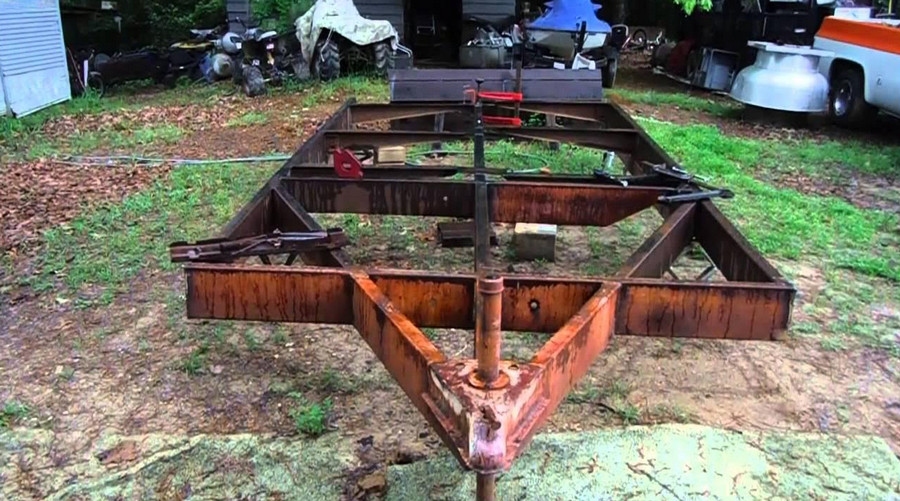
    mobile home frame

    3. Visible Rust or Corrosion

    The metal parts of a mobile home underframe can rust over time, especially in humid climates. Look underneath the home for rust spots or corrosion that weaken the underframe.

    4. Cracks in Walls or Ceiling

    If cracks appear in drywall or ceiling panels, the home may be shifting. This can indicate an uneven or damaged chassis.

    5. Unstable or Wobbly Feeling When Walking

    If the home moves slightly when walking inside, the frame may not be providing adequate support. This can be due to weak connections or failing components.

    What Causes Mobile Home Chassis Damage?

    Several factors contribute to a weakening mobile home underframe. Understanding these causes can help prevent long-term issues.

    • Moisture Exposure: Water damage weakens the metal and wooden parts of the underframe.
    • Poor Installation: An improperly set-up mobile home may experience chassis shifting over time.
    • Age of the Home: Older mobile homes naturally experience wear and tear.
    • Heavy Loads: Adding too much weight, such as large furniture or extra walls, can stress the frame.
    • Foundation Issues: If the foundation shifts, the underframe may bend or twist.

    How to Fix a Weak Mobile Home Frame

    If you notice signs of a weak frame, taking action can prevent bigger problems. Here are some solutions:

    1. Reinforce the Chassis with Additional Supports

    Adding extra steel beams or support jacks can help stabilize the underframe. This is a cost-effective way to strengthen weak areas.

    2. Treat Rust and Corrosion

    Removing rust and applying a protective coating can extend the life of a mobile home frame. Rust-resistant paint or sealants help prevent further damage.

    3. Repair or Replace Damaged Sections

    If certain areas of the chassis are too damaged, a professional may need to replace those sections. Welding or adding new metal beams can restore strength.

    4. Level the Home

    A mobile home should sit level on its foundation. If it shifts, hiring a professional to relevel it can prevent further chassis stress.

    5. Check and Upgrade Foundation Supports

    Ensuring the foundation is stable prevents unnecessary movement. Upgrading to stronger piers or anchors can help keep the frame secure.

    Preventing Future Mobile Home Frame Problems

    Regular maintenance can help keep a mobile home chassis strong. Here are some tips:

    • Inspect the frame annually for signs of rust, cracks, or shifting.
    • Keep the home properly leveled to avoid unnecessary stress on the frame.
    • Seal areas exposed to moisture to prevent rust and corrosion.
    • Avoid overloading the home with heavy furniture or modifications.
    • Ensure the foundation is solid and check support piers for stability.

    FAQ: Mobile Home Frame Issues

    1. How long does a mobile home frame last?
      A well-maintained frame can last for decades with proper care and inspections.
    2. Can you replace a mobile home frame?
      While replacing an entire frame is difficult, sections can be repaired or reinforced.
    3. How much does it cost to fix a mobile home frame?
      Repair costs vary, but minor fixes may cost a few hundred dollars, while major repairs can be more expensive.
    4. What should I do if my mobile home frame is rusting?
      Treat rust immediately with rust-resistant paint or sealant to prevent further damage.
    5. Can a mobile home frame be moved?
      Yes, but it requires professional help to ensure the frame remains intact during transport.
    6. Why does my mobile home feel uneven?
      This could be due to a shifting frame, an unlevel foundation, or weak support beams.
    7. How often should I check my mobile home chassis?
      Inspecting the frame at least once a year can help catch issues early.
    8. What are the best ways to strengthen a mobile home underframe?
      Adding steel reinforcements, treating rust, and maintaining a level foundation help keep it strong.
    9. Can water damage a mobile home frame?
      Yes, moisture can cause rust on metal frames and rot on wooden components.
    10. Should I hire a professional to inspect my mobile home frame?
      If you notice serious issues, a professional can assess the frame and recommend the best solutions.

    See Also:
     

  • How to Find Mobile Home Parks with Low Lot Rent in Florida

    Mobile home parks in Florida offer affordable living options, but finding those with low lot rent can be challenging. The state’s popularity with retirees and seasonal residents means high demand for mobile home communities. However, with the right strategies, you can identify parks offering affordable lot rents that suit your budget.

    Understand Mobile Home Lot Rent

    Lot rent, or lot lease, is the monthly fee mobile homeowners pay to park their homes on rented land. This fee typically includes access to park amenities, maintenance of common areas, and utility hookups. The cost varies widely based on location, park features, and the size of the lot.

    affordable lot rents

    Why Florida?

    Florida has one of the highest concentrations of mobile home parks in the United States. Many parks cater to retirees and snowbirds seeking affordable, community-oriented living. Warm weather, no state income tax, and abundant amenities make Florida an attractive option for mobile homeowners.

    Tips for Finding Low Lot Rent in Florida

    1. Research Locations

    Lot rent prices often depend on the location. Urban areas and coastal regions usually have higher rents due to demand and land value. Focus your search on inland areas or smaller towns where lot rents tend to be lower. Examples of budget-friendly regions include:

    • Ocala: Known for its horse farms and quiet atmosphere.
    • Lakeland: Offers a mix of amenities and lower costs.
    • Sebring: A peaceful, affordable area with many mobile home parks.

    2. Use Online Resources

    Several websites and platforms specialize in mobile home listings and park directories. These resources often include lot rent details and park amenities. Popular options include:

    • MHVillage: Provides extensive mobile home listings, including details about lot rents.
    • MobileHome.net: Features park directories and homes for sale or rent in Florida.
    • Zillow: Lists mobile homes and may include information on lot rents in certain parks.

    Use filters on these sites to search specifically for communities with lower lot rents.

    3. Look for Resident-Owned Communities

    Resident-owned communities (ROCs) are mobile home parks where residents collectively own the land. Lot rents in ROCs are often lower because they operate as nonprofits, prioritizing affordability over profit. While the upfront cost of purchasing a share in the community may be higher, the lower monthly rent can save money over time.

    4. Visit Parks in Person

    Seeing parks first hand helps you assess their value. While online listings are helpful, visiting allows you to talk directly to park managers. Ask about lot rent, included utilities, and potential fee increases. Walk through the park to evaluate cleanliness, maintenance, and amenities.

    5. Ask About All-Inclusive Rent

    Some parks offer all-inclusive lot rents, bundling utilities like water, trash, and sewer into the monthly fee. These options can save money compared to parks where utilities are billed separately. Always clarify what is included in the rent when comparing options.

    6. Network with Current Residents

    Current residents provide valuable insights about lot rents and park management. When visiting parks, strike up conversations with people living there. They may share tips on how to find low-rent parks or recommend nearby alternatives.

    7. Consider Age-Restricted Communities

    Many 55+ communities in Florida offer lower lot rents due to their specific target demographic. These parks often provide quiet, senior-friendly environments with amenities like clubhouses and pools. If you meet the age requirement, these parks can be an affordable option.

    8. Negotiate Rent Terms

    In smaller or less competitive parks, negotiating lot rent may be possible. Approach park managers with reasonable offers, especially if you’re planning a long-term stay. Some parks may provide discounts for paying rent annually or upfront.

    9. Check for Seasonal Rates

    Florida’s popularity with seasonal residents means some parks offer discounted lot rents during off-peak months. If your schedule is flexible, renting seasonally can lower costs significantly.

    10. Look for Smaller Parks

    Large parks with extensive amenities often charge higher lot rents to cover their operational costs. Smaller, less commercialized parks tend to have lower fees while still offering essential services.

    Factors That Influence Lot Rent

    1. Amenities Offered

    Parks with pools, gyms, organized activities, or waterfront access typically charge higher lot rents. Determine which amenities you truly need. Opting for parks with fewer extras can lower your monthly costs.

    2. Proximity to Urban Centers

    Close to cities like Tampa, Orlando, or Miami increases rent prices. Parks farther from major urban centers generally offer more affordable rates.

    3. Utility Inclusions

    Lot rents that include utilities or other services may initially appear higher. Calculate the overall cost to see if these inclusions save you money.

    4. Market Demand

    Florida’s housing market fluctuations can affect lot rents. Areas with high seasonal demand may see temporary rent increases.

    Red Flags to Watch For

    Frequent Rent Increases

    Before committing, review the park’s history of rent hikes and speak with residents about their experience with annual increases.

    Hidden Fees

    Some parks advertise low lot rents but add extra fees for services like trash pickup or clubhouse access. Always ask for a breakdown of costs.

    Poor Maintenance

    Low lot rent might come at the expense of park upkeep. Look for signs of neglect, like unkempt common areas or damaged roads.

    Restrictive Rules

    Some parks have strict rules about home appearance, pets, or visitor policies. Ensure you’re comfortable with their regulations before signing a lease.

    Examples of Affordable Parks in Florida

    While specific parks vary by availability, here are some areas known for offering affordable lot rents:

    1. Ocala Forest Campsites – Located near Ocala, this park offers low rents in a nature-focused setting.
    2. Lakeland Estates – A smaller community with reasonable rates and proximity to local amenities.
    3. Sebring Village – Affordable lot rents and an active, senior-friendly environment.

    Use these examples as starting points and expand your search based on your desired location and amenities.

    Final Tips for Finding the Best Deal

    • Start your search early to have more options.
    • Keep an eye out for promotions or move-in specials offered by parks.
    • Join online forums or social media groups focused on Florida mobile home living.

    Conclusion

    Finding mobile home parks with low lot rent in Florida requires research, networking, and careful comparison. Focus on locations, amenities, and community types that match your needs while staying within budget. By visiting parks, speaking with residents, and using online resources, you can secure an affordable lot in the Sunshine State.


    See Also:


  • The Rise of Custom Mobile Homes: Design Your Dream Home

    Custom mobile homes are changing how people think about housing. These personalized, transportable spaces offer flexibility, style, and affordability. They have become an increasingly popular choice for homeowners seeking unique designs without sacrificing mobility or cost-efficiency.

    What Are Custom Mobile Homes?

    Custom mobile homes are factory-built homes designed to meet individual preferences. Unlike standard mobile homes, they allow buyers to choose layouts, finishes, and features. Builders construct these homes off-site and deliver them ready for installation or mobility.

    Custom mobile homes

    Why Are Custom Mobile Homes Gaining Popularity?

    1. Affordability

    Custom mobile homes are more affordable than traditional houses. Depending on size and features, prices range from $50,000 to $150,000. Buyers avoid the higher costs of custom-built conventional homes while still achieving personalized designs.

    2. Flexibility in Design

    Homeowners can create spaces tailored to their lifestyles. From open floor plans to specialized features, these homes meet diverse needs.

    3. Mobility

    These homes are built on a chassis, allowing easy relocation. Owners can move their home without starting over in a new location.

    4. Faster Construction Times

    Building a custom mobile home takes weeks instead of months or years. Factory-controlled conditions streamline construction and minimize delays.

    5. Energy Efficiency

    Many custom mobile homes feature energy-efficient designs. Builders use high-quality insulation, energy-saving appliances, and sustainable materials to reduce utility costs.

    How Customization Works

    Choosing a Floor Plan

    Builders provide a range of customizable floor plans. Buyers can adjust layouts to include more bedrooms, larger kitchens, or open living areas.

    Selecting Materials and Finishes

    Customization extends to materials, colors, and finishes. Owners choose flooring, countertops, cabinetry, and exterior siding to reflect their personal style.

    Adding Special Features

    Buyers can add unique elements like fireplaces, skylights, or smart home technology. Custom features make these homes feel luxurious and functional.

    Optimizing Space

    Custom mobile homes use innovative storage solutions. Built-in shelves, hidden compartments, and multipurpose furniture maximize every square foot.

    Benefits of Designing a Custom Mobile Home

    Personalized Living Space

    You create a home that suits your taste and lifestyle. Every detail reflects your vision and preferences.

    Efficient Use of Space

    Custom designs make small spaces feel larger. Thoughtful layouts and multifunctional areas enhance usability and comfort.

    Cost Control

    Buyers have control over the budget. You can choose upgrades or keep it simple, tailoring costs to your financial goals.

    Adaptability

    Custom mobile homes adapt to changing needs. You can design spaces for growing families, remote work, or retirement.

    Mobility Without Sacrificing Style

    These homes combine the portability of mobile housing with the sophistication of custom design.

    Challenges to Consider

    Zoning and Placement Restrictions

    Local zoning laws may limit where you can place a custom mobile home. Research regulations before starting the design process.

    Transportation Costs

    Moving a custom mobile home requires specialized equipment and can be expensive. Plan for these costs during budgeting.

    Limited Resale Value

    Mobile homes often depreciate over time. Customization can make resale challenging if your design doesn’t appeal to buyers.

    Utility Connections

    Setting up utilities like water, electricity, and sewage can be complex and costly. Proper planning ensures a smooth transition.

    The Process of Building a Custom Mobile Home

    1. Research Builders

    Choose a reputable manufacturer with experience in custom mobile homes. Look for reviews and, if possible, visit model homes.

    2. Define Your Budget

    Determine your budget. Include the cost of land, transportation, and setup in your calculations.

    3. Select a Floor Plan

    Start with a base model and customize the layout to meet your needs. Work with the builder to finalize your design.

    4. Choose Finishes and Features

    Pick materials, colors, and features that reflect your style. Consider upgrades like energy-efficient appliances or premium flooring.

    5. Oversee Construction

    Stay involved during the building process. Regular updates ensure the home matches your vision and meets quality standards.

    6. Plan for Delivery and Installation

    Coordinate transportation and site preparation. Secure permits, utilities, and a foundation if required.

    Popular Trends in Custom Mobile Homes

    Open Floor Plans

    Open layouts create a sense of space and allow natural light to flow throughout the home.

    Smart Home Features

    Many buyers add smart thermostats, lighting, and security systems. These upgrades increase convenience and energy efficiency.

    Sustainable Materials

    Eco-friendly materials like bamboo flooring and reclaimed wood are popular. They reduce environmental impact while adding style.

    Luxurious Kitchens and Bathrooms

    Upgraded kitchens with granite countertops and spa-like bathrooms with soaking tubs are becoming common in custom designs.

    Outdoor Living Spaces

    Some designs include decks, patios, or rooftop terraces. These additions extend living areas and create a connection to nature.

    Who Benefits Most from Custom Mobile Homes?

    First-Time Homebuyers

    Custom mobile homes offer an affordable entry into homeownership. Buyers can create a home tailored to their needs without exceeding their budget.

    Retirees

    Retirees enjoy downsizing to a manageable space. Custom designs allow them to include features for aging comfortably, like wider doorways or walk-in showers.

    Remote Workers

    With the rise of remote work, many buyers create home offices in their designs. These spaces promote productivity without sacrificing comfort.

    Adventure Seekers

    Mobile homes appeal to those who value flexibility. Custom designs make it possible to live stylishly while exploring new places.

    Financial Considerations

    Initial Costs

    Custom mobile homes are more affordable than traditional homes, but costs vary based on size, materials, and features.

    Financing Options

    Financing for mobile homes differs from standard mortgages. Personal loans, chattel loans, or manufacturer financing are common.

    Long-Term Value

    While mobile homes may not be appreciated like traditional homes, customization adds value in terms of livability and satisfaction.

    Insurance Costs

    Insurance rates for mobile homes can be higher than standard homes due to their mobility and construction materials.

    Maintenance Expenses

    Proper maintenance ensures your custom mobile home remains in excellent condition. Budget for repairs and upkeep.

    Tips for Designing Your Dream Mobile Home

    1. Prioritize Functionality Focus on creating a space that works for your daily life. Choose features that improve comfort and convenience.
    2. Think About the Future Consider how your needs might change over time. Design flexible spaces that can adapt to new circumstances.
    3. Maximize Natural Light Large windows, skylights, and open layouts make small spaces feel bright and spacious.
    4. Invest in Quality Choose durable materials and finishes that will stand the test of time. High-quality construction pays off in the long run.
    5. Plan Your Site Secure a suitable location with access to utilities and adhere to zoning regulations.
    6. Work with Professionals. Collaborate with experienced builders and designers. Their expertise ensures a smooth process and a beautiful result.

    The Future of Custom Mobile Homes

    The demand for custom mobile homes is expected to grow. As housing costs rise, these affordable, stylish options attract more buyers. Advances in technology will further enhance customization, sustainability, and energy efficiency.

    Final Thoughts

    Custom mobile homes offer a unique opportunity to design a space tailored to your lifestyle. They combine affordability, mobility, and personalization in one package. Whether you’re a first-time buyer, retiree, or adventurer, these homes make it possible to live your dream without breaking the bank.


    See Also:


  • Can You Build Your Own Mobile Home?

    The dream of owning a home often comes with visions of a cozy space tailored to your preferences and needs. However, traditional homeownership can be costly and time-consuming, leading many to explore alternative options. Building a mobile home is one such option that has gained traction in recent years. But can you really build your own mobile home, and if so, what are the considerations and challenges involved? In this article, we’ll delve into the world of building your own mobile homes to provide insights and guidance for aspiring builders.

    Understanding Mobile Homes

    Before considering building your own mobile home, it’s essential to understand what constitutes a mobile home. Mobile homes, or manufactured homes, are prefabricated dwellings built in a factory and transported to a chosen location. They are designed to be easily movable and are subject to specific building codes and regulations set forth by the Department of Housing and Urban Development (HUD) in the United States.

    Build Your Own Mobile Home

    Mobile homes offer several advantages, including affordability, flexibility, and quicker construction timelines than traditional stick-built homes. They come in various sizes, layouts, and designs, making them suitable for various preferences and budgets.

    Can You DIY a Mobile Home?

    Constructing your own mobile home from scratch may seem appealing, but it’s important to note that building a mobile home involves specific expertise, regulatory compliance, and logistical challenges. Unlike traditional DIY home projects like remodeling a room or building furniture, constructing a mobile home requires a comprehensive understanding of building codes, structural engineering, electrical systems, plumbing, and safety standards.

    While it is technically possible to build a mobile home yourself, the practicality and feasibility of such a venture depend on several factors:

    1. Building Codes and Regulations: Mobile homes are subject to strict building codes and regulations established by HUD to ensure safety, durability, and energy efficiency. DIY builders must adhere to these codes, often requiring professional oversight and approval.
    2. Engineering and Design: Designing a structurally sound mobile home requires expertise in engineering principles, including load-bearing capacities, foundation requirements, roof structures, and insulation standards.
    3. Skill and Experience: DIY builders need a high level of skill and experience in carpentry, electrical work, plumbing, and HVAC (heating, ventilation, and air conditioning) systems to execute a mobile home project successfully.
    4. Resources and Equipment: Building a mobile home requires access to specialized tools, equipment, and materials, which may only be readily available to DIY builders with significant investment.
    5. Time and Commitment: Constructing a mobile home is a time-intensive process that requires careful planning, project management, and dedication to see the project through to completion.

    Alternative Approaches to DIY Mobile Homes

    While building a mobile home entirely from scratch may be challenging for most DIY enthusiasts, there are alternative approaches that offer more feasibility and flexibility:

    1. Kit Homes: Some companies offer prefabricated mobile home kits that include pre-cut materials, detailed instructions, and support for DIY assembly. These kits can streamline the construction process while ensuring compliance with building codes and quality standards.
    2. Modular Construction: Modular homes are prefabricated off-site in modules or sections and then transported to the building site for assembly. DIY builders can explore modular construction options, which offer greater customization and control over the building process while leveraging factory-built components.
    3. Consulting Professionals: DIY builders can benefit from consulting with architects, engineers, contractors, and building inspectors to gain insights, guidance, and support throughout the project. Professional input can help navigate regulatory requirements, address technical challenges, and ensure the mobile home meets safety and quality standards.

    Considerations Before Embarking on a DIY Mobile Home Project

    If you’re considering building your own mobile home, here are key considerations to keep in mind:

    1. Research and Education: Familiarize yourself with mobile home construction techniques, building codes, and regulations specific to your location. Attend workshops, online courses, and seminars to enhance your knowledge and skills.
    2. Budget and Resources: Assess your budgetary constraints and determine the resources, tools, equipment, and materials needed for the project. Consider the cost-effectiveness of DIY construction versus hiring professionals.
    3. Site Selection: Choose a suitable location for your mobile home, considering zoning regulations, utility connections, accessibility, and environmental factors.
    4. Permits and Approvals: Obtain necessary permits, approvals, and inspections from local authorities before commencing construction. Ensure compliance with building codes, setback requirements, and safety standards.
    5. Safety and Quality: Prioritize safety measures throughout the construction process, including the proper use of tools, equipment, and personal protective gear. Emphasize quality craftsmanship and attention to detail to ensure a durable and functional mobile home.
    6. Timeline and Project Management: Develop a realistic timeline and project plan that accounts for milestones, deadlines, and contingencies. Practice effective project management strategies to stay organized and on track.
    7. Legal and Liability Considerations: Understand the legal implications of DIY construction, including liability for accidents, insurance coverage, warranties, and resale considerations.

    The Bottom Line

    While building your own mobile home may seem enticing, it’s essential to approach such a project with realistic expectations, thorough planning, and adequate preparation. Before starting a mobile home construction venture, DIY builders should carefully consider their skills, resources, budget, and regulatory compliance requirements.

    Exploring alternative approaches such as prefabricated kits, modular construction, and professional consultation can enhance the feasibility and success of DIY mobile home projects while ensuring compliance with safety, quality, and regulatory standards. By balancing creativity, education, and prudent decision-making, aspiring DIY builders can turn their mobile home dreams into reality with careful planning and execution.


    See Also:

Reset password

Enter your email address and we will send you a link to change your password.

Get started with your account

to save your favourite homes and more

Sign up with email

Get started with your account

to save your favourite homes and more

By clicking the «SIGN UP» button you agree to the Terms of Use and Privacy Policy
Powered by Estatik