Tag: mobile home maintenance jobs

  • Top 10 Mobile Home Repairs You Should Know About in Florida

    In Florida, mobile homes face unique challenges due to the state’s climate, including heat, humidity, and frequent storms.. Each repair listed here addresses common issues in Florida, from moisture damage to storm readiness. Addressing these areas helps ensure a safe, comfortable, and well-maintained mobile home.

    1. Roof Repairs and Sealing

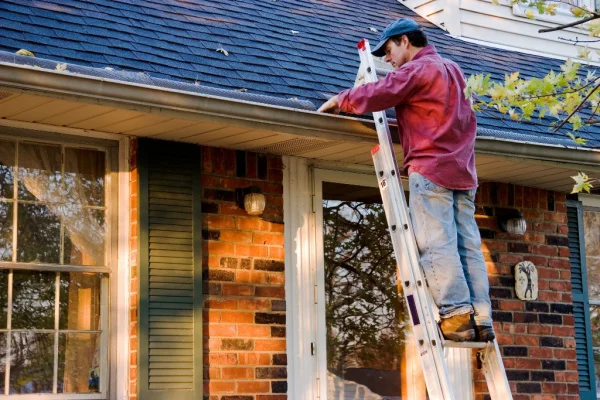
    Roof repairs are among the most crucial for mobile homes in Florida. The roof is often the first part of a home exposed to harsh conditions, including heavy rains and high winds. Over time, leaks and wear can develop, compromising the home’s protection. Regular inspections are needed to identify any gaps, worn areas, or signs of damage.

    Roof sealing is also essential for waterproofing. Roof coatings that are water-resistant and reflective can reduce heat absorption. By sealing the roof, a longer lifespan and better protection against water intrusion are provided.


    2. Skirting Repairs

    Mobile home skirting protects the area underneath from moisture, debris, and pests. In Florida, where humidity is high, skirting often experiences wear and tear more quickly. Skirting should be inspected for holes, cracks, and gaps, as these allow moisture or pests to enter.

    Replacing damaged panels or reinforcing existing ones can prevent future problems. Additionally, proper ventilation should be ensured to minimize moisture buildup, which can lead to mold and rust.

    3. Window and Door Sealing

    Windows and doors in older mobile homes may have ineffective seals that allow drafts and moisture to enter. Florida’s humidity and high temperatures make good sealing essential. Inspecting window and door seals regularly is necessary to prevent air leaks.

    Weatherstripping is an affordable fix that improves insulation and energy efficiency. Sealing reduces energy costs and keeps the home cooler during hot months. This repair also keeps out dust and pests, enhancing indoor air quality.

    4. Plumbing Leak Fixes

    Mobile home plumbing systems are often prone to leaks, especially in older models. These leaks can occur in the bathroom, kitchen, or under the home. In Florida, where moisture can cause mold and wood rot, timely plumbing repairs are essential.

    Regular checks for leaks under sinks, around toilets, and near water heaters are recommended. Replacing faulty faucets or pipes, tightening joints, and adding sealant are all effective ways to prevent leaks from worsening.

    5. Floor Repairs

    Floors in mobile homes are often affected by wear and moisture, especially in humid climates like Florida’s. Sagging or soft spots can develop in high-traffic areas, posing safety risks. In areas where moisture exposure is common, such as bathrooms and kitchens, damage can appear more quickly.

    Damaged flooring should be replaced with water-resistant materials such as laminate or vinyl. These materials stand up to moisture better than carpet or wood. By choosing durable flooring, future repair needs are reduced.

    6. HVAC Maintenance

    In Florida, air conditioning is essential, especially during the long, hot summer months. Regular HVAC maintenance is required to ensure the system runs efficiently. Clogged filters, worn-out parts, or duct leaks can all cause the system to work harder, leading to higher energy costs.

    The HVAC system should be inspected at least twice a year, with filters replaced as needed. Proper maintenance not only lowers costs but also keeps the mobile home comfortable and cool.

    7. Exterior Wall and Siding Repairs

    Exterior siding protects the home from weather, pests, and physical damage. Florida’s intense heat and frequent storms can cause wear on siding, leading to cracks, gaps, or warping. Siding that is damaged or worn compromises the home’s insulation and protection against moisture.

    Inspecting exterior walls for damage and applying fresh paint or protective coatings is essential. Replacing damaged panels or sections and sealing gaps will enhance the home’s durability and appearance.

    8. Vapor Barrier Installation or Replacement

    Vapor barriers installed underneath mobile homes prevent moisture from rising and damaging the subfloor. In Florida’s humid climate, vapor barriers can be especially beneficial for reducing mold and moisture buildup. Older mobile homes may not have an effective vapor barrier, or the existing one may need replacement.

    Replacing or installing a vapor barrier helps protect the home’s foundation and structural integrity. Moisture-resistant barriers are recommended for best results in Florida’s environment.

    9. Electrical System Updates

    Older mobile homes may have outdated wiring that does not meet current safety standards. In Florida’s storm-prone areas, power surges or outages may increase the risk of electrical issues. Faulty wiring can lead to potential safety hazards, such as electrical fires or circuit overloads.

    Regular inspections by a licensed electrician should be conducted to identify outdated or faulty wiring. Replacing old electrical panels, installing surge protectors, and adding GFCI outlets in wet areas will improve safety.

    10. Storm Shutter Installation

    Florida’s hurricane season poses a risk to mobile homes, which are more vulnerable to wind and debris damage. Storm shutters provide essential protection for windows and doors during high winds and storms. Older mobile homes may not come with adequate storm protection.

    Installing storm shutters on all windows and doors ensures that the home is better protected. Storm panels and impact-resistant glass are also options to consider for added security against flying debris.

    Preventative Maintenance Tips for Mobile Homes in Florida

    Preventative maintenance is key to prolonging the lifespan of a mobile home. A regular inspection schedule for essential areas, such as the roof, HVAC system, and plumbing, can reduce repair costs over time. Taking proactive steps to identify issues before they worsen keeps the home in good condition.

    Conclusion

    Addressing these ten essential repairs will improve both the safety and comfort of an older mobile home. By focusing on durability, energy efficiency, and storm readiness, a mobile home can be maintained to handle Florida’s unique climate challenges. Proper upkeep will not only enhance the home’s functionality but also its overall value.


    See Also:
     

  • A Guide to Mobile Home Maintenance in Florida’s Humid Climate

    Florida is known for its beautiful beaches, vibrant culture, and, of course, its humid subtropical climate. While this climate can be a delight for outdoor enthusiasts and beachgoers, it can also pose unique challenges for mobile homeowners. Humidity, heat, and seasonal storms can take a toll on your mobile home, making regular maintenance essential for preserving its longevity and ensuring your comfort. This guide will provide you with practical tips for maintaining your mobile home in Florida’s humid climate, from preventative measures to seasonal upkeep.

    mobile home maintenance

    Understanding Florida’s Humid Climate

    Before diving into maintenance tips, it’s essential to understand the specific challenges posed by Florida’s climate:

    1. High Humidity: Florida’s humidity levels often exceed 70%, creating a breeding ground for mold, mildew, and rust. This can lead to health issues and structural damage if not managed properly.
    2. Heat and UV Exposure: The intense Florida sun can cause wear and tear on roofing materials, siding, and outdoor fixtures, leading to premature aging and damage.
    3. Storm Season: Florida’s hurricane season, from June to November, brings heavy rain and strong winds, making it crucial to prepare your mobile home for potential storm damage.
    4. Pests: The warm climate can attract pests like termites, ants, and rodents, which can cause significant damage to your home if left unchecked.

    Essential Maintenance Tips

    To protect your mobile home from the unique challenges of Florida’s humid climate, consider the following maintenance tips:

    1. Regular Inspections

    Conduct regular inspections of your mobile home to identify any signs of damage or wear. Focus on the following areas:

    • Roof: Check for leaks, missing shingles, or sagging areas. Inspect seams and flashing to ensure they are intact.
    • Siding: Look for signs of mold, mildew, or peeling paint. Clean siding regularly to prevent dirt buildup and damage.
    • Windows and Doors: Inspect seals around windows and doors to ensure they are watertight and energy-efficient. Replace any damaged or cracked window panes.
    • Foundation: Check for cracks or settling in the foundation. Ensure that skirting is in good condition and securely fastened.

    2. Combating Humidity and Mold

    Humidity can lead to mold and mildew growth, which poses health risks and damages your home. Here are some strategies to combat humidity:

    • Ventilation: Ensure that your mobile home is well-ventilated. Use exhaust fans in kitchens and bathrooms to reduce moisture buildup. Consider installing vents in areas prone to moisture, such as attics and crawl spaces.
    • Dehumidifiers: Invest in a dehumidifier to help control indoor humidity levels. Aim to keep humidity below 50% to reduce mold growth.
    • Regular Cleaning: Clean and dry any areas where moisture accumulates, such as bathrooms and kitchens. Use mold-resistant cleaning products to keep surfaces free of mold and mildew.
    • Inspect and Clean AC Units: Air conditioning units can also collect moisture. Inspect and clean filters regularly to ensure proper airflow and reduce humidity.

    3. Protecting Your Roof

    Florida’s intense sun and rain can significantly affect your mobile home’s roof. Regular maintenance is crucial to extend its life:

    • Routine Cleaning: Clean your roof regularly to remove debris, leaves, and dirt. This prevents clogging and damage to gutters and downspouts.
    • Seal Leaks Promptly: Inspect the roof for leaks and seal any cracks or holes with appropriate roofing sealants. Consider using a professional roofing contractor for significant repairs.
    • Install a Reflective Coating: Consider applying a reflective coating to your roof to reduce heat absorption. This can help keep your home cooler and protect roofing materials from UV damage.

    4. Maintenance of Plumbing and Electrical Systems

    High humidity can impact plumbing and electrical systems in your mobile home. Here are some tips to keep them in good condition:

    • Inspect Pipes and Fittings: Check pipes for leaks or corrosion. Insulate pipes in unconditioned spaces to prevent condensation and freezing.
    • Test GFCI Outlets: Ground Fault Circuit Interrupter (GFCI) outlets are crucial in humid environments. Regularly test these outlets to ensure they function properly.
    • Clean Air Filters: Change air filters in HVAC systems every one to three months. Clogged filters reduce airflow and increase energy costs.

    5. Exterior Maintenance

    The exterior of your mobile home is your first line of defense against the elements. Regular maintenance is crucial:

    • Power Wash Siding: Clean your mobile home’s siding at least once a year using a power washer to remove dirt, mold, and mildew.
    • Paint and Seal: Apply a fresh coat of paint to protect siding and prevent moisture infiltration. Use weather-resistant paint designed for high humidity.
    • Inspect Skirting: Ensure that skirting is intact and securely fastened. Repair or replace any damaged panels to protect your home from pests and moisture.

    6. Preparing for Hurricane Season

    With Florida’s hurricane season looming, it’s crucial to prepare your mobile home to withstand severe weather:

    • Secure Loose Items: Store or secure any outdoor furniture, decorations, or tools to prevent them from becoming projectiles during strong winds.
    • Install Hurricane Straps: Use hurricane straps to secure your mobile home to its foundation. This can provide additional stability during high winds.
    • Check Insurance Policies: Review your insurance coverage to ensure you have adequate protection against hurricane damage. Consider flood insurance, as many areas in Florida are prone to flooding.

    7. Pest Control

    Pests can wreak havoc on mobile homes, particularly in humid environments. Here are some pest control strategies:

    • Seal Entry Points: Inspect your home for gaps, cracks, or holes that pests could use to enter. Seal these openings to prevent infestations.
    • Regular Inspections: Conduct regular inspections for signs of pest activity. Look for droppings, nests, and damage to wood or insulation.
    • Professional Pest Control: Consider hiring a professional pest control service for regular treatments and inspections, especially if you notice signs of infestations.

    8. Landscaping and Drainage

    Proper landscaping and drainage can help protect your mobile home from water damage and soil erosion:

    • Maintain Gutters: Ensure that gutters and downspouts are clear and directing water away from the foundation of your mobile home.
    • Proper Grading: Ensure that the ground around your mobile home is graded to slope away from the foundation, preventing water accumulation.
    • Choose Native Plants: When landscaping, choose plants that thrive in Florida’s climate and require less water. Native plants are often more resistant to pests and diseases.

    Conclusion

    Maintaining a mobile home in Florida’s humid climate requires diligence and attention to detail. Regular inspections, preventative measures, and seasonal upkeep can significantly extend the life of your home and enhance your living experience. By understanding the unique challenges of Florida’s climate and following these maintenance tips, you can ensure that your mobile home remains a comfortable and safe haven for years to come.

    Whether you’re a new mobile homeowner or have been living in your mobile home for years, prioritizing maintenance will help you avoid costly repairs and enjoy all the benefits of living in Florida. Remember, a little proactive care can go a long way in protecting your investment and enhancing your quality of life in the Sunshine State.

    See Also:

  • Navigating Home Maintenance: Mobile Homes vs. Traditional Homes

    When it comes to choosing a place to call home, the decision often boils down to personal preferences, lifestyle, and budget. In recent years, an increasing number of individuals are exploring the advantages of mobile homes as an affordable housing option. One critical aspect of homeownership is maintenance, and understanding the differences between mobile homes and traditional homes in this regard is crucial. In this article, we will delve into the nuances of mobile home maintenance versus traditional home maintenance, exploring the unique challenges and benefits each type presents.

    1. Structural Differences and Maintenance Requirements

    One of the most apparent distinctions between mobile homes and traditional homes lies in their construction. Traditional homes are typically built on a foundation with a solid structure, whereas mobile homes are designed with mobility in mind, sitting on a steel chassis. This fundamental difference influences the maintenance requirements for each.

    mobile home maintenance
    Mobile home maintenance

    Mobile Homes:

    • Undercarriage Maintenance: Mobile homes require regular checks on the undercarriage to ensure that the steel chassis is in good condition. Rust and corrosion can be concerns, especially in areas with harsh weather conditions.
    • Leveling: Mobile homes may need occasional leveling to address any shifts in the ground, maintaining stability and preventing structural issues.
    • Roof Maintenance: The roof of a mobile home is often more susceptible to damage from extreme weather conditions. Regular inspections and repairs are necessary to prevent leaks and maintain the structural integrity.

    Traditional Homes:

    • Foundation Maintenance: Traditional homes built on a concrete foundation may require periodic inspections for cracks or shifts. Waterproofing and sealing are essential to prevent moisture issues.
    • Roof and Siding Maintenance: Traditional homes typically have roofs and siding made of materials like asphalt, wood, or brick. Regular inspections, cleaning, and repairs are necessary to extend the lifespan of these components.

    2. Cost of Maintenance

    Maintenance costs are a significant consideration for homeowners. The structural differences between mobile homes and traditional homes contribute to variations in the overall maintenance expenses associated with each.

    Mobile Homes:

    • Affordability: Mobile homes are generally more affordable to maintain, given their smaller size and often simpler construction. Replacement parts for mobile homes, such as siding or roofing materials, tend to be less expensive.
    • DIY-Friendly: Many mobile home maintenance tasks can be handled as do-it-yourself projects, saving homeowners money on labor costs. However, specialized knowledge is crucial for tasks like undercarriage inspections and leveling.

    Traditional Homes:

    • Higher Initial Costs: Traditional homes may have higher maintenance costs due to the use of premium materials and larger structures. Repairs or replacements of roofing, siding, or windows can be more expensive.
    • Professional Services: Some maintenance tasks for traditional homes may require professional services, adding to the overall cost. For example, foundation repairs or complex roofing issues often necessitate professional intervention.

    3. Energy Efficiency and Maintenance

    Energy efficiency is an increasingly important aspect of homeownership, impacting both environmental sustainability and utility costs. The construction variances between mobile and traditional homes contribute to differences in energy efficiency and related maintenance considerations.

    Mobile Homes:

    • Insulation Challenges: Mobile homes may pose challenges in terms of insulation, which can impact energy efficiency. Regular checks on insulation integrity and addressing any gaps or issues are vital for maintaining a comfortable and energy-efficient living environment.
    • Weather Stripping: Mobile homes may require frequent checks and replacement of weather stripping around windows and doors to prevent drafts and improve energy efficiency.

    Traditional Homes:

    • Built-In Insulation: Traditional homes often come with built-in insulation, providing better temperature control and energy efficiency. Regular inspections of the insulation and addressing any issues are still necessary.
    • Modern Heating and Cooling Systems: Traditional homes are more likely to have central heating and cooling systems, which require periodic maintenance to ensure optimal performance and energy efficiency.

    4. Longevity and Resale Value

    The longevity and resale value of a home is influenced by how well it has been maintained over the years. Both mobile homes and traditional homes can offer solid returns on investment if properly cared for.

    Mobile Homes:

    • Depreciation Concerns: Mobile homes may experience faster depreciation compared to traditional homes. Diligent and regular maintenance can slow down this process and positively impact the resale value.
    • Market Perception: The perception of mobile homes in the real estate market can affect resale values. Well-maintained and aesthetically pleasing mobile homes are likely to attract more buyers.

    Traditional Homes:

    • Appreciation Potential: Traditional homes generally have higher appreciation potential over time, given the stability of the real estate market for conventional houses. Proper maintenance contributes significantly to preserving and increasing the property’s value.
    • Broader Market Appeal: Traditional homes often have broader market appeal, making them more attractive to a diverse range of potential buyers. This can positively impact resale values.

    5. Community Regulations and Maintenance Standards

    Mobile homes are frequently located in designated communities with specific regulations and maintenance standards. Understanding these community guidelines is crucial for mobile home residents.

    Mobile Homes:

    • Community Rules: Mobile home communities may have rules regarding the exterior appearance, landscaping, and overall maintenance of homes. Residents must adhere to these guidelines, influencing the ongoing upkeep of the property.
    • Shared Spaces: Some mobile home communities may have shared spaces and amenities, such as common areas or recreational facilities. Maintenance of these shared spaces may be a collective responsibility.

    Traditional Homes:

    • Local Zoning Regulations: Traditional homes are subject to local zoning regulations that dictate certain aspects of property maintenance. Homeowners must comply with these regulations to avoid legal issues.
    • Individual Property Maintenance: Traditional homeowners have more control over the maintenance of their individual properties, with fewer communal obligations compared to mobile home communities.

    Conclusion

    In the realm of homeownership, the decision between a mobile home and a traditional home involves careful consideration of various factors, including maintenance requirements. Mobile homes offer an affordable and often more manageable option for those on a budget, while traditional homes provide a sense of permanence and potentially greater resale value.

    Understanding the distinctive maintenance needs of each type of home is vital for responsible homeownership. Whether it’s periodic undercarriage inspections for a mobile home or foundation checks for a traditional home, proactive maintenance ensures a comfortable living environment and protects long-term investment. Ultimately, the choice between a mobile home and a traditional home should align with individual preferences, lifestyle, and financial considerations, all while prioritizing the ongoing care and maintenance that any home requires.


    See Also:

  • Mobile Home Periodic Maintenance: When, What, and How

    Mobile homes have become a popular housing choice, offering affordability and flexibility. To ensure these homes remain in optimal condition, periodic maintenance is essential. In this comprehensive guide, we will explore the importance of mobile home periodic maintenance, providing insights into when to perform it, what tasks to include, and how to carry out each maintenance activity.

    Mobile home periodic maintenance
    Mobile home roof repair

    When to Perform Periodic Maintenance

    1. Seasonal Checkups: Conducting maintenance checks with the change of seasons is a smart approach. Before the onset of winter, ensure that your mobile home is prepared to withstand colder temperatures, and do the same in anticipation of summer, focusing on measures to combat heat and humidity. Regular checkups can prevent issues before they become major problems.
    2. Annually: Even if you don’t experience extreme seasonal changes, an annual maintenance routine is crucial for the overall well-being of your mobile home. This comprehensive check should cover everything from the roof to the foundation, ensuring that each component is functioning as it should.
    3. After Severe Weather Events: After severe weather events, such as storms or hurricanes, it’s imperative to inspect your mobile home for any damage. High winds, heavy rain, or hail can take a toll on the exterior and structural integrity of the home. Quick post-storm inspections can help identify and address issues promptly.

    What to Include in Periodic Maintenance

    1. Roof Inspection and Maintenance: The roof is your mobile home’s first line of defense against the elements. Regularly inspect for missing or damaged shingles, leaks, and signs of wear. Clean gutters to ensure proper drainage, and trim overhanging branches to prevent debris buildup.
    2. Foundation Check: Inspect the foundation for any signs of shifting, settling, or damage. Look for cracks in the walls or floor, and address any issues promptly. Ensure that the skirting around the mobile home is intact and in good condition.
    3. Plumbing and Water Systems: Check for leaks in plumbing, both inside and underneath the mobile home. Inspect the water heater, pipes, and faucets for any signs of corrosion or malfunction. Regularly clean and flush the water heater to remove sediment buildup.
    4. HVAC System Maintenance: Your heating, ventilation, and air conditioning (HVAC) system should be inspected regularly. Change air filters, clean ducts, and ensure that the system is operating efficiently. This is especially important before the start of a new season when you’ll be relying on your HVAC system more heavily.
    5. Appliance Inspections: Regularly inspect and maintain all appliances in your mobile home. This includes the refrigerator, stove, dishwasher, and any other built-in appliances. Clean coils, check for leaks and ensure that all components are in good working order.
    6. Sealing and Insulation: Proper sealing and insulation are vital for energy efficiency. Check windows and doors for drafts, and replace weatherstripping as needed. Inspect the insulation in walls and under the mobile home to ensure it is in good condition and adequately protected against temperature extremes.
    7. Pest Control: Mobile homes can be susceptible to pests. Implement regular pest control measures, including checking for entry points, using insecticides, and keeping the area around the home free from debris that might attract pests.

    How to Perform Periodic Maintenance

    1. Create a Checklist: Develop a comprehensive checklist that covers all the maintenance tasks you need to perform. Having a checklist ensures that you don’t overlook any crucial aspect of your mobile home’s upkeep.
    2. Gather Necessary Tools and Materials: Before starting the maintenance process, gather all the tools and materials you’ll need. This includes basic hand tools, cleaning supplies, replacement parts, and any specialized equipment for specific tasks.
    3. Follow a Schedule: Establish a regular schedule for your periodic maintenance checks. Whether it’s seasonally, annually, or after specific events, having a consistent schedule helps you stay organized and ensures that maintenance tasks are not neglected.
    4. Seek Professional Assistance When Needed: While many maintenance tasks can be handled by homeowners, there are instances where professional assistance is crucial. For complex tasks or if you’re unsure about certain aspects of maintenance, don’t hesitate to seek help from qualified professionals.
    5. Document Your Maintenance Activities: Keep a record of your maintenance activities, including dates, tasks performed, and any issues discovered. This documentation serves as a valuable reference for future maintenance and can also be helpful if you decide to sell your mobile home.

    The Bottom Line

    Mobile home periodic maintenance is a proactive approach to preserving the longevity, safety, and comfort of your living space. By adhering to a schedule, covering essential tasks, and following proper procedures, you can ensure that your mobile home remains in excellent condition throughout the years. Whether it’s inspecting the roof, checking the foundation, or maintaining appliances, each task contributes to the overall well-being of your mobile home, providing peace of mind and a comfortable living environment for you and your family.

    See Also:

  • Extending the Life of Your Mobile Home on $100: 5 Affordable Tips

    Extending the life of your mobile home is essential for preserving its value and ensuring comfortable living for years to come. Regular maintenance, including inspecting the roof, plumbing, and electrical systems, is crucial to catch issues early and prevent costly repairs. Weatherproofing and proper insulation can also enhance energy efficiency and protect against the elements. Upgrading appliances and fixtures with energy-efficient models saves money on utility bills and contributes to your home’s longevity. By investing time and resources into proactive upkeep and upgrades, you can significantly extend the life of your mobile home, safeguarding your investment for the future.

    Mobile homes provide an affordable housing option, and with a little effort and investment, you can extend their lifespan and enhance their durability. If you’re looking to make your mobile home last longer without breaking the bank, here are five budget-friendly ways to achieve that:

    1. Regular Maintenance and Repairs

    Regular maintenance and prompt repairs are crucial to preserving the condition of your mobile home. Allocating a portion of your $100 budget to inspecting and repairing any issues can go a long way in maintaining its longevity.

    Focus on essential areas prone to wear and tear, such as the roof, plumbing, electrical systems, and exterior walls. Conduct a thorough inspection to identify any cracks, gaps, leaks, or damaged components. Invest in affordable materials, such as caulk or sealant, to seal cracks and gaps that may allow water or pests to enter your home. Replace worn-out weatherstripping around windows and doors to improve insulation and energy efficiency.

    Mobile home in a 55+ community
    Mobile home in a 55+ community

    When it comes to the roof, repair any loose or damaged shingles to prevent leaks and water damage. Consider using roof sealant to reinforce vulnerable areas and extend their lifespan. Inspect the plumbing system for leaks, drips, or faulty connections, and make necessary repairs or replacements.

    Electrical systems should not be overlooked. To ensure safety and prevent potential hazards, replace any frayed wires, malfunctioning outlets, or switches.

    1. Insulation Upgrades

    Insufficient insulation in a mobile home can result in increased energy consumption, discomfort, and temperature fluctuations. However, enhancing the insulation can bring significant long-term benefits. Allocating a portion of your budget to purchase weatherstripping and insulation materials is a worthwhile investment.

    One of the primary areas to focus on is sealing gaps around windows and doors. Drafts can easily infiltrate these openings, causing heat loss in the winter and heat gain during the summer. Weatherstripping, available in various affordable options such as adhesive strips or door sweeps, can effectively seal these gaps, reducing air leakage and improving energy efficiency.

    Insulating the walls is another vital step in upgrading your mobile home’s insulation. Consider using affordable materials such as fiberglass batts or blown-in cellulose insulation. These can be installed between wall studs or in the cavities, effectively preventing heat transfer and enhancing thermal performance.

    Proper insulation in the attic or crawl spaces is equally important. Attics can become hot during the summer months and cold in the winter, making insulation essential for temperature regulation. Insulating the attic floor with materials like fiberglass batts or blown-in insulation can create a barrier that minimizes heat transfer between the attic and living areas.

    Crawl spaces should also be adequately insulated to prevent heat loss and moisture buildup. Insulating crawl space walls with rigid foam insulation or applying insulation to the underside of the floor can help maintain a comfortable indoor environment while protecting against potential moisture-related issues.

    Improved insulation throughout your mobile home will help regulate the temperature, reduce energy costs, and increase the longevity of your home. By preventing heat loss in winter and heat gain in summer, you’ll enhance the overall comfort of your living space while ensuring efficient energy use.

    1. Exterior Maintenance

    The exterior of your mobile home is constantly exposed to the elements, making regular maintenance essential for its protection and longevity. Allocating a portion of your budget to exterior maintenance tasks such as cleaning, painting, and sealing will pay dividends in the long run.

    Begin by thoroughly cleaning the siding or exterior surfaces of your mobile home. Over time, dirt, grime, and other debris can accumulate, leading to a dull and unattractive appearance. Utilize a pressure washer or a mixture of mild detergent and water to remove the buildup and restore the exterior’s cleanliness. Pay special attention to hard-to-reach areas and corners that are prone to dirt accumulation.

    Once the surfaces are clean and dry, consider applying a fresh coat of paint or sealant. Painting not only enhances the aesthetic appeal of your home but also acts as a protective layer against moisture and UV damage. Choose a high-quality exterior paint specifically designed for mobile homes, as it offers durability and resistance to weathering. If your home has a metal exterior, ensure that any rust spots are treated and coated with a rust-inhibiting paint or primer.

    Sealing the exterior is equally important in preventing moisture penetration and subsequent damage. Inspect the seams, joints, and areas around windows and doors for any gaps or cracks. Use an appropriate sealant or caulk to seal these openings, creating a barrier against water infiltration. Pay attention to areas where the siding meets the roof or foundation, as these are common areas of vulnerability.

    Regular exterior maintenance not only enhances the appearance of your home but also safeguards it from weather-related wear and tear. By removing dirt, applying protective coatings, and sealing vulnerable areas, you can prevent moisture damage, mold growth, and deterioration of the exterior materials.

    Extending the life of your mobile home
    Mobile Home in Florida
    1. Ventilation and Air Circulation

    Proper ventilation is vital to maintaining a healthy and durable mobile home. Allocating a portion of your budget to improving ventilation and air circulation will have significant long-term benefits.

    Start by focusing on areas prone to high humidity, such as the kitchen and bathroom. Install vent fans in these rooms to effectively remove excess moisture and reduce humidity levels. Vent fans work by expelling humid air outside, preventing moisture buildup, which can lead to mold, mildew, and structural damage. Opt for energy-efficient vent fans to minimize energy consumption and ensure optimal performance.

    Consider adding roof vents or windows to promote airflow throughout your mobile home. Roof vents are particularly effective in allowing hot air to escape, especially during the summer months, thus reducing the strain on your cooling systems. They also help prevent moisture buildup in the attic, which can lead to mold growth and compromised insulation. Windows, when strategically placed, can facilitate cross-ventilation, allowing fresh air to circulate and cool the interior naturally.

    Improving ventilation not only prevents the accumulation of excess moisture but also helps regulate temperature and create a more comfortable living environment. Adequate airflow reduces the risk of mold, mildew, and structural damage caused by prolonged exposure to moisture.

    1. Landscaping and Drainage

    Landscaping and drainage improvements are crucial in protecting your mobile home from water damage. Allocating a portion of your budget to these enhancements will go a long way in preserving the integrity and longevity of your home.

    Begin by focusing on the grading around your mobile home. Ensure that the ground slopes away from the foundation to facilitate proper drainage. Over time, soil erosion or settling can cause water to pool around the base of your home, leading to moisture infiltration and potential foundation issues. Improving the grading can prevent water from accumulating near the structure, reducing the risk of water damage and foundation problems.

    Installing gutter systems and downspouts is another essential step in managing water runoff. These systems effectively capture rainwater from the roof and direct it away from the mobile home’s foundation. Position downspouts to discharge water safely, ideally several feet away from the structure. This prevents water from seeping into the ground near the foundation, reducing the likelihood of moisture-related issues.

    Consider incorporating vegetation and landscaping features that help prevent soil erosion. Planting trees, shrubs, or ground cover plants can stabilize the soil and reduce runoff by absorbing water. These green elements contribute to your property’s aesthetics and aid in managing water flow and preventing erosion.

    Additionally, you may want to explore installing a French drain or a dry well. These drainage solutions can effectively redirect excess water away from your mobile home, mitigating the risk of standing water and potential damage.

    Effective landscaping and drainage practices help to protect your mobile home from moisture-related problems. By preventing water accumulation and controlling runoff, you reduce the risk of mold growth, foundation issues, and other costly repairs associated with water damage.

    Remember, while $100 may not cover all expenses, it can be a starting point for small, affordable improvements that can make a significant difference in the long run. By dedicating time, effort, and a modest budget to these five tips – regular maintenance, insulation upgrades, exterior maintenance, ventilation, and landscaping –, you can extend the life of your mobile home and enjoy its benefits for years to come.

    See Also:

  • Here Are 3 Ways To Help Prolong The Life Of Your Sarasota Florida Mobile Home Roof!

    Whether you have a site-built traditional home or a mobile home, the roof is the most important part of your house and is also the most expensive to repair. The reason why it is one of the most expensive parts of the house to repair is that there is a high risk of safety involved, and one must climb and be in an uncomfortable position to do the job

    Installing a new roof is one of the most expensive repairs you can make to your Sarasota, Florida, mobile home!

    Many of our Facebook followers and YouTube subscribers are asking how to prolong the life of their mobile home roof, and that is exactly what we want to discuss in this episode.

    mobile home roof
    Mobile home in a 55+ community

    You have tried to drag this roof along as long as you could, but over the last several years, you have come to the decision that now is the time to move forward with your new roof purchase. But before you do, what exactly are you looking for?

    Mobile home roofs are among the four most expensive items to replace in a mobile home, and it is important to realize when it is time to replace the entire roof or when it would be more beneficial for you as the mobile home owner to get it patched.

    Before we jump into the signs of when a new mobile home roof is needed, we want to stress the importance of proper maintenance so that you can prolong the life of the roof in the first place.

    First, look to have the roof of your mobile home sealed at least every other year.

    This sealant can be applied quickly over the entire roof to help keep moisture out and provide additional coverage throughout the sunny Sarasota, Florida, sunshine. It is sold in five-gallon buckets and has a slightly off-white appearance and the consistency of a glue compound. It is applied by putting paint rolled into the bucket to absorb the sealant and then rolled over the top of the entire roof.

    Do not worry if you do not have the tools needed for such a project, as there are several reputable mobile home roof sealing companies in and around the Sarasota, Florida, area who will be able to help you with this job.

    Next, anytime there is excess debris in the form of branches, leaves, or shrubs in your gutters or along your roof, make sure you do not let that sit on your roof for prolonged periods of time, as this will add additional weight to the mobile home roof that could break down the structural qualities of the mobile home roof itself. It is very similar to the roof sealant project listed above.

    If you do not have tools to reach the top of your roof to pull the debris down, don’t worry. Most sealant companies will clear the roof and gutters of a mobile home before getting on top of the roof to perform the sealant task.

    Sarasota Fl, Mobile Home
    Sarasota Fl, Mobile Home

    In addition, the following list could be your friend for life if you want to avoid that high roof repair cost.

    • Keep your rain gutters clean. Different seasons bring different challenges. Make sure that your gutters are clean, free of blockages, and free of holes. Water leaks from gutters could destroy everything under it, especially your outside walls during the windy season.
    • Trim trees near your roof. This is to prevent falling leaves and small branches from falling from your roof. Accumulated falling leaves may clog your gutter.
    • Remove snow from your roof, and don’t let it just melt. Thick, heavy snow can deform your roof and can cause leaks.
    • Get a roof inspection. If you are not sure of your roof’s condition, it is better to have a professional inspector examine it and give you professional recommendations.

    Inspection and appraisal done by professionals are critical early steps when selling a mobile home.

    Lastly, anytime you see any water spots on the inside of the home, either on the walls or on the ceiling itself, quickly call a local mobile home roof professional to alert them of this issue. If you see these issues and they progressively get worse without taking any action, then there could be a mold issue that is starting to develop under the ceiling and into the walls.

    Mobile home roofs are one of the most expensive items that will ever need to replace on your mobile home. The other high-ticket items will be your air conditioning system, electrical system, and plumbing system. In further articles, we will go into what basic maintenance items of these high ticket items are and what you, as a mobile home owner within the Sarasota, Florida, area, can do in order to help get the most life out of all of these items within your mobile home.

    Keeping up no these basic maintenance items will help prolong your roof and add years to the structure which will further get your money out of the existing roof that is on your mobile home.

    The Mobile Home Dealer are licensed mobile home broker in Sarasota Florida and the surrounding areas. We provide professional buy and/or sell assistance to our clients. If you have any questions, don’t hesitate to contact us by clicking this link. You may also visit our Facebook Page and send us a message.

    Mark Kaiser with The Mobile Home Dealer helps mobile home buyers and sellers get to a better place in life.

    See Also:

  • Common Issues With Sarasota Mobile Homes-Skipping Routine Maintenance!

    Common Issues With Sarasota Mobile Homes-Skipping Routine Maintenance!

    Do Not Skip On Your Mobile Home Maintenance!

    In the state of Florida, mobile homes are taxed as personal property and not as real estate property. This means that your mobile home is taxed similarly to your other possessions like vehicles. Vehicles need regular maintenance, and so is your mobile home

    How important is it to keep up on your maintenance on your mobile home when you do not live there full time?

    How about if you are looking to sell your mobile home and have already moved out, should you make it a point to keep up with the maintenance items even though you don’t live in the home?

    Unfortunately, these are not common questions that come up to us, and in turn, they become very common issues we wind up having to deal with when selling a mobile home.

    Many times Sellers believe that if they are not living in the home and have the property for sale, then it does not make a lot of sense to continue to put money into it, especially in the form of routine maintenance.

    While, I can certainly appreciate someone being thrifty and looking to conserve their finances, especially in a time like we are all experiencing right now, I must stress to everyone watching that skimping on common maintenance things that a mobile home needs to continue to operate well, is just not a good idea.

    The most common maintenance items we see that Sellers continue to discontinue are their routine maintenance of the air conditioning system and keeping up to date with all pest spraying on the property itself.

    Now, as we have discussed in previous blogs, mobile homes are based in large part on wood-based building materials, and when these materials are exposed to the Florida climate, termites will come looking for a place to live.

    Many times this will be in the walls and flooring of your mobile home. To prevent this one needs to connect with a reputable pest service for regular treatment. Most of these companies will offer different packages for maintenance service, but I cannot stress to you any more than this to not discontinue this service!

    Several times we have seen Sellers move out of their homes for various reasons and then call us to sell their home fast only for us to walk into the property and feel soft floors, rippled wall paneling, and ummmmmm…….. let’s just say……….some “gifts” laid behind by their non-rent paying tenants!

    At one time, the termite infestation was so bad, the Seller had to go through an entire termite tenting process just to try and see if their home will not fall in on itself. This tenting service cost the owner over $3,000. I can only begin to think that the Seller could have avoided this if they kept up with their regular termite spraying service.

    The second service that should not be overlooked is your air conditioning unit.

    Many homes around the Sarasota area do have central AC, and with that comes biannual checks where a local company will come to your property and make sure the unit is working correctly. Most of these companies will offer you a discount if you buy both services for the year at once which may save you a considerable amount of money.

    Common Issues With Sarasota Mobile Homes-Skipping Routine MaintenanceEven tall grass and thick vegetation around your mobile home can create problems if not properly managed. Termites, ants, and other destructive insects can find their way to your house if thick vegetation is touching your walls.

    As we all know down here in Florida, your AC will run most of the year, and for it to work well, you have got to make sure that it is being checked on a regular basis.

    Avoiding this could lead to your AC unit going out completely without you even knowing, and this will cost you well over $5,000-$7,000 for a new unit when it could have been avoided with a basic maintenance plan.

    When selling your mobile home, we cannot stress enough to stay up on these two maintenance items, even when you are not living in the property.

    While we do understand this does cost money and can be frustrating to have to pay for it when you’re not even living in the house, it will be quite a bit more expensive in the long run if you do not keep up with these simple routine maintenance items.

    A small leak on the roofing could destroy the whole ceiling and everything under it if not attended to immediately.

    Many owners left their mobile homes for just a couple of months and returned only to find out that the ceiling fell down because it failed to hold the water leaking from the roof. This is a common issue for unattended mobile homes with leaking roofs.

    If you are planning to sell your mobile home while being away, we highly suggest taking care of all things that need repairs before they can create bigger problems. We’ve seen it before. Even new mobile homes can land in the hands of fixer-upper because the owner can’t afford the repair cost anymore.  Small issues can create huge problems if not properly maintained.

    The Mobile Home Dealer are licensed mobile home broker in Sarasota Florida and the surrounding areas. We provide professional buy and/or sell assistance to our clients. If you have any questions, please contact us by clicking this link. You may also visit our Facebook Page and send us a message

    This is Mark Kaiser with The Mobile Home Dealer, and we help mobile home buyers and sellers get to a better place in life.


    See Also:


Reset password

Enter your email address and we will send you a link to change your password.

Get started with your account

to save your favourite homes and more

Sign up with email

Get started with your account

to save your favourite homes and more

By clicking the «SIGN UP» button you agree to the Terms of Use and Privacy Policy
Powered by Estatik