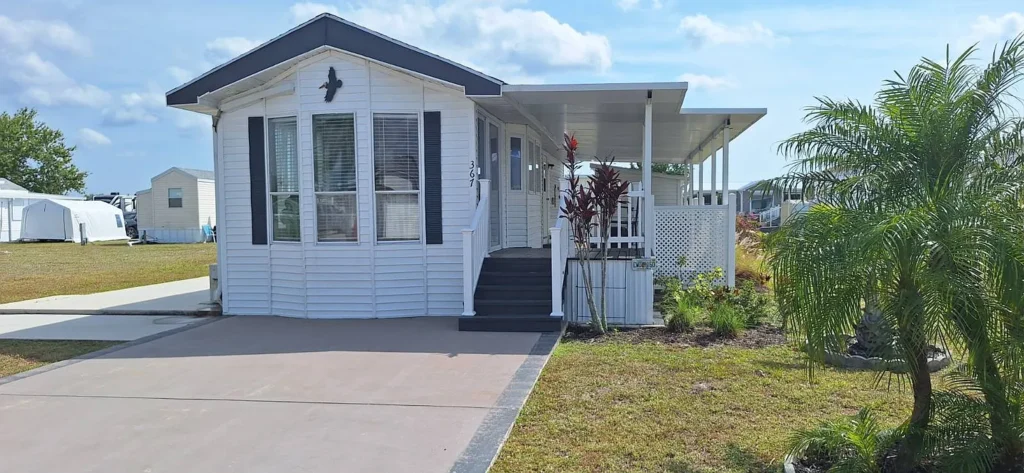
Tag: mobile home loan calculator

  • What to Know About Mobile Home Loans in Florida

    Mobile homes offer an affordable housing option for many Florida residents. However, securing a loan to purchase or refinance a mobile home can be challenging. Understanding how mobile home loans work and the specific requirements for Florida can help potential buyers make informed decisions.

    1. Types of Mobile Home Loans

    There are several types of mobile home loans in Florida, each with unique requirements and features. These include chattel loans, real estate loans, and FHA loans. The type of loan you choose depends on whether the mobile home is classified as personal or real property.

    Chattel loans are for mobile homes that are not permanently affixed to land. Real estate loans are for mobile homes attached to land and classified as real property. FHA loans are government-backed loans designed for mobile homes meeting specific standards.
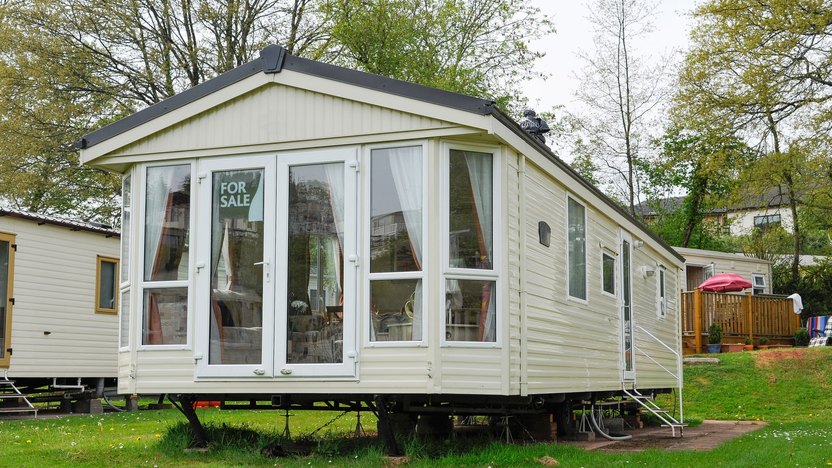
    how mobile home loans work

    2. Chattel Loans

    Chattel loans are commonly used for mobile homes not affixed to land. With a chattel loan, the mobile home serves as collateral for the loan, but the land does not. These loans typically have higher interest rates than real estate loans due to the risk of the home being moved or repossessed.

    The loan term for chattel loans is usually shorter, ranging from 10 to 20 years. Lenders may require a larger down payment, sometimes as high as 20%. These loans are ideal for individuals who own the land where the mobile home will be placed or rent a space in a mobile home park.

    3. Real Estate Loans

    A real estate loan is a traditional mortgage that covers the mobile home and its land. In Florida, you can apply for a real estate loan if you buy both the land and the mobile home together. These loans typically offer lower interest rates and longer terms than chattel loans.

    To qualify for a real estate loan, the mobile home must meet specific criteria, such as being affixed to a permanent foundation. Lenders also require that the mobile home meets state building codes. The loan process for real estate loans can be similar to that of traditional home mortgages.

    4. FHA Loans for Mobile Homes

    The Federal Housing Administration (FHA) offers loans for mobile homes in Florida. These loans are ideal for buyers with lower credit scores or smaller down payments. FHA loans are available for new and existing mobile homes that meet specific requirements.

    The mobile home must have been built after 1976 to qualify for an FHA loan, as homes built before then do not meet federal standards. The home must also be placed on a permanent foundation. Additionally, the borrower must meet certain income and credit requirements.

    5. Eligibility Requirements for Mobile Home Loans

    Each type of mobile home loan has specific eligibility criteria, and meeting these requirements is crucial for approval. Lenders typically assess factors such as credit score, income, and the condition of the mobile home. The home must meet state and local building codes in Florida, especially if applying for a real estate or FHA loan.

    For chattel loans, lenders focus more on the borrower’s ability to repay the loan than the home’s value. The borrower must provide proof of land ownership or a long-term lease agreement for real estate loans. FHA loans require that the borrower meet certain income limits and credit score thresholds.

    6. Interest Rates for Mobile Home Loans

    Interest rates for mobile home loans vary depending on the type of loan, the borrower’s credit, and the loan term. Chattel loans tend to have higher interest rates than real estate loans, as lenders consider them riskier. However, real estate loans and FHA loans typically offer more competitive rates.

    Interest rates can range from 4% to 10% for mobile home loans in Florida, with the possibility of higher rates for borrowers with lower credit scores. It’s essential to shop around and compare offers from different lenders to find the best rate. Over time, securing a lower interest rate can save you significant money.

    7. Down Payments and Loan Terms

    Down payment requirements for mobile home loans in Florida vary depending on the type of loan and lender. Down payments may range from 5% to 20% for chattel loans. Real estate loans may require a down payment of 10% to 20%, depending on the borrower’s creditworthiness and the home’s value.

    Loan terms for mobile home loans in Florida can range from 10 to 30 years, depending on the loan type. Shorter loan terms often come with higher monthly payments, but they can save money on interest. Choosing the proper loan term can make your monthly payments more manageable.

    8. Mobile Home Insurance Requirements

    Most lenders require mobile home insurance before approving a loan. Insurance coverage protects the borrower and the lender in case of damage or loss. Homeowners insurance is essential in Florida due to the state’s frequent storms and hurricanes.

    Insurance policies for mobile homes typically cover damage from natural disasters, fire, theft, and vandalism. For mobile homes on land, homeowners may also need to include coverage for the land itself. Be sure to check with your lender to understand the specific insurance requirements for your loan.

    9. Finding the Right Lender

    Choosing the right lender is crucial when applying for a mobile home loan in Florida. Different lenders offer different loan terms, interest rates, and requirements. Researching and comparing multiple lenders, including banks, credit unions, and specialized mobile home lenders is important.

    Online platforms allow you to compare offers from multiple lenders quickly. You can also check with local mobile home dealerships, as they may have partnerships with lenders specializing in mobile home loans. Shopping around can help you secure the best loan terms for your financial situation.

    10. Mobile Home Loan Process in Florida

    Securing a mobile home loan in Florida is similar to getting a traditional mortgage, though it often involves fewer steps. First, you’ll need to determine which type of loan best fits your needs. Once you’ve selected a loan type, gather the necessary documents, such as proof of income, credit history, and information about the mobile home.

    After you submit your application, the lender will evaluate your financial situation and the condition of the mobile home. If your application is approved, you’ll sign the loan agreement, and the funds will be disbursed. The approval process may take several weeks, so patience’s essential.

    11. Financing Used Mobile Homes

    Financing for used mobile homes is available in Florida, but financing new homes can be challenging. Used mobile homes may need to meet the criteria for FHA loans, especially if they were built before 1976. However, lenders may still offer chattel or conventional loans for used homes.

    When financing a used mobile home, the lender typically requires a thorough inspection to assess its condition. They may also request an appraisal to determine the home’s value. Understanding the home’s condition and market value will help ensure you get a fair loan offer.

    12. Closing Costs and Fees

    Mobile home loans come with various closing costs and fees, like any home purchase. These costs include application, title search, appraisal, and attorney fees. Be prepared for these additional expenses when budgeting for your mobile home purchase.

    In Florida, closing costs for mobile home loans can range from 2% to 5% of the loan amount. It’s essential to ask the lender for a breakdown of all costs so you’re not caught off guard. Some lenders may offer to include these costs in the loan, increasing your monthly payments.

    13. Refinancing Mobile Home Loans

    Refinancing might be a good option if you already have a mobile home loan and are looking to lower your payments or interest rate. Refinancing allows you to replace your existing loan with a new one, often with better terms. Florida residents with a mobile home on land may be eligible for refinancing through traditional mortgage lenders.

    Refinancing a chattel loan is more complex but possible. Some lenders may offer refinancing options if your mobile home’s value has increased or you’ve significantly improved. Always check with your lender to determine your refinancing options and eligibility.

    14. Mobile Home Parks and Loan Approval

    Living in a mobile home park can affect your loan application. Some mobile home parks have restrictions on renting or selling homes, which can impact the marketability of your mobile home. Lenders may be less willing to approve loans for homes in parks with strict regulations.

    Before applying for a loan, check the mobile home park’s rules and regulations to ensure they align with your financing plans. Some lenders may require written confirmation from the park management that you can place the mobile home on the property. Awareness of the park’s rules can help prevent issues with loan approval.

    15. Mobile Home Loans for Retirees

    Florida is a popular destination for retirees, and many choose to purchase mobile homes in the state. Lenders may offer specialized mobile home loans for retirees, taking into account their fixed income. Retirees should know they may need additional documentation, such as proof of pension or Social Security income.

    Retirees should also consider the loan term and ensure it fits their financial situation. A shorter loan term may mean higher monthly payments, so choosing a plan that works for their budget is important. Consulting with a financial advisor can help retirees make the best loan decisions.

    Conclusion

    Securing a mobile home loan in Florida requires understanding the various loan types, eligibility criteria, and costs. Knowing the requirements and options available can help you decide whether you are purchasing a new or used mobile home. By researching loan types, comparing lenders, and preparing for the loan process, you can secure financing that meets your needs and budget.


    See Also:


  • Buying a Mobile Home Without Money: Exploring Your Options in Florida

    The dream of homeownership can feel out of reach for many, especially in today’s economic climate. For some, the prospect of a traditional house with a hefty mortgage is a distant goal. However, buying a mobile home without money might be a more attainable option than you think. While an utterly zero-down purchase might be challenging, Florida offers financing solutions to make mobile home ownership a reality, even with limited funds. Let’s explore some avenues you can pursue to achieve your dream of owning a mobile home in the Sunshine State.

    Buying a mobile home without money

    Traditional Financing Options

    • Mobile Home Loans: Unlike traditional house mortgages, mobile homes require specialized financing. Mobile home loans, often called chattel loans, are secured by the home rather than the land on which it sits. These loans typically have lower down payments than traditional mortgages, sometimes as low as 5% or 10%. Several lenders in Florida specialize in mobile home financing, offering competitive rates and flexible terms.

    • FHA Loans: The Federal Housing Administration (FHA) offers loan programs specifically designed for manufactured homes. These loans can be particularly advantageous for first-time homebuyers with limited down payments. FHA loans in Florida generally require a minimum down payment of 3.5%, making them an attractive option for those who can’t afford a higher upfront cost.

    • VA Loans: Veterans and active-duty military personnel in Florida may be eligible for VA loans to purchase a mobile home. These government-backed loans typically boast low or no down payments, making them a fantastic option for veterans seeking affordable homeownership. Remember that VA loans have specific eligibility requirements based on military service history.

    Creative Financing Strategies

    While traditional loans are a solid path, consider non-traditional financing options to get you closer to buying a mobile home without money down:

    • Rent-to-Own Agreements: Some mobile home sellers in Florida offer rent-to-own agreements. This arrangement allows you to reside in the mobile home while paying rent, including a portion credited towards eventually owning it. While not technically immediate ownership, a rent-to-own agreement can be a stepping stone to mobile home ownership while building equity over time.

    • Seller Financing: Sometimes, you can negotiate seller financing directly with the mobile homeowner. This involves the seller acting as your lender, offering financing terms with a down payment and monthly payments. Seller financing can be flexible and may require a lower down payment than traditional loans. However, carefully review the terms of any seller financing agreement to ensure they are fair and in your best interest.

    • Personal Loans: Personal loans can be a versatile tool for financing a mobile home purchase. While interest rates on personal loans are higher than mortgages or mobile home loans, they are an option if you have good credit and need to bridge a gap in the down payment. Personal loans typically have shorter repayment terms, so ensure you can comfortably afford the monthly payments.

    Public Assistance Programs

    Several public assistance programs in Florida might help you with the initial costs of buying a mobile home. These programs are typically income-based and aim to promote affordable housing.

    • USDA Rural Development (RD) Loans: The USDA RD Loan program offers financing for qualified individuals in rural areas of Florida to purchase manufactured homes. These loans might even require no down payment in certain circumstances, making them a potentially viable option for those with limited funds.

    • Florida Housing Finance Corporation (FHFC): The FHFC is a state agency that provides various down payment and closing cost assistance programs for low- and moderate-income homebuyers in Florida. While not explicitly designed for mobile homes, some programs might be applicable depending on your financial situation.

    Exploring Additional Resources

    Researching local non-profit organizations and housing authorities in Florida can reveal additional programs that offer down payment assistance or financial counseling geared towards mobile home ownership. These resources can provide valuable guidance and unlock opportunities you may not have been aware of.

    Essential Considerations Before You Buy

    While buying a mobile home without money down might seem appealing, it’s crucial to consider the long-term implications carefully. Mobile homes tend to depreciate over time, unlike traditional houses—furthermore, factor in the cost of ongoing maintenance and potential repairs.

    Ensure the mobile home you’re considering is located in a desirable, well-maintained community with amenities that suit your needs. Research the community’s rules and regulations to avoid any surprises down the road.

    Conclusion

    Although achieving complete ownership with zero upfront investment might be challenging, Florida offers numerous financing options to make mobile home ownership a reality, even with limited funds. 

    While it requires careful planning and an understanding of the financial implications, buying a mobile home in Florida can be a strategic step towards achieving the dream of homeownership. Remember, responsible budgeting, exploring all available financing options, and prioritizing a well-maintained mobile home in a desirable community will set you on the path to a successful homeownership experience in the Sunshine State.


    See Also:


  • What Banks Loan On Sarasota Mobile Homes?

    What Banks Loan On Sarasota Mobile Homes?

    What banks loan on mobile homes that are located on leased land in Sarasota, Florida?

    Is it even possible to obtain financing for a mobile home when you are buying the home, but not the land as well?

    We were recently confronted with a Buyer who was interested in several of our listings. This buyer had gotten park approval from several local parks in the Sarasota area and was looking to purchase a mobile home using traditional financing instead of making a cash purchase.

    After working with the Buyer for several days, showing them nearly a dozen properties, we finally were able to narrow them down to the one they wanted! I decided to contact the loan officer within the lending institution that the buyer was using to see what I could do on my end to help with the loan process.

    Here’s what I found out.

    Lending is very hard to come by on a mobile home where the land does not come with the home.

    Mobile homes with leased land in the state of Florida are viewed and taxed as personal property, not as real estate.

    This is the exact way a vehicle is taxed as well.

    Lending agencies will not lend on any mobile home that is older than a 1976 model. The reason why the year 1976 is such a big deal in the mobile home industry is that in that year, HUD came into the manufactured home industry and began adding regulations to all mobile home manufacturers making sure that they all built the homes to a set safety standard.

    Mobile homes that are older than a ’76 will need to have both, a home inspection and a mobile home four-point inspection completed before the funding of the home.

    What Banks Loan On Sarasota Mobile HomesThe Buyer identified a home that was older than a ’76 and ahead and ordered the inspections that were required by the lending agency. Upon the completion of the home inspections, there were a handful of repairs that needed to be addressed in the report. The lending agency required that the buyer have these fixed and provide receipts and photos showing that the work had been done. This agency stated that even after the repairs were done and proof showing them that they were done, they still may not land on the mobile home as the home had previous damage.

    So, is funding for mobile homes on leased land available through traditional financing options? Yes, it is, but get ready for tons of hoops to be jumped through to obtain financing. And even if you can do all of this, the lending agency may not fund the home in the end.

    Most of the homes in the greater Sarasota Florida area are quite a bit older than this but the lender does not care, their rules are their rules.
    So with many of the traditional funding routes dried up, how can a mobile home Buyer purchase a mobile home on leased land if they do not have the cash for the purchase?
    The answer is simple, third-party financing companies.

    Currently, there are around three different companies that will lend on mobile homes that reside on leased land throughout the United States.
    Most of them will require a certain amount as a down payment and a home inspection to be completed.

    In our experience, most of these lenders will look to lend on mobile homes that are the year model 1976 or newer.

    While most mobile home purchases that are on leased land are cash purchases it is important to know that the Buyer may have financing options through these outside lending companies to still be able to purchase their new mobile home in the Sarasota Florida area.

    There are also other options for buyers that don’t have cash like chattel and personal loans.

    The Federal Housing Administration also offers mobile home loans through its mobile home loan program. This includes Title I and Title II loans.

    A Title I loan can be used to finance the purchase of a new or used mobile home or refinance a mobile home purchase. Lenders can offer Title 1 mobile home loans even if the mobile home sits on a rented lot. There is, however, a maximum loanable amount of $69,678 for mobile homes only without the lot, and $92,904 for mobile homes with the lot.

    Title II loans are applicable only for mobile homes with the lot, have a minimum floor area of 400 square feet, and the house must be constructed after June 15, 1976.

    Although there are available loan programs for mobile home buyers, having said that, financing a mobile home has limited options than traditional homes. It is therefore recommended that being financially prepared is always the best thing to do before deciding to buy a mobile home.

    Many mobile home buyers prepare two to three years before buying a mobile home. This means that they are doing their best to save money within these years before they move forward to purchase their new home. They may not save enough money to pay the full cost of the mobile home but at least they have money for a bigger downpayment. Others also take private personal loans like borrowing from friends, family members, and relatives.

    While we at The Mobile Home Dealer, are not loan brokers or any type of financing experts, we do suggest Buyers look at this route should their cash budget not work in the rising mobile home buying market.

    Guys, this is Mark Kaiser with The Mobile Home Dealer and we help mobile home buyers and sellers get to a better place in life.


    See Also:

Reset password

Enter your email address and we will send you a link to change your password.

Get started with your account

to save your favourite homes and more

Sign up with email

Get started with your account

to save your favourite homes and more

By clicking the «SIGN UP» button you agree to the Terms of Use and Privacy Policy
Powered by Estatik