Tag: mobile home investing for beginners

  • Are Mobile Homes a Good Investment? Here’s Why Many Buyers Say Yes

    Are Mobile Homes a Good Investment? Here’s Why Many Buyers Say Yes

    Are mobile homes a good investment? For many buyers across Florida, the answer is yes. Mobile homes offer a unique blend of affordability, flexibility, and long-term potential. Whether you’re a first-time buyer or someone searching for rental income, mobile homes deserve serious attention.

    Understanding Mobile Homes as a Long-Term Investment

    The cost of traditional housing continues to climb. As a result, more people are considering mobile homes as an affordable alternative. Unlike many single-family homes, mobile homes require less upfront capital. This lower barrier to entry opens up investment opportunities for more people.

    Here’s what makes mobile homes a strong investment option:

    • Lower purchase price: Easier entry into real estate.
    • Fewer maintenance costs: Smaller square footage means less upkeep.
    • Quick rental potential: High demand in many Florida retirement areas.
    • Flexible resale market: You can sell in a park or on private land.

    Each of these benefits appeals to investors who want a cost-effective property that offers both stability and profit.
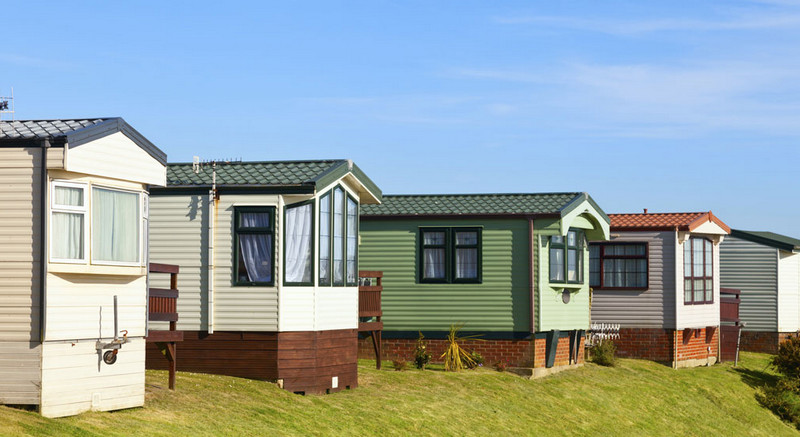
    Are Mobile Homes a Good Investment

    Are Mobile Homes a Good Investment in Today’s Market?

    Yes, they are. In Florida, mobile homes continue to gain popularity. With rising demand for affordable housing, many investors are seeing solid returns. Mobile homes often carry lower monthly costs than traditional houses, but they can still generate steady income.

    Even as the market shifts, mobile homes remain attractive for several reasons:

    • They fit within tight budgets.
    • Buyers can own land or rent lots.
    • They’re ideal for seasonal renters, retirees, and long-term tenants. 

    These factors create constant interest, especially in areas like Sarasota, Tampa, and Orlando.

    Benefits of Mobile Home Park Investing

    If you’re considering an even broader investment option, mobile home park investing might catch your interest. Owning a park means you earn lot rent from each home, even if you don’t own the homes themselves. This lowers your management costs and increases cash flow.

    Benefits of mobile home park investing include:

    • Monthly rent from multiple tenants.
    • Less wear and tear on your own structures.
    • Strong tenant retention in well-managed parks.

    Many parks in Florida are filled with long-term residents who enjoy the community atmosphere and cost savings.

    Why This Strategy Works Well for Beginners

    Mobile home investing for beginners can be one of the simplest ways to start in real estate. Since mobile homes are more affordable, there’s less risk. Many new investors start by buying one home in a park and renting it out. Over time, they scale their efforts by adding more units.

    Here’s why beginners choose this path:

    • Less money upfront.
    • Simple repair needs.
    • Steady income stream.
    • A clear path to scaling. 

    When managed wisely, this strategy helps build consistent income without major expenses.

    Mobile Homes as a Rental Property

    Are mobile homes a good investment for rental property? Absolutely. Many owners enjoy consistent monthly income without high overhead. In areas with strong rental demand, like retirement communities or cities near the beach, rental mobile homes fill quickly.

    Some reasons rental mobile homes succeed include:

    • Affordability for tenants.
    • Limited competition in some markets.
    • Easy customization and improvements.
    • Flexible move-in options. 

    You can boost your profit by upgrading interiors or offering fully furnished homes for seasonal tenants.

    Mobile Home Investing Strategy that Works

    A smart mobile home investing strategy often begins with research. Knowing your market, setting realistic goals, and keeping an eye on costs will set you up for success. Many Florida investors use this approach:

    1. Buy below market value: Look for motivated sellers.
    2. Update with simple improvements: Paint, flooring, and fixtures go a long way.
    3. Rent in high-demand areas: Beaches, parks, or retirement hubs.
    4. Scale when ready: Add more homes or buy a park. 

    This repeatable strategy helps investors create steady income without stretching themselves too thin.

    Key Takeaways for Mobile Home Investors

    It’s clear that mobile homes can be smart financial choices. Whether you’re looking to own one unit or manage a full park, there’s room to grow. Many Florida investors enjoy low maintenance, high demand, and excellent returns.

    Let’s recap the biggest reasons investors are drawn to mobile homes:

    • Affordable purchase price.
    • Strong rental demand.
    • Multiple exit strategies.
    • Easy entry for beginners.

    Frequently Asked Questions

    What is the average return on investment for mobile homes?

    Returns can vary, but many investors see 8%–12% yearly.

    Do mobile homes lose value quickly?

    Not always. Well-maintained homes in good parks hold value over time.

    Can I finance a mobile home like a regular house?

    Yes, but terms may differ depending on the home’s age and location.

    Is it better to own the land or just the home?

    Owning the land gives you more control and long-term savings on lot rent.

    Are mobile homes easy to rent out?

    Yes, especially in Florida. Many renters look for affordable options.

    What should I look for in a mobile home park?

    Clean facilities, strong management, and good locations attract long-term tenants.

    Can I flip mobile homes for profit?

    Yes. Many investors buy low, fix them, and sell for a profit.

    How much does it cost to maintain a mobile home?

    Costs are usually lower than traditional homes, around $500–$1,000 per year.

    Is mobile home investing safe for beginners?

    Yes. With research and planning, it’s one of the easiest ways to start.

    How long does it take to rent a mobile home?

    Many homes rent within weeks, especially in Florida retirement communities.

    Final Thoughts

    So, are mobile homes a good investment? All signs point to yes. Whether you’re renting, flipping, or owning a park, the potential is strong. Florida continues to be one of the best states for mobile home investing thanks to warm weather, high demand, and affordable prices.

    With the right approach, mobile homes can build lasting income for years to come.


    See Also:


  • Common Pitfalls of Mobile Home Investing in Florida

    The pitfalls of mobile home investing in Florida can cost time, money, and peace of mind. Many investors enter this market without fully understanding its challenges. By identifying these common mistakes, you can avoid unnecessary risks and improve your chances of success.

    Overlooking Local Regulations

    Florida has specific rules for mobile homes, and ignoring them can lead to serious problems. Each county and city may have different zoning laws, building codes, and permit requirements. Failing to research these rules could result in fines or delays.

    Key Considerations for Local Regulations:

    • Check zoning laws to ensure mobile homes are allowed in the area.
    • Verify that the home meets Florida’s wind zone standards.
    • Obtain proper permits before making upgrades or repairs.

    Skipping this step often leads to unexpected costs and legal issues. Always consult local authorities before finalizing any investment.

    Pitfalls of Mobile Home Investing

    Ignoring Lot Ownership Details

    Mobile homes can be placed on owned land or rented lots. Overlooking the details of lot ownership is a common mistake. Investors must factor in monthly fees and lease terms when the home sits on rented land.

    Issues with Rented Lots:

    • Sudden rent increases can impact profits.
    • Unclear lease agreements may result in disputes.
    • Rules in mobile home parks can limit renovation plans.

    Owning the land under the mobile home offers more control and stability. However, land ownership comes with its responsibilities, including property taxes and maintenance.

    Failing to Inspect the Property

    Skipping a thorough inspection is a frequent pitfall of mobile home investing. Many mobile homes have hidden issues that can become costly repairs. Structural damage, water leaks, and outdated electrical systems are common problems.

    What to Inspect:

    • Roof and siding: Look for leaks, cracks, or signs of wear.
    • Foundation: Check for shifting or instability.
    • Plumbing and wiring: Test for functionality and safety.

    Hiring a professional inspector is often worth the cost. Inspections can reveal issues that impact the home’s value and profitability.

    Underestimating Maintenance Costs

    Mobile homes require ongoing maintenance to remain livable and compliant with regulations. Many investors underestimate these costs, leading to financial strain. Regular upkeep includes repairing the roof, replacing skirting, and maintaining HVAC systems.

    Common Maintenance Tasks:

    • Replacing damaged flooring or windows
    • Servicing heating and cooling systems
    • Addressing plumbing or electrical issues

    Neglecting maintenance reduces the home’s value and tenant satisfaction. Plan for routine upkeep to avoid falling behind on repairs.

    Overpaying for a Mobile Home

    Paying too much for a mobile home is a common mistake, especially for new investors. The market value of a mobile home depends on factors like location, age, and condition. Overpaying can limit potential profits or cause financial losses.

    Tips to Avoid Overpaying:

    • Compare similar properties in the area.
    • Consider the cost of repairs and upgrades.
    • Negotiate with sellers to lower the price.

    Performing due diligence helps ensure you get a fair deal and maintain profitability.

    Overestimating Rental Income

    Investors often assume mobile homes will generate consistent rental income. While this is possible, overestimating rental potential can lead to disappointment. Factors like local demand, park rules, and competition affect how much rent you can charge.

    How to Set Realistic Expectations:

    • Research average rental rates in the area.
    • Consider vacancy rates and tenant turnover.
    • Account for expenses like utilities and lot fees.

    You can create a more accurate financial plan by setting achievable income goals.

    Neglecting Tenant Screening

    Choosing the wrong tenants can lead to late payments or property damage. Some investors skip thorough screening processes to save time, which often results in long-term problems.

    Steps for Tenant Screening:

    • Check credit history and income stability.
    • Conduct background checks for criminal records.
    • Contact previous landlords for references.

    Proper screening helps protect your investment and ensures a more positive rental experience.

    Failing to Budget for Unexpected Expenses

    Mobile home investing often involves unforeseen costs. Repairs, legal fees, and tenant issues can strain your budget if you’re unprepared. Without a financial buffer, unexpected expenses may reduce your returns.

    Common Unexpected Costs:

    • Emergency repairs, such as plumbing or HVAC failures
    • Legal disputes with tenants or contractors
    • Changes in local tax rates or insurance premiums

    Setting aside a portion of your emergency budget can help you handle surprises without financial stress.

    Relying on Outdated Market Information

    The mobile home market in Florida is dynamic. Prices, demand, and regulations can change over time. Using outdated information can lead to poor investment decisions.

    How to Stay Informed:

    • Monitor real estate trends in your area.
    • Join online forums or local investor groups.
    • Work with a real estate agent familiar with mobile homes.

    Staying current with market conditions ensures you make informed choices and avoid costly mistakes.

    Skipping Insurance Coverage

    Some investors neglect to purchase adequate insurance for their mobile homes. This decision can backfire if hurricanes, fire, or vandalism damage the property. Florida’s weather makes insurance a necessary expense.

    Types of Insurance to Consider:

    • Property insurance for damage or loss
    • Liability insurance for tenant injuries
    • Flood insurance if the property is in a flood zone

    Proper insurance coverage protects your investment from unforeseen events.

    Tips for Avoiding Common Pitfalls

    Avoiding these mistakes can make your investment more successful. Consider the following tips to minimize risks:

    • Research local regulations and market conditions.
    • Inspect properties thoroughly before buying.
    • Budget for repairs, maintenance, and emergencies.
    • Screen tenants carefully to reduce potential problems.
    • Stay informed about changes in Florida’s housing market.

    Taking these precautions helps you make smarter investment decisions.

    Frequently Asked Questions

    Is Mobile Home Investing Profitable in Florida?

    Yes, mobile home investing can be profitable if you avoid common pitfalls and plan carefully. The affordable entry costs and high demand for affordable housing make it an attractive option.

    How Much Should I Budget for Repairs?

    Set aside 10%–20% of your initial investment for repairs and maintenance. This ensures you can address issues promptly without affecting your cash flow.

    Can I Invest Without Owning the Land?

    Yes, but investing in rented lots requires careful consideration. Understand the terms of the lease and potential risks before committing.

    Final Thoughts on Mobile Home Investing

    Understanding the pitfalls of mobile home investing in Florida is essential for long-term success. Avoiding these common mistakes can protect your investment and maximize returns. Conduct thorough research, plan your budget, and stay proactive to navigate this market effectively. With careful planning, mobile home investing can offer steady income and growth opportunities.

    See Also:


  • Why Mobile Homes Are a Smart Investment in Florida

    Mobile homes, also known as manufactured homes, have long been considered an affordable and practical housing option. In recent years, mobile homes have gained recognition as a smart investment opportunity, especially in Florida. Known for its warm climate, growing population, and vibrant economy, Florida presents an ideal environment for mobile home investments. This article explores why mobile homes are a smart investment in Florida, covering affordability, demand, potential returns, and other key benefits.

    mobile home investment

    Affordability

    One of the most compelling reasons mobile homes make for a smart investment in Florida is their affordability compared to traditional site-built homes. As housing prices continue to climb across the state, mobile homes offer an attractive alternative for both investors and homebuyers.

    Lower Purchase Price

    Mobile homes typically cost significantly less than site-built homes. According to recent data, the average cost of a mobile home in Florida is approximately $80,000 to $120,000, while the median price of a site-built home can be several times higher. This lower initial investment allows investors to enter the real estate market without needing to secure large mortgages or financing options.

    Lower Property Taxes

    In Florida, mobile homes situated on leased land are not subject to the same property taxes as site-built homes. Instead, mobile homeowners pay a smaller tax in the form of a tag fee, much like an automobile registration. This can save mobile home investors a substantial amount of money in property taxes over time, making mobile homes a more cost-effective investment option.

    Affordable Maintenance

    Mobile homes are also generally less expensive to maintain. Their smaller size means lower utility bills, and repairs or upgrades tend to be more affordable compared to traditional homes. For investors, lower maintenance costs can increase profitability and reduce the need for extensive renovations.

    Strong Demand for Affordable Housing

    Florida’s population has been steadily increasing, with thousands of new residents moving to the state each year. This population growth creates a strong demand for affordable housing, making mobile homes an attractive option for many residents, particularly retirees, first-time buyers, and low-to-middle-income families.

    Appeal to Retirees

    Florida has long been a popular destination for retirees, thanks to its warm weather, lack of state income tax, and abundance of retirement communities. Mobile homes in 55+ communities are especially attractive to retirees who are looking for an affordable, low-maintenance lifestyle. As the baby boomer generation continues to retire in large numbers, the demand for mobile homes in retirement-friendly locations is expected to remain high.

    Housing Crisis Solutions

    The increasing cost of traditional homes in Florida has contributed to a growing affordable housing crisis. Many residents, particularly in cities like Miami, Tampa, and Orlando, are being priced out of the traditional housing market. Mobile homes provide a solution to this issue by offering a more affordable alternative for people seeking homeownership without the burden of a large mortgage.

    Investors who recognize this trend can capitalize on the demand for affordable housing by investing in mobile homes, whether for resale or as rental properties.

    Rental Income Opportunities

    Mobile homes in Florida also present strong opportunities for investors looking to generate passive income through rental properties. As demand for affordable rentals continues to rise, especially in key areas of Florida, mobile homes can offer attractive returns on investment.

    Higher Rental Yields

    Compared to traditional homes, mobile homes can often generate higher rental yields, especially when they are located in desirable areas or mobile home parks with amenities like pools, clubhouses, and recreational facilities. The lower initial investment means that even modest rental income can result in significant cash flow for investors.

    Less Tenant Turnover

    Mobile homes in retirement communities or family-friendly parks often experience less tenant turnover compared to apartment buildings or single-family homes. Tenants in mobile home communities are more likely to settle down for the long term, reducing vacancy rates and creating a stable income stream for landlords.

    Vacation Rentals

    Florida is a top tourist destination, attracting millions of visitors each year. Mobile homes located near popular attractions such as Disney World, the Florida Keys, and Gulf Coast beaches can be used as short-term vacation rentals, offering investors the potential to earn high seasonal rental income. Vacationers often seek affordable accommodations, and mobile homes can provide an appealing alternative to pricier hotels or vacation homes.

    Land-Lease Parks and Investment Flexibility

    Another factor that makes mobile homes a smart investment in Florida is the flexibility offered by land-lease communities. In these parks, investors can own the mobile home itself while leasing the land it sits on, reducing the total cost of ownership.

    Lower Upfront Costs

    In a land-lease park, the cost of the land is not included in the purchase price of the home, making the investment more affordable upfront. While owners pay a monthly lot rent, the overall cost is often significantly lower than purchasing land outright, allowing investors to allocate their resources more effectively.

    Minimal Land Management Responsibilities

    Since the investor is leasing the land, the responsibility for maintaining common areas and infrastructure, such as roads, utilities, and landscaping, typically falls on the park owner. This reduces the amount of time and effort required from investors, allowing them to focus on managing their homes and tenants.

    Appreciation Potential

    Although mobile homes have historically been viewed as depreciating assets, this perception is changing. Several factors are contributing to the appreciation of mobile homes in Florida, making them an increasingly attractive investment.

    Improved Construction Standards

    Modern manufactured homes are built to high standards, often using durable materials and construction techniques that rival traditional homes. The HUD Code, established in 1976, ensures that mobile homes are constructed to meet strict safety and efficiency guidelines. As a result, newer mobile homes hold their value better than older models, making them a more stable investment.

    Location Matters

    Mobile homes located in desirable areas, such as coastal communities or near popular retirement destinations, tend to appreciate in value. Additionally, mobile homes in well-maintained parks with amenities and strict regulations often see higher appreciation rates. Investors who carefully choose the location of their mobile home can benefit from long-term appreciation, especially as demand for affordable housing continues to grow.

    Why Choose Florida for Mobile Home Investments?

    Florida offers several advantages that make it an ideal state for mobile home investments.

    No State Income Tax

    Florida’s lack of state income tax is a significant benefit for both residents and investors. For investors, this means that rental income or profits from selling a mobile home are not subject to state taxation, which can increase overall returns on investment.

    Favorable Climate

    Florida’s warm, sunny climate attracts people year-round, particularly retirees and snowbirds from colder states. Mobile home communities in Florida are often designed with outdoor living in mind, offering amenities such as pools, walking trails, and golf courses. This lifestyle is particularly appealing to retirees and vacationers, ensuring a steady stream of interested buyers and renters.

    Growing Population

    Florida is one of the fastest-growing states in the U.S., with its population expected to continue rising in the coming decades. As more people move to the state for work, retirement, or lifestyle reasons, the demand for affordable housing, including mobile homes, will only increase. This growing population ensures a constant pool of potential buyers and renters for mobile home investors.

    Conclusion

    Mobile homes are a smart investment in Florida for several reasons, including their affordability, strong demand for affordable housing, rental income potential, flexibility in land-lease parks, and appreciation potential. For investors looking to enter the real estate market or diversify their portfolios, mobile homes offer a low-cost, high-return opportunity.

    The unique benefits of investing in Florida—such as no state income tax, a favorable climate, and a growing population—further enhance the appeal of mobile homes as a lucrative and sustainable investment. Whether you’re interested in generating rental income, reselling for a profit, or capitalizing on the growing demand for affordable housing, mobile homes in Florida present a promising investment option.


    See Also:


  • How to Turn Your Mobile Home in Florida into a Rental Investment

    Turning a mobile home in Florida into a rental investment can be a smart financial move, especially given the growing demand for affordable housing in the state. Florida’s diverse population, large retirement community, and vacation-driven economy create significant opportunities for mobile home rentals. Whether you’re renting to long-term tenants, retirees, or seasonal vacationers, mobile homes can generate consistent income if managed properly.

    mobile home rental investment

    This guide will walk you through the essential steps for turning your mobile home into a rental investment, covering legal requirements, market demand, and tips for maximizing rental income.

    1. Understand Local Zoning Laws and Regulations

    Before turning your mobile home into a rental property, you must ensure it complies with Florida’s zoning laws and regulations. Mobile homes are governed by both state and local laws, which can vary depending on the county or city where your property is located. Here are key points to keep in mind:

    • Zoning Laws: Zoning laws determine whether your mobile home can be rented out, especially if it’s located on private land. Check with local zoning offices to confirm that renting a mobile home in your area is permitted.
    • Mobile Home Park Rules: If your mobile home is in a park, review the park’s rules regarding rentals. Some parks may prohibit renting or have specific regulations you must follow, such as tenant screening, lease length, or additional fees.
    • Licensing and Registration: In Florida, you may need to register as a landlord or obtain a business license to legally rent out your mobile home. It’s essential to check with your local government and the Florida Department of Business and Professional Regulation (DBPR) to ensure compliance.
    • Safety and Building Codes: Your mobile home must meet Florida’s building and safety standards. If your home is older, you may need to make upgrades to ensure it’s safe for tenants. Inspections and permits may also be required before renting.

    2. Determine the Market Demand

    The next step is to evaluate the demand for mobile home rentals in your area. Understanding market demand will help you price your rental competitively and target the right tenant demographic. Here’s how to assess the market:

    • Research Comparable Rentals: Look for similar mobile homes being rented out in your area. Compare factors like size, location, amenities, and rental rates. Websites like Zillow, Craigslist, and local real estate listing services can give you a good sense of what renters are paying.
    • Target Audience: Determine who your ideal tenants will be. Mobile home rentals in Florida appeal to various groups, including:
      • Retirees: Florida is known for its large retirement population, and many retirees look for affordable, low-maintenance homes in 55+ communities.
      • Families: All-age mobile home parks may attract families looking for budget-friendly housing.
      • Vacationers: In popular vacation spots like Orlando or near Florida’s beaches, mobile homes can be marketed as seasonal or short-term vacation rentals.
      • Workers: In areas near major cities or construction projects, mobile home rentals can attract workers seeking temporary housing.
    • Seasonal Demand: Florida experiences seasonal fluctuations in demand, especially in areas popular with tourists. If your mobile home is near the coast or a vacation destination, you can capitalize on the snowbird season (winter months) when northern visitors seek rentals.

    3. Prepare Your Mobile Home for Tenants

    Once you’ve confirmed that you can rent your mobile home and understand the market demand, it’s time to prepare the property for tenants. A well-maintained, attractive home will not only help you secure tenants quickly but also enable you to charge a higher rent.

    • Clean and Repair: Start by thoroughly cleaning the interior and exterior of the mobile home. Ensure all appliances, plumbing, and electrical systems are in good working order. Address any necessary repairs, such as fixing leaks, replacing broken fixtures, or upgrading insulation for energy efficiency.
    • Update for Appeal: Consider making affordable upgrades to increase your home’s appeal. Simple improvements like new flooring, fresh paint, updated appliances, or modern lighting can make a big difference in attracting renters.
    • Furnish or Unfurnished?: Decide whether you’ll offer your mobile home furnished or unfurnished. A furnished mobile home can appeal to vacationers and short-term renters, while long-term tenants may prefer an unfurnished space they can personalize.
    • Safety Features: Install essential safety features like smoke detectors, carbon monoxide detectors, and secure locks on doors and windows. You may also want to provide emergency contact information and an evacuation plan in case of hurricanes or other natural disasters.

    4. Set a Competitive Rental Price

    Pricing your mobile home rental correctly is critical to attracting tenants while maximizing your investment returns. The key is to strike a balance between affordability and profitability. Here’s how to set your price:

    • Calculate Expenses: First, determine your monthly expenses, including mortgage payments (if applicable), insurance, property taxes, maintenance costs, utilities (if you include them), and any fees associated with the mobile home park. You’ll need to cover these expenses through rental income.
    • Compare Market Rates: Look at the rental rates of comparable mobile homes in your area. Adjust your pricing based on your home’s size, location, and features. For example, a mobile home near a beach or in a gated community can command a higher rent than one in a rural area.
    • Factor in Seasonal Pricing: If you’re offering your mobile home as a vacation rental, consider adjusting the price based on the season. You may charge higher rates during peak tourist seasons and lower rates during off-peak months.

    5. Create a Lease Agreement

    A well-drafted lease agreement protects both you and your tenants by outlining the terms and conditions of the rental. In Florida, lease agreements for mobile homes must comply with state laws governing landlord-tenant relationships. Here are key elements to include:

    • Rental Terms: Specify the lease length (e.g., month-to-month, six months, or yearly), rental amount, due date, and payment method. Include any late fees or penalties for missed payments.
    • Security Deposit: Florida law allows landlords to collect a security deposit, which must be held in a separate account. Clearly state the amount of the deposit, conditions for its return, and how it will be used to cover damages.
    • Maintenance Responsibilities: Outline who is responsible for maintenance and repairs. Typically, the tenant is responsible for keeping the home clean and reporting any issues, while the landlord handles major repairs.
    • Utilities and Fees: Specify which utilities (if any) are included in the rent and which are the tenant’s responsibility. If your mobile home is in a park, mention any additional fees tenants may need to pay, such as lot rent or HOA fees.
    • House Rules: If applicable, include any rules set by the mobile home park, such as pet restrictions, parking regulations, or noise limits.

    6. Market Your Mobile Home Rental

    Now that your mobile home is ready to rent, it’s time to advertise and attract potential tenants. Here are some effective marketing strategies:

    • Online Listings: Post your mobile home on popular rental websites like Zillow, Craigslist, Apartments.com, or vacation rental platforms like Airbnb or Vrbo for short-term rentals.
    • Social Media: Use social media platforms like Facebook Marketplace or local groups to promote your rental. Many communities in Florida have Facebook groups dedicated to rental properties or mobile home parks.
    • Local Advertising: Consider placing ads in local newspapers, community bulletin boards, or within mobile home parks if allowed.
    • Word of Mouth: Don’t underestimate the power of word-of-mouth marketing. Let friends, family, and neighbors know you have a mobile home available for rent.

    7. Maximize Your Rental Income

    Once your mobile home is rented, there are several ways to increase your rental income and make your investment more profitable:

    • Offer Short-Term Rentals: In tourist-heavy areas, you can maximize income by offering your mobile home as a short-term or vacation rental during peak seasons. This allows you to charge higher nightly or weekly rates compared to long-term rentals.
    • Provide Additional Services: If you’re renting to vacationers, consider offering extras like cleaning services, laundry facilities, or beach equipment for an additional fee.
    • Regular Maintenance: Keep your mobile home in excellent condition by performing regular maintenance. A well-maintained property reduces the risk of costly repairs and keeps tenants satisfied, reducing turnover.

    Conclusion

    Turning your mobile home in Florida into a rental investment can be a profitable venture if done correctly. By understanding the legal requirements, researching the market demand, preparing your home for tenants, and pricing it competitively, you can create a steady stream of rental income. Whether you’re targeting long-term tenants or vacationers, Florida’s diverse market offers plenty of opportunities for mobile home rental investments.


    See Also:


  • Why Mobile Homes Are a Great Investment in Florida’s Real Estate Market

    Florida’s real estate market has long been a hotspot for investors, and with good reason. The Sunshine State offers a unique combination of favorable weather, a booming tourism industry, and a large population of retirees, making it a prime location for real estate investments. While traditional homes have always been popular, mobile homes are gaining traction as an attractive investment option. In this article, we will explore why mobile homes are a great investment in Florida’s real estate market, covering affordability, demand, potential for rental income, and key factors to consider when investing in mobile homes.

    mobile homes are a great investment

    1. Affordability: A Low-Cost Entry into Real Estate Investing

    One of the most significant advantages of investing in mobile homes in Florida is their affordability. Compared to traditional single-family homes or condos, mobile homes are considerably less expensive. This lower cost of entry makes mobile homes an ideal investment for those looking to dip their toes into the real estate market without breaking the bank.

    The affordability of mobile homes is especially appealing in Florida, where property prices have steadily increased in recent years. While the median price for a single-family home in Florida can be daunting, mobile homes offer a more accessible alternative. Investors can purchase mobile homes at a fraction of the cost of a traditional home, allowing them to start building their real estate portfolio sooner rather than later.

    In addition to the lower purchase price, mobile homes often come with lower property taxes and insurance costs. This further reduces the overall investment cost, making mobile homes an attractive option for budget-conscious investors.

    2. High Demand: Catering to a Growing Market

    Florida is home to one of the largest populations of retirees in the United States, and many of them are drawn to mobile homes. The affordability, low maintenance, and community-focused lifestyle of mobile home parks make them an appealing choice for retirees looking to downsize and simplify their lives.

    In addition to retirees, mobile homes also cater to a growing market of working-class families and individuals who are priced out of traditional housing options. As housing affordability becomes an increasing concern, more people are turning to mobile homes as a viable alternative.

    The high demand for mobile homes in Florida means that investors can often find a steady stream of potential buyers or tenants. This demand is especially strong in areas with large retirement communities, popular tourist destinations, and regions experiencing rapid population growth.

    3. Potential for Rental Income: A Lucrative Investment Strategy

    Investing in mobile homes for rental income can be a lucrative strategy in Florida. The combination of high demand and affordable housing makes mobile homes an attractive option for renters, particularly in areas where traditional housing is scarce or unaffordable.

    Mobile home parks often have a strong sense of community, with amenities such as clubhouses, swimming pools, and recreational facilities that appeal to renters. This sense of community, combined with the affordability of mobile homes, can lead to high occupancy rates and stable rental income for investors.

    Moreover, the lower purchase price of mobile homes means that investors can achieve a higher return on investment (ROI) compared to traditional rental properties. With proper management and maintenance, mobile homes can provide a steady stream of rental income, making them a viable long-term investment.

    4. Flexibility in Investment Options: Buying and Selling or Renting

    Investing in mobile homes offers flexibility in terms of investment strategies. Investors can choose to buy and hold mobile homes for rental income, or they can buy, renovate, and sell for a profit. This flexibility allows investors to tailor their investment approach based on their financial goals and market conditions.

    For those looking to generate passive income, renting out mobile homes can provide a reliable cash flow. On the other hand, investors who prefer a more hands-on approach can focus on buying undervalued mobile homes, making improvements, and selling them for a profit. This strategy, known as “flipping,” can be particularly profitable in Florida’s competitive real estate market.

    Additionally, some investors choose to invest in mobile home parks rather than individual mobile homes. Owning a mobile home park allows investors to generate income from lot rent, which can provide a stable and consistent cash flow. This option also offers the potential for value appreciation as the demand for affordable housing continues to rise.

    5. Minimal Maintenance and Upkeep: A Low-Pressure Investment

    One of the appealing aspects of investing in mobile homes is the minimal maintenance and upkeep required compared to traditional homes. Mobile homes are typically smaller and less complex in design, which means fewer systems to maintain and repair. This can result in lower ongoing maintenance costs, making it easier for investors to manage their properties.

    Additionally, many mobile home parks take care of common area maintenance, landscaping, and amenities, further reducing the burden on individual investors. This low-pressure investment model allows investors to focus on growing their portfolio rather than dealing with the day-to-day responsibilities of property management.

    6. Market Resilience: A Stable Investment in Economic Downturns

    Mobile homes have proven to be a resilient investment during economic downturns. During times of economic uncertainty, demand for affordable housing tends to increase, as more people look for cost-effective living options. Mobile homes, being one of the most affordable housing options available, often experience stable demand even in challenging economic conditions.

    Florida’s real estate market, in particular, has shown resilience due to its diverse economy and strong appeal to retirees and tourists. This stability makes mobile homes a safer investment choice compared to more volatile real estate assets.

    7. Strategic Location: Investing in Prime Florida Areas

    Location is a critical factor in real estate investment, and Florida offers numerous prime locations for mobile home investments. Coastal regions, tourist destinations, and areas with large retirement communities are particularly attractive for mobile home investors.

    Popular areas such as Tampa, Sarasota, and the Gulf Coast offer a combination of high demand and potential for property value appreciation. Investing in mobile homes in these regions can provide investors with both rental income and the possibility of capital gains as property values rise.

    Furthermore, Florida’s growing population and increasing demand for affordable housing create opportunities for investors to enter emerging markets within the state. Identifying and investing in up-and-coming areas can lead to significant returns as these regions develop.

    8. Community Appeal: The Draw of Mobile Home Parks

    Mobile home parks are often tight-knit communities where residents enjoy a sense of belonging and camaraderie. Many parks offer amenities such as swimming pools, clubhouses, and social activities, creating an appealing environment for residents.

    This sense of community is particularly attractive to retirees and seniors, who often seek a lifestyle that promotes social interaction and convenience. As an investor, owning property in a well-managed mobile home park can lead to high occupancy rates and long-term tenant retention, contributing to a stable and profitable investment.

    9. Environmental and Economic Benefits: A Sustainable Investment

    Mobile homes are often seen as a more sustainable housing option due to their smaller size and lower energy consumption compared to traditional homes. This environmental appeal is increasingly important as more people seek eco-friendly living options.

    In addition to the environmental benefits, mobile homes offer economic advantages for both investors and residents. The lower cost of living in a mobile home can provide financial relief for residents, while investors benefit from the potential for steady returns in a growing market.

    Conclusion

    Investing in mobile homes in Florida offers numerous benefits, from affordability and high demand to potential rental income and market resilience. The flexibility in investment options and minimal maintenance requirements make mobile homes an attractive choice for both new and experienced investors. As Florida’s population continues to grow and the demand for affordable housing rises, mobile homes are likely to remain a valuable asset in the state’s real estate market.

    Whether you’re looking to generate rental income, flip properties for profit, or invest in a mobile home park, Florida’s mobile home market presents a wealth of opportunities. With the right strategy and a keen understanding of the market, investing in mobile homes in Florida can be a rewarding and profitable venture.


    See Also:


  • Sarasota Florida Mobile Home Investor Alert #1

    So, you want to start investing in a mobile home within the greater Sarasota Florida area?

    In this first installment of “Sarasota Florida Mobile Home Investor Alerts,” we look to discuss the importance of educating all would-be investors on the importance of knowing how many homes a single investor can purchase in any one park.

    With the rise of real estate investors leaving the traditional confines of single-family and traditional residential homes for investment purposes due to continually being outpriced by other would-be investors, we are seeing a large influx in these Buyers in the mobile home industry.

    Mobile homes are traditionally seen by some people as lower-quality than traditional homes but with their growing popularity among single people, small families, and people who are living on a limited budget, real estate investors are taking notice. 

    Mobile home in Sarasota Florida for sale
    Mobile home in Sarasota Florida for sale

    Investing in a mobile home can be profitable but can also be risky that’s why we try to help both new and old investors understand the ins and outs of investing in mobile homes.

    While this is exciting to see, we continue to find these new mobile home investors putting the cart before the horse and not understanding the basics of what is needed on their part to begin their investing career in the mobile home park business.

    We, at The Mobile Home Dealer, hope that this series of blogs helps all new investors as well as some of the more experienced ones in the area to better educate them on not only the basics of the industry but also the continued trends we are seeing within the mobile home park business as a whole.

    The topic for this blog post is to discuss the importance of knowing what park you are going to invest in and how many homes one single investor is able to purchase within that park.

    When looking at investing in a mobile home park within the greater Sarasota Florida area it is always important for the new investor to understand what the requirements of the park are in regards to how many homes they can own.

    Most parks will state this in a document known as the mobile home park prospectus. This is a lengthy document that nearly all mobile home parks will have which goes through all of the dos and don’ts of the park.

    It is not uncommon to see a limit on the homes that can be owned by any single person in a community.

    To illustrate this, here is an example:

    Let’s say for this example there are 100 total mobile homes in the park. Let’s further assume that there is no limit as to how many homes one person can own in that particular mobile home park. With no limits put on any one Buyer let’s say an individual comes through and purchases 51 homes out of the 100 available and uses these as rentals to other park-approved residents.

    Let’s further assume that the Buyer who owns the 51 homes receives a notification from the park owner that states the rent is going up on January 1 of the following year. If the Buyer who owns the 51 homes does not want to pay this additional amount of money they could threaten the park that if they do not keep the rent the same they will move all 51 homes out of the park to a neighboring park.

    55+ community investing in a mobile home
    Mobile Home in 55+ community

    If the Buyer were to do this and move all of their homes out of the park this could very well cripple the park business for the park owner as more than 50% of their entire revenue is leaving. If the park owner does not increase the rent and the Buyer stays then they will be running their business with a large concern that at any point in time, one person could decide to turn their entire business upside down.

    Although this is an extreme example, we feel this best illustrates the basic reason why there are limits put on any one Buyer in a mobile home park, to not give any one person more control than the park owner has.

    While we see the common number being anywhere between 1-3 homes in a mobile home park that can be owned by a single person there are still a few parks in the greater Sarasota Florida area that have a larger number, some as large as 10 homes!

    When starting your mobile home investing business always make sure you are aware of how many homes you are able to own within a single park so that is operating well within the mobile home parks rules and regulations further creating a good relationship between you, your renters, and the park management.

    Navigating the realm of mobile home investment as a newcomer entails grasping a multitude of key insights that can significantly enhance the prospects of your venture. Equipping yourself with this knowledge is akin to fortifying the foundation of your investment strategy, setting the stage for a potentially fruitful endeavor. To facilitate this understanding, our extensive repository encompasses a plethora of invaluable resources, including a collection of illuminating videos on our YouTube channel and a trove of informative articles right here.

    Delving into our curated content can empower you with a comprehensive grasp of the intricacies that characterize the dynamic mobile home market. From deciphering market trends and identifying lucrative opportunities to unraveling the nuances of property valuation, each resource serves as a stepping stone toward informed decision-making.

    As a novice in the realm of mobile home investment, it’s imperative to exercise prudence and patience. The journey is best embarked upon with measured steps, as hasty decisions can lead to missed opportunities or costly missteps. To further bolster your foray, consider seeking guidance from seasoned professionals entrenched in the mobile home housing industry. Their seasoned insights can provide invaluable perspectives that illuminate potential pitfalls and opportunities, helping you chart a well-informed course.

    In summation, your path to success in mobile home investing is paved with knowledge and guided by wisdom. By immersing yourself in our diverse array of educational resources and soliciting advice from experienced industry stalwarts, you position yourself to navigate the mobile home investment landscape with a heightened sense of confidence and acumen, enhancing your potential to achieve your investment goals.

    If you think you need more information, you may always contact us through this website or send us a message through our Facebook page.

    This is Mark Kaiser with The Mobile Home Dealer and we help mobile home Buyers and Sellers get to a better place in life.

    See Also:

  • 10 Compelling Reasons to Invest in Mobile Homes

    In the dynamic landscape of real estate investment, mobile homes are emerging as a hidden gem, offering a plethora of advantages that make them an attractive option for savvy investors. Whether you are a seasoned investor or a first-timer dipping your toes into the world of real estate, here are ten compelling reasons why you should consider investing in a mobile home.

    invest in a mobile home

    1. Affordability Breeds Opportunity

    One of the most appealing aspects of mobile homes is their affordability. With a lower initial investment compared to traditional houses, mobile homes provide an entry point into real estate for those working with a limited budget. This affordability opens doors for a broader range of investors, fostering inclusivity in the real estate market.

    2. Lower Maintenance, Higher Returns

    Mobile homes typically come with lower maintenance costs than their traditional counterparts. The simplicity of their design and construction translates to fewer components that can go awry. This advantage makes mobile homes easier to manage and contributes to higher returns on investment as maintenance expenses are kept in check.

    3. Quick Returns on Investment (ROI)

    Speed is often a critical factor in investment success, and mobile homes offer a pathway to quick returns. Their lower acquisition costs and potentially faster rental turnover mean investors can recoup their initial investment sooner than with traditional real estate. This swift ROI can be particularly appealing for those seeking a more dynamic investment strategy.

    4. Rental Income Potential

    The demand for affordable housing has never been higher, and mobile homes are positioned to meet this need. Investing in a mobile home park or individual mobile homes provides an opportunity to generate steady rental income. With an increasing number of individuals and families seeking cost-effective housing solutions, the demand for mobile homes as rental properties is on the rise.

    5. Flexibility in Location Choices

    Unlike traditional homes that are fixed to a specific location, mobile homes offer investors the flexibility to choose their investment location strategically. This flexibility is particularly advantageous when targeting areas with high demand for affordable housing or regions experiencing economic growth.

    6. Diversification for Risk Mitigation

    Smart investors understand the importance of diversification, and mobile homes present an opportunity to diversify a real estate portfolio. By including mobile homes in a mix of investment properties, investors can spread their risk across different types of assets, providing a safeguard against market fluctuations.

    7. Unlocking Tax Benefits

    Mobile home investments can come with attractive tax benefits. Similar to traditional real estate, investors may be eligible for deductions on mortgage interest, property taxes, and even depreciation. These tax incentives can significantly contribute to the overall profitability of a mobile home investment.

    8. Rising Popularity of Mobile Home Living

    Advancements in mobile home design and construction are reshaping perceptions of this housing option. With modern amenities and a focus on energy efficiency, mobile homes are gaining popularity among those seeking an affordable yet comfortable lifestyle. This growing trend can positively impact the resale value of mobile homes, presenting investors with potential appreciation over time.

    9. Opportunity for Fix-and-Flip Success

    Mobile homes offer a unique avenue for the classic fix-and-flip strategy. Investors can target distressed or outdated mobile homes, renovate them to meet modern standards and sell them at a higher price. This strategy combines the satisfaction of revitalizing a property with the potential for a lucrative return on investment.

    10. Potential for Appreciation

    While traditional real estate is known for its long-term appreciation, mobile homes in desirable locations can also experience value growth. Investing in mobile homes situated in regions with increasing demand for affordable housing positions investors to benefit from both rental income and potential appreciation.

    In conclusion, the world of real estate investment is evolving, and mobile homes are emerging as a viable and lucrative option. From affordability and flexibility to tax benefits and the potential for appreciation, mobile homes present a compelling case for investors looking to diversify their portfolios and unlock new opportunities in the housing market. As with any investment, thorough research and due diligence are crucial, but for those willing to explore the potential of mobile homes, the rewards can be both substantial and satisfying.


    See Also:

  • 8 Lucrative Ways to Make Money with Mobile Homes in Mobile Home Parks

    Investing in mobile homes inside existing mobile home parks can be a lucrative opportunity that often goes overlooked by many investors. In this article, we will explore eight ways to make money with mobile homes in these parks. It’s important to note that we are discussing the purchase and sale of the mobile homes themselves, not the land they sit on.

    Sarasota Mobile Home for Sale with Wide Carport
    Sarasota Mobile Home for Sale with Wide Carport

    1. Buying and Renting

    While many mobile home parks may not allow you to rent out mobile homes, there are exceptions. Some parks near military bases or in specific regions may permit renting. In such cases, consider renting the room if it’s financially advantageous, especially for purposes like student housing, transient or migrant housing, or housing for oil workers. Ensure you check with local park managers to understand their rental policies.

    Pro Tip: Always clarify your market and make multiple offers to sellers to secure mobile homes at prices below retail.

    2. Buying and Selling for Cash

    Every day, individuals across the country buy and sell mobile homes for cash. As an active mobile home investor, you should aim to purchase these homes at a price significantly below retail. You can sell them to private buyers or arrange bank financing. The key to success in this strategy is understanding the market and consistently making multiple offers.

    3. Buying and Selling via Payments

    Some sellers may choose to sell their mobile homes within the park through down payments and monthly payments from tenant-buyers. It’s essential that all buyer-applicants are approved by the park and meet the necessary background/application requirements. Additionally, an interest rate may be applied to the balance being paid.

    Pro Tip: Ensure all paperwork and applicants adhere to local and national seller financing rules and guidelines.

    4. Wholesaling

    Similar to the real estate market, wholesaling mobile homes in mobile home parks involves obtaining a purchase contract for a mobile home and then selling that contract to another investor or end-user buyer for a profit. While the profit margin may not always be substantial, high-demand areas can yield more significant assignment fees.

    5. Bird Dogging

    As a bird-dog, your role is to help investors find mobile homes for sale that fit their criteria. You identify for-sale-by-owner (FSBO) properties and match them with active mobile home investors. To succeed, it’s crucial to know the specific types and criteria each investor is looking for.

    Pro Tip: Your compensation typically depends on closed deals, so ensure your leads are followed up on.

    6. Adding Homes to the Community to Resell

    Many mobile home parks have vacant spaces for additional homes. Some offer incentive programs for park-approved homeowners who are willing to move in a park-approved mobile home. As an investor, you can find sellers who need their mobile homes relocated and sell them to new buyers. This process can be profitable if you leverage move-in incentive programs.

    Pro Tip: When speaking to community managers, inquire about move-in incentive programs and the types of mobile homes the park is willing to accept.

    7. Selling Directly to the Park

    In cases where you have a more expensive mobile home that must be moved after purchase, consider selling it directly to a local mobile home park. Ensure you understand what each park is looking for in a used mobile home and be prepared to show them pictures for approval. Parks usually pay you before handling the move, permits, and setup themselves.

    8. Moving Unwanted Mobile Homes from One Park to Another

    Sometimes, mobile home park owners want older or less attractive homes removed from their communities to make room for newer, more profitable homes. If a mobile home still has value, you can help move it to another location for resale or rent. Check with local mobile home movers and permit offices to verify the requirements for moving homes in your area.

    The Bottom Line

    Investing in mobile homes within mobile home parks offers various ways to generate income. While some strategies may be more realistic and profitable than others, success in this venture requires dedication, market knowledge, and active involvement. Always be aware that the real estate market can be unpredictable, so make informed decisions and take daily actions to achieve your financial goals. If you have questions or need guidance, reach out to experienced investors in the field for assistance. Mobile home investing can be a rewarding journey when approached with diligence and a commitment to learning and growing in the field.


    See Also:

  • How to Invest in Mobile Home for as Low as $5,000: 5 Ways

    Are you ready to dive into the world of real estate investment and make a smart move that won’t break the bank? Look no further than mobile homes! Investing in mobile homes can be a lucrative endeavor, offering low entry costs and a high potential for return on investment. Whether you’re a seasoned investor or just starting out, this blog post will show you five ways to invest in a mobile home for as low as $5,000. So grab your notepad and let’s explore these exciting opportunities together!

    Why Invest in Mobile Home

    Investing in mobile homes may not be the first thing that comes to mind when considering real estate investments, but it’s a strategy worth exploring. Here are a few reasons why investing in mobile homes can be a smart move.

    1. First and foremost, affordability is key. Mobile homes typically come at a fraction of the cost of traditional houses or apartments. This means you can enter the real estate market with significantly less capital and still enjoy solid returns on your investment.
    2. Another advantage is the high demand for affordable housing options. With rising housing costs and limited supply, many individuals and families are turning to mobile homes as an affordable alternative. This creates a steady stream of potential tenants or buyers for your investment property.
    3. Additionally, there are often fewer regulations and lower maintenance costs associated with owning a mobile home compared to traditional properties. This allows investors to focus more on generating income rather than dealing with complex landlord-tenant issues.
    4. Mobile home communities also offer attractive amenities such as swimming pools, playgrounds, and clubhouses which further add value to your investment property.
    5. Investing in mobile homes provides diversification within your real estate portfolio. By adding this niche asset class to your holdings, you spread out risk across different markets and increase the potential for long-term growth.

    So if you’re looking for an innovative way to enter the world of real estate investing without breaking the bank, consider exploring opportunities in mobile homes – they might just be the hidden gem you’ve been searching for!

    Mobile Home in Nokomis Florida
    Mobile Home in Nokomis Florida

    5 Ways to Invest in a Mobile Home for Just $5,000

    1. House Hacking with an FHA Loan

    House hacking is a popular strategy for real estate investors looking to generate income from their properties. One way to get started with house hacking is by using an FHA loan to invest in a mobile home.

    So, what exactly is house hacking? It’s when you buy a property and live in one unit while renting out the others. In this case, with an FHA loan, you can purchase a mobile home and rent out the other units or spaces within the park.

    An FHA loan is a mortgage that’s insured by the Federal Housing Administration. This type of loan allows borrowers to make a lower down payment (as low as 3.5%) and have more lenient credit requirements compared to conventional loans.

    By investing in a mobile home through house hacking with an FHA loan, you can start building equity and generating rental income right away. Plus, if you choose to live on-site, it will be easier for you to manage your investment property effectively.

    However, before diving into this strategy, make sure to do your due diligence. Research different mobile home parks in desirable locations where demand for rentals is high. Calculate all potential expenses such as lot fees, insurance costs, maintenance fees, etc., so that you can accurately estimate your expected cash flow.

    2. Real Estate Investment Trusts

    Real Estate Investment Trusts (REITs) have gained popularity over the years as a way to invest in real estate without actually owning physical properties. REITs are companies that own, operate or finance income-generating real estate. By investing in REITs, you can gain exposure to the mobile home market with relatively low upfront costs.

    One advantage of investing in REITs is the ability to diversify your investment portfolio. With just a small amount of money, you can invest in multiple mobile home properties owned by different REITs. This helps spread out your risk and potentially increase your returns.

    Another benefit of investing in REITs is the passive nature of the investment. You don’t need to worry about managing tenants or dealing with property maintenance issues. The management team of the REIT takes care of all these tasks for you, allowing you to enjoy a hands-off approach to real estate investing.

    Additionally, some REITs specialize specifically in mobile homes, allowing you to focus solely on this niche market if desired. These specialized REITs often have extensive experience and knowledge within the industry, giving them an edge when it comes to identifying and acquiring profitable mobile home investments.

    Furthermore, investing in REITs provides liquidity compared to directly owning physical properties. Unlike traditional real estate investments where it may take time and effort to sell a property if needed, selling shares of a publicly traded REIT can be done quickly and easily through stock exchanges.

    Investing in Real Estate Investment Trusts offers investors an opportunity to enter the mobile home market with as little as $5,000 while enjoying advantages such as diversification, passive income generation, and liquidity without direct involvement in property management activities.

    mobile-home-park-2
    Mobile home park

    3. Real Estate Partnerships

    Real Estate Partnerships can be a great way to invest in mobile homes for as low as $5,000. By partnering with someone else who has the resources or expertise you lack, you can pool your assets and knowledge to make a successful investment.

    When it comes to mobile home investing, finding the right partner is key. Look for someone who shares your goals and vision for the investment. You’ll want to find someone trustworthy and reliable, as well as financially stable.

    Once you’ve found a potential partner, it’s important to establish clear expectations and roles from the beginning. Decide how much each person will contribute financially, what responsibilities they will have, and how profits will be split.

    A partnership can provide several benefits when investing in mobile homes. Not only does it allow you to leverage others’ resources, but it also provides an opportunity to learn from one another. Your partner may bring valuable experience or knowledge that can enhance your investment strategy.

    By forming a real estate partnership, you can access opportunities that might not be available if you were investing on your own. Together, you can navigate the complexities of purchasing mobile homes and maximize your chances of success.

    Remember that partnerships require open communication and trust between all parties involved. It’s essential to maintain regular communication throughout the investment process and address any potential issues or concerns promptly.

    4. Real Estate Crowdfunding

    Real Estate Crowdfunding has emerged as a popular and accessible way to invest in mobile homes with a limited budget. This innovative approach allows investors to pool their resources together to finance real estate projects, including mobile home investments.

    Here’s how it works: through online platforms, individuals can browse and choose from various investment opportunities in the mobile home market. These platforms connect investors with developers or operators who are seeking funding for their projects.

    One of the key advantages of real estate crowdfunding is its low entry barrier. With as little as $5,000, you can start investing in mobile homes alongside other like-minded individuals. By diversifying your investment across multiple properties or projects, you mitigate risks and increase your chances of earning favorable returns.

    Furthermore, real estate crowdfunding offers flexibility and convenience. You have the freedom to choose which specific mobile home investments align with your investment goals and risk tolerance. It provides an opportunity for passive income generation without the need for hands-on property management.

    However, it’s important to conduct thorough research before diving into any crowdfunding opportunity. Evaluate the reputation and track record of both the platform and project sponsor before committing funds.

    Real estate crowdfunding opens up doors for small-scale investors looking to dip their toes into the world of mobile home investments without breaking the bank. It allows individuals with limited budgets to participate in lucrative opportunities that were once reserved only for larger players in the industry.

    5. Lease with Option to Buy

    Another way to invest in a mobile home for as low as $5,000 is through a lease with an option to buy. This strategy allows you to rent the property first and then have the opportunity to purchase it at a later date.

    With a lease option, you typically sign a lease agreement that includes an option clause giving you the right, but not the obligation, to buy the mobile home within a specified period of time. This gives you more flexibility and time to assess whether investing in this particular property is the right move for you.

    One advantage of this approach is that it allows you to test out living in a mobile home before committing fully. You can experience firsthand what it’s like living in one and determine if it suits your lifestyle and investment goals.

    Additionally, leasing with an option to buy can be financially beneficial since part of your monthly rental payments may go towards building equity in the property. If you ultimately decide not to exercise your option, these funds could potentially be used towards another investment opportunity.

    However, keep in mind that there are some risks involved with this strategy. The terms of the lease agreement must be carefully negotiated, including factors such as rental rates, purchase price at the end of the lease term, and any potential repairs or maintenance responsibilities during your tenancy.

    The Bottom Line

    Investing in mobile homes can be a smart and affordable way to enter the real estate market. With options like house hacking, real estate investment trusts, partnerships, crowdfunding, and lease with the option to buy, you can start investing with as little as $5,000.
    By utilizing these strategies, you can generate passive income while building equity in an asset that has the potential for long-term appreciation. Mobile homes offer unique advantages such as lower purchase prices and high rental demand.

    However, it’s important to do thorough research before diving into any investment opportunity. Understand the local market dynamics and regulations surrounding mobile home investments in your area. Consider working with experienced professionals who can guide you through the process.

    Remember that every investment comes with its own risks and rewards. Diversify your portfolio by considering other types of investments alongside mobile homes.

    Investing in mobile homes is not only about financial gain but also providing affordable housing solutions for individuals or families looking for a place to call home.

    So take advantage of these five ways to invest in mobile homes today! Start small but dream big – your journey towards financial independence could begin right here with a humble $5,000 investment!

    DISCLAIMER: The information provided in this article is for informational purposes only. It should not be considered legal or financial advice. Always consult with professionals before making any investment decisions.

    See Also:

  • Pros and Cons of Investing in Mobile Homes

    Are you looking for a unique investment opportunity? Have you considered mobile homes? Investing in mobile homes can be a lucrative venture, but it’s important to weigh the pros and cons before diving in. In this blog post, we’ll simplify the world of mobile home investing and explore the advantages and disadvantages of this niche market. By the end, you’ll have a better understanding of whether or not investing in a mobile home is right for you. So sit back, relax, and let’s dive into the exciting world of mobile home investing!

    Mobile Home Investing Simplified

    Mobile home investing can seem complex and overwhelming at first glance. However, it’s important to remember that mobile homes are simply smaller, more affordable versions of traditional homes. When investing in mobile homes, you’re essentially buying a piece of property with a structure attached.

    One of the main benefits of mobile home investing is the lower cost per unit compared to traditional real estate investments. Mobile homes also have steady demand as they provide an affordable housing option for many individuals and families.

    When considering maintenance costs, mobile homes tend to be more affordable than their larger counterparts. With fewer square feet to maintain and repair, investors can save money on upkeep expenses.

    However, there are some drawbacks to investing in mobile homes. Density restrictions may limit the number of units allowed in certain areas while natural disasters such as tornadoes or hurricanes can damage or destroy these structures.

    Understanding the basics behind mobile home investing is key when deciding if this niche market is right for you. By weighing the pros and cons carefully before making any investment decisions, you’ll be better equipped to build a successful portfolio with confidence.

    Mobile Home for Sale in Sebring
    Mobile Home for Sale in Sebring

    Pros and Cons of Investing in a Mobile Home

    Mobile homes, also known as manufactured homes, are a popular option for those looking to invest in real estate. Like any investment opportunity, there are both pros and cons when it comes to investing in mobile homes.

    PROS

    1. Lower Cost Per Unit

    One of the advantages of investing in mobile homes is the lower cost per unit compared to traditional single-family homes or apartments. Mobile homes tend to be less expensive to purchase and maintain, making them an attractive option for investors who are just starting out.

    In addition, mobile home communities often offer more affordable lot rents than other rental properties. This can translate into higher cash flow and potentially better returns on investment.

    Moreover, because the initial cost of purchasing a mobile home is relatively low, financing options may be easier to obtain. Investors with limited funds or poor credit scores may find it easier to secure loans for mobile home investments.

    However, it’s important to keep in mind that lower cost per unit doesn’t always equal high profitability. Careful research and due diligence should still be conducted before making any investment decisions. It’s also crucial to factor in potential expenses such as repairs and maintenance costs that could affect your overall return on investment.

    2. Steady Demand

    Another big advantage of investing in a mobile home is that there is a steady demand for affordable housing. As the cost of traditional homes and apartments continues to rise, more people are turning towards mobile homes as an alternative option. This means that there will always be a pool of potential tenants or buyers for your investment property.

    Additionally, with the pandemic still not totally over forcing many to reassess their living situations, many individuals are seeking out larger spaces and lower costs. Mobile homes provide just that – they offer more space than an apartment at a fraction of the cost compared to owning a traditional home.

    Another factor contributing to steady demand is the mobility aspect itself; since mobile homes can be moved from one location to another relatively easily, it opens up opportunities for those who have jobs requiring them to move frequently or who simply prefer not to be tied down geographically.

    Investing in mobile homes provides investors with stable and consistent demand which translates into higher occupancy rates and better returns on investment in comparison to other types of real estate investments.

    3. Affordable Maintenance Costs

    Compared to traditional homes, mobile homes require lower upkeep expenses, making them an excellent investment option for those who are looking for long-term savings.

    In general, mobile homes have simpler structures and fewer components than regular houses. This makes repairs and maintenance easier to manage and less costly. Additionally, since these properties are designed to be portable, they often use lightweight materials that require minimal attention.

    Moreover, many mobile home parks offer on-site maintenance services that can help owners save time and money on repairs. These services can include lawn care, plumbing fixes, electrical work, or appliance replacement at reasonable rates.

    Investing in a mobile home with low-maintenance requirements and access to on-site repairs when needed can lead to significant cost savings over time. It’s important to keep this factor in mind when deciding whether or not investing in a mobile home is the right choice for you.

    CONS

    1. Density Restrictions

    One of the major drawbacks of investing in mobile homes is density restrictions. These restrictions limit the number of manufactured homes that can be placed on a single plot of land, which can potentially reduce the profitability of your investment.

    Many local governments have zoning regulations that restrict the placement and concentration of mobile homes within certain areas. Additionally, some cities or towns may require specific permits or licenses to operate a mobile home park.

    Density restrictions can also affect the resale value and marketability of your investment property. If there are too many mobile homes in one area, it may make it difficult to attract potential buyers or renters who are looking for a less crowded environment.

    Moreover, density restrictions could become more stringent over time as communities try to balance growth with preserving natural resources. This means that investors must keep an eye out for any future changes in zoning ordinances that might impact their investments.

    2. Less Appreciation

    Appreciation is one of the key factors that investors look for when investing in the housing industry. Unfortunately, mobile homes don’t appreciate as much as traditional homes or other types of real estate investments.

    One reason why mobile homes have less appreciation is because they are considered personal property rather than real property. This means that they depreciate over time like a car or other asset, rather than appreciating like a house on land.

    Another factor contributing to the lower appreciation rates of mobile homes is their perceived value. Many people view them as low-end housing and may not be willing to pay top dollar for a used unit, even if it’s in good condition.

    Additionally, there can be challenges with financing when it comes to mobile home purchases which can also affect its appreciation rate. The shorter loan terms and higher interest rates make it harder for buyers to afford larger payments which ultimately results in lesser demand for these properties.

    55+ community
    Mobile Home in 55+ community

    3. Natural Disasters

    Natural disasters can have a significant impact on mobile homes, which is one of the cons of investing in them. Mobile homes are typically lighter and less sturdy than traditional homes, making them more susceptible to damage caused by hurricanes, tornadoes, floods, and other natural disasters.

    When a natural disaster strikes an area with mobile homes, these properties are often some of the first to sustain damage or be destroyed entirely. This can result in expensive repairs or even complete loss for investors who own mobile home parks.

    In addition to the financial risks associated with natural disasters and their impact on mobile homes, there may also be safety concerns for tenants living in these properties during such events. It’s essential to consider how you would protect your investment and ensure tenant safety if a natural disaster were to occur in your area.

    Know What’s the Best For You

    When thinking of investing in mobile homes, knowing what’s best for you is crucial. It requires researching the market and understanding your goals as an investor.

    1. Consider your budget and investment strategy. Mobile homes can be a lower-cost option compared to traditional real estate investments, but they also have lower appreciation rates. If you’re looking for long-term growth, mobile homes may not be the right fit for you.
    2. Evaluate where you want to invest geographically. Some states have more lax regulations on mobile home parks than others, so doing research on state laws and policies is important before making any decisions.
    3. Assess your level of involvement as an investor. Are you willing to take on hands-on management or do you prefer a more passive approach? Mobile home investing can range from the self-management of individual units to investing in larger communities managed by third-party companies.
    4. Understanding what works best for your financial situation and personal preferences is key in determining if investing in mobile homes aligns with your overall investment strategy.

    Building Your Portfolio with Mobile Homes

    Investing in mobile homes could be an excellent way to diversify your portfolio. It is a relatively stable investment option that can provide steady cash flow and long-term appreciation. Here are some tips for building your portfolio with mobile homes:

    1. Start by researching the market thoroughly. Look for areas where there is high demand for affordable housing and a low supply of rental properties.
    2. Consider partnering with experienced professionals who know the ins and outs of mobile home investing. They can offer valuable insights into finding profitable deals, managing tenants effectively, and maximizing profits.
    3. When you find a suitable property to invest in, make sure to conduct thorough due diligence before making any purchase decisions. Check the condition of the home, its location, the local zoning laws and regulations, and other relevant factors that may impact its value over time.
    4. Once you acquire a few properties within your budget range – don’t forget about maintenance costs – it’s essential to keep up with regular repairs and renovations as needed. This will help ensure they remain attractive options for potential renters or buyers down the road.
    5. Always remember that building a successful portfolio takes patience! Investing in mobile homes isn’t a get-rich-quick scheme; it requires dedication, careful planning & execution over time!

    Final Thoughts

    Investing in mobile homes can be a great way to diversify your portfolio and generate income. It is a unique investment opportunity that comes with its own set of pros and cons. As long as you do your research, understand the market trends, and invest wisely, you can build a profitable business out of mobile home investing.

    Remember that every investment has its own risk factors, but with proper planning and strategy, you can minimize those risks and maximize your returns. Take advantage of the lower cost per unit and steady demand while being aware of density restrictions, less appreciation potential, and potential natural disasters.

    Overall, there are many opportunities for success when it comes to mobile home investing. With careful consideration of the pros and cons discussed here today – lower costs per unit, steady demand for affordable housing options versus density restrictions potentially limiting future growth or depreciation due to natural disasters – anyone interested in this kind of venture has plenty to consider before making their move!

    See Also:

Reset password

Enter your email address and we will send you a link to change your password.

Get started with your account

to save your favourite homes and more

Sign up with email

Get started with your account

to save your favourite homes and more

By clicking the «SIGN UP» button you agree to the Terms of Use and Privacy Policy
Powered by Estatik