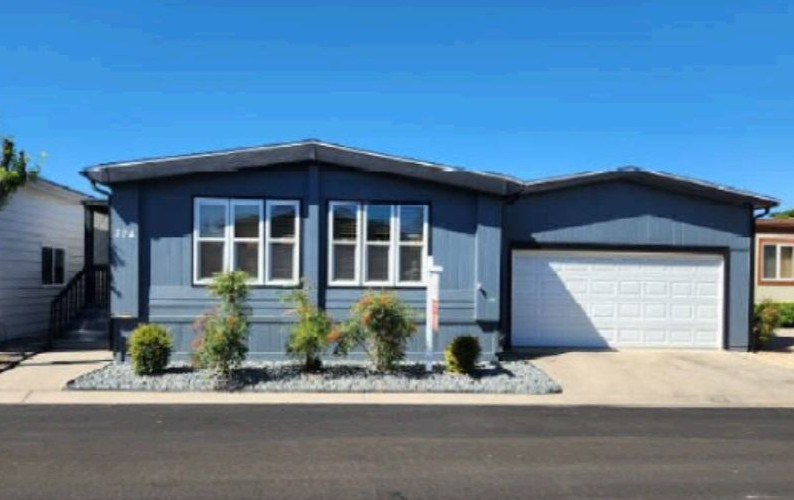
Tag: mobile home interest rates today

  • What to Know About Mobile Home Loans in Florida

    Mobile homes offer an affordable housing option for many Florida residents. However, securing a loan to purchase or refinance a mobile home can be challenging. Understanding how mobile home loans work and the specific requirements for Florida can help potential buyers make informed decisions.

    1. Types of Mobile Home Loans

    There are several types of mobile home loans in Florida, each with unique requirements and features. These include chattel loans, real estate loans, and FHA loans. The type of loan you choose depends on whether the mobile home is classified as personal or real property.

    Chattel loans are for mobile homes that are not permanently affixed to land. Real estate loans are for mobile homes attached to land and classified as real property. FHA loans are government-backed loans designed for mobile homes meeting specific standards.
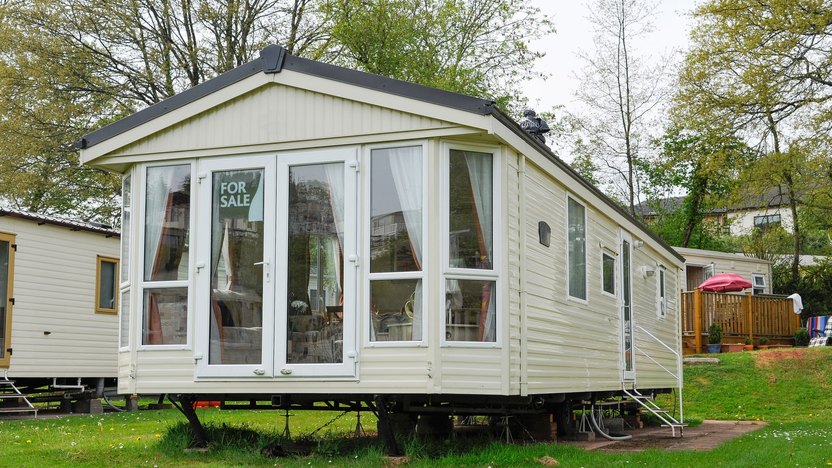
    how mobile home loans work

    2. Chattel Loans

    Chattel loans are commonly used for mobile homes not affixed to land. With a chattel loan, the mobile home serves as collateral for the loan, but the land does not. These loans typically have higher interest rates than real estate loans due to the risk of the home being moved or repossessed.

    The loan term for chattel loans is usually shorter, ranging from 10 to 20 years. Lenders may require a larger down payment, sometimes as high as 20%. These loans are ideal for individuals who own the land where the mobile home will be placed or rent a space in a mobile home park.

    3. Real Estate Loans

    A real estate loan is a traditional mortgage that covers the mobile home and its land. In Florida, you can apply for a real estate loan if you buy both the land and the mobile home together. These loans typically offer lower interest rates and longer terms than chattel loans.

    To qualify for a real estate loan, the mobile home must meet specific criteria, such as being affixed to a permanent foundation. Lenders also require that the mobile home meets state building codes. The loan process for real estate loans can be similar to that of traditional home mortgages.

    4. FHA Loans for Mobile Homes

    The Federal Housing Administration (FHA) offers loans for mobile homes in Florida. These loans are ideal for buyers with lower credit scores or smaller down payments. FHA loans are available for new and existing mobile homes that meet specific requirements.

    The mobile home must have been built after 1976 to qualify for an FHA loan, as homes built before then do not meet federal standards. The home must also be placed on a permanent foundation. Additionally, the borrower must meet certain income and credit requirements.

    5. Eligibility Requirements for Mobile Home Loans

    Each type of mobile home loan has specific eligibility criteria, and meeting these requirements is crucial for approval. Lenders typically assess factors such as credit score, income, and the condition of the mobile home. The home must meet state and local building codes in Florida, especially if applying for a real estate or FHA loan.

    For chattel loans, lenders focus more on the borrower’s ability to repay the loan than the home’s value. The borrower must provide proof of land ownership or a long-term lease agreement for real estate loans. FHA loans require that the borrower meet certain income limits and credit score thresholds.

    6. Interest Rates for Mobile Home Loans

    Interest rates for mobile home loans vary depending on the type of loan, the borrower’s credit, and the loan term. Chattel loans tend to have higher interest rates than real estate loans, as lenders consider them riskier. However, real estate loans and FHA loans typically offer more competitive rates.

    Interest rates can range from 4% to 10% for mobile home loans in Florida, with the possibility of higher rates for borrowers with lower credit scores. It’s essential to shop around and compare offers from different lenders to find the best rate. Over time, securing a lower interest rate can save you significant money.

    7. Down Payments and Loan Terms

    Down payment requirements for mobile home loans in Florida vary depending on the type of loan and lender. Down payments may range from 5% to 20% for chattel loans. Real estate loans may require a down payment of 10% to 20%, depending on the borrower’s creditworthiness and the home’s value.

    Loan terms for mobile home loans in Florida can range from 10 to 30 years, depending on the loan type. Shorter loan terms often come with higher monthly payments, but they can save money on interest. Choosing the proper loan term can make your monthly payments more manageable.

    8. Mobile Home Insurance Requirements

    Most lenders require mobile home insurance before approving a loan. Insurance coverage protects the borrower and the lender in case of damage or loss. Homeowners insurance is essential in Florida due to the state’s frequent storms and hurricanes.

    Insurance policies for mobile homes typically cover damage from natural disasters, fire, theft, and vandalism. For mobile homes on land, homeowners may also need to include coverage for the land itself. Be sure to check with your lender to understand the specific insurance requirements for your loan.

    9. Finding the Right Lender

    Choosing the right lender is crucial when applying for a mobile home loan in Florida. Different lenders offer different loan terms, interest rates, and requirements. Researching and comparing multiple lenders, including banks, credit unions, and specialized mobile home lenders is important.

    Online platforms allow you to compare offers from multiple lenders quickly. You can also check with local mobile home dealerships, as they may have partnerships with lenders specializing in mobile home loans. Shopping around can help you secure the best loan terms for your financial situation.

    10. Mobile Home Loan Process in Florida

    Securing a mobile home loan in Florida is similar to getting a traditional mortgage, though it often involves fewer steps. First, you’ll need to determine which type of loan best fits your needs. Once you’ve selected a loan type, gather the necessary documents, such as proof of income, credit history, and information about the mobile home.

    After you submit your application, the lender will evaluate your financial situation and the condition of the mobile home. If your application is approved, you’ll sign the loan agreement, and the funds will be disbursed. The approval process may take several weeks, so patience’s essential.

    11. Financing Used Mobile Homes

    Financing for used mobile homes is available in Florida, but financing new homes can be challenging. Used mobile homes may need to meet the criteria for FHA loans, especially if they were built before 1976. However, lenders may still offer chattel or conventional loans for used homes.

    When financing a used mobile home, the lender typically requires a thorough inspection to assess its condition. They may also request an appraisal to determine the home’s value. Understanding the home’s condition and market value will help ensure you get a fair loan offer.

    12. Closing Costs and Fees

    Mobile home loans come with various closing costs and fees, like any home purchase. These costs include application, title search, appraisal, and attorney fees. Be prepared for these additional expenses when budgeting for your mobile home purchase.

    In Florida, closing costs for mobile home loans can range from 2% to 5% of the loan amount. It’s essential to ask the lender for a breakdown of all costs so you’re not caught off guard. Some lenders may offer to include these costs in the loan, increasing your monthly payments.

    13. Refinancing Mobile Home Loans

    Refinancing might be a good option if you already have a mobile home loan and are looking to lower your payments or interest rate. Refinancing allows you to replace your existing loan with a new one, often with better terms. Florida residents with a mobile home on land may be eligible for refinancing through traditional mortgage lenders.

    Refinancing a chattel loan is more complex but possible. Some lenders may offer refinancing options if your mobile home’s value has increased or you’ve significantly improved. Always check with your lender to determine your refinancing options and eligibility.

    14. Mobile Home Parks and Loan Approval

    Living in a mobile home park can affect your loan application. Some mobile home parks have restrictions on renting or selling homes, which can impact the marketability of your mobile home. Lenders may be less willing to approve loans for homes in parks with strict regulations.

    Before applying for a loan, check the mobile home park’s rules and regulations to ensure they align with your financing plans. Some lenders may require written confirmation from the park management that you can place the mobile home on the property. Awareness of the park’s rules can help prevent issues with loan approval.

    15. Mobile Home Loans for Retirees

    Florida is a popular destination for retirees, and many choose to purchase mobile homes in the state. Lenders may offer specialized mobile home loans for retirees, taking into account their fixed income. Retirees should know they may need additional documentation, such as proof of pension or Social Security income.

    Retirees should also consider the loan term and ensure it fits their financial situation. A shorter loan term may mean higher monthly payments, so choosing a plan that works for their budget is important. Consulting with a financial advisor can help retirees make the best loan decisions.

    Conclusion

    Securing a mobile home loan in Florida requires understanding the various loan types, eligibility criteria, and costs. Knowing the requirements and options available can help you decide whether you are purchasing a new or used mobile home. By researching loan types, comparing lenders, and preparing for the loan process, you can secure financing that meets your needs and budget.


    See Also:


  • How to Save Money While Living in a Florida Mobile Home

    Living in a mobile home in Florida can be an affordable and flexible housing option. However, managing your finances wisely ensures even greater savings. With smart strategies, you can cut costs and build financial security while enjoying your home.

    1. Energy Efficiency Tips

    Florida’s warm climate often leads to high electricity bills due to air conditioning. To lower electricity consumption, start by sealing windows and doors to prevent cool air from escaping. Also, use energy-efficient light bulbs and appliances.

    Consider installing a programmable thermostat to regulate indoor temperatures efficiently. Keep your curtains or blinds closed during the hottest part of the day. Fans can also help circulate air, reducing your reliance on air conditioning.

    2. Water Conservation

    Water bills can be another area in which to cut costs. Fix leaks promptly to avoid wasting water. Install low-flow faucets and showerheads to reduce usage without sacrificing comfort.

    Collect rainwater in barrels for outdoor watering needs, like gardens or washing your car. Limit lawn irrigation by planting native Florida plants, which require less water. Efficient water use benefits both your wallet and the environment.

    save money on mobile home

    3. Affordable Maintenance Solutions

    Maintenance costs can add up, but routine care prevents expensive repairs. Clean your gutters regularly to avoid water damage. Inspect your roof periodically for wear, especially after storms.

    Learn basic DIY repair skills to handle minor issues yourself. Many online tutorials can guide you through simple maintenance tasks. For larger jobs, shop around for affordable contractors with good reviews.

    4. Reduce Property Taxes and Insurance Costs

    Mobile homes in Florida typically have lower property taxes, but exemptions can save you even more. Apply for the Homestead Exemption if you own your home and live there full-time. Seniors, veterans, and disabled individuals may qualify for additional discounts.

    Shop around for insurance policies tailored to mobile homes. Compare quotes and look for discounts for bundling policies or installing safety features. Strengthening your home against hurricanes can also lower premiums.

    5. Explore Community Resources

    Many mobile home communities offer amenities like pools, gyms, and social events. Instead of paying for external services, take advantage of these perks. Participate in community yard sales to find secondhand items or make extra money selling your own.

    Join local groups or online forums to exchange tips and resources with other mobile home residents. Sharing tools or splitting bulk purchases with neighbors can reduce costs. Being part of a supportive community can enhance your lifestyle and budget.

    6. Budget-Friendly Interior Upgrades

    Decorating your mobile home doesn’t need to break the bank. Use thrift stores or discount shops to find affordable furniture and decor. Add a fresh coat of paint for an inexpensive way to brighten your space.

    Repurpose old items creatively for functional or decorative purposes. DIY projects save money and give your home a personalized touch. Keep improvements simple and within budget to avoid overspending.

    7. Save on Groceries

    Food expenses can be a significant part of your budget, but intelligent shopping habits make a difference. Plan meals to avoid impulse purchases. Buy non-perishable items in bulk and take advantage of sales.

    Grow your vegetables or herbs if space allows. Farmers’ markets can offer fresh produce at reasonable prices. Avoid eating out frequently by preparing meals at home, which is both healthier and cheaper.

    8. Cut Transportation Costs

    Living in Florida means you’ll likely need a vehicle, but you can minimize related expenses by carpooling with neighbors or coworkers to save on gas. Also, maintain your car regularly to avoid costly repairs.

    Combine errands into a single trip to reduce fuel usage. Look for discounts on auto insurance for good driving records or multiple vehicles. If feasible, consider using public transportation or biking for short distances.

    9. Lower Entertainment Expenses

    Florida offers many free or low-cost recreational activities. Instead of expensive attractions, visit state parks, beaches, or local festivals. Check your mobile home community for free movie nights or social events.

    Use your local library for free books, movies, and activities. Take advantage of discounts or free admission days at museums and attractions. Spending wisely on entertainment allows you to enjoy Florida without straining your budget.

    10. Manage Debt and Save Strategically

    Paying off high-interest debt should be a priority. To reduce financial stress, focus on eliminating credit card balances and loans. Create a realistic budget and stick to it for consistent savings.

    Set up an emergency fund to cover unexpected expenses, like home repairs or medical bills. Take advantage of Florida’s lack of state income tax to allocate more money to savings. Financial planning provides peace of mind and long-term stability.

    11. Embrace Minimalist Living

    Living in a mobile home often means downsizing, which can lead to significant savings. Limit unnecessary purchases and focus on essentials. Sell unused items to declutter and generate extra income.

    Invest in multifunctional furniture or storage solutions to maximize space efficiently. A minimalist lifestyle reduces costs and simplifies daily living and appreciating what you have fosters contentment and financial discipline.

    12. Explore Renewable Energy Options

    Solar energy is an excellent option in sunny Florida. Installing solar panels can reduce your electricity bills over time. Some utility companies offer incentives for solar installations, lowering initial costs.

    Portable solar chargers are a budget-friendly alternative for charging small devices. If installing panels isn’t feasible, look for community solar programs. Renewable energy investments save money and promote environmental sustainability.

    13. Protect Against Weather Damage

    Florida’s weather can be unpredictable, so preparation is essential. Secure your mobile home with tie-downs to protect it from strong winds. Install storm shutters or impact-resistant windows for added safety.

    Keep an emergency kit with flashlights, batteries, and first-aid supplies. Check weather forecasts regularly to prepare for hurricanes or heavy storms. Preventive measures reduce damage and costly repairs.

    14. Take Advantage of Discounts

    Many retailers and services offer discounts for Florida residents, seniors, or military members. Always ask about discounts before making purchases. Use loyalty programs and apps to save on groceries, gas, and other essentials.

    Search for coupons or promo codes when shopping online or in stores. Combine discounts with sales for even more significant savings. Small discounts add up over time and contribute to your overall financial health.

    15. Rent Wisely

    If you rent your lot, negotiate your lease terms whenever possible. Research the average rental rates in your area to ensure fair pricing. Consider sharing costs with roommates or splitting expenses with family.

    Stay informed about tenant rights and responsibilities to avoid unexpected fees. Keeping good communication with your landlord can also lead to cost-saving arrangements. Renting smartly helps you manage your budget effectively.

    Conclusion

    Living in a Florida mobile home offers numerous opportunities to save money while enjoying a comfortable lifestyle. You can maximize your savings by adopting energy-efficient habits, managing expenses strategically, and exploring community resources. Focus on smart financial planning to build stability and achieve your long-term goals.


    See Also:


  • 3 Ways To Finance A Mobile Home in Sarasota Florida

    Securing financing for a mobile home in Florida requires a nuanced understanding of the state’s real estate landscape. From traditional mortgage options to specialized loans, this article delves into the intricacies of financing, providing valuable insights for those navigating the journey of making a mobile home their residence in the Sunshine State.

    Around 18 million Americans are living in mobile homes or manufactured homes according to the U.S. Census Bureau. This accounts for around 5% of the entire US population. One of the main reasons why people are living in this kind of arrangement is obvious: mobile homes are cheaper compared to conventional on-site fixed houses, they are mobile and can be in any location, are low-maintenance and upkeep, and are subject to different housing laws.

    It is obvious that mobile homes have bigger advantages than conventional homes for a single family, but buying and financing mobile homes has its hurdles and different challenges. Getting a mortgage for a mobile home is not the same as getting one for a conventional home and we are here to explain.

    Sarasota mobile home
    Sarasota mobile home

    With mortgage rates continuing to rise and the cost of real estate at a record high in most of the United States mobile home Buyers need different ways to pay for their mobile home within the greater Sarasota Florida area.

    Where can a mobile home Buyer go to get financing for a mobile home on leased land in Florida?

    Does financing even exist?!

    This is an important topic to discuss but first, we need to fully understand what type of mobile home we are looking to finance so we can best understand the financial obstacle that needs to be overcome.

    Mobile homes in Florida that are located within a mobile home park where the owner of the mobile home pays lot rent are viewed as and taxed as personal property within the state of Florida.

    The sale and purchase of these dwellings have titles associated with them and not deeds as traditional single-family homes do.

    If this sounds quite a bit like the Buyer is purchasing a vehicle then you are correct!

    Since this purchase is unique to many folks, we are here to give you the 3 most common ways a mobile home in the greater Sarasota Florida area can be financed below.

    1. Cash

    Buying a mobile home on leased land in the form of cash is by far the most common way to buy. When we say cash we are not referring to physical dollar bills, but rather cashier’s checks or money orders. This type of purchase amounts to over 90% of all home sales state-wide and is often preferred by the Seller of the mobile home.

    2. Mortgage

    In traditional mortgages, your major lenders will not lend on a mobile home in Florida when it is located on leased land. The reason is that these homes do not qualify as real estate because the home does not include the land in the sale of the property. If you are looking at obtaining a mortgage for your mobile home purchase you will need to go to a third-party mortgage underwriter who specializes in mobile home loans with properties located on leased land.

    3. Seller Financing

    It is not uncommon to encounter a Seller who is willing to play banker with you as a Buyer. Here, the Seller will require some type of down payment to move into the property and monthly installment payments that will be credited toward the remaining balance of the home. Although this is not the most common financing method we see it is certainly one to inquire about from the start to see if the Seller is willing to work with you on a payment system.

    If none of the above options is right for you, there are other ways to acquire a mobile home through different types of loans. 

    Mobile Home for Sale in Sebring
    Mobile Home for Sale in Sebring

    4. Chattel Loans

    Chattel loans work similarly to traditional mortgages in that your mobile home can be seized if you fail to pay your mortgage on schedule. The good thing about a Chattel loan is that your house doesn’t need to be affixed permanently. Chattel loans can be used whether you own the land or rent a lot.

    5. Personal Loans

    There are many types of personal loans but because most of them don’t require collateral, the interest is always higher compared to traditional loans. There are also secured personal loans if you want a lower interest. Some loan companies accept mobile homes as collateral for personal loans.

    Borrowing money from your family, friends, and relatives can be another option if none of the above fits your situation.

    One of the many great things about buying a mobile home on leased land is that there are several different ways to purchase and move into your new property that are not normally available to single-family homes.

    Having several different options and being educated in all of them will certainly put you ahead of the curve when looking at buying your new mobile home!

    Although all of the above options can help you acquire a mobile home, it is always important to plan ahead before planning to move into a mobile home. Most people who avoid paying interest plan two to three years in advance. This gives them enough time to save money to buy a mobile home.

    Finally, there are a few different ways to finance a mobile home. You can take out a personal loan, get a loan from a mobile home dealer, or finance the home through a bank or credit union.

    Personal loans are one option for financing a mobile home. You can get a personal loan from a bank, credit union, or online lender. The interest rate on a personal loan is typically higher than the interest rate on a mortgage, so you’ll need to carefully consider whether this is the right option for you.

    Another option is to finance your mobile home through the dealer where you purchase the home. Mobile home dealers often work with banks and other lenders to offer financing options to their customers. The interest rates on these loans are usually higher than those of personal loans, but they may be easier to qualify for.

    Finally, you can also finance your mobile home through a bank or credit union. These institutions typically offer more favorable terms than either personal loans or dealer financing. However, it may be more difficult to qualify for financing from a bank or credit union than it is from other sources.

    The Mobile Home Dealer is a licensed mobile home dealer and broker in Sarasota Florida and neighboring areas. We provide professional buy and/or sell assistance to our clients. If you have any questions, please contact us by clicking this link. You may also visit our Facebook Page and send us a message.

    This is Mark Kaiser with The Mobile Home Dealer and we help mobile home Buyers and Sellers get to a better place in life.

    See Also:

  • How Does A Sarasota Florida Mobile Home Park Qualify Income?

    One question that always remains a popular one with Sarasota Florida mobile home park residents is, how does one become qualified to live in the mobile home park that they buy in?

    While we do not work for or are not associated with any one mobile home park within the Sarasota Florida area what we can say is one of the qualifying terms of becoming approved for residency is the applicant’s income level.

    Generally speaking, most mobile home parks throughout the Sarasota Florida area want to see somewhere around three to four times the reported income to lot rent in order to pass the income assessment portion of the park approval process.

    What this means is that in most mobile home parks the Buyers of a mobile home within the park have to make at least three to four times what the lot rent is in income every month.

    Palm Terrace
    Palm Terrace mobile home

    For example:

    If the mobile home parks lot rent is $500 then most parks will look for all residents applying for residency within the park to have somewhere between $1,500-$2,000 in reported income each month.

    Mobile home parks do this because they want to make sure that each resident has the financial resources to pay for the lot rent each month. If the mobile home park did not use some type of financial qualification then they would not have anything on record that would help them see if the resident who is looking to move into the park has the financial resources to pay the monthly lot rent.

    Without this precaution in place, mobile home parks could be in a situation where they are evicting people based on failure to pay their monthly lot rent bill.

    To a mobile home park “stated reported income” can be anything from Social Security pay stubs, retirement or pension disbursements, wages from a job or business, or other investments that pay the individual money each month.

    If there are two residents living in the home and they are both on the park application then, generally speaking, the park will look at both stated income amounts in order to assess if the residents will be approved from a financial standpoint.

    Each mobile home park has its own version of the park approval but most parks will check the same three things for the applying resident which are the applicant’s credit history, criminal background, and income-to-lot rent ratio.

    Each mobile home park will have its own credit requirements for park approval so it is of utmost importance that all Buyers check with the park prior to buying the mobile home they are interested in to ensure they understand all of the requirements that are associated with the approval process of the mobile home park they are interested in living in.

    Most mobile home parks will approach the approval process with, what is referred to, as a “full picture” approach. What this means is that parks will take the applicant’s income, credit score, and criminal background together to determine the status of the applicant’s park approval.

    mobile-home-park-2
    Mobile home park

    We certainly suggest that if you or any Buyer for that matter are unsure of what your credit score is go and pull a free credit report prior to applying for any park to see exactly where your credit score is and if it needs to be worked on prior to applying for park residency.

    To people who are planning to move into mobile homes within the next two to three years and have bad credit, there is always an option given enough time to prepare. 

    Depending on your current job and financial situation, there are hundreds of ways to save money for a mobile home in the next two to three years.

    Get rid of discretionary expenses. Many financial experts suggest that this is one of the majority of reasons why people, and even families, are not saving money. Check your monthly income and buy only the things you and your family need.

    Decrease essential bills. Why pay for a higher Internet and cable package when you seldom use them? Turning off lights when not in use can save electrical bills, same with water usage. There are free ways to call your friends, families, and relatives so why spend money on phone bills?
    Lifestyle check. How often do you go to fancy restaurants and bars? Will your monthly income support this kind of lifestyle? How much money can you save if you cut this activity off?

    When looking to apply for residency within a mobile home park in the Sarasota Florida area always make sure you as the Buyer check to see what the lot rent is and what it includes. After you find this amount out make sure you verify this amount with the park owner or manager to ensure that the amount you have been quoted will be your payment and not an increased rate because you as the Buyer are becoming a new resident.

    At times, some mobile home parks will grandfather old rates to the current owners of the property but when the mobile home is sold then the new resident will be required to pay a higher lot rent.

    Having a thorough understanding of what the lot rent is and knowing what the financial requirements are prior to purchasing a mobile home within a mobile home park in the Sarasota Florida area will help you, the Buyer, in knowing exactly what it is you can afford and what you can not.

    This is Mark Kaiser with The Mobile Home Dealer and we help mobile home Buyers and Sellers get to a better place in life.

    See Also:

Reset password

Enter your email address and we will send you a link to change your password.

Get started with your account

to save your favourite homes and more

Sign up with email

Get started with your account

to save your favourite homes and more

By clicking the «SIGN UP» button you agree to the Terms of Use and Privacy Policy
Powered by Estatik